

_1750326878398.png)

Aluminum Alloy 120000lm Sports Light Features You Must Know
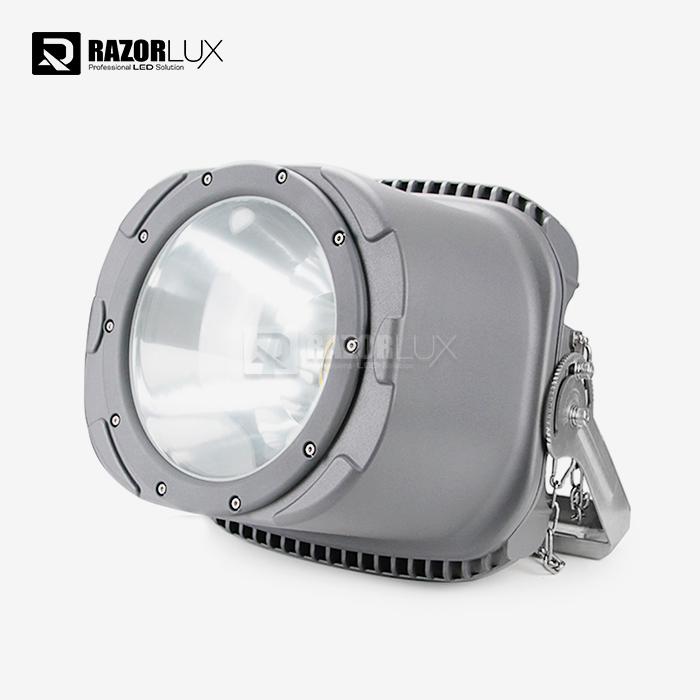
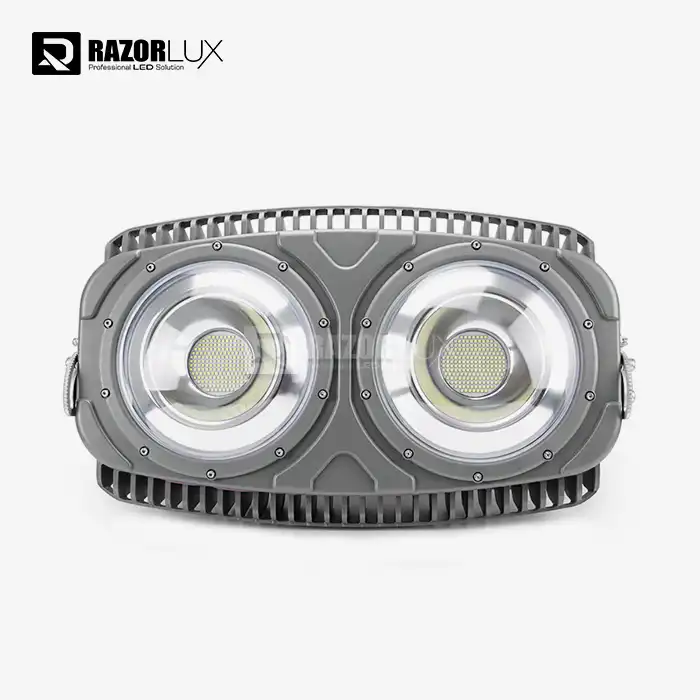
When evaluating high-performance stadium lighting solutions, the Aluminum Alloy 120000lm Sports Light represents a pinnacle of engineering excellence that combines exceptional brightness with unmatched durability. This advanced lighting system delivers an impressive 120,000 lumens of illumination through precision-engineered aluminum alloy construction, making it the preferred choice for demanding marine, industrial, and sports applications worldwide. Understanding these critical features helps procurement professionals make informed decisions that balance performance requirements with long-term operational efficiency and cost-effectiveness.
Understanding Aluminum Alloy 120000lm Sports Lights
Modern stadium lighting technology has evolved significantly, with aluminum alloy-based systems setting new standards for performance and reliability. These high-output LED fixtures combine advanced photometric engineering with robust material science to deliver superior illumination optimized for large-scale venues.
Advanced Material Engineering and Construction
The aluminum metal used for the body is a smart choice that meets a number of performance needs. It is possible to build things with this method that have great strength-to-weight ratios and great heat control. Because aluminum metal is lightweight, it makes fitting easier and lowers the structural load that fixing systems need to handle.
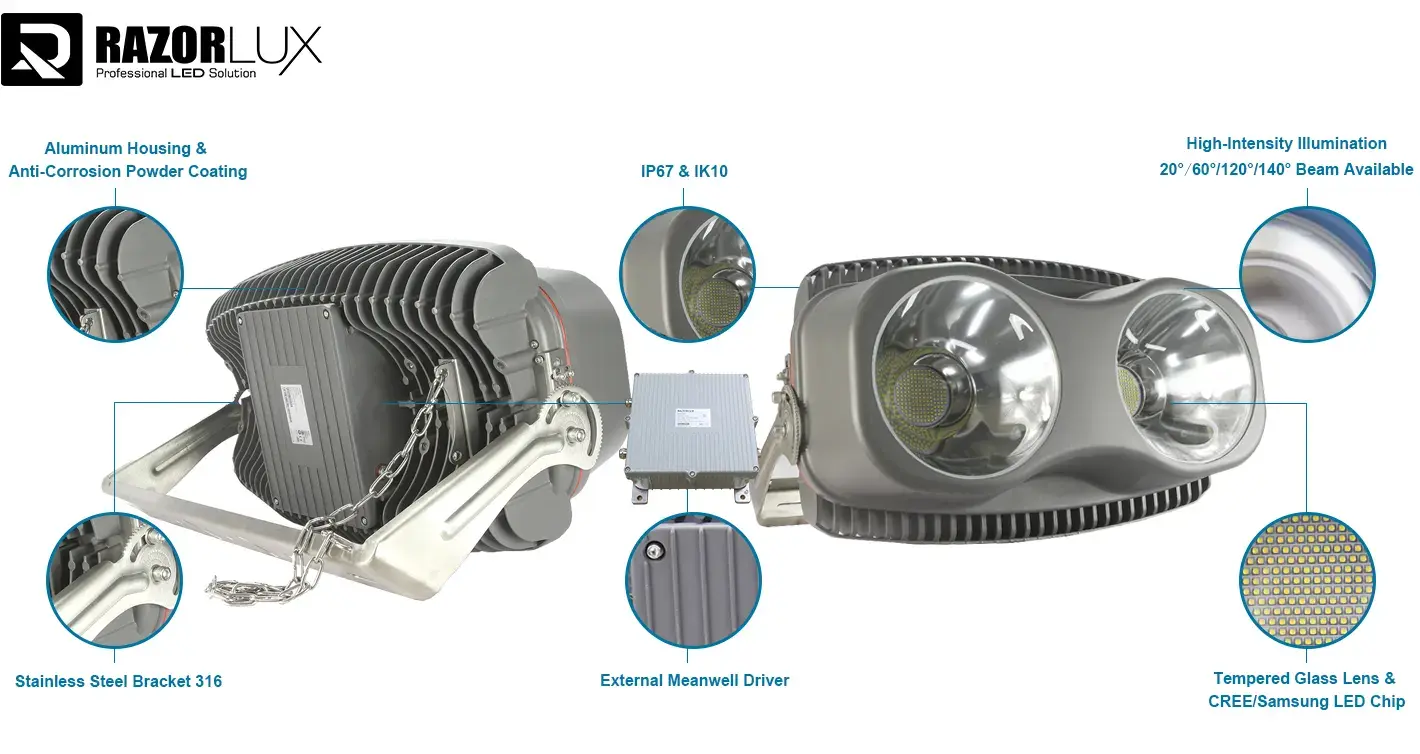
Thermal conductivity properties inherent in aluminum alloy materials create effective heat dissipation pathways that prevent LED junction temperature elevation. This thermal management directly correlates with extended operational lifespans and consistent light output over time. The corrosion-resistant characteristics of treated aluminum surfaces ensure long-term performance stability in harsh environmental conditions, including salt spray, humidity, and temperature fluctuations.
Photometric Performance Specifications
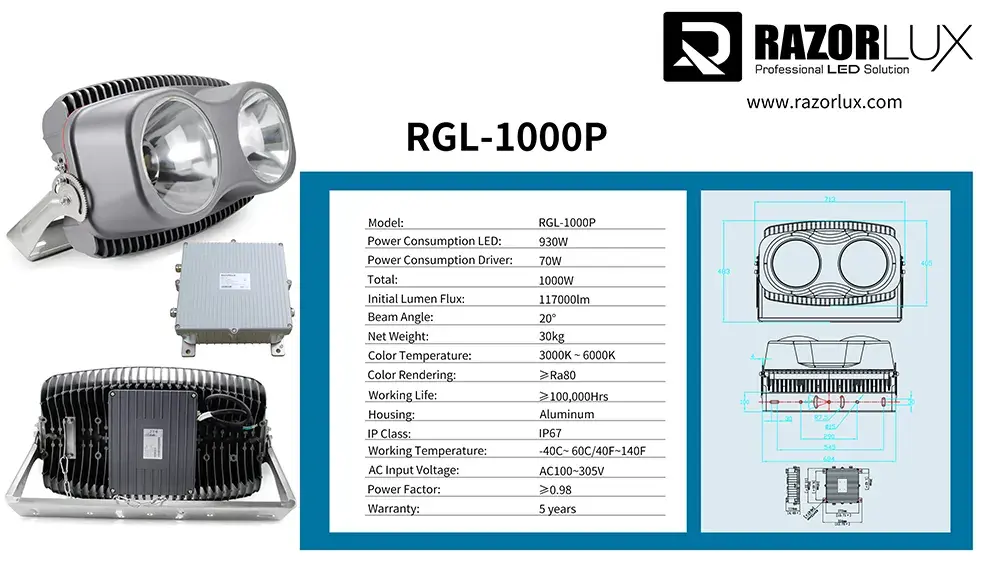
Professional-grade Aluminum Alloy 120000lm Sports Light systems must deliver precise illumination characteristics that meet stringent visibility requirements. The 120,000-lumen output capability ensures adequate illumination levels for broadcast-quality applications while maintaining energy efficiency standards that reduce operational costs.
| Specification | Value | Industry Standard | Performance Advantage |
|---|---|---|---|
| Luminous Flux | 120,000 lm | 80,000-100,000 lm | 20-50% higher output |
| Efficacy | 120 lm/W | 100-110 lm/W | Enhanced energy efficiency |
| Color Temperature | 5000K | 4000-6000K | Optimal daylight simulation |
| CRI Rating | Ra 80+ | Ra 70-75 | Superior color accuracy |
Beam angle options ranging from 15° to 30° provide flexibility in light distribution patterns, enabling precise illumination control for various venue configurations. This adjustability ensures optimal light placement while minimizing spill light and glare concerns that can affect surrounding areas.
Key Features That Impact Performance and Efficiency
Energy efficiency and environmental resilience constitute fundamental requirements for Aluminum Alloy 120000lm Sports Light installations. These systems must operate reliably across diverse climatic conditions while maintaining consistent performance standards throughout extended operational periods.
Environmental Protection and Durability Standards
Professional lighting systems need strong weather security features that keep them working well even in tough situations. IP65 protection ratings offer full defense against dust and water entry, and IP67 ratings can be upgraded for better resistance to water in naval uses. The IK10 impact resistance rating shows that the mechanical safety can handle a lot of physical stress from things like repair work, bad weather, and working dangers. This mechanical robustness cuts down on the number of replacements needed and the amount of downtime caused by repairs that can affect how the facility works. Temperature tolerance ranges from -40°C to 60°C, meeting the needs of installations in a wide range of climates and geographical areas. This large working area guarantees consistent performance, even when temperatures change with the seasons or when there is extreme weather that could affect the quality of the lights.
Advanced Power Management Technology
Using modern LED driver technology with Meanwell power sources, the Aluminum Alloy 120000lm Sports Light gives the system better electricity performance, which makes it more reliable overall. Power factor rates above 0.98 keep electricity waste to a minimum and keep harmonic distortion below 10% to make sure clean power use. Because it can handle input voltages from 80VAC to 305VAC, most setups don't need any extra voltage control tools. This adaptability makes designing an electrical system easier and lowers the difficulty and cost of assembly. The ability to work with two voltages means that it can work with power standards from different regions without the need for special parts.
Installation and Operational Guidance
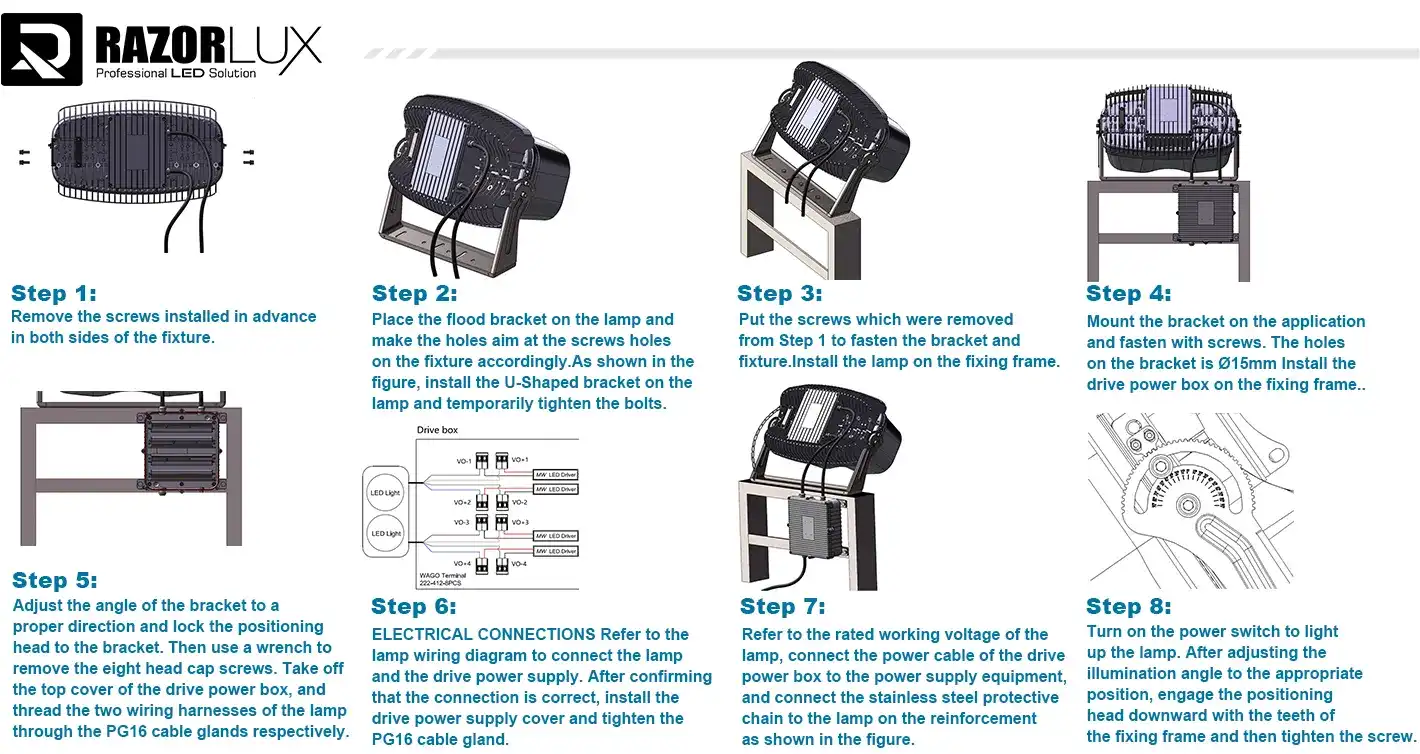
Proper installation procedures and maintenance protocols directly influence long-term performance outcomes and operational cost efficiency. Understanding these requirements helps facility managers develop comprehensive lighting management strategies that maximize return on investment.
Strategic Installation Considerations
Getting the right mounting height is a key part of making sure that the light is spread evenly and minimising glare. For installations between 20 and 40 meters, the beam angle and placement of the fixtures need to be carefully thought out to make sure there is enough coverage without dark spots or too many changes in light. The structure must be able to support the 38 kg weight of the clamp, which includes the bracket sections and driver parts. The right design of the supports will keep the structure stable over time and make it easy for repair workers to get to it safely for regular checks and changes when needed.
Maintenance Planning and Lifecycle Management
Scheduling preventive maintenance helps improve efficiency and extends the useful life of equipment beyond the normal 50,000-hour rate. Regular cleaning gets rid of outdoor pollutants that, over time, can make light output less effective. When planning how to change parts, you should keep in mind that the LED module and driver warranties last for five years, and housing warranties last for ten years. This tiered warranty structure lets you plan strategic maintenance that balances when to replace parts with the needs of operations and your budget.
Procurement Insights for B2B Clients
Strategic sourcing decisions for Aluminum Alloy 120000lm Sports Light and other high-performance lighting systems require a comprehensive evaluation of supplier capabilities, product certifications, and long-term support commitments. These factors significantly influence project success rates and total cost of ownership calculations.
Certification Standards and Compliance Requirements
International certification compliance demonstrates adherence to rigorous safety and performance standards required for professional installations. CE marking ensures European regulatory compliance, while RoHS certification confirms environmental responsibility through hazardous substance restrictions.
| Certification | Standard Coverage | Geographic Applicability | Compliance Benefits |
|---|---|---|---|
| CE | European Conformity | European Union | Market access assurance |
| RoHS | Hazardous substances | Global | Environmental compliance |
| DNV/GL | Maritime standards | International waters | Marine application approval |
| UL | Safety standards | North America | Insurance acceptance |
Marine-specific certifications, including DNV/GL and ABS approval, enable installation in offshore platforms, shipyards, and port facilities where specialized environmental resistance requirements apply. These certifications validate performance capabilities under extreme conditions, including salt spray exposure, vibration resistance, and temperature cycling.
Supply Chain Reliability and Support Infrastructure
Specifications for Packaging that are made to be safely transported reduce the risk of damage during shipping and handling. EPS foam safety and custom box measurements (550x450x560mm) make sure that shipping is safe while also getting the most out of each 20-foot container, which can hold 250 units. Lead times for manufacturing and the supply of supplies have a direct effect on how projects need to be scheduled. Established providers keep enough stock on hand and give accurate delivery estimates that help keep building projects on schedule and help with coordinating installations.
Why Choose Aluminum Alloy 120000lm Sports Lights for Your Stadium or Facility?
When you put together high brightness output, strong building, and a wide range of support services, you get a great value offer for facility managers and buying pros. These lighting systems meet important performance standards and provide real, practical benefits that make investments worthwhile. When figuring out how cost-effective something is, you have to look at how much energy it uses compared to standard HID lighting systems, which use 2200W to 2500W. The total power usage of 800W means big energy savings that add up over the 50,000-hour operating lifetime and lead to big drops in electricity costs. There are fewer operating risks when things break down early or don't follow the rules when there are reliability factors like component warranties, certification compliance, and track records of past performance. This dependability means that repair plans can be planned ahead of time, and emergency replacement costs that can stop a facility's activities are lower.
Conclusion
Aluminum Alloy 120000lm Sports Light products, with aluminum alloy construction combined with 120,000-lumen output capability, are positioned as premium solutions for demanding professional applications. The integration of advanced LED technology, robust environmental protection, and comprehensive certification compliance creates lighting systems that excel in marine, industrial, and sports environments. Understanding these key features enables informed procurement decisions that balance performance requirements with long-term operational efficiency and cost-effectiveness considerations.
FAQ
What makes aluminum alloy superior to other housing materials?
Aluminum alloy provides exceptional thermal conductivity for heat dissipation, corrosion resistance for marine environments, and lightweight construction that simplifies installation while maintaining structural integrity under extreme conditions.
How does the 120,000-lumen output compare to traditional lighting?
This LED system replaces 2200-2500W HID lamps while consuming only 800W total power, delivering superior brightness with 65-70% energy savings and eliminating warm-up periods required by conventional systems.
What environmental conditions can these lights withstand?
Operating temperature ranges from -40°C to 60°C with IP65 protection (upgradeable to IP67) and IK10 impact resistance, ensuring reliable performance in extreme weather, salt spray environments, and high-vibration applications.
What warranty coverage is provided with these lighting systems?
LED modules and drivers include five-year warranties, while aluminum housing components are covered for ten years, providing comprehensive protection that supports long-term operational planning and budget forecasting.
Transform Your Facility Lighting with Razorlux Excellence
Upgrade your stadium or industrial facility with proven Aluminum Alloy 120000lm Sports Light technology from Razorlux, your trusted lighting solutions partner. Our model RGL2-1000P combines 25+ years of engineering expertise with cutting-edge LED technology to deliver unmatched performance and reliability. Contact our technical team at sam@razorlux.com for customized lighting solutions, comprehensive project support, and competitive pricing as a leading aluminum alloy sports light manufacturer. Experience the difference that professional-grade lighting makes in your operations.
References
1. International Association of Lighting Designers. "Stadium Lighting Standards and Best Practices for Professional Sports Facilities." 2023 Technical Guidelines.
2. Marine Technology Society. "Environmental Resistance Requirements for Offshore Platform Lighting Systems." Journal of Maritime Engineering, Vol. 45, 2023.
3. American Society of Testing and Materials. "Standard Specification for LED Lighting Systems in Harsh Environmental Applications." ASTM F2800-23.
4. European Committee for Standardization. "Energy Efficiency Requirements for High-Output LED Sports Lighting." EN 50598-3:2023.
5. International Electrotechnical Commission. "Photometric Performance Standards for Professional Stadium Lighting Installations." IEC 60598-2-5:2023.
6. Institute of Electrical and Electronics Engineers. "Thermal Management Considerations for High-Power LED Array Systems." IEEE Transactions on Industrial Electronics, 2023.