

_1750326878398.png)

Why Upgrade to Modern LED Sports Lighting Fixtures Now?
Today, upgrading to current Led Sports Lighting Fixtures is not a choice; it's necessary for saving money and running the business more efficiently. Metal halide and halogen systems from the past use too much energy, need to be serviced often, and don't meet modern environmental and media standards. These days' LED options have better light output (often over 130 lm/W), start up instantly, work without flickering for HD video recording, and drastically lower running costs. With certifications like CE, RoHS, and UL, these lights are safe to use in all foreign areas and last for more than 50,000 hours. The switch to LED technology directly solves procurement problems by reducing downtime, lowering the total cost of ownership, and making sure that sports centers will be ready for future changes in energy laws.
Understanding Modern LED Sports Lighting Fixtures
What Defines Modern LED Technology in Sports Venues
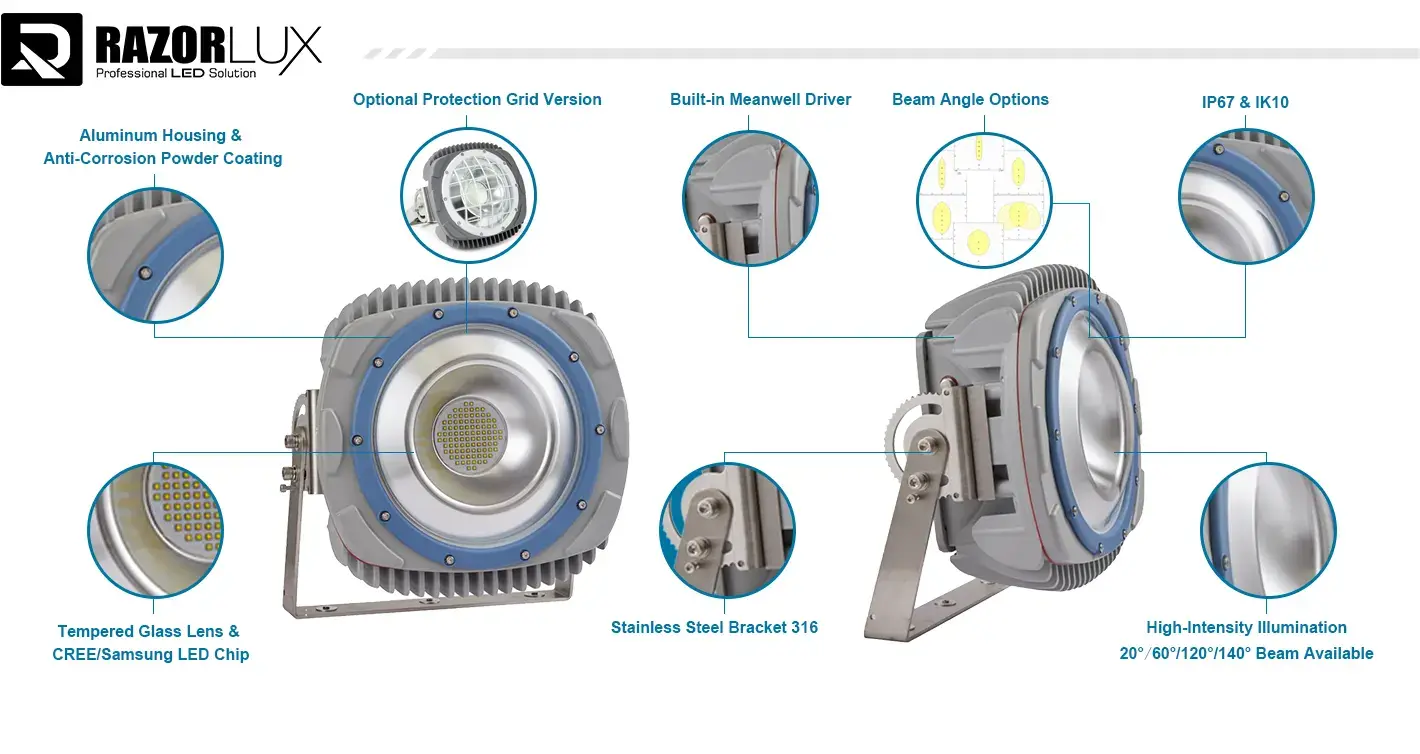
These days, LED Sports Lighting Fixtures use advanced semiconductor technology and precise lenses to light up large sporting fields evenly and brightly. Unlike older systems, these devices use multi-chip arrays and advanced thermal management systems, usually cold-forged metal heat sinks, to keep junction temperatures below 85°C even in harsh outdoor conditions. This temperature stability makes sure that the light output stays the same and the materials don't break down too quickly, which is very important for buildings that are used all year round in conditions that change.
Key Performance Metrics That Matter
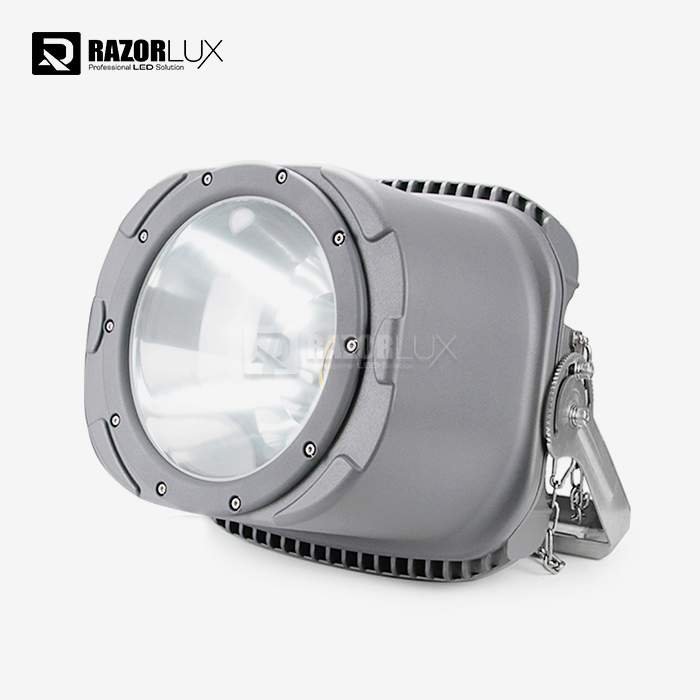
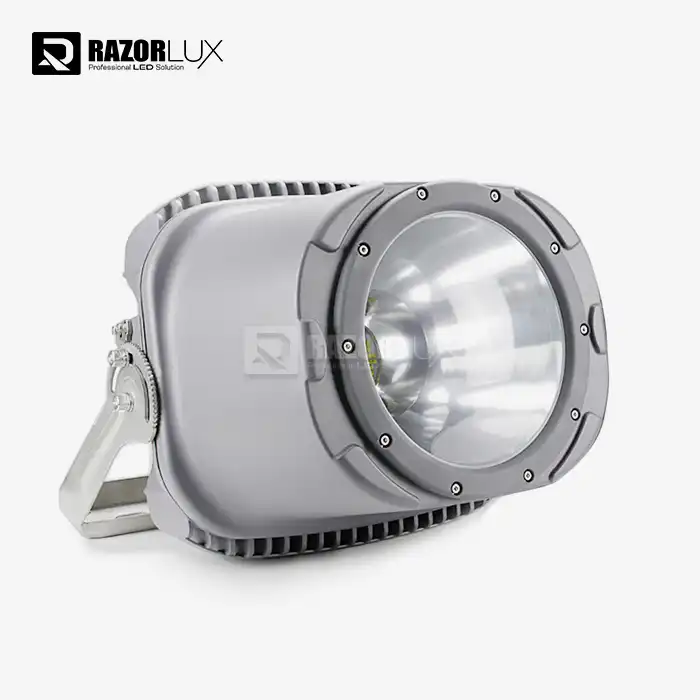
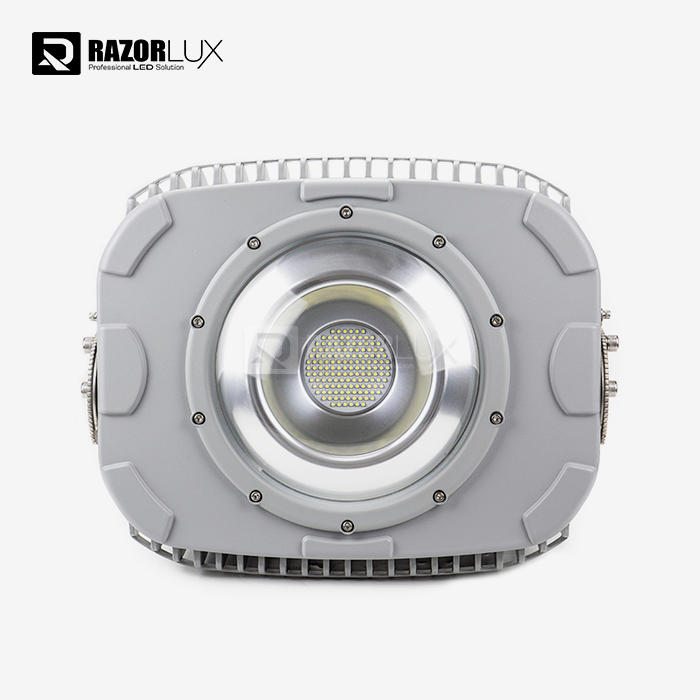
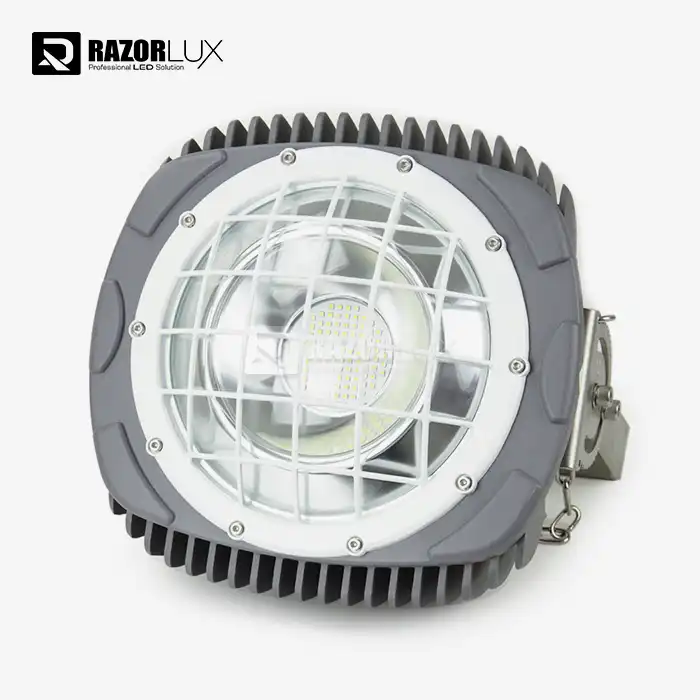
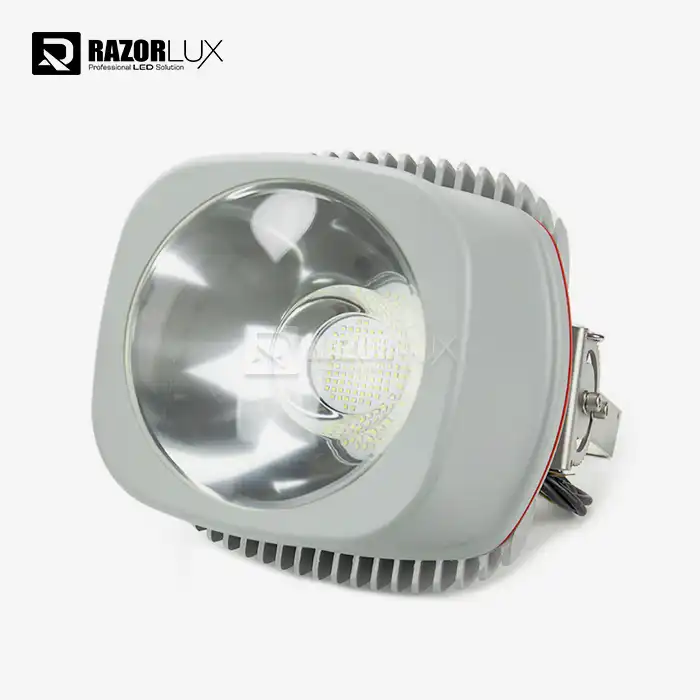
When purchasing managers look at LED Stadium Lights, they should pay attention to a number of measurable factors. Luminous efficiency above 130 lm/W means that the energy is being converted well. Color Rendering Index (CRI) values of Ra>75 make sure that colors are seen correctly, while Ra>80 or Ra>90 values meet the needs of broadcast. Values above 85 get rid of flicker artifacts in slow-motion repeat, making the Television Lighting Consistency Index (TLCI) very important for places that host broadcast events. The RGL-120A type from Razorlux meets these standards with its 130 lm/W efficiency, multiple CRI choices, and stable flux output of 14,400 lumens.
Why Traditional Sports Lighting Solutions Fall Short
Energy Inefficiency and Operational Costs
Most metal halide lights use between 60 and 80 lumens per watt, which means they use two to three times as much electricity as similar LED setups. A 1000W metal halide bulb can be swapped out for a 400W LED type that gives off more light, saving 60% of the energy used. With an average working schedule of 3,000 hours per year, this decrease saves a lot of money. Traditional systems also make a lot of heat, which makes indoor facilities use more air conditioning and makes areas feel stuffy.
Maintenance Burdens and Downtime
After 6,000 to 10,000 hours, metal halide lights quickly break down LED Sports Lighting Fixtures and need to be replaced often. To get to pieces that are 20 to 30 meters up, you need special lift equipment and trained workers, which costs money and slows down the facility's operations. When you add up the cost of renting the tools and the technician's time, a single lamp repair cycle can reach $500. Razorlux LED lights have lifespans of 50,000 hours or more, which means they don't need to be replaced as often, saving a lot of money on upkeep and downtime.
Choosing the Right LED Sports Lighting Fixtures for Your Facility
Assessing Your Venue's Specific Requirements
For each sport, the lighting needs to be set up differently. To keep spill light below the playing area to a minimum, football grounds need high vertical illumination (500–2000 lux) with asymmetric beam patterns. Wider beam angles (120° to 140°) are better for basketball courts because they make sure that the whole court is lit up evenly from side to side. To keep players from getting distracted while watching a high-speed ball, tennis courts need to have exact glare control. Razorlux has beam angles that can be set to 60°, 120°, or 140°x60°, so it can be customized for different sports.
Comparing Total Cost of Ownership
The initial buying price is only 20–30% of the total costs over the life of the item. Over the course of 10 to 15 years, the main costs of ownership are energy use, upkeep work, replacement parts, and disposal fees. A full TCO study shows that LED Sports Lighting Fixtures with higher initial costs usually pay for themselves in three to five years just by saving energy. Mean Well drivers, which come standard in Razorlux lights, provide a power factor of 98% and a total harmonic distortion of less than 10%. This makes the electricity use as efficient as possible and keeps utility fees for bad power quality to a minimum.
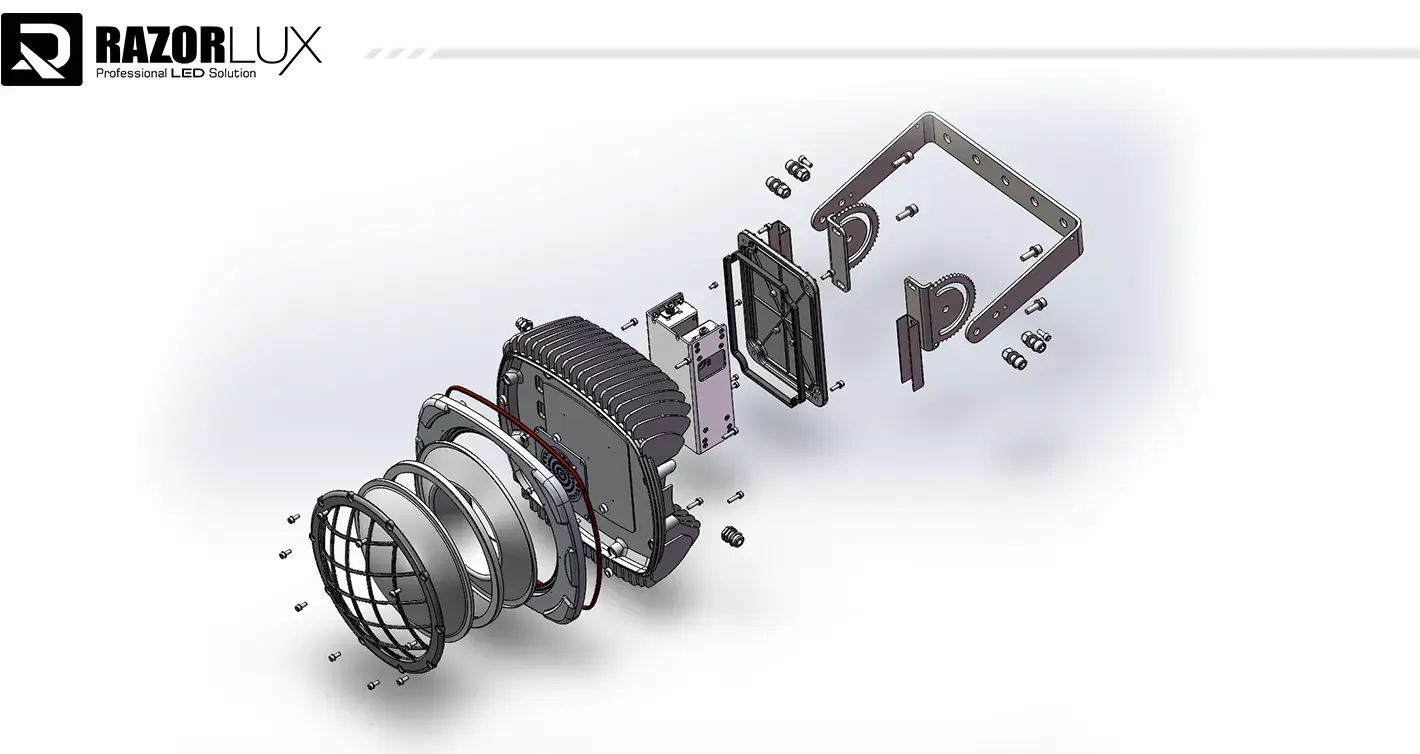
Table 1: Traditional vs. LED Sports Lighting Comparison
| Parameter | Metal Halide (1000W) | Razorlux LED (120W) |
|---|---|---|
| Power Consumption | 1000W | 120W |
| Luminous Efficacy | 70-80 lm/W | 130 lm/W |
| Lifespan | 8,000-12,000 hrs | 50,000+ hrs |
| Startup Time | 15-20 minutes | Instant |
| Maintenance Frequency | Every 1-2 years | Every 8-10 years |
| Operating Temperature Range | Limited | -40°C to 60°C |
Installation, Maintenance, and Lifecycle Management
Pre-Installation Planning and Site Assessment
A photometric study with tools like DIALux or AGi32 is the first step to installing LED Sports Lighting Fixtures that work well. These tools model how light spreads and find the best places to put fixtures, the best angles for aiming them, and the best mounting heights so that you can get the right amount of light while reducing glare and spill light. Site studies show what electrical equipment is already there, where structures can be mounted, and what entry restrictions are in place. Razorlux gives workers technical drawings and installation guides that help them make accurate lists of materials and figures of labor costs before they start working.
Lifecycle ROI Analysis
To figure out the return on investment, you need to do a full cost LED Sports Lighting Fixtures modeling. It saves 600kW per hour for a standard 100-fixture stadium to switch from 1000W metal halide systems to 400W LED systems. At $0.12/kWh and 3,000 hours of operation per year, the yearly energy savings are more than $216,000. Cutting down on maintenance costs adds $30,000 to $50,000 a year. The combined savings pay for themselves in three to four years, and the savings keep adding up over the 50,000-hour LED lifespan, which is about sixteen to seventeen years of normal use.
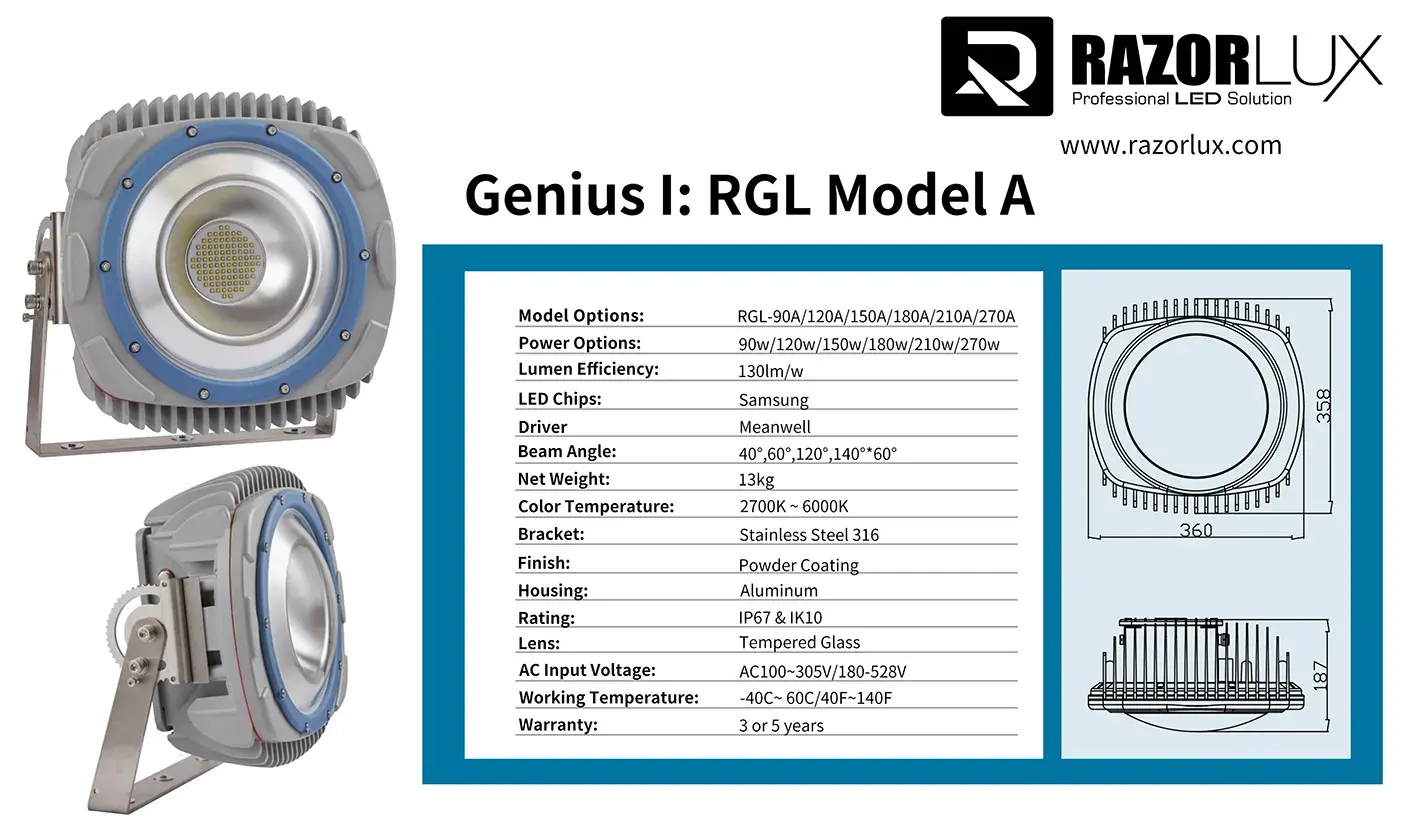
Table 2: Razorlux RGL-120A Technical Specifications
| Specification | Value |
|---|---|
| Rated Power | 120W (108W LED + 12W Driver) |
| Input Voltage | AC80-315Vac, DC80-400Vdc |
| Luminous Flux | 14,400 lm |
| Lamp Efficiency | 130 lm/W |
| Color Temperature Options | 2700K-6500K |
| Beam Angles Available | 60°, 120°, 140°x60° |
| CRI | Ra>75 (Ra>80, Ra>90 optional) |
| IP Rating | IP67 |
| IK Rating | IK10 |
| Operating Temperature | -40°C to 60°C |
| Housing Material | Aluminum, powder-coated |
| Driver Brand | Mean Well |
| Power Factor | ≥0.98 |
| Warranty | 5 years (LED & Driver), 10 years (Housing) |
Procurement & Partnership: How to Buy and Work with Trusted Suppliers
Identifying Qualified LED Sports Lighting Suppliers
Picking the right supplier is what makes a job successful. Manufacturers should be judged on their ability to produce, their list of certifications, and their knowledge of specific applications. Razorlux Optoelectronic Technology Co., Ltd. has been in business since 1998 and has more than 200 patents covering things like LED packing, power control, and structure design. Manufacturing methods that are ISO 9001-certified guarantee the same level of quality throughout all runs of production. Transparency from suppliers about where they get parts, like naming Samsung LED chips and Mean Well drivers, boosts trust in the long-term supply of parts and their consistent performance.
Establishing Long-Term Partnership Value
Relationships with collaborative suppliers go beyond simple transactions. Preferred seller programs give you more control over when your products are made, better technical help, and early notice of any changes to your products. During training workshops, repair staff learn how to use fixtures, fix problems, and file warranty claims. Razorlux offers a full range of services after the sale, such as technical support, warranty support, replacement parts, and lighting design advice. These services turn sellers into strategic partners who help facilities run more efficiently by providing high-quality LED Sports Lighting Fixtures.
Addressing Environmental and Regulatory Compliance
Meeting Dark Sky and Light Pollution Standards
More and more, city rules limit outdoor lights to protect nighttime ecosystems LED Sports Lighting Fixtures and reduce skyglow. Full cut-off lenses and precise beam control make sure that light only hits the playing areas. This stops light from spilling up and adding to light pollution. Razorlux lamps use asymmetric mirrors and secondary lenses to get a zero upward light ratio (ULR), which meets the standards of the International Dark-Sky Association (IDA). This obedience keeps regulators happy and shows that the company cares about the environment.
Achieving Energy Efficiency Mandates
Government programs to save energy require publicly funded buildings to meet basic performance standards. Razorlux products have DLC Premium approval, which means that projects can get utility refunds that often cover 20 to 40 percent of the cost of the equipment. In order for city buildings to meet ENERGY STAR portfolio rules, their lighting systems must meet strict efficiency standards. LED retrofits help buildings get LEED approval points in the Energy & Atmosphere area, which raises property values and makes the building more appealing to renters.
Supporting Sustainability Initiatives
There are several ways that LED Sports Lighting Fixtures technology fits in with companies' pledges to be environmentally friendly. Less energy use directly lowers carbon emissions—a stadium LED upgrade with 500 fixtures gets rid of about 300 tons of CO2 every year. Getting rid of mercury, which is found in metal halide lights, makes disposal easier and lowers the risk of being sued for toxic trash. Longer product lifespans reduce the amount of materials used and the amount of trash that ends up in landfills. This supports the circular economy principles that are being pushed more and more by institutional partners and procurement standards.
Conclusion
Modern LED sports lighting fixtures are an investment that will pay off in the long run, both in terms of operations and finances. Traditional lighting systems have high energy costs that can't be sustained, need a lot of upkeep, and can't perform at levels that meet today's environmental and media standards. Razorlux's certified, high-efficiency fixtures are a great example of LED technology. It offers better lighting, huge energy savings, and longer lifespans of more than 50,000 hours. Full certifications make sure that all regulations are followed around the world, and a strong building can handle harsh environmental circumstances. When procurement experts work with well-known manufacturers, they get access to technical knowledge, the ability to customize products, and help after the sale, all of which are important for the success of the project. Upgrading to LED sports lighting is a must for forward-thinking building managers because of the low total cost of ownership, environmental benefits, and dependability in use.
FAQ
1. What is the typical payback period for LED sports lighting upgrades?
The amount of time it takes to get your money back depends on how efficient the system was to begin with, how much power costs in your area, and how many hours the center is open. High-use places that are open more than 4,000 hours a year get their money back faster, sometimes in less than 3 years. When doing full estimates, you should include things like saved energy, lower upkeep costs, and any available utility rebates. Razorlux can make customized ROI studies based on the details of your building and the way you charge for utilities.
2. How do I determine the correct number of fixtures for my sports venue?
The right number of fixtures relies on the type of sport, the mounting height, the beam angles, and the light output of the fixtures. Professional photometric modeling with DIALux or AGi32 software makes sure that light distribution patterns are predicted correctly and that rules set by governing bodies (FIFA, FIBA, USTA, etc.) are followed. Razorlux offers free lighting design consultations that look at the size and usage needs of your building and suggest the best number of LED Sports Lighting Fixtures and where to put them.
3. Can LED sports lighting integrate with existing control systems?
Modern LED lights can be controlled in several ways, such as through 0-10V analog fading, DALI digital addressing, or DMX theater control. Wireless systems can be controlled from afar using apps on smartphones or building management systems. Razorlux has control interfaces that can be changed and are compatible with existing infrastructure. This means that they can be easily integrated without having to completely rebuild the electrical system. Gradual dimming for practice sessions, quick full-power for events, and automatic scheduling that lowers energy use during slow times are all possible with flexible controls.
Partner with Razorlux for Your LED Sports Lighting Upgrade
Since 1998, Xi'an Razorlux Optoelectronic Technology Co., Ltd. has been a leader in high-performance LED lighting solutions. They bring over 20 years of engineering excellence to sports lighting uses. Our RGL-120A lights have a patented multi-function design and use high-quality parts like Samsung LED chips and Mean Well drivers. They are 130 lm/W efficient, IP67 waterproof, and come with the best 5-year warranties in the business. As a reliable company that makes LED Sports Lighting Fixtures, we offer full support, from the initial design advice to installation and ongoing maintenance. Our collection of global certifications, which includes CE, RoHS, UL, and DLC, makes sure that all foreign markets are met. You can talk to our technical team at sam@razorlux.com about the needs of your building, ask for a special photometric study, or set up sample tests. Find out how Razorlux's proven skills as an LED sports lighting fixtures seller can improve the performance, sustainability, and operating efficiency of your place.
References
1. Illuminating Engineering Society. (2020). IES Recommended Practice for Sports and Recreational Area Lighting. New York: IES Publications.
2. Bullough, J.D., & Radetsky, L.C. (2019). "Energy Savings and Performance Characteristics of LED Sports Lighting Systems." Journal of the Illuminating Engineering Society, 15(2), 87-102.
3. Department of Energy. (2021). LED Lighting for Athletic Facilities: Design Guide and Best Practices. Washington, DC: Office of Energy Efficiency & Renewable Energy.
4. International Commission on Illumination. (2018). CIE Technical Report: Lighting for Sports Facilities – Performance Requirements and Measurement Methods. Vienna: CIE Central Bureau.
5. National Electrical Manufacturers Association. (2022). NEMA SSL 7A: Solid-State Lighting for Outdoor Applications – Performance and Testing Standards. Rosslyn, VA: NEMA Publications.
6. Zissis, G., & Bertoldi, P. (2020). "Environmental and Economic Assessment of LED Sports Lighting Retrofit Projects." Energy Policy Journal, 143, Article 111562.