


_1750326878398.png)

Crane Boom Lights for Tower Cranes: Do They Improve Visibility?
Crane Boom Lights Yes, special LED lights on the booms of tower cranes makes them much easier to see. From heights of more than 100 meters, these industrial-grade lights shine focused beams directly on load zones, hook blocks, and ground activities. These lights fill in important safety gaps that natural site lighting can't by getting rid of shadows cast by cranes and making it easier for operators to see during night shifts. When you combine high brightness output with narrow beam angles, you get accurate load tracking, fewer blind spots, and a huge drop in the risk of accidents in big industrial, marine, and building settings.
Understanding Crane Boom Lights – Types and Functions
When using a tower crane, you need lighting systems that are made to work in harsh circumstances. Standard floodlights don't work when they're constantly shaking, hit by wind, or need to light up a large area from a distance. Because of how they are designed, boom-mounted lights can handle this problem.
What Makes Boom Lighting Different from Standard Work Lights
Traditional work lights spread light out over a large area, which causes glare and doesn't reach target areas well enough. Focused beam patterns, which are usually 20° to 30°, are used by boom-mounted lamps to send light directly to where workers need it. This accuracy keeps light from going to areas that aren't needed and increases sight at the hook and load point. It's better for the narrow beam to move vertically through dust, fog, and rain than the wide-angle options. Installation places are very important. Different mounting points on the jib, cart, or boom tip do different things. Jib-mounted units light up the whole working area as the crane slews, and trolley-mounted units move with the load. When buying teams understand these placing tactics, they can choose designs that work with how things are usually done.
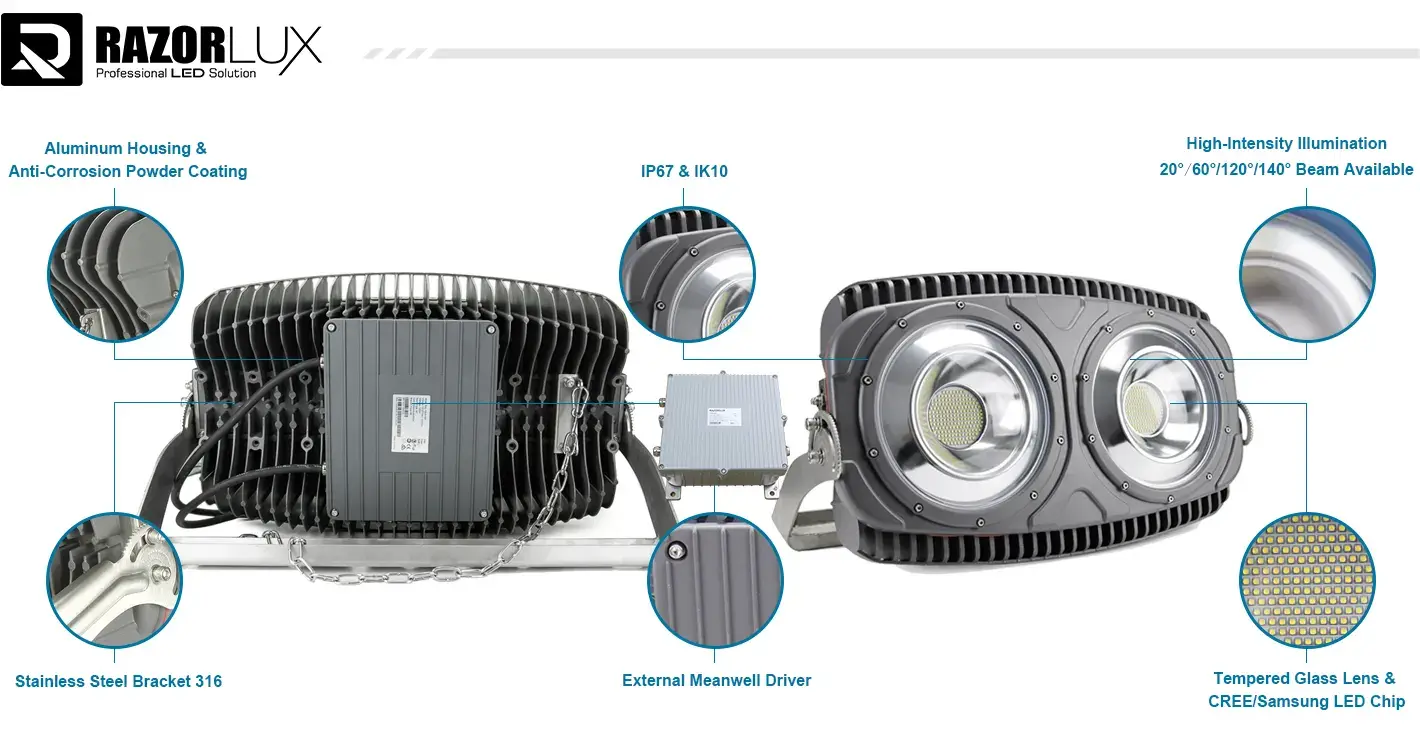
LED Technology Versus Legacy Lighting Systems
Metal halide and halogen lighting systems were the most common for decades, even though they had major problems. Filament-based lights break easily when they are shaken, need to be replaced often, and need 300–400W to produce the same amount of light. This equation changed because of LED technology. Solid-state construction can take shock loads that would kill regular lights, and 130 lm/W efficiency cuts energy use by 60% compared to older systems. What sets industrial LED lighting apart from commercial ones is how they handle heat. Die-cast metal housings with built-in heat sinks keep the junction temperatures of LEDs at the right level even when they are in a small place. This temperature control keeps the light output the same and increases the operating life past 50,000 hours, which means that dangerous high-altitude repair doesn't have to be done as often.
Core Components That Ensure Reliability
The LED array, the driver electronics, and the protected casing are the three parts that make up the light. High-end makers use Samsung or CREE chips that keep the colors consistent and keep light loss below L70 standards. Quality of the driver is also very important. Mean Well or similar industrial-grade power sources can handle wide voltage changes (AC80-315V or DC80-400V) without failing, which is necessary for crane electrical systems with changing loads. At the very least, the housing must be built to IP67 standards. This entry protection stops dust from getting in and can handle short-term soaking, which is very important when fixtures are pressure washed or exposed to extreme weather. Marine settings need clamps made of 316 stainless steel and powder coats that are rated C4 or C5 according to ISO 12944 standards for better rust protection. These features have a direct effect on the total cost of ownership.
| Component | Standard Grade | Industrial Grade | Impact on Performance |
|---|---|---|---|
| LED Chip | Generic COB | Samsung/CREE | 30% longer lifespan, stable color |
| Power Driver | Basic switch-mode | Mean Well industrial | Survives voltage spikes, lower failure rate |
| Housing Material | Aluminum casting | Marine-grade aluminum + 316SS | Resists corrosion in salt environments |
| Lens Material | Acrylic | Tempered glass/polycarbonate | Impact resistance, clarity retention |
| Warranty | 1-2 years | 5 years | Reflects true component quality |
These engineering choices differentiate reliable industrial fixtures from consumer-grade alternatives. Procurement managers evaluating suppliers should request component specifications and third-party test reports rather than relying solely on marketing claims.
Do Crane Boom Lights Significantly Improve Visibility on Tower Cranes?
When actions happen at night without enough lights on the boom, there are real safety risks. Operators who work in dimly lit areas say they have trouble seeing depth, take longer to notice hazards, and get tired more easily. These things make it more likely for accidents to happen during shifts with low vision.
Quantifiable Safety Improvements from Proper Illumination
Crane Boom Lights Construction safety groups have found that specialized boom lighting cuts accidents involving loads by 40–60% during night operations. The system makes workers more aware of their surroundings; when they can see the whole load path, they can correctly judge load swing, clearance lengths, and where people are on the ground. Shadows from site lights make blind spots where people or things can hide for a moment. Downward-facing boom lights fill in these gaps. Accuracy is just as important when measuring productivity. During night shifts, cycle times are 15-20% faster at container ports that use improved boom lights on ship-to-shore cranes. It takes less time for operators to move loads or wait for visual proof, which speeds up work without putting safety at risk. The narrow beam angle that most industrial lamps have (20°) focuses energy where they're needed and keeps them from spilling into nearby work areas or homes.
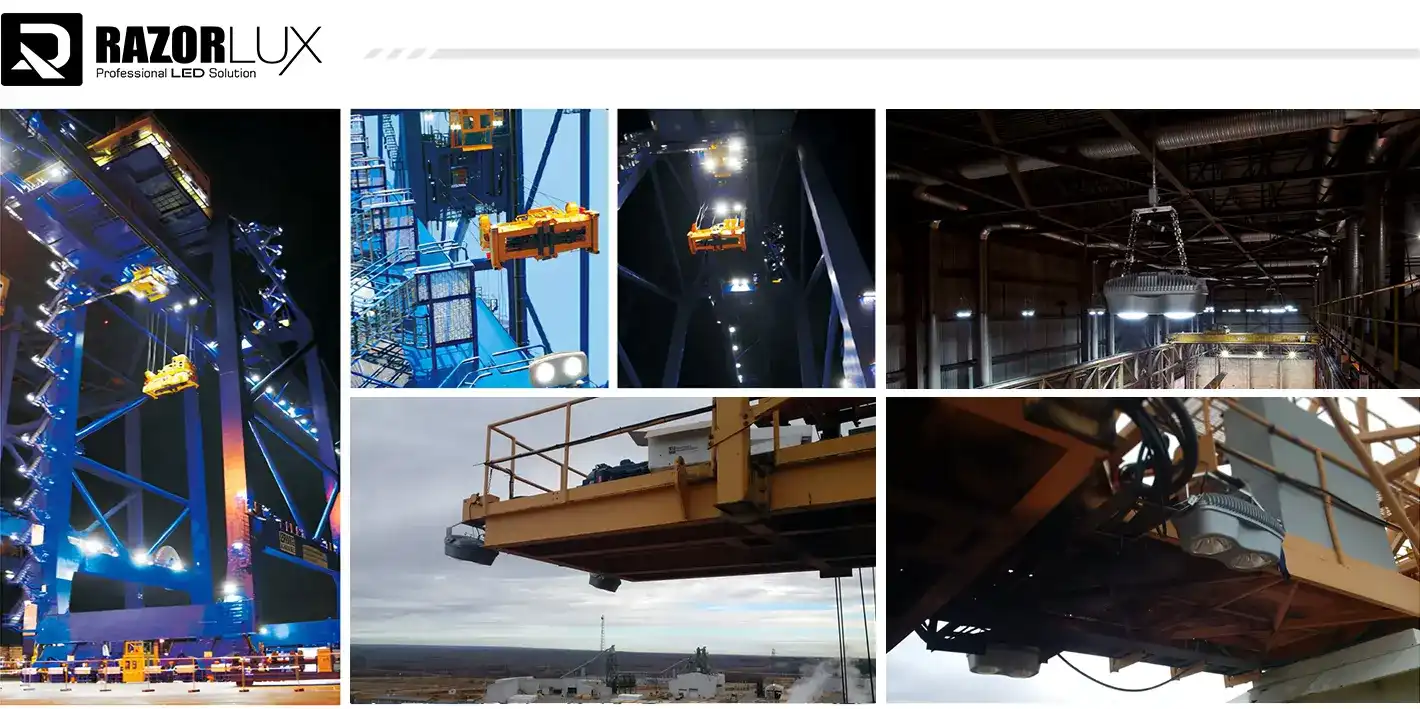
Environmental Challenges That Compromise Visibility
Shipyards near the coast have to deal with continuous fog and salt spray that makes it hard to see. Wave spray and toxic atmospheres are problems that offshore sites have to deal with. Dust from construction sites gets into the air and spreads light, making it less effective at lighting up a distance. These problems can be solved by boom-mounted lights that have high-intensity output and specific beam shape. A 13,200-lumen light with a 20° beam gives more than 500 lux of surface illumination at 50 meters, which is enough for detailed chores even when conditions are bad. Extreme temperatures add to the problems. Temperatures range from -40°C to +60°C at building sites in the Arctic and factories in the Middle East. Normal electronics don't work outside of these temperatures, but heat management systems and cold-rated parts in industrial lamps keep the light output fixed. Stable voltage across DC80-400V or AC80-315V works with generator power and changing crane electrical systems without flickering or dropping out.
Regulatory Compliance and Insurance Considerations
More and more, agencies in charge of workplace safety are requiring high work zones to have necessary amounts of lighting. As per OSHA rules, job areas must have a certain amount of light, and marine classification groups such as DNV-GL and ABS set standards for equipment that is placed on ships. Lighting that doesn't meet standards can put you at risk of liability and make getting insurance harder. Fixtures that don't have the right certifications—CE, UL, RoHS, or DLC—may not be covered after an accident. Verification from a third party testing is very important during checks and accident investigations. Manufacturers who give optical test records, salt spray test results (ASTM B117), and shaking test data (IEC 60068-2-6) show that they have done their research. These papers help buying managers when they have to defend their choices about specifications in front of safety groups and insurance companies. Getting a project approved on time often depends on how quickly you can produce the necessary papers.
Installation and Maintenance Guide for Boom-Mounted Lighting
Proper installation determines whether fixtures deliver promised performance or fail prematurely. Mounting location, electrical integration, and environmental protection all require attention during commissioning.
Pre-Installation Planning and Site Assessment
Engineering teams have to check the structural strength of fixing points. Boom fixings weigh between 10 and 15 kg and are affected by wind loads and dynamic forces when the crane moves. Metal wear at attachment holes can be avoided by using reinforcement plates or braces made for specific crane types. This process is sped up by manufacturers that offer custom mounting solutions, but field engineering is needed for general fixings. The second problem is electrical wiring. There are cables that go from the electrical box of the crane to the moving joints and spinning parts of the boom tip. Conductors are protected from wear and tear and stress failure by cable holders or festoon systems. The wire gauge needs to be big enough to account for voltage drop over lengths greater than 50 meters; lines that are too small cause lights to dim and get too hot. If you choose fittings with a wide input voltage range (AC80-315V), you can avoid these problems.
Step-by-Step Installation Protocol
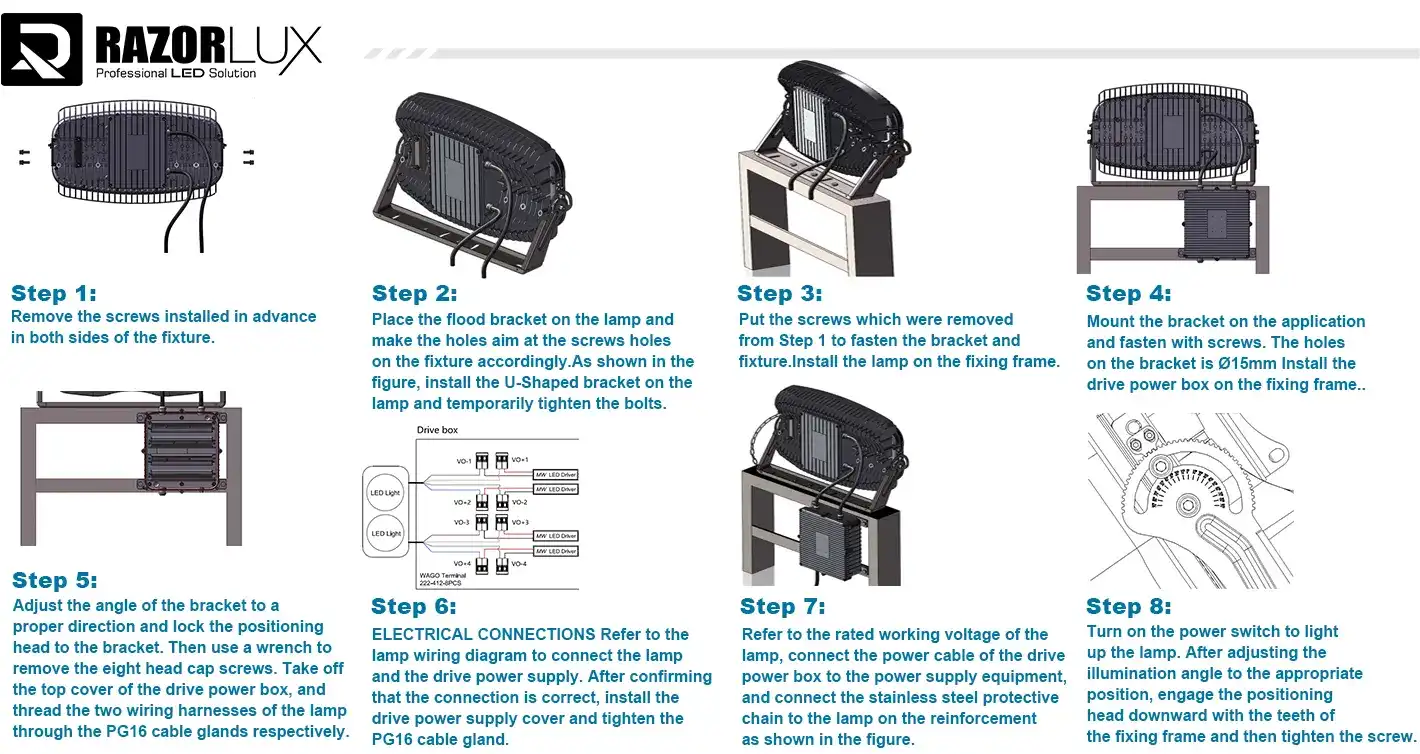
Mounting starts with putting together the brackets and checking the force. When aluminum pieces touch steel buildings, galvanic rusting doesn't happen because of the stainless steel hardware. Vibrations don't remove thread-locking chemicals, but they still need to be inspected every so often. After the crane is mounted, the aim is adjusted, and laser alignment tools make sure that the beam patterns cross the load zone all the way around its working radius. Misalignment loses light and makes dark areas. When connecting electrical devices, you need to pay attention to the voltage and wiring. Most industrial lights have four-pin connectors: one for line, one for neutral, one for ground, and one for dimming, if needed. Heat-shrink tubes or junction boxes with an IP67 rating keep water out of connections. Before the crane is put back into service, it is tested under load to make sure it works properly. Photometric testing at ground level makes sure that the amounts of light that were planned match how they work when they are placed.
Maintenance Schedules That Extend Service Life
Crane Boom Lights Inspections should be done every three months to make sure the bracket is tight, the lens is clean, and the electrical connections are still good. Places with a lot of salt or dust may need to be cleaned once a month with gentle methods. When you wash with high pressure, you might push water past seals. Rinsing with low pressure and light soap is better. Check the lens surfaces for cracks or yellowing that could mean UV damage; replacing them will stop light loss. LED arrays rarely break totally, but their lumens do fade over time. By checking the amount of light once a year, you can tell when to change the bulbs, which is usually after 50,000 hours of use. Manufacturers that offer flexible designs let you change the LED arrangement without replacing the whole device, which lowers the cost over its lifetime. In tough electrical settings, driver electronics may need to be replaced sooner. Having backups on hand cuts down on downtime during component swaps.
| Maintenance Task | Frequency | Required for IP67 | Impact if Neglected |
|---|---|---|---|
| Bracket torque check | Quarterly | Verify seal integrity | Fixture detachment risk |
| Lens cleaning | Monthly (harsh env.) | Prevent seal damage | 30% lumen reduction |
| Electrical connection inspection | Semi-annual | Check ground continuity | Shock hazard, failure |
| Lumen output testing | Annual | Document compliance | Unnoticed performance drop |
| Driver replacement | As needed | Maintain input protection | Complete fixture failure |
Documentation proves critical during audits and warranty claims. Maintenance logs demonstrating adherence to manufacturer recommendations support warranty enforcement when premature failures occur. These records also satisfy safety compliance requirements from regulatory inspectors and insurance underwriters.
Comparing Boom Light Solutions – Making the Right Choice
When buying something, people weigh the up-front cost against the total cost of ownership. When upkeep, energy use, and downtime are taken into account, the cheapest price doesn't always mean the best value.
Evaluating Technical Specifications Against Real Requirements
Lumen power alone can be misleading if you don't look at the beam angle and spread. A 13,200-lumen unit with a 20° focus gives off more useful light in target areas than a 20,000-lumen unit with a 60° spread. Finding the lux at the work table (lumens ÷ lit area) shows how well it really works. At the load zone, construction sites usually need 200 to 500 lux, while marine operations may need 300 to 750 lux for precise container handling. Color temperature affects how aware and clear-sighted an operator is. Compared to warm white (2700-3000K), cool white (5000-5700K) improves brightness and makes eyes less tired after long shifts. But places that are very cold can sometimes benefit from warmer temperatures that make fog lighter. Color temperature lights that can be adjusted (2700–6500K range) can work in a variety of settings, but they cost more.
Brand Comparison and Supplier Reliability
Manufacturers with histories going back more than ten years show that their products are mature. Razorlux has been in business since 1998 and has over 200 patents, which sets it apart from younger companies that are just getting into the market. When looking for new parts five years after installation, supplier security is important. Fly-by-night makers disappear, leaving equipment without a home. Warranty terms show how confident the manufacturer is in the product. Standard covering for one to two years says that the quality of the parts isn't very good; 5-year guarantees show that the parts are really made to industry standards. Importantly, the ability to implement warranties depends on the service networks in each area. When things go wrong on distant platforms or faraway building sites, logistics are hard because suppliers don't have local expert help. Evaluating the system after the sale is just as important as figuring out the original product specs.
Cost-Benefit Analysis for Long-Term Procurement
The initial buying price makes up 25–35% of the total cost of owning a device over its useful life. The biggest ongoing cost is energy use. At industrial electricity rates, changing a 400W metal halide light bulb with a 150W LED saves $180 to 240 per outlet per year. If you multiply those savings by 8–12 lights per crane, you get over $2,000 a year saved per crane. Cutting down on maintenance costs adds to these savings. For example, not having to change high-altitude bulbs every 6 to 12 months saves $500 to $800 in service calls. In time-sensitive projects, downtime costs are much higher than component costs. If the lights on a crane needs to be fixed during a key part of the building process, it costs between $5,000 and $15,000 per day in missed deadlines and crew delays. Choosing tools that have been shown to be reliable and have extra parts readily available lowers this risk. When suppliers give emergency alternative shipments within 48 hours, you can be sure that your plan won't be thrown off.
Real-World Applications Across Industrial Sectors
Different industries impose unique requirements that influence fixture specifications. Understanding these contexts helps procurement teams avoid mismatched solutions.
High-Rise Urban Construction Sites
People who live near tower cranes that work on business and residential projects say that the light they produce bothers their neighbors. Narrow-beam lamps keep the light on the build face where it's needed while minimizing spillage into nearby properties. Programmable lowering lets you lower the brightness at night without putting your safety at risk. In many places, people will have to follow dark-sky laws and local light pollution rules. The dust from cutting concrete and tearing down buildings quickly makes it harder to see. IP67-rated outlets keep dirt and dust from getting inside and clouding glasses and electronics. Designs that are sealed also protect against cement dust, which is very acidic and harmful when it gets wet and kills fittings that aren't sealed within months. Powder-coated aluminum housings are better at protecting against chemical damage than metal ones that aren't treated.
Maritime and Port Operations
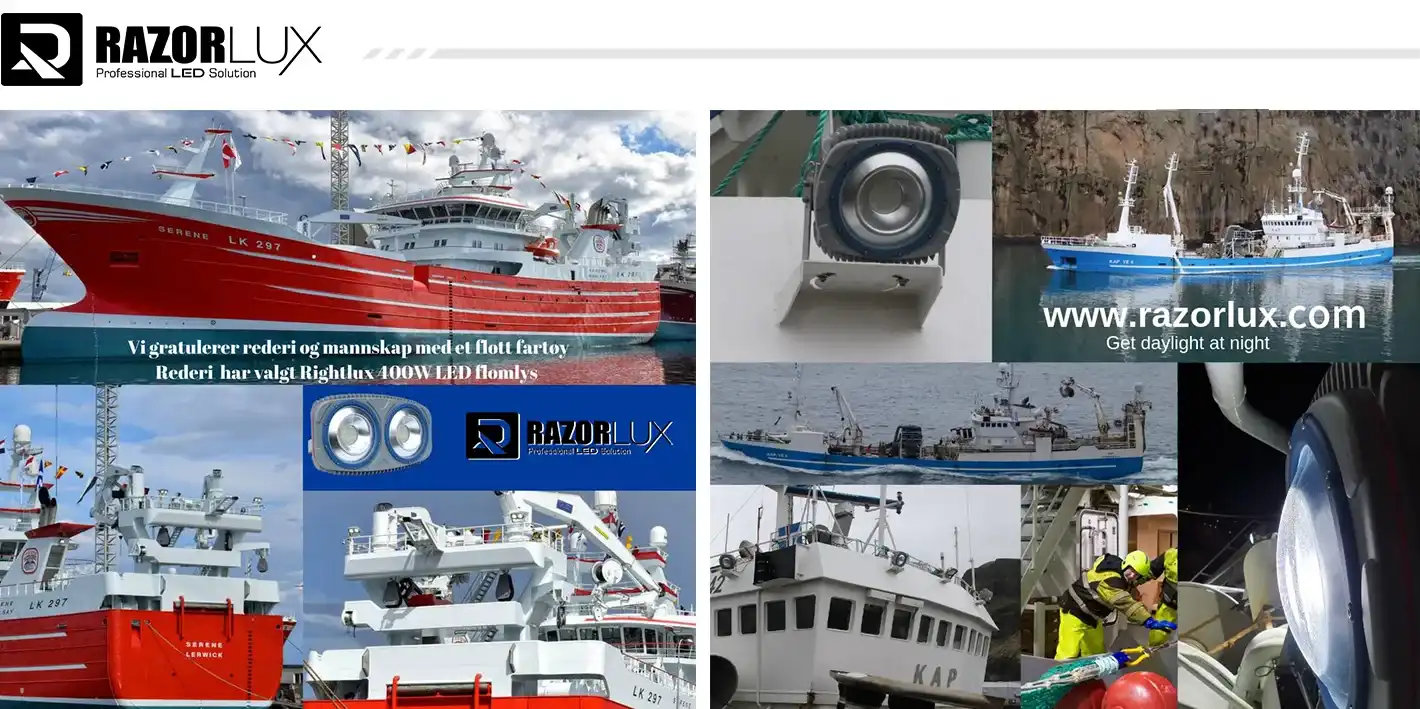
When it comes to rust, salt spray is the worst thing for electrical devices. Coastal shipping ports and ships need marine-grade fixtures with hardware made of 316 stainless steel and circuit boards that are conformal-coated. Within two to three years, regular aluminum rusts and pits, but marine-grade metals with protective coats last ten years or more. This longevity explains 30–40% price hikes by cutting down on replacement cycles. Ship-to-shore cranes and mobile docks are always moving and vibrating. Consumer-grade fixtures often fail at the solder joints, but shock-mounted LED arrays and vibration-damped driver cases keep these from happening. IK10 impact rates make sure that people will be okay if they get hit by flying loads or repair tools, which is a real risk in busy ports.
Mining and Heavy Industrial Facilities
Crane Boom Lights Open-pit mines and quarries make huge amounts of dust that are too much for normal IP ratings to handle. Fixtures made for these kinds of settings usually have active cooling systems or positive-pressure casings that keep particles out. Impacts from rocks can't break polycarbonate lenses, but they can break glass lenses. Standard designs for mounting frames on draglines and excavators crack welds within months, but ATEX or Class I Division 1 certifications are needed for products used in chemical plants and factories with explosive atmospheres. Specialized fastener designs stop sources of fire by using cleaned containers or circuits that are naturally safe. These rules make fixtures a lot more expensive, but they have to be followed for legal reasons. Instead of self-declarations, procurement teams must use documents from an independent testing lab to make sure that certifications are real.
Advanced Features and Customization Options
Standard catalog fixtures address 70-80% of applications, but complex projects benefit from customized solutions. Manufacturers offering engineering support can adapt designs to unique requirements.
Intelligent Control Systems and Integration
The option to dim lowers the amount of energy used when vision is limited. Digital standards like DALI and 0-10V make it possible to connect to building management systems or crane control screens. Schedules that can be programmed change the strength automatically based on the mode of operation or time of day. For retrofit installations, wireless control gets rid of the need for cables, but robust protocols are needed for reliability in radio-frequency-heavy industrial settings. Emergency backup modes turn on extra lights when the main ones go out, so it doesn't get completely dark during load movements. Battery backup systems keep the lights on at a minimum level for 60 to 90 minutes, which lets the load land safely and the crane shut down. These traits are very important on remote sites where getting off when the power goes out could endanger people's lives.
Modular Design and Serviceability Advantages
Lifecycle costs are lower for fixtures that are built around changeable subassemblies. As separate parts, LED modules, drivers, and lenses can be replaced instead of the whole device being thrown away. This method cuts down on repair costs by 50–70% and electronic waste. Long-term support is shown by manufacturers who offer split view plans and extra parts for more than 10 years. Tool-free lens access speeds up repair in awkward boom-mounted positions. Technicians can clean or change lenses without taking out whole fixtures or causing dangers for dropped objects when they use quarter-turn latches or magnetic retention systems. These design features cut down on upkeep time at height by a huge amount, which is important for safety and saves money.
Custom Mounting Solutions for Unusual Crane Configurations
Some older cranes or specialized machines may not have standard fixing holes. Manufacturers who have the ability to fabricate can design unique brackets that fit in with current structures perfectly. Three-axis control systems can be used with boom shapes that make it hard to aim precisely. Shock-absorbing mounts keep things safe on cranes with unusually high shaking levels, and they work longer than regular rigid mounts would.
Conclusion
With Crane Boom Lights, tower crane operations can be handled more precisely without affecting the operator's vision. Investing in industrial-grade tools made for harsh settings is a good idea because they improve safety, boost output, and lower operating costs. When choosing options, procurement managers shouldn't just look at the buy price; they should also look at the total cost of ownership. Fixtures with a service life of 50,000 hours or more, real 5-year contracts, and helpful technical support teams are the ones that really offer value. As rules get stricter and projects get more complicated, properly defined boom lighting goes from being an extra that can be added to projects to being an essential part of the building, marine, and heavy industry sectors.
FAQ
Understanding common concerns helps streamline your evaluation process when selecting industrial lighting solutions.
What Distinguishes LED Boom Lights from Traditional Metal Halide Options?
LED technology eliminates filament fragility that causes metal halide bulbs to fail under crane vibration. Energy consumption drops 60% while delivering equivalent or superior illumination. LEDs provide instant full-brightness startup versus the 5-10 minute warm-up metal halides require—critical during emergency operations. Maintenance intervals extend from 500-1000 hours (halogen/metal halide) to 50,000+ hours (LED), dramatically reducing dangerous high-altitude service calls and associated downtime costs.
Which Safety Certifications Should I Verify Before Procurement?
CE marking confirms European safety standards compliance, while UL or DLC listing indicates North American certification. RoHS ensures hazardous material restrictions adherence. Maritime applications require DNV-GL or ABS classification society approval. Request actual test reports and certificate numbers—not just logo reproductions—to verify authenticity. ISO 9001 certification demonstrates quality management systems rather than product-specific approval but indicates manufacturer maturity.
How Do I Determine the Right Lumen Output for My Application?
Calculate required lux (lumens per square meter) at your working surface based on task complexity. General construction needs 200-300 lux; precision maritime operations require 400-750 lux. Divide desired lux by illuminated area to determine minimum lumens, then add 30% margin for atmospheric absorption and lumen depreciation over time. Consult photometric data showing actual beam patterns rather than relying solely on total lumen specifications.
Partner with Razorlux for Superior Crane Boom Lights
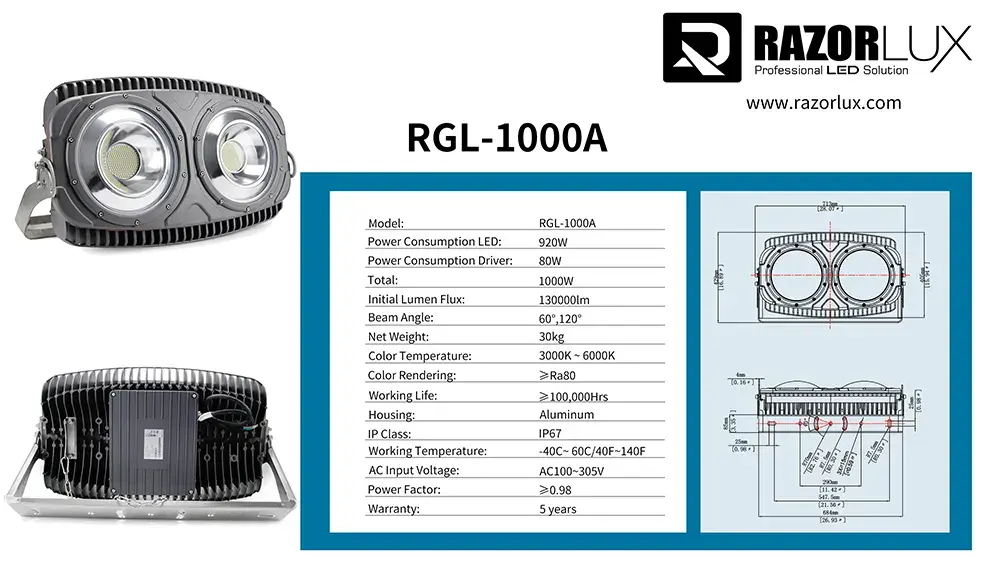
Razorlux stands ready to deliver industrial lighting solutions that meet the rigorous demands of your operations. As a dedicated crane boom lights manufacturer with over two decades of engineering expertise, we combine patented multi-function designs with premium components like Mean Well power supplies to create fixtures that withstand the harshest environments. Our 150W boom lights achieve 130 lm/W efficiency while maintaining IP67 protection and operating reliably from -40°C to +60°C. The 5-year comprehensive warranty reflects our confidence in product durability and performance. Whether you manage shipyard operations in coastal environments or oversee construction projects requiring precision illumination, our technical team provides rapid response to your specific requirements. contact us directly at sam@razorlux.com to discuss custom configurations, request technical documentation, or arrange sample evaluation units that demonstrate real-world performance before full procurement commitment.
References
1. International Association of Lighting Designers (2021). Industrial Illumination Standards for Heavy Equipment Operations, 4th Edition. Technical Publication Series.
2. Marine Equipment Trade Association (2020). LED Lighting Systems for Maritime Cranes: Performance and Safety Guidelines. META Standards Committee Report.
3. Construction Safety Research Foundation (2019). Impact of Illumination Quality on Night-Shift Crane Operation Safety Metrics. Journal of Industrial Safety Engineering, Volume 47, Issue 3.
4. European Committee for Standardization (2022). EN 12464-2: Lighting of Work Places - Part 2: Outdoor Work Places. CEN Technical Standards.
5. American Society of Mechanical Engineers (2021). ASME B30.3: Tower Cranes - Safety Standard for Cableways, Cranes, Derricks, Hoists, Hooks, Jacks, and Slings. Equipment Safety Division.
6. International Electrotechnical Commission (2020). IEC 60598-2-23: Luminaires for Use on Construction Sites and Other Harsh Environments. Technical Specification and Test Methods.
 VIEW MOREoutdoor arena lights
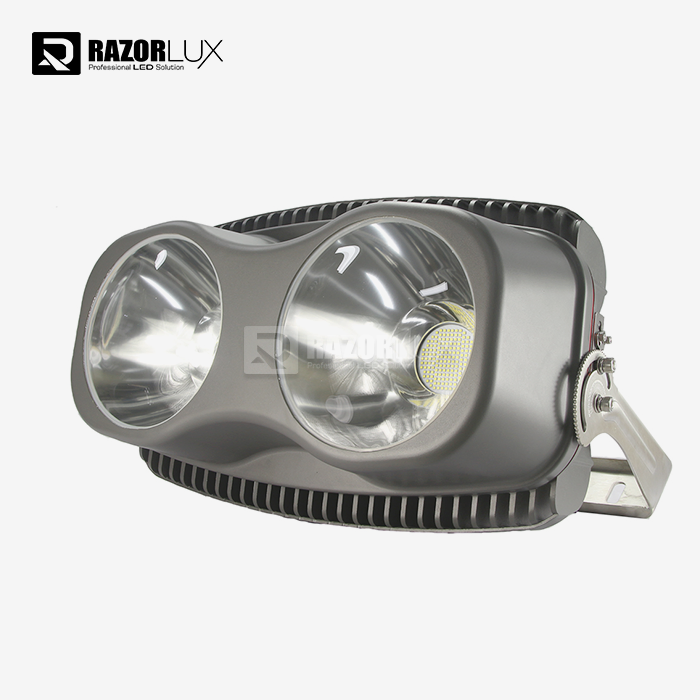 VIEW MOREoutdoor sports lighting
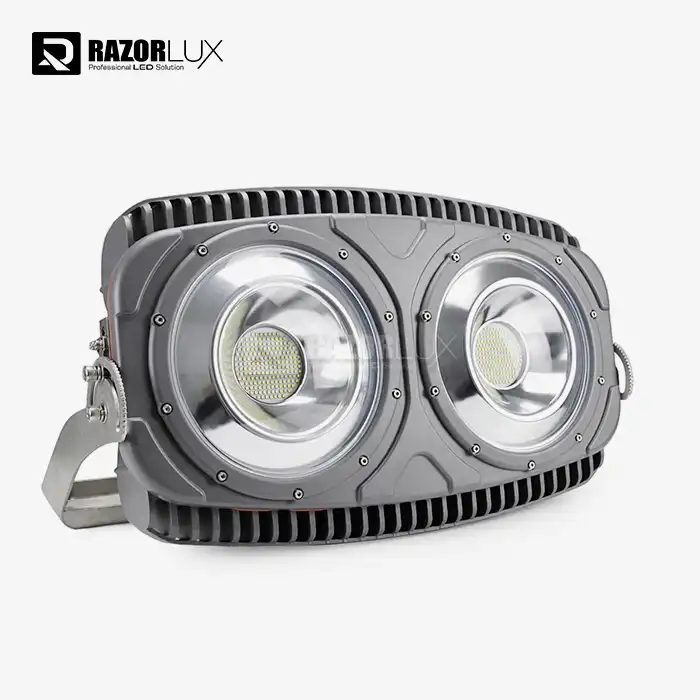 VIEW MOREMine Site Lighting
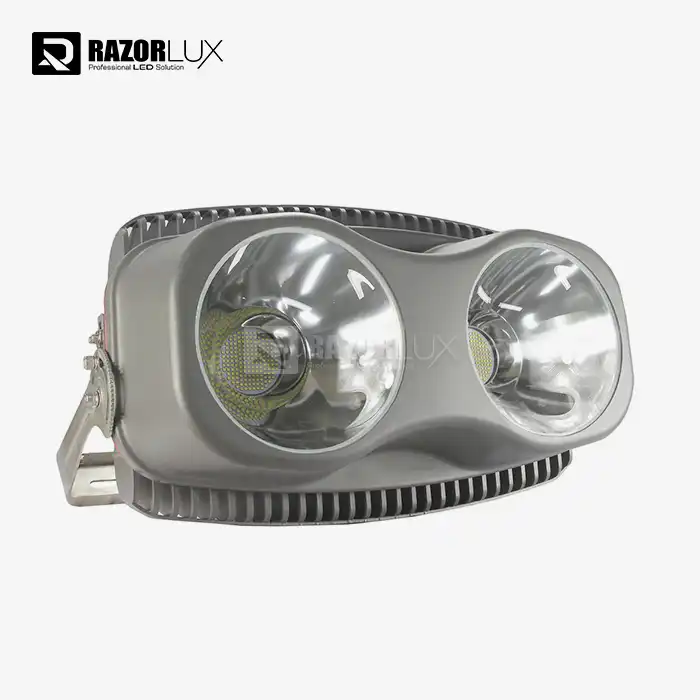 VIEW MORE1000 Watt Led Stadium Lights
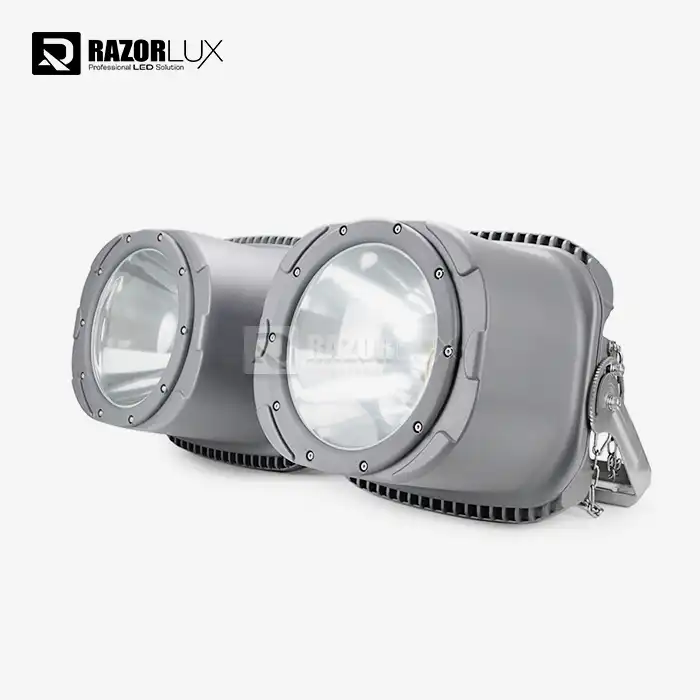 VIEW MOREMarine Led Flood Lights 120V
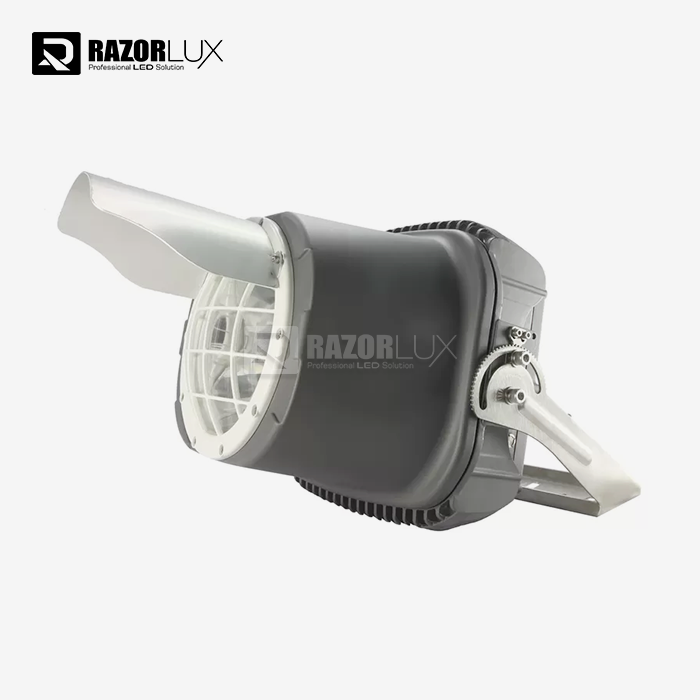 VIEW MORERoHS Waterproof Garden Led Light 48000lm Solar Powered Security Lights
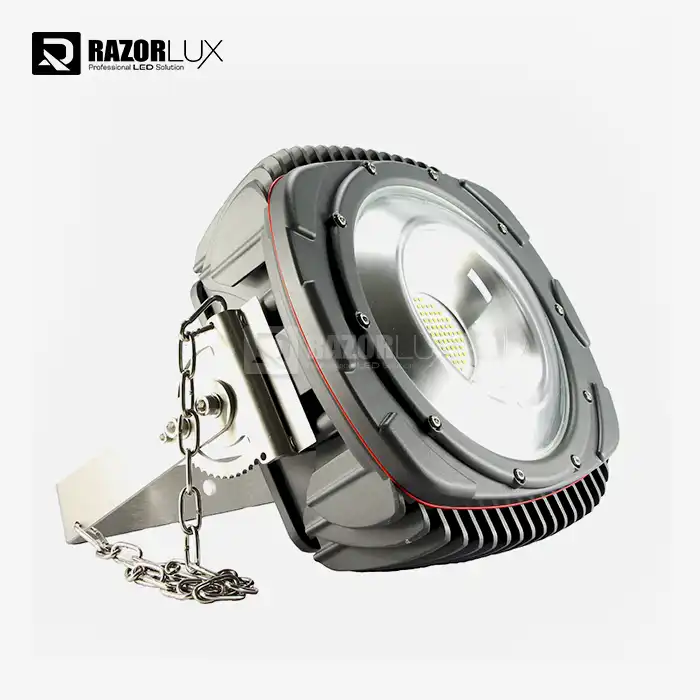 VIEW MOREHigh Mast Luminaire
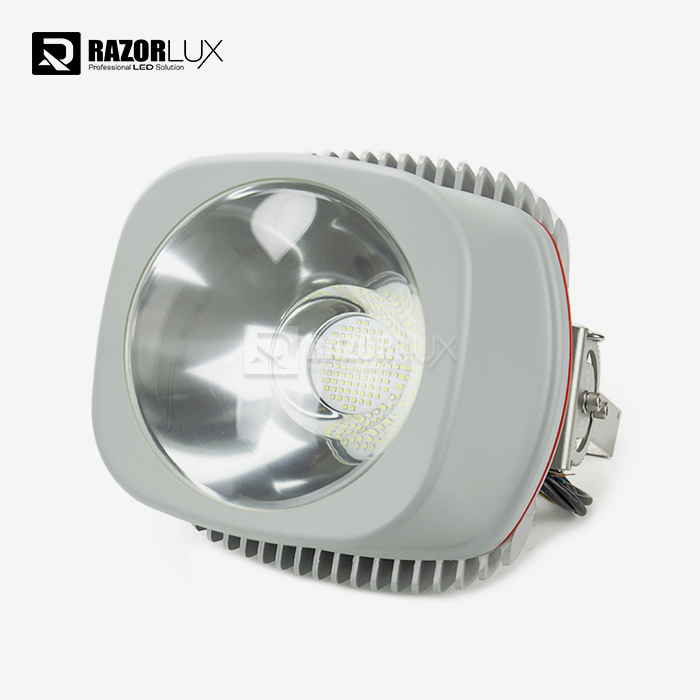 VIEW MORE120 Volt Outdoor Spotlight