

_1750326878398.png)

How to Optimize Lighting Layout with 1000 Watt LED Outdoor Flood Lights?
If you want to get the most out of your 1000 Watt LED Outdoor Flood Lights, you need to carefully plan based on hanging heights, beam angles, and goals for consistency. It is very important to use photometric data to find the right light spacing, pick the right color temperatures to make the job clear, and make sure that the IP65/IP67 grades are met for weather resistance. Putting current LED lights in the right places can improve lighting while also lowering energy costs and maintenance work for marine, industrial, and building projects.
Understanding 1000 Watt LED Outdoor Flood Lights and Their Benefits
High-wattage LED flood lights have changed how we light up big rooms. Metal halide or high-pressure sodium lights that put out 2000W to 3000W can be switched out for these powerful lights. They use a lot less power and are much brighter.

What Makes 1000W LED Flood Lights Different?
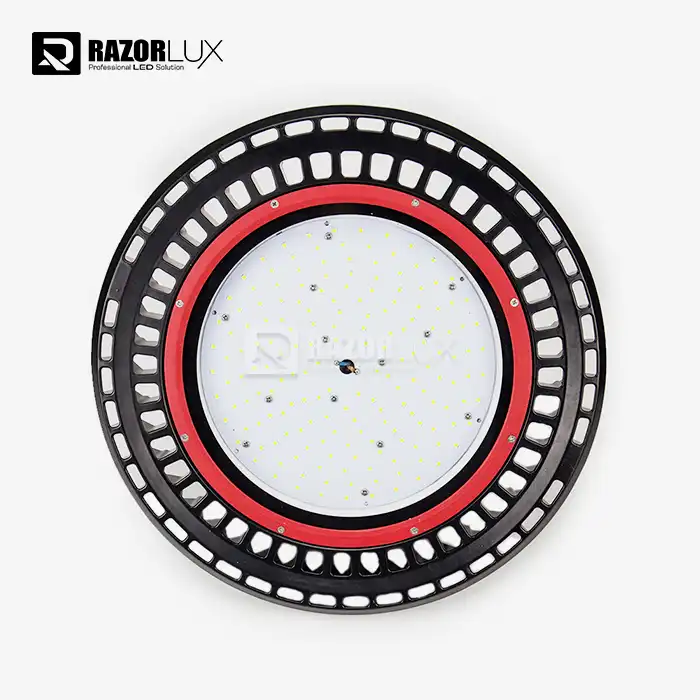
LED flood lights don't waste a lot of energy as heat like older types of lights did. Instead, they turn electricity straight into light that we can see. Our units at Razorlux get 130 lumens per watt, which means they give off about 130,000 lumens of steady light. Older systems have slow start-up times. This speed gets rid of those and lets them work at full light right away, which is important for safety and security apps. Because it works with a wide range of voltages (AC80-305V and DC100-800V), it can be used with different power systems in ports, remote platforms, and industrial sites. This ability to change is especially helpful when the power grid is unreliable or when ships need special electricity systems.
Energy Efficiency That Impacts Your Bottom Line
Not only is saving energy good for the environment, but it also cuts down on running costs. A 1000 Watt LED Outdoor Flood Light can take the place of several old lamps and uses only half as much power. This means that over a normal 50,000-hour lifespan, both the cost of energy and the cost of repairs will be a lot less. Think of a port that has 200 flashlights for things to do at night. That's a lot of money every year. If you move from 2500W HID lamps to 1000W LED lights, you save 300,000 watts per hour. If buying managers want to get the most out of their money over the long run, this upgrade is a good choice. It pays for itself very quickly, often in less than three years.
Durability in Harsh Marine and Industrial Environments
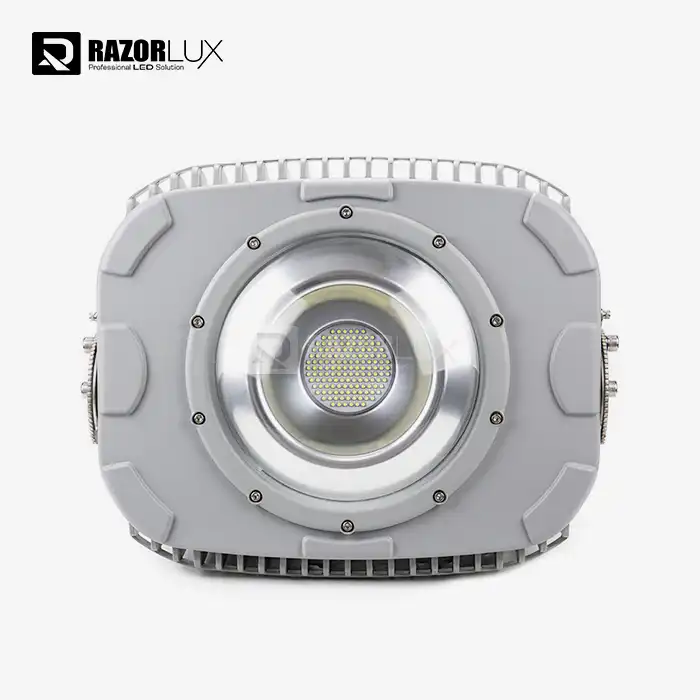
Our lights have IP67 entry protection, which means they can handle being dunked in water for a short time and won't rust from salt spray, which is important for installations near the coast. The powder-coated aluminum body and stainless steel mounting clamps protect the structure from shaking and impact (IK10 grade), so it can be used in harsh places like big industrial zones and on ships. The system works well in a wide range of temperatures, from -40°C to 60°C. This means it can be used in a factory in the Middle East or a trade route in the Arctic. This temperature resistance, along with better heat absorption design, keeps lighting systems from breaking down too soon, which happens with systems that 1000 Watt LED Outdoor Flood Lights aren't well thought out.

Principles of Optimizing Lighting Layout with 1000 Watt LED Flood Lights
The first step in strategic lighting design is to figure out what your specific needs are for running your business. There are no one-size-fits-all answers because room, safety rules, and the need to do a visual job are all different in each case.
Identifying Your Lighting Needs by Application
At night, the lights around a security fence must meet different rules than the lights around a sports field or an industrial office. Because thieves could hide in shadows, 10 to 20 lux with high regularity ratios are generally enough to keep people safe. Sports venues need 200 to 500 lux for fun activities and up to 2000 lux for top-notch video for streaming. The right amount of light is needed in industrial work areas so that people can do their jobs. Most of the time, these amounts are between 100 and 300 lux, depending on how exact the work needs to be. Before you buy anything, you should look over the page carefully. Note the present light levels and the trouble spots that aren't getting enough light. Also, write down any special needs, such as the need to show colors correctly for quality control work. After the download is done, these simple tasks keep costly updates from being needed.
Calculating Proper Mounting Heights and Spacing
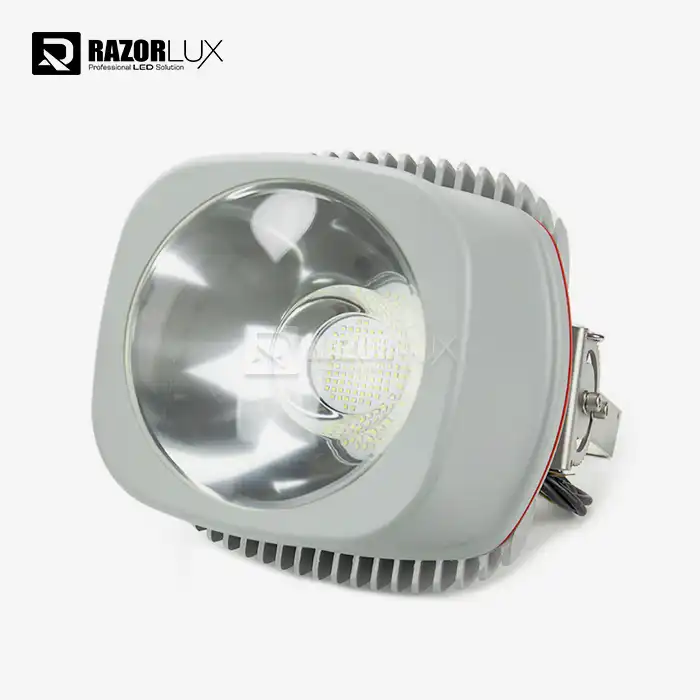
On the ground, the height of the mount has a direct effect on the area covered and the amount of light that shines through. The viewing area is bigger when the lights are mounted higher, but they aren't as bright, so you need more or stronger lights to keep the lux levels where you want them to be. We have an RGL-1000P-L20 type with a 20-degree beam angle that makes a centered light pattern that works well when mounted high up. Many people use too much light, but this narrow beam shines bright light only where it's needed. A bigger beam angle would work if you need to put the light lower or cover more ground. A 20-degree beam set up at 25 meters makes a circle of light about 9 meters across at ground level. This shows how to do the math. To make sure there is even coverage, you need to put fixtures about 6-7 meters apart in a grid pattern on top of these rings. Based on the photometric test results that are unique to your installation form, the distance should be changed.
| Mounting Height | Coverage Diameter (20° beam) | Recommended Spacing | Application Type |
|---|---|---|---|
| 15m | 5.4m | 4m | Yards for companies and places to load goods |
| 20m | 7.2m | 5m | Port parking lots and places for containers |
| 25m | 9.0m | 6.5m | A lot of gear and stadium lights |
| 30m | 10.8m | 7.5m | The grounds and piers of an airport out at sea |
Step-by-Step Installation Guide for 1000 Watt LED Outdoor Flood Lights
Putting something together the right way makes sure it is safe and works well for as long as people use it. Your safety could be at risk if you rush through this part or forget important details.
Pre-Installation Preparation and Safety Considerations
Make sure that the power source works with the system before you start the real installation. Even though our units can work with a lot of different voltages, making sure the circuit has enough capacity stops faults like breaker trips and voltage drops that slow things down. Find the circuit load, which is made up of all the lights that are connected. Electrical rules say that it should stay below 80% of the breaker's capacity. Make sure you use the right lockout/tagout procedures when working on electrical tools. For jobs in the mountains, you need trained workers who know how to use a flying work platform and fall protection tools. Don't risk your safety to finish a project faster.
Mounting and Wiring Best Practices
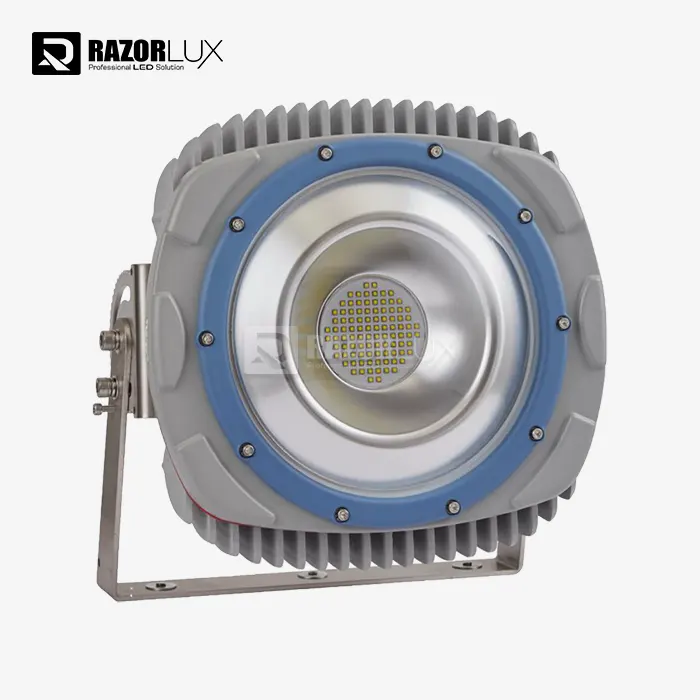
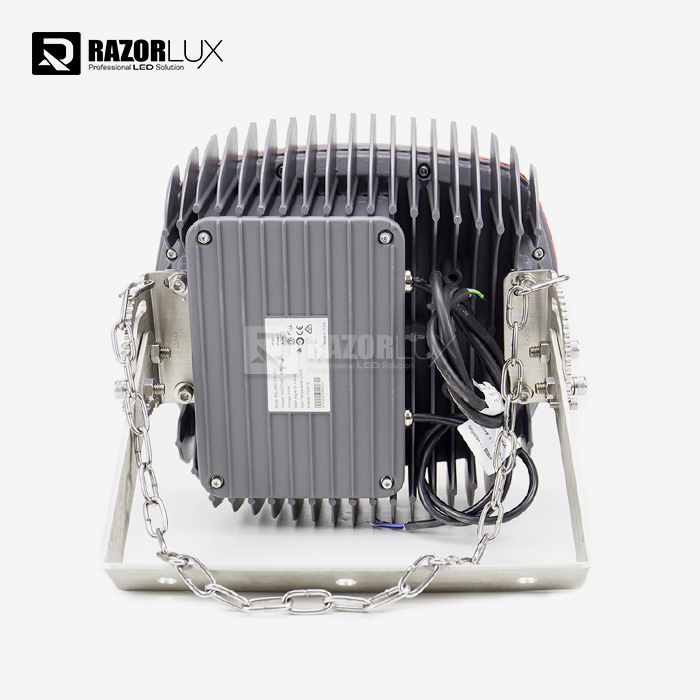
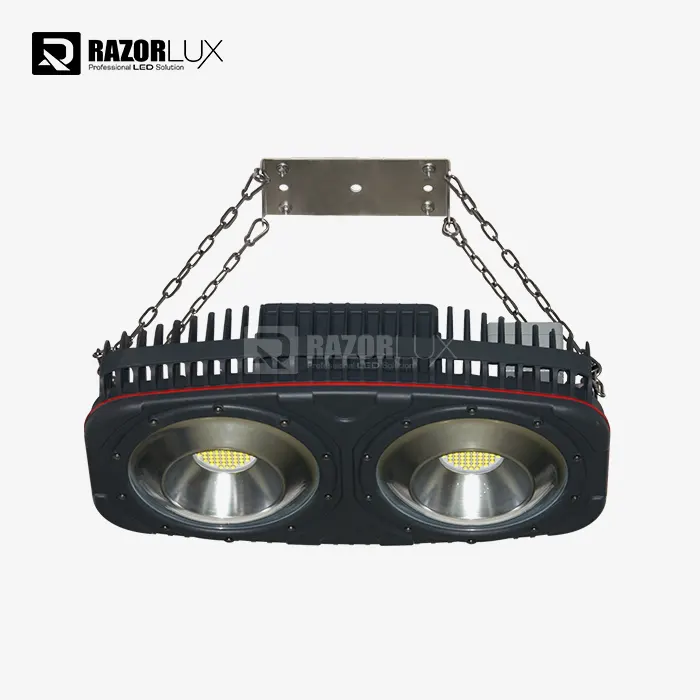
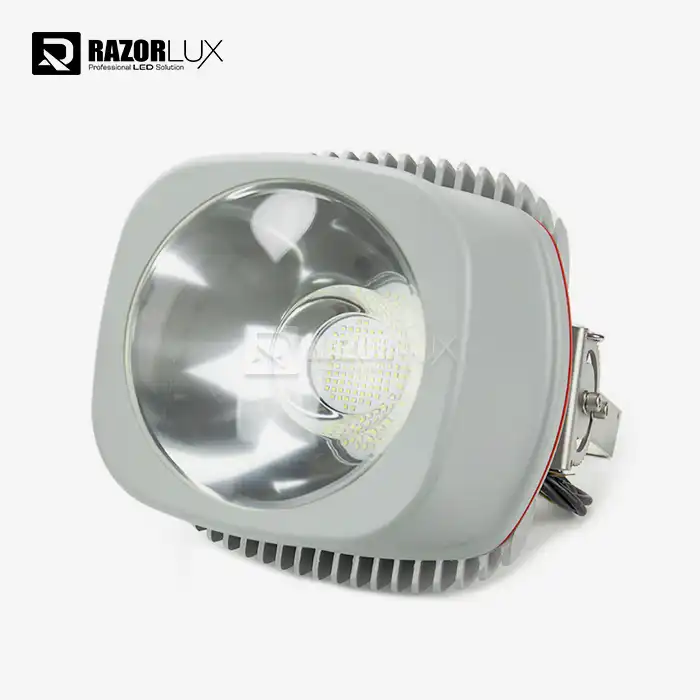
There are a few different ways you can hang our 1000 Watt LED Outdoor Flood Lights using the stainless steel clips that come with them. Pole top, trunnion mount, and hanging assembly are a few of these. Pick the method of placement that gives you the shot angles you need and makes sure the structure is stable in the face of shocks and wind. For the wires to connect, the links must be waterproof and safe to touch. Do not let changes in temperature or movements wear down your lines. Instead, use marine-grade cable clamps and make sure there is enough strain relief. For long-term dependability, all connections should be made inside the protected junction box of the device. This will keep the IP67 stability that is needed. You can't get around ground ties. With the right grounding, you can avoid lightning strikes and other electrical problems. This is very important for lights that are up high and could catch lightning. Make sure that the ground lines are all connected and that all the metal parts are joined in a way that follows the rules for your area.

Post-Installation Testing and Adjustment
A good lux meter should be used to do a full test after the gadget is turned on. In order to cover an area, check the amount of light at grid points and compare it to what was planned. Make a list of any differences so they can be fixed. How well you aim has a big impact on how regular things are and how well you can control glare. You can get rid of hot spots or dark spots by making small changes to how the lights are set up. You should aim at night, when the full lighting effect can be seen, and make small changes while keeping an eye on how the light is distributed at ground level.
Comparing 1000 Watt LED Flood Lights: Making the Right Procurement Decisions
It's hard to choose a high-wattage LED flood light because there are so many of them on the market. When buying, teams know what makes one solution different from another, and they can find solutions that offer real long-term value instead of just meeting basic needs.
1000W vs 500W: Right-Sizing Your Lighting Solution
How much light you want, how high the setting is, and the area that needs to be lit all affect the choice of power. While 500W lights may seem like a good deal at first, they may need to be placed closer together to provide the right amount of light. This could make the lower purchase price useless because it would require more work and equipment for installation. When mounted above 20 meters, our 1000 Watt LED Outdoor Flood Lights work great in places where lower-wattage bulbs have trouble giving off enough light at ground level. The centered 20-degree beam stays strong over long distances, so you don't need as many fixtures. Having too many fixtures can make maintenance harder and raise the long-term cost of ownership.
Understanding IP Ratings for Environmental Protection
The IP score of a product tells you how well it keeps solids and liquids out. The first number, from 0 to 6, tells you how well the solid bits are covered. The second number, from 0 to 9, tells you how well the liquids can get in. Our IP67 grade means that it can be immersed in water for 30 minutes at a depth of 1 meter, and no dust can get inside. The IP65 standard only guards against water jets, but that's better than that. Most cheap things meet this standard. This better defense stops internal corrosion and electricity problems that could put people in danger and stop work at places on the coast, underwater, and on ships.IP65 fixtures may be enough for workplaces that are closed off and don't come into contact with water very often, but they need IP67 security for marine and heavy industrial settings. It's worth the small price hike because the service lasts longer and needs less maintenance.

Component Quality and Certification Importance
Dependability and life are based on the things inside. We use Mean Well power sources in our gadgets because they are known to work well and last a long time. Up to 10kV of surge protection is built into these separate drivers. This is important for outdoor setups that could be hit by lightning. You can check that safety and performance claims are true with certification marks like CE, RoHS, UL, DLC, DNV/GL, and ABS. Products that aren't properly approved may have hidden risks, like putting your family at risk with power, breaking down early, or not being able to get energy rebates. When buying, managers look at sellers; they should demand all of their paperwork so that they don't have to deal with expensive compliance issues.
| Specification | Razorlux RGL-1000P-L20 | Standard 1000W LED | Legacy 2500W HID |
|---|---|---|---|
| Luminous Output | 105,000 lm (stays on for an hour) | 90,000-100,000 lm | 85,000-95,000 lm |
| Luminous Efficacy | 130 lumens/W | 90–110 lm/W | 34 to 38 lm/W |
| Operating Life | ≥50,000 hours | 30,000 to 40,000 hours | 10,000-15,000 hours |
| IP Rating | IP67 | IP65 | IP54 |
| Warm-up Time | Now | Now | From 5 to 15 minutes |
| Warranty Coverage | 5 years (LED and driver) | 2-3 years | 1 year |
Procurement Tips for Bulk and Custom Orders of 1000 Watt LED Flood Lights
You need to be smart about how you buy things for big lighting jobs so that you can get the best deal on quality, price, and delivery time. Shipyard managers, building engineers, and project workers have unique problems to solve 1000 Watt LED Outdoor Flood Lights when they need to find high-performance LED systems for important tasks.
Evaluating Suppliers and Manufacturer Credentials
Razorlux has been around since 1998, and we have more than 200 patents covering things like how to pack LEDs, control power, and build structures. We've worked with LED technology for more than 20 years. Goods are made that solve problems in real life instead of just following the directions on the data sheet because people know this much. Look for ISO 9001 approval and ask for proof of the testing methods to see how well the company controls quality. People you can trust will give you temperature management analysis, photometric test records from approved labs, and test results for sea salt spray. If a seller doesn't want to give you full technical papers, you should be worried about the product's reliability and trustworthiness right away.
Customization Capabilities for Specialized Applications
Usually, store-bought things aren't enough to finish a job. Our tech team helps customers change things like color temperature, beam directions, mounting arrangements, and control interfaces so that the products work better for their needs. This level of adaptability is very useful for making changes to existing systems or getting around certain operating problems.It's true that customization does change the minimum order size and the amount of time you have to wait. It takes about 4 to 6 weeks for technical approval and production tools for most custom projects. The minimum order size depends on how difficult the changes are and is between 50 and 100 units. If you base your buying schedule on these facts, you can avoid project delays and rushed choices that hurt quality.
Warranty Coverage and After-Sales Support
The fact that we promise our LED modules and drivers for five years is longer than the norm in the industry and shows that we believe in the quality of our goods. You should be able to get more than just new parts with a full warranty. Expert help should also be included to fix problems and help with the startup. How quickly a supplier follows up after a sale can help you tell the difference between transactional and professional sellers. They know how to quickly and effectively solve problems in the field. You won't get angry when technical questions come up during the installation or testing phases if you set up these support networks when you were reviewing the buying process.
Conclusion
To get the best lighting scheme with 1000 Watt LED Outdoor Flood Lights, you need to carefully plan, taking into account things like how the lights will be mounted, the environment, and how well they need to work for your specific use. New LED technology can be used instead of older ones because it uses less energy, lasts longer, and needs less maintenance, especially in tough industrial and military settings. Implementations that work well take into account both technical needs and practical ones, such as how reliable the service is, the need to follow licensing rules, and the ability to offer long-term support. When making a smart purchase, it's best to think about the total cost of ownership rather than just the purchase price. This is especially true for buildings that need strong, energy-efficient lighting systems.
FAQ
1. How much energy can we save by replacing HID lamps with 1000W LED flood lights?
Changing from 2500W metal halide lamps to 1000W LED units saves 60% of the energy used and keeps or even raises the light level. About 600,000 kWh are saved by a building that uses 100 lights for 4,000 hours a year. This saves a lot of money and has less of an effect on the earth. Most of the time, it takes between 18 and 36 months to pay for itself, but this relies on the business and the energy rates in the area.
2. What is the expected operational lifespan of these fixtures?
If you take good care of them and use them within certain temperature ranges, our 1000W LED flood lights will last at least 50,000 hours to L70, which means they will keep 70% of their original light output. So, it can run nonstop for about 11–12 years, or 20 years or more in the normal course of business. It costs a lot less to maintain and repair parts because they last longer than standard lighting, which needs to be lit again every two to three years.
3. Which color temperature should we specify for maritime applications?
Neutral white (4000–4500K) is best for most marine settings because it keeps your eyes safe and doesn't spread light as much in rain and fog. Cooler temperatures make it harder to see, while warmer temperatures make it harder to see. This color temperature makes it easier to see what's going on around you. Applications like quality control and technical inspection that need to be able to tell the difference between colors correctly can ask for inspection zones with a better color rendering index (CRI>80).
Partner with Razorlux for Your Industrial Lighting Projects
1000 Watt LED Outdoor Flood Lights are produced by Razorlux, a reputable business. Ships, offshore platforms, ports, and large industrial areas all over the world can depend on them for lights. For more than 20 years, our research team has been working on LED technology. They have more than 200 patents and certifications, such as DNV/GL and ABS, for military use. Each fixture is made with high-quality parts, like Mean Well power sources and smart temperature management, so it can work reliably in places as harsh as the Arctic sea lanes and Middle Eastern factories. We know that buying managers need more than just the specs. You need quick help from experts, the freedom to make changes, and a supply chain you can count on to meet project goals. When you buy from us, you can be sure that your money will be safe for five years thanks to our full guarantee and well-established global logistics network. You can email our technical sales team at sam@razorlux.com to talk about how you want to set up your lights, get a photometric study of your space, or get a sample checked out.
References
1. Illuminating Engineering Society (IES), "Recommended Practice for Outdoor Floodlighting," ANSI/IES RP-6-15, Technical Report on Large Area Lighting Design Standards, 2015.
2. Maritime and Coastguard Agency, "Guidance on Marine Lighting Systems for Commercial Vessels," Regulatory Framework for Marine Equipment Directive Compliance, United Kingdom, 2019.
3. American Petroleum Institute, "Recommended Practice for Classification of Locations for Electrical Installations at Petroleum Facilities," API RP 500, Standards for Hazardous Area Lighting in Oil and Gas Infrastructure, 2018.
4. International Association of Ports and Harbors (IAPH), "Guidelines for Port Lighting and Energy Efficiency," Technical Committee on Sustainable Port Development, 2020.
5. U.S. Department of Energy, "Solid-State Lighting Program: LED Luminaire Lifetime – Thinking Beyond L70," PNNL Technical Report on Long-Term Performance Assessment, 2017.
6. Society of Naval Architects and Marine Engineers (SNAME), "Ship Design and Construction Standards – Electrical Systems and Lighting," Technical and Research Bulletin on Shipboard Lighting Requirements, 2021.