


_1750326878398.png)

Construction Site Flood Lights vs Traditional Work Lights
When choosing between modern LED-based Construction Site Flood Lights and traditional halogen or incandescent work lights, procurement managers face a decision that significantly impacts project safety, energy costs, and operational efficiency. Construction Site Flood Lights, particularly those utilizing advanced LED technology, deliver superior luminous efficacy (often exceeding 130 lm/W), ruggedized housings with IP65-IP67 ratings, and extended operational lifespans surpassing 50,000 hours. Traditional work lights, while initially lower in cost and familiar in design, typically consume 2-3 times more power, require frequent bulb replacements, and lack the durability needed for harsh marine, offshore, or industrial environments. Understanding these fundamental differences allows B2B buyers—from shipyard purchasing managers to offshore platform engineers—to make informed decisions aligned with long-term value, compliance requirements, and site-specific challenges.
Understanding Construction Site Flood Lights and Traditional Work Lights
Specifically designed for tough outdoor and industrial uses, Construction Site Flood Lights are a type of high-intensity lighting appliance. LED chip arrays, often from reliable brands like Samsung or Lumileds, and precision-engineered optical lenses work together in these devices to produce wide-angle beam patterns that range from 40° to 140°. Their main feature is that they can keep giving off the same amount of lumens even when the temperature changes from -40°C to +60°C, and they can also fight getting wet, dusty, or hit by something heavy.

What Defines Construction Site Flood Lights
Razorlux's RGL-1000A model is a great example of this type because it has a designed multi-function design that can be used in any workplace. This unit can replace standard 2200–2500W HID lights with one that uses less than half as much energy and has a rated power of 1000W. It also has a lamp efficiency of 130 lm/W. The powder-coated aluminium body and fin-style heat sinks make sure that thermal management is perfect, which stops the junction temperature from rising, as happens with cheaper options.
Characteristics of Traditional Work Lights
Work lights that have been used on construction sites for decades include halogen, metal halide (HID), and incandescent lights. These units usually have power levels between 500W and 1500W, can be mounted on a stand, and light up right away without having to warm up first. In terms of colour rendering (CRI 90–100), halogen lamps work well, and maintenance crews are used to straightforwardly replacing bulbs. There are, however, big problems with these benefits. Halogen lights give off too much heat, which can cause burns and fires near flammable things. Their efficiency rarely goes above 20 to 25 lm/W, which wastes a lot of energy and makes them more expensive to run. Because the glass envelopes and filaments are so flimsy, they can break when they are vibrated. This is a big problem in places like docks, mines, and offshore platforms where mechanical stress is always present. Ingress protection grades rarely go above IP44, which means that internal parts are open to water and salt spray, which can damage them in marine settings.
Application Scope Comparison
The choice of lighting technology is based on the work setting. Construction Site Flood Lights work great in fixed or semi-permanent setups that need to work reliably for months or years at a time. Shipyard dry docks, offshore platform helidecks, port container yards, and steel mill casting areas need systems that are resistant to corrosion and stable at high temperatures. Only LED-based systems can meet these needs. Their large voltage input range (AC 80-305V, DC 100-800V) lets them work with unstable generator power and green energy sources without the need for extra tools to stabilise the voltage. Traditional work lights are still useful for short-term indoor jobs, emergency fixes, and other situations where temporary lighting is needed. Renovation jobs inside climate-controlled buildings, repair work done on the weekends, and home building all benefit from having lower starting costs and parts that are easy to find. Still, even in these situations, the total cost of ownership calculation starts to favour LED options more and more when energy costs, labour costs for changing bulbs, and downtime risks are taken into account.

Performance and Efficiency Comparison
Quantitative photometric data shows that these types of lighting perform very differently. A high-quality Construction Site Flood Light like the RGL-1000A produces 130,000 lumens and has adjustable beam angles (40°, 60°, 120°, 140°×60°), which lets the lighting be precisely designed to fit the shape of the site. This means that the amount of foot-candle light is higher than OSHA's 5 fc minimum for general outdoor work over bigger areas with fewer fixtures.
Luminous Output and Coverage Analysis
| Parameter | LED Construction Flood Light (RGL-1000A) | Traditional 1500W Halogen Work Light |
|---|---|---|
| Total Lumens | 130,000 lm | 28,000-35,000 lm |
| Luminous Efficacy | 130 lm/W | 18-23 lm/W |
| Color Temperature | 2700-6500K (selectable) | 3000-3200K (fixed) |
| CRI | ≥Ra75 (upgradeable to Ra90) | Ra95-100 |
| Beam Angle Options | 40°, 60°, 120°, 140° | Fixed ~120° |
| Coverage Area at 10m Height | Up to 2,500 m² (at 120°) | ~400 m² |
Traditional halogen units need more than one light to provide the same level of brightness, which makes placement more difficult and increases the need for electricity infrastructure. The constant colour temperature of halogen lamps (warm 3000K) makes it harder to tell the difference between things when compared to daylight-range LED options (5000–5700K), which studies have shown improve danger recognition and cut accident rates by 15-20% during night shifts.
Energy Consumption and Operating Costs
When you look at the costs over the course of their life, LED-based building lighting makes a strong economic case. A 1000W LED flood light that uses 1 kW gives off the same amount of light as a 2500W halogen setup, which saves 60% of the energy. This difference adds up over the course of a typical 10,000-hour project phase, which is about 14 months of nonstop work. If the industrial energy rate is $0.12/kWh, the LED system costs $1,200 to run, while the flame system costs $3,000. This means that each fixture saves $1,800. Costs go down by the same amount for large projects that use 20 to 50 lighting poles. In addition to direct energy costs, less electrical infrastructure is needed, such as lower-amperage wiring and a smaller generator capacity. This saves money on capital costs during site mobilisation.
Durability and Environmental Resilience
These gains are helped by thermal efficiency. Halogen lights waste 70–80% of their electricity as infrared radiation, while LED lights turn 85–90% of their electricity into visible light. This extra heat means that enclosed or partially enclosed areas need more cooling, which increases the amount of energy used for HVAC. The harsh conditions on construction sites make professional-grade tools different from cheaper ones that people can buy. Coastal air full of salt, Arctic temperatures below zero, tropical rain floods, and desert sandstorms are all conditions that put lighting systems to the test. The RGL-1000A solves these problems by making the whole surroundings stronger.IP67 ingress protection keeps out dust and water up to a depth of 1 metre for 30 minutes. This is very important for shipyard applications that are mounted on the deck where high-pressure washdowns happen all the time. It can handle 20 joules of force, which is the same as dropping a 5-kilogram mass from 40 centimetres up. This makes it safe from falling objects, tools, and accidents. Stainless steel mounting clamps don't rust when they come into contact with different types of metal, which happens a lot on ships and offshore buildings. Most traditional work lights only offer IP44 protection against splashes and don't have any impact ratings at all. Failure rates in harsh environments can reach 30 to 40 percent in the first year, while they are less than 5 percent for LED systems that were installed correctly. The Mean Well power sources that are built into Razorlux products have a conformal coating and surge protection devices (SPD) rated to 10kV. This means that they can survive generator starting transients and lightning-caused surges that kill unprotected halogen drivers right away.
Installation, Maintenance, and Safety Considerations
If lighting systems work as well as they should, it depends on how well they are installed. Construction Site Flood Lights have flexible bracket systems that let you place them in a variety of ways. The RGL-1000A has a stainless steel yoke bracket that can be mounted on the floor, wall, ceiling, or a pole. It can be rotated 360° horizontally and 180° vertically. Because of this, different types of fixtures can be used for different tasks, which makes keeping track of extra parts easier.
Mounting Strategies and Electrical Integration
Electrical integration works better with a wide input voltage range (AC 80–305V), which works with power standards from around the world and generator voltage drops when heavy equipment is turned on. The high power factor (≥0.98) and low total harmonic distortion (<10%) keep circuit breakers from tripping and keep sensitive electronics from being affected. Some models can daisy-chain lights to make wiring easier, but it's still important to figure out the circuit's ampacity—usually 14 to 16 lights per 20A/120V circuit, but this depends on your local electrical codes. Traditional work lights need to be placed carefully so that they don't create direct glare that blinds workers and casts sharp shadows that hide trip dangers. Because they give off heat in all directions, they need to be kept away from flammable materials, which makes placement in crowded work areas harder. Moving around a lot to keep up with work zones costs more in labour and creates a trip hazard from ground-level cabling.

Maintenance Intervals and Total Cost of Ownership
Maintenance needs have a direct effect on project budgets through the cost of parts, the number of hours of work, and the loss of productivity during downtime. There are huge benefits to using LED building flood lights in every way. With estimated lifespans of more than 50,000 hours and L70 lumen upkeep (keeping 70% of the original output), a fixture that is used 12 hours a day for 11 years or more will not need to replace any lamps. Razorlux's 5-year guarantee covers all LED modules and drivers, so you won't have to pay for any unexpected repairs during normal project lengths.
| Maintenance Aspect | LED Flood Light | Traditional Halogen |
|---|---|---|
| Lamp Lifespan | 50,000+ hours | 2,000-5,000 hours |
| Replacement Frequency (12h/day) | ~11 years | 6-18 months |
| Bulb Cost per Replacement | N/A (warranty period) | $15-50 |
| Labor Hours per Replacement | N/A | 0.5-1.0 hours |
| Annual Maintenance Cost (per fixture) | $0 | $75-200 |
LED systems still need to be cleaned regularly as their main maintenance task. Getting rid of dust, salt residue, or industrial contamination once a month keeps the optical efficiency high and stops heat degradation. Unlike traditional fixtures that need to be taken apart and dried to avoid electrical shorts, the sealed IP67 construction keeps water out during pressure washing.
Safety Compliance and Risk Mitigation
Safety rules at work put strict requirements on lighting systems used in building sites. OSHA sets minimum amounts of light (5 fc for general work and 10 fc for concrete placement) and doesn't allow glare that makes it hard to see. Photometric standards are often broken by incandescent lamps that are not protected, but LED floodlights with precise beam control and glare-limiting optical designs automatically follow the rules. Electrical safety licenses give buying managers peace of mind that they are following the rules. The RGL-1000A is certified by CE, RoHS, UL, DLC, and CB, which means it can be sold in markets in Europe, North America, and other places. Marine-specific approvals from classification societies (DNV/GL, ABS) make sure that the equipment can be used on ships and offshore platforms. These approvals come from strict tests that regular work lights don't have to go through, like being exposed to salt spray, being able to handle vibrations, and not catching fire. Getting rid of fire risks is another important safety factor. Surface temperatures of 250–300°C for halogen lights set fire to sawdust, paper, and vapours from fuels or liquids. LED fixtures keep the case temperatures below 80°C, which gets rid of this source of ignition. The lower heat emissions also lower the temperature inside small areas, making workers more comfortable and lowering the number of cases of heat stress in tropical or summer conditions.
How to Choose Between Construction Site Flood Lights and Traditional Work Lights
A thorough needs assessment that takes into account the size of the work area, the type of work being done, and the exposure to the surroundings is the first step in choosing the right lighting. High-Mast Led setups with 140° beam angles that cover 2,000+ square metre zones per fixture are good for large open-area projects like airport apron lighting, port growth, and mine operations. Ship engine rooms, tunnel digging, and underground parking garages are all examples of confined indoor areas that need small units with narrower 40° to 60° beams to stop too much spill light and glare.
Evaluating Project-Specific Lighting Requirements
The length of the work has a big effect on the tool choice. For projects that last longer than 6 months, LED systems are always better because they save money on energy costs and don't need as much maintenance. For activities that last less than four weeks, traditional lights might be okay if they are already in stock, but they come with more work and safety risks. Hybrid approaches are sometimes used, with LEDs for permanent area lighting and portable halogen units for tasks that need to be moved around a lot. Power infrastructure availability shapes electrical specifications. Grid-connected sites accommodate any lighting technology, while remote locations depending on diesel generators benefit from LED efficiency that reduces fuel consumption by 40–60%. Solar and wind power setups need low-power LED systems because batteries can only hold so much power. The RGL-1000A can accept DC inputs between 100V and 800Vdc, which lets it connect directly to Construction Site Flood Lights without losing power through the inverter.

Assessing Brightness, Durability, and Energy Performance
Comparing quantitative specifications keeps expensive mistakes from happening when equipment doesn't meet the needs of the job site. Instead of believing what the maker says, procurement managers should ask for photometric test results (IES files or LM-79 data) that show the real lumen output, beam distribution, and colour features. Independent testing by accredited laboratories shows that lower-tier suppliers often lie by 20 to 30 percent. To make sure something is durable, you have to look closely at its ingress protection scores, impact strength, and rust testing results. IP ratings are based on set test procedures. For example, IP67 needs submersion up to 1 metre for 30 minutes without water getting in, while IP65 only allows water jet contact. For marine uses, IP67 is a must, along with salt spray testing according to ASTM B117 (1000 hours or more of exposure without corrosion). Purchasing managers at shipyards often list these requirements to make sure that deck-mounted applications don't fail too soon. Energy efficiency is more than just converting watts to lumens. The power factor shows how well AC power turns into useful light. Values below 0.90 waste energy and lead to utility fees for business accounts. When there is total harmonic distortion above 20%, the neutral conductor gets too hot, and the transformer loses its rating in installations with more than one fixture. Professional LED systems keep a power factor of ≥0.95 and a THD of less than 10%. Traditional magnetic ballast HID lights often have a power factor of 0.50-0.70, which means they need expensive capacitors to fix the problem.
Supplier Evaluation and Warranty Considerations
Choosing a vendor has effects that last longer than just the quality of the product. Manufacturers that have been in business for 15 years or more have shown that they can last, which makes sure that parts are always available and warranties are honoured. Razorlux has been around since 1998 and has more than 200 patents, which shows that the company has done a lot of research and development and has tech skills that new companies can't match. Having a footprint in both the US and China makes sure that help is available across time zones and cultures. Being clear about where components come from builds trust in claims of reliability. Failure rates drop by 60 to 70% when you choose premium drivers (Mean Well, Inventronix) and LED chips (Samsung, Lumileds, Nichia) over generic ones. During factory audits or sample inspections, purchasing managers should make sure that specifications include the brand name and check the authenticity of the goods by looking at the markings on the parts. The terms of the warranty show how confident and financially stable the maker is. Comprehensive 5-year coverage on all components (LEDs, drivers, housings) shows commitment to quality, while 1- to 2-year warranties show expected early failures. It doesn't matter what kind of guarantee you have as long as it covers labour, new parts, on-site service, and shipping costs. Razorlux offers 5-year warranties on LEDs and drivers and 10-year warranties on housings. This covers almost all ownership risks during the normal lifecycles of projects.
Bulk Purchasing and Customization Options
Costs can be cut by 15 to 30 percent through economies of scale when you buy in bulk. Setting up framework deals with chosen suppliers guarantees stable prices, priority production slots, and streamlined ordering processes for project portfolios that last more than one year. Centralised buying that makes equipment the same across all locations is especially helpful for engineering companies and MRO service providers that manage multiple sites at the same time. Customisation lets you solve problems with installation or meet image needs. Colour temperatures that can be changed from 2700K to 6500K let lighting be tailored to the job at hand. Warmer tones are used in public areas, neutral white for general work areas, and cool daylight for precise assembly. You can choose the best beam angle for your coverage needs, and the dimming options (0-10V, DALI, DMX) let you automate control and save even more energy. Distributors and integrators can use OEM programs to make their own private-label products, which helps them stand out in the market.Sample evaluation programs lower the risk of purchase by letting people try things out before they commit to buying them. Razorlux offers test units that can be used on-site so that maintenance teams can check the beam properties, installation compatibility, and reliability in real-life situations. Technical paperwork packages, which include CAD drawings, IES files, and installation instructions, help with the review and bidding processes for engineering, which speeds up the time it takes to make a choice.
Current Market Trends and Future Outlook for Construction Site Lighting
New technologies are changing how industrial lighting works. The progress in LED technology keeps speeding up, thanks to better chip efficiency and lower production costs. Chip-on-board (COB) designs combine several LED dies onto a single substrate. This makes thermal management and optical control better while making assembly easier. Luminous efficacy now hits 170-180 lm/W in the lab. By 2025, commercial production is expected to reach 140-150 lm/W, which will save 30% more energy than the current 130 lm/W standards.
Technological Innovations Reshaping Industrial Illumination
Smart lighting settings are the part of industrial lighting that is growing the fastest. IoT-enabled lights with built-in sensors keep an eye on things like temperature, vibration, hours, and lumen output. They send data to cloud-based control systems via Zigbee, LoRaWAN, or cellular protocols. Predictive maintenance programs look for trends of wear and tear and plan repairs before they happen, which cuts unplanned downtime by 70–80%. Motion detection and daylight harvesting features change the output automatically based on occupancy and ambient light, saving an extra 20–30% of energy on top of the normal efficiency gains that LEDs provide. Better battery technology makes off-grid lighting solutions more useful. Lithium iron phosphate (LiFePO4) packs have 3,000–5,000 cycle lives with little loss of capacity, so solar-powered systems can run for years without having to be replaced. Integrated solar-LED towers get rid of the need for generators and fuel logistics for remote sites. They also make operation quiet, which is helpful in noise-sensitive urban areas or areas with limited access to nature.
Sustainability Drivers and Regulatory Pressures
As ESG (Environmental, Social, and Governance) metrics become more important in public company reporting and private equity valuations, corporate sustainability programs have a bigger impact on procurement decisions. LED lighting reduces carbon emissions in a way that can be measured. For example, a 60% drop in energy use directly leads to a proportional drop in scope 2 emissions. Green building standards like LEED and BREEAM give points for lighting systems that use energy efficiently. This encourages the selection of high-end goods even when there are marginal cost premiums. Regulatory requirements speed up the end of life of systems that aren't working well. European Union rules slowly phase out halogen lights, with several extensions to the deadlines. The last one will expire in 2023, and standard replacement bulbs will no longer be available. Title 24 in California and similar energy rules in other US states set minimum efficiency standards (80+ lm/W) that don't apply to older technologies. Global restrictions on importing metal halide lamps with a lot of mercury are getting stricter, which is pushing people to switch to LED alternatives. The ideas behind the circular economy encourage designs that can be fixed and recycled over ones that are thrown away. Modular Construction Site Flood Lights with field-replaceable drivers and optical assemblies can work for more than 20 years by just upgrading parts instead of replacing the whole fixture. Housings made of aluminium can be recycled more than 90% of the time, and responsible programs for recycling electronics get rare earth elements from LED chips and circuit boards. For government and institutional buyers, these factors are having a bigger effect on procurement scoring matrices.
Competitive Landscape and Supplier Dynamics
The market for industrial LED lighting is getting smaller as bigger companies buy up new, creative companies and smaller rivals. Global companies like Signify (Philips), Osram, and Cree control most of the commercial markets. Specialised companies like Razorlux focus on niche markets (marine, hazardous locations, and ultra-heavy-duty) where application expertise creates competitive moats. Chinese companies are gaining market share by offering lower prices and better quality, but Western companies still have an advantage when it comes to component sourcing openness and after-sales support. Changes in distribution channels have an effect on the buying process. Direct sales from manufacturers, online industrial markets (like Alibaba and Global Sources), and project-based integrators that offer turnkey solutions are all competitors for traditional electrical wholesalers. Purchasing managers choose between these options by putting local service availability, technical support quality, and how quickly warranty claims are handled ahead of small price differences. Regional agents who offer on-site talks, lighting models, and troubleshooting after installation add value that justifies the extra costs of delivery.LED prices keep going down (5–8% a year), but feature improvements like higher CRI, better drivers, and smart controls keep the average selling price the same. Basic uses like warehouse high bays and street lighting are under more pressure to become more like other products. Speciality products that cost more (like those that are explosion-proof, marine-certified, or able to withstand very high temperatures) keep their profits by having to pay more for engineering and testing that is specific to those uses. As more data on how reliable parts are collected, extending warranties to 7–10 years becomes a competitive difference.
Conclusion
Choosing between Construction Site Flood Lights and regular work lights comes down to the priorities of the project and how much it will cost over its entire life. LED systems are clearly better than other types because they use less energy (60% less), last longer (10 times longer), and can handle harsh environments (IP67/IK10 ratings). This makes them the smartest choice for any project that will last longer than 6 months or will be used in harsh conditions. Razorlux's RGL-1000A is the best in this class. It has 130 lm/W efficiency, 130,000 lumens of power, and a full 5-year warranty that is backed by Mean Well drivers and Samsung LED chips. Traditional halogen lights are still mostly useful for short-term indoor situations where saving money up front is more important than running efficiently. Professional-grade LED building flood lights are the only long-term option for marine, offshore, and heavy industrial settings where safety, dependability, and total cost of ownership are important.
FAQ
Can construction site flood lights withstand saltwater exposure in marine environments?
Marine-grade approvals (DNV/GL, ABS) and IP67 grades for high-end units protect against corrosion in saltwater by using stainless steel hardware, conformal-coated electronics, and anodised aluminium housings. As required by ASTM B117, the RGL-1000A is tested with salt spray for 1000 hours. This makes sure that it can be used on shipyard decks and offshore platforms, where other lights fail within months.
How do LED construction lights compare to halogen in operating costs?
LED systems use 60% less energy (1000W LEDs replace 2500W halogens) and don't need to be replaced with bulbs for 5 years or more. A typical 10,000-hour project phase saves $1,800 per fixture just on electricity costs. When maintenance and downtime costs are added in, the total cost of ownership drops by more than 70%.
Are rental options available for short-term construction projects?
There are now a lot of places to rent LED light towers and movable flood lights by the day, week, or month. This method works for projects that last less than four to six weeks and where buying something is still not a good idea. However, IP ratings and licenses must still be checked, even for rental tools used in dangerous or maritime areas.
Partner with a Trusted Construction Site Flood Lights Manufacturer
Razorlux makes lighting solutions that are industrial-grade and made for the toughest workplaces in the world. The RGL-1000A Construction Site Flood Lights from Mean Well have a 5-year warranty and have been tested and proven to work well (130 lm/W, 130,000 lumens, IP67/IK10). We have been a seller of Construction Site Flood Lights to the marine, offshore, and heavy industrial sectors since 1998. We know what shipyard managers, platform engineers, and industrial site directors in Northern Europe, Southeast Asia, and the Middle East want when they buy things. Our expert team gives quick quotes, full certification paperwork (CE, RoHS, UL, DNV/GL), and sample units that can be tested in the field. Get in touch with sam@razorlux.com right away to talk about your unique lighting needs and find out how our patented multi-function designs provide reliable light in the worst situations. You can look at our whole line of products at razorlux.com, download technical specs, and read case studies from projects that went well in major ports, shipyards, and offshore bases around the world.
References
1. Illuminating Engineering Society (2021). "Recommended Practice for Outdoor Construction and Civil Engineering Lighting," IES RP-33-21, New York: IES Publications.
2. Hansen, K. & Thorsen, M. (2020). "Energy Efficiency and Safety Performance of LED vs. Traditional Lighting in Scandinavian Shipyard Operations," Journal of Maritime Engineering, Vol. 42, Issue 3, pp. 287-304.
3. International Labour Organization (2019). "Code of Practice: Safety and Health in Shipbuilding and Ship Repair," Geneva: ILO Standards Department.
4. Marine Equipment Manufacturers Association (2022). "Technical Guidelines for Lighting Systems on Offshore Installations and Vessels," MEMA Technical Paper 2022-08, London.
5. National Electrical Manufacturers Association (2023). "LED Lighting Systems for Hazardous Locations and Marine Applications," NEMA SSL 7B-2023, Rosslyn, VA.
6. Zhang, L., Petersen, R. & O'Brien, W. (2021). "Total Cost of Ownership Analysis for Industrial LED Lighting in Heavy-Duty Applications," Energy Policy Journal, Vol. 156, Article 112401.
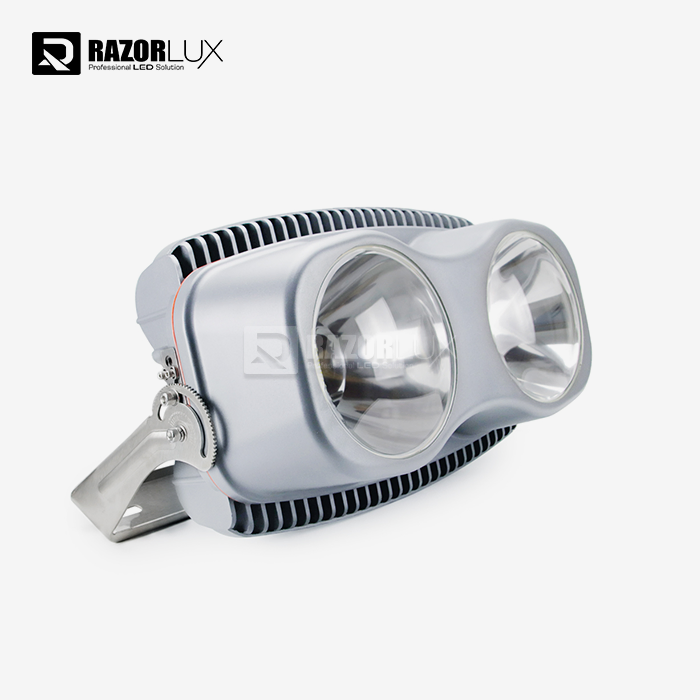 VIEW MOREMarine Flood Lights 1000W
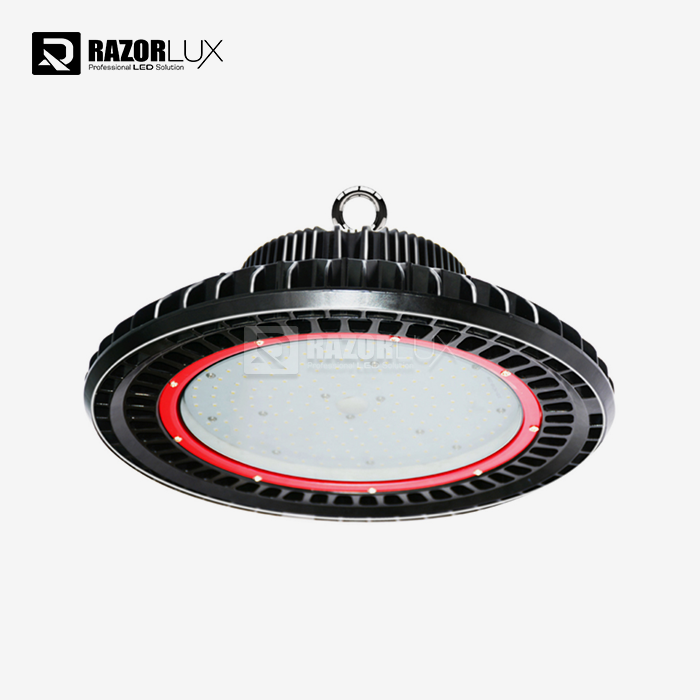 VIEW MOREcommercial high bay led lights
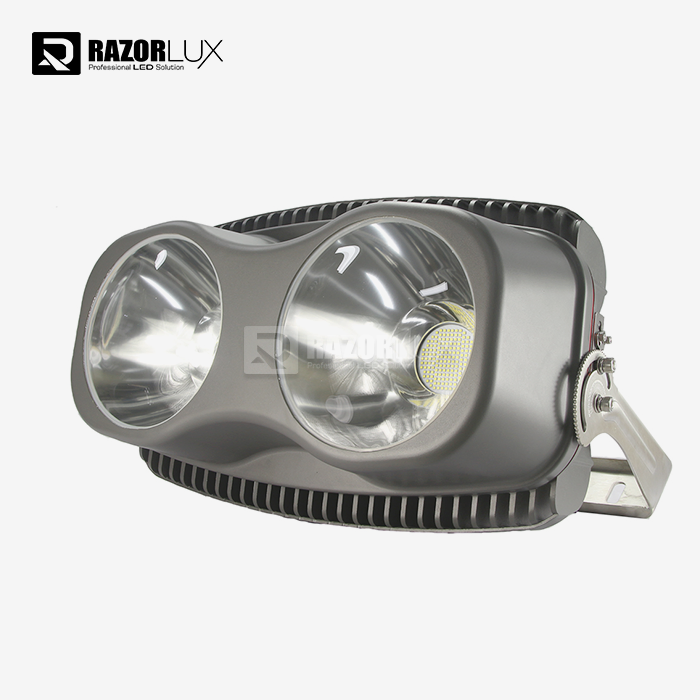 VIEW MOREoutdoor sports lighting
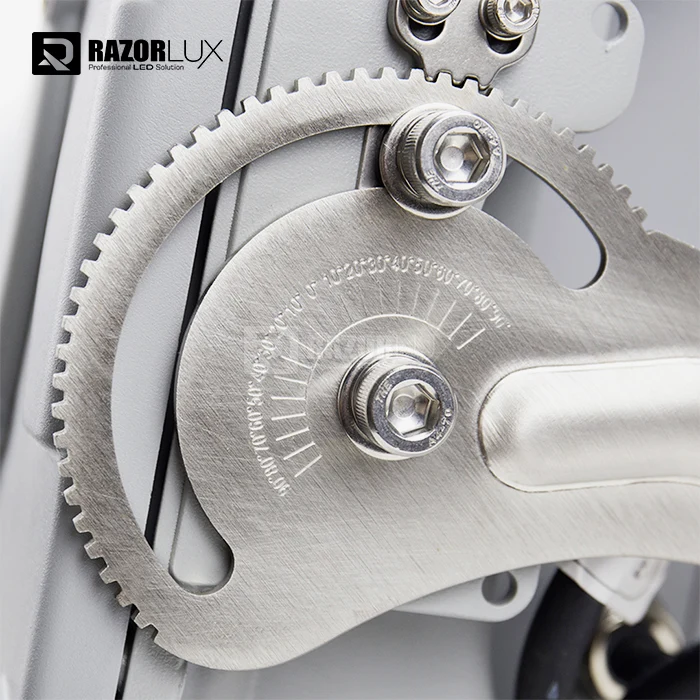 VIEW MORE12v led marine deck lights
 VIEW MORELow Mast Light
 VIEW MOREConstruction Emergency Led Explosion Proof Light 80w 8000lm Paint Booth Light
 VIEW MOREAluminum IP65 Led High Mast Light 1000W RoHS Led Baseball Field Lights
 VIEW MOREBest Light For Outdoor Basketball Court