

_1750326878398.png)

What Makes a 400W Equivalent LED Flood Light So Energy Efficient?
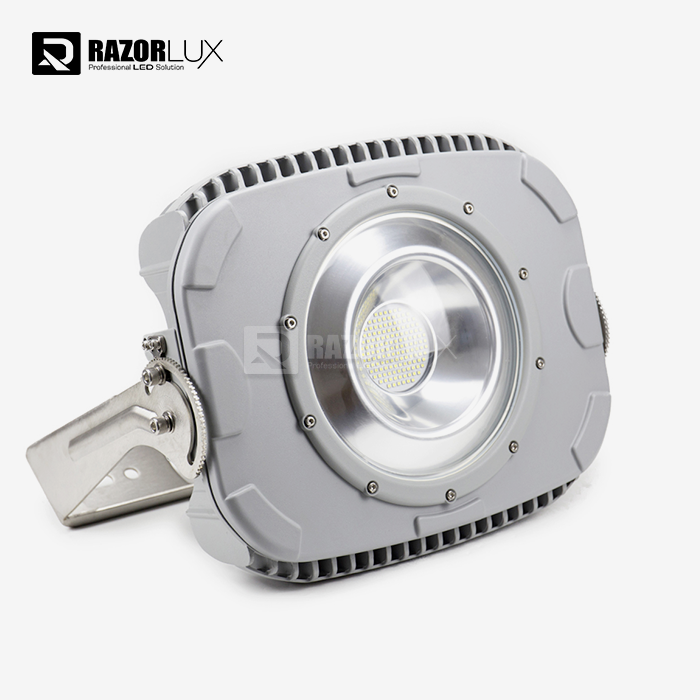
With a power consumption of only 360–400W and a light output that rivals that of traditional 1000–1500W metal halide or high-pressure sodium fixtures, a 400W Equivalent Led Flood Light achieves amazing energy economy. The energy use has dropped by 60 to 70% thanks to better temperature management systems, improved LED chip technology, and precision-engineered drivers that turn electricity into light with little waste heat. Lumens per watt (130 lm/W or higher) show how efficient the fixtures are. This means that they produce more light per unit of energy used, which directly leads to lower operating costs and smaller carbon footprints for naval, industrial, and heavy-duty uses.
Understanding the Energy Efficiency of High-Output LED Flood Lights
Learn about how energy-efficient high-output LED flood lights are.
The Fundamental Shift from Wattage to Lumens
The usual focus on wattage makes things more complicated when looking at lighting options for factories, offshore platforms, or port buildings. We no longer just measure how much power something uses; we also understand how much light it actually puts out. Older metal halide systems needed 600W or more to get the same level of brightness as modern 400W equivalent LED flood lights, which give off 48,000 lumens while using only 400W. This change makes a big difference in how we choose and buy industrial lights. Our Razorlux RGL2-400P model's 130 lm/W luminous efficiency makes this idea very clear. Traditional discharge lamps only make 60 to 80 lumens per watt, but this lamp makes 130 lumens of visible light per watt. This lack of efficiency has a direct effect on your building's repair plans and energy bills.
How Does LED Architecture Enable Superior Performance?
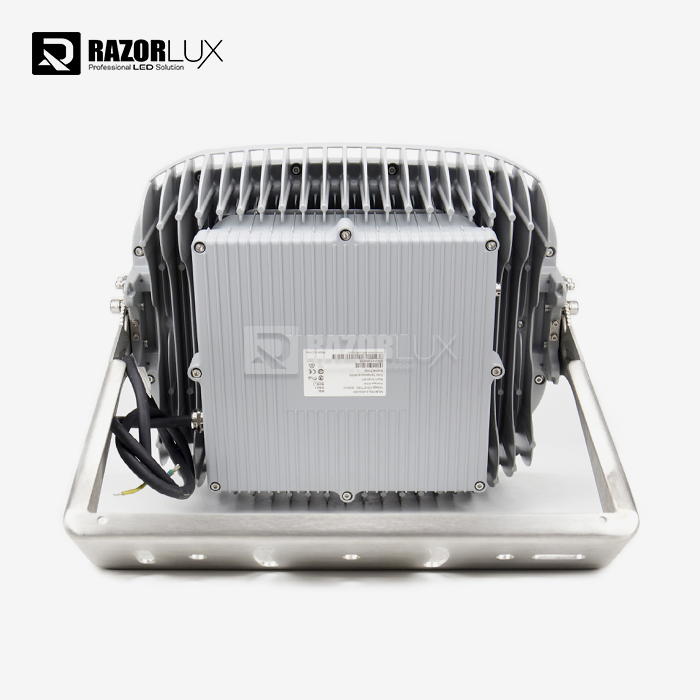
The fact that LED technology is solid-state is what makes it energy efficient. Unlike gas discharge lamps that waste energy heating electrodes and vaporizing metals, LEDs generate photons directly when electricity passes through semiconductor materials. This improved design is shown by our 360W LED array and a 40W Meanwell driver. The driver is very important for more than just changing the power. With a power factor above 0.98 and total harmonic distortion below 10%, it makes sure that almost all of the electricity that is sent through it is turned into useful light and not lost as electromagnetic interference. This technical detail is very important when figuring out the total cost of ownership for big projects that happen on many ships or in many building zones.
Environmental Operating Range and Consistent Output
It doesn't matter how energy efficient lights are if they break in harsh marine or industrial settings. The Razorlux system works steadily from -40°C to 60°C, keeping the same amount of light output at temperatures that would make metal halide lamps flicker or stop working altogether. This stability comes from smart thermal management and driver control, which make sure that the rated efficiency stays the same whether the system is placed on an offshore rig in Norway or a port facility in Singapore.
Core Factors Behind the Superior Energy Efficiency
Advanced LED Chip Technology and Heat Management
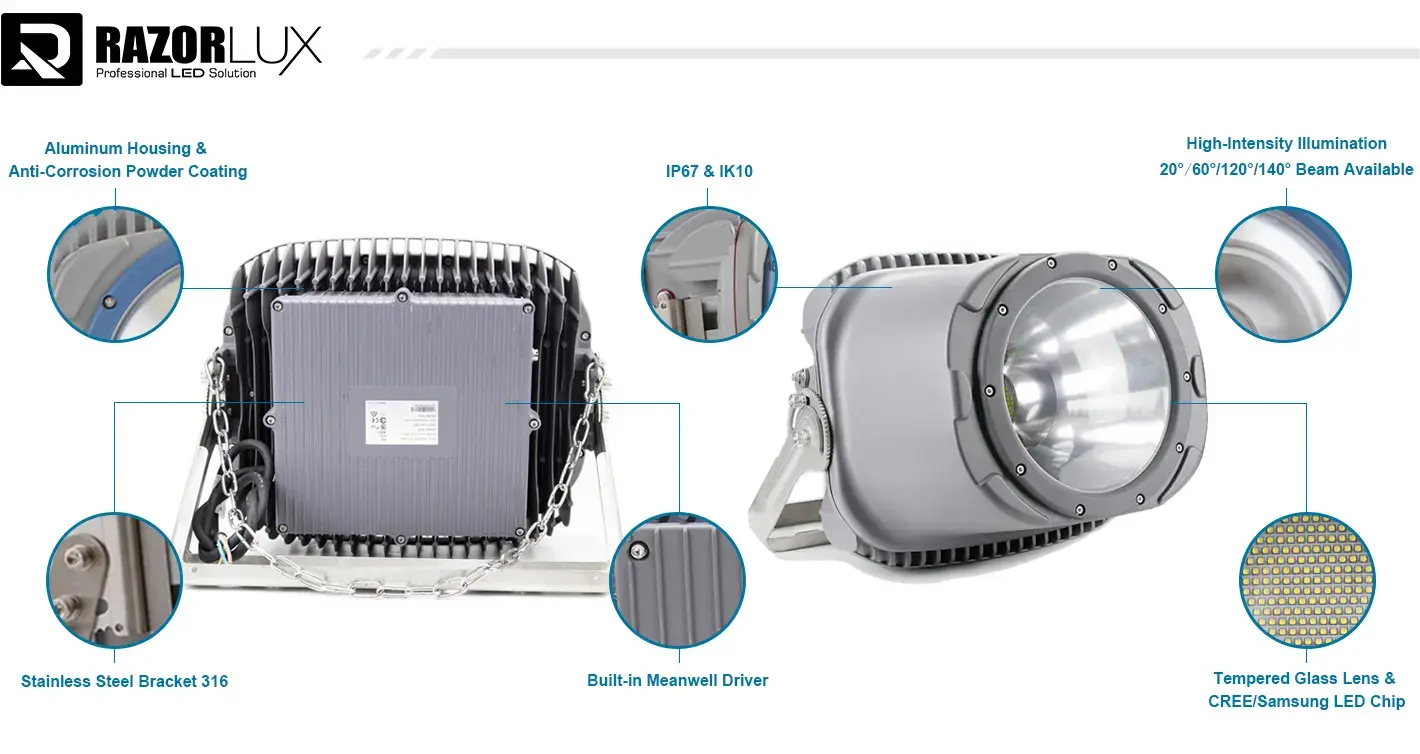
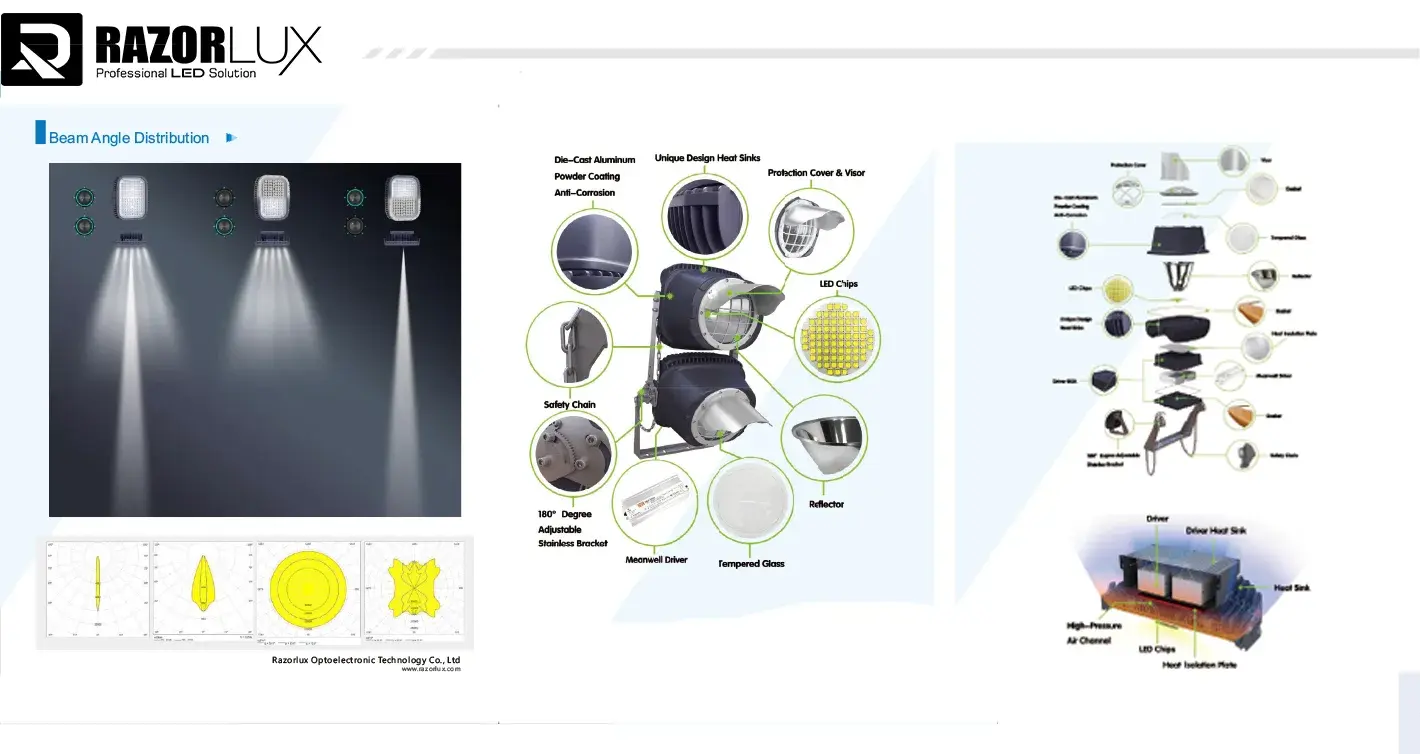
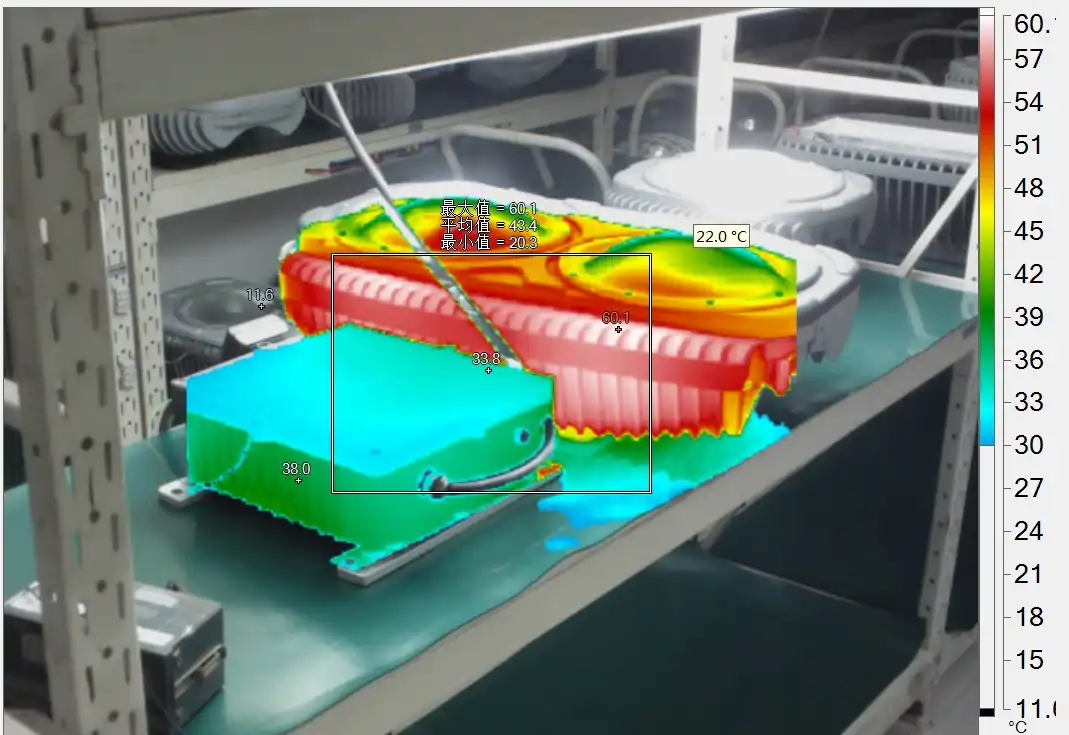
The LED chip construction is at the heart of our design that saves energy. We use high-density grids that let the most photons escape while letting the least amount of heat escape. As a passive thermal management system, the ADC12's die-cast metal case with built-in heat sink fins moves heat away from the LED junctions without the need for active cooling, which uses a lot of energy. As long as the LED junction temperature stays below 85°C, the device will convert electrons to photons as efficiently as possible for its 50,000-hour life. This thermal discipline directly leads to long-term energy savings, since LEDs lose efficiency when they're working at high temperatures.
Precision Optics Reduce Wasted Lumens
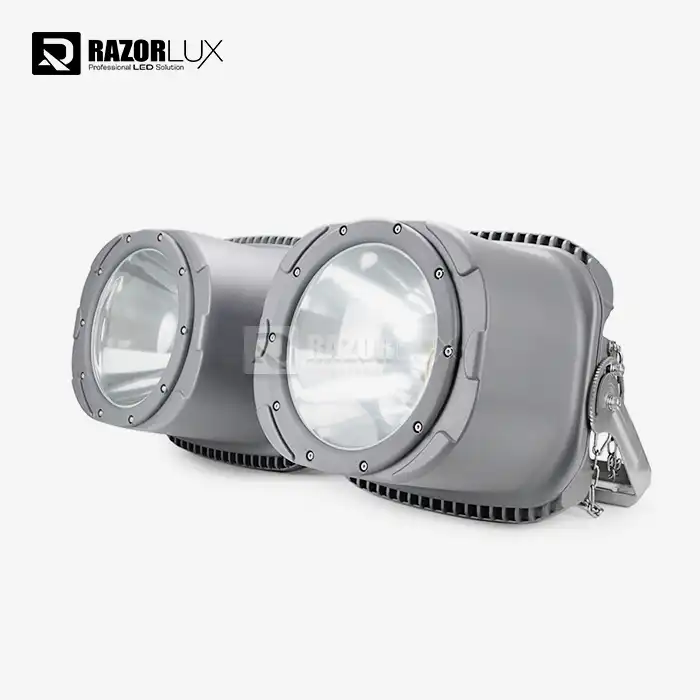
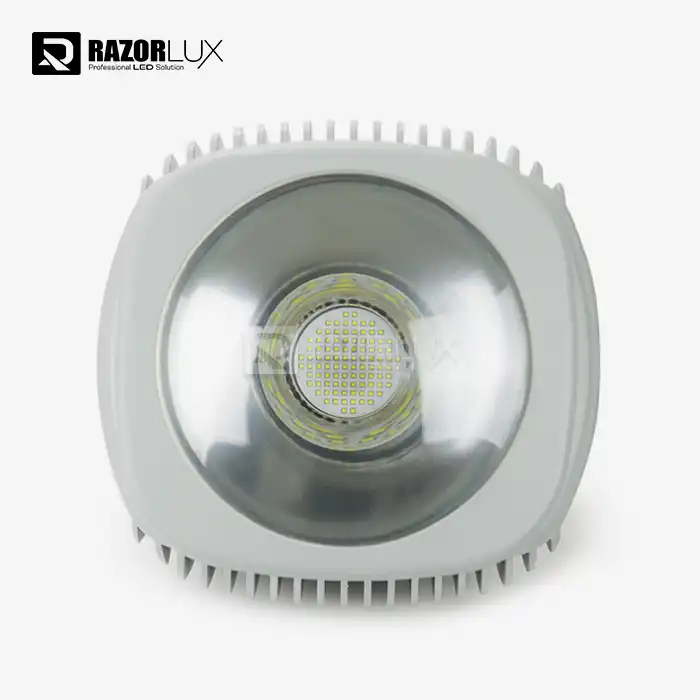
Efficient use of energy goes beyond power creation and includes delivering light. With beam angles of 15°, 20°, and 30°, we can precisely light up target areas without any spilling. Traditional bidirectional HID lamps waste a lot of energy by lighting up areas that aren't needed or by needing reflection systems that soak up 20 to 30 percent of the light they produce. The polycarbonate or toughened glass lens system keeps more than 92% of the light passing through while keeping the LED array from humidity, saltwater, and drops. This optical efficiency makes sure that the lumens produced reach their goal, making the most of every watt used. The IP67 grade and IK10 impact protection keep these optical parts safe from damage from the environment that would make them less effective over time.
Intelligent Driver Design and Power Management
The Meanwell power source is an important part of the system that is often forgotten when people talk about buying things. Because it can accept voltages from 110V to 480V, 100V to 400V, and 500V to 800V, you don't need to use extra transformers or switches that add conversion losses. Each extra step in the power conversion process makes the device 5–15% less efficient overall. Because the driver has a power factor of 0.98, it draws very little reactive power. This keeps the electrical distribution systems from having to work too hard and keeps manufacturing buildings from having to pay utility penalties. This standard is especially important for marine uses where generator power is limited and loads that aren't using energy efficiently waste fuel.
Comparison of LED Flood Lights with Legacy Lighting Technologies
Energy Consumption Analysis Across Technologies
When you compare things directly, you can see how much more efficient they are. When ballast losses are taken into account, a typical 400W metal halide light uses about 455W and puts out 32,000 to 36,000 lumens. Our LED counterpart uses 400W overall, which includes the driver, and gives off 48,000 lumens. This means that 12% less power is being used and 33% more light is being produced, which is a gain in efficiency of over 50%.
The following table shows how much it costs to run a standard shipyard system with 100 fixtures:
| Lighting Technology | Power per Fixture | Total Power (100 Units) | Annual Energy (8,760 hrs) | Energy Cost (@$0.12/kWh) | 5-Year Energy Cost |
|---|---|---|---|---|---|
| Metal Halide 400W | 455W | 45.5 kW | 398,580 kWh | $47,830 | $239,150 |
| HPS 400W | 465W | 46.5 kW | 407,340 kWh | $48,881 | $244,405 |
| Razorlux LED 400W | 400W | 40.0 kW | 350,400 kWh | $42,048 | $210,240 |
| Annual Savings vs MH | - | - | 48,180 kWh | $5,782 | $28,910 |
These figures don't include the extra money that could be saved by not having to repair ballasts as often and lowering the load on the HVAC system because less heat is being produced. When these practical factors are taken into account, the business case for switching to LEDs gets even stronger.
Lifespan and Maintenance Cost Implications
In the middle of their lives, traditional discharge lamps usually lose 30 to 40 percent of their original light power. To keep the right amount of light, planned care calls for replacement every 12,000 to 15,000 hours. At 50,000 hours, our LED system still has over 70% of its original brightness, which means that replacements can be made three to four times more often. When replacing lamps on offshore platforms, ship engine rooms, or port crane buildings that are hard to get to, the cost of the work often goes up more than the cost of the parts. Cutting down on maintenance from once every 18 months to once every 6 to 7 years changes how maintenance is planned and how money is spent.
Total Cost of Ownership for Industrial Applications
An in-depth TCO study of a project to light up a port building shows the strong return on investment:
The cost to buy a 400W equivalent LED floodlight is 2.5 to 3 times higher than the cost of buying metal halide lamps. But just saving energy usually pays for itself in 24 to 36 months. When you add in the time saved on upkeep, the cost of getting rid of dangerous mercury-containing lamps, and the need for less electrical equipment, the crossover point usually happens within 18 to 24 months.
After replacing 240 metal halide lights across their building, a Norwegian shipyard customer said they got their money back in 22 months. In addition to the money they saved, they said that the better color rendering (CRI >75) and lack of the stroboscopic effect that comes with discharge lighting on AC power made the workplace safer.
Procurement Considerations for Marine and Industrial Applications
Critical Technical Specifications for Harsh Environments
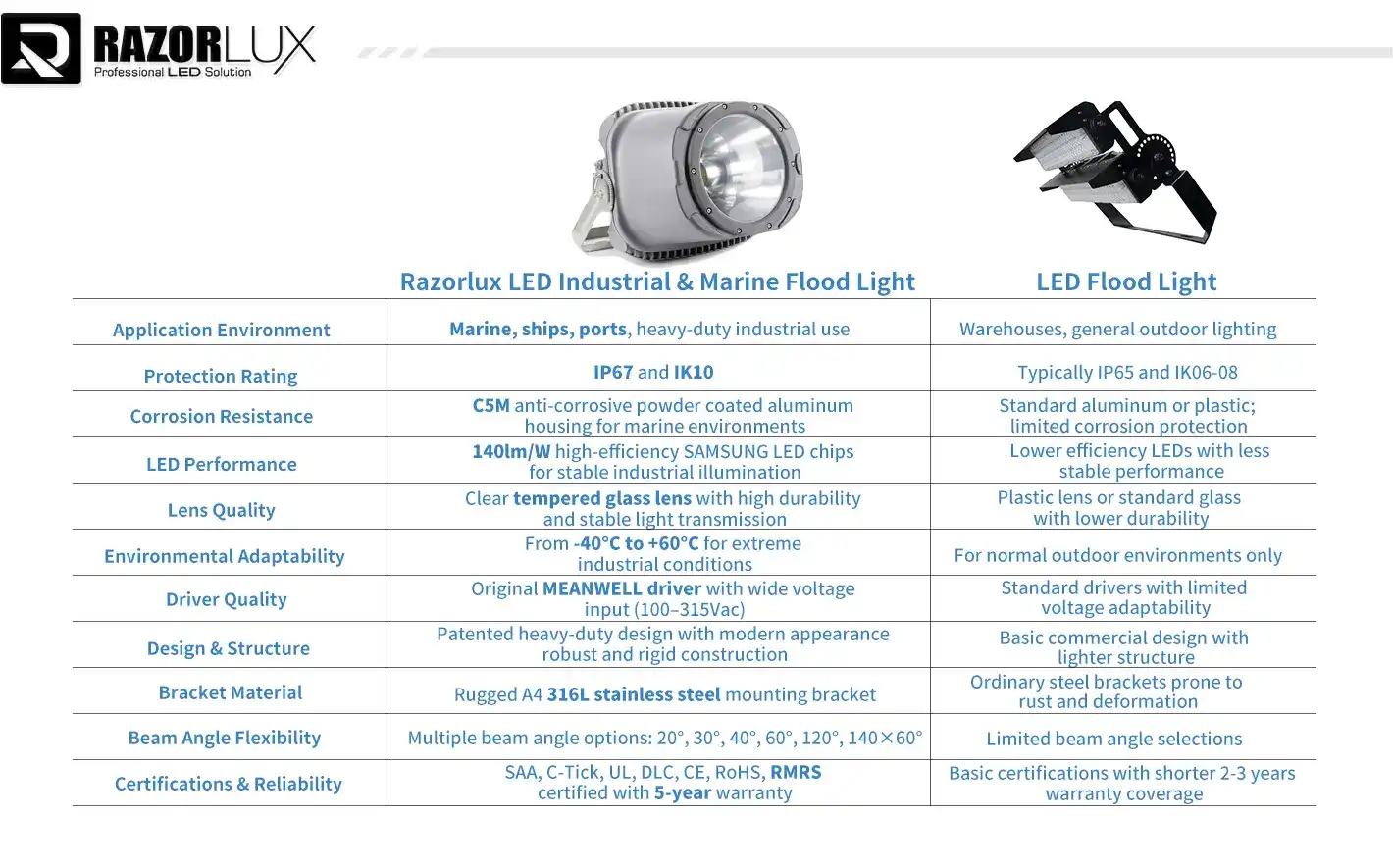
The IP67 grade is very important when choosing lighting for ship decks, offshore platforms, or industrial sites along the coast. This approval proves that the fixture can survive being submerged for a short time up to a depth of 1 meter. It does this to protect against pressure washing, wave action, and driving rain that are common in marine settings.
The IK10 grade for impact resistance means that the housing can withstand 20 joules of impact energy, which is the same as dropping a 5 kg object from 40 cm. This standard is important when fixtures might come into touch with cranes, other material-handling equipment, or bad weather.
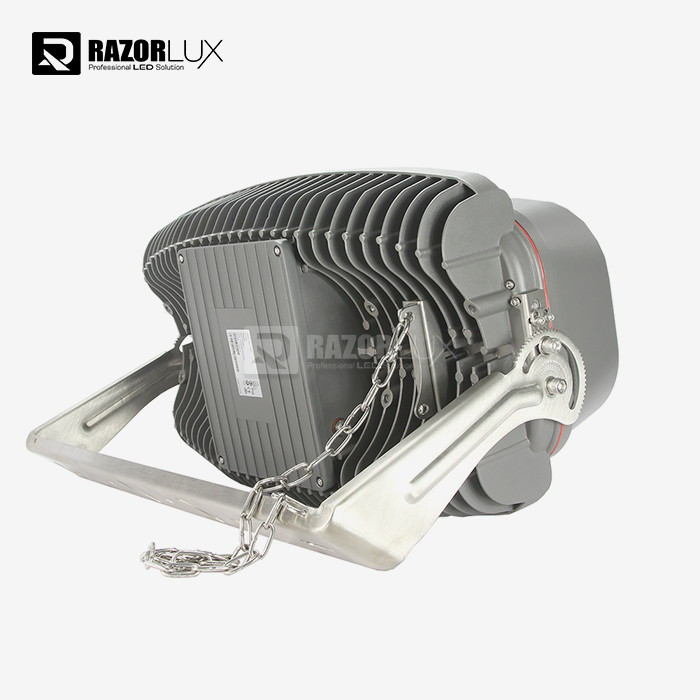
Resistance to corrosion goes beyond the IP grade. Our powder-coated aluminum housing and stainless steel bracket are resistant to the damage that salt spray does to fittings that aren't made for naval use. The 10–95% working humidity range makes sure that it can work reliably in warm ports and humid factories like paper mills.
Certification Requirements for International Projects
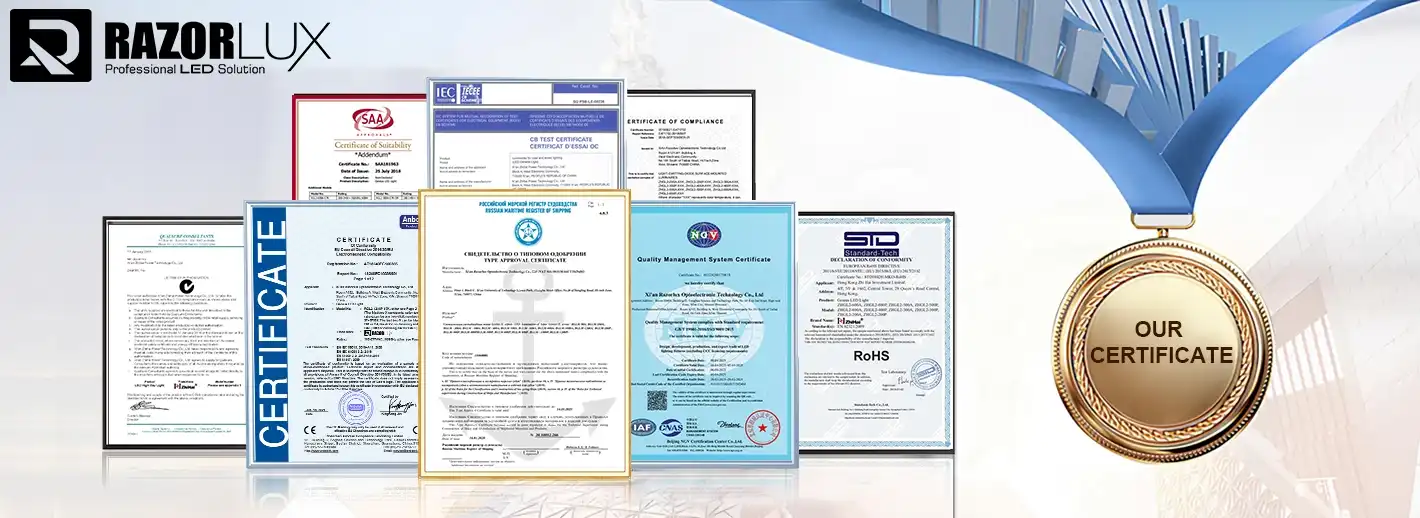
The licensing portfolio has a direct effect on insurance compliance and project approval. With our CE, RoHS, SAA, C-Tick, UL, DLC, and CB certifications, you can use our products in markets in Europe, North America, Australia, and Asia without having to change anything or test them again.
Approvals from classification societies like DNV/GL and ABS are very important for naval uses. These approvals show that the fixtures meet the high standards for fire safety, electromagnetic compatibility, and vibration that are needed for placement on a vessel. When putting together bid papers or responses to RFQs, thorough certification paperwork speeds up the approval and technical review processes.
Supplier Evaluation and Supply Chain Reliability
Razorlux has been in business since 1998, which gives us the security we need to commit to long-term projects. Our ISO 9001 certification shows that we have a method for managing quality that makes sure that all of our production batches are the same. This is very important when buying for large projects with multiple phases or installations that affect the whole fleet.
Our collection of more than 200 patents shows that we are truly innovative and not just making things that everyone else does. This intellectual property base lets you change things to fit the needs of a specific project, like changing the color temperatures or adding special mounting brackets or connecting to building management systems for smart control.
Evaluating Warranty Terms and After-Sales Support
The 10-year house warranty and 5-year guarantee on LED modules and drivers show that the manufacturer trusts the product and lowers the risk of buying it. This security goes above and beyond what the industry requires, and it protects your finances during the most important time of the year when LED lights save you the most money and work at their best.
Technical help that responds quickly is also very important. Our team helps with installation, lighting planning, and answering questions quickly in the field. This help is especially useful when project deadlines are slashed or technical problems arise during the installation stages.
Installation Strategies for Maximum Energy Efficiency
Proper Mounting Height and Beam Angle Selection
To get the recommended efficiency, the beam angle must be matched to the mounting height and covering area. The 15°, 20°, and 30° choices make it possible to optimize for different uses. A 30° beam is good for lower mounting heights (6–10 meters), like those found in factory hallways or on ship decks, because it covers the whole area evenly without giving off too much spill light.
Narrower 15° beams work well for high-bay situations (15–25 meters) where focused downward light cuts down on lost lumens and gets to the desired footcandle levels with fewer lamps. When application engineering is done right during the design phase, too much lighting wastes energy and too little lighting hurts safety and productivity.
Electrical Infrastructure and Power Quality Considerations
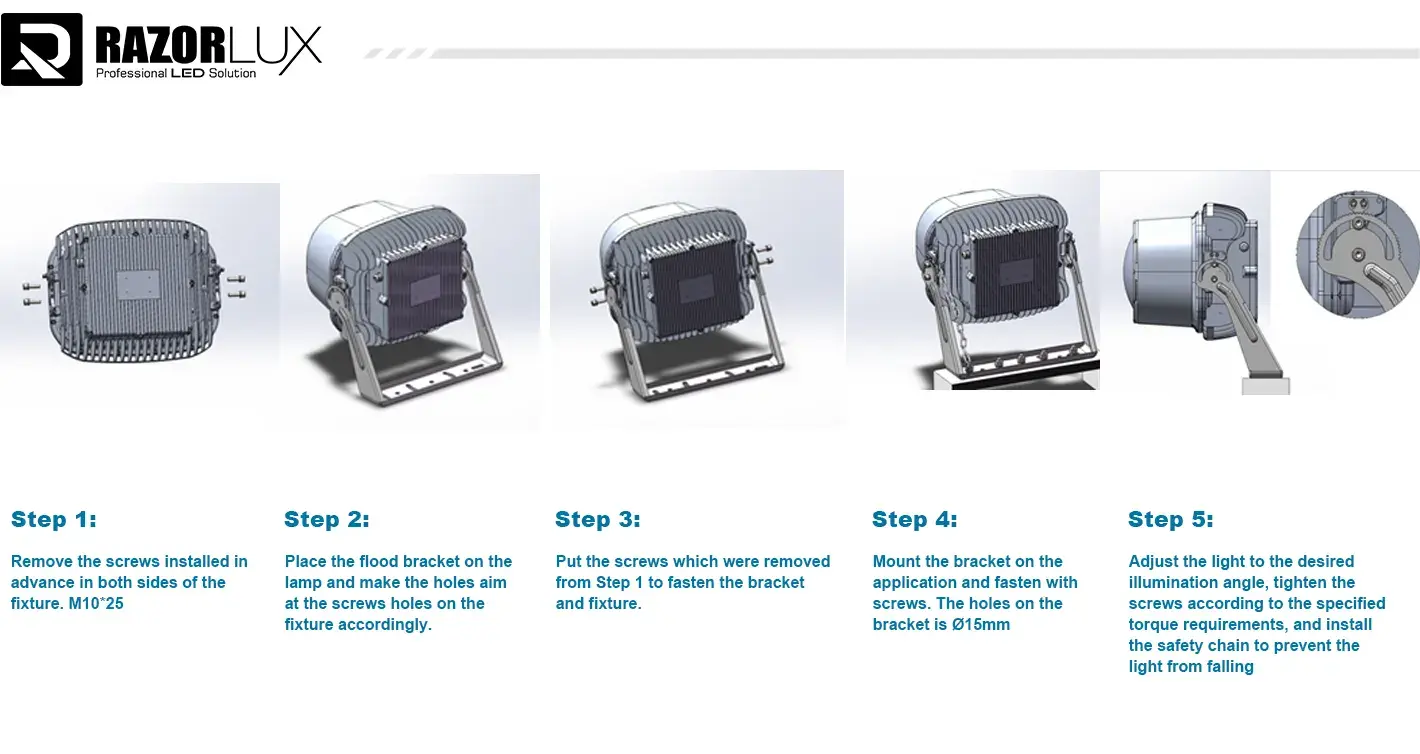
The large input voltage range (110–480Vac) lets it work with many different electrical systems without the need for separate transformers. This adaptability is very useful in marine settings where ships may run around the world using different electrical standards or in industrial settings that want to improve parts of their electrical system without replacing the whole thing.
Clean electricity makes drivers work better and last longer. The built-in surge protection (up to 10 kV) protects against short-term events, but specialized circuits or power conditioning may be needed to fix power quality problems caused by variable frequency drives or welding tools so that LEDs work at their best.
Integration with Control Systems for Enhanced Savings
Our basic lights work at full power, but the driver platform can be used to add dimming for buildings that want to use more advanced lighting control. Photocell control for outdoor areas, occupancy sensing in places that are only occasionally used, or planned dimming during times of low activity can save even more energy than the fixture itself.
Because they have a low starting current and can turn on instantly, they can be switched on and off many times without losing performance, unlike metal halide lights that need 10 to 15 minutes to warm up. This feature helps motion-activated lighting plans work in security perimeters or storage places for materials so energy isn't lost when no one is there.
Maintenance Practices that Preserve Energy Efficiency
Routine Cleaning and Environmental Protection
Salt spray, industrial dust, and air pollution slowly build up on lens surfaces, making them less effective at transmitting light and working well. Cleaning it every three months with the right non-abrasive methods keeps the light output at its best without having to replace the lamps. This easy upkeep job can often restore 5–15% of the light that was lost due to dirt.
The sealed design (IP67) lets the outside of the device be pressure washed without worrying about water getting in. This ability to be maintained is useful in industrial settings where pollution from manufacturing processes makes lights less effective over time.
Thermal System Inspection and Component Monitoring
Every year, heat sink fins are checked to make sure that any buildup of dirt hasn't harmed their thermal performance. When air paths are blocked, the temperature at the LED joint rises, which speeds up lumen loss and shortens the lifespan. When visual inspection is paired with infrared thermography, possible heat problems are found before they make the fixture less efficient.
Monitoring driver performance with power meters can find declines in performance before they become catastrophic failures. When power consumption slowly goes up or the power factor goes down, it means that a component is wearing out and needs to be replaced during routine maintenance instead of an emergency.
Predictive Replacement and Lifecycle Planning
The L70 grade (50,000 hours to 70% original lumens) lets you plan maintenance ahead of time so that it happens during times when the facility is shut down, instead of waiting until something goes wrong. This planning feature lowers the cost of maintenance work and makes sure that there is enough light throughout the entire operating lifecycle.
Strategic planning for replacement every 8–10 years (if the business is open 24 hours a day, seven days a week) or every 12–15 years (if it's only open 12 hours a day) helps with budgeting and keeping up with technology update cycles. As LEDs get more efficient, planned technology updates become more cost-effective because next-generation products give 150–160 lm/W or more.
Conclusion
Synergistic advancements in LED chip technology, heat management, and precise driver design are what make the 400W equivalent LED flood light so energy efficient. These lights give off 48,000 lumens at 130 lm/W while using less power than older technologies that gave off less light. With a lifespan of 50,000 hours, energy savings of 60–70%, and low upkeep needs, this product has a very low total cost of ownership for naval, industrial, and heavy-duty uses. When these efficiency benefits are properly specified, installed, and maintained, they are at their fullest. This way, B2B clients can be sure that they will save money over the life of the device while still meeting strict safety and environmental standards.
FAQ
What energy savings can I expect when switching from metal halide to LED flood lights?
Lighting energy use is usually cut by 60 to 70 percent after an installation. By replacing 100 metal halide lights with LED replacements, a building that uses 45.5 kW of electricity can cut that demand to 40 kW, saving about 48,180 kWh per year. At an average of $0.12/kWh for industrial energy, this saves $5,782 a year for every 100 fixtures, or $28,910 over five years if you don't count the money saved on upkeep.
How does the 50,000-hour lifespan translate to years of operation?
If you work 24 hours a day, seven days a week, 50,000 hours is about 5.7 years. The lifespan goes up to 11.4 years for sites that work 12-hour shifts, which is common in many workplace settings. Similarly, port lighting that runs on dusk-to-dawn timing (averaging 12 hours a day) lasts for more than ten years before it needs to be replaced. This is a huge improvement over metal halide lamps, which need to be replaced every 12 to 18 months.
Can I customize color temperature and output for specific applications?
From 2700K to 6500K, Razorlux lets you change the color temperature. For alert, productive settings, warehouses usually choose 4000K to 5000K. On the other hand, some marine applications are like 5700K to 6500K for better vision in fog or difficult conditions. You can get CRI improvements to Ra>80 or Ra>90 for places that need better color separation, like areas for quality control or ship repair, where seeing colors correctly is very important.
Partner with Razorlux for Your Industrial LED Lighting Solutions
Razorlux is the only company that can support both difficult marine and industrial projects, making it a great choice for procurement managers looking for a reliable 400W equivalent LED floodlight provider. Our engineering team offers full photometric analysis, custom mounting options, and all the technical paperwork you need for foreign installs, including any certifications that are needed. We guarantee stable product quality and on-time delivery no matter what the project is. Our production capacity can handle both small sample deployments and large-scale fleet deployments. Our world certification portfolio, which includes CE, RoHS, UL, DLC, DNV/GL, and ABS, eliminates compliance problems in many places, and our 5-year guarantee shows that we trust the product to work well for a long time. Email our team at sam@razorlux.com to talk about your particular needs, get technical specs, or set up a sample review. You are welcome to experience the quality and speed that have made us a trusted partner since 1998 as a shipyard buying manager, marine equipment integrator, or building engineering team.
References
1. Chen, J., & Maritime Lighting Standards Committee. (2021). Energy Efficiency Standards for Marine and Offshore Platform Illumination Systems. International Maritime Technical Publishing.
2. Industrial Lighting Research Consortium. (2022). Comparative Analysis of LED and HID Lighting Technologies in Heavy Industrial Applications. Technical Report Series Vol. 18.
3. Nordic Shipyard Association. (2020). Total Cost of Ownership Models for Maritime Lighting Infrastructure Upgrades. Oslo: Scandinavian Maritime Press.
4. Razorlux Technical Documentation Department. (2023). RGL2-400P Series: Engineering Specifications and Application Guidelines. Xi'an: Razorlux Optoelectronic Technology Co., Ltd.
5. U.S. Department of Energy. (2022). LED Lighting Facts: Performance Characteristics and Energy Savings in Commercial and Industrial Settings. Washington, DC: Office of Energy Efficiency and Renewable Energy.
6. Zhao, M., Li, X., & Wang, H. (2021). Thermal Management Systems in High-Power LED Flood Lighting: Design Principles and Performance Optimization. Journal of Applied Industrial Photonics, 15(3), 234-251.

_1748337998981.webp)