


_1750326878398.png)

Why Choose 12V LED Flood Lights Waterproof for Outdoor Projects?
When managing large-scale marine or industrial installations, choosing the right lighting isn't just about brightness—it's about survival in punishing conditions. We choose 12V LED flood lights waterproof for outdoor projects because they deliver critical safety advantages through low-voltage operation while maintaining hermetic sealing against moisture, salt spray, and dust ingress. These fixtures solve urgent operational challenges: eliminating electrocution risks in conductive wet environments, integrating seamlessly with renewable energy systems, and drastically reducing maintenance costs caused by premature failure. Their IP67-rated construction ensures continuous performance even when temporarily submerged, making them indispensable for shipyards, offshore platforms, and coastal infrastructure where standard lighting simply cannot survive.
Understanding 12V Waterproof LED Flood Lights: Definition and Core Benefits
What Makes Low-Voltage LED Lighting Different?
12v led flood lights waterproof and work on 12V DC or AC/DC systems that are suitable. This changes the way we think about electrical safety in dangerous places in a big way. These units use Safety Extra Low Voltage (SELV) design instead of standard 110V or 220V lights that need complicated conduit systems and pose serious shock risks near water. This choice was made because of decades of marine electrical standards that say lowering the voltage below 50V AC greatly reduces the severity of injuries from accidental touch. Bridge rectifiers and constant current drivers are used in this technology to keep the output fixed even when the voltage changes, which can happen in battery-fed systems or generator-supplied vessels.
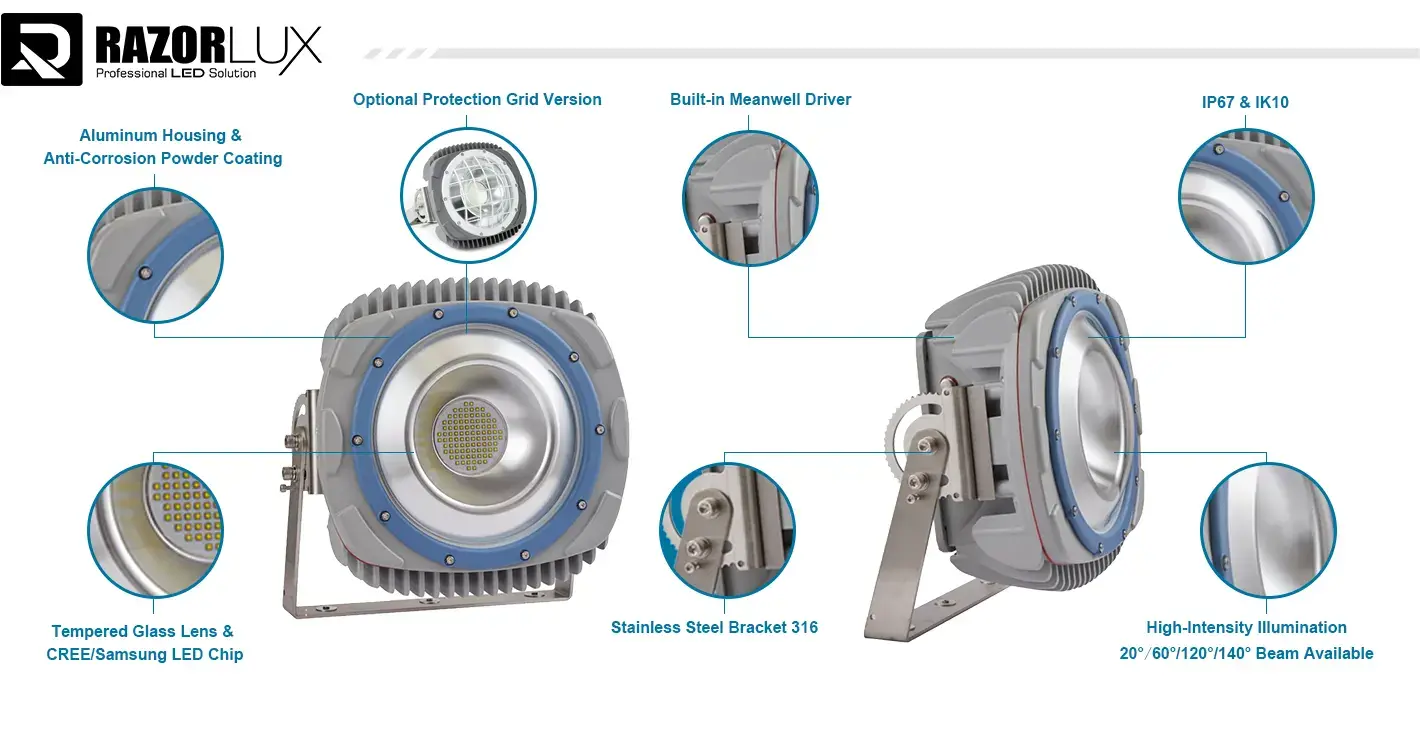
IP67 Rating Explained for Marine Environments
The IP67 rating gives you measurable protection measures that are very important for buying choices. The "6" rating means that there is no dust leakage, even when the product is exposed to cement dust or coal powder for a long time in industrial docks. The number "7" means that the person is protected against brief submersion up to a depth of 1 meter for 30 minutes. This covers situations like deck flooding during rough seas or accidental submersion during dock maintenance. This is very different from IP65 outlets, which can only handle water jets with low pressure. Our testing methods confirm these scores by using salt fog tanks that simulate 2,000-hour exposure cycles, which is the same as deploying along the coast for five years.
Energy Efficiency That Transforms Operating Costs
Modern 12V LED floodlights, waterproof, have a lighting efficiency of 130 LM/W, which means they save money right away. A 90W LED bulb can be used instead of 150–250W metal halide lights and gives off better light. This difference in efficiency saves about 8,000 kWh per fixture over its 50,000-hour life. This is very important for powering remote offshore sites where diesel engines cost $0.45 to $0.80 per kWh. Professional-grade units have thermal management systems that keep junction temperatures below 85°C even when the temperature outside is 60°C. This keeps the brightness output stable throughout the guarantee period, which doesn't happen with cheaper options.
Key Considerations When Choosing 12V Waterproof LED Flood Lights
IP Rating Selection: Matching Protection to Environment
To choose between IP65 and IP67 grades, you need to look at your individual risks of exposure. IP65 fixtures are good for covered loading docks where it rains and is washed down every so often, but they can't handle direct wave action or a flooded bilge. For ship deck installations, floating dock platforms, and coastal buildings that are influenced by high tides, IP67 becomes a must. There are big differences in the airtight sealing methods. IP67 units use compression-molded silicone gaskets with shore hardness grades of 60–70A and multistage cable glands with strain relief and double O-ring seals. When buying, we ask for submersion test results that show real immersion times that are longer than the minimum standards. This is done to make sure that the manufacturing process is consistent.
Voltage Architecture: 12V vs 24V System Compatibility
Choosing between 12V and 24V affects the size of the cables, the estimates for voltage drop, and the ability to add on to the system. 12V systems are most common in casual marine uses and small vessel retrofits because they can use existing battery banks. However, they have higher current loads—a 90W fixture takes 7.5A at 12V while only 3.75A at 24V. Because of this difference in current, 12V runs longer than 15 feet need 10–12 AWG copper wire to keep the voltage from dropping below the driver's working limits. 24V design is better for setups that are 200 feet or longer because it lowers wire costs by 40 to 50 percent while keeping the same lumen output. When projects need to work with a wide range of tank electrical standards, we choose wide-voltage-range drivers (DC 80–400V input).
Beam Angle Optimization for Application Needs
Choosing the right beam angle has a big impact on covering patterns and installation density. Narrow 15-20° beams focus the light for long-throw uses like lighting up piers or replacing navigational aids. With the right direction, they can reach 500+ lux at 30 meters. Medium 40-60° angles work well for general outdoor work areas and provide even lighting across 10x10 meter areas from 8 meter hanging heights. Wide 120° uneven distributions meet safety standards for walkways by getting rid of dark spots between lights. Our RGL-90A line has seven beam designs, including special 140°x60° asymmetric patterns made for mounting on the superstructure of a ship, where vertical spread needs to be limited while horizontal coverage across deck areas needs to be maximized.
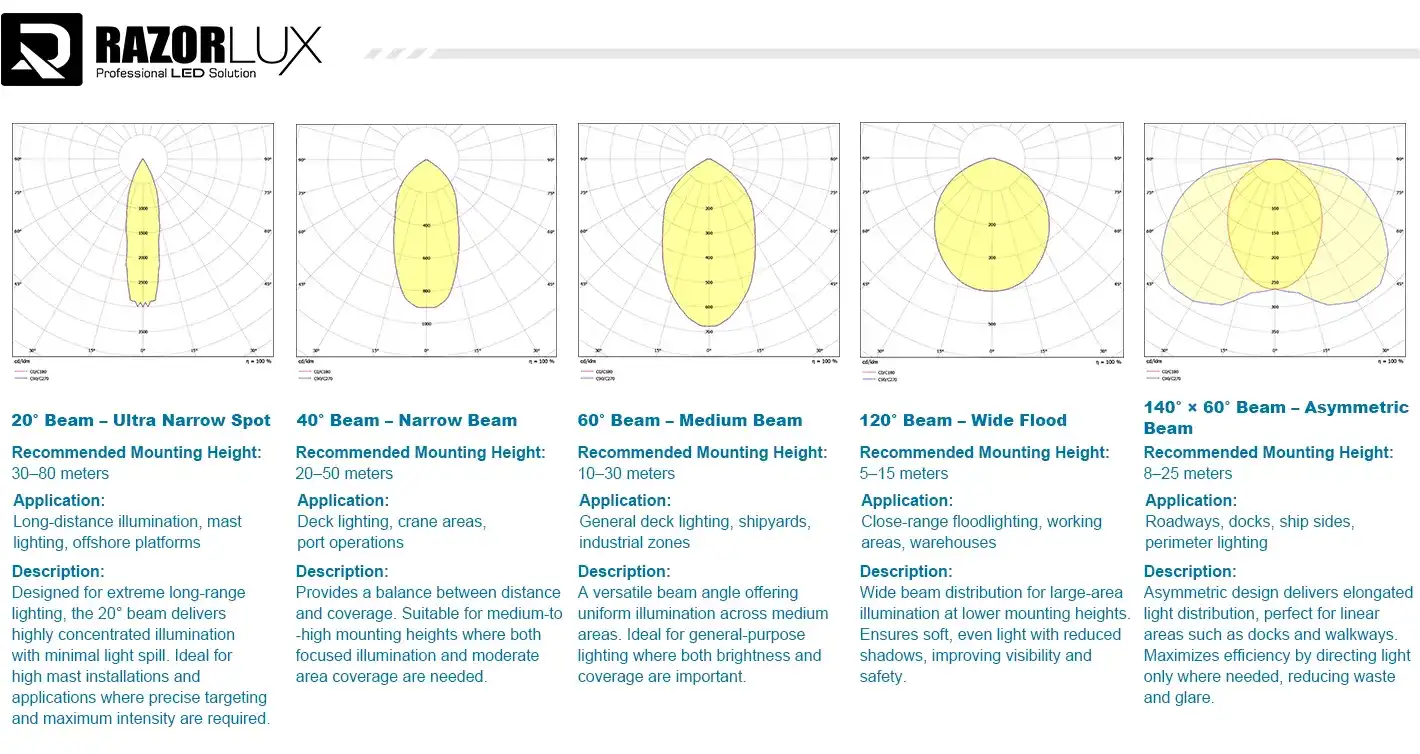
| Beam Angle | Typical Application | Mounting Height | Coverage Area |
|---|---|---|---|
| 15°-20° | Navigation lights, long-distance spotlighting | 10-15m | 3 m diameter at 30m |
| 40°-60° | Deck work areas, machinery spaces | 6-10m | 10x10m uniform zone |
| 120° | Walkways, stairwells, perimeter security | 4-6m | 8x12 m wide coverage |
| 140°x60° | Ship superstructure, bridge wings | 8-12m | 15x8 m asymmetric pattern |
Color Temperature and CRI Requirements
The choice of color temperature strikes a balance between practical needs and exposure. Neutral white between 5000K and 5700K is most common in industrial settings. It gives clear contrast for checking and maintaining equipment while attracting fewer bugs than warmer temperatures. Maritime navigation rules often require certain color rendering qualities. Our Ra>75 standard makes sure that colors can be told apart enough for safety signs and wire identification. For projects that need to inspect paint or check for quality, we offer improved Ra>90 versions through our customization program. Lighting's effect on the circadian rhythm is also important for remote operations that run 24 hours a day. For example, variable white systems help crews stay awake during night shifts.
Driver Quality and Wide Voltage Range
In harsh conditions, the power source is the most likely to break. We only sell Meanwell drivers that are rated for marine use and have conformal-coated PCBs and IP67-rated housings that are separate from the LED module. Our units can handle AC 90-305V and DC 127-431V inputs, which keeps them from breaking down when the generator starts up or when the power from the land changes. Because of this large tolerance, there is no need for extra voltage controllers that add more places where things can go wrong. Power quality standards are followed on ships where electrical interference could hurt sensitive navigation electronics by making sure that power factor adjustment is above 0.98 and overall harmonic distortion is below 10%.
Installation and Maintenance Guide for 12V Waterproof LED Flood Lights
Pre-Installation Planning and Site Assessment
A detailed review of the electrical infrastructure is the first step to a successful installation. We check existing 12V distribution systems to see if the wire sizes are right by finding the voltage drop across cable runs using the formula VD = (2 × L × I × R) / 1000, where L is the run length in meters, I is the load current, and R is the cable resistance per kilometer. If the voltage drop is more than 5%, you need to either use heavier gauge wire or move the power sources closer to the fixture groups. Environmental studies find places where corrosion is likely to happen. For example, places that are directly exposed to salt spray need fixing gear made of stainless steel instead of zinc-plated steel, which breaks after 18 months. We also check the structural load capacity at the fixing points to make sure the supports can hold the 15 kg weight of the device plus wind load factors.
Mounting Techniques for Different Surfaces
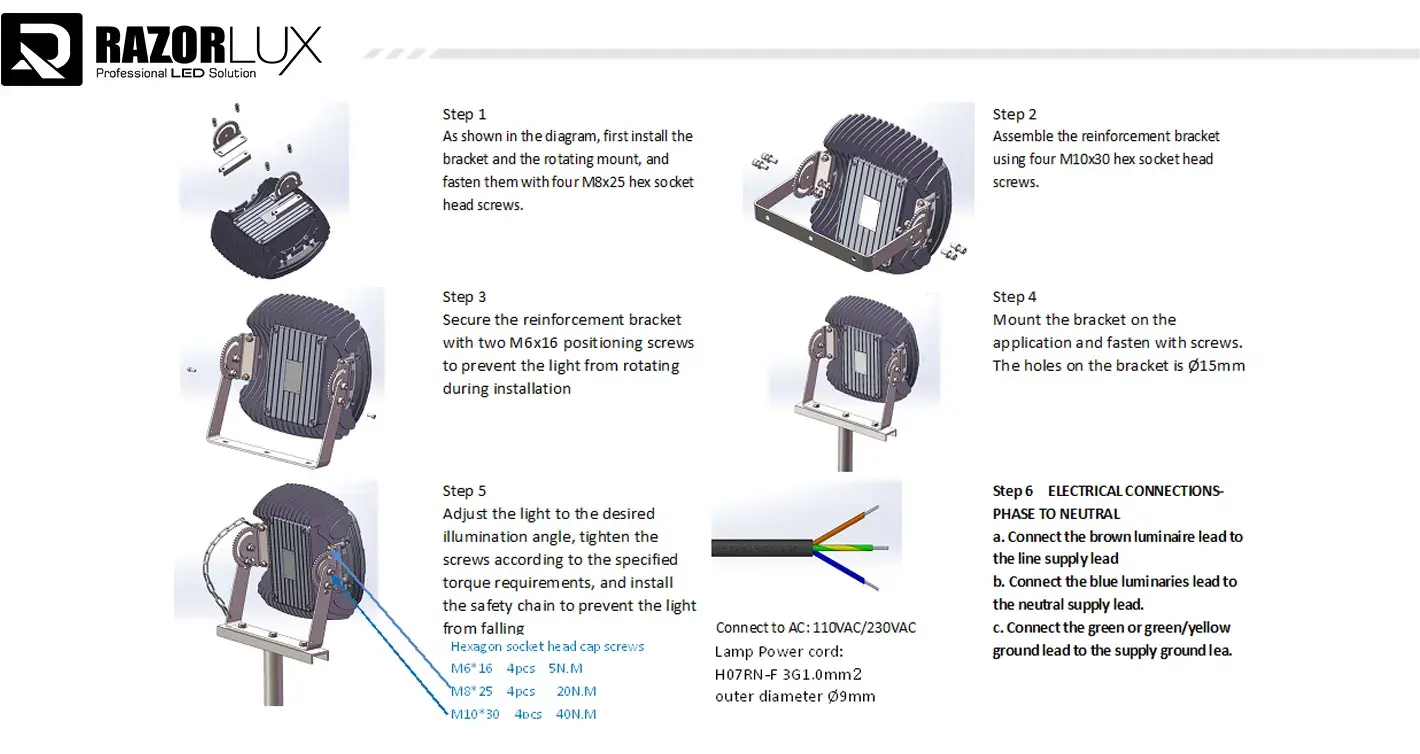
Fixtures last a lot longer if they are mounted correctly. For steel deck installs, marine-grade silicone caulk must be applied to the bolt threads before they are inserted. This creates a second barrier against moisture. To stop galvanic corrosion, aluminum superstructures need stainless steel fasteners. Using regular steel bolts makes electrochemical cells that corrode mounting points after two years of being exposed to saltwater. To keep adjustable yoke bolts from coming loose during vessel operation due to shaking, they need to be torqued to 40–50 Nm. We put lockwires on important sites that meet military standards. To keep fiber-reinforced polymer mounting surfaces from cracking, they need special backing plates that spread the load over a larger area.
Electrical Connection Best Practices
How the cables are entered decides how waterproof they will be in the long run. Marine-rated cable glands with double compression seals and pressure relief are built into our fittings. As part of the installation process, 150mm service loops must be left inside junction boxes so that they can be used for future repair without affecting the sealed connections. In places with a lot of shaking, we use heat-shrink terminal links instead of crimp connectors because crimps can come loose over time. Even though we have non-polarity safety circuits, polarity verification is still very important. Reverse links put more thermal stress on drivers, which shortens their lives. Before assembly, dielectric grease is put on all joints to get rid of any wetness that could cause corrosion. Megger insulation resistance testing confirms that there is more than 10MΩ of resistance between live wires and ground during the final installation testing.
Routine Maintenance Protocols
Preventative repair plans make fixtures last a lot longer. We suggest eye checks every three months to check the state of the gasket, the brightness of the lens, and the tightness of the mounting hardware. As part of the annual deep maintenance, the glasses must be taken off to check for internal wetness. Any moisture found means the gasket needs to be replaced. Instead of solvents, which break down polycarbonate UV coats, the lens cleaning procedure calls for light detergent solutions. Vibration-loosened connections are caught by mounting bolt torque verification before things come loose in bad weather. We keep detailed repair logs that keep track of how each fixture works and help us find trends that help us decide what to buy for future jobs. This method, which is based on data, has helped clients cut down on unplanned repairs by 60% over multi-year contracts.
Troubleshooting Common Field Issues
Flickering usually means there are problems with the voltage source, not with the fixture itself. To figure out what's wrong, we check the voltage at the fixture while it's loaded and make sure it stays in the 10–14V range throughout duty cycles. Intermittent function is a sign of a thermal shutdown, which means there isn't enough airflow or the temperature is too high. To properly diagnose a complete failure, you need to make sure that the source voltage is present, that the driver output voltage is normal (our 90W units should read about 30 to 36V DC), and that the LED string is still connected. Clusters of early failures in certain areas show installation mistakes like not enough surge protection or dimming systems that don't work together. Our technical support team looks at field failure data and gives root cause analysis reports that help people fix problems so they don't happen again.
Comparing 12V Waterproof LED Flood Lights with Alternatives in the Market
Waterproof vs Non-Waterproof: Total Cost of Ownership
When you look at the total cost of ownership, the price difference between IP67 12V LED flood lights waterproof and normal IP20 units gets a lot smaller. When placed in places that get a lot of wetness, faucets that aren't waterproof fail within 6 to 18 months, requiring new work that costs more than the equipment itself. Electrolytic capacitors corrode when moisture gets into LED drivers, which means they don't work. Trying to fix them costs more than buying a new one in developed markets because of the cost of labor. In a dock case, non-rated fixtures in a closed but humid paint booth had to be replaced every 14 months, but IP67-rated units in the same space worked for more than seven years without any problems. The waterproof design also gets rid of the need for annoying repair calls to clear out glasses that are fogged with condensation and block light without actually breaking.
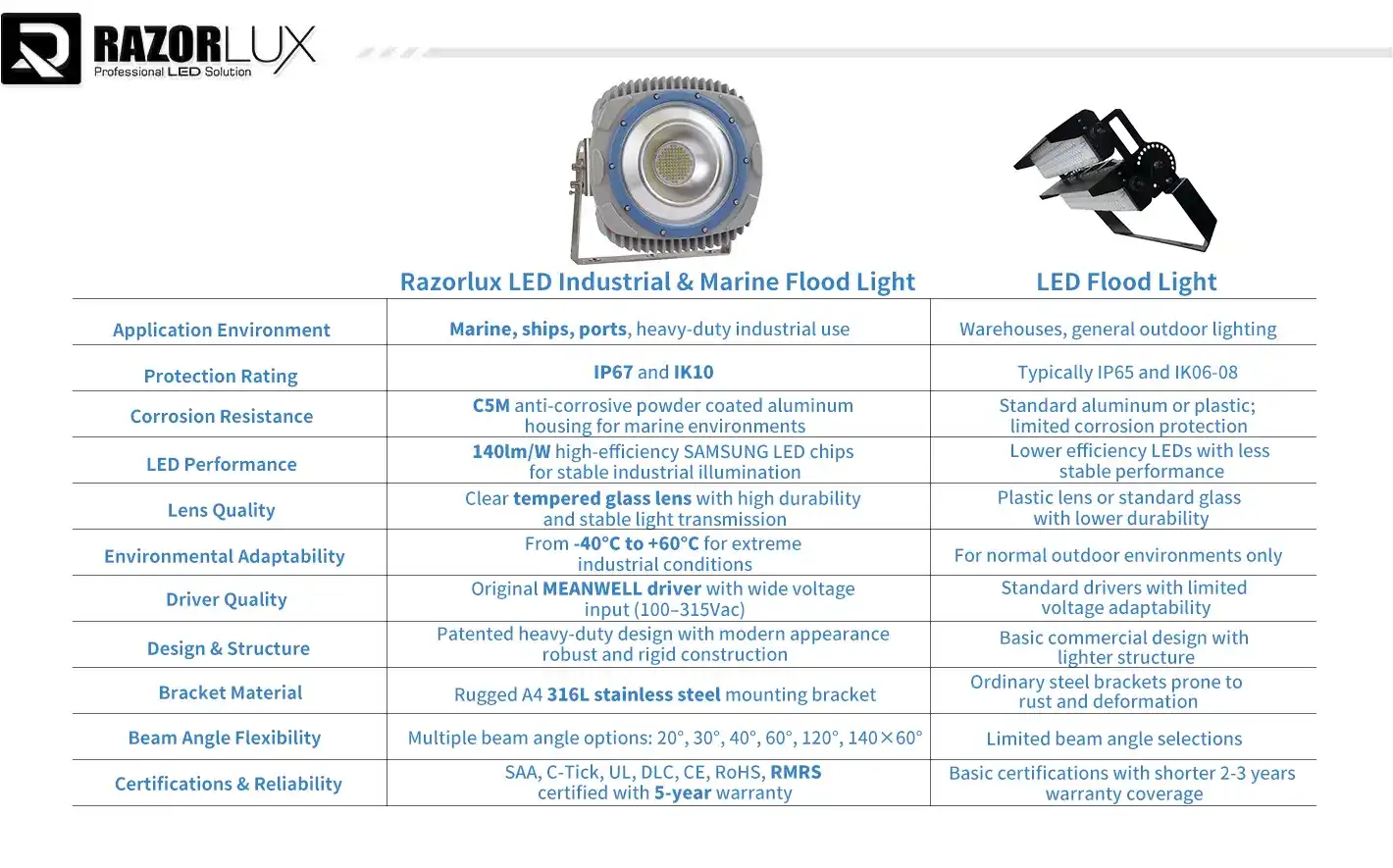
Performance Comparison: Leading Manufacturer Specifications
| Specification | Razorlux RGL-90A | Generic Import | Premium Competitor |
|---|---|---|---|
| Luminous Efficacy | 130 LM/W | 90-110 LM/W | 125 LM/W |
| IP Rating | IP67 (verified) | IP65 (claimed) | IP66 |
| Warranty | 5 years (LED/Driver) | 2 years | 3 years |
| Driver Brand | Meanwell | Unknown OEM | Proprietary |
| Voltage Range | AC90-305V, DC127-431V | AC100-240V only | AC85-265V |
| Operating Temp | -40°C to +60°C | -20°C to +45°C | -30°C to +50°C |
| Certifications | RMRS, UL, CE, SAA | CE (uncertified) | UL, CE |
| Housing Material | Die-cast aluminum | Stamped steel | Die-cast aluminum |
Evaluating Manufacturer Credibility
Screening manufacturers stops buying mistakes that cost a lot of money. We judge the quality of our production by how long our ISO-9001 certification has been valid—22 years in a row! This shows that we are committed to quality management. Factory inspections should check the testing facilities that are already there, such as sphere photometry, heat cycle rooms, and IP ingress test equipment. Companies that outsource manufacturing don't have direct control over the quality of the parts they buy, which means that batches don't always match up. Patent files show real R&D investment instead of copied designs. Our 200+ patents covering LED packing, thermal management, and optical design are valuable engineering tools that trading companies that market commodity goods don't have access to. Checking with customers whose names you've bought from for more than one year shows that you can be trusted beyond the quality of the sample you sent.
Procurement and Supplier Insights for 12V Waterproof LED Flood Lights
Certification Requirements for International Markets
Different markets need different kinds of safety paperwork. For business installations in the US, projects need to be listed with UL or DLC, and the Coast Guard will accept them if they show proof of vessel use. In Europe, sites need to have CE marking and test reports that back them that meet the LVD and EMC standards. Claims of generic CE marking without notified body documents are not legally valid. Vessels flying the flags of CIS countries will have to get approval from the Russian Maritime Register of Shipping (RMRS). For Australian projects, SAA compliance must be checked by testing labs in Australia. We keep our licenses up to date in all of the big markets, so projects don't get held up because of missing paperwork. The cost of approval is more than $50,000 per product line per year, which keeps out rivals who aren't serious and gives customers peace of mind that the standards are being met.
Customization Capabilities and MOQ Considerations
Standard stock items rarely meet all of the fitting needs of a specific job. With a minimum order quantity of 50 units, our engineering team can change the beam angle, the mounting base, and the length of the wire. For making changes to be justified, 100 units must be sold in order for color temperature adjustments, CRI upgrades to Ra>90, and emergency backup integration to happen. For truly special needs, like explosion-proof housings or submersible grades above IP67, our OEM program starts with 500 units. Within 48 hours, we send you full customization quotes that include engineering models and new delivery dates. This adaptability is very important for repair projects that need non-standard solutions that can't be found in strict catalog specs.
Sample Evaluation Programs
For procurement choices to be well-informed, the product must be seen and tested before a promise is made. Within three business days, we ship standard configuration samples via fast courier. They come with all the technical paperwork, test reports, and installation directions they need. After engineering review, custom models with changes made just for the project are sent out within 7–10 days. The sample program has review times that last for 30 days, which lets you test its full performance in real-world settings. We help clients who don't have photometric tools figure out how to measure by showing them simple lux meter verification methods that prove the output claims. Samples belong to the client even if they decide not to buy them later. This shows that we trust performance measures against competing options.
Supply Chain Reliability and Lead Times
When materials are always available, projects don't get held up. We keep finished goods in stock for 45 days for normal models, so we can ship right away for orders under 200 units. Our agreements to sell parts to Samsung and Meanwell include arrangements for buffer stocks that keep production going even when semiconductors are in short supply. The monthly production capacity is over 50,000 units, which means that big projects can be met without having to wait longer for parts. With rush order options, unique setups can be sent within 15 days, but there are fees for this service. We offer tracking for packages, with access down to the container level for ocean freight and real-time tracking for couriers for air freight. This supply chain openness gets rid of the risk that projects face when they buy from selling companies that don't have control over production.
Warranty Coverage and After-Sales Support
Our five-year warranty covers LED modules and drivers against problems caused by poor manufacturing. This is twice as long as the usual guarantee in the industry. The insurance covers shipping a replacement unit ahead of time, before the failed unit is sent back. This keeps important installations running as smoothly as possible. Technical help is available around the clock, and marine industry experts give application advice that goes beyond simple troubleshooting. We keep spare parts in stock for old goods that are no longer being made so our clients can keep their systems running without having to update. Field failure analysis includes thorough studies that explain what went wrong (environmental factors, installation mistakes, or defective parts) and give advice on how to stop it from happening again. This all-encompassing support system solves the problem of poor service that leaves buyers stuck after the initial purchase.
Conclusion
Selecting 12V LED flood lights waterproof demands balancing technical specifications against operational realities in demanding marine and industrial environments. The IP67-rated construction, wide-voltage driver compatibility, and premium component integration our fixtures provide address core procurement requirements for reliability, safety, and lifecycle value. Understanding the distinctions between protection ratings, recognizing the importance of third-party certifications, and evaluating manufacturer credibility beyond initial pricing prevent costly mistakes. Proper installation techniques and maintenance protocols maximize the substantial lifespan these technologies offer. When your project stakes include crew safety, operational continuity, and total ownership costs spanning decades, choosing proven solutions backed by engineering expertise and comprehensive support becomes the only defensible decision.
FAQ
Can 12V LED Flood Lights Operate on Both AC and DC Power?
Quality marine-grade fixtures incorporate bridge rectifiers, enabling operation on both 12V AC and DC supplies. Our RGL-90A series accepts AC 90-305V and DC 127-431V inputs without external adapters, providing installation flexibility across varied vessel electrical systems. Always verify the specific driver specifications, as budget models may restrict operation to single voltage types.
How Do I Calculate Voltage Drop for 12V Installations?
Voltage drop calculation uses the formula VD = (2 × L × I) / (K × A), where L represents cable length in feet, I equals current in amperes, K represents conductor material constant (12.9 for copper), and A equals wire cross-sectional area in circular mils. Maintain voltage drop below 5% to prevent driver malfunction—this typically requires 10 AWG wire for 90W fixtures over 20-foot runs.
What Maintenance Schedule Should I Follow?
We recommend quarterly visual inspections checking gasket integrity, lens clarity, and mounting security. Annual detailed maintenance includes lens removal for internal condensation inspection and gasket replacement if moisture appears. Clean lenses using mild detergent solutions rather than solvents that damage UV coatings. Document inspection findings to track performance trends across fixture populations.
Partner With a Trusted 12V LED Flood Lights Waterproof Manufacturer
Razorlux stands ready to support your marine and industrial lighting projects with proven waterproof LED solutions engineered for the harshest conditions. Our RGL-90A series delivers 130LM/W efficiency with IP67 protection, backed by 25 years of manufacturing expertise and comprehensive international certifications, including RMRS, UL, and CE. Whether you're managing shipyard procurement, offshore platform upgrades, or coastal infrastructure projects, we provide the technical consultation, customization capabilities, and supply chain reliability your operations demand. Contact our team at sam@razorlux.com to discuss your specific requirements, request technical documentation, or arrange sample evaluation. As a leading 12V LED floodlight waterproof supplier with global shipping capabilities, we deliver the quality, service, and value that transform procurement challenges into competitive advantages.
References
1. International Electrotechnical Commission. (2013). Degrees of Protection Provided by Enclosures (IP Code). IEC Standard 60529.
2. Illuminating Engineering Society. (2020). IES Lighting Handbook: Reference and Application. 10th Edition. New York: Illuminating Engineering Society.
3. American Bureau of Shipping. (2019). Guide for Electrical Installations on Ships and Offshore Platforms. Houston: ABS Publications.
4. Marine Technology Society. (2021). LED Lighting Systems for Marine Applications: Design and Implementation Standards. Washington: MTS Press.
5. National Fire Protection Association. (2020). NFPA 70: National Electrical Code, Article 555 – Marinas and Boatyards. Quincy: NFPA Publications.
6. Det Norske Veritas. (2018). DNV-GL Maritime Rules for Classification: Electrical Installations Part 4 Chapter 8 – Lighting Systems. Oslo: DNV-GL Group.
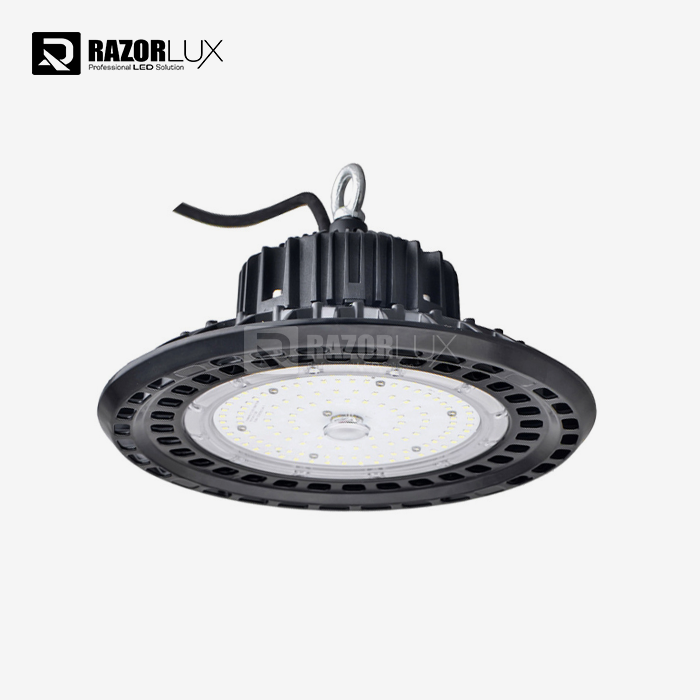 VIEW MOREoutdoor warehouse led lights
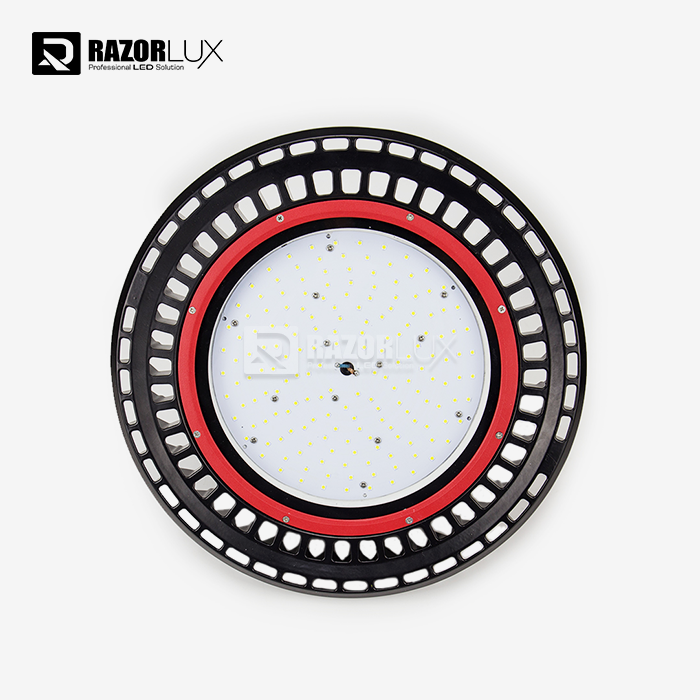 VIEW MOREwarehouse light fixtures
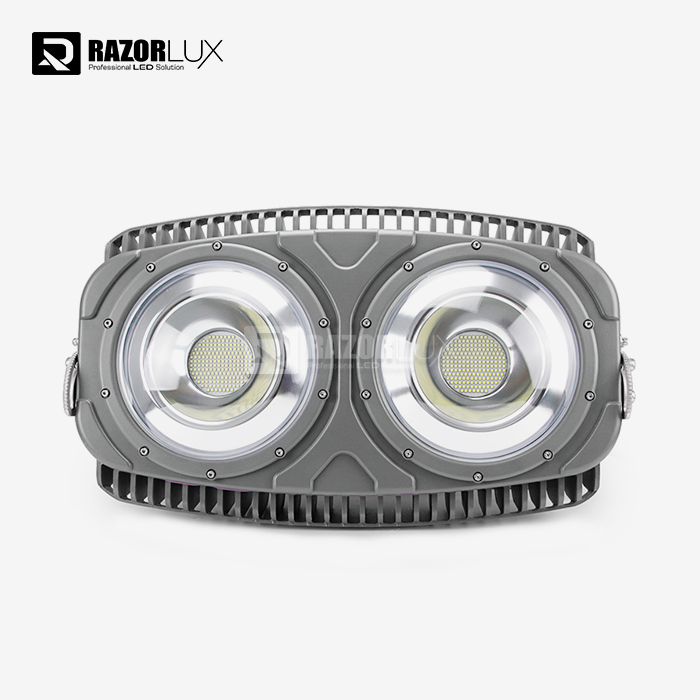 VIEW MOREfootball pitch floodlights
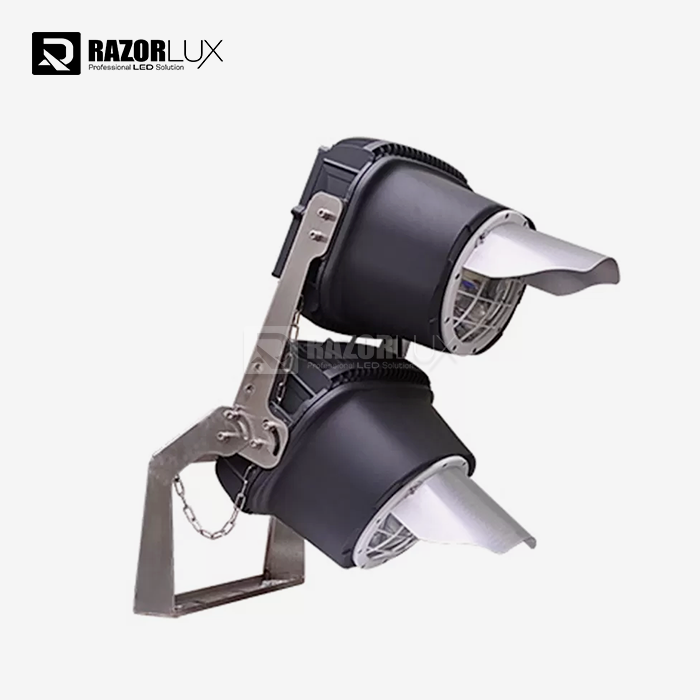 VIEW MOREstadium flood light
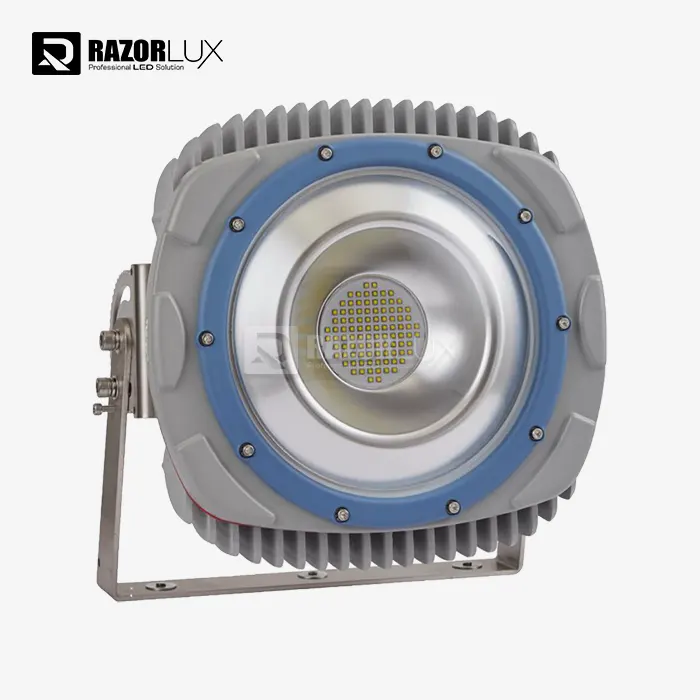 VIEW MOREboat deck lights
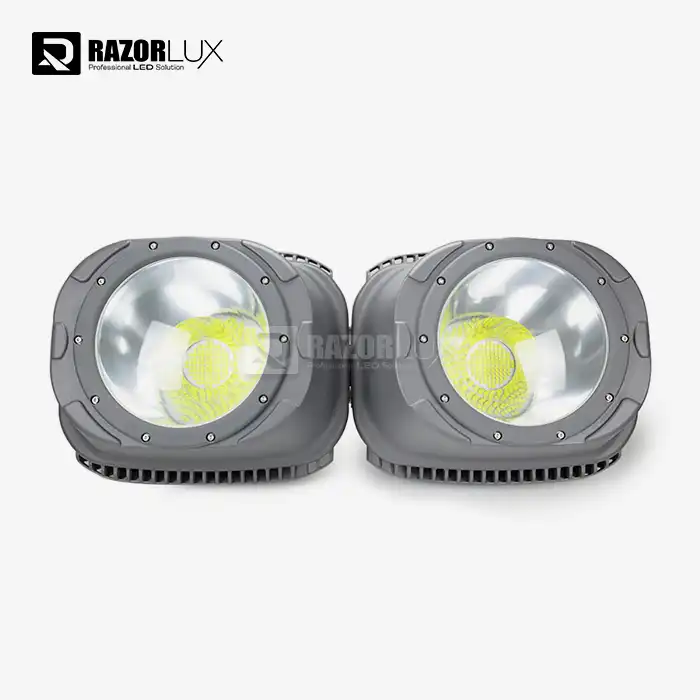 VIEW MOREOutdoor Flood Light Fixtures Waterproof
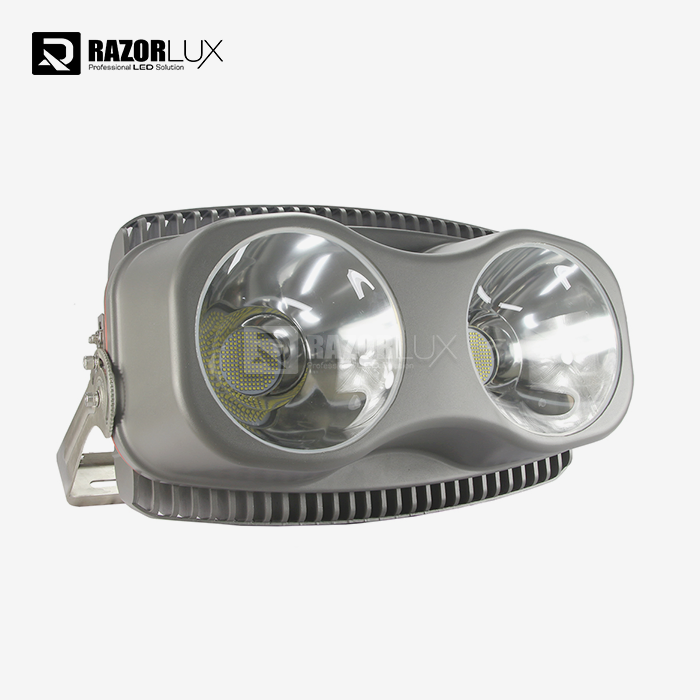 VIEW MOREAluminum IP65 Led High Mast Light 1000W RoHS Led Baseball Field Lights
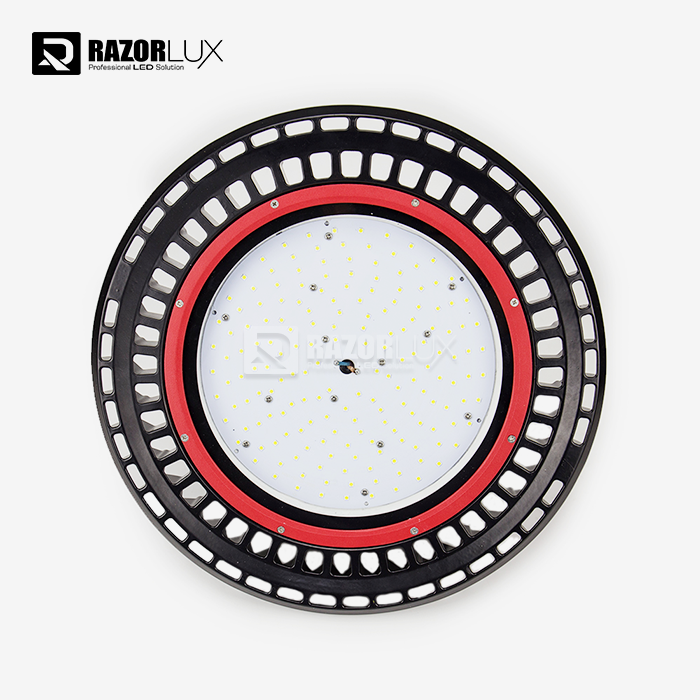 VIEW MORE150 Watt Led Ufo High Bay Light