

_1750326878398.png)

Are Crane Boom Lights Mandatory at Night?
When shipyard managers and industrial equipment directors use cranes after dark, they always have the same question: Are boom-mounted lights really needed by law? The simple answer is that rules depend on where you are and what kind of crane you have, but in practice, things are more complicated. OSHA 1926.56 and ANSI standards don't say that all cranes must have dedicated boom lighting, but they do say that there must be "adequate illumination" for safe operations. Crane Boom Lights. Most building sites, offshore facilities, and port officials take this to mean special lighting that is attached directly to the boom or jib. In addition to meeting legal requirements, these fixtures improve operating safety by getting rid of shadow zones, making it easier for operators to see depth from heights above 100 meters, and lowering the number of accidents that happen during night shifts, when vision is the worst.
Understanding Crane Boom Lights and Their Role in Night Operations
Specialised lighting systems that are attached to cranes do very different work than regular site floodlights. From high up, these high-intensity systems are designed to send focused beams straight down onto work areas, load blocks, and rigging points.
What Makes Boom-Mounted Lighting Different?
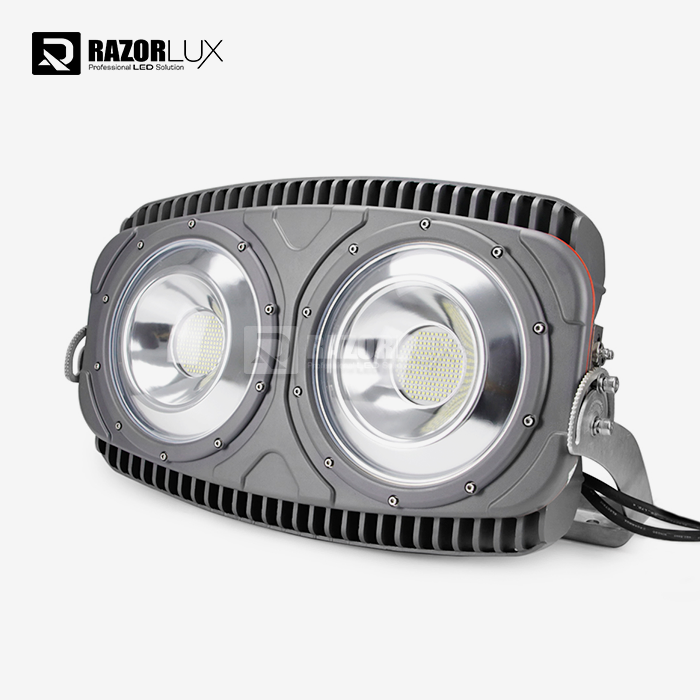
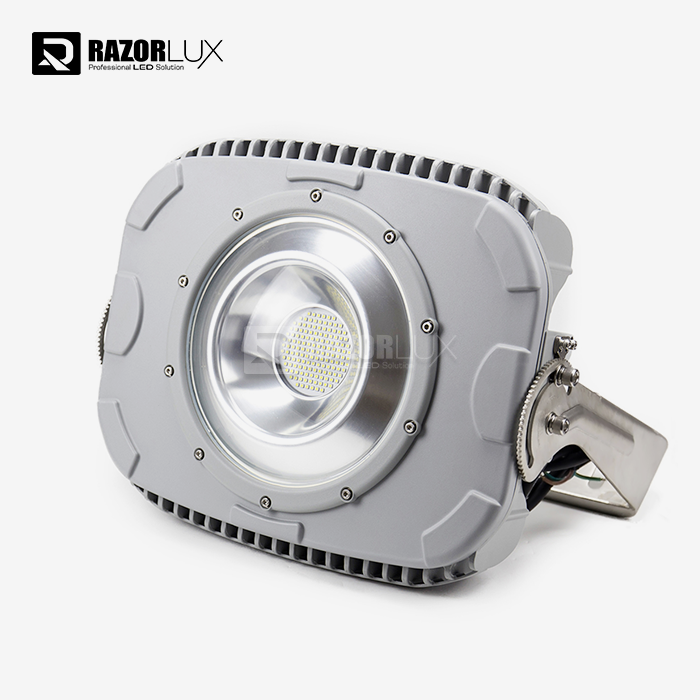
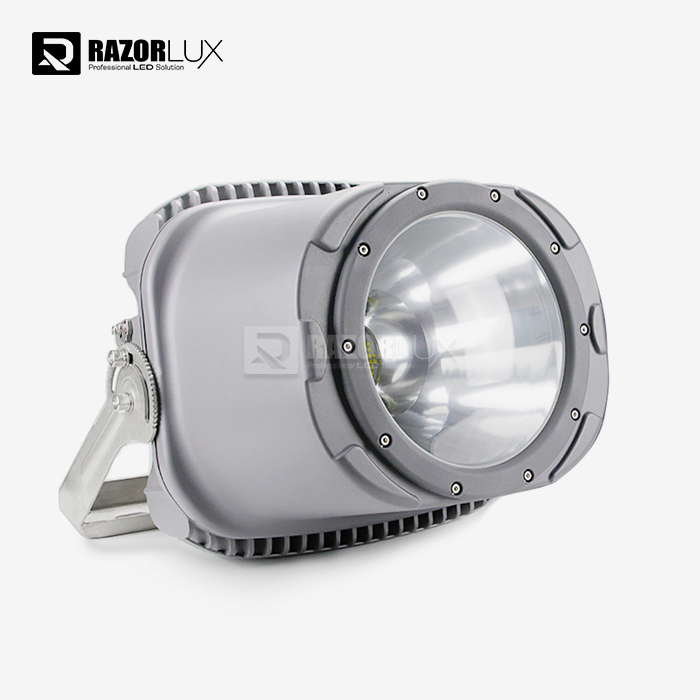
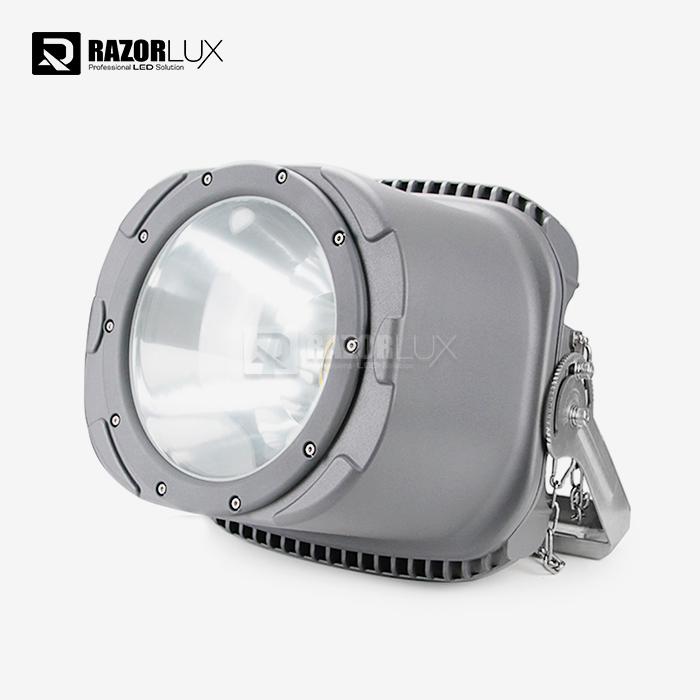
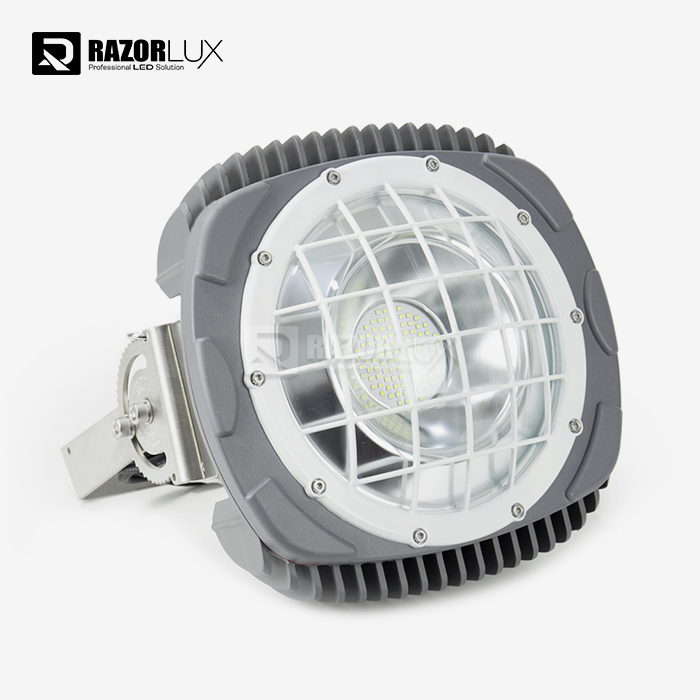
Standard work lights spread light out over a large area, causing glare and wasting brightness on areas that aren't needed. Precision optics—usually narrow 15° to 60° beam angles—are used in purpose-built boom devices to cut through darkness from very high up. At Razorlux, our RGL-150P model has a focused 20° beam angle and 13,200 lumens, so the hook block can be seen clearly even when the hoist is at its highest point. The patented multi-function design works with both AC (80-315Vac) and DC (80-400Vdc) input voltages. This means that contractors don't have to worry about compatibility issues that come up with using different crane power systems.
The Safety Imperative for Night Operations
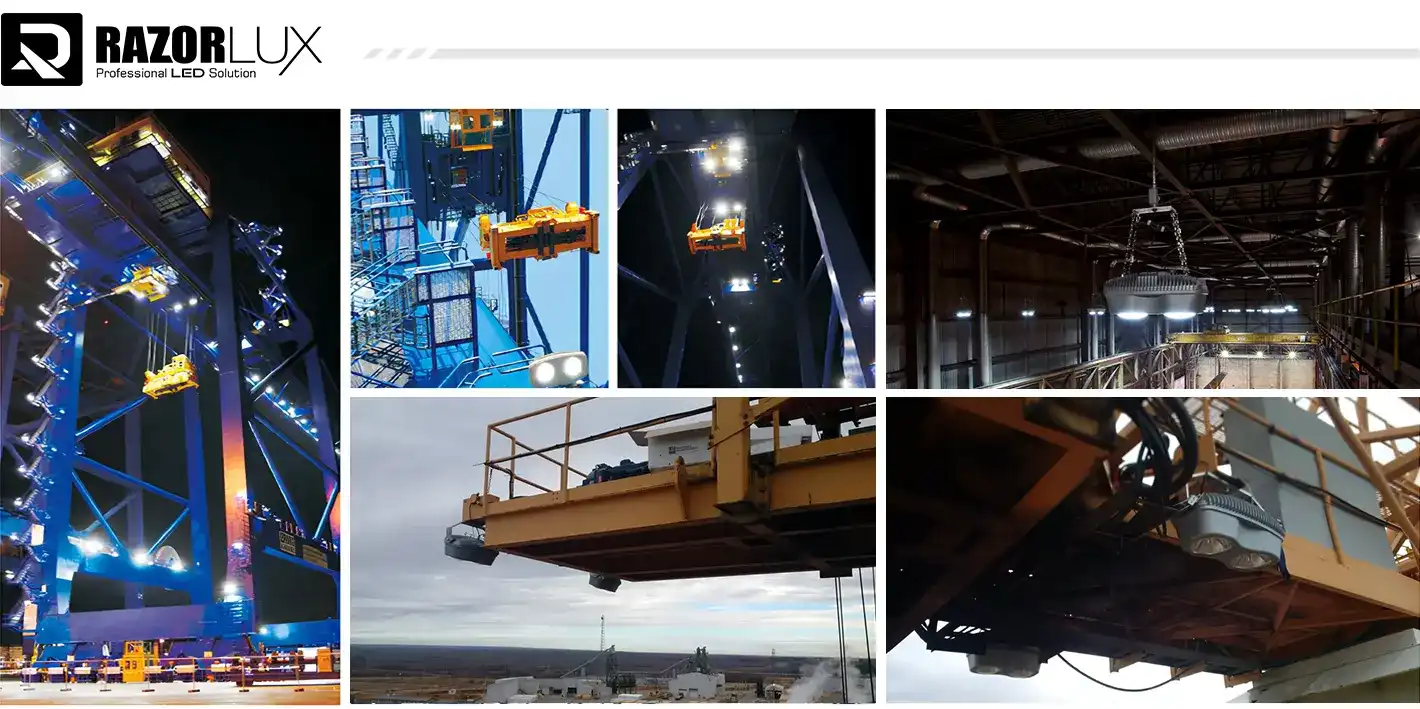
Operating heavy machinery at night without enough light creates measurable risks. The International Association of Crane Safety did a study in 2019 and found that 43% of lifting accidents that happened at night were caused by poor visibility. When workers only use ground-level lighting, there is a visible break in the vertical plane. Crane Boom Lights get rid of that problem. By putting the light source close to the trolley or jib tip, these devices can move with the load and keep the light on, no matter where the boom is or what angle it is slewing.
LED Technology Versus Traditional Solutions
Moving from metal halide and halogen to solid-state LED technology is more than just a small step forward. When a crane is in use, it experiences high-amplitude vibrations that cause sudden stops, trolley acceleration, and structural swaying as the load moves. Traditional bulbs break down quickly in these conditions. Our lights use strong LED arrays that are rated to work for more than 50,000 hours and are mounted with a vibration-dampening design that can handle the mechanical stress. Because our LED modules are more efficient (130 lm/W), they put less strain on the crane's engine than the 300–400W metal halide lamps they replace.
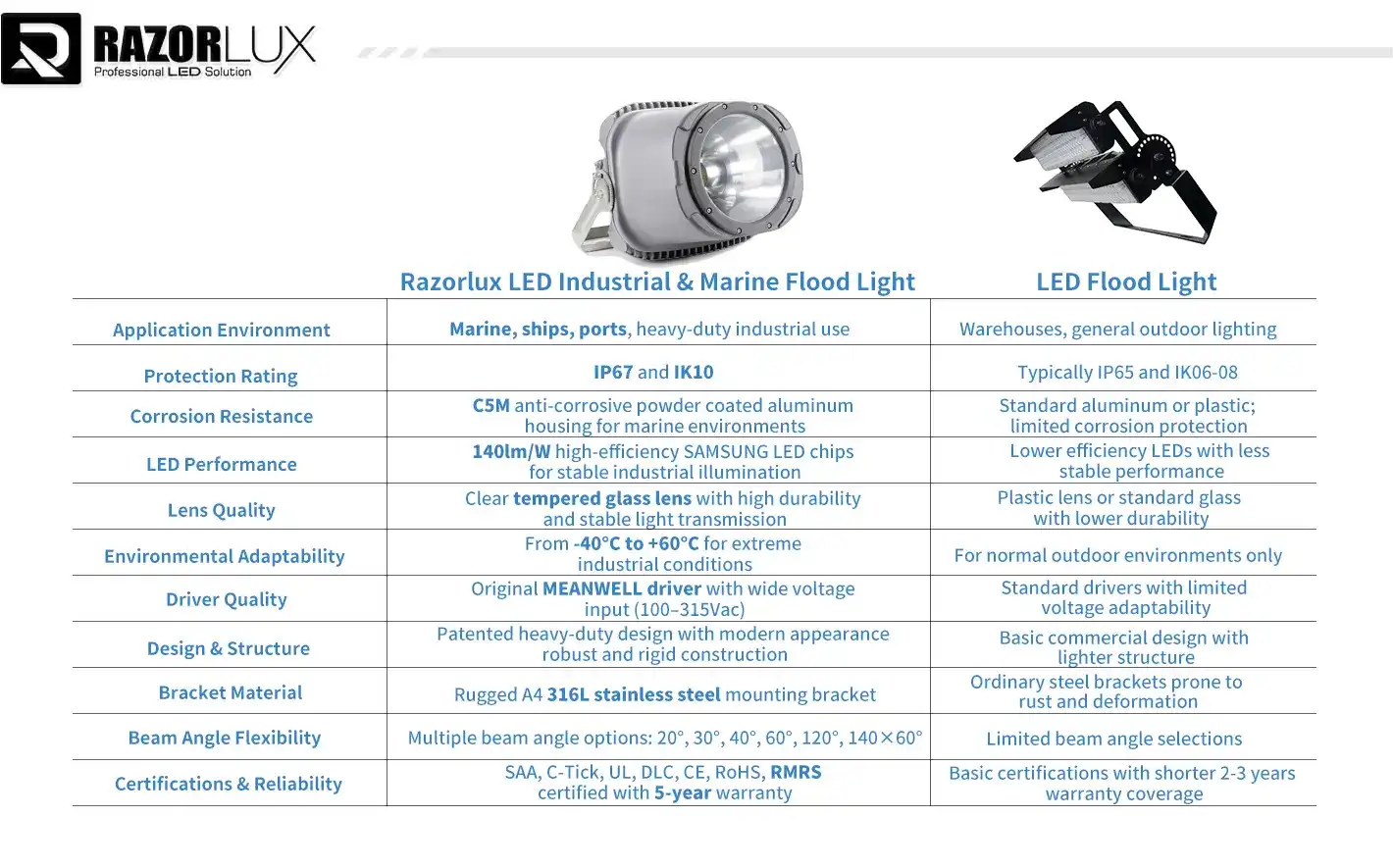
Are Crane Boom Lights Legally Mandatory at Night?
Industrial lighting regulations make the world a complicated place that buying managers have to carefully navigate. Knowing these standards stops both gaps in compliance and spending money that isn't needed.
OSHA and ANSI Requirements in the United States
OSHA Standard 1926.56(a) says that work areas must have lighting that meets minimum foot-candle standards, but it doesn't say specifically what kind of lighting must be used. However, ANSI B30.5 (Mobile and Locomotive Cranes) says that cranes that are used at night should have lights "to illuminate the load and surrounding area." The word "recommends" instead of "requires" creates confusion, which is why many site safety officers make Crane Boom Lights required. Insurance companies often need optical proof that the hook block has enough light, which means that these fixtures are needed even though the law doesn't require them.
International Standards and Regional Variations
The lighting rules for European markets are stricter than those in the United States. These rules are EN 13000 and EN 12999. The Nordic countries (Norway, Sweden, and Denmark) have very strict rules for operating offshore and maritime cranes. Usually, they need fittings that are IP67-rated and have marine-grade rust protection. In Southeast Asia, Singapore and Malaysia's port officials follow International Maritime Organization (IMO) rules that make it clear what the load block and grounding points are during night operations. As part of their plans to update their infrastructure, Middle Eastern countries like the UAE and Qatar are adopting more and more Western European standards.
Liability and Insurance Considerations
In addition to legal requirements, the financial effects of not having enough lights are strong reasons to follow the rules. When accidents happen at night, inspectors check to see if the lighting follows best practices in the business. It is common for plaintiffs' lawyers to use poor lighting as proof of carelessness, even when regulations are officially met. Major insurance companies now look at lighting as part of their risk assessments, and some will lower your premiums if your facility uses certified boom-mounted systems with records of regular maintenance.
Classification Society Rules for Maritime Applications
Classification groups like DNV, Lloyd's Register, and ABS have extra rules that shipyards and offshore sites must follow. These groups keep thorough rules for crane lighting systems, such as the minimum lux levels needed at working distance, the colour temperature needs (usually between 5000K and 5700K to be alert), and back-up plans. Our fixtures have the right marine standards, such as passing shaking tests according to IEC 60068-2-6. This means they can be used with vessel-mounted cranes where approval from a classification society is required.
How to Choose the Right Crane Boom Lights for Night Use
Finding the right lighting means finding a balance between technical efficiency, operational longevity, and the total cost of ownership. When people make decisions about purchases without thinking about these things, they often fail or do a bad job.
Critical Technical Specifications to Evaluate
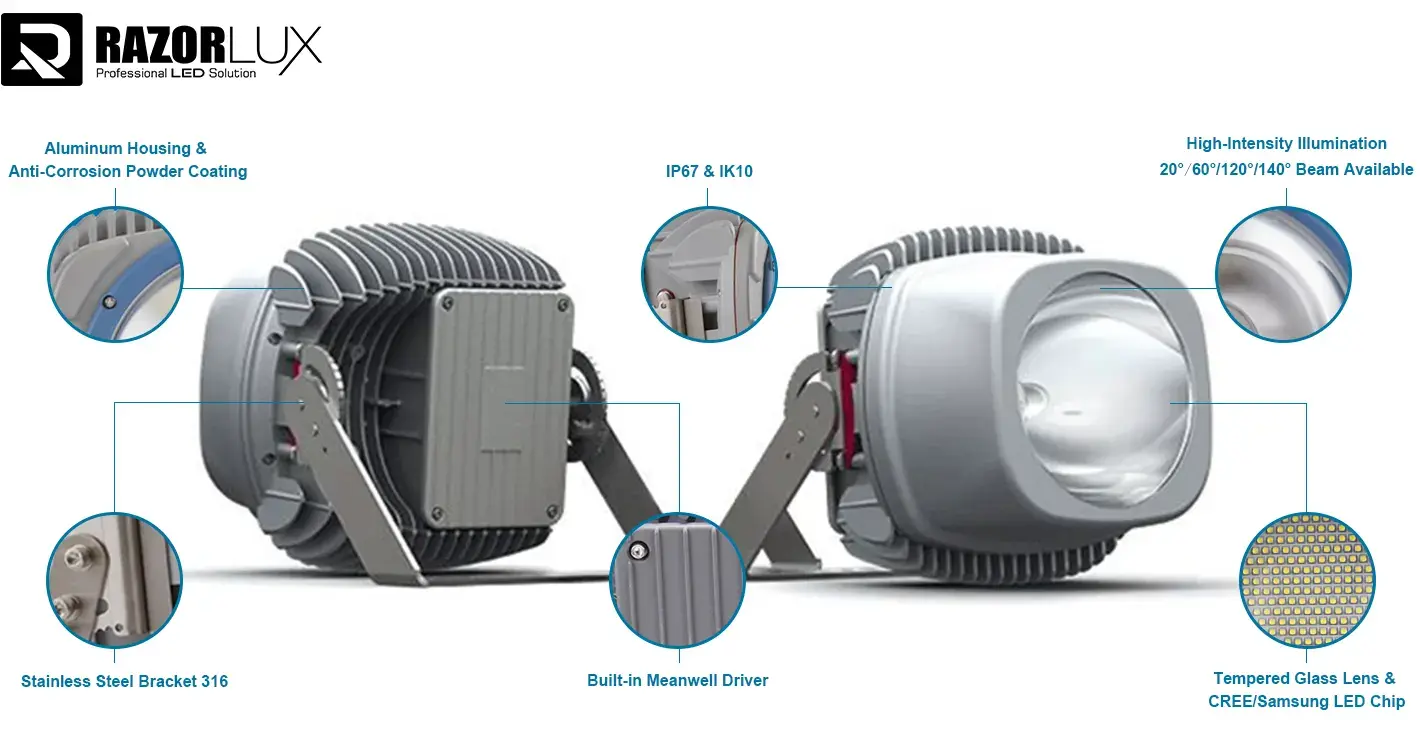
Lumen brightness is the starting point, but it doesn't tell the whole story. With a 20° beam angle and 13,200 lumens, the RGL-150P's center beam strength is about 180,000 candela, which is bright enough to light up a load block from 80 meters away with over 28 lux. Colour rendering index (CRI), which affects how well an operator can tell the difference between gear parts and spot possible dangers, is also very important. As standard, our fixtures keep the CRI at 75 or higher. For uses that need better colour separation, Ra at 80 is also available. Ingress protection (IP) ratings directly correlate with lifespan in harsh environments. Covered shipyards are protected by IP65, but facilities on the coast and offshore platforms need at least IP67. The six-point difference means that the device can handle light to moderate soaking, not just heavy spray. This is very important when crane booms are being washed down or exposed to storms. The IK10 rating of our housing means it can withstand 20 joules of force, which means it won't get damaged by cables that swing or load blocks that hit it by accident while it's being moved.
Electrical Compatibility and Power Management
Cranes from different makers and eras have very different electrical setups. Mobile cranes from the past usually get their power from 12-48Vdc battery banks, while newer tower cranes get their power from 220-480Vac three-phase power sources. Our lighting systems don't need separate models or outside transformers because they can work with a wide range of input voltages (AC80-315Vac, DC80-400Vdc). The built-in driver keeps the power factor at or below 0.98 and the total harmonic distortion below 10%. This keeps sensitive crane electronics like load moment displays and wireless controls from being affected.
Mounting Hardware and Installation Flexibility
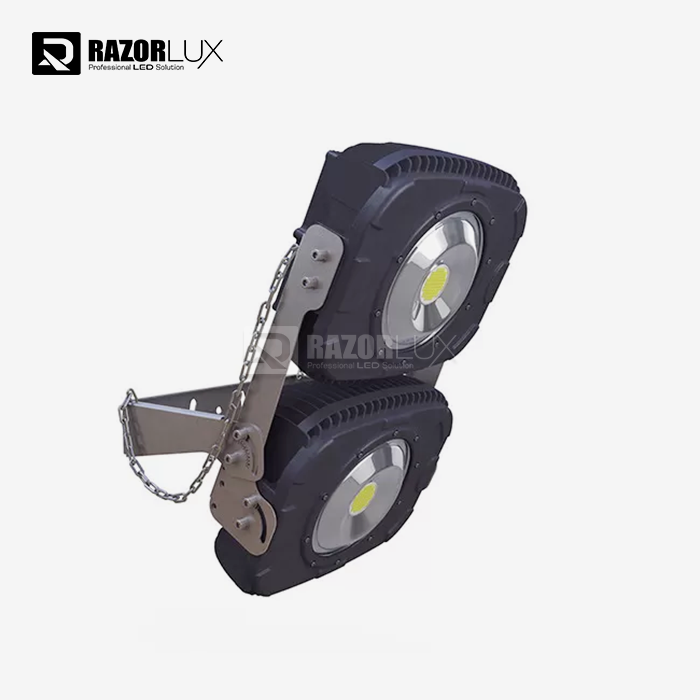
The clamp system made of stainless steel needs to be able to handle square, round, I-beam, and lattice boom shapes. Adjustable fixing lets you change the aim after installation, making up for the fact that the boom bends when it's loaded. The RGL-150P's 10 kg net weight is still doable for techs working at heights and gives it enough mass to stay stable. With quick-disconnect wire connections, installation takes less time, and replacement is easier during maintenance windows.
Thermal Management in Extreme Climates
Many buyers don't realise how important the operating temperature range is. Fixtures that are only rated to -20°C don't work in the Nordic winters or when mining at high altitudes. Our lights work reliably from -40°C to +60°C thanks to advanced thermal management that combines large heat sinks with convection-optimized housing geometry. The sealed optical chamber stops condensation from forming, which would lower output, especially when temperatures change quickly, which often happens in coastal settings.
Total Cost of Ownership Analysis
| Cost Component | Metal Halide (400W) | Razorlux LED (150W) |
|---|---|---|
| Initial Unit Cost | $180-240 | $520-680 |
| Annual Energy Cost (2,000hrs @ $0.12/kWh) | $96 | $36 |
| Lamp Replacement (per year) | $85 (2 bulbs) | $0 |
| Maintenance Labor (per year) | $320 (4 service calls) | $80 (1 inspection) |
| 5-Year Total Cost | $2,685 | $1,220 |
Installation, Maintenance, and Troubleshooting of Crane Boom Lights
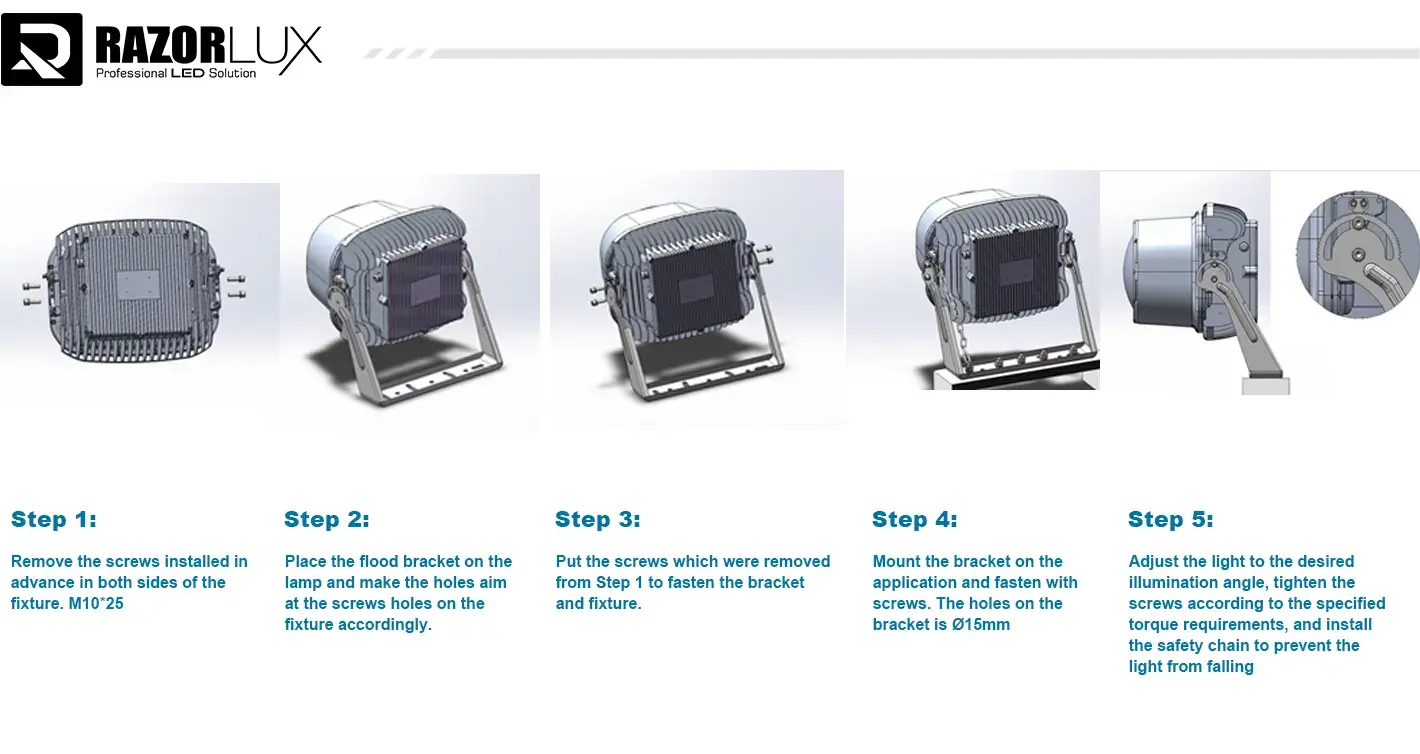
The right placement has a direct effect on both how well it works and how long it lasts. Even high-end lighting systems fail early if the installation process doesn't follow the manufacturer's instructions or doesn't take into account problems that are unique to the site.
Pre-Installation Safety Protocols
Before you start working at height, you should do a full job hazard analysis. Make sure that the lockout/tagout processes for the crane are followed, with the boom lowered to a useful level and the slew action mechanically pinched. Turning off the power isn't enough to isolate an electrical circuit; voltage testing at the connection point proves that the circuit is no longer live. Technicians' personal fall protection must meet ANSI Z359 standards, and the support points must be checked by a trained person outside of work.
Mounting Position and Aim Optimization
The placement of a fixture affects both how well it lights up and how much stress it puts on the structure. When you mount too close to the jib tip, you expose yourself to more vibrations and make it harder to route cables. When you mount too far away from the load block, you waste lumens and make it harder to get rid of shadows. The best spot is usually between 60 and 80% of the way from the boom pivot to the tip of the jib. This gives the whole working area even lighting. Figure out the aim angle by finding the normal height of the hook block, which is usually 15 to 25 degrees below horizontal, but this depends on the shape of the crane.
Electrical Connection Best Practices
Marine-grade links stop the corrosion problems that happen when the wire isn't sealed properly. Before putting the parts together, put dielectric compound on all of the connections, and for cable joints, use heat-shrink tube with an adhesive lining instead of regular electrical tape. If you can, run power lines inside of Crane Boom Lights structures and secure them with stainless steel cable ties every 300 mm to keep them from rubbing against structural parts as the boom moves. Leave enough of a service loop between the device and the power source so that the boom can be moved without putting stress on the connections.
Routine Inspection Protocols
Visual inspections should be done every three months to keep track of the lens's condition (looking for cracks, discolouration, or salt deposits), the housing's integrity (looking for places where corrosion can start), and the tightness of the mounting hardware. Using a calibrated lux meter to check the output makes sure it hasn't dropped below the required level—a 30% drop means the LED modules are getting old or there are problems with the drivers that need to be fixed. Thermal imaging during operation to find overheating that could lead to a component failing early, allowing replacement before it happens.
Common Issues and Resolution Strategies
Flickering usually means that connections are loose or that the driver isn't compatible with the power source for the crane. Make sure that all of the screws on the terminals are tight enough (usually between 1.2 and 1.5 Nm for small terminals) and check the source for voltage instability. Dimming that happens slowly over months suggests that the temperature at the LED joint is higher than what is allowed by design. This is usually because of clogged airflow or garbage building up on the heat sinks. If the light doesn't work at all, it could be because of a driver fault or an open circuit. To figure out if the fixture needs to be replaced, you should first measure the input voltage and then check for continuity through the wiring harness.
Environmental Adaptation for Specific Sectors
| Application Environment | Key Maintenance Considerations | Recommended Inspection Frequency |
|---|---|---|
| Coastal Shipyards | Salt spray corrosion, seal integrity | Monthly visual, quarterly detailed |
| Offshore Platforms | Hydrocarbon exposure, pressure washing impact | Bi-weekly visual, monthly detailed |
| Arctic Operations | Thermal cycling stress, ice accumulation | Weekly during the operation season |
| Mining/Quarry | Dust ingress, vibration damage, and explosive atmosphere compliance | Weekly operational check, monthly technical |
| Steel Mills | High ambient temperature, slag splatter | Daily visual, bi-weekly detailed |
Enhancing Night Operations with Advanced Crane Boom Lighting Solutions
Industrial lighting technology is changing in more ways than just using LEDs. Intelligent controls, connectivity features, and design innovations that meet new operational needs are all part of modern systems.
Smart Control Integration
The newest boom-mounted lights can handle 0-10V dimming signals, which lets workers change the brightness depending on the job at hand and the lighting conditions. Full brightness makes sure that rigging links can be seen clearly during load pick-up. Once the load is secured and on its way, the intensity can be lowered to save energy and keep light pollution from bothering workers in nearby areas. Some more modern setups connect the lighting to the crane's control system and change the output automatically based on the position of the boom and the mode of operation.
Wireless Monitoring and Predictive Maintenance
IoT-enabled lights send operating data to building management systems, such as runtime hours, junction temperature, voltage changes, and lumen loss. With this data, maintenance can be based on conditions instead of dates, and parts can be replaced based on how worn they are instead of at random times. Purchasing managers can explain why connected systems are more expensive by showing that they require less maintenance work and don't break down without warning, which causes operations to stop.
Energy Efficiency and Sustainability Benefits
Due to their 130 lm/W efficiency, new LED Crane Boom Lights save money and are better for the earth. When 400W metal halide lights are replaced with 150W LED ones, a building that uses ten cranes for 4,000 hours a year saves 10,000 kWh of energy each year. This saves about 7 metric tonnes of CO2 every year, which helps companies keep their environmental promises, which are becoming more important to clients and rules like the EU's Corporate Environmental Reporting Directive.
Case Study: Port Container Terminal Modernization
In a big Southeast Asian port, 120 metal halide crane lights were swapped out for Razorlux LED systems for all of their ship-to-shore cranes. Over 18 months, the results were recorded: a 67% drop in lighting-related maintenance calls, $48,000 in annual energy savings, no fixture failures even during a typhoon, and a 22% rise in the accuracy of container handling during night shifts (as measured by the number of times containers were misplaced and had to be repositioned). The port authority said that the increase in efficiency was due in part to better operator visibility and less eye strain.
Emerging Technologies on the Horizon
Adaptive optics are still being researched. These are lenses that automatically change their shape based on the shape of the load. This makes sure that the best light is used, whether working with a 20-foot container or a big structural part. Spectral tuning may let workers change the colour temperature between 2700K (which lowers blue light to make long shifts less tiring) and 6500K (which raises awareness during critical lifts). These new ideas are still being worked on, but they show the way for future procurement requirements.
Conclusion
To find out if boom-mounted lighting is required, you have to deal with complicated rules that change by area, business, and type of crane. Even though they aren't needed by law everywhere, these specialised fixtures are the best way for businesses to reduce risk and run more efficiently. Extreme vibration, wide voltage ranges, and hard weather exposure are some of the technical challenges that crane operators face. To meet these needs, purpose-engineered solutions are needed instead of general lighting products that have been modified. Compared to older systems, modern LED technology offers better performance, much lower operating costs, and higher reliability. Specifications like IP67 protection, wide input voltage compatibility, proven vibration resistance, and full certification paperwork should be given the most weight when making purchasing choices. Crane Boom Lights. In addition to following the law, the right lighting for booms saves workers, lowers liability risks, and boosts output at night in the maritime, building, and industry sectors.
FAQ
Do all crane types require boom-mounted lighting for night operations?
The requirements depend on the type of crane and the laws that apply. OSHA 1926.56 covers mobile and crawler cranes used on building sites. It requires enough lighting, but doesn't say anything about boom-mounted lights. More strict rules apply to tower cranes and marine cranes. For example, classification groups like DNV and ABS make it clear that Crane Boom Lights must be lit up. Boom lights are generally thought to be the best way to avoid accidents, even when they are not required by law.
What advantages do LED boom lights offer compared to metal halide alternatives?
LED systems last longer (50,000 hours or more vs. 6,000 to 8,000 hours for metal halide), are more resistant to vibrations, so bulbs don't break early, use 60% less energy, can turn on instantly without waiting to warm up, and work better in cold temperatures. The higher initial investment is usually paid back in two to three years, thanks to lower costs for labour and energy used for maintenance.
How can purchasing managers verify compliance with safety standards?
Ask for all the certification paperwork, such as photometric test reports that show the amount of light at a safe distance, IP/IK rating confirmation from recognised test labs, EMC testing that proves the device won't interfere with the crane's electronics, and, if needed, approvals from a classification society. Manufacturers with a good reputation, like Razorlux, offer complete paperwork sets that include CE, RoHS, UL, and marine certifications.
Partner With Razorlux for Proven Boom Lighting Solutions
When looking for the right Crane Boom Lights maker, you need to look at more than just the product specs. You also need to look at tech support, certification completeness, and long-term dependability. Razorlux has provided lighting systems to shipyards, maritime sites, and heavy industry operations all over the world that are especially designed to handle the mechanical stress and harsh conditions of crane use. Our RGL-150P gives off 13,200 lumens at 130 lm/W, is protected by IP67/IK10, and works with a wide range of voltages (AC80-315Vac, DC80-400Vdc). It comes in a sturdy box and comes with a 5-year warranty. We know how hard it is for you to buy things when you have to meet tight project deadlines, deal with complicated compliance rules, and need quick expert help. Our team can give you quick quotes, full technical documentation with installation instructions, and samples for your engineers to look over. Get in touch with sam@razorlux.com right away to talk about your unique needs and get personalised suggestions for your crane fleet.
References
1. Occupational Safety and Health Administration. (2023). "Safety Standards for Cranes and Derricks in Construction," OSHA Standard 1926.1400-1926.1442, U.S. Department of Labor.
2. American National Standards Institute. (2021). "Safety Standard for Cableways, Cranes, Derricks, Hoists, Hooks, Jacks, and Slings," ANSI B30 Series, American Society of Mechanical Engineers.
3. International Association of Crane Safety. (2019). "Statistical Analysis of Crane Incidents: Contributing Factors and Prevention Strategies," Annual Safety Report, IACS Publications.
4. Det Norske Veritas. (2022). "Rules for Classification of Ships: Part 4 Systems and Components," DNV-RU-SHIP, Det Norske Veritas Group AS.
5. International Electrotechnical Commission. (2020). "Environmental Testing - Part 2-6: Tests - Test Fc: Vibration (sinusoidal)," IEC 60068-2-6, IEC Standards Database.
6. European Committee for Standardization. (2021). "Cranes - Loader Cranes: Part 1: Design Principles and Verification," EN 12999-1, CEN Technical Committee.