

_1750326878398.png)

Are Marine Flood Lights 1000W Energy Efficient for Marine Use?
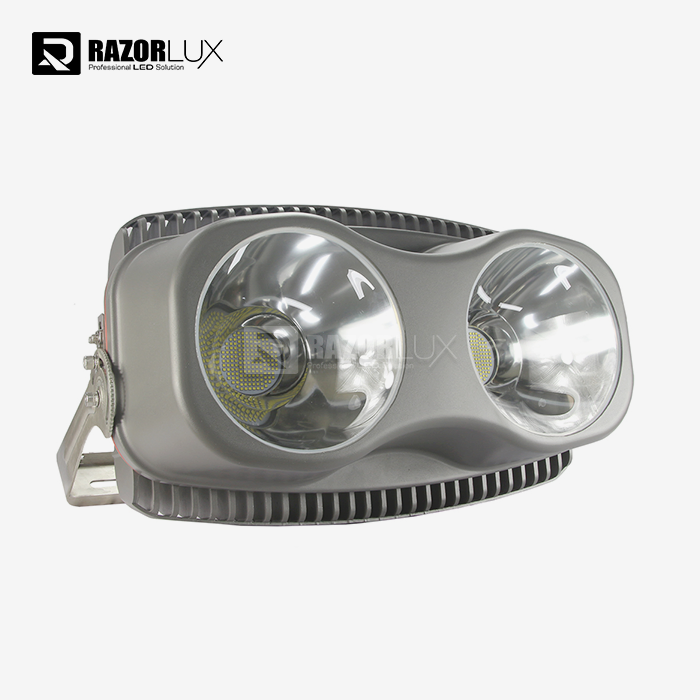
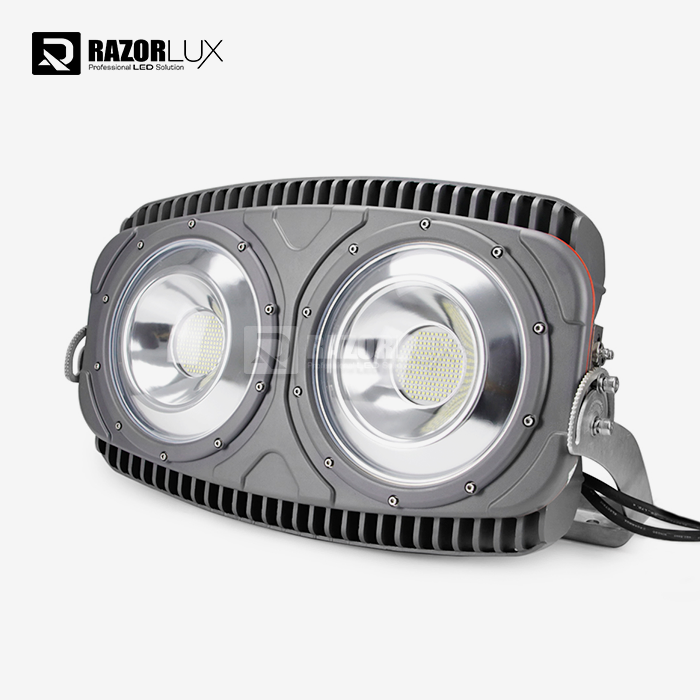
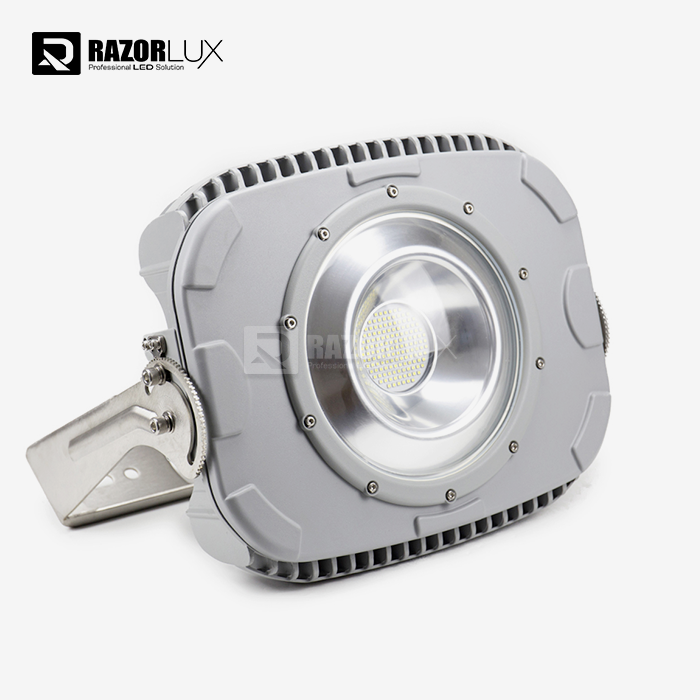
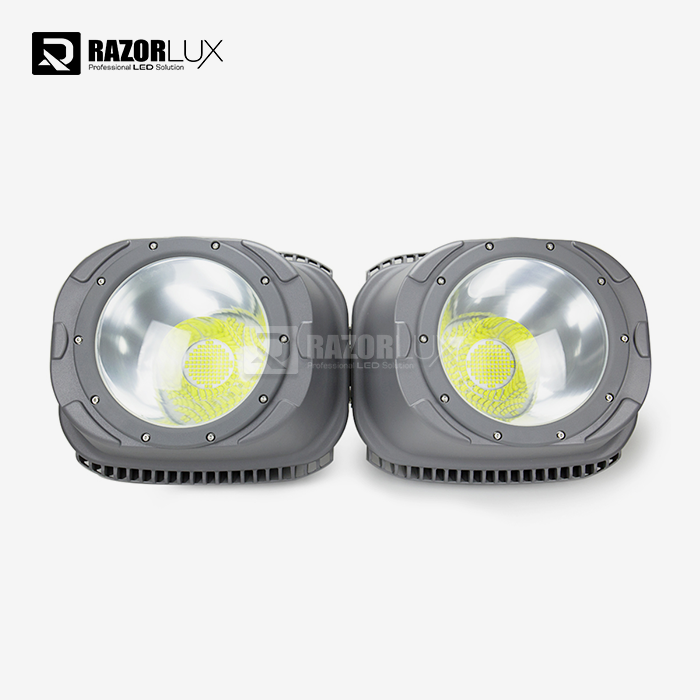
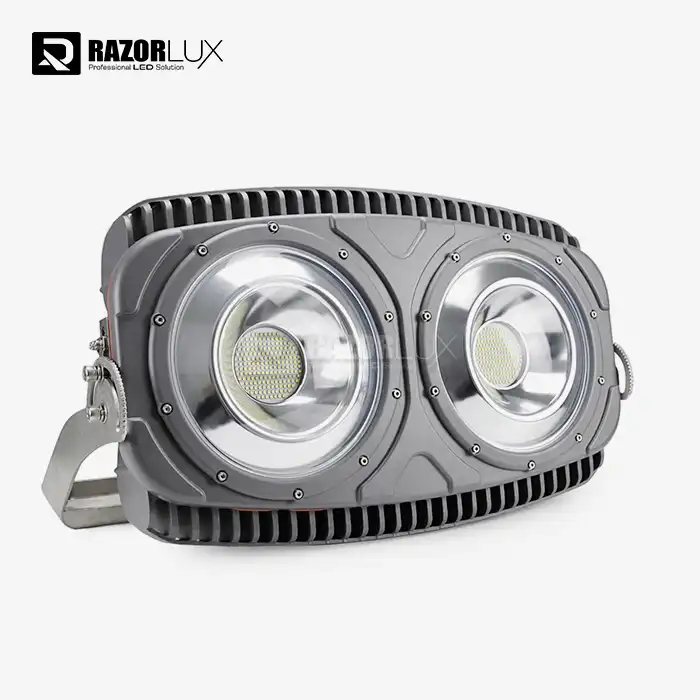
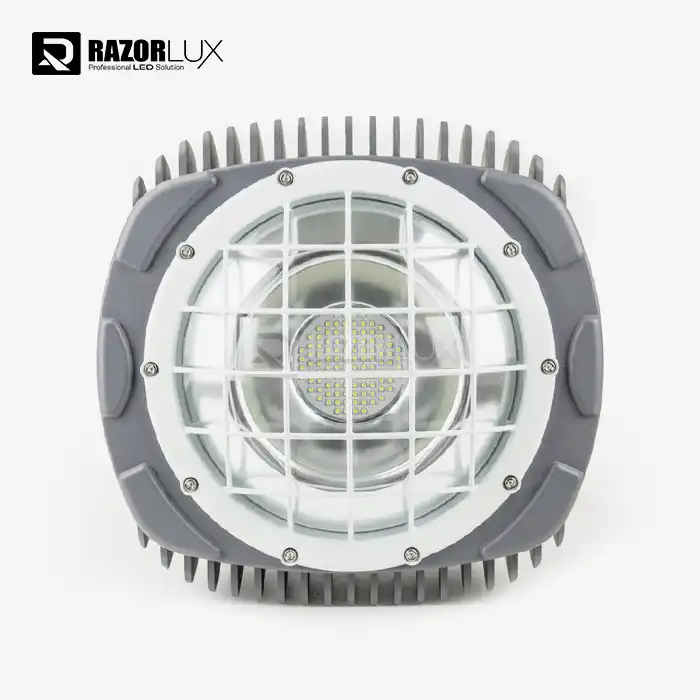
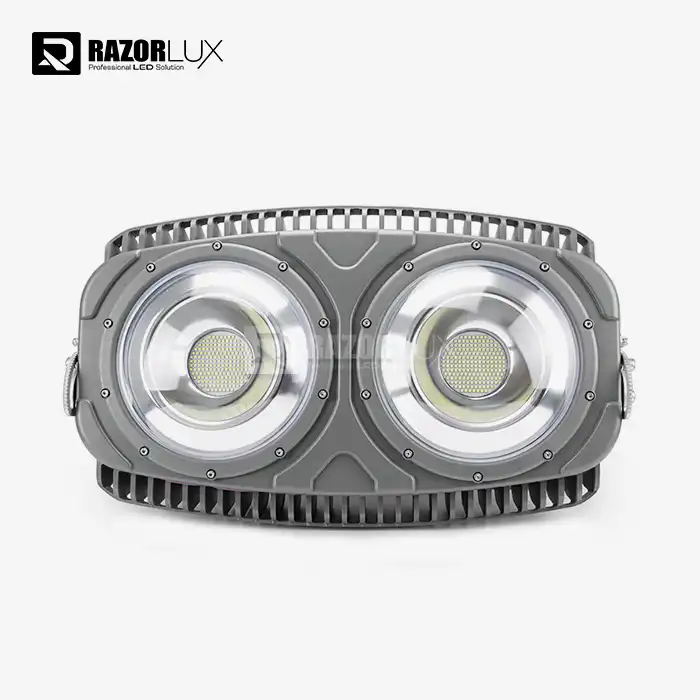
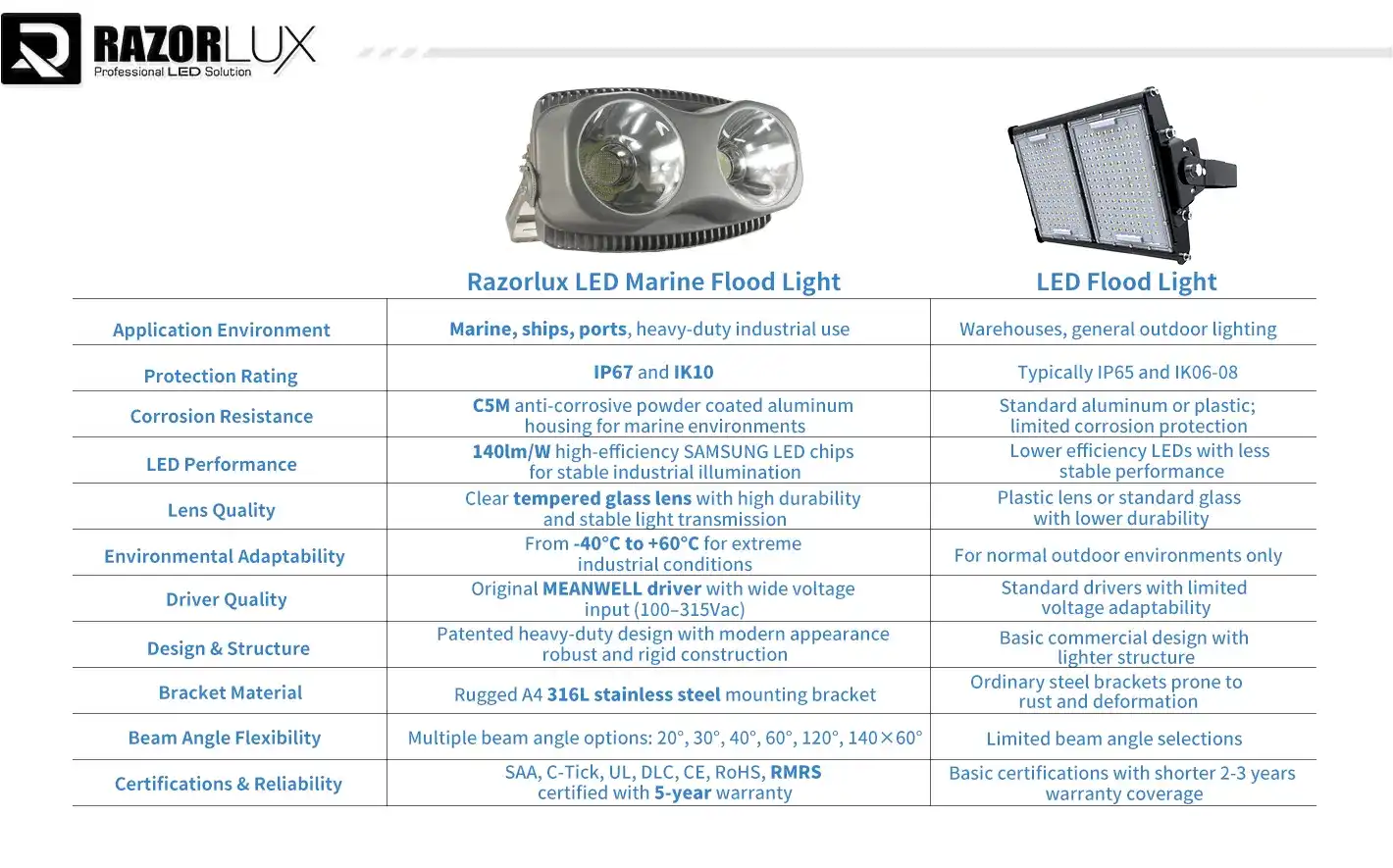
Marine Flood Lights 1000W with LED technology use very little energy when they're in use. Modern 1000W naval flood lights that use LEDs have a high efficiency of 130lm/W or higher and can replace old 2000W–3000W metal halide or halogen systems while using a lot less power. This means saving more than 60% of the energy used, using less fuel on ships with engines, and lowering the costs of running the business. Advanced LED drivers with wide voltage input ranges (AC90-305V, DC127-431V) and power factors above 0.98 keep the lights working smoothly even when the power grid changes, which can happen in marine settings. These fixtures offer a great return on investment for ships, offshore platforms, ports, and industrial marine sites because they last more than 50,000 hours and don't need much upkeep.
Understanding Energy Efficiency in High-Output Marine Lighting
Energy efficiency in marine lighting isn't just about how many watts it uses; it also includes how bright the lights are, how stable they are, how well they handle heat, and how long they last in difficult circumstances. It is very important for buying workers who are looking at lights for ships, remote sites, or port facilities to understand these factors.
What Defines Energy Efficiency in Marine Flood Lights
Luminous efficacy, which is the ratio of light output (lumens) to power input (watts), is the main way to measure how energy efficient marine flood lights are. A bulb that puts out 130lm/W gives off 130,000 lumens at 1000W, which is a lot of light with very little power use. Power factor is just as important as light per watt. High-quality naval flood lights keep their power factors above 0.95, which means they convert electricity efficiently and lose as little heat as possible. Total Harmonic Distortion (THD) below 10% keeps critical tracking and communication gear on ships from being harmed.
LED Technology vs Traditional Lighting Solutions
Metal halide and halogen flood lights have been the standard for decades in marine uses, but they have a lot of problems. A 2000W metal halide lamp is about as bright as a current 1000W LED light, but it loses a lot of energy as heat, takes a long time to warm up (often 5–10 minutes), and needs to have bulbs replaced often because they are sensitive to shaking. These wasteful things are no longer possible with LED naval flood lights. They reach full brightness right away, can handle mechanical shock from wave hits and engine noises, and keep giving the same output for their whole life. Because LED lenses are directed, they also waste less light because they direct light exactly where it's needed instead of spreading it out in all directions.
Critical Performance Metrics for Marine Applications
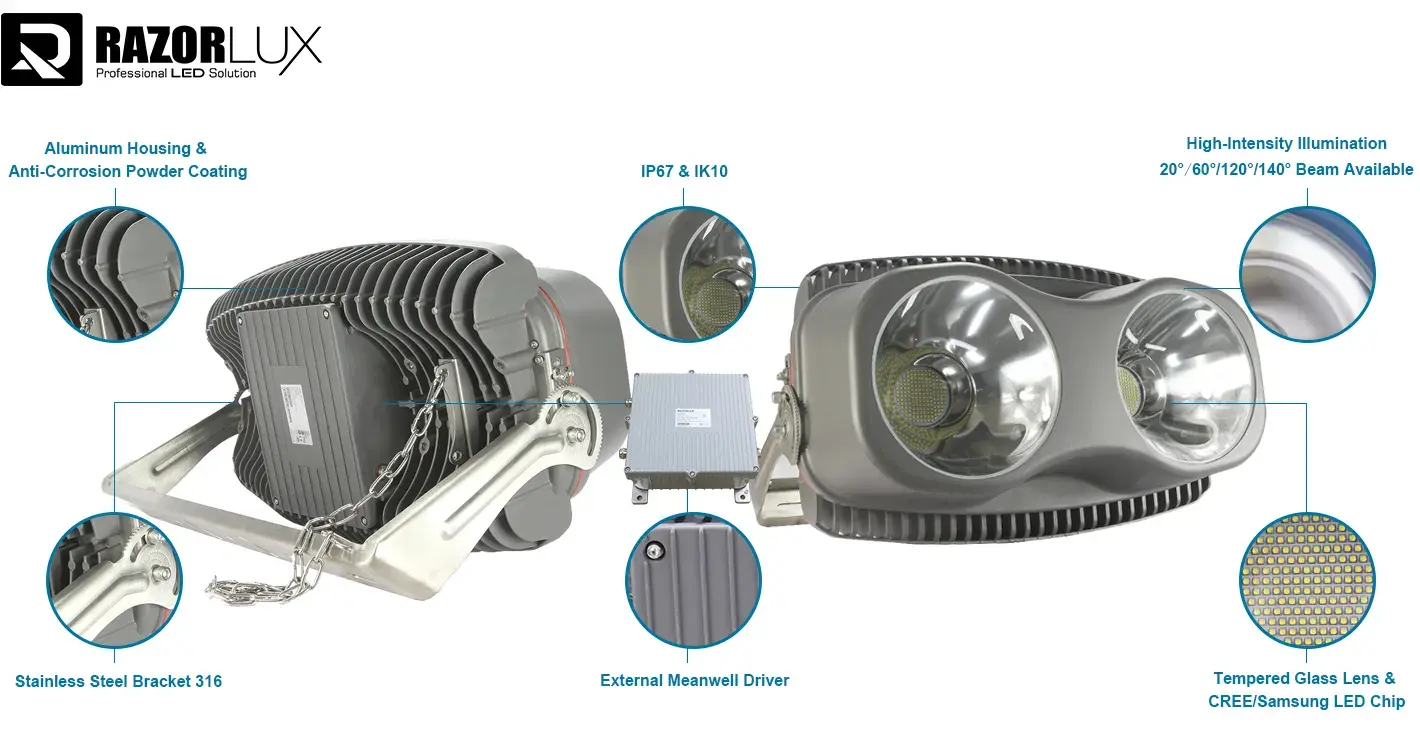
Marine settings need more than just speed. They also need toughness. The IP67 grade for waterproofing means that you are completely safe from both short-term soaking and constant sea spray. IK10 impact resistance can handle accidental hits from heavy machinery used to move goods or debris from bad weather. With marine-grade metal housings and special powder coats (C5-M rated), corrosion protection is achieved. This keeps the structure from breaking down from constant salt contact. Operating temperature ranges from -40°C to 60°C make them suitable for both Arctic shipping lines and warm offshore sites. These performance traits have a direct effect on energy economy. For example, if a device fails early because of rust or water damage, any energy savings it made during its short time in use are lost.
Comparing 1000W Marine Flood Lights Against Alternative Power Ratings
To choose the right power, you have to weigh the amount of light you need, how much energy you use, and the cost of running the light. For different naval uses, different light levels are needed, so comparing power ratings is important for smart buying.
500W vs 1000W vs 1500W: Finding the Right Balance
Low-wattage choices, like 500W LED flood lights, are good for places that need mild lighting, like small boat decks, harbor paths, or extra work areas. The light output is smaller, usually between 65,000 and 70,000 lumens at 130lm/W effectiveness, but they use less power. 1000W lights, on the other hand, are best for most heavy-duty naval uses. Heavy-duty lighting (130,000+ brightness) from 1000W units is great for shipyard dry docks, offshore platform work zones, and crane operations at container terminals. This power can replace old 2000W to 3000W systems and keep operating viewing standards the same. Higher-output 1500W lights are useful for certain tasks, like lighting up deep-sea fishing boats or big areas of a port, but their higher energy use has to be balanced against the higher costs of running them.
| Power Rating | Typical Lumen Output | Ideal Applications | Energy Consumption vs Metal Halide Equivalent |
|---|---|---|---|
| 500W LED | 65,000-70,000 lm | Marina lighting, small vessel decks, walkways | Replaces 1000W-1200W Metal Halide |
| 1000W LED | 130,000-150,000 lm | Shipyard operations, offshore platforms, port terminals | Replaces 2000W-3000W Metal Halide |
| 1500W LED | 195,000-210,000 lm | Deep-sea fishing vessels, large port areas, naval facilities | Replaces 3000W-4000W Metal Halide |
LED vs Halogen: The Efficiency Gap
There is a big difference in how efficient LED and gas lighting are. Most halogen naval flood lights only produce 15-20lm/W, which means that a 1000W halogen bulb only makes 15,000–20,000 lumens, which is less than one-sixth of what an LED version would generate today. This failure shows up as too much heat, which makes it hard to control the temperature in small places and raises the risk of fire in fuel storage areas. Halogen lamps also lose their value quickly; within the first 2,000 hours of use, their light output drops by 30–40%. Beyond 50,000 hours (L80B10 norm), LED lights keep 80% of their original brightness, making sure they provide steady lighting over their long service life. The differences in upkeep costs are also very big. Halogen lamps need to be replaced every 2,000 to 4,000 hours, but LED units don't need any care for years.
Real-World Performance Data from Marine Installations
A Norwegian offshore platform operator who switched from 2500W metal halide lamps to Marine Flood Lights 1000W saw a 65% drop in energy use across 200 installation places. This saved the company more than $180,000 a year in engine fuel costs alone. The Singaporean port authority said that improving the lights in the container station made it easier for crane operators to see at night, which cut loading mistakes by 23% and saved 58% on electricity use. An Australian shipbuilder tested different LED flood lights in their dry docks and found that lamps with 130lm/W efficiency and good heat management kept their quoted output even after three years of 24/7 running in salty, humid conditions.
Installation Practices That Maximize Energy Efficiency
The right placement has a direct effect on both how well it works and how much energy it uses. Even the most efficient lights don't work as well when they are in the wrong place or aren't protected from the environment well enough.
Mounting Techniques for Optimal Light Distribution
Strategic placement of the bracket reduces shadows and increases the area that is effectively lit. Marine flood lights should be placed so that their specific beam directions work best. Narrow beams (15–20°) are best for long-range tasks like navigation or security border lighting. Medium beams (40–60°) are best for general deck work areas. And wide beams (120°) are best for covering the whole dock. 316L grade stainless steel frames that can be adjusted allow exact tilting to hit work areas while preventing light spillage into nearby waters, which wastes energy and harms marine environments. Elevation is very important. For dock work, mounting heights of 8 to 12 meters usually give the best coverage, while for offshore platform installations, mounting heights of 15 to 20 meters may be needed to light up large work areas well.
Thermal Management and Surge Protection Features
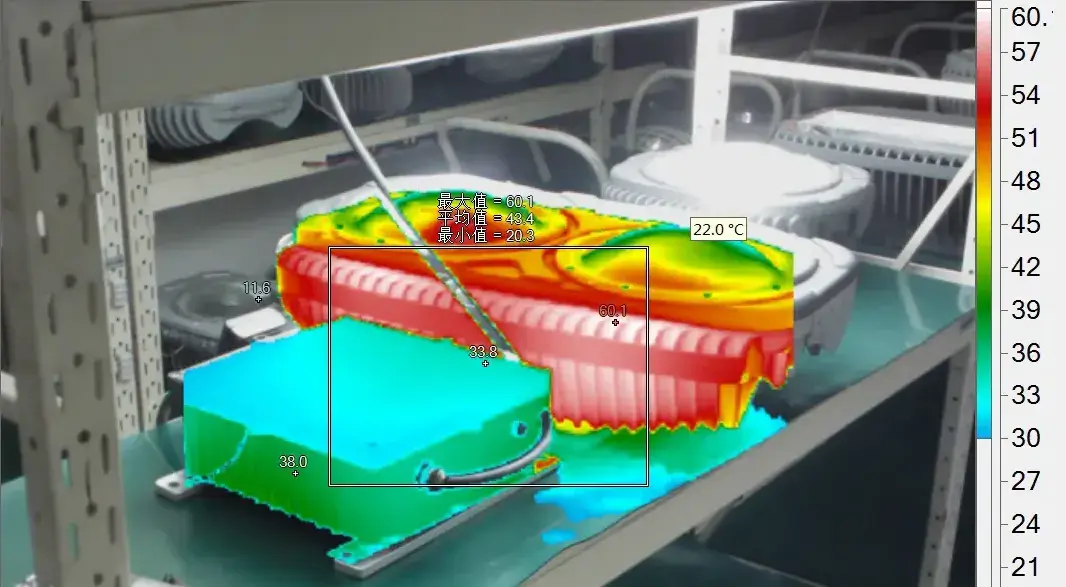
Thermal control is a big part of how well LEDs work. Good naval flood lights have metal heatsinks with fins and a lot of surface area to let heat escape naturally through convection. In more advanced designs, graphene-enhanced thermal materials move heat away from the joint points of LEDs, keeping temperatures below 85°C to keep the lights working well and make the parts last longer. Surge protection devices listed at 10kV to 20kV protect sensitive LED drivers from voltage spikes caused by lightning hits, generator switching events, or changes in the power grid, all of which can happen in marine settings. Fixtures that don't have enough surge protection have drivers that fail too soon, which costs a lot and means that the energy savings from LED technology are lost.
Maintenance Schedules That Preserve Efficiency
Regular repair keeps energy economy high for the life of a device. Within months of placement, salt building up on lens surfaces lowers light transfer by 15–25%, which raises the cost of energy per given lumen. Cleaning it every three months with clean water and soft cloths brings back its full clarity. Once a year, checkups should check the integrity of the gaskets, look for rust in the electrical connections, and make sure that the mounting hardware is tight. Fixtures that are made up of separate modules make servicing easier. This is because the electrical parts can be accessed without disturbing the optical systems, which cuts down on service time and operating disturbance. Manufacturers who offer 5-year warranties on both LED modules and drivers show that they are confident in their products' long-term reliability. This lowers the total cost of ownership by a large amount compared to products with shorter warranties. Before installing any new lighting system, procurement teams should work with onboard or facility maintenance crews to set up maintenance procedures. This makes sure that energy-efficient lights keep working at their best for as long as they are in use.
Procurement Criteria for Energy-Efficient Marine Lighting Solutions
To choose the right seller and product setup, you need to look at more than just the price of the product itself. Smart buying looks at the total cost of ownership, the number of certifications, and the ability of the provider to assist.
Essential Technical Specifications to Evaluate
When considering Marine Flood Lights 1000W, there are a number of features that directly affect how much energy they use and how well they work. Luminous effectiveness above 130lm/W is currently the best in its class, but as technology improves, lamps that can reach 140–150lm/W are starting to appear. Wide input voltage ranges (AC90-305V or more) can handle the unstable voltage that is common in naval electrical systems. This keeps operations running smoothly and prevents parts from breaking down too soon. Choosing the right color temperature can affect how well you can see. For technical work, 5000K-5700K neutral white gives you the best color rendering, while 4000K-4500K slightly warmer tones cut down on glare for general navigation lighting. As practical needs change, fixtures with different beam angles can be used in different situations. Manufacturers that offer multiple beam angle options within the same fixture family give buyers more choices.
| Specification | Minimum Acceptable | Preferred Performance | Impact on Efficiency |
|---|---|---|---|
| Luminous Efficacy | 120lm/W | 130lm/W or higher | Higher efficacy = lower energy consumption for same light output |
| Power Factor | 0.90 | 0.98 or higher | Improved electrical efficiency, reduced wasted energy |
| IP Rating | IP65 | IP67 | Superior waterproofing reduces maintenance-related downtime |
| Operating Lifespan | 30,000 hours | 50,000+ hours (L80B10) | Longer lifespan reduces replacement frequency and costs |
| Operating Temperature Range | -20°C to 50°C | -40°C to 60°C | Broader range ensures consistent performance in extreme conditions |
| Warranty Coverage | 3 years | 5 years (LED + Driver) | Extended warranty indicates manufacturer confidence in reliability |
Certification Requirements and Quality Assurance
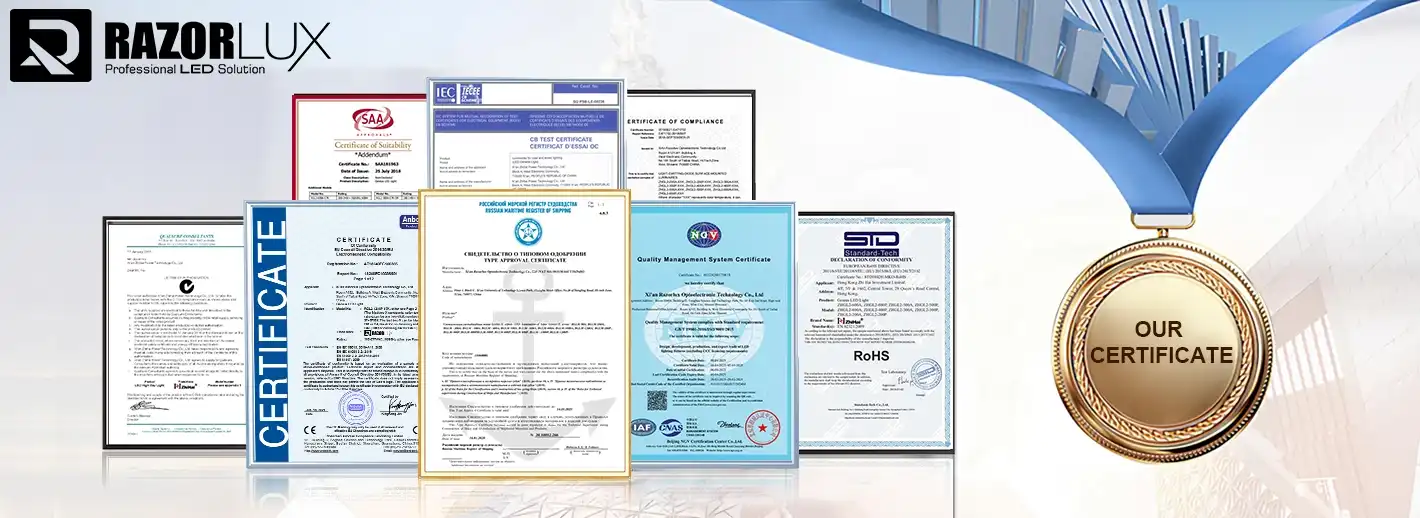
International nautical approvals show that a product is safe to use in harsh sea settings. CE marking proves that the product meets European safety standards, and RoHS approval makes sure that limits on dangerous substances are followed, which is becoming more and more important as environmental rules around the world get stricter. Marine-specific licenses are very important. Type approvals from DNV (Det Norske Veritas), Lloyd's Register, and ABS (American Bureau of Shipping) show that a product has been through a lot of tests to make sure it works safely and can handle vibrations and salt spray. UL1598A approval covers extra standards for installing lights on boats and other watercraft. Procurement managers should ask for full certification paperwork and test results. Reliable makers will gladly give these to them, but sellers who don't want to share their qualifications may be selling low-quality goods.
Evaluating Supplier Capabilities and Support
Reliability of suppliers is very important for long-term buying success. Manufacturers with focused research and development centers and large patent portfolios show they can come up with new technologies. Companies that use ISO9001 quality control systems make sure that their manufacturing standards are always the same. This lowers the chance of differences between batches. Responding to technical support requests is very important. Suppliers who offer lighting plan design services, photometric estimates for specific installations, and quick sample delivery let procurement teams test performance before placing large orders. Flexible shipping plans that meet project deadlines, especially for distant sites that are far away, are what set capable suppliers apart from transactional vendors. Razorlux has been a capable supplier for over 20 years thanks to its extensive experience in LED naval lighting. Our engineering team helps with all aspects of lighting design, figuring out where and how to set up fixtures so they work best for each vessel or building. Our goods are certified by RMRS, CE, RoHS, UL, DLC, and major marine classification groups, and they have been given 436 patents. They also meet strict international standards. We keep a large collection so that samples can be sent out quickly, and our established logistics networks make sure that samples get to ports around the world on time.
Emerging Technologies Shaping Marine Lighting Efficiency
The marine lighting industry is still changing quickly, and over the next ten years, several new technologies are expected to make it much more energy efficient.
Advanced LED Chip Technology and Driver Innovation
In the lab, next-generation LED chips with quantum dot technology and better phosphor formulas are getting light efficiency close to 160–170lm/W. These chips should be available for sale within 3–5 years. With these improvements, 1000W-equivalent lights will only need 700–800W of power to stay as bright as they are now, saving an additional 20–30% on energy use. At the same time, driver technology is getting better. Gallium nitride (GaN) power circuits are more efficient and take up less space than standard silicon-based drivers. This could cut driver losses from 10% to less than 5%. Intelligent motor designs that can communicate digitally allow for real-time performance tracking, which lets repair teams know when performance starts to drop before it completely breaks down.
Smart Controls and Adaptive Lighting Systems
Intelligent lighting control systems change the output based on real needs to get the best energy savings. Daylight harvesting monitors lower the brightness of artificial lighting when natural light levels rise at dawn and dusk. This is especially helpful for port hubs and offshore platform installations. Occupancy recognition stops energy waste in places that aren't used very often, like storage areas for equipment, extra vessel decks during port stays, and repair tubes inside offshore buildings. Networked lighting systems let you control and watch everything from one place. Facility managers can set up schedule settings that turn down non-essential lighting during times of low activity, cutting energy use by 30–50% overnight while keeping safety lighting levels the same. When you connect lighting to systems that control a building or a boat, you can get benefits like automatic lighting responses to changes in operating mode, security alerts, or emergencies.
Sustainability Standards Driving Product Development
Environmental laws are getting stricter, which is changing the objectives for designing naval lights. The International Maritime Organization's (IMO) Energy Efficiency Design Index (EEDI) for new ships encourages all systems, including lights, to use less power. Regional rules, such as the European Union's Ecodesign Directive, set base standards for how well lighting goods work and how easily they can be recycled. Manufacturers are forced by regulations to make more efficient designs, use higher-quality parts, and last longer. Products made to meet regulatory standards today set procurement teams up well for tomorrow's needs, so fixtures that don't meet standards won't become obsolete too quickly and will have to be replaced early. Investing in cutting-edge energy-efficient marine lighting technology has benefits beyond immediate operational savings. Facilities and ships with cutting-edge LED systems get better environmental performance scores, which is becoming more and more important for getting contracts with government agencies and managers who care about the environment. Better sight from good lighting leads to safer situations and lowers the costs and risks of accidents. Modern lighting systems also make workers happier because better lighting means less eye pain during long jobs. This leads to higher productivity and lower dropout rates in an industry that is always short of skilled workers.
Conclusion
Energy economy in Marine Flood Lights 1000W is an important thing to think about when buying them for marine activities around the world. Modern LED lamps with a luminous efficiency of 130lm/W or higher give off great light while using 60% less power than older metal halide or halogen systems. In addition to saving energy right away, these modern lighting solutions have longer operating lifespans (over 50,000 hours), require little upkeep, and are better able to handle tough sea conditions like shaking, salt spray, and high temperatures. For a successful purchase, you need to look at a supplier's technical support, quality assurance, and delivery reliability, as well as their full list of specs, such as light effectiveness, power factor, IP/IK ratings, and certification completion. As smarter controls and higher-efficiency parts are added to naval lighting technology, early adopters will be better prepared for stricter environmental rules. This will also make operations safer and lower the total cost of ownership by a large amount.
FAQ
Can LED marine flood lights at 1000W truly replace traditional 2000W-3000W metal halide systems?
Yes, high-efficiency LED fixtures delivering 130lm/W or greater provide equivalent or superior illumination compared to 2000W-3000W metal halide lamps. The directional nature of LED optics concentrates light where needed rather than dispersing it omnidirectionally, effectively replacing higher-wattage traditional systems while reducing energy consumption by 60-65%. Quality LED marine flood lights also eliminate the warm-up delays and frequent maintenance cycles inherent to metal halide technology.
How do voltage fluctuations common on vessels affect energy efficiency?
Professional marine-grade LED flood lights incorporate industrial drivers with wide input voltage ranges (typically AC90-305V or broader) and active power factor correction exceeding 0.95. These features enable stable operation despite generator load fluctuations common in marine electrical systems, preventing efficiency losses and premature component failure that plague lighting designed for stable grid power.
What certifications are essential when procuring marine flood lights?
Beyond basic CE and RoHS certifications, marine-specific approvals from classification societies like DNV, Lloyd's Register, or ABS validate suitability for maritime environments. UL1598A certification addresses supplemental requirements specifically for marine vessel lighting installations. Complete certification documentation indicates rigorous testing for salt spray resistance, vibration tolerance, and waterproof integrity.
How does IP rating influence long-term energy efficiency?
Higher IP ratings like IP67 provide superior protection against water and dust ingress, preventing internal corrosion that degrades electrical components and reduces efficiency over time. Fixtures with inadequate waterproofing experience premature driver failures and LED degradation, substantially increasing total cost of ownership despite potentially lower initial purchase prices.
Partner with Razorlux: Your Trusted Marine Flood Lights 1000W Supplier
Procurement professionals seeking energy-efficient marine lighting solutions backed by proven reliability should explore Razorlux's comprehensive product range. Our RGL-1000P series delivers exceptional 130lm/W luminous efficacy with Mean Well power supplies, 316L stainless steel mounting brackets, and comprehensive certifications including RMRS, DNV, UL, and major maritime classification societies. With over 20 years specializing in harsh-environment LED lighting and 436 granted patents covering chip Packaging, driver design, and thermal management innovations, Razorlux combines technical excellence with responsive customer support. We provide photometric calculations, customized beam angle configurations, and rapid sample provision to validate performance before large-scale procurement commitments. Contact our technical team at sam@razorlux.com to discuss your specific marine lighting requirements and discover why leading shipyards, offshore operators, and port facilities worldwide trust Razorlux as their preferred marine flood lights 1000W manufacturer for mission-critical illumination solutions.
References
1. International Maritime Organization (2018). "Energy Efficiency Measures for Ship Operations." Maritime Safety Committee Guidelines.
2. Maritime and Coastguard Agency (2020). "Lighting Standards for Commercial Vessels and Offshore Installations." Technical Publication Series.
3. American Bureau of Shipping (2019). "Guide for Vessel and Offshore Installation Lighting Systems." Classification Society Standards.
4. Illuminating Engineering Society (2021). "Recommended Practices for Marine Lighting Design." IES Technical Memorandum TM-30.
5. Det Norske Veritas (2020). "Type Approval Requirements for Marine Electrical Equipment." DNV GL Classification Notes.
6. LED Professional Magazine (2022). "Advances in High-Output Marine Lighting Technology: Efficiency and Durability Improvements." Industry Technical Review, Vol. 94.