

_1750326878398.png)

Best Low Mast Light Solutions for Parking Lots & Walkways
When searching for the optimal outdoor illumination strategy for commercial spaces, Low Mast Light solutions emerge as the preferred choice for parking lots and walkways. These innovative lighting systems, operating at heights between 12-20 feet, deliver superior energy efficiency, enhanced safety, and reduced maintenance costs compared to traditional high-mast alternatives. With advanced LED technology achieving up to 130 lm/W efficiency and comprehensive certifications including CE, UL, and IP67 ratings, modern low-mast lighting solutions provide reliable illumination for diverse commercial applications while supporting sustainable operational goals.
Understanding Low Mast Lights and Their Advantages
Low Mast Light represents a strategic approach to outdoor commercial illumination, characterized by pole heights typically ranging between 12 and 20 feet. This positioning creates an optimal balance between coverage area and light quality, making these systems particularly effective for pedestrian-focused environments and vehicle circulation areas.
Defining Low Mast Light Technology
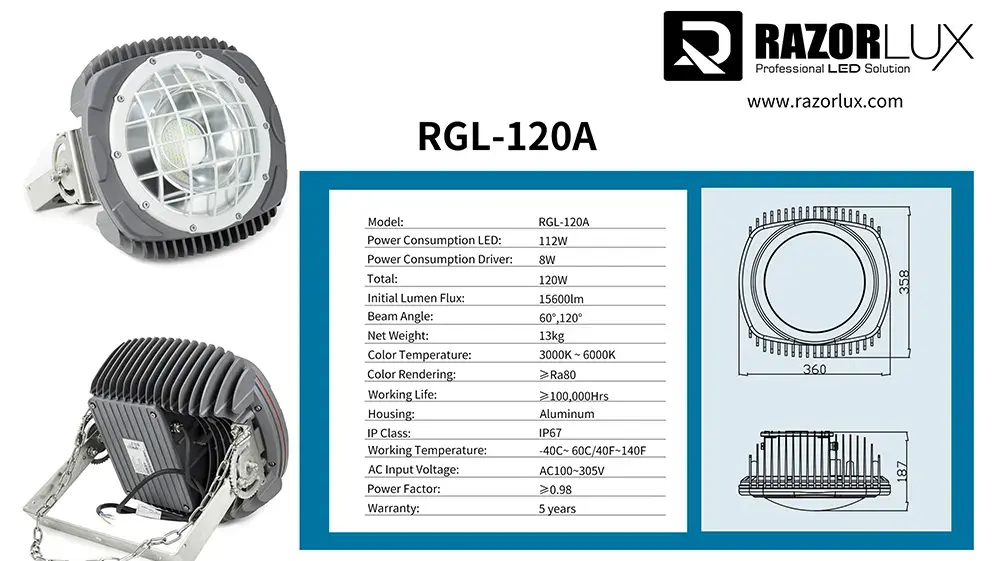
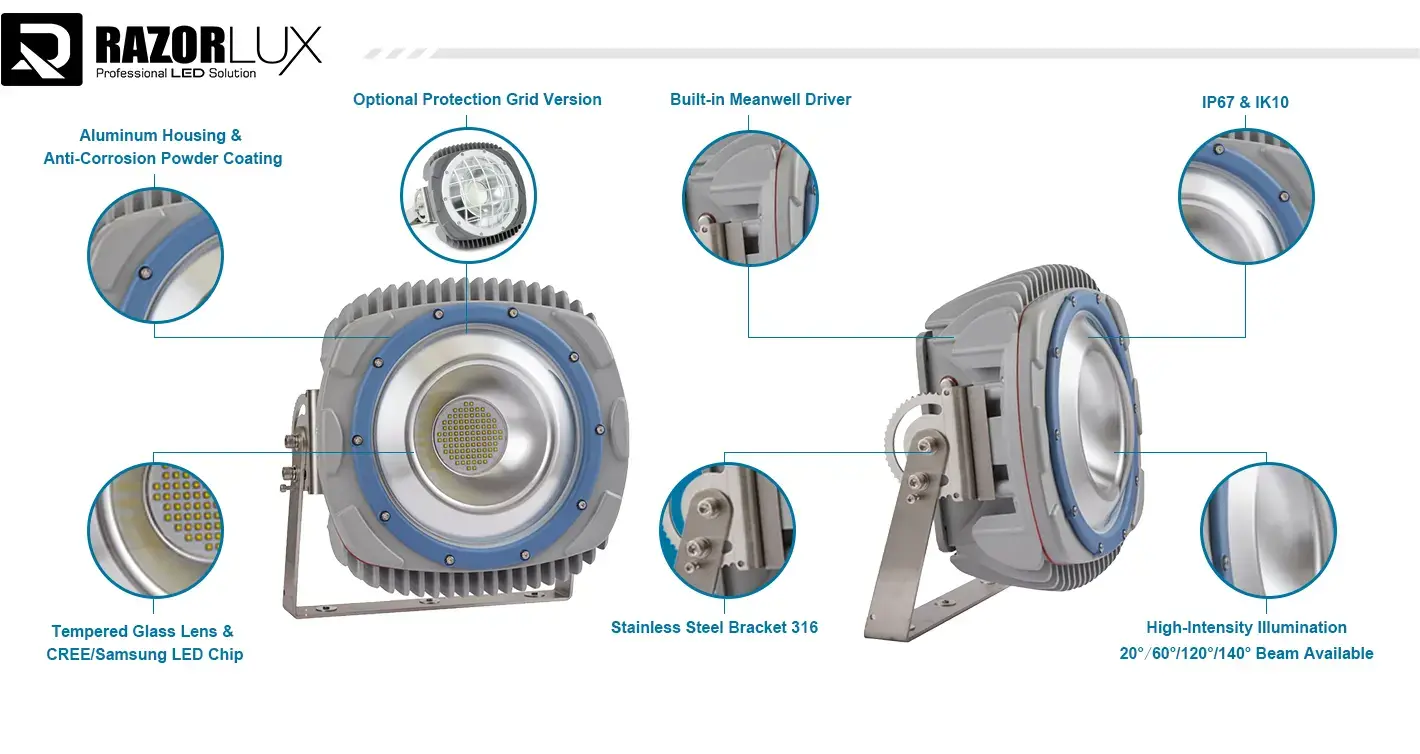
Low Mast Light work closer to the ground than standard high-mast systems, which are more than 25 feet tall. This makes it easier to control how the light is spread. The lower height makes the lighting more even across surfaces and cuts down on glare, which can make it harder to see and put people in danger. These days, modern low-mast systems use advanced LED technology that is more efficient than 130 lm/W, which is a lot better than sodium or metal halide options. Strong metal housings with powder coatings, stainless steel mounting brackets, and built-in heat management systems are common parts of the construction. Together, these parts make sure that the machine works reliably in temperatures ranging from -40°C to 60°C, which means that it can be used in a wide range of places and climates.
Key Performance Advantages
By strategically placing low mast lights, many practical benefits are gained, including lower costs and higher safety standards. These benefits come from both the way the system is built and the superior LED technology that is used in current systems.
Here are the core advantages that make low-mast lighting superior for commercial applications:
- Enhanced uniformity and reduced glare: The lower mounting height creates more consistent light distribution across walkways and parking areas, eliminating the harsh shadows and bright spots common with high-mast installations.
- Improved maintenance accessibility: Service personnel can reach fixtures more easily and safely, reducing maintenance costs and downtime while enabling more frequent inspections and component replacements.
- Superior energy efficiency: LED technology combined with optimized optics delivers up to 40% energy savings compared to equivalent high-mast systems, with lamp efficiency ratings reaching 130 lm/W or higher.
- Reduced light pollution: Precise beam control minimizes upward light spillage and trespass lighting, supporting dark-sky initiatives and reducing environmental impact.
These advantages collectively address the primary concerns of facility managers and procurement professionals who need reliable, cost-effective lighting solutions that enhance both security and operational efficiency.
| Feature | Low Mast Lights | High Mast Lights | Traditional Street Lights |
|---|---|---|---|
| Mounting Height | 12-20 feet | 25-40+ feet | 25-30 feet |
| Maintenance Access | Standard ladder/lift | Specialized equipment | Bucket truck required |
| Light Distribution | Uniform, low glare | Wide area coverage | Linear coverage |
| Energy Efficiency | 130+ lm/W | 80-120 lm/W | 60-100 lm/W |
| Installation Cost | Moderate | High | Low to Moderate |
Safety and Security Benefits
The proximity of low mast fixtures to pedestrian level creates enhanced visibility for security cameras and natural surveillance, supporting comprehensive safety protocols. The reduced mounting height also enables faster emergency response times, as lighting failures or damage become immediately apparent to facility personnel and security teams.
Choosing the Right Low Mast Light Solution for Parking Lots & Walkways
Selecting appropriate Low Mast Light requires careful evaluation of multiple technical and operational factors that directly impact both performance and long-term costs. The decision process involves analyzing site-specific requirements, comparing technology options, and ensuring compliance with relevant standards and regulations.
Critical Selection Factors
Understanding the unique features of your business space is the first step to putting in a Low Mast Light that works. Parking lots and walking walkways have different problems that need different solutions to get the best results. The amount of light needed depends on the type of building, how it is used, and the security needs. In order to keep customers safe and comfortable, retail parking lots need more light in the evening. On the other hand, industrial buildings may want to make sure that shift workers and security staff have regular lighting. Light levels should be between 2 and 5 foot-candles for parking lots and between 1 and 3 foot-candles for paths. Higher levels are needed in high-security or high-traffic places. Choosing the right beam angle is very important for getting even coverage with little light trespass. Modern LED lamps let you choose from different beam patterns, such as 60°, 120°, and irregular 140°x60° ones, so you can precisely control how the light spreads. The lopsided choice works really well for walkways because the angled lighting makes it easier to see along the path and lessens spillover into nearby areas.
Technology Comparison and Integration
Low Mast Light has been changed forever by LED technology, which is more efficient, lasts longer, and is easier to handle. When purchasing LEDs, people in charge of buying things should look for ones that are at least 130 lm/W efficient and have an estimated life of at least 50,000 hours. Color temperature ranges from 2700K to 6500K, which lets you make changes to fit specific needs. For most business settings, 4000K to 5000K gives you the best vision. The quality of the drivers has a big effect on how reliable and long-lasting the system is. Power supplies from Mean Well or similar brands are used by high-end makers. These supplies have power factor values above 0.98 and total harmonic distortion below 10%. These standards make sure that the equipment works reliably and meets the needs of the power source, while also reducing electromagnetic radiation. Modern low-mast systems are more valuable than just lighting because they can be integrated with other systems. Smart controls allow for scheduling of lighting, detecting when a room is empty, and tracking from afar, all of which save energy and give practical insights. These features help building managers reach their goals and give them information that they can use to make lighting plans and repair schedules better.
Supplier Evaluation and Procurement Strategy
To find reputable providers, you need to look at their professional skills, the quality of their products, and their help system. Leading makers keep a full set of certifications, such as UL, DLC, CE, and IP67/IP68 grades, which show that their products meet international standards and can be used in tough situations. Processes for quality control tell the difference between top suppliers and basic suppliers. Failure mode analysis tools and a lot of outdoor tests are used by advanced makers to make sure that their products work well in the real world. This strict method cuts down on mistakes in the field and makes sure that performance is the same across output lots.
Installation Best Practices and Maintenance Tips for Long-Term Performance
Proper installation and ongoing maintenance directly influence the performance, safety, and lifespan of Low Mast Light systems. Establishing effective protocols from project inception through operational phases ensures optimal return on investment while minimizing unexpected costs and performance issues.
Site Assessment and Planning
A thorough site review is the first step in putting up a Low Mast Light that works. As part of this process, the current infrastructure is looked at to find possible problems, and plans are made that make the best use of both lighting performance and installation economy. A review of the electrical system figures out how much power is available and how it needs to be distributed. Low Mast Led systems usually use 120W per light and accept a wide range of voltages (AC80-315V, DC80-400V). This gives electrical designers more freedom and keeps infrastructure changes to a minimum. The right circuit design includes ways to expand in the future and makes sure there is enough space for smart control integration in the future. Both construction costs and long-term security are affected by the type of soil and the size of the base that is needed. Standard low mast setups need concrete supports that are the right size for the device's weight and the wind load in the area. Modern LED lights are 8 kg heavier than standard high-intensity discharge options. This makes base building easier and lowers the cost of materials.
Professional Installation Protocols
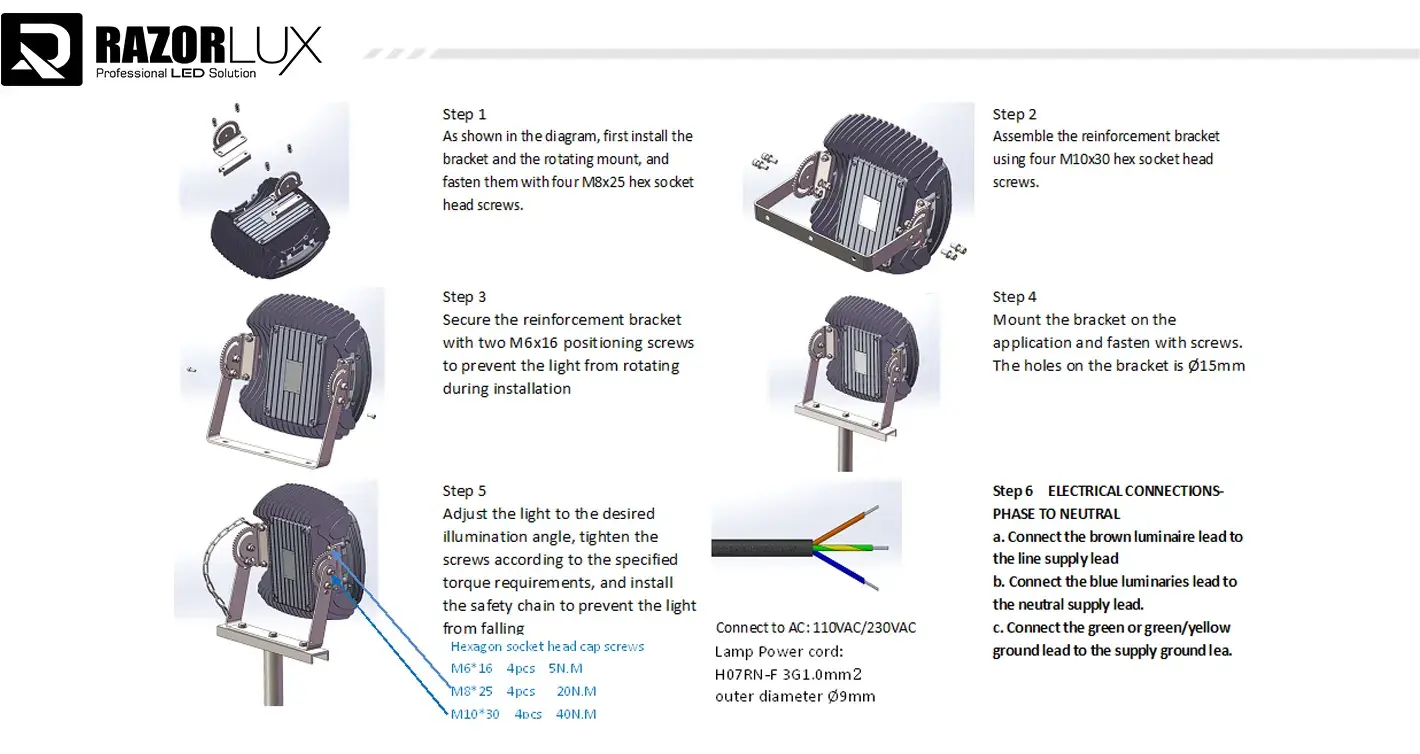
Installation success depends on adherence to manufacturer specifications and local electrical codes. Professional installers should verify proper grounding, secure all electrical connections within IP-rated enclosures, and conduct comprehensive testing before commissioning. Mounting hardware selection affects both immediate installation success and long-term reliability. Stainless steel brackets and hardware provide corrosion resistance essential for outdoor applications, particularly in coastal or industrial environments where salt spray or chemical exposure presents ongoing challenges.
Preventive Maintenance Programs
Establishing systematic maintenance protocols extends system lifespan while ensuring consistent performance. Modern LED low mast systems require minimal maintenance compared to traditional technologies, but regular attention to key components prevents minor issues from developing into costly failures.
Regular maintenance activities should focus on these essential areas to ensure optimal performance:
- Optical surface cleaning: Quarterly cleaning of LED optics and protective covers maintains light output and prevents dirt accumulation that reduces efficiency by up to 30% over time.
- Electrical connection inspection: Annual verification of all electrical connections, junction boxes, and grounding systems prevents moisture intrusion and ensures continued safety and performance.
- Driver and control system testing: Biannual functional testing of LED drivers and any smart controls validates proper operation and identifies potential issues before failure occurs.
- Structural integrity assessment: Annual inspection of mounting hardware, pole condition, and foundation stability ensures continued safety and identifies any environmental damage requiring attention.
These maintenance activities collectively support the 5-year warranty coverage typical of premium LED systems while ensuring continued compliance with safety standards and optimal energy efficiency throughout the operational lifespan.
Innovation and Energy Efficiency Trends in Low Mast Light
As LED technology and smart settings continue to improve quickly, they are changing business outdoor lighting in new ways that save energy, make operations more efficient, and make things work better. When buying, workers understand these trends, and they can make choices that will help them now and in the future.
Advanced LED Technology Integration
The latest version of LED systems is much more efficient thanks to better chip design, better heat control, and more precise sights. The newest low-mast lights have luminous efficacy values above 130 lm/W and color rendering index (CRI) values above Ra75, which means they are both energy efficient and good for the eyes. New developments in thermal management make LEDs last longer and keep working the same way in all kinds of environments. Modern heat sink designs and thermal contact materials make it possible for safe operation from -40°F to 140°F, so installations can be made in a variety of places without affecting performance. Color setting capabilities are a new trend that allows the color temperature to be changed dynamically during operation cycles. This technology supports natural lighting principles for walking areas and lets you set high visibility levels for security reasons at certain times.
Smart Controls and Connectivity
Adding the Internet of Things (IoT) to standard lighting systems turns them into smart systems that can be monitored in real time, controlled in a way that adapts to the situation, and maintained before they break down. Modern low-mast systems have wifi connections that let them be managed from afar, have automatic lighting plans, and work with larger platforms for building management. Occupancy monitoring technology saves a lot of energy by lowering the brightness of lights when no one is using them. Modern devices can tell the difference between pedestrians and vehicles, so the right lights can be turned on while security lighting levels are kept the same. Most of the time, these devices save 20 to 40 percent more energy than just using LEDs more efficiently. Operational data is used by predictive maintenance to find parts that might break down before they do. This cautious method lowers the cost of upkeep and keeps lights from going out without warning, which could put safety and security at risk.
| Smart Feature | Energy Savings | Operational Benefits | Implementation Cost |
|---|---|---|---|
| Dimming Controls | 15-30% | Extended LED life, customizable schedules | Low |
| Occupancy Sensors | 25-45% | Automatic operation, security integration | Moderate |
| Wireless Monitoring | 5-15% | Remote diagnostics, predictive maintenance | Moderate |
| Integrated Solar | 80-100% | Grid independence, reduced infrastructure | High |
Sustainability and Environmental Impact
Modern Low Mast Light supports comprehensive sustainability initiatives through reduced energy consumption, extended product lifecycles, and environmentally responsible manufacturing processes. LED systems eliminate mercury and other hazardous materials while delivering 50,000+ hour operational life that reduces replacement frequency and associated waste.
Energy efficiency improvements translate directly into reduced carbon footprints for commercial facilities. A typical LED low mast installation consumes 60-70% less energy than equivalent high-pressure sodium systems while delivering superior illumination quality and uniformity.
How to Source Quality Low Mast Lights: A B2B Buying Guide?
Navigating the complex landscape of LED lighting suppliers requires a systematic evaluation of technical capabilities, quality standards, and support infrastructure. Successful procurement outcomes depend on identifying partners who combine product excellence with reliable service and competitive pricing.
Supplier Qualification and Assessment
Premium LED lighting manufacturers distinguish themselves through comprehensive certification portfolios, advanced manufacturing capabilities, and proven track records in demanding applications. Leading suppliers maintain certifications including UL, DLC, CE, RoHS, and IP67/IP68 ratings, demonstrating compliance with international standards and suitability for commercial installations.
Manufacturing quality indicators include ISO 9001 certification, advanced quality control systems, and utilization of premium components from recognized suppliers. Top-tier manufacturers specify Samsung LED chips, Mean Well power supplies, and other industry-leading components that ensure reliable performance and extended operational life.
Research and development capabilities separate innovative manufacturers from commodity suppliers. Companies investing in advanced R&D maintain extensive patent portfolios, university partnerships, and cutting-edge testing facilities that drive continuous product improvement and technology advancement.
Product Evaluation Criteria
To compare different Low Mast Light choices, you need to start with their technical specs. Key factors include brightness (target: 130+ lm/W), color temperature choices (2700K–6500K), beam angle choices (60°, 120°, 140°x60°), and weather grades (at least IP65, ideally IP67). As part of judging the quality of construction, house materials, heat control designs, and attaching hardware specs are looked at. Marine-grade aluminum alloy housings with powder coating protection, stainless steel tools, and improved thermal interface materials make sure that high-end fixtures work reliably in harsh conditions. Driver specs have a big effect on how reliable a system is and how well it follows the guarantee. Good LED drivers have a large input voltage range (AC80-315V), a high power factor (>0.98), low total harmonic distortion (<10%), and surge safety that keeps your electronics safe from power problems.
Procurement Strategy and Partnership Development
Procurement strategies that work well balance short-term cost concerns with long-term value creation. The initial purchase price is still important, but when comparing different choices, you should also look at the total cost of ownership, which includes how much energy they use, how much upkeep they need, and how long they are expected to last. Sample review programs let you test the quality and performance of a product in real life before placing a bigger order. Leading makers offer test examples and expert help to make sure their products work with specific installation and application needs. Opportunities to buy in bulk offer big savings on costs and give you access to customization options and better customer service. Setting up outline deals with qualified providers guarantees stable prices, access, and first-class help for pressing needs.
Razorlux: Your Trusted Partner for Premium Low Mast Light Solutions
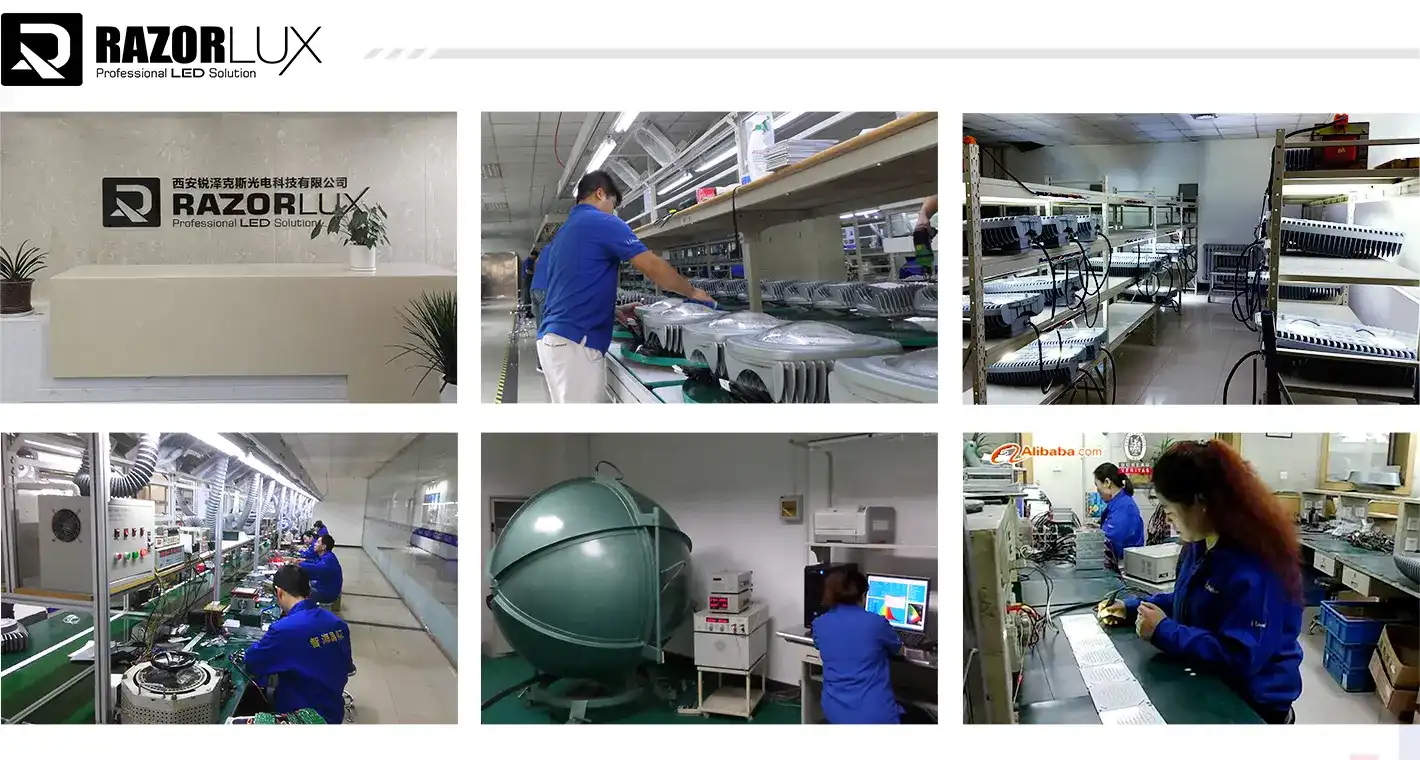
Xi'an Razorlux Optoelectronic Technology brings over two decades of specialized experience in commercial and industrial LED lighting, with particular expertise in low mast solutions for challenging environments. Our patented multi-function designs adapt seamlessly to diverse working conditions while delivering exceptional performance and reliability.
Advanced Product Portfolio
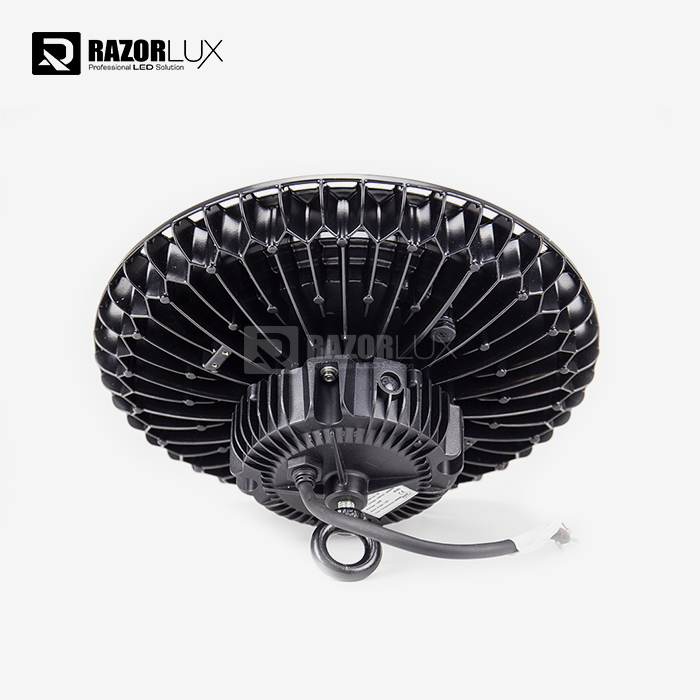
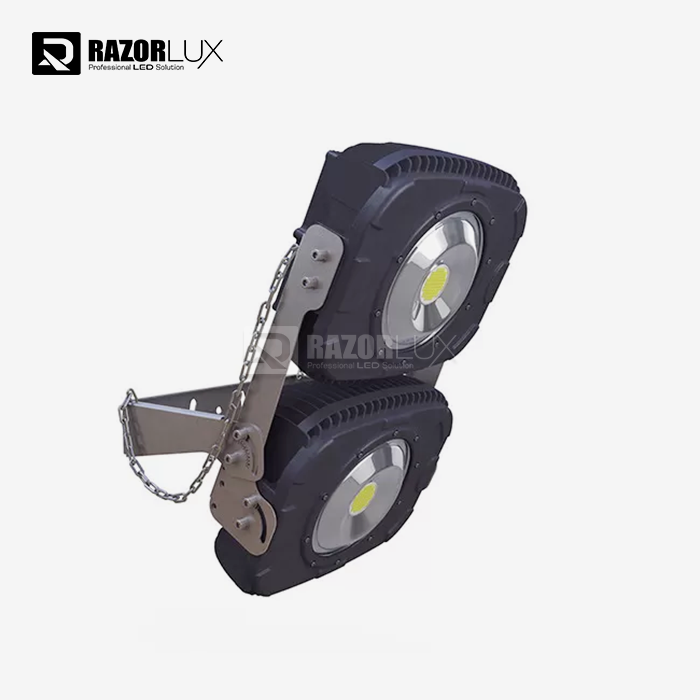
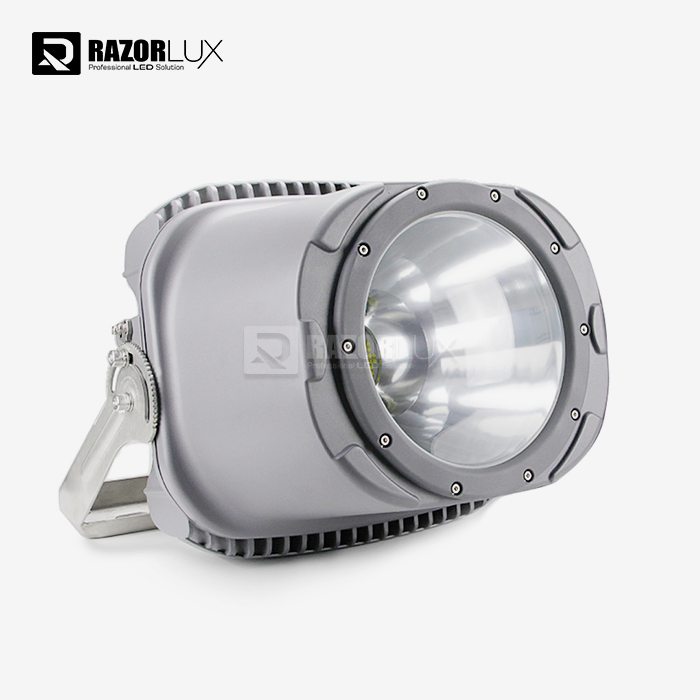
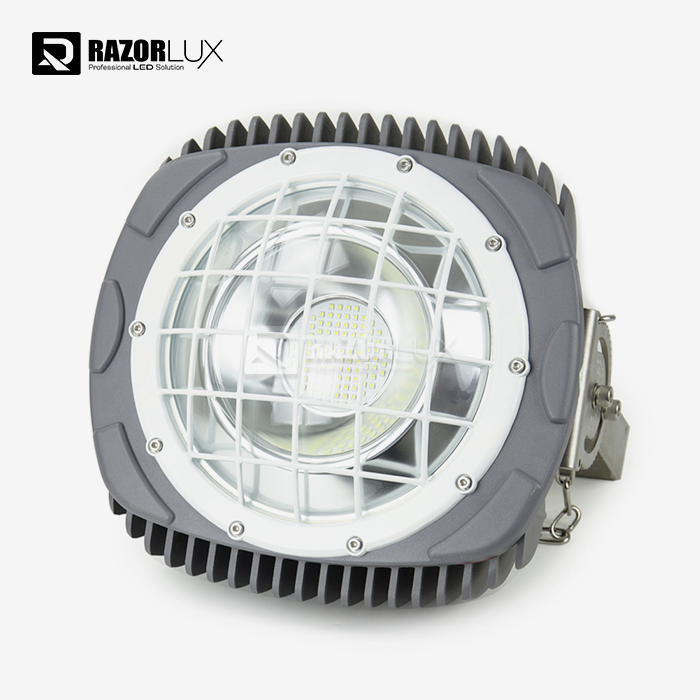
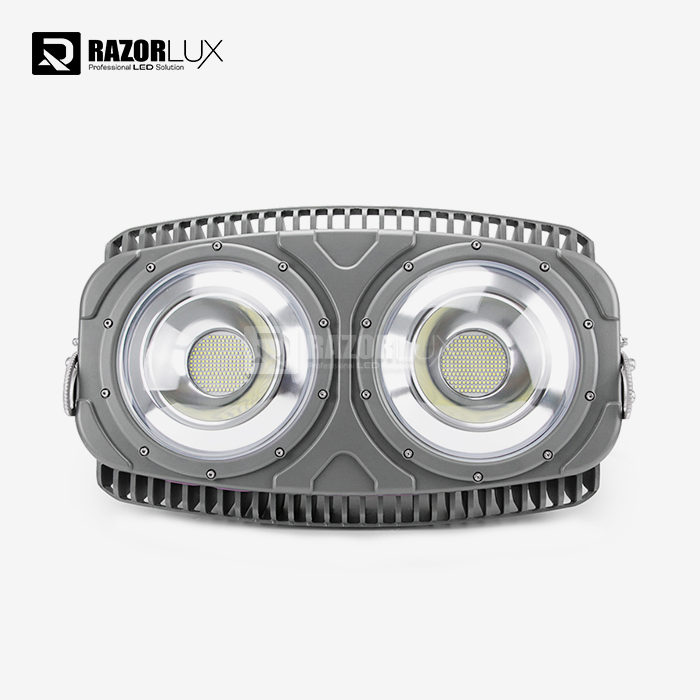
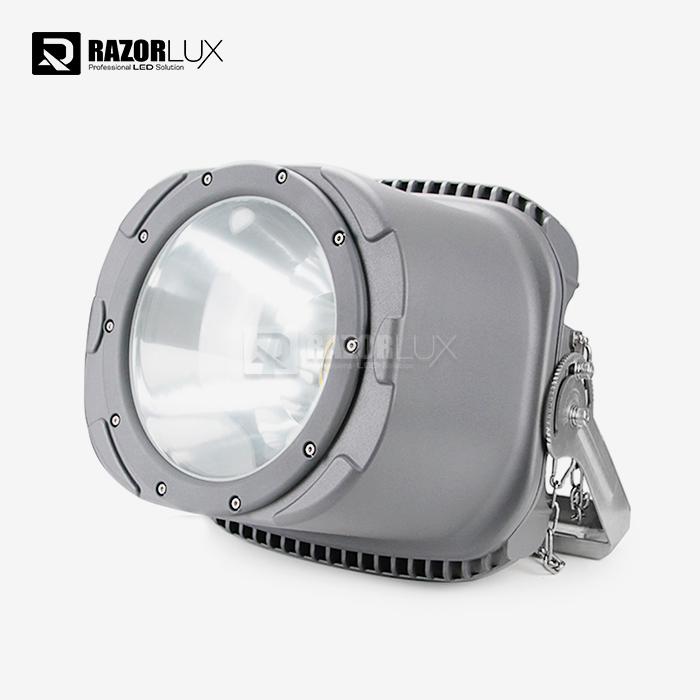
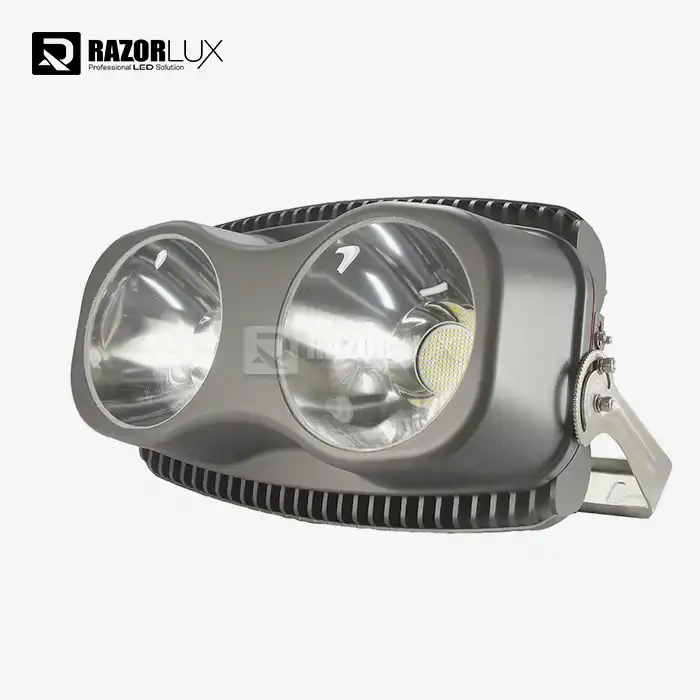
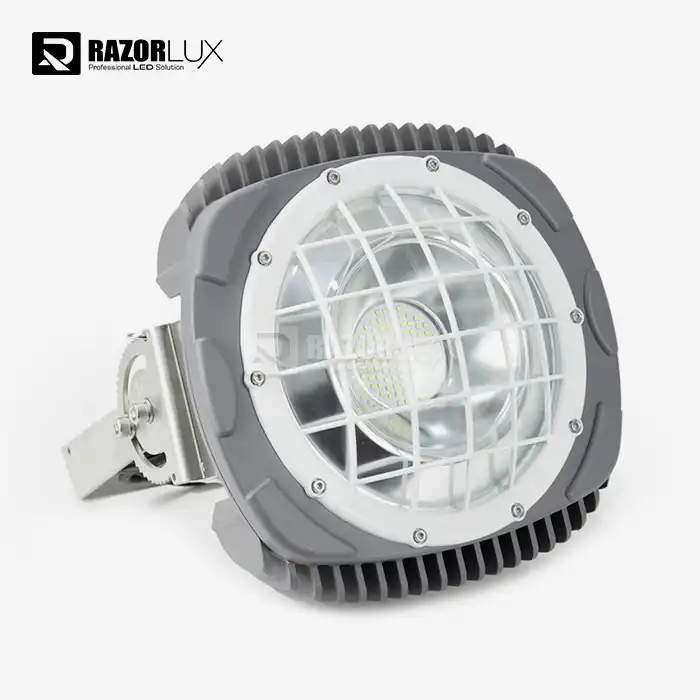
Our main RGL-120A Low Mast Light system shows how dedicated we are to quality and new ideas. This 120W LED fixture has a stable output of 14,400 lumens and an efficiency of 130 lumens per watt. It can replace 250–300W standard lights and give off better light. The unique design uses high-quality parts, like Mean Well power sources and clever heat control systems, that make sure the machine will work for more than 50,000 hours. Beam angles of 60°, 120°, and 140°x60° give you exact control over how light is distributed for a wide range of uses. The large input voltage range (AC80-315V, DC80-400V) gives you more fitting options while lowering the need for electrical infrastructure. The IP67 and IK10 grades make sure that the device will work reliably in harsh settings, such as seaside places where it will be exposed to salt spray. The standard of our construction shows that we care about efficiency and longevity. Marine-grade metal housings with powder coating for protection, stainless steel mounting brackets, and advanced LED heat management systems make it possible for the lights to work reliably from -40°C to 60°C and from 10% to 95% humidity.
Comprehensive Certification and Quality Assurance
Our quality control systems are still certified by ISO 9001, and our goods have a lot of different approvals, such as CE, RoHS, UL, DLC, CB, and SAA. These references show that the company meets foreign standards and is suitable for business projects around the world. Failure mode analysis tools and thorough outdoor testing techniques are part of more advanced quality control methods. Each product goes through a lot of testing to make sure it works well and reliably in all kinds of operating circumstances.
Global Support Infrastructure
Our two offices, one in the United States and one in China, allow us to quickly help foreign clients while keeping our production skills competitive. Shipping choices like air, train, and sea make sure that deliveries happen on time to meet project plans around the world. Full after-sales support includes expert help, guarantee completion, advice on upkeep, and suggestions for upgrades. Our 5-year promise on LED modules and drivers guarantees that they will work well and be reliable for a long time.
Conclusion
Low Mast Light represents the optimal solution for modern commercial parking lots and walkways, combining superior energy efficiency, enhanced safety, and reduced maintenance requirements. The strategic advantages of 12-20 foot mounting heights deliver uniform illumination while minimizing glare and light pollution. Advanced LED technology, achieving 130+ lm/W efficiency, combined with smart controls and comprehensive certifications, creates compelling value propositions for procurement professionals. Successful implementation requires careful supplier selection, proper installation protocols, and systematic maintenance programs that maximize return on investment while ensuring consistent performance throughout the operational lifespan.
FAQ
What factors should I consider when selecting Low Mast Light for parking lots?
Critical selection factors include required illumination levels (2-5 foot-candles for parking areas), beam angle options for uniform coverage, energy efficiency ratings (target 130+ lm/W), environmental ratings (minimum IP65), and integration capabilities with existing infrastructure. Consider color temperature preferences, mounting height limitations, and local electrical code requirements during the evaluation process.
How do LED low mast lights compare to traditional halogen or high-pressure sodium options?
LED systems deliver 60-70% energy savings compared to traditional technologies while providing superior illumination quality and extended operational life. LED fixtures offer instant-on capability, better color rendering, and precise beam control. The 50,000+ hour LED lifespan significantly reduces maintenance frequency and replacement costs compared to 8,000-15,000 hour traditional alternatives.
What smart lighting features provide the most value for commercial applications?
Dimming controls deliver 15-30% additional energy savings while extending LED lifespan through reduced operating stress. Occupancy sensors provide 25-45% energy reduction during low-activity periods while maintaining security illumination. Wireless monitoring enables predictive maintenance and remote diagnostics, reducing service costs and preventing unexpected failures.
How can I ensure long-term reliability and performance from Low Mast Light systems?
Select suppliers with comprehensive certifications, quality component specifications, and proven track records in commercial applications. Establish systematic maintenance protocols, including quarterly optical cleaning, annual electrical inspections, and biannual control system testing. Choose systems with premium components like Mean Well drivers and marine-grade housings that ensure reliable operation in challenging environments.
Partner with Razorlux for Your Low Mast Light Requirements
Razorlux stands ready to support your commercial lighting projects with industry-leading expertise and premium LED solutions. Our experienced engineering team provides comprehensive consultation services to optimize lighting design while ensuring compliance with relevant standards and regulations. Contact sam@razorlux.com to discuss your specific requirements and explore our complete range of Low Mast Light products. As a trusted Low Mast Light manufacturer with global reach, we offer competitive pricing for bulk orders, customization capabilities, and comprehensive warranty coverage. Request technical documentation, pricing quotations, or evaluation samples to experience the Razorlux difference in LED lighting excellence.
References
1. Illuminating Engineering Society. "Recommended Practice for Parking Facility Lighting." ANSI/IES RP-20-14, 2014.
2. International Association of Lighting Designers. "Energy Efficiency Standards for Commercial Outdoor Lighting Systems." Technical Report Series, 2023.
3. National Institute of Standards and Technology. "LED Lighting Performance in Outdoor Commercial Applications: A Comprehensive Analysis." NIST Special Publication 1245, 2022.
4. American Society of Civil Engineers. "Guidelines for Low Mast Light Infrastructure Design and Implementation." ASCE Manual of Practice 142, 2021.
5. International Commission on Illumination. "Outdoor Lighting Standards and Best Practices for Commercial Facilities." CIE Technical Report 234, 2023.
6. U.S. Department of Energy. "Commercial LED Lighting Adoption and Energy Savings Analysis." DOE Building Technologies Office Report, 2023.