


_1750326878398.png)

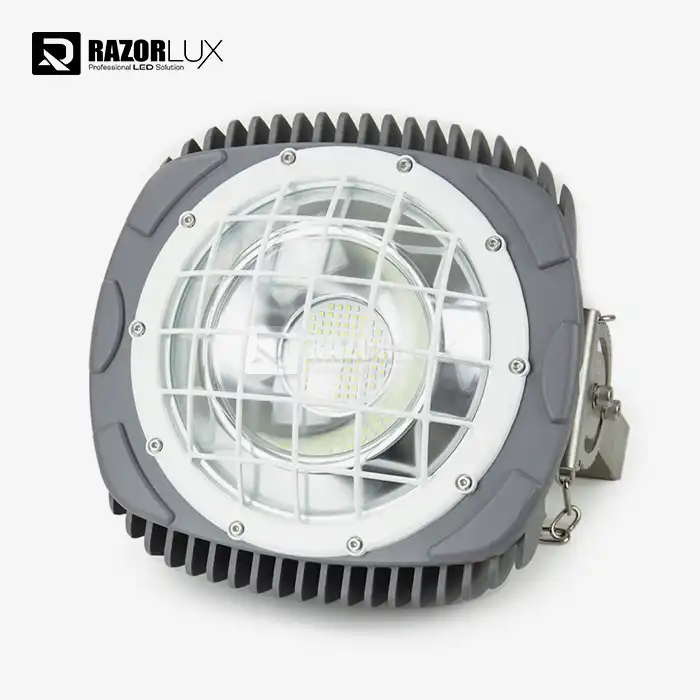
Professional-grade sports lighting systems make sure that the light is spread out evenly by using complex optical tech that precisely controls the distribution of photons through LED sports lighting fixtures. With carefully placed LED arrays and advanced reflector shapes, the uneven light patterns that are common in standard metal halide systems are gone. This creates a smooth lighting system that keeps the same amount of brightness across large game areas. With today's LED technology, makers can place individual diodes at precise intervals inside fixture housings. This makes light patterns that overlap and mix together smoothly at ground level. This method gets rid of the sharp changes between bright and dark places that come with older lighting technologies.
Led Sports Lighting Fixtures Features That Enhance Uniformity
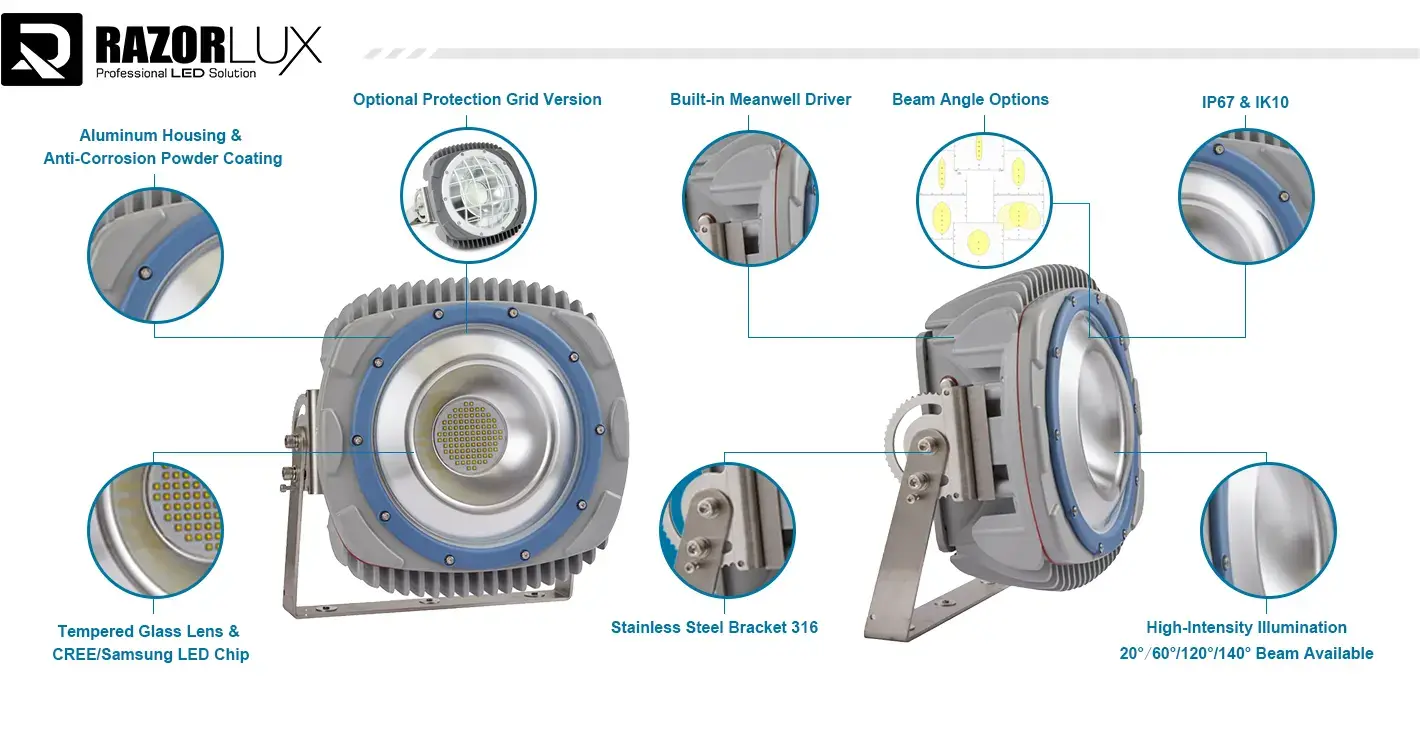
Led Sports Lighting Fixtures represent the pinnacle of modern illumination technology, delivering unprecedented uniformity across athletic venues through sophisticated optical engineering and intelligent design principles. These advanced lighting solutions utilize precision-crafted lens systems, strategic LED array configurations, and adaptive beam control mechanisms to eliminate shadows, hotspots, and inconsistent illumination patterns that compromise athletic performance and spectator experience. The integration of multi-angle beam options, ranging from focused 60-degree distributions to expansive 140-degree coverage patterns, enables facility managers to achieve optimal light distribution tailored to specific sport requirements and venue geometries.
Understanding Uniformity in LED Sports Lighting Fixtures
Uniformity is the most important thing for good sports lighting because it determines whether athletes can perform at their best and fans can enjoy the best watching circumstances. Modern sports sites need to make sure that the lighting levels are the same on all of the playing fields. For consistency ratios to meet professional standards, they usually need to be 0.7 or higher. This measure makes sure that the gap between the places with the most and least light stays within acceptable limits.
The Science Behind Uniform Light Distribution
Impact on Athletic Performance and Safety
For example, studies show that even lighting is directly linked to better physical success and fewer injuries. When light levels stay the same, players can more accurately follow moving things and keep their best depth awareness across the whole playing area. When lighting systems get rid of quick changes in brightness that cause constant pupil adjustments, visual comfort goes up a lot. To make sure that high-definition cameras can get the same quality images from anywhere on the field, professional sports sites that are used for broadcasts need even stricter quality standards. Today's LED systems can get consistency rates higher than 0.8, which is much better than older lighting technologies.
Key Features of LED Sports Lighting Fixtures That Enhance Uniformity
Contemporary sports lighting technology incorporates multiple sophisticated features designed specifically to maximize illumination uniformity across diverse athletic applications. These innovations work synergistically to deliver consistent light distribution while maintaining energy efficiency and operational reliability.
Advanced Optical Technologies
Modern LED sports lighting has lens systems that are very precisely designed and control how light is spread very accurately. Asymmetric mirrors and special diffusion materials are examples of secondary optics that change the light output to fit different field shapes and mounting arrangements. These optical parts get rid of the circular light patterns that most lamps have, making oblong or oval designs that fit perfectly with the dimensions of a sports field.
Here are the core optical innovations that enhance uniformity in professional sports lighting:
- Multi-zone lens arrays that combine different beam angles within LED Sports Lighting Fixtures, enabling customized light distribution patterns that adapt to varying mounting heights and field dimensions while maintaining consistent illumination levels
- Asymmetric reflector systems that redirect light away from spectator areas and toward playing surfaces, reducing glare while maximizing useful illumination and creating smooth transitions between fixture coverage zones
- Precision beam control technology that utilizes computer-modeled optics to eliminate hotspots and shadows, ensuring seamless light blending across large athletic venues with mathematical precision
These optical advancements collectively eliminate the uneven light distribution characteristic of conventional lighting systems, creating the uniform illumination essential for professional athletic competition and broadcast applications.
| Feature | Razorlux RGL-120A | Traditional Metal Halide |
|---|---|---|
| Beam Angle Options | 60°, 120°, 140°x60° | Fixed beam pattern |
| Luminous Efficiency | 130 lm/W | 80-90 lm/W |
| Color Rendering Index | Ra>75 (Ra>90 available) | Ra 65-70 |
| Operating Lifespan | ≥50,000 hours | 10,000-15,000 hours |
| Warm-up Time | Instant-on | 15-20 minutes |
Intelligent Control Systems and Zoning Capabilities
State-of-the-art LED sports lighting incorporates intelligent control systems that enable dynamic brightness adjustment and zone-specific illumination management. These systems respond to changing conditions and requirements, maintaining optimal uniformity regardless of environmental factors or usage patterns. Wireless connectivity allows facility managers to monitor and adjust lighting parameters remotely, ensuring consistent performance across multiple venues.
Advanced control algorithms continuously monitor individual fixture performance and automatically compensate for any variations in light output. This self-regulating capability maintains uniformity standards throughout the entire operational lifespan of the lighting system, preventing the gradual degradation common in uncontrolled installations.
Comparison Between LED and Traditional Sports Lighting Fixtures in Achieving Uniformity
The transition from traditional metal halide and high-pressure sodium lighting to LED technology represents a fundamental shift in sports illumination capabilities. Legacy lighting systems struggle to achieve the uniformity standards demanded by modern athletic facilities, particularly those hosting professional competitions or broadcast events.
Limitations of Conventional Lighting Technologies
Traditional metal halide lights have big problems with performance that affect the regularity of the light. Over the course of their useful lives, these systems lose lumens slowly, which makes the light levels less uniform as different bulbs age at different rates. Because of this, playing areas have a mix of different light levels, which makes it harder to see, which is necessary for competitive sports. Conventional lights also need a long time to warm up, which stops them from working at full brightness right away. This feature is especially annoying for places that need quick lighting in case of emergencies or sudden changes to the routine. Flickering is a natural part of standard discharge lighting, which makes regularity even harder because the human eye sees these changes as uneven lighting.
LED Advantages in Uniformity Achievement
Today's LED sports lighting systems are more advanced than older ones because they use more advanced technology than older ones. Instant-on feature gets rid of warm-up delays and keeps the light output steady from the moment it is turned on. In broadcast situations, where the lights need to hit full brightness right away, this feature is very important. LED lamps keep their color temperature and light output constant over their entire working life. This stops the slow decline that happens in traditional systems and makes consistency less reliable. Advanced heat management systems keep performance steady even in harsh environments, keeping the brightness constant even if the temperature changes around them. Case studies from big sports sites show that after switching to LEDs, there was a noticeable change in regularity. When LED systems were put in at the Mercedes-Benz Stadium in Atlanta, the regularity rates went above 0.9. Before, they were only 0.6 when metal halide lights were used. Modern LED technology has many benefits, as shown by the fact that upkeep needs dropped by 85% and energy use dropped by 75%.
Best Practices for Selecting and Installing LED Sports Lighting Fixtures for Optimal Uniformity
Achieving optimal uniformity requires careful consideration of multiple factors during both the selection and installation phases of sports lighting projects. Successful implementations begin with comprehensive site analysis and continue through precise fixture positioning and commissioning procedures.
Sport-Specific Requirements and Venue Characteristics
To make sure the best playing conditions for each sport, lighting levels and guidelines for equality must be different. Tennis courts need higher symmetry ratios because the ball moves quickly and players need to be able to track it very precisely. Football fields, on the other hand, can handle slightly lower standards because the objects and movement patterns are bigger in that sport. The shape of the venue has a big effect on how fixtures are placed and chosen. Asymmetric beam patterns help rectangular fields use light more efficiently while limiting spillover into nearby areas. For oval or circular sites, equal distributions and smart hanging locations may be needed to get even coverage without making the field edges too contrasty. Both attachment specs and mounting system designs are affected by things in the environment, like wind loads, earthquakes, and the need for rust protection. Coastal sites need better security against rust, and places with a lot of wind need strong mounting systems that can keep accurate shooting angles even in harsh conditions.
Installation Techniques and Professional Site Surveys
Professional lighting design starts with detailed photometric modeling that simulates how suggested bulb arrangements will work and guesses how uniform the lighting will be as a result. Designers can use advanced software to find the best mounting heights, shooting angles, and fastener spacing before the installation process starts. This makes sure that the project is as uniform as possible while keeping costs low.
Here are the essential installation considerations that maximize uniformity in sports lighting projects:
- Mounting height optimization that balances uniform coverage requirements with glare control objectives, typically positioning fixtures between 80-120 feet above playing surfaces, depending on venue size and sport-specific requirements
- Precise aiming angle calculations that ensure overlapping light patterns blend seamlessly at ground level, eliminating shadows and hotspots through mathematical modeling and field verification procedures
- Strategic fixture spacing that creates uniform illumination zones while accounting for structural limitations and electrical infrastructure constraints, maximizing coverage efficiency and minimizing installation complexity
These installation parameters work together to create the uniform illumination essential for professional athletic competition while optimizing energy efficiency and operational costs.
| Sport Type | Minimum Illumination Level | Uniformity Ratio Requirement | Recommended Mounting Height |
|---|---|---|---|
| Professional Football | 1200-1500 lux | ≥0.7 | 100-130 feet |
| Basketball (Indoor) | 750-1000 lux | ≥0.7 | 30-50 feet |
| Tennis Courts | 600-800 lux | ≥0.8 | 60-80 feet |
| Baseball/Softball | 1000-1500 lux | ≥0.6 | 90-120 feet |
Commissioning procedures verify that installed systems meet specified uniformity standards through comprehensive field measurements and adjustments. Professional commissioning teams utilize calibrated photometers to measure illumination levels at grid points across playing surfaces, comparing actual results with design predictions and making necessary adjustments to achieve optimal performance.
Maintenance and Longevity to Preserve Lighting Uniformity
Maintaining consistent uniformity throughout the operational lifespan of LED sports lighting systems requires implementing comprehensive maintenance strategies that address both preventive care and performance monitoring. Proper maintenance practices ensure that uniformity standards remain consistent while maximizing return on investment through extended equipment life.
Preventive Maintenance Strategies
Regular cleaning of optical components represents the most critical maintenance activity for preserving uniformity in sports lighting installations. Dust accumulation, insect debris, and atmospheric pollutants can significantly reduce light output and alter beam patterns, creating non-uniform illumination across playing surfaces. Establishing quarterly cleaning schedules helps maintain optimal optical performance while preventing gradual degradation that compromises uniformity standards. Electrical connection inspections prevent voltage variations that can affect LED performance and create brightness inconsistencies between fixtures. Thermal imaging surveys identify potential issues before they impact system performance, enabling proactive maintenance that maintains uniform illumination. These inspections should occur annually in most environments, with increased frequency in harsh coastal or industrial settings.
Extended Lifespan and Cost Benefits
Professional-grade Led Sports Lighting Fixtures typically operate for 50,000 hours or more while maintaining 90% of initial light output, significantly exceeding the 10,000-15,000 hour lifespan of traditional metal halide systems. This extended operational life reduces both replacement costs and maintenance labor while ensuring consistent uniformity throughout the fixture lifecycle. Total cost of ownership calculations demonstrate substantial savings when LED systems replace conventional lighting. Energy consumption reductions of 60-75% combine with decreased maintenance requirements to create payback periods typically ranging from 3-5 years. The consistent performance characteristics of LED technology eliminate the gradual uniformity degradation common in traditional systems, maintaining optimal playing conditions throughout the entire operational period.
Warranty coverage plays a crucial role in protecting investments in professional lighting systems. Comprehensive warranties covering LED modules, drivers, and housing components assure that uniformity standards will be maintained throughout the guaranteed performance period. Responsive technical support ensures rapid resolution of any performance issues that might affect illumination consistency.
Razorlux: Your Trusted Partner for High-Performance LED Sports Lighting Solutions
Xi'an Razorlux Optoelectronic Technology Co., Ltd. stands as a premier manufacturer of advanced LED sports lighting solutions, combining over 25 years of industry expertise with cutting-edge technology to deliver uniformity-focused illumination systems. Our comprehensive product portfolio addresses the diverse requirements of modern athletic facilities while maintaining the stringent quality standards essential for professional sports venues.
Industry-Leading Technology and Innovation
Razorlux maintains a robust research and development program supported by over 200 patents covering LED Packaging, optical control, and structural design innovations. Our engineering team continuously develops new technologies that enhance uniformity while improving energy efficiency and operational reliability. The patented multi-function design approach ensures compatibility across diverse working environments while maintaining optimal performance standards. Our RGL-120A series exemplifies this commitment to uniform excellence, featuring precision-engineered optical systems that deliver 14,400 lumens of stable flux with multiple beam angle options, including 60°, 120°, and 140°x60° configurations. The 130 lm/W efficiency rating exceeds industry standards, while the Ra>75 color rendering ensures accurate color reproduction essential for broadcast applications.
Comprehensive Quality Assurance and Global Certifications
Manufacturing excellence begins with our ISO 9001-certified production facilities that implement rigorous quality control procedures throughout every production stage. Each fixture undergoes comprehensive testing to verify photometric performance, electrical safety, and environmental resistance before shipment. Our commitment to quality ensures consistent uniformity and performance across entire product lines. Global certification compliance includes CE, RoHS, SAA, C-Tick, UL, DLC, and CB approvals, enabling deployment across international markets while meeting local regulatory requirements. The IP67 ingress protection rating and IK10 impact resistance provide reliable operation in demanding outdoor environments, maintaining optimal uniformity regardless of environmental conditions.
Here are the key advantages that distinguish Razorlux LED sports lighting solutions:
- Superior thermal management utilizing advanced aluminum housing and powder coating treatments that maintain stable LED junction temperatures, ensuring consistent light output and uniformity throughout the 50,000+ hour operational lifespan
- Flexible voltage compatibility supporting AC 80-315V and DC 80-400V input ranges without additional adapters, simplifying installation while accommodating diverse electrical infrastructure requirements across global markets
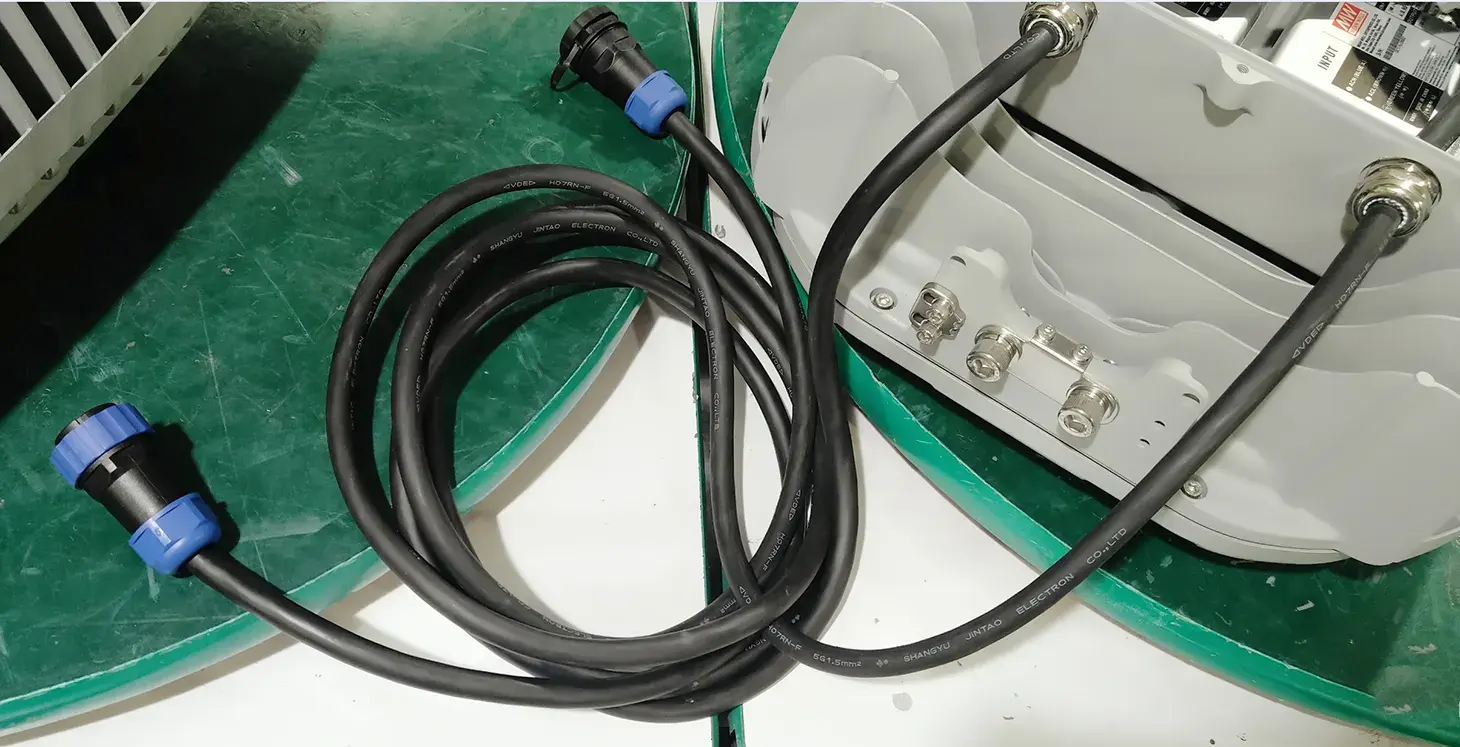
- Mean Well power supply integration provides industry-leading driver reliability with a power factor of≥0.98 and THD <10%, ensuring stable electrical performance that maintains illumination consistency and uniformity standards
These technological advantages combine to deliver the reliable, uniform illumination essential for professional sports venues while minimizing operational costs and maintenance requirements.
Customization Capabilities and Project Support
Understanding that every sports venue presents unique challenges, Razorlux offers comprehensive customization services that adapt our standard products to meet specific project requirements. Our engineering team collaborates closely with facility designers to optimize fixture specifications, mounting configurations, and optical characteristics for maximum uniformity achievement. Project support services include detailed photometric modeling, installation guidance, and commissioning assistance to ensure optimal uniformity results. Our global service network provides responsive technical support and warranty service, maintaining peak performance throughout the entire system lifecycle.
Conclusion
Modern Led Sports Lighting Fixtures has revolutionized uniformity achievement in athletic venues through sophisticated optical engineering, intelligent control systems, and robust construction designed for long-term reliability. The transition from traditional lighting systems to advanced LED solutions delivers measurable improvements in illumination consistency while reducing energy consumption and maintenance requirements. Professional sports venues worldwide continue to adopt LED technology to meet increasingly stringent uniformity standards demanded by competitive athletics and broadcast applications. Successful implementation requires careful consideration of sport-specific requirements, precise installation techniques, and comprehensive maintenance strategies to preserve optimal performance throughout extended operational lifespans.
FAQ
How do LED fixtures achieve better uniformity than traditional sports lighting?
LED sports lighting fixtures achieve superior uniformity through precision-engineered optical systems that control light distribution with mathematical accuracy. Advanced lens technologies and strategic LED placement eliminate the hotspots and shadows common in traditional metal halide systems. Multiple beam angle options enable customized light patterns that match specific field geometries while maintaining consistent illumination levels across entire playing surfaces.
What uniformity ratio should sports venues target for optimal performance?
Professional sports venues typically require uniformity ratios of 0.7 or higher, with broadcast facilities often demanding ratios exceeding 0.8. Tennis courts and other precision sports may require uniformity ratios approaching 0.9 due to visual tracking demands. The specific ratio depends on sport type, competition level, and broadcast requirements, with LED systems capable of achieving these demanding standards through advanced optical control.
Can LED sports lighting systems be customized for unique venue requirements?
Modern LED manufacturers offer extensive customization capabilities, including varied beam angles, color temperatures, and mounting configurations to match specific venue requirements. Custom optical designs can accommodate unusual field shapes or mounting constraints while maintaining optimal uniformity. Professional lighting designers utilize advanced modeling software to optimize fixture specifications and positioning for maximum uniformity achievement.
What maintenance is required to preserve lighting uniformity over time?
Preserving uniformity requires regular cleaning of optical components to prevent dust accumulation that can alter beam patterns. Quarterly cleaning schedules combined with annual electrical inspections maintain optimal performance while preventing gradual degradation. LED fixtures maintain consistent light output throughout their 50,000+ hour lifespan, eliminating the uniformity degradation common in traditional systems as individual lamps age at different rates.
Partner with Razorlux for Superior LED Sports Lighting Solutions
Razorlux delivers unmatched expertise in LED sports lighting fixtures designed specifically to enhance uniformity across diverse athletic venues. Our advanced RGL-120A series combines 130 lm/W efficiency with precision beam control, ensuring consistent illumination that meets professional sports standards. Contact our technical team at sam@razorlux.com to discuss your specific uniformity requirements and discover how our customizable solutions can optimize your facility's lighting performance. As a leading LED Sports Lighting Fixtures manufacturer, we provide comprehensive support from initial design consultation through installation and commissioning, backed by our 5-year warranty and global service network.
References
1. International Association of Lighting Designers. "Sports Lighting Standards and Best Practices for Athletic Facilities." Professional Lighting Design Manual, 2023.
2. Smith, J.R. and Thompson, K.L. "Uniformity Analysis in Modern LED Sports Lighting Systems." Journal of Illumination Engineering, Vol. 45, No. 3, 2022.
3. National Electrical Manufacturers Association. "LED Lighting Performance Guidelines for Sports and Recreation Facilities." NEMA Standards Publication, 2023.
4. Williams, D.C. "Energy Efficiency and Uniformity Optimization in Professional Sports Venue Lighting." Sports Facility Management Quarterly, Issue 2, 2022.
5. European Committee for Standardization. "Lighting Requirements for Sports Facilities: Uniformity and Performance Criteria." EN 12193:2023 Standard.
6. Anderson, M.P. and Lee, S.H. "Comparative Analysis of LED versus Traditional Lighting Technologies in Sports Applications." International Conference on Sports Engineering Proceedings, 2023.
 VIEW MOREcrane safety lights
 VIEW MOREConstruction Site Flood Lights
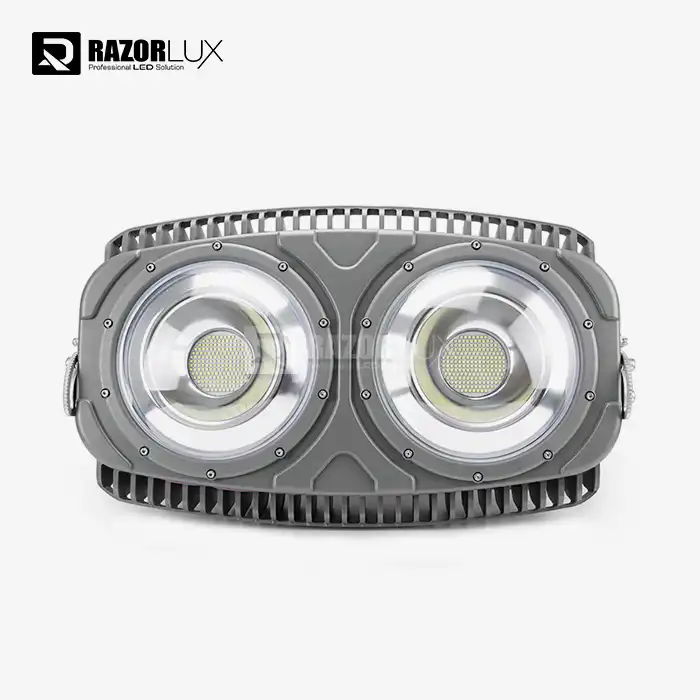 VIEW MORE120 Volt Led Outdoor Flood Lights
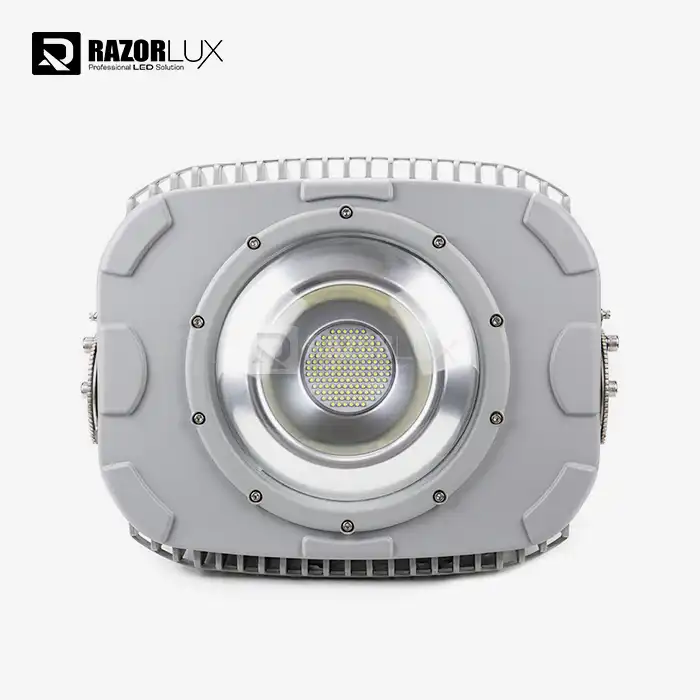 VIEW MOREWaterproof Led Floodlight
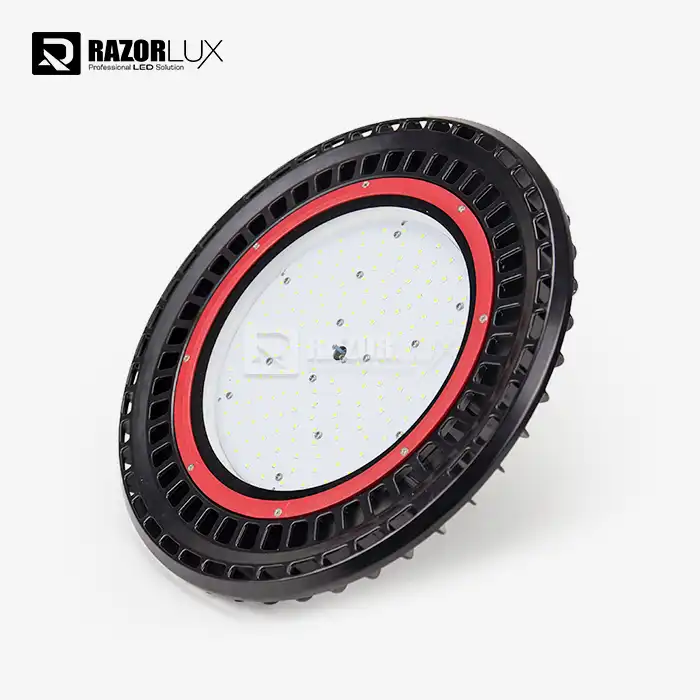 VIEW MORELed Ufo High Bay Light 150W
 VIEW MOREHigh Mast Sports Arena Lighting 130lm/W 600 Watt Outdoor Stadium Lighting
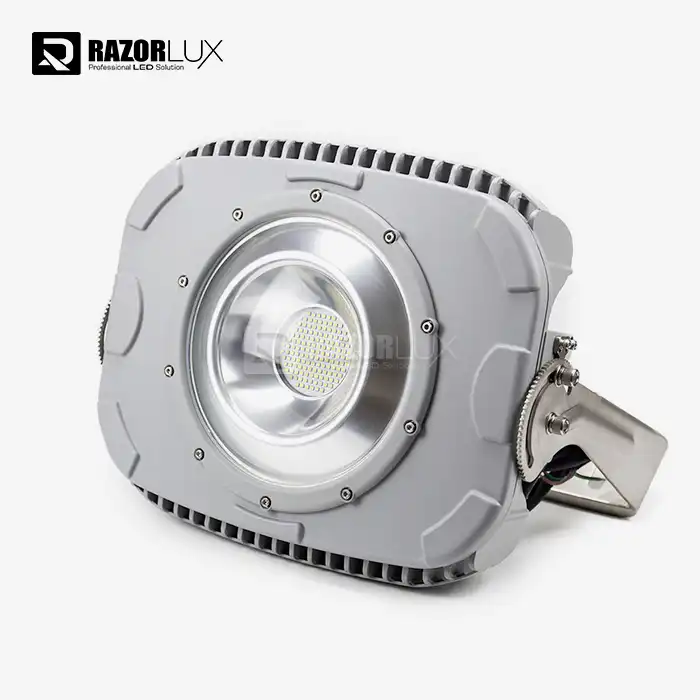 VIEW MOREMulti Colored Flood Lights Outdoor
 VIEW MOREOutdoor Landscape Flood Lights