

_1750326878398.png)

Industrial Led Flood Lights Outdoor: High Efficiency & Long Lifespan
Industrial Led Flood Lights Outdoor represent a revolutionary advancement in commercial lighting technology, delivering exceptional energy efficiency and remarkably extended operational lifespans. These robust lighting systems consume up to 80% less energy than traditional alternatives while providing superior illumination for demanding outdoor environments. Modern LED flood lights achieve efficiency ratings exceeding 130 lumens per watt, translating to significant cost savings and reduced environmental impact across industrial facilities worldwide.

Introduction
In contemporary commercial and industrial settings, outdoor industrial LED flood lights are essential resources. These lighting solutions, which emphasize long lifespan and high efficiency, lower operating costs and improve safety in a variety of institutions throughout the globe. For international B2B procurement specialists, this blog article offers a thorough overview that includes information on product varieties, technical details, advantages, and useful selection criteria.
By being aware of these important factors, decision-makers will be better able to select lighting solutions that satisfy their operational needs while maintaining sustainability and dependability. Over the past ten years, there has been a significant shift in the evolution of outdoor industrial lighting, with LED technology being the most popular option for difficult conditions. Procurement managers at heavy industry facilities, offshore platforms, and shipyards are becoming more aware of the value that these cutting-edge lighting solutions offer. Beyond basic lighting, today's LED flood lights contain advanced features such as smart sensors, waterproof construction, and variable beam angles that answer particular operating requirements.
Understanding Industrial LED Flood Lights Outdoor
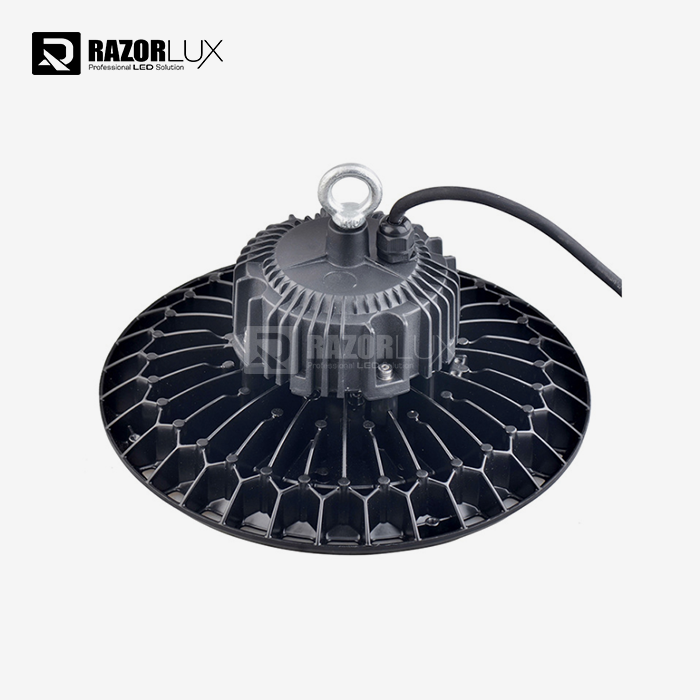
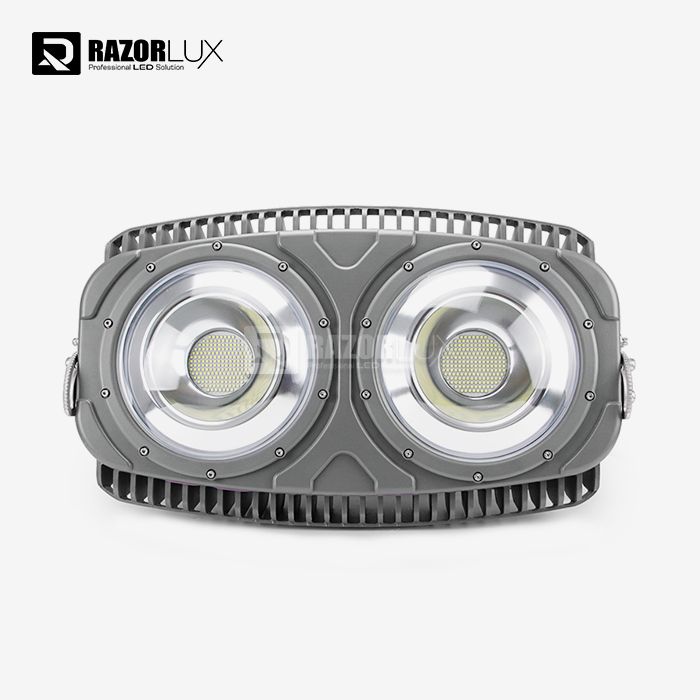
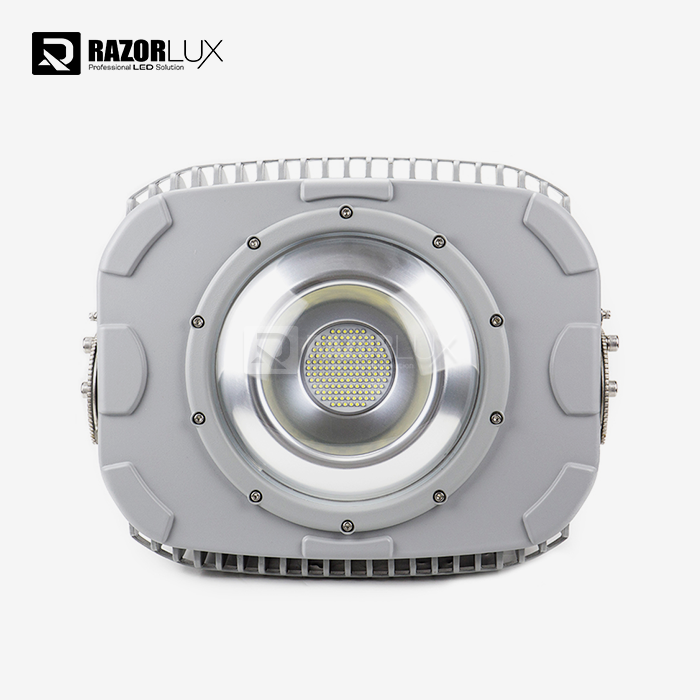
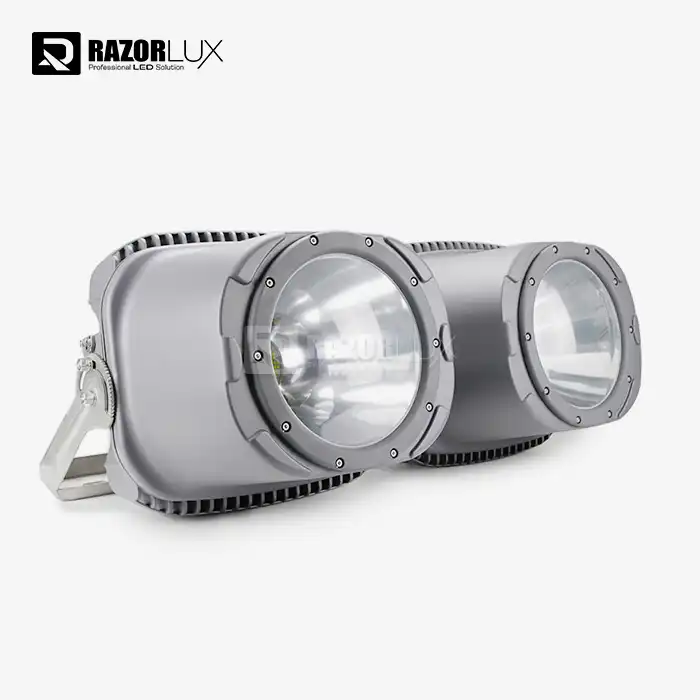
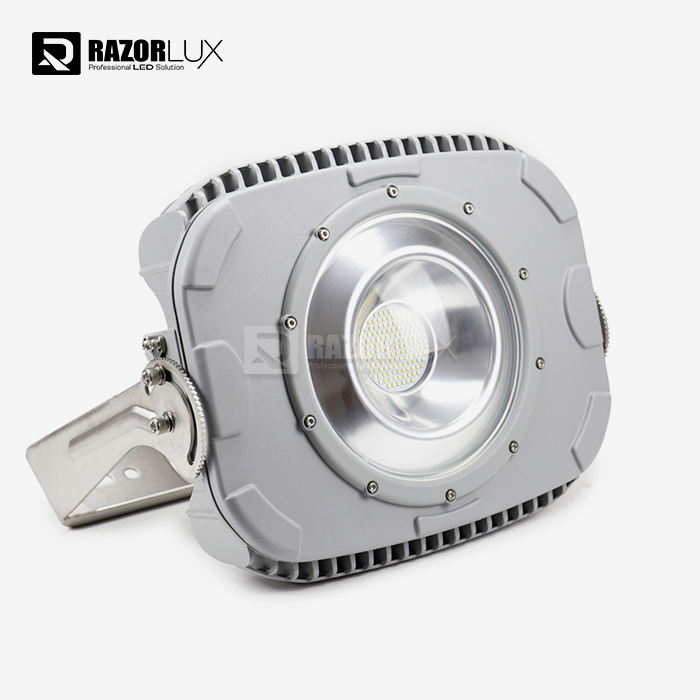
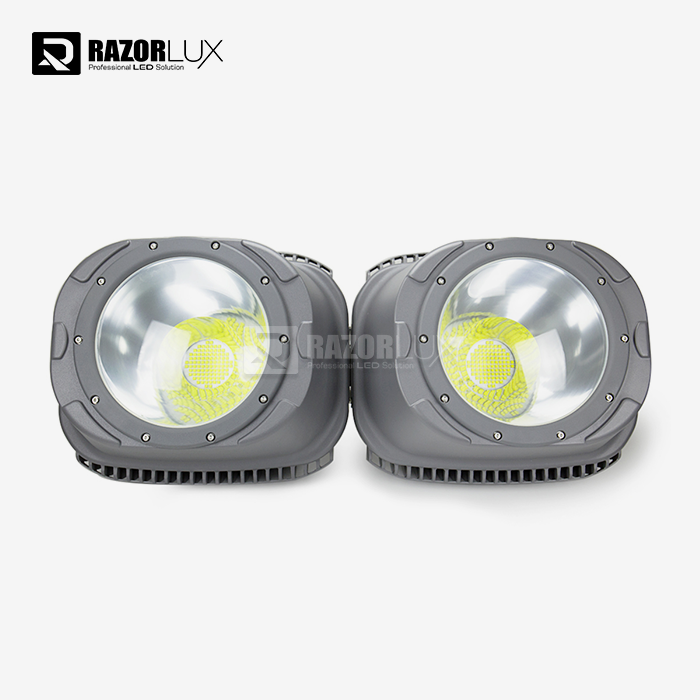
Industrial Led Flood Lights Outdoor are robust lighting systems engineered for wide-area illumination in outdoor industrial settings. They operate by utilizing semiconductor light-emitting diodes to produce bright, energy-efficient, and durable illumination. Key features include superior energy efficiency, high waterproof ratings such as IP65 to IP67, and an extended lifespan that significantly outperforms conventional lighting.
Core Technology and Components
High-performance LED flood lights are based on semiconductor technology, which immediately transforms electrical energy into light with less heat production. Unlike classic metal halide or high-pressure sodium lights that lose considerable energy as heat, LED systems route virtually all consumed electricity toward lighting. Facilities can achieve significant power consumption savings while preserving or enhancing lighting quality thanks to this fundamental efficiency benefit. Premium LED flood lights include innovative thermal management technologies that enable constant operation over severe temperature ranges. Other lighting methods frequently experience performance loss, however this is avoided via heat dissipation using aluminum housings and specific fins. Stable power delivery is provided by the incorporation of top-notch drivers from producers like Mean Well, shielding LED arrays from voltage swings that would jeopardize their dependability or longevity.
Specialized Environmental Features
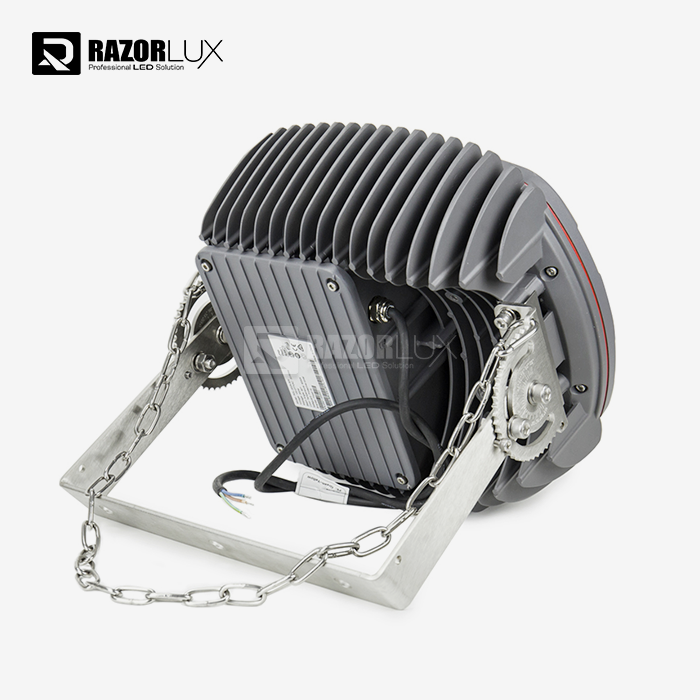
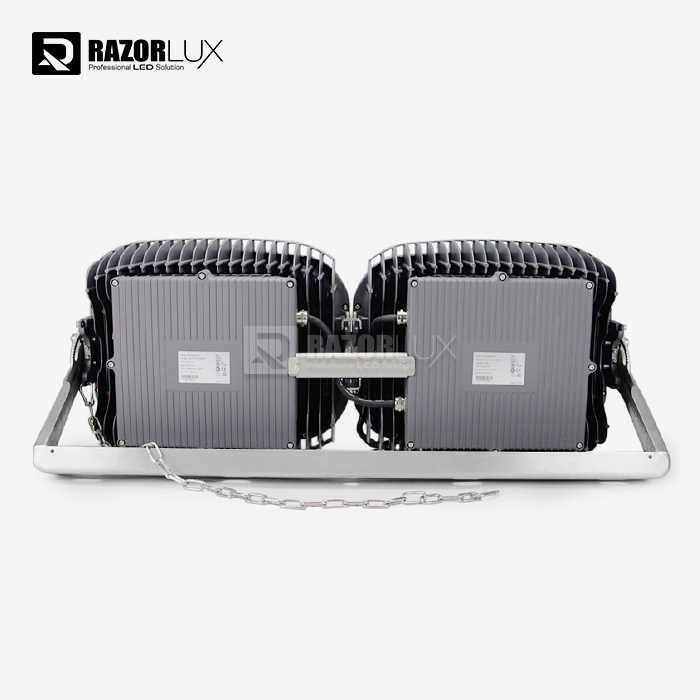
Various models cater to specialized environments, integrating functionalities like motion sensors, adjustable brackets, explosion-proof designs, and dimmability. Marine and offshore applications demand particular attention to corrosion resistance, with stainless steel mounting brackets and specialized coatings protecting against salt spray and harsh weather conditions. The patented multi-function design approach allows single fixture types to adapt across diverse working environments, reducing procurement complexity for facilities managing multiple installation sites.
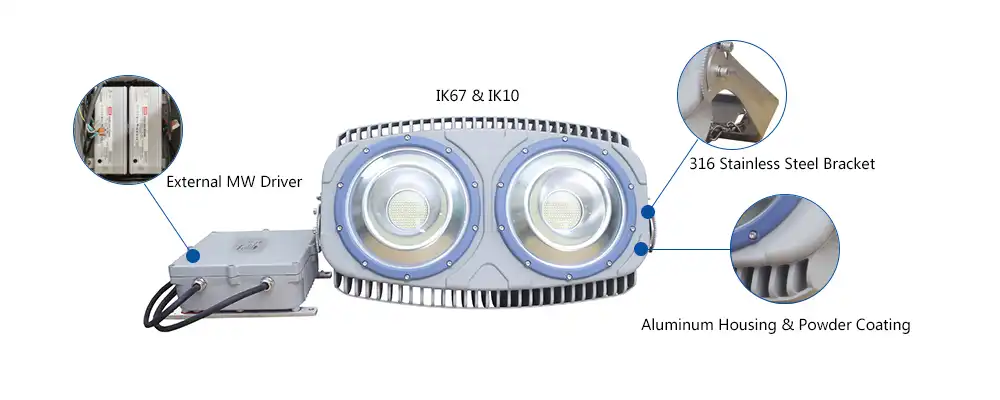
| Feature | Standard Rating | Industrial Advantage |
|---|---|---|
| IP Protection Grade | IP65/IP67 | Complete dust protection and water resistance |
| Impact Resistance | IK10 | Withstands 20 joules of impact energy |
| Operating Temperature | -40°C to 60°C | Functions in extreme weather conditions |
| Humidity Tolerance | 10% to 95% | Reliable operation in maritime environments |
Benefits and Performance of Industrial LED Flood Lights Outdoor
Industrial Led Flood Lights Outdoor offer substantial savings on energy consumption compared to traditional halogen or metal halide alternatives, with efficiencies reaching up to 80% less power usage. Their extended operational lifespan reduces maintenance frequency, lowering total cost of ownership significantly across large-scale installations.
Energy Efficiency and Cost Reduction
With luminous effectiveness ratings of at least 130 lumens per watt, LED flood lighting systems' remarkable energy economy is its most alluring feature. This performance parameter offers a quantum jump over current lighting solutions that normally provide about 20-30 lumens per watt. The monthly power costs for industrial operations that run hundreds of flood lights constantly can be drastically reduced because to this efficiency difference. Real-world installations exhibit energy cost reductions ranging from 60% to 80% when institutions migrate from traditional lighting to LED alternatives. A typical 1000-watt LED flood light may efficiently replace 2200-2500 watt HID bulbs while giving greater lighting quality. The total energy savings over a five-year operating term frequently outweigh the initial equipment cost, giving procurement decision-makers attractive possibilities for return on investment.
Durability and Maintenance Advantages
While robust construction guarantees performance in inclement weather and industrial conditions, high color rendering index (CRI) options improve safety and visual clarity in work environments. The sturdy aluminum housing, which has been powder-coated, offers remarkable resistance to the frequent problems of corrosion, vibration, and heat cycling that arise in outdoor lighting systems. These structural advantages immediately translate to decreased maintenance needs and extended replacement intervals.
The prolonged operational lifespan of LED systems, generally surpassing 50,000 hours, considerably decreases maintenance load compared to older options requiring replacement every 8,000 to 15,000 hours. In difficult installation settings like offshore platforms or high-bay industrial buildings, where bulb replacement entails substantial labor expenses and operational disturbance, this lifespan advantage is very helpful. Large-scale industrial clients find LED flood lights to be a wise investment due to their favorable return on investment (ROI) measures and environmental benefits, such as lower carbon emissions. The absence of mercury and other hazardous chemicals from LED construction also simplifies disposal regulations and aids corporate sustainability objectives.
How to Choose the Best Industrial LED Flood Lights for Outdoor Use?
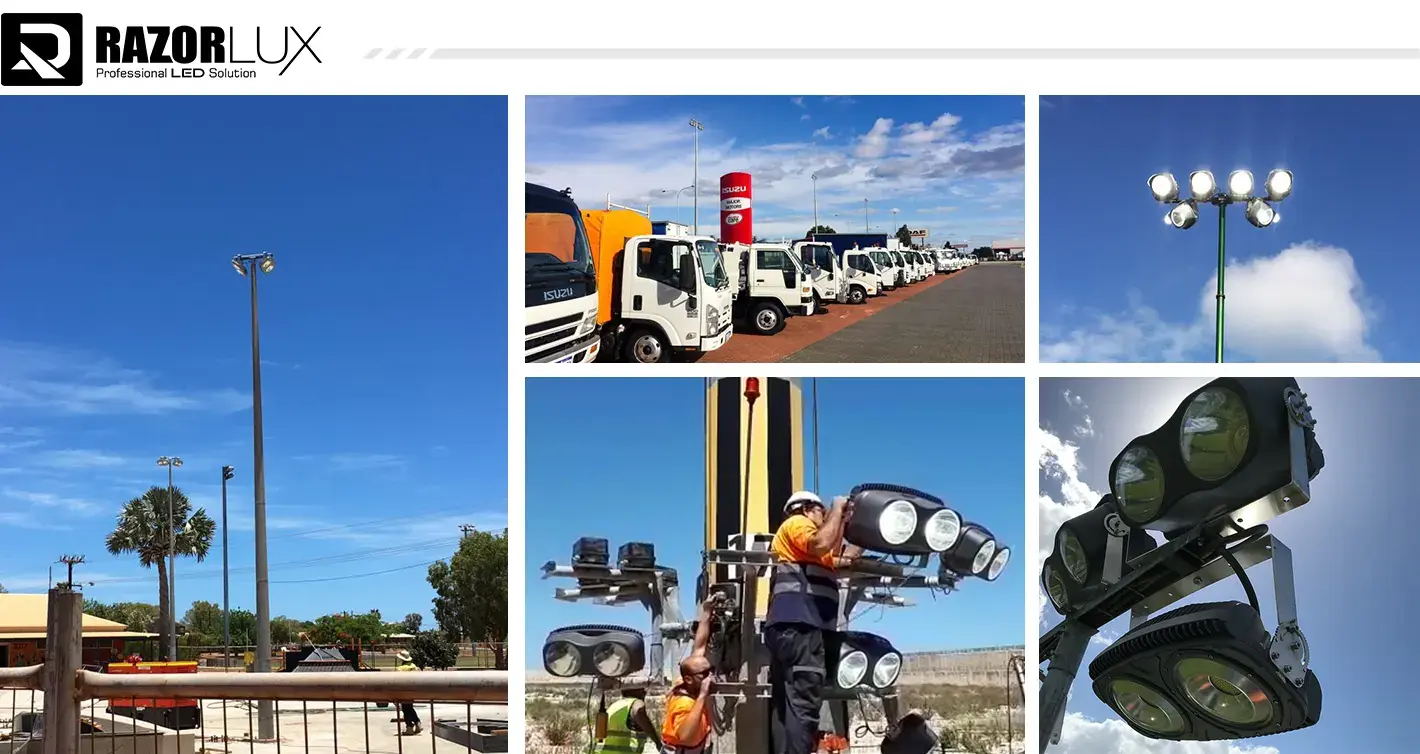
Selecting the appropriate Industrial Led Flood Lights Outdoor requires careful evaluation of site-specific needs, including application type, ambient conditions, and energy policies. Core selection criteria include lumen output aligned to task lighting requirements, waterproof ratings, sensor integration for automation, and product warranty provisions.
Application-Specific Requirements
Different situations, such lighting in a manufacturing yard vs a warehouse, require specialized solutions that deal with certain operating issues. In order to provide reliable lighting for cargo handling activities, port and dock facilities need lights that can survive corrosion from salt spray. Fixtures that provide steady light output in the face of dust, vibration from heavy machinery, and industrial chemicals are given priority in manufacturing facilities. Optimizing light dispersion over target areas depends on the choice of beam angle. For broad area lighting applications, wide beam angles of 120–140 degrees are ideal, while low beam angles of 40–60 degrees offer targeted illumination for certain work areas or security perimeters. Understanding these application details helps procurement teams to select optimal fixture layouts that improve lighting efficacy while lowering total system costs.
Technical Specifications and Integration
Smart sensor updates and customizable mounting choices give improved flexibility for developing operating requirements. Motion detection features save energy usage during times of low activity while enabling automated lighting activation in security-sensitive locations. Daylight sensors further optimize energy use without sacrificing productivity or safety by automatically modifying output levels based on ambient circumstances. Compatibility with power supplies is another important selection factor, especially for establishments with limited electrical infrastructure. Modern LED flood lights allow large input voltage ranges from AC80-305V or DC100-800V, enabling integration with varied power systems including renewable energy installations and backup generator arrangements.
| Application Type | Recommended Lumen Output | Optimal Beam Angle | Key Considerations |
|---|---|---|---|
| Ship Deck Lighting | 100,000-130,000 lm | 120° | Corrosion resistance, vibration tolerance |
| Port Terminal | 80,000-120,000 lm | 140° x 60° | Wide area coverage, salt spray protection |
| Industrial Yard | 60,000-100,000 lm | 60° | Focused illumination, dust resistance |
| Warehouse Perimeter | 40,000-80,000 lm | 40° | Security enhancement, motion sensing |
This section advises procurement professionals on matching product features to operational needs and negotiating custom or bulk orders efficiently. Establishing clear specifications early in the procurement process enables suppliers to provide accurate pricing and delivery timelines while ensuring technical compatibility with existing infrastructure.
Installation Guide and Maintenance Tips for Industrial LED Flood Lights Outdoor
For industrial lighting applications to maximize performance and guarantee safety compliance, proper installation is essential. In order to maintain optimal performance throughout the fixture lifespan, this section outlines a methodical strategy that includes site evaluation, safe mounting techniques, and continuous maintenance methods.
Site Assessment and Mounting Considerations
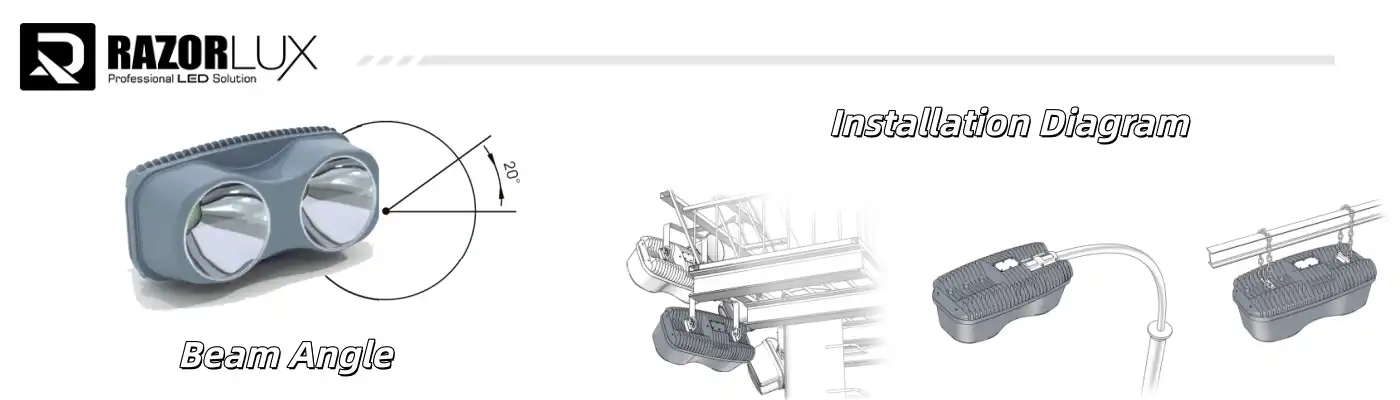
The installation procedure begins with detailed site investigation to establish best fixture placement, electrical requirements, and mounting infrastructure needs. Mounting points' ability to sustain fixture weight and wind loading is guaranteed by structural analysis, which is especially important for elevated installations in offshore or coastal situations. A thorough evaluation finds possible interference from operating operations, environmental risks, or current equipment that could compromise installation safety or lighting efficacy. Mounting bracket selection and installation require careful attention to material compatibility and corrosion resistance. Galvanized steel brackets are appropriate for inland industrial applications, whereas stainless steel brackets offer higher durability in maritime settings. Anti-seize chemicals and appropriate torque standards stop mounting hardware deterioration, which over time might jeopardize fixture security.
Electrical Connections and Safety Compliance
Local electrical rules as well as international safety standards like IEC and NEMA requirements must be followed while executing secure electrical connections. Moisture intrusion that might result in electrical malfunctions or safety risks is prevented by weatherproof junction boxes and suitable cable glands. Proper grounding procedures safeguard persons and equipment while assuring dependable operation during electrical storms or power system interruptions. Respecting national and international safety standards guarantees regulatory compliance in a variety of geographic marketplaces while safeguarding workers and equipment. Region-specific certification standards differ, with UL listing being crucial for North American projects and CE marking being required for installations in Europe. Early procurement process comprehension of these standards avoids expensive delays or installation-related compliance problems.
Maintenance Protocols and Troubleshooting
Frequent maintenance prolongs the life of the product and maintains ideal brightness throughout its operating history. This includes cleaning and diagnosing frequent issues. Scheduled cleaning eliminates accumulated dirt, salt deposits, or industrial residue that can diminish light output by 20-30% over time. Complete lighting capacity may be restored using straightforward cleaning procedures that use the right chemicals and techniques without causing damage to fixture components. Leveraging warranty provisions and supplier assistance also plays a role in limiting downtime and servicing costs when difficulties emerge. In order to maximize operational continuity and guarantee that lighting systems receive the appropriate care, proactive maintenance scheduling should be coordinated with facility closure times. Maintenance activity documentation helps detect any problems before they interfere with operations and supports warranty claims.
Leading Brands and Sourcing Strategies for Industrial LED Flood Lights
Global B2B buyers benefit from partnering with accredited manufacturers known for innovation and product reliability. Certified suppliers ensure compliance with quality standards and safety regulations while providing comprehensive technical support throughout the product lifecycle.
Established Market Leaders and Emerging Manufacturers
With decades of lighting innovation and vast worldwide distribution networks, major multinational companies like Philips, Cree, and Osram have built solid reputations. These manufacturers often provide broad product lines, substantial certification portfolios, and powerful warranty programs that appeal to large-scale procurement companies. Their premium posture, however, often represents greater price, which could not be in line with projects with tight budgets or the demands of developing markets.
Competitive solutions that combine cutting-edge technology with more affordable price structures are provided by up-and-coming manufacturers like Razorlux. Since its founding in 1998, Razorlux has created more than 200 patents pertaining to structural design, power regulation, and LED Packaging. It also maintains extensive certification coverage, including UL, CE, SAA, and certifications specialized to the maritime industry. Procurement professionals looking for the best value without sacrificing quality or dependability will find this innovative and economical combination appealing.
Sourcing Strategy Optimization
Choosing between local and overseas sourcing entails balancing lead times, cost, and logistical issues that vary dramatically across various geographic markets. Local suppliers typically provide quicker delivery and easier warranty servicing but may provide restricted product variety or higher cost owing to lesser manufacturing numbers. International sourcing often gives lower price and larger product selections but needs careful attention to shipping logistics, customs processes, and after-sales support skills. This section analyzes procurement techniques that improve cost-effectiveness without sacrificing supply chain security or product quality.
Procurement teams may take advantage of cheap prices from a variety of sources thanks to diversified supplier connections, which also lower dependence risks. In times of strong demand or supply chain disruption, long-term partnership arrangements with qualified suppliers provide price stability and priority allocation. This viewpoint is enhanced by presenting our business as a reliable provider, emphasizing our dedication to providing long-lasting, energy-efficient, and adaptable Industrial Led Flood Lights Outdoor solutions supported by extensive after-sales support and international shipping capabilities. Razorlux blends manufacturing quality with responsive customer service, delivering technical assistance, tailored solutions, and dependable delivery to satisfy different project needs throughout worldwide markets.
Conclusion
Industrial Led Flood Lights Outdoor continue to revolutionize commercial and industrial lighting through exceptional energy efficiency and extended operational lifespans that deliver compelling return on investment. These advanced lighting systems achieve remarkable performance metrics, including 130+ lumens per watt efficiency, 50,000+ hour lifespans, and robust environmental protection ratings that ensure reliable operation across demanding applications. The combination of reduced energy consumption, minimal maintenance requirements, and superior illumination quality makes LED flood lights the optimal choice for forward-thinking facilities prioritizing operational efficiency and sustainability. As technology continues advancing, emerging features such as smart sensors and IoT connectivity will further enhance the value proposition of LED lighting investments.
FAQ
This FAQ section tackles typical issues surrounding outdoor industrial LED flood lights, giving practical assistance for procurement professionals and site managers. These explanations help B2B customers overcome technological ambiguities and make wise purchase choices.
What is the typical operational lifespan of outdoor industrial LED flood lights?
Quality LED flood lights typically deliver 50,000 to 100,000 hours of reliable operation, significantly exceeding traditional alternatives. This extended lifespan translates to 15-20 years of service life under normal operating conditions, dramatically reducing replacement frequency and maintenance costs. Premium fixtures from established manufacturers often include multi-tier warranty coverage with 5-year LED module warranties and extended housing protection.
How do I select appropriate lumen output and color temperature for my facility?
Lumen requirements depend on application type, mounting height, and area coverage needs. General outdoor industrial areas require 20,000-40,000 lumens per fixture, while high-activity zones such as loading docks may need 80,000-130,000 lumens. Color temperature selection ranges from warm 2700K for security applications to bright 5700K for detailed work areas. Facilities should consider local lighting standards and worker safety requirements when establishing specifications.
Can LED flood lights integrate with smart sensors or dimming systems?
Motion sensors, daylight detection systems, and sophisticated dimming controls are easily integrated with contemporary LED flood lights. Beyond the basic LED efficiency, these features allow automated activation depending on occupancy or ambient light levels, resulting in extra energy savings. DALI protocols, 0–10V dimming, and wireless control systems that provide centralized facility management platforms are examples of integration capabilities.
Choose Razorlux: Your Trusted Industrial LED Flood Lights Outdoor Manufacturer
Managers of procurement looking for dependable industrial-led flood lights Razorlux and Outdoor Solutions may collaborate to provide outstanding quality and all-encompassing support. With over 200 patents and several certifications, including UL, CE, and maritime approvals, our innovative multi-function design offers 130LM/W efficiency, IP67 protection, and a 5-year guarantee. Razorlux combines strong R&D skills with cost-effective production, delivering bespoke lighting solutions for shipyards, offshore platforms, and heavy industrial applications globally. Contact our technical team at sam@razorlux.com to discuss your specific requirements and explore how our Industrial Led Flood Lights Outdoor can optimize your facility operations while reducing energy costs and maintenance burdens.
References
1. International Energy Agency. "Energy Efficiency in Commercial and Industrial Lighting Systems: Global Market Analysis and Technology Trends." IEA Publications, 2023.
2. Marine Equipment Trade Association. "LED Lighting Standards for Maritime Applications: Safety Requirements and Performance Specifications." META Technical Guidelines, 2023.
3. Industrial Lighting Research Council. "Cost-Benefit Analysis of LED vs Traditional Lighting in Heavy Industry Environments." ILRC Annual Report, 2022.
4. American Society of Testing and Materials. "Standard Specification for Industrial LED Flood Light Performance and Environmental Testing." ASTM International Standards, 2023.
5. European Committee for Standardization. "Energy Efficiency Requirements for Outdoor Industrial Lighting Systems." CEN Technical Standards Document, 2023.
6. Society of Naval Architects and Marine Engineers. "Lighting Design Guidelines for Offshore Platforms and Marine Vessels." SNAME Technical Publication, 2022.