


_1750326878398.png)

High-Efficiency Led Indoor Arena Lights for Modern Facilities
Picture this scenario: your facility manager just informed you that energy costs have skyrocketed by 40% this quarter, while athletes and coaches continue complaining about poor visibility during evening training sessions. The aging metal halide fixtures are failing one by one, creating dangerous dark spots across your arena floor, and maintenance crews are working overtime to replace burnt-out bulbs every few weeks. These challenges are costing your facility thousands of dollars monthly while compromising safety and performance standards. High-efficiency Led Indoor Arena Lights for modern facilities offer a transformative solution that addresses every one of these critical pain points. This comprehensive guide reveals how cutting-edge LED technology delivers superior illumination, dramatic energy savings, and maintenance-free operation for today's demanding indoor sports venues.

Understanding Led Indoor Arena Lights Technology and Performance Standards
Modern Led Indoor Arena Lights represent a revolutionary advancement in sports facility illumination, combining sophisticated optical engineering with energy-efficient semiconductor technology. These specialized lighting systems are meticulously designed to meet the demanding requirements of professional sports venues, entertainment arenas, and multi-purpose indoor facilities. Understanding the technical foundations and performance benchmarks of Led Indoor Arena Lights enables facility managers to make informed decisions that optimize both operational efficiency and athletic performance.
Advanced LED Technology Architecture for Arena Applications
Contemporary Led Indoor Arena Lights utilize high-power LED chip arrays paired with precision-engineered optical systems to deliver exceptional luminous output while maintaining superior color consistency and uniformity. The core technology incorporates multiple LED modules operating at 130 lumens per watt efficiency, significantly outperforming traditional metal halide systems that typically achieve only 80-90 lumens per watt. Each Led Indoor Arena Lights fixture integrates advanced thermal management systems featuring aluminum heat sinks and powder-coated housings that dissipate heat effectively, ensuring stable performance even during extended operation periods. The patented multi-function design allows these systems to adapt seamlessly to various mounting configurations and ceiling heights ranging from 20 to 45 feet, making them versatile solutions for basketball courts, hockey rinks, indoor soccer facilities, and multi-purpose arenas. Professional-grade Led Indoor Arena Lights from manufacturers like Xi'an Razorlux Optoelectronic Technology incorporate Meanwell power supplies with power factor ratings exceeding 0.98, ensuring minimal electrical waste and compliance with stringent energy efficiency standards across international markets.
Critical Performance Metrics and Illumination Standards
The effectiveness of Led Indoor Arena Lights is measured through multiple quantitative parameters that directly impact athletic performance and spectator experience. Horizontal illuminance values for professional Class I facilities typically require 1250-1500 lux minimum, while uniformity ratios must not exceed 1.7:1 to prevent dangerous shadows that could compromise player safety or interfere with high-speed camera systems. Vertical illuminance becomes equally critical for televised events, where broadcast-quality imaging demands consistent lighting across all viewing angles. Led Indoor Arena Lights with adjustable wattage capabilities between 100-200 watts provide facility managers with unprecedented flexibility to customize light levels based on specific event requirements, from recreational activities requiring 500 lux to championship competitions demanding 1200+ lux. Color rendering index (CRI) ratings of Ra75 or higher ensure accurate color perception for athletes, officials, and spectators, while color temperatures ranging from 2700K to 6500K allow venues to create appropriate atmospheres for different event types. The flicker-free operation of premium Led Indoor Arena Lights proves essential for slow-motion replay systems operating at 5000 Hz, eliminating the strobing effects that plague traditional discharge lamps and compromise broadcast quality. Xi'an Razorlux Optoelectronic Technology's RGL-120P model exemplifies these performance standards, delivering 13,200 lumens of stable flux with minimal degradation over its rated 50,000-hour operational lifespan.
Comparative Analysis: LED vs. Traditional Lighting Technologies
| Performance Factor | Led Indoor Arena Lights | Metal Halide Systems | Performance Advantage |
|---|---|---|---|
| Luminous Efficiency | 130 lumens/watt | 80-90 lumens/watt | 45-60% more efficient |
| Operational Lifespan | 50,000+ hours | 10,000-15,000 hours | 3-5× longer service life |
| Warm-up Time | Instant on/off | 5-15 minutes | Immediate full brightness |
| Energy Consumption | 120W (replacing 250-300W HID) | 250-400W typical | 60-70% energy reduction |
| Maintenance Frequency | Minimal (5-year intervals) | Frequent (annual replacements) | 80% reduction in service calls |
| Color Stability | Consistent throughout life | Degrades 30% over time | Superior long-term performance |
This comprehensive comparison demonstrates why Led Indoor Arena Lights have become the preferred choice for facility modernization projects worldwide. The superior efficiency and longevity of LED technology translate directly into substantial operational cost reductions while simultaneously improving lighting quality and reliability.

Selecting Optimal Led Indoor Arena Lights for Your Facility Requirements
Choosing the right Led Indoor Arena Lights configuration requires careful analysis of multiple facility-specific parameters including ceiling height, floor dimensions, sport types, and intended use cases. Professional sports facilities hosting NCAA Division I competitions face dramatically different lighting requirements compared to community recreational centers or training facilities. Understanding these nuanced distinctions ensures that Led Indoor Arena Lights installations deliver optimal performance while maximizing return on investment through appropriate specification and intelligent system design.
Comprehensive Facility Assessment and Lighting Design Methodology
The foundation of successful Led Indoor Arena Lights implementation begins with thorough facility evaluation encompassing architectural features, electrical infrastructure capacity, and operational requirements. Ceiling heights directly influence fixture selection, with facilities featuring 20-30 foot clearances typically requiring 100-150 watt Led Indoor Arena Lights, while larger venues with 35-45 foot ceilings demand 200-300 watt systems to achieve adequate illuminance levels. Floor dimensions and playing surface configurations determine the quantity and placement pattern of fixtures needed to maintain uniformity ratios within acceptable parameters. Multi-purpose arenas hosting basketball, volleyball, and indoor soccer require flexible Led Indoor Arena Lights systems with adjustable beam angles ranging from 20° spot configurations for targeted illumination to 60° flood patterns for broader coverage. Xi'an Razorlux Optoelectronic Technology's engineering team conducts photometric analysis using advanced lighting simulation software to model illuminance distribution across playing surfaces, identifying optimal mounting positions that eliminate shadows while minimizing glare for athletes and spectators. The assessment process considers existing electrical capacity, evaluating whether current infrastructure can accommodate upgraded Led Indoor Arena Lights systems or whether electrical service upgrades are necessary to support improved lighting loads and smart control integration.
Customization Options and Smart Control Integration
Modern Led Indoor Arena Lights offer extensive customization capabilities that allow facilities to tailor lighting systems precisely to their operational needs and budget constraints. Wattage adjustability enables field technicians to fine-tune output levels after installation, accommodating changing requirements without replacing entire fixtures. Color temperature selection between 2000K warm white and 6000K cool white allows venues to create appropriate visual environments for different event types, with sports competitions typically preferring 5000-5700K daylight temperatures that enhance visibility and reduce eye strain. Led Indoor Arena Lights equipped with 0-10V dimming or DALI (Digital Addressable Lighting Interface) controls integrate seamlessly with building management systems, enabling automated scheduling, occupancy-based operation, and scene programming for diverse activities. The emergency power functionality developed by Xi'an Razorlux Optoelectronic Technology provides critical backup illumination for two hours during power outages, ensuring safe egress and maintaining minimum lighting levels as required by building codes. IP67 protection ratings guarantee that Led Indoor Arena Lights withstand the challenging environments common in athletic facilities, including high humidity from indoor pools, dust from floor maintenance operations, and occasional impact from balls or equipment. Facilities can specify mounting hardware options including adjustable brackets, chain suspension systems, or direct ceiling attachment, ensuring secure installation regardless of structural configuration.
Cost-Benefit Analysis and Return on Investment Calculations
| Financial Metric | Traditional Metal Halide | Led Indoor Arena Lights | Cumulative Savings (5 Years) |
|---|---|---|---|
| Initial Investment (per fixture) | $250-400 | $450-650 | -$200 to -$250 upfront |
| Annual Energy Cost (20 fixtures @ $0.12/kWh, 4000 hrs/yr) | $28,800 | $11,520 | $86,400 |
| Maintenance & Replacement Labor | $8,000 | $800 | $36,000 |
| Lamp Replacement Materials | $6,000 | $0 | $30,000 |
| Total 5-Year Operational Cost | $182,800 | $58,320 | $124,480 savings |
This detailed financial analysis demonstrates that despite higher initial acquisition costs, Led Indoor Arena Lights deliver extraordinary return on investment through dramatically reduced energy consumption and virtually eliminated maintenance expenses. Most facilities achieve complete payback within 18-24 months, after which all operational savings flow directly to the bottom line. Beyond quantifiable financial benefits, Led Indoor Arena Lights provide intangible value through improved safety, enhanced athletic performance, superior broadcast quality, and increased facility booking rates from organizations seeking modern, professionally-lit venues.

Installation Best Practices and Maintenance Strategies for Led Indoor Arena Lights
Proper installation and ongoing maintenance of Led Indoor Arena Lights systems prove critical to achieving optimal performance, maximizing operational lifespan, and ensuring long-term reliability. While LED technology offers inherently superior durability compared to traditional lighting systems, following manufacturer guidelines and industry best practices protects your investment while maintaining peak illumination quality throughout the fixture's extended service life. Understanding the technical requirements for professional-grade Led Indoor Arena Lights installation enables facility managers to work effectively with electrical contractors and lighting specialists.
Professional Installation Requirements and Safety Protocols
Installing Led Indoor Arena Lights in large-scale athletic facilities demands specialized expertise, appropriate equipment, and strict adherence to electrical codes and safety regulations. Licensed electrical contractors must evaluate existing electrical infrastructure to ensure adequate circuit capacity, proper grounding systems, and compliance with National Electrical Code (NEC) requirements for commercial sports lighting applications. The high mounting positions typical in arena environments require professional rigging equipment including telescoping aerial lifts, scissor lifts, or suspended scaffolding systems operated by certified personnel familiar with fall protection protocols. Each Led Indoor Arena Lights fixture from Xi'an Razorlux Optoelectronic Technology includes detailed technical drawings and installation guides specifying torque requirements for mounting hardware, proper wire termination procedures, and recommended installation sequences. Fixtures operating on 277-480V high-voltage systems demand particular attention to insulation integrity and circuit isolation during installation to prevent electrical hazards. The wide input voltage range of 80-315VAC allows Led Indoor Arena Lights to function reliably despite voltage fluctuations common in large facilities, eliminating the need for external voltage regulators or additional power conditioning equipment. Professional installers test each circuit after Led Indoor Arena Lights installation to verify proper operation, confirm dimming functionality where applicable, and ensure all fixtures achieve specified illuminance levels and uniformity ratios across playing surfaces.
Preventive Maintenance Protocols and Performance Monitoring
Although Led Indoor Arena Lights require minimal maintenance compared to traditional lighting technologies, implementing systematic inspection and cleaning protocols maximizes performance and extends operational lifespan beyond the already impressive 50,000-hour rating. Quarterly visual inspections should examine fixture housing integrity, mounting hardware security, and lens cleanliness, as accumulated dust and debris can reduce light output by 10-15% over time. The IP67 protection rating of professional Led Indoor Arena Lights prevents moisture and particulate intrusion into critical electrical components, but external surfaces benefit from periodic cleaning using non-abrasive cleaners and soft cloths to maintain optimal light transmission. Facility managers should maintain detailed maintenance logs documenting inspection dates, cleaning activities, and any performance anomalies observed, enabling early identification of potential issues before they impact operations. The 5-year warranty coverage provided by Xi'an Razorlux Optoelectronic Technology on both LED modules and drivers provides comprehensive protection against manufacturing defects and premature failures, ensuring long-term reliability and minimizing total cost of ownership. Advanced Led Indoor Arena Lights systems equipped with wireless connectivity and IoT integration enable remote monitoring of individual fixture performance, automated failure notifications, and predictive maintenance scheduling based on actual operating hours and environmental conditions.
Troubleshooting Common Issues and Technical Support Resources
Even with high-quality Led Indoor Arena Lights systems, occasional technical issues may arise requiring systematic diagnosis and appropriate corrective action. Flickering or inconsistent light output often indicates loose electrical connections, incompatible dimming controls, or voltage fluctuations that can be resolved through connection inspection and power quality assessment. Gradual reduction in light output over extended periods may result from LED lumen depreciation, thermal management issues, or accumulated lens contamination requiring cleaning or professional evaluation. Complete fixture failure typically stems from driver component malfunction rather than LED failure, and the modular design of premium Led Indoor Arena Lights allows replacement of faulty drivers without replacing entire fixtures, significantly reducing repair costs and minimizing downtime. Xi'an Razorlux Optoelectronic Technology provides comprehensive after-sales support including 24/7 technical assistance, detailed troubleshooting guides, and on-site service for complex installations requiring specialized expertise. The company's global presence with subsidiaries in the USA, Hong Kong, and China ensures rapid response times and efficient parts availability regardless of facility location. Facilities experiencing performance issues can contact technical support at sam@razorlux.com to receive expert guidance from lighting engineers familiar with the specific characteristics and optimal operating parameters of professional Led Indoor Arena Lights systems.
Conclusion
High-efficiency Led Indoor Arena Lights transform modern sports facilities through superior illumination quality, dramatic energy savings, and virtually maintenance-free operation. Upgrading to professional LED systems delivers measurable improvements in athletic performance, spectator experience, broadcast quality, and operational cost efficiency. The comprehensive benefits of Led Indoor Arena Lights make them the definitive choice for forward-thinking facility managers.
Ready to revolutionize your arena lighting? Xi'an Razorlux Optoelectronic Technology stands as your trusted China Led Indoor Arena Lights manufacturer, China Led Indoor Arena Lights supplier, and China Led Indoor Arena Lights factory partner. Our China Led Indoor Arena Lights wholesale programs offer competitive Led Indoor Arena Lights price points with exceptional Led Indoor Arena Lights for sale quality. With over 200 patents, comprehensive certifications, and global shipping capabilities, we deliver complete lighting solutions backed by 5-year warranties and expert technical support. Contact our team today at sam@razorlux.com to receive custom lighting designs, technical specifications, and pricing for your facility modernization project. Transform your arena with professional-grade illumination that athletes, spectators, and broadcast partners will notice immediately.
References
1. Illuminating Engineering Society (IES). "Recommended Practice for Sports and Recreational Area Lighting." IES RP-6-15. New York: Illuminating Engineering Society, 2015.
2. International Commission on Illumination (CIE). "Guide on the Limitation of the Effects of Obtrusive Light from Outdoor Lighting Installations." CIE 150:2017. Vienna: CIE Central Bureau, 2017.
3. U.S. Department of Energy. "LED Lighting in High-Bay Applications: Energy Savings and Return on Investment." Solid-State Lighting Technology Fact Sheet. Washington, DC: DOE Office of Energy Efficiency & Renewable Energy, 2023.
4. Zhang, Wei and Chen, Ming. "Thermal Management and Optical Performance of High-Power LED Luminaires for Sports Lighting Applications." Journal of Lighting Research and Technology, vol. 54, no. 3, 2022, pp. 287-304.
5. International Association of Venue Managers. "Best Practices Guide for Sports Facility Lighting Upgrades." IAVM Technical Standards Committee. Dallas: IAVM Publications, 2024.
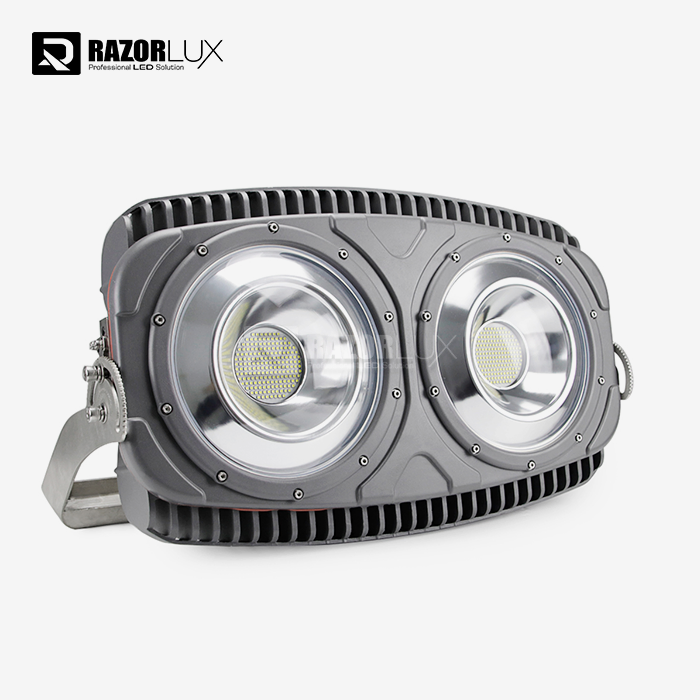 VIEW MOREhigh lumen led flood light
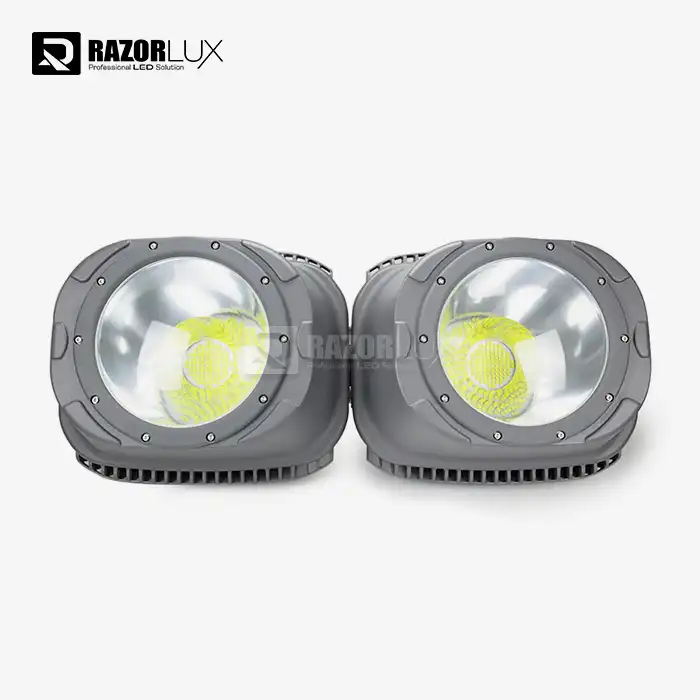 VIEW MOREBright Backyard Flood Light
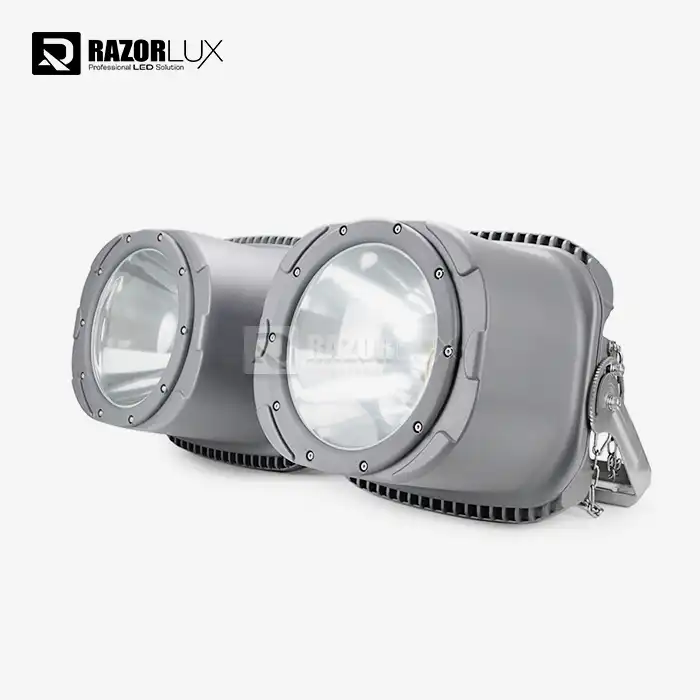 VIEW MOREMarine Led Flood Lights 120V
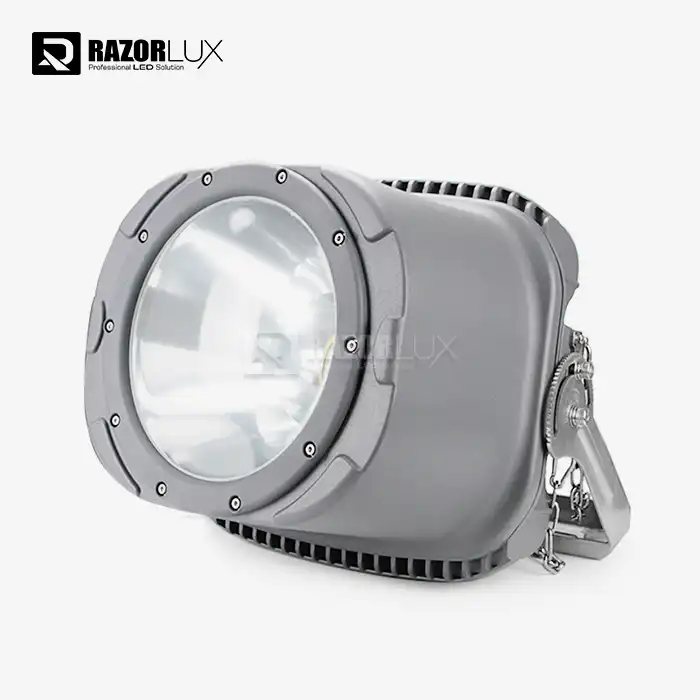 VIEW MORE500 Watt Led Stadium Lights
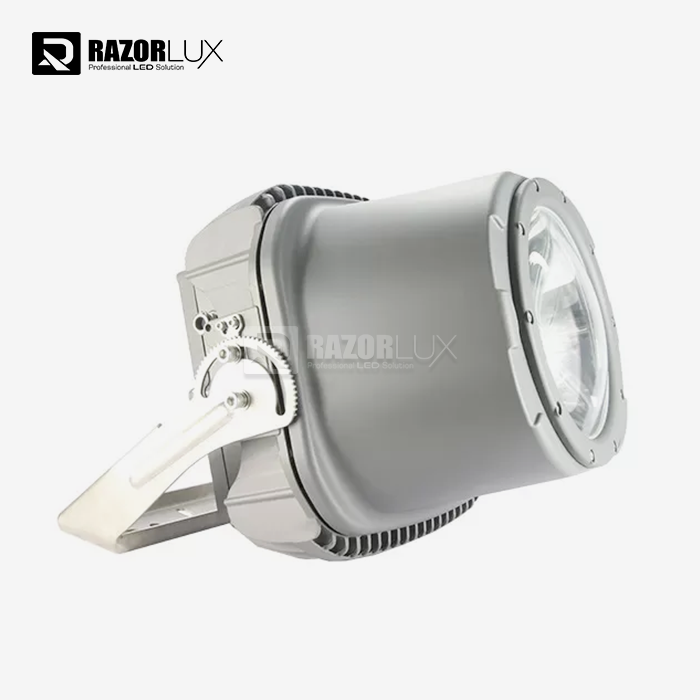 VIEW MOREAluminum IK10 Led Stadium Lights 500W 60000lm Led Sports Ground Floodlights
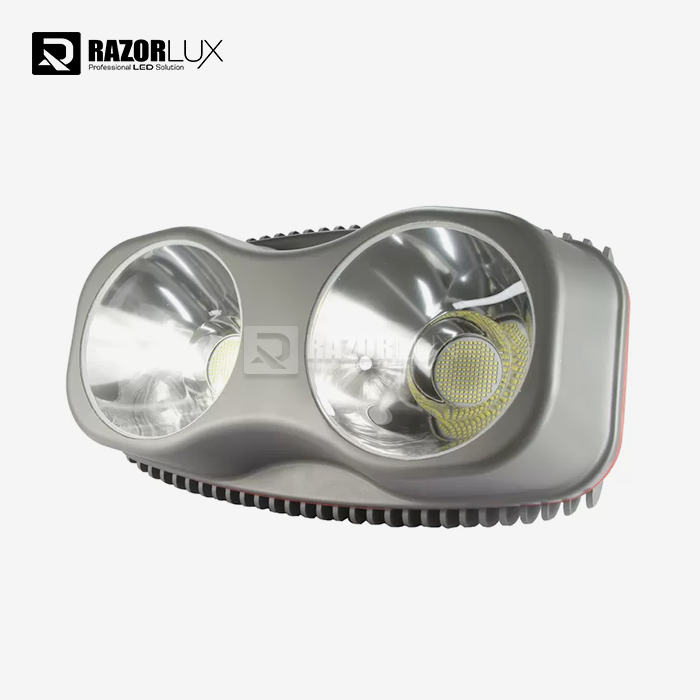 VIEW MOREAluminum Alloy 120000lm Sports Light Fixture 1000w Led Stadium Lights 5000K
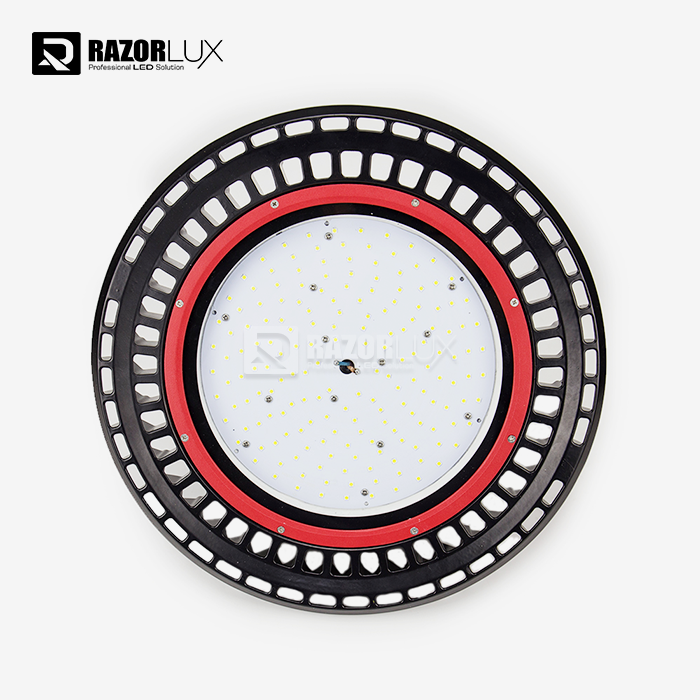 VIEW MORE150 Watt Led Ufo High Bay Light
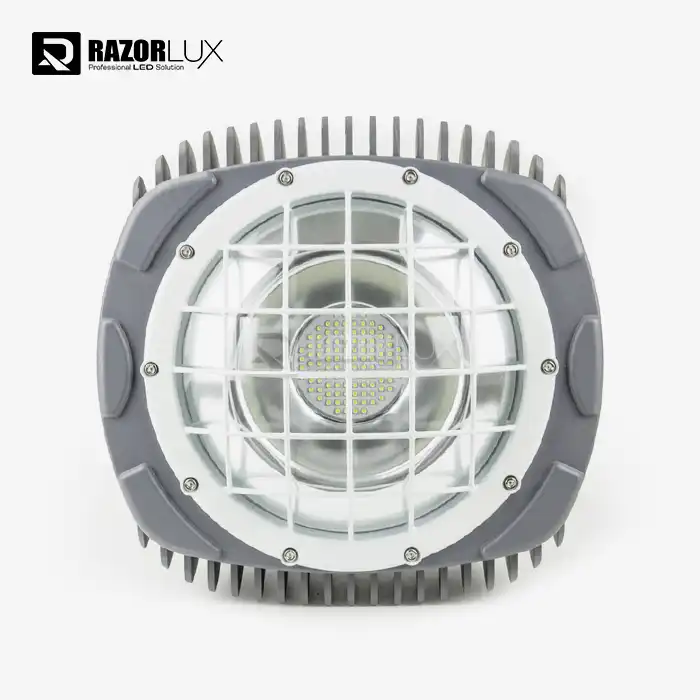 VIEW MOREMast Led