


_1750326878398.png)

Marine Flood Lights 1000W Waterproof and Durability Explained
When you're putting lights on a boat or remote platform, it's not just interesting to know how Marine Flood Lights 1000W protect against water and last a long time; it's necessary for the safety and budget of your business. With an IP67 rating, corrosion-resistant materials, and strong heat management, these high-intensity LED lights can safely put out over 130,000 lumens in saltwater settings. Traditional metal halide lamps break down when they are constantly exposed to vibration and water. New 1000W marine LED floods, on the other hand, use wide-input voltage drivers and impact-resistant housings to keep working in temperatures ranging from -40°C to 60°C, so your crew can stay safe no matter what.
Understanding Marine Flood Lights 1000W: Specifications and Working Principles
Power Consumption and Energy Efficiency
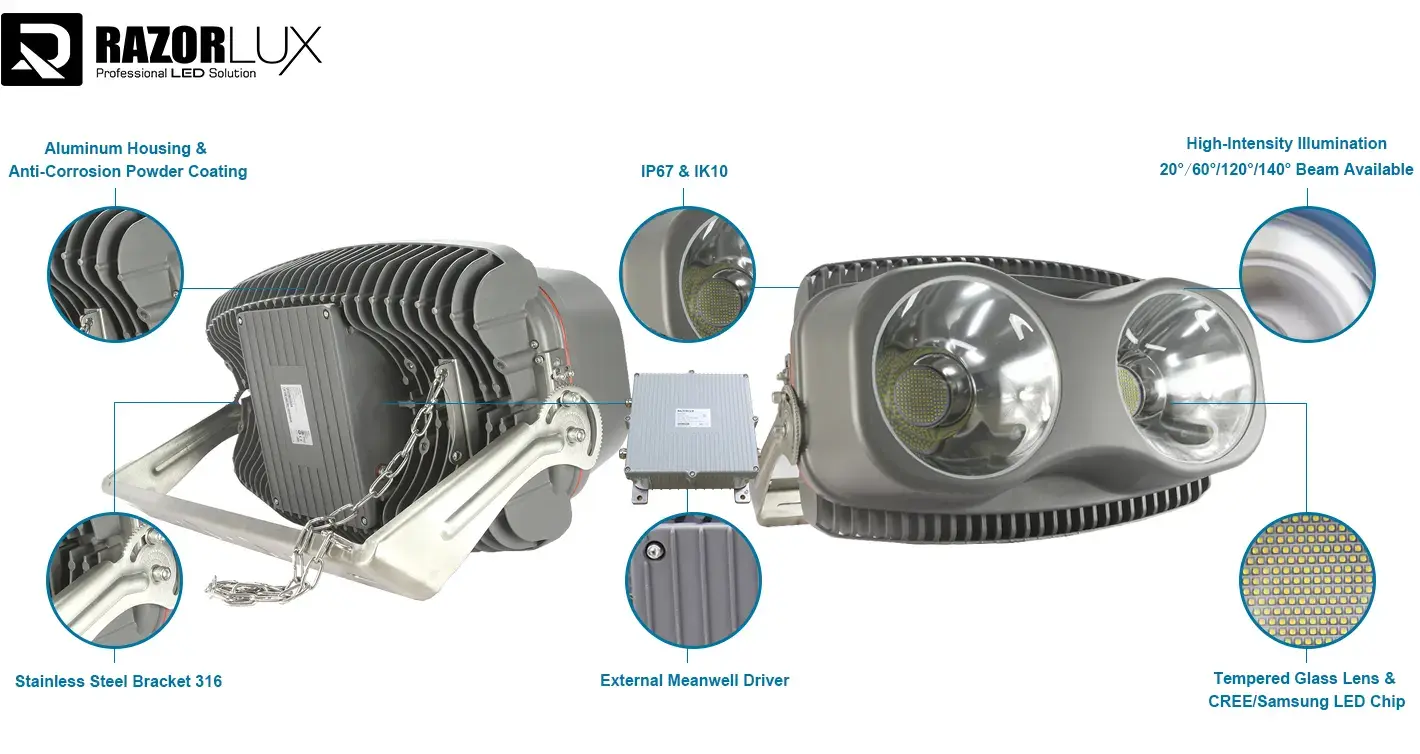
For marine lighting to work, it needs to be very bright without using up all of a ship's power sources. Our RGL-1000P type uses exactly 1000W of power, with 900W going to the LED grid and 100W going to the driver system. It also produces 100,000 to 105,000 stable lights. This means that it has an amazing 130 brightness per watt efficiency and can replace old 2200W to 3000W HID lights. By saving energy, ships that use diesel generators use less fuel, which cuts costs by about 55% compared to older metal halide systems. The wide input voltage range (AC 90-305V or DC 127-431V) works with ships' electrical instability that happens when engines start up or heavy equipment is used. With Mean Well drivers that have active power factor adjustment greater than 0.98, these units keep their output steady even when generator loads change. Total harmonic distortion stays below 10%, which keeps interference from getting to sensitive guidance systems.
Beam Angle Options and Illumination Coverage
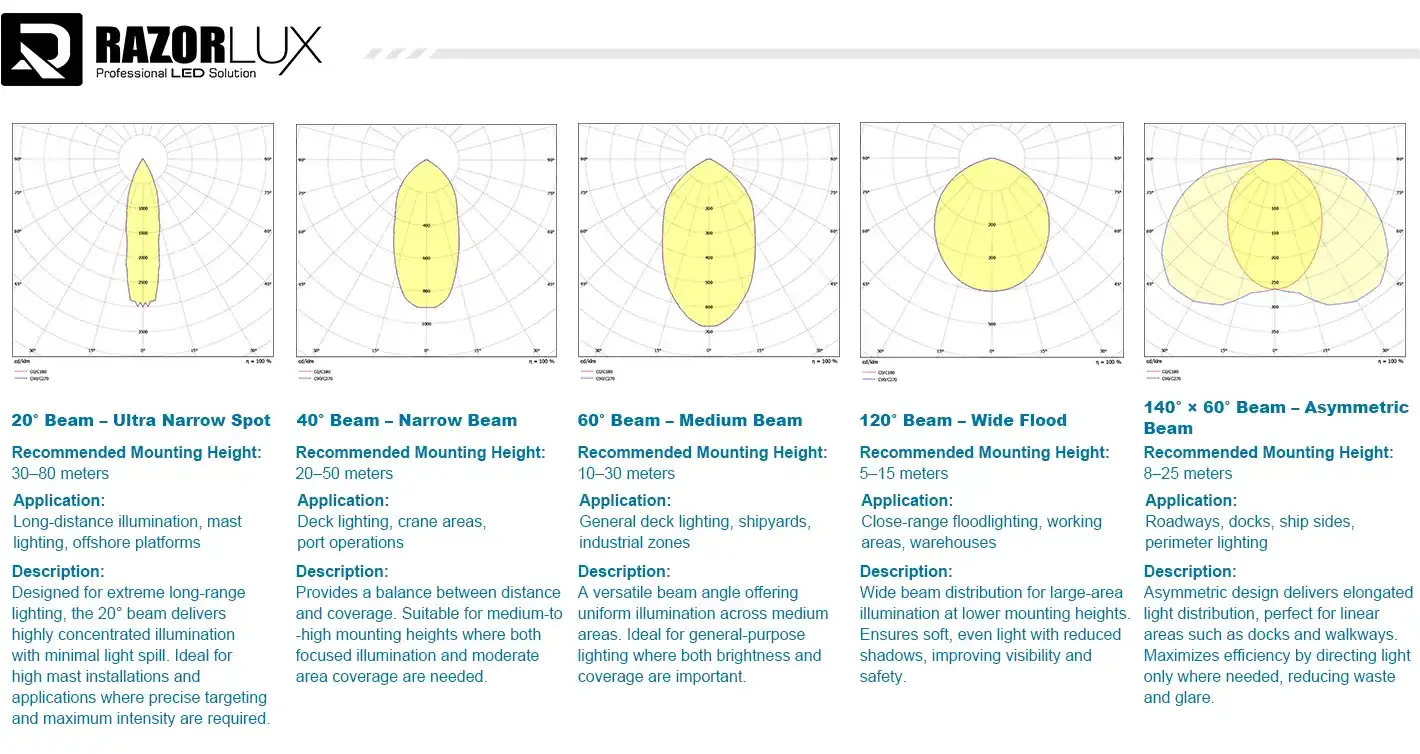
For different marine uses, different light distribution schemes are needed. We have seven different beam angle options to meet different operating needs: 15°, 20°, 30°, 40°, 60°, 120°, and an uneven 140°×60°. Narrow 15° and 20° beams work as long-range searchlights, seeing through fog and darkness up to 800 meters away to help with guidance. Angles between 30° and 40° are good for lighting the cargo area, where bright light keeps people from slipping while loading. Wide 60° to 120° coverage makes it even on big platform areas or dock work areas. The optical system uses precision-engineered mirrors and toughened glass lenses that let over 93% of light through. Each lens has an IK10 impact grade, which means it can handle 20 joules of mechanical shock, which is the same as dropping a 5 kg steel ball from 40 cm and not breaking. This toughness is very important when the seas are rough and loose equipment could hit light fixtures.
Expected Lifespan in Harsh Marine Conditions
When your lights need to work consistently for years without any upkeep being easy to get to, durability measures are more important than original cost. Our lights are rated to last more than 50,000 hours of use and keep at least 80% of their original brightness output (L80B10 standard). In real life, running it 12 hours a day for 11 years gives it a long life before it needs to be replaced. This long life is due to better heat control. The die-cast aluminum shell has improved fin design that lets heat escape through natural airflow, which keeps junction temperatures below 85°C even when the temperature outside is 60°C. Lower working temperatures directly affect how long LED chips last and how reliable driver components are. The housing goes through several steps to stop corrosion: shot blasting, chromate conversion coating, electrophoresis, and finally a marine-grade powder coating called C5-M that is resistant to both UV breakdown and chloride ion penetration.
Waterproof Rating and Durability: Ensuring Reliable Performance at Sea
Decoding IP67 Protection Standards
The IP (Ingress Protection) grade method tells us how well barriers keep out solids and liquids. An IP67 grade means that the device is completely dust-proof (the "6") and can withstand being submerged in water up to one meter deep for 30 minutes (the "7"). Marine floods usually happen above the waterline, but this grade makes sure that the device works during deck washing, heavy rain, and wave splashes. To get IP67 approval, every possible entry point has to be carefully sealed. Industrial-grade silicone seals are pressed between polished aluminum surfaces in our fittings, and stainless steel bolts are torqued to exact specs. The lens is made of toughened glass, and it is attached to the case with a continuous glue seal that stays flexible from -40°C to 60°C, which stops thermal stress cracks. At points where cables enter, IP68-rated glands with strain relief are used. The wires go through multi-layer rubber rings that squeeze around the insulation of the conductors. IP ratings are checked by independent testing labs using standard methods. To check for dusttightness, the fitting has to be put in a room full of talcum powder under negative pressure for eight hours. After that, the internal parts have to be inspected for any particle entry. For water resistance testing, the unit is submerged in a temperature-controlled tank while it is being watched for electrical problems or water getting in.
Corrosion-Resistant Materials and Construction
Normal metals break down in saltwater within months because of galvanic rust and chlorine attack. We make housings out of the copper-free aluminum alloy ADC12. This stops the formation of galvanic cells, which speed up rusting when different metals touch in saltwater. All of the bolts are made of 316L marine-grade stainless steel that has molybdenum added to it to make it more resistant to cracking. The surface treatment method includes several layers of protection. After the parts are cleaned, they are coated with chromate conversion coating, which is also known as chemical film. This creates a very thin shield against rust and makes it easier for paint to stick. After electrophoretic coating, a uniform primer coat is put on that can reach complicated shapes that regular sprays can't. The final polyester powder finish, which is approved to ISO 12944 C5-M classification, forms a 120–150 micron thick shield that is made to withstand high salt levels and temperature changes in marine environments. All internal parts are given the same level of care. Conformal coating is a protective polymer layer that keeps traces from getting wet or salty on the LED circuit board. The electronics for the driver are kept in a separate, covered container that is filled with silicone potting compound. This compound surrounds the parts, keeps heat in, and stops water vapor from getting in. This multiple-barrier method makes sure that internal systems are still safe even if the primary seal gets slightly damaged.
Mechanical Shock Resistance (IK10 Rating)
Marine Flood Lights 1000W In addition to water and rust, naval lights have to be able to handle being hit by flying goods, dropped tools, and rough handling while they are being maintained. The IK10 grade is the best level of impact safety, and it means that the fixture can handle 20 joules of physical energy. For testing, the lens and case are hit over and over with a solid steel hammer at certain angles, and cracks, lasting damage, or performance loss are measured. Our 29 kg weight with stainless steel base makes it naturally stable against shaking. Harmonic resonance from engine action and wave-induced hull movement are blocked by the large mass. The mounting system uses a U-bracket made of 316L stainless steel that can rotate 270°. This lets the direction be adjusted precisely and spreads the fastening loads across multiple bolt points. Attachment places for brackets on the body are strengthened on the inside with thick-walled casting sections that keep stress from building up and metal wearing out.
Comparing Marine Flood Lights 1000W: Choosing the Best Solution
1000W Versus Alternative Wattages
| Wattage | Lumen Output | Coverage Area | Ideal Application | Energy Cost (Annual) |
|---|---|---|---|---|
| 500W | 65,000 lm | Small decks, walkways | Fishing vessels, small ports | $438 |
| 1000W | 130,000 lm | Large platforms, cargo areas | Offshore rigs, shipyards | $876 |
| 1500W | 195,000 lm | Extensive industrial zones | Container terminals, dry docks | $1,314 |
| 2000W | 260,000 lm | Airport-scale illumination | Military bases, major ports | $1,752 |
*Calculated at $0.10/kWh for 10 hours daily operation, 365 days
Selecting appropriate wattage balances illumination requirements against installation complexity and operating costs. A 1000W fixture provides the optimal middle ground—sufficient brightness for most marine applications without requiring the reinforced electrical infrastructure that 1500W and 2000W models demand. Vessels with limited generator capacity particularly benefit from 1000W efficiency, as power availability directly affects whether you can operate all necessary equipment simultaneously.Area coverage calculations guide wattage selection. A single 1000W unit with 60° beam angle effectively illuminates approximately 400 square meters at recommended marine working light levels (50-100 lux). Mounting height, reflectivity of surrounding surfaces, and specific task requirements refine these estimates. Procurement managers should request photometric reports showing candela distribution curves and isolux diagrams for precise planning.
LED Technology Advantages Over Traditional Lighting
When metal halide and high-pressure sodium lights are replaced with LEDs, the economics of naval lighting change in a big way. Traditional HID lights need 10 to 15 minutes to warm up before they can be fully bright, which can be dangerous in an emergency. They also break down quickly when they are shaken, and only last 6,000 to 10,000 hours on average, while LEDs last 50,000 hours or more. Replacement cycles raise maintenance costs, especially when lights are mounted on masts that need to be accessed by crane or when a ship needs to be docked. LED systems get rid of the ballast parts that often break in HID installations because of voltage spikes and heat cycling. Our built-in Mean Well drivers protect against surges of up to 10kV, which protects against lightning-caused transients and electrical system problems that are typical in marine settings. Instant-on means full brightness in milliseconds, which is important for emergency lighting and security lighting. Color rendering is another big plus. Our lights have a color rendering index of at least Ra75 (Ra80 and Ra90 choices are also available), which means that workers can clearly see wire color coding, rust signs, and safety marks. Metal halide lamps usually get a score of 65 to 70, and their color changes a lot over time. High-pressure sodium lamps, on the other hand, get a score of 25 and give off a single-color orange light that isn't good for close work.
Evaluating Manufacturers: What Sets Razorlux Apart
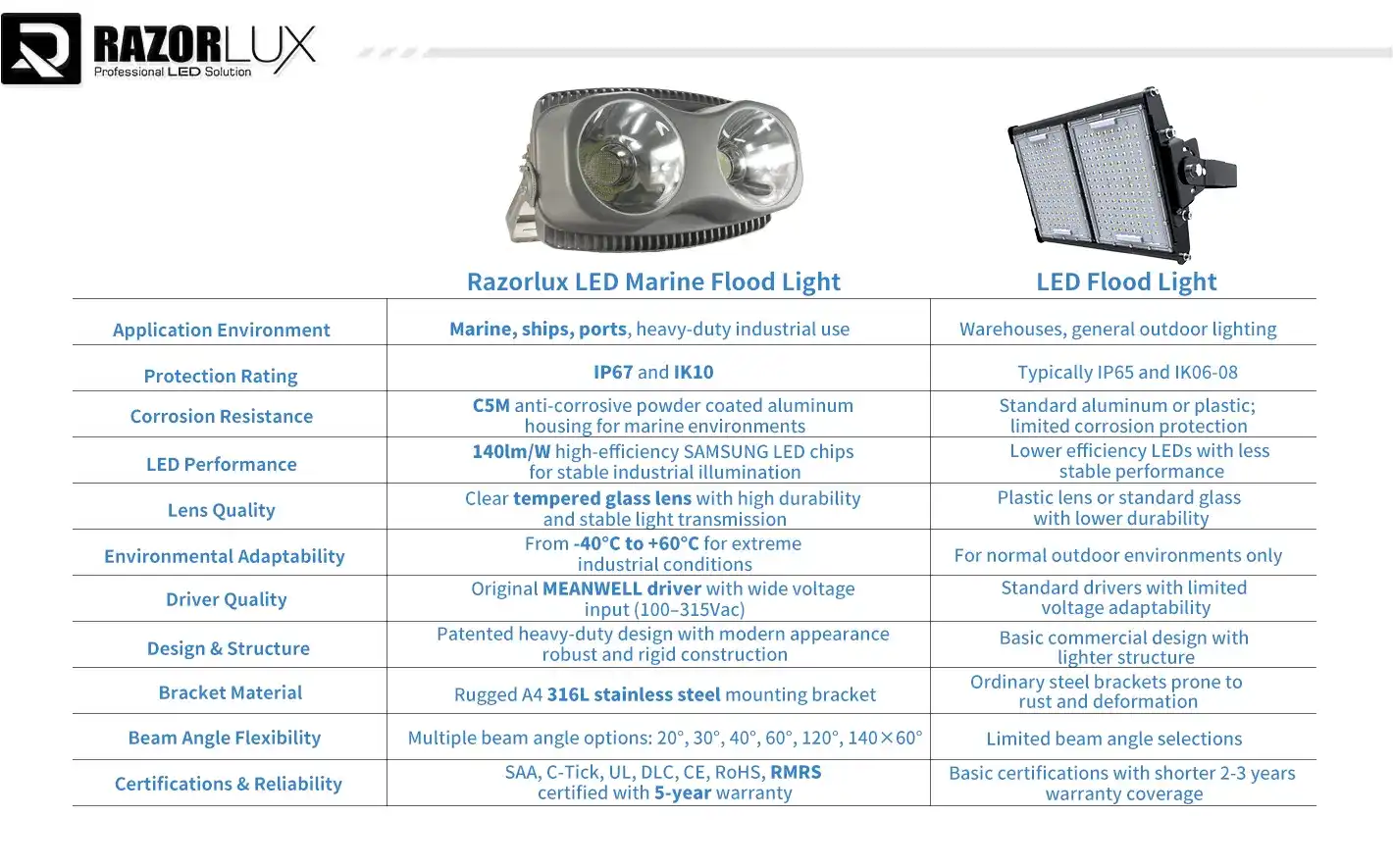
Buying choices include more than just the product's specs; they also include how reliable the maker is. Razorlux has been specializing in LED lighting for tough industrial uses since 1998. They run the Xi'an LED Lighting Engineering Laboratory, which is approved by China's National Development and Reform Commission. Our 436 patents cover new ways to package chips, control heat, and build optics—intellectual property that leads to measured performance gains.Certifications back up what manufacturers say through independent testing. For the North American market, we keep our products listed with UL, for European compliance, with CE marking, and for naval use, with RMRS (Russian Maritime Register of Shipping), ABS, and DNV/GL class society certifications. The qualifications listed are more than just paper documents; they are the result of hundreds of hours of testing and workplace checks that proved consistent production. When your lighting system affects the safety of your team and your ability to follow the rules, approved goods lower your risk of being sued. The way the insurance is set up shows that the maker trusts you. Our normal five-year warranty on both LED modules and drivers is longer than the average in the business. We also offer a 10-year guarantee on the case against rust and holes. This pledge means that we design for long life instead of planned obsolescence. Not only should procurement managers figure out the purchase price, but they should also figure out the total cost of ownership, which includes repair rounds and servicing calls.
Procurement Considerations: How to Buy Marine Flood Lights 1000W for Your Business
Assessing Technical Requirements and Specifications
The first step to successful buying is to write down your unique working setting and performance goals. The electrical features must work with the power systems on your ship or building. Check the voltages, frequencies (50Hz vs. 60Hz), and circuit safety rates. The wide AC 90-305V input range of our fixtures works with global voltage standards. This makes it easier to handle an international fleet of ships that may need repair in different parts of the world. Fixture design is determined by environmental factors. We can help you choose the right sealing grades and covering specs by looking at the operating temperature ranges, humidity levels, and salt spray exposure levels. Offshore oil rigs in the North Sea and container ports in Singapore have different problems that need different solutions. Giving information about the surrounding temperature, the pattern of rainfall, and the closeness to salt spray makes it possible to make accurate predictions about the service life. Photometric standards should include goal illumination levels (measured in lux), regularity ratios, and color temperature preferences. Cooler daylight (5700K) gives you the best vision for task-oriented work, while warmer daylight (3000K) keeps bugs away from deck areas. The choice of beam angle depends on the height of the mounting and the shape of the coverage area. Our lighting planners can use industry-standard tools like DIALux or AGi32 to make illumination plots that show how the lights are expected to work.
Volume Pricing and International Logistics
| Order Quantity | Unit Price | Lead Time | Shipping Method | Estimated Delivery |
|---|---|---|---|---|
| 1-10 units | Standard | 5-7 days | Express (FedEx/DHL) | 3-5 days |
| 11-50 units | 8% discount | 10-14 days | Air freight | 7-10 days |
| 51-100 units | 15% discount | 15-21 days | Sea freight (LCL) | 25-35 days |
| 100+ units | Custom quote | Project-based | Sea freight (FCL) | 25-35 days |
Marine Flood Lights 1000W Volume pricing reflects economies of scale in production scheduling and material procurement. Orders exceeding 50 units qualify for significant discounts as we optimize manufacturing runs. Project-based pricing for 100+ unit installations includes value-added services such as customized mounting brackets, pre-programmed dimming profiles, and factory commissioning tests with witnessed inspection if required.International shipping logistics require coordination between production completion, customs documentation, and project timelines. We handle export procedures including commercial invoices, packing lists, and certificates of origin. Our freight forwarders arrange transportation using reputable carriers with marine cargo insurance coverage. Incoterms selection (FOB, CIF, DDP, etc.) allocates responsibilities between buyer and seller—we guide procurement managers through options to minimize landed costs and delivery risks.
Requesting Samples and Factory Testing
Your engineering team can check the performance claims with technical evaluation samples before agreeing to full purchase. We offer discounted sample units with the idea that if they work well, they will lead to project sales. Sample units come with all the technical paperwork you need, like photometric test reports from approved labs, material certifications, and installation guides. Buyers who are in charge of large installations can ask for factory acceptance testing, which lets their representatives see how the quality of the production is controlled. Our factory is ISO 9001-certified and accepts customer visits during important stages of production. To show that our products meet the standards for coastal environments, we test them for salt spray according to ASTM B117, shaking according to IEC 60068-2-6, and temperature cycling according to IEC 60068-2-14. Our commissioning support goes beyond delivery. Our expert team gives you fitting instructions, mounting plans, and wire designs that are made to fit your ship or building. Videoconferencing lets you fix problems from afar if any come up during installation, cutting down on wait times and making sure everything is set up correctly.
Installation and Maintenance Best Practices for Marine Flood Lights 1000W
Mounting Techniques and Electrical Integration
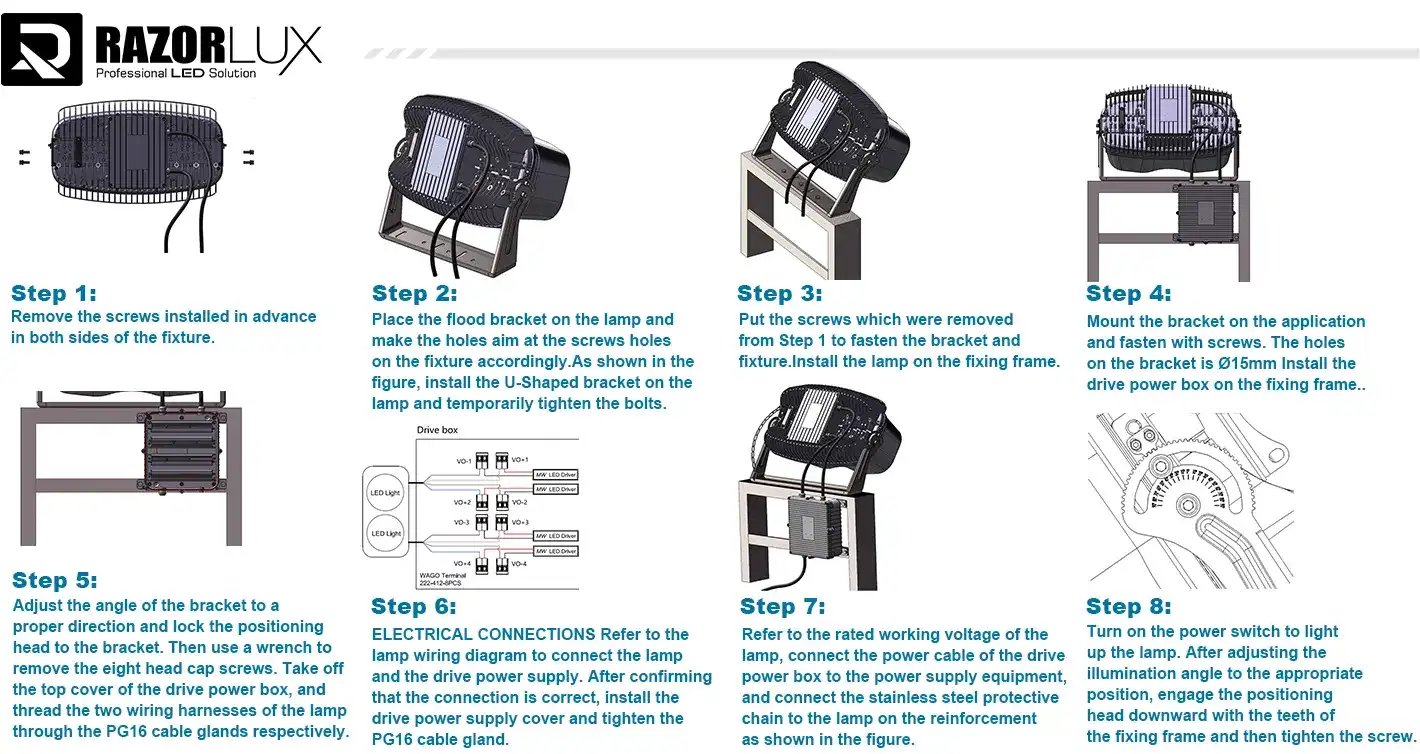
Long-term function and safety are directly affected by how well something is installed. The fixture weighs 29 kg, and its weight plus wind loads and shaking forces must be supported by the mounting surfaces. For systems that are installed on the deck, the load needs to be spread across several deck beams using backing plates. Mast fixing uses U-bolt or flange clamps with anti-rotation features that stop aim drift from repeated shaking cycles. Marine-grade methods are needed for electrical connections. We suggest tinning stranded copper wires before putting them into terminal blocks. This keeps individual strands from breaking and makes sure that there is the most contact area possible. Heat-shrink tube with a glue inside can be used to fix wire insulation that is waterproof. All connections should be made in junction boxes with a minimum rating of IP67. Cable glands should be properly torqued to compress sealing grommets without damaging conductor insulation. Overcurrent devices (circuit breakers or fuses) of the right size should be used for circuit protection, along with ground fault protection where required by law. For the fixings' Class I electrical insulation to work, they need to be grounded to the vessel frame using special ground wires. You should never rely on the mounting gear alone to ensure ground continuity. Testing the ground resistance with a megohmmeter after placement makes sure that the safety grounding is correct before turning on the circuits.
Preventive Maintenance Schedules
Setting regular check times keeps small problems from getting worse and turning into expensive fails. We suggest that you check the lens sharpness, seal state, and case stability every three months. As part of yearly upkeep, exterior surfaces should be cleaned with clean water and light soap to get rid of salt layers that speed up rusting. High-pressure cleaners that are stronger than 40 bar (580 psi) should not be used because the extra pressure could push water past sealing seals. Check the fastening gear for rust and make sure the bolt pressure stays within the recommended range. Check the cable entry points for tightness and put dielectric grease on the connecting threads that are showing. Thermal imaging during operation shows problems as they happen. Hot spots mean that LEDs are failing, driver components are under a lot of stress, or there isn't enough thermal contact between the components and the cooler. For reference, we give you average thermal pictures of devices that are working properly. Using an accurate light meter to record brightness output keeps track of how quickly units lose their value and shows which ones need new lamps before they break completely.
Troubleshooting Common Marine Lighting Issues
Marine Flood Lights 1000W It's faster to diagnose and fix problems when you know how they happen. Most of the time, intermittent operation is caused by vibrations making connections looser. Usually, reseating terminal block connections and using thread-locking compound fixes the problem. If the light doesn't come on at all, it could mean that the driver safety circuits have been set off because of too much power, current, or temperature. Checking the input voltage while the device is running proves the power quality, and measuring the driver output shows whether the failure was in the driver or the LED array. Corrosion that shows up despite being made for marine use usually means that the protective layers have been damaged. Even small scratches that go through to the base metal can cause rust to start. When damage is found, touch-up paint made especially for fixing marine metal should be used right away. For more severe rust, the surface may need to be prepared and recoated by a professional. LEDs normally lose lumens over time, but rapid lumen loss is a sign of trouble. High working temperatures caused by clogged cooling fins or bad thermal management speed up the aging process. Longer operating life is achieved by cleaning the heatsink fins to allow airflow to return and making sure that no nearby heat sources, such as exhaust stacks or machines, affect the temperature of the fixture.
Conclusion
When you choose Marine Flood Lights 1000W for your marine business, you have to weigh the technical performance against the cost. Fixtures can withstand difficult sea conditions thanks to their IP67 waterproofing and IK10 impact protection. They are also 130 lm/W efficient and last 50,000 hours, which means they save money on operations compared to older HID technology. Razorlux has been making products for 25 years, has many approvals, and offers a five-year guarantee. These things give buying managers the confidence they need. By knowing the specs, reviewing options, and installing the lights correctly, you can get the most out of your investment in lighting, which will pay for itself in lower upkeep costs and safer operations.
FAQ
Can LED 1000W units truly replace traditional 2000W metal halide lamps?
Absolutely. A high-efficiency 1000W LED fixture outputting 130,000 lumens effectively replaces 2000-3000W metal halide systems due to superior optical control and directional light emission. Traditional HID lamps waste significant energy as omnidirectional radiation requiring reflectors that absorb 30-40% of generated light. LED arrays emit light directionally, with precision optics channeling nearly all output toward target areas. This efficiency translates to 60% energy savings while maintaining equivalent or superior illumination levels, verified through independent photometric testing.
How do these fixtures handle voltage fluctuations on older vessels?
Professional marine LED floods utilize industrial-grade constant-current drivers with wide input voltage ranges (90-305VAC in our models) and active power factor correction exceeding 0.95. These drivers automatically compensate for voltage variations without affecting light output, maintaining stable operation even during generator load changes, engine starting surges, or brown-out conditions. Internal surge protection devices rated to 10kV shield sensitive components from transient spikes common in marine electrical systems, providing reliable operation that HID ballasts cannot match.
What maintenance intervals do you recommend?
Quarterly visual inspections checking lens clarity, gasket condition, and mounting hardware suffice for most installations. Annual detailed maintenance should include freshwater cleaning to remove salt deposits, torque verification on mounting bolts, and thermal imaging to identify developing issues. Unlike metal halide lamps requiring bulb replacement every 6,000-10,000 hours (annually for heavily-used fixtures), LED technology's 50,000+ hour lifespan means most components outlast vessel service lives between major refits. This dramatically reduces maintenance costs and eliminates the need for stockpiling expensive replacement lamps.
Partner with a Trusted Marine Flood Lights 1000W Manufacturer
Razorlux delivers proven illumination solutions for the world's most demanding maritime environments, backed by 25 years of LED engineering excellence and over 430 patents in lighting technology. Our RGL-1000P marine flood lights combine 130,000-lumen output with IP67 waterproofing, Mean Well drivers, and marine-grade corrosion protection—all supported by comprehensive international certifications including UL, CE, RMRS, and DNV/GL. Whether you're upgrading a shipyard, outfitting an offshore platform, or sourcing Marine Flood Lights 1000W for a fleet procurement project, our team provides technical consultation, photometric analysis, and customized solutions meeting your exact specifications. Contact our marine lighting specialists at sam@razorlux.com today to request detailed specifications, sample units, or project quotations. We respond to technical inquiries within 24 hours and can expedite samples for urgent evaluation needs.
References
1. International Electrotechnical Commission. "IEC 60529: Degrees of Protection Provided by Enclosures (IP Code)." Edition 2.2, 2013.
2. International Organization for Standardization. "ISO 12944-9: Paints and Varnishes—Corrosion Protection of Steel Structures by Protective Paint Systems—Part 9: Protective Paint Systems and Laboratory Performance Test Methods for Offshore and Related Structures." 2018.
3. Illuminating Engineering Society. "IES RP-12-14: Recommended Practice for the Design and Maintenance of Roadway and Parking Facility Lighting." Illuminating Engineering Society of North America, 2014.
4. Lloyd's Register. "Rules and Regulations for the Classification of Ships: Part 6, Chapter 9—Electrical Installations." Lloyd's Register Group Limited, 2021.
5. American Society for Testing and Materials. "ASTM B117-19: Standard Practice for Operating Salt Spray (Fog) Apparatus." ASTM International, 2019.
6. Det Norske Veritas. "DNV-GL Maritime Rules for Classification: Ships, Part 4, Chapter 8—Electrical Installations." DNV GL AS, 2020.
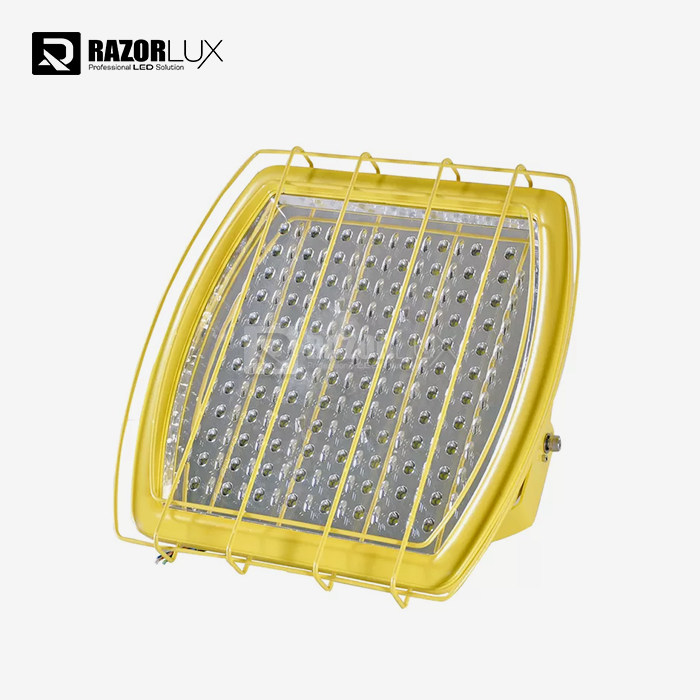 VIEW MORE305V 100w Led Explosion Proof Light Aluminum Paint Booth Lighting Design
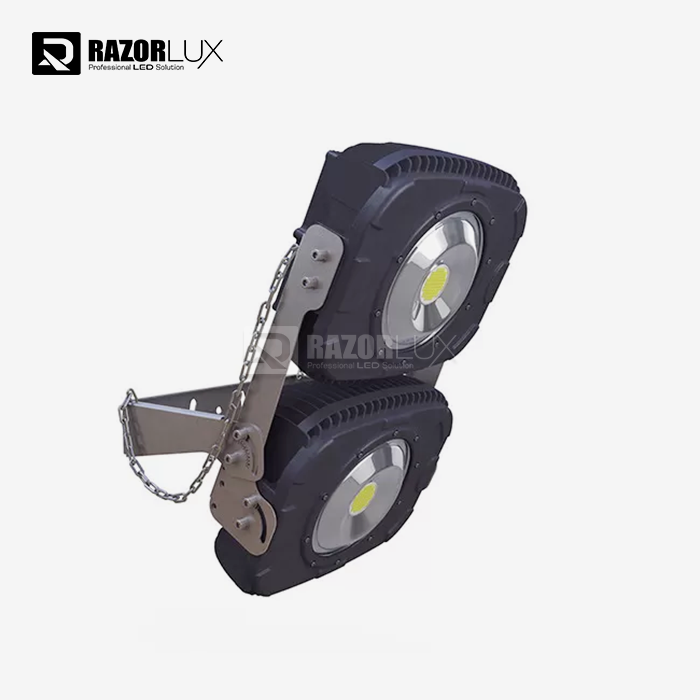 VIEW MOREvolleyball court lights
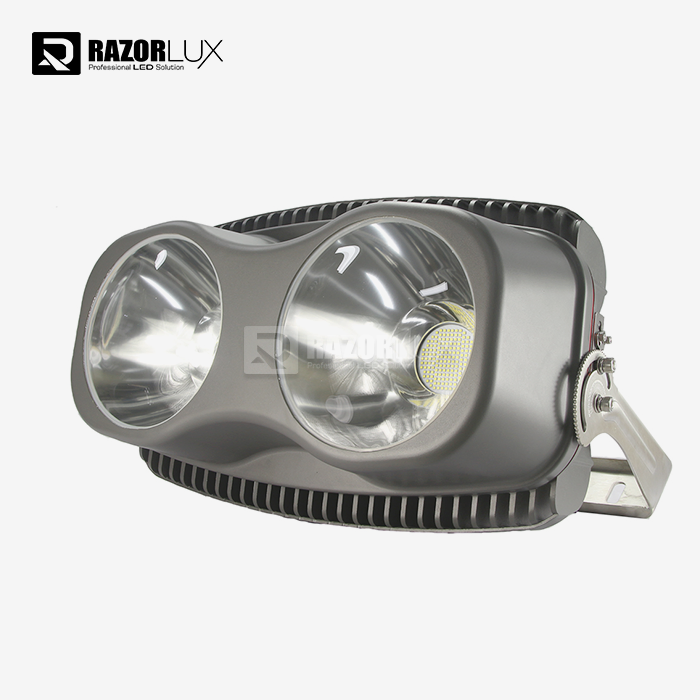 VIEW MOREoutdoor sports lighting
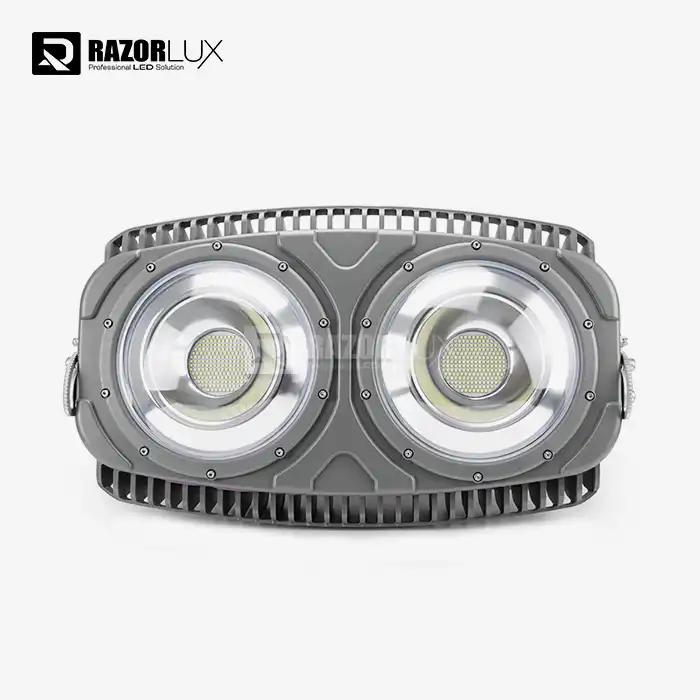 VIEW MOREConstruction Site Flood Lights
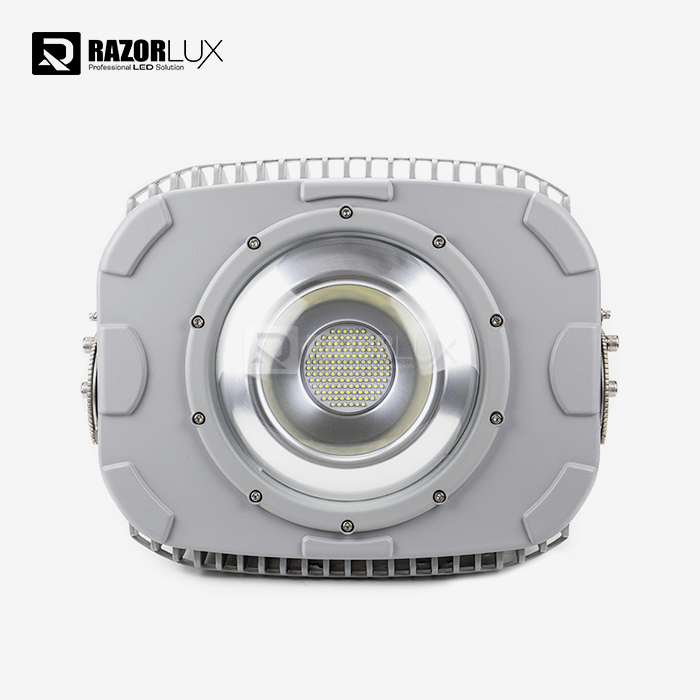 VIEW MORE120V Led Outdoor Flood Light
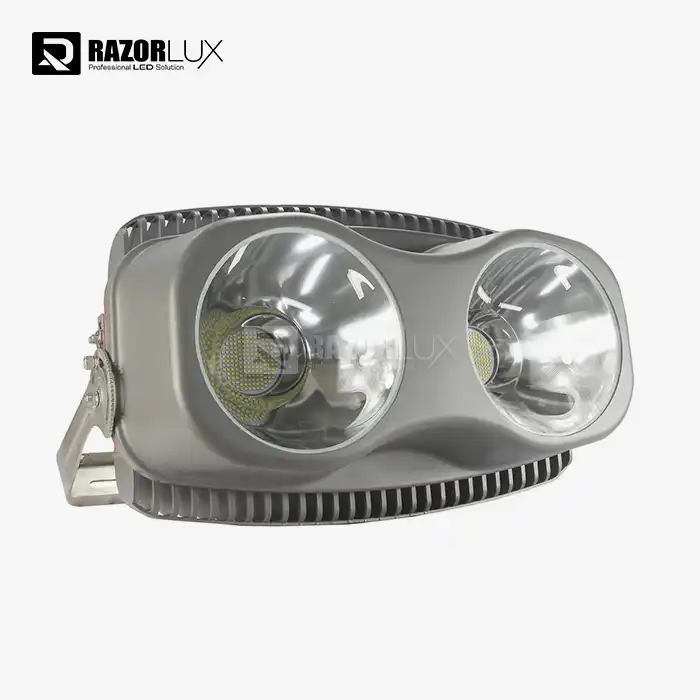 VIEW MOREWaterproof Marine High Intensity Led Flood Light
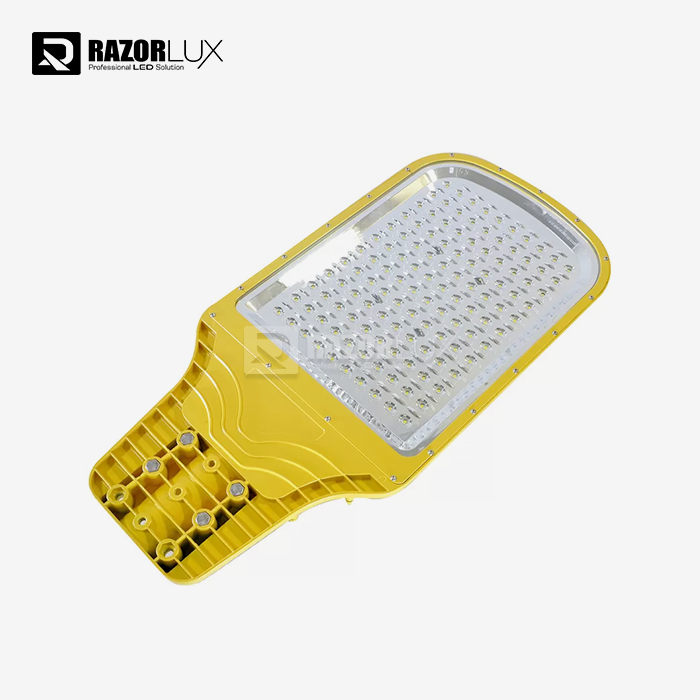 VIEW MOREConstruction Emergency Led Explosion Proof Light 80w 8000lm Paint Booth Light
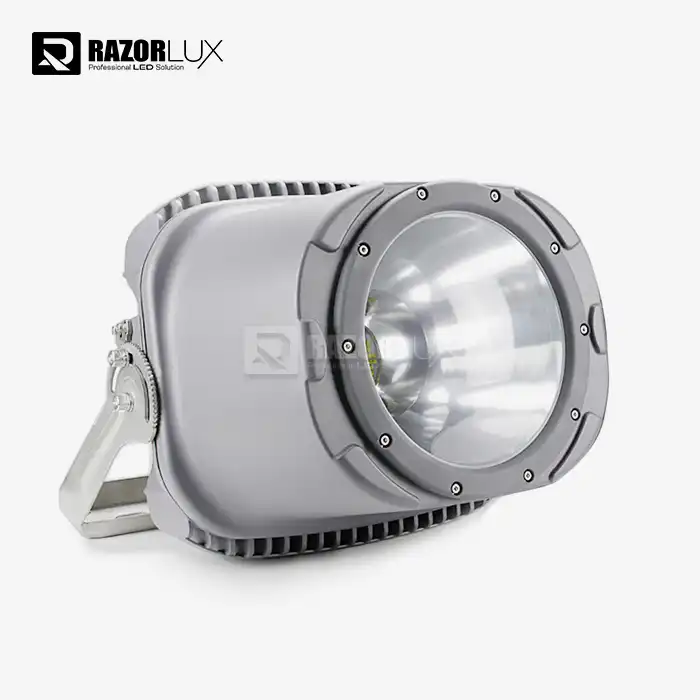 VIEW MOREDimmable Exterior Led Flood Lights