


_1750326878398.png)

Are Marine Flood Lights Energy Efficient for Long Voyages?
When you're preparing your vessel for an extended voyage across open waters, every electrical decision matters. Marine flood lights represent one of the most significant power draws on your vessel, yet they're absolutely essential for safe nighttime operations, deck work, and emergency response. Modern LED marine lighting solutions deliver remarkable energy efficiency—consuming up to 80% less power than traditional halogen or metal halide fixtures—while providing superior illumination that withstands salt spray, constant vibration, and temperature extremes from arctic cold to tropical heat. Advanced designs featuring luminous efficacy exceeding 130 lumens per watt paired with intelligent thermal management, ensure your lighting system performs reliably throughout months at sea without draining your power reserves or requiring frequent bulb replacements.
Understanding Marine Flood Lights and Their Energy Efficiency
What Sets Marine Flood Lights Apart from Standard Outdoor Fixtures
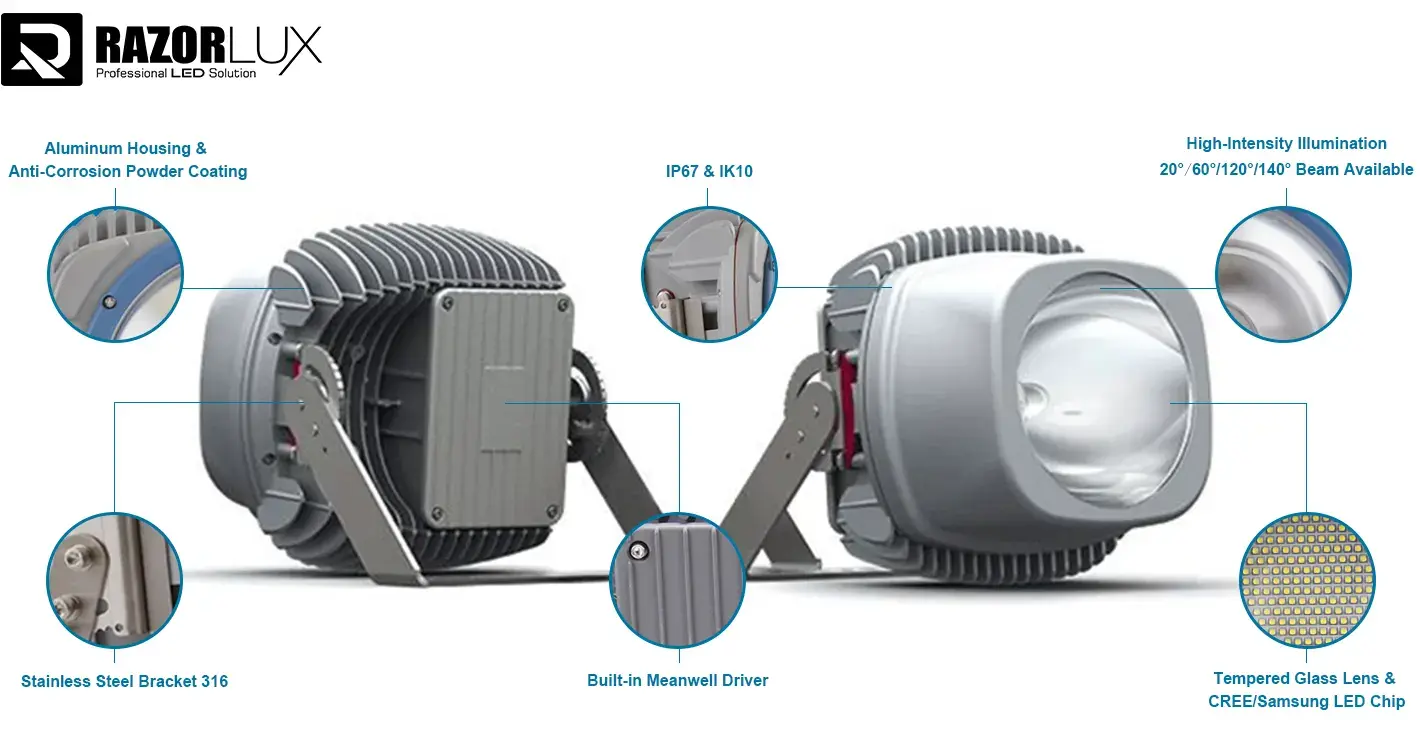
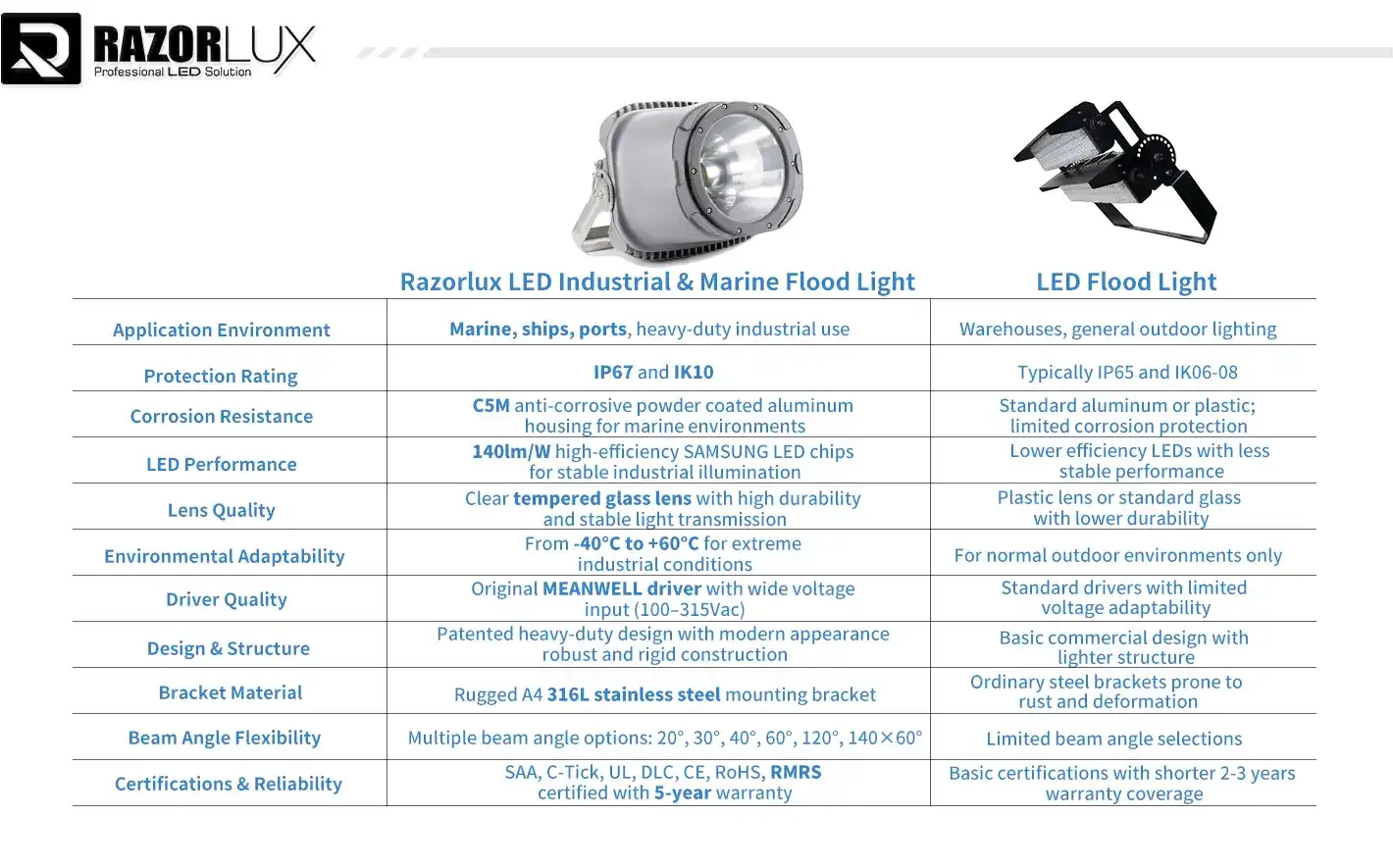
Marine-grade lighting is very different from regular outdoor flood lights, which you can see right away. Marine flood lights are designed to last in situations that would kill regular lights in just a few weeks. Air that is high in salt makes conditions that are aggressive and corrosive, which hurts electrical connections and house materials. Constant mechanical shaking from running an engine and waves breaks standard lamp filaments and make parts loose. Changes in temperature from the hot engine room to the cold deck put stress on seals and materials. Our marine flood lights solve these problems with special construction: marine-grade aluminum alloy housings with multi-stage anti-corrosion powder coating, 316L stainless steel mounting brackets that don't rust, and tempered borosilicate glass lenses that keep their clarity even when they are hit with heat or other objects.
Core Technology Behind LED Marine Lighting Efficiency
There are big changes in how light is made that make current LED marine flood lights so much more efficient. Traditional light bulbs like incandescent and fluorescent only turn 10–15% of the electricity they use into light. The rest is wasted as heat. This equation is turned around by LED technology, which turns 85–90% of electrical energy straight into light. This economy directly leads to less fuel being used on ships, where engines have to run all the time to power loads. A normal 270W LED marine floodlight can replace a 600–1000W metal halide fixture while providing the same or better light output. This means that only 60–75% of the power is used, which adds up over weeks or months of constant running during long journeys.
How Ingress Protection Ratings Impact Operational Efficiency
Ratings for waterproofness have a direct effect on how long marine floodlight setups last and how well they work over time. An IP67 grade means that the product is completely protected against dust and can be submerged for short periods of time up to one meter deep. This is very important for fixtures that are placed on decks and are exposed to rough seas washing over the rails. When seawater gets into a device, it corrodes the electrical connections, makes ways for current to leak, and lowers the performance of LEDs by causing heat to build up. Our fixtures keep their IP67 rating with precision-engineered gasket systems, marine-grade silicone seals, and pressure-equalization membranes that keep water out while letting heat expand. This security keeps the fixture's planned luminous effectiveness throughout its working life. This makes sure that the energy efficiency you select when you buy the fixture stays the same over many years of use.
The Role of Thermal Management in Sustained Performance
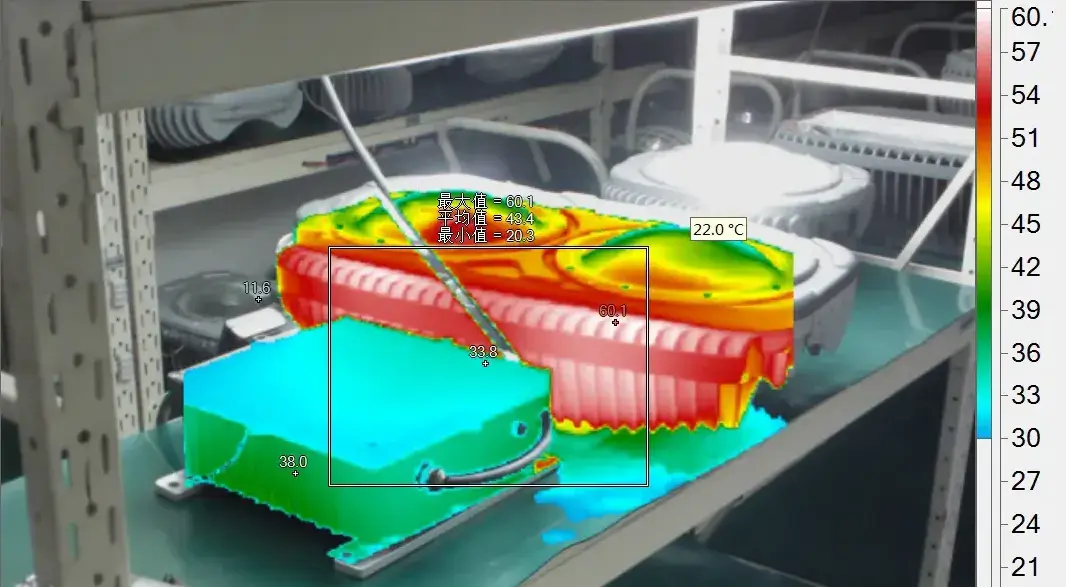
When joint temperatures are higher than what was intended, LED efficiency drops quickly. In traditional lighting, too much heat just shortens the life of the bulb. But when LED temperatures get too high, they start to lose efficiency one thing at a time. As heat builds up inside the semiconductor junction, less light is produced, the color temperature changes, and the efficiency of energy exchange goes down. Modern marine flood lights use advanced thermal management techniques, such as precision-machined aluminum heat sinks with the right shape of fins, thermal interface materials that move heat from LED modules to the housing efficiently, and ventilated designs that let air flow naturally. These technical solutions keep the working temperatures stable even in tropical areas or close to engine rooms. This keeps the 130+ lm/W efficiency that makes LED technology useful for marine operations that need to save power.
Material Selection and Its Impact on Long-Term Energy Performance
The materials that marine floodlight systems are made of have a direct effect on how well they work over long periods of time. Corrosion of metal housings forms protective oxide layers that stop heat from escaping. This raises working temperatures over time and makes LEDs less efficient. Lens materials break down over time, which means they let less light through, so more power is needed to keep the brightness level right. When salt gets on shiny surfaces, it spreads light in useless ways, using electricity to light up areas that it never gets to. Our lights are made with copper-free metal alloys that don't rust in saltwater, UV-stabilized lens materials that keep their clarity for decades, and sealed optical chambers that keep salt from building up on reflectors and LED arrays. These choices of materials keep energy economy high for over 50,000 hours of service, which is many years of constant maritime operation.
Comparing Marine Flood Lights with Other Lighting Solutions on Long Voyages
Energy Consumption Analysis: LED vs Traditional Maritime Lighting
A study of the energy use of LED and traditional marine floodlight systems shows big differences that get even bigger on long trips. A standard 1000W metal halide deck light that is on 12 hours a day uses 12 kWh of electricity, so it needs a generator that is always running or batteries that can hold a lot of power. Our 270W LED marine flood lights give off the same amount of light but only use 3.24 kWh per day, which is 8.76 kWh less per unit. This improvement in efficiency saves 175 kWh per day on a business ship with 20 deck lights. At normal engine efficiency rates, that's about 5.3 metric tons of diesel fuel per year. This one change cuts fuel use by 440 liters during a 30-day transoceanic trip. It also lowers the need for generator upkeep and increases the time between service visits.
| Lighting Technology | Power Draw | Daily Energy (12h) | Monthly Energy | Fuel Equivalent |
|---|---|---|---|---|
| Metal Halide | 1000W | 12.0 kWh | 360 kWh | 106 liters |
| High-Pressure Sodium | 600W | 7.2 kWh | 216 kWh | 64 liters |
| LED Marine Flood | 270W | 3.24 kWh | 97 kWh | 29 liters |
| Energy Savings vs MH | 73% | 8.76 kWh/day | 263 kWh/month | 77 liters/month |
Lifespan and Replacement Frequency: Total Cost of Ownership
In addition to the energy used right away, the operating lifespan of lighting equipment has a huge impact on the total ownership costs over the course of a vessel's operation. Traditional metal halide marine flood lights need new bulbs every 6,000 to 10,000 hours of use, which is about 18 to 24 months in normal job cycles. Each change requires getting parts, technical work, and downtime because work areas lose light while the repair is being done. LED lights that are listed for 50,000 hours or more will work for 5 to 8 years before they need to be serviced. This means that they won't need to be replaced as often, which saves money. The longer service life is especially helpful on long trips, where keeping extra bulbs on hand takes up valuable storage room and makes logistics for spare parts more difficult. Despite requiring a larger original investment, LED technology saves 60–70% of the total cost of ownership over ten years. This includes the cost of purchase, energy use, maintenance work, and replacement parts.
Environmental Resilience and Performance Consistency
Marine flood lights have to keep giving off the same amount of light even though the environment is always changing. Extreme temperatures can make things more difficult. For example, when working in the Arctic, lights are exposed to temps as low as -40°C, but when working in tropical regions or close to engine rooms, temperatures can reach 60°C or higher. There are big differences in how well traditional lighting systems work across this temperature range. When it's cold outside, metal halide lamps take a long time to warm up, which means they don't give off enough light in the first few minutes after being turned on. Using halogen lights in places with high temperatures drastically shortens their useful lives. Our LED marine flood lights keep their light output stable from -40°C to +60°C thanks to advanced driver electronics that account for changes in LED electrical properties caused by temperature. This means that your deck operations will always have enough light, no matter what the temperature is.
Smart Control Integration for Enhanced Energy Efficiency
Modern marine floodlight systems are even more efficient because they use smart control methods that make sure the lighting matches the needs of the operations. Motion sensors instantly turn on the deck lights only when crew members are present, so energy isn't lost when the deck isn't being used. Daylight harvesting systems turn down lights automatically as natural light rises at dawn and sets at dusk. This lowers power use when there is enough light in the room. With a remote control, bridge officers can turn on only the lighting zones that need it, instead of lighting up the whole deck area when it's not needed. During regular overnight watch periods, when full lighting is not needed, scheduled dimming procedures lower the light output to the lowest level that is safe. A commercial fishing boat that put in place full lighting settings saved an extra 40% of energy on top of the energy saved by switching to LED lights. They were able to cut their monthly electricity use by 1,200 kWh by optimizing their operations and using energy-efficient fixtures.
Real-World Performance Data from Extended Maritime Operations
Commercial seafaring activities that have been documented as case studies show that LED lighting works well on long trips. A 185-meter container ship that travels transpacific routes switched out 84 traditional deck lights for LED marine flood lights. This cut the electricity load caused by lighting from 63 kW to 17 kW, which is a 73% decrease. During its twelve months of use, the ship saved 344,000 kWh of energy, which is the same as 94 metric tons of fuel at the average engine efficiency. Similar effects were seen on an offshore supply vessel that worked with oil rigs in the North Sea. Adding LED deck lighting cut the generator's runtime by 2.1 hours every day during the summer, when longer days meant less lighting was needed. The yearly fuel savings of 23,000 liters more than covered the cost of the new lights within 14 months, and the savings are expected to continue for many decades as the fixtures are used.
Best Practices for Optimizing Energy Efficiency of Marine Flood Lights on Long Voyages
Strategic Mounting and Positioning for Maximum Coverage
Placing light fixtures correctly affects both how well they light up a room and how much energy they use by making sure that light gets to the right places without going to waste. The best balance is found at mounting heights between 4 and 8 meters, which are high enough to cover a large area without losing too much signal to air absorption and scattering. Placing fixtures at an angle of about 60° from vertical guides light toward flat work surfaces instead of up into space or down into harsh shadows where fixtures are grouped. Calculations based on beam angles and mounting heights make sure that lights next to each other meet enough without having too many of them. Our 270W marine floodlights with a 60° beam angle, fixed at 6 meters, light up a 12-meter-diameter area well. The right spacing means that deck areas are lit up evenly, without gaps or overlaps that waste energy by shining light on areas that are already bright.
Best Practices for Electrical Installation to Keep Energy Loss to a Minimum
The real amount of energy that marine floodlight systems use is greatly affected by how they are wired. When voltage drops across wires that aren't big enough, LED drivers have to draw more current to keep the light output at the right level. This makes the whole system use more power than the fixture's nameplate rate. When sizing conductors for cable runs longer than 50 meters, voltage drop limits must be taken into account. For important lighting systems, these limits are usually 3% at most. Our fixtures can handle voltage changes that are typical in marine electrical systems, thanks to their wide input voltage range (AC 90-305V, DC 127-431V), but they work best at their nominal voltage specs. When you place a cable gland correctly, you stop moisture from getting in, which can cause current leakage routes and rust, which raises circuit resistance. Marine-grade crimp connectors with heat shrink insulation that is lined with adhesive make links that stay strong and have low resistance for decades of use, even when the temperature and pressure change.
Maintenance schedules that keep things running at their best
Marine floodlight systems are intended to use as little energy as possible, and that efficiency stays the same as long as they are used. When salt builds up on glass surfaces, it cuts light transfer by 15–30%. This means that the fixture has to put out more light to keep up the amount of illumination, which means it uses more energy. Rinsing with fresh water once a month gets rid of salt deposits before they form into tough crusts that need rough cleaning, which could damage lens coatings. Mounting clamps should be checked every three months to find any loose fasteners before vibrations cause them to become misaligned and direct light away from where it's supposed to go. Thermal imaging surveys done once a year find lights whose thermal performance has declined. These surveys find units with obstructed ventilation, worn-out thermal interface materials, or broken heat sinks before high working temperatures lower LED efficiency and speed up failure. These simple methods keep the planned performance over 50,000 hours of service life, making sure that the energy efficiency that makes LEDs worth using doesn't go down over time.
Selecting Optimal Specifications for Your Operational Requirements
When you match the specs of a fixture to its real operating needs, you avoid both under-illumination, which is dangerous, and over-illumination, which wastes energy. Deck work places need 20 to 50 lux of light so that people can move around safely and do regular maintenance. For detailed work, places like machinery rooms and service shops need 100 to 200 lux of light. For general work areas, our 270W marine floodlights with 130 lm/W efficiency give off 29,700 lumens and 132 lux of average lighting over a 225-square-meter deck area. This level of brightness is good without being too bright, which wastes power. Choosing the right color temperature affects both how well you can see and how much energy you use. For most marine tasks, neutral white between 4000K and 5000K gives you the best color rendering, while 6000K cool white gives you slightly better lighting performance for jobs that value efficiency over color accuracy.
| Application Area | Required Illumination | Recommended Fixture | Beam Angle | Coverage Area |
|---|---|---|---|---|
| General Deck Areas | 20-50 lux | 270W LED Flood | 60° | 225 m² |
| Work Zones | 50-100 lux | 270W LED Flood | 40° | 156 m² |
| Precision Tasks | 100-200 lux | 270W LED Flood | 30° | 113 m² |
| Perimeter Security | 10-20 lux | 270W LED Flood | 120° | 450 m² |
Color Temperature and Its Effect on Energy Efficiency
Color temperature, which is measured in Kelvin, shows the spectrum of light that is being given off and has a direct relationship to how bright something is. Cooler color temperatures make LED technology work better—6500K lights usually give off 5–8% more lumens per watt than 2700K bright white units of the same type. This difference in efficiency is caused by phosphor conversion losses. To change blue LED output toward red spectrum components, warm white LEDs need extra phosphor coats, which turns some light energy into heat in the process. Our color temperature range (2700K–6500K) can be changed so that you can find the best balance between efficiency and clarity for each application. Deck safety lighting should be 5000–6500K cool white because it gives the best visibility per watt. On the other hand, 3000–4000K neutral white may be worth a little less efficiency in areas where crew comfort is important because it makes lighting more comfortable during long periods at sea.
Advanced Features That Enhance Energy Conservation
In addition to the basic economy of LEDs, extra features save small amounts of energy that add up to big savings on long trips. Programmable dimming lets you lower the output when you only need a little light, like when you're at port berthing or keeping an eye on the anchor overnight when full operating lighting isn't needed. Because LED drivers are still very efficient at partial output, a 50% lowering setting usually cuts power use by 45–48%. When the generator fails and the battery has to run, emergency backup modes automatically lower the light output to 30%. This makes emergency lighting last longer without lowering the minimum safe illumination. Instead of turning on all of the deck's lights when they're not needed, selective circuit control lets bridge officers turn on only the areas that need it, like the bow work lights when the ship is at rest, the stern lights when it's moving goods, or the perimeter security lights when it's calling at a port. These operating methods save an extra 15–25% of energy on top of what the fixtures save on their own.
Procurement Insights: How to Select and Source Energy-Efficient Marine Flood Lights?
Essential Evaluation Criteria for Maritime Lighting Procurement
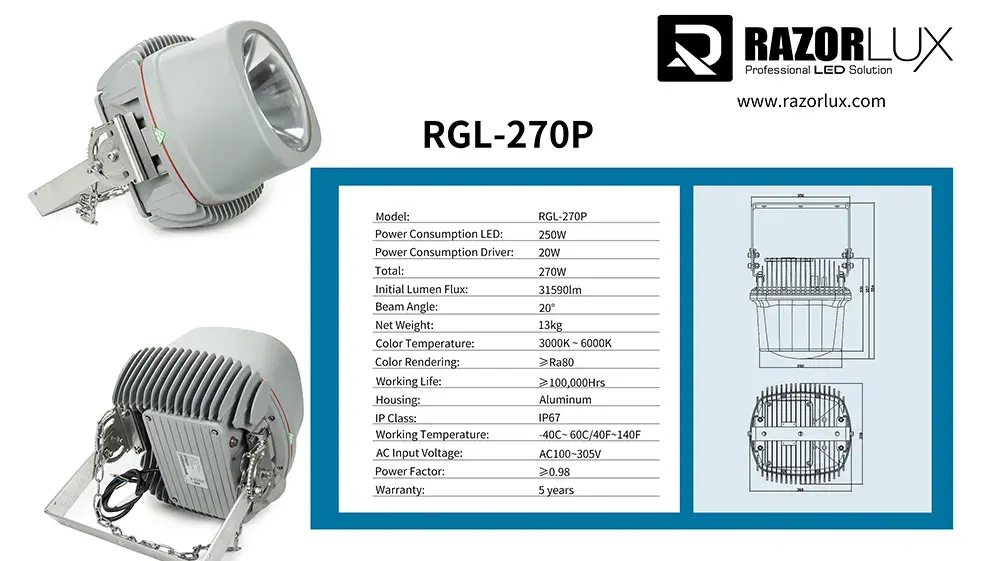
When choosing marine flood lights providers for your fleet, there are certain technical factors that you can use to tell the difference between long-lasting solutions that work and ones that break down quickly in marine service. Luminous effectiveness above 130 lm/W guarantees energy economy, which is a good reason to use LED technology. IP67 minimum entry protection with IK10 impact resistance keeps you safe from the mechanical and weather damage that comes with working at sea. Using tier-1 LED chips from Samsung or a similar company, along with power sources from Mean Well or a similar company, gives you stability that cheaper options can't match. A large input voltage range (AC 90–305V, DC 127–431V) works with the different voltages and dual-voltage systems that are popular on ships. With an operating temperature range of -40°C to +60°C, it can be used in both cold and warm climates. All of these features are built into our RGL-270P marine flood lights, which gives you professional-level performance that meets the strict needs of business maritime service.
Critical Certifications and Standards for Maritime Compliance
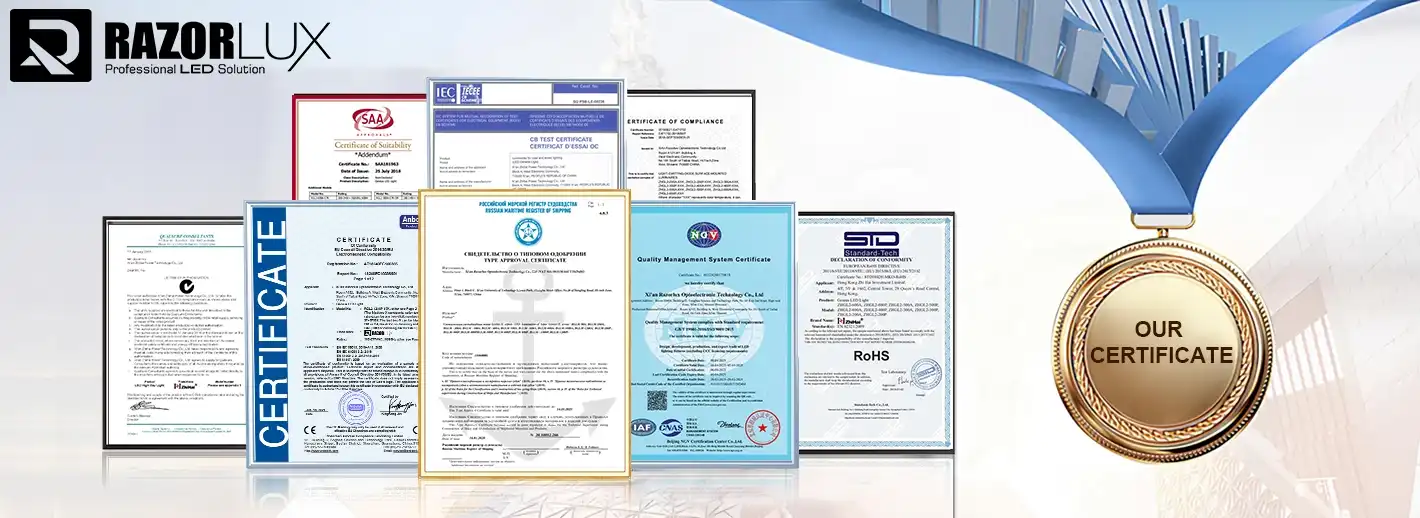
With international certificates, a neutral third party can say for sure that lighting fixtures meet safety and performance standards. UL 1598A is the basic safety standard for marine flood lights in North America. It makes sure that the electrical safety and environmental security are right for use in saltwater. If a ship has a CE mark, it means it follows the safety rules set by the European Union. This is needed for ships that operate in EU waters or that fly the EU flag, no matter where they are working. Certification from the Russian Maritime Register of Shipping (RMRS) is needed for ships flying the Russian flag or working in Russian national areas. Offshore platforms and ships that need to follow the rules of a classification society often need type approvals from DNV-GL and ABS (American Bureau of Shipping). Our wide range of certifications, including RMRS, UL, CE, RoHS, SAA, C-Tick, DLC, CB, and ISO9001, makes sure that your purchases meet all the rules in all the places they'll be used around the world, so you don't have to deal with multiple suppliers for each vessel registry.
Evaluating Supplier Capabilities Beyond Product Specifications
The relationship with the seller goes far beyond the delivery of the first product. This is especially true for marine floodlight operations, where the reliability of tools directly affects operating safety and the vessel's ability to make money. How quickly providers can meet urgent replacement needs when fixtures break down on long trips far from major ports depends on how much they can make and how much they stock. Your engineering staff can answer questions about installation and fix problems with operations without having to wait for expensive delays if you provide responsive technical support, which usually means answering questions within 24 hours and providing full technical paperwork. Customization features let you change the device to fit the needs of a specific vessel. For example, you can add custom mounting brackets, different beam patterns, or built-in control interfaces. Our product line is backed by more than 200 patents that cover things like LED Packaging, power control, and structural design. We've been in business since 1998, so you can be sure that our business will be stable for a long time. This keeps our products from becoming orphans that don't get ongoing support.
Understanding Total Cost of Ownership in Maritime Lighting Procurement
In marine settings where lights are used all the time for years, the purchase price is only a small part of the total cost of lighting over a lifetime. Over the course of 50,000 hours, energy use is much higher than the initial cost of the fixture. For example, a fixture that uses 730W more energy than an efficient option loses 36,500 kWh, which is the same as using 10,000 liters of diesel fuel at a normal generator efficiency. Replacement and upkeep costs go up for technologies that don't last long and need to have bulbs changed many times over the course of their useful life, which requires work and causes problems with operations. When you buy a warranty, the maker takes on the risk instead of the ship owner. For example, our 5-year guarantee on LED modules and drivers gives you peace of mind that they won't break down early and cost you extra money in repairs during the first few years of use. When you look at the total cost of ownership instead of just the purchase price, energy-efficient LED marine flood lights save you 60–70% compared to traditional nautical lighting options, even though they cost more at first.
Bulk Procurement Strategies for Fleet-Wide Lighting Upgrades
When fleet owners replace the lights on multiple ships, they can save a lot of money by buying everything at once. When makers spread fixed costs over longer production runs, volume pricing lowers the cost per unit by 15 to 30 percent compared to buying a single vessel. Standardizing on a single fixture's specs makes it easier to keep track of extra parts. Instead of keeping parts for multiple light variations, you only need to keep one type of LED driver and one type of LED module in stock. By using full containers, consolidated shipping cuts down on handling costs and gets rid of minimum order sizes that make buying a single vessel impractical. Technical teams can become experts with certain goods thanks to coordinated installation plans. This improves the quality of installations and cuts down on the time needed to start up as crews move from one vessel to another. Buyers of fleets can take advantage of longer payment terms and framework purchase agreements, which help them better handle their cash flow and protect prices against future price increases during multi-year fleet modernization projects.
Razorlux Product Specifications and Technical Advantages
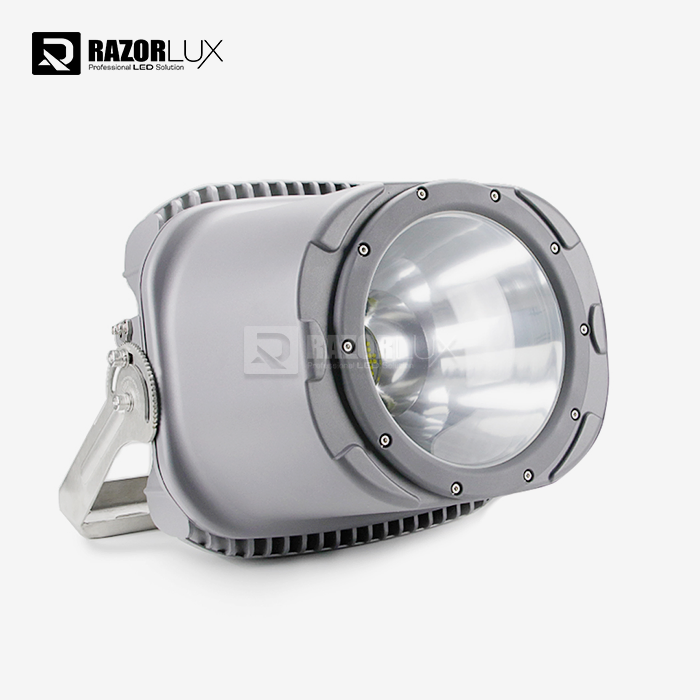
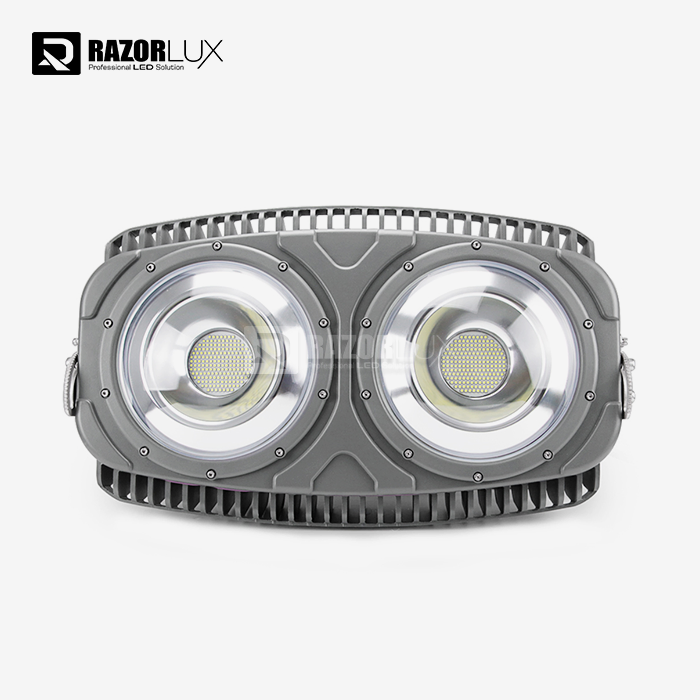
Our unique multi-function marine floodlights are the result of more than 25 years of research and development into LED lighting for harsh maritime settings. The 270W rated power can be used instead of 600–1000W standard fixtures and provides 29,700 lumens of constant light output that stay the same after thermal stability. The wide input voltage range (AC 90–305V, DC 127–431V) means that it can work with almost any vessel's electrical system without the need for voltage-specific models. Beam angles can be changed from a 15° spot to 140°x60° asymmetric patterns, so they can be tailored to different mounting areas and covering needs. The IP67/IK10 grade means that it can handle direct water jets and heavy mechanical impact, which are common on decks. Marine-grade metal body and a stainless steel mounting plate don't rust even after years of being in saltwater. The Mean Well power source has a power factor of over 0.98 and a total harmonic distortion of less than 10%. This keeps the electrical system from being overloaded and ensures stable LED operation. Our trust in the long-term durability of our products is shown by the 5-year warranty on all electrical parts and the 10-year guarantee on the housing.
Future Trends in Energy-Efficient Marine Flood Lighting for Extended Marine Use
Solar-Integrated Systems for Auxiliary Vessel Lighting
New solar integration technology could be used to supplement a ship's main power source in some marine floodlight situations. Larger ships' remote area lighting, like emergency lighting for the helideck, lifeboat station, or bridge wing navigation lights, can use specialized solar panels with battery storage to lower the generator's load when the sun is shining brightly enough. Hybrid systems use solar power as their main source of power when they can charge during the day. When it gets dark or the batteries run out, the systems automatically switch to ship power. Complete lighting freedom on a vessel is still not possible because of limited room for solar panels, but targeted applications can offset 30–40% of lighting energy use when conditions are right. Offshore platforms and docks with fixed installations and mounting space for solar arrays can be even more energy independent. It has been shown that 60–80% of total lighting loads can be met by solar power when combined with battery storage systems big enough to last for several days during long periods of cloudy weather.
Smart Controls and Dynamic Lighting Management
Advanced marine floodlight control systems are the next big thing in saving energy in ships. They go beyond simple on/off switches and allow lights to change based on what's needed at all times. Occupancy sensors only turn on the deck lighting when someone is on it, so it doesn't waste light when no one is there. Daylight harvesting changes the output of fixtures automatically based on the amount of light in the room. This keeps the total lighting level constant while reducing the amount of artificial lighting needed at dawn, dusk, and during the day when it's cloudy. Integration with vessel tracking systems lets the lighting change automatically depending on the mode of operation—full lighting for moving goods, lower levels for normal passage, and strategic perimeter lighting for docking at a port. Predictive algorithms learn how things are usually used and change the lights before normal activities happen. This saves energy without anyone having to do anything. Early users who put in place full smart controls report 25–40% energy savings on top of just switching to LEDs, with return times of two to three years despite the cost of the control system.
Continued LED Technology Advancement
LED technology keeps getting better and better as new semiconductor materials and packing methods make them more efficient. Research being done on gallium nitride on silicon (GaN-on-Si) substrates offers 15-20% more light output than the best commercial goods on the market right now. This means that 180+ lumens per watt could be achieved in production fixtures within 3–5 years. Better thermal management with improved phase-change cooling and built-in heat pipe designs will make it possible for higher power density, which means that smaller fixtures can produce the same amount of light with less wind resistance and with less trouble during installation. Electronic color temperature change made possible by tunable white technology gets rid of the need for different types of fixtures while increasing productivity for different jobs throughout the day. Smart control techniques that improve driver electronics with wide lighting ranges (0.1–100%) and better part-load efficiency will help save even more energy. These small but steady gains make sure that the efficiency of maritime flood lights keeps going up, even though the current generation of technology already has a lot of great practical benefits.
Regulations that push for energy-efficient lighting in ships
Tougher rules for the environment make it more important to improve the efficiency of marine flood lights for reasons other than lower operating costs. The International Maritime Organization (IMO) Energy Efficiency Design Index (EEDI) rules for new ships say that the energy efficiency of the ships must always improve. This means that improving the energy efficiency of the lighting systems is an important part of total compliance strategies. Port state control in the European Union is paying more attention to how much energy and pollution ships use. Ships with old, useless systems may not be able to operate as freely. Regional emissions control areas (ECAs) with strict limits on sulfur oxides and nitrogen oxides make saving fuel more valuable because low-sulfur fuel that meets regulations costs more. Carbon tax plans and emissions trade schemes that are still being worked on would directly make improvements in energy efficiency a monetary value. This would create more financial reasons to switch to LEDs than just saving money on fuel costs. Based on these governmental trends, it looks like energy-efficient maritime lights will go from being a practical benefit to a legal requirement within the next ten years.
Lifecycle Sustainability and the Circular Economy: Things to Think About
Maritime equipment procurement is changing in ways that go beyond just being operationally efficient. There is more focus on lifecycle environmental effects and circular economy concepts. If LED marine flood lights are made with dangerous materials or without thinking about how to recycle them at the end of their lives, they can be hard to get rid of and could be bad for the earth. Our design philosophy includes modular construction with separate parts, such as aluminum housings that can be recycled as scrap metal, LED modules and drivers that contain valuable semiconductor materials that can be recovered through specialized electronics recycling, and standard fasteners that make it possible to take parts apart without damaging them. Resource use during production is kept to a minimum by reducing material intensity through better structure design and getting rid of parts that aren't needed. The longer life of LED technology means that they don't need to be replaced as often, which saves money and materials. As vessel owners face pressure from stakeholders for better environmental performance that goes beyond working emissions and includes the full lifecycle effects of equipment choices, these sustainability factors become more important in their purchasing decisions.
Conclusion
Energy-efficient marine flood lights are a game-changing tool for maritime operations. They use 70–80% less power than standard lighting while still giving off better light. The operational benefits extend well beyond energy savings to include reduced maintenance requirements, improved reliability in harsh maritime environments, and enhanced safety through consistent high-quality illumination unaffected by environmental conditions. Modern LED marine lighting technology has matured beyond early-adopter risk into proven, reliable solutions backed by comprehensive certifications and demonstrated performance across global maritime operations. When you evaluate the total cost of ownership encompassing energy consumption, maintenance labor, replacement parts, and operational reliability, LED marine flood lights represent the superior choice for any vessel preparing for an extended voyage.
FAQ
1. Why are LED marine flood lights energy-efficient?
LED marine flood lights use advanced LED technology to provide higher brightness with lower power consumption, helping vessels reduce fuel usage and operating costs.
2. What makes marine flood lights suitable for ships?
Marine flood lights feature corrosion-resistant materials, waterproof protection, and durable designs to withstand salt spray, vibration, and extreme weather conditions.
3. How long can LED marine flood lights last?
High-quality LED marine flood lights can typically operate for over 50,000 hours, reducing maintenance frequency and replacement costs.
4. What should I consider when buying marine flood lights?
Key factors include brightness, power efficiency, IP rating, beam angle, voltage compatibility, certifications, and supplier support.
5. Can smart controls improve marine lighting efficiency?
Yes. Smart dimming, sensors, and remote control systems can further reduce energy consumption while maintaining safe illumination.
Choosing Reliable Marine Flood Light Solutions for Long-Term Vessel Performance
Selecting the right marine lighting partner can directly influence vessel safety, operational efficiency, and long-term ownership costs. Razorlux provides advanced LED marine flood light solutions designed for demanding maritime environments, offering high efficiency, corrosion resistance, and stable performance for commercial vessels, offshore platforms, and industrial marine applications.
For companies looking for a reliable marine flood lights supplier, Razorlux delivers customized lighting solutions based on vessel requirements, installation conditions, and energy-saving goals. Contact our professional team at sam@razorlux.com to discuss your project needs and explore efficient marine lighting solutions built for long-term operation.
References
1. International Maritime Organization (IMO), 2024 — Energy Efficiency Measures for Ships. Used in the section discussing maritime energy-saving regulations and vessel efficiency requirements.
2. International Electrotechnical Commission (IEC), 2023 — IEC 60529: Degrees of Protection Provided by Enclosures (IP Code). Used in the section explaining IP67 protection and environmental resistance requirements.
3. Underwriters Laboratories (UL), 2024 — UL 1598A Marine Lighting Standard. Used in the procurement section discussing marine lighting safety certification.
4. American Bureau of Shipping (ABS), 2024 — Marine Equipment Certification and Type Approval. Used in the compliance section covering classification requirements for marine equipment.
5. DNV, 2024 — Maritime Classification and Certification Services. Used in the discussion of offshore and vessel equipment reliability standards.
6. U.S. Department of Energy, 2024 — LED Lighting Technology and Energy Efficiency Research. Used in the section comparing LED efficiency advantages over traditional lighting technologies.
 VIEW MORElarge warehouse lights
 VIEW MOREoverhead crane lights
 VIEW MOREled baseball field lights
 VIEW MOREbadminton court led lighting
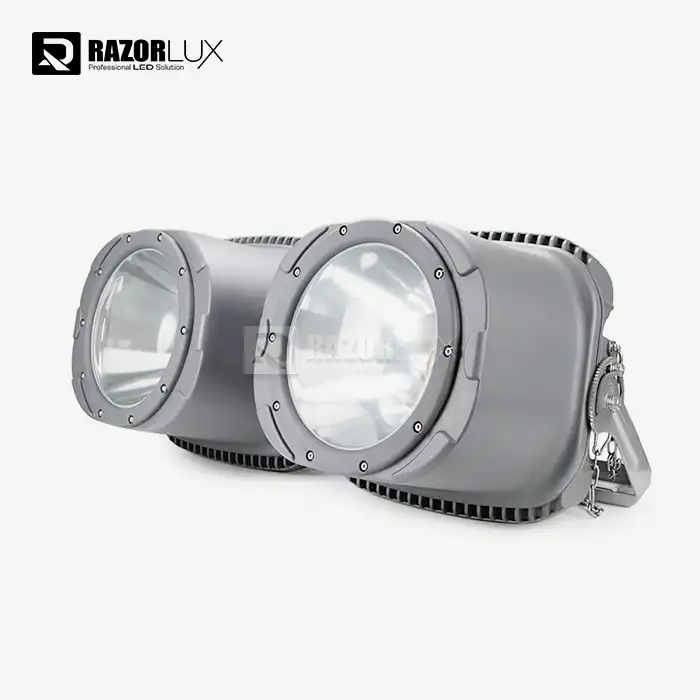 VIEW MORE1400 Watt Led Sports Light
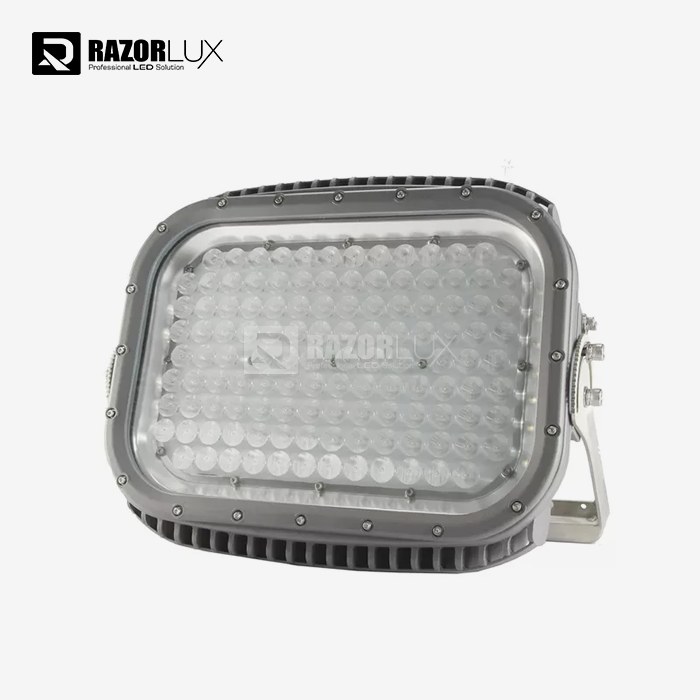 VIEW MOREWaterproof Dimmable LED Flood Light Aluminum Housing 200W
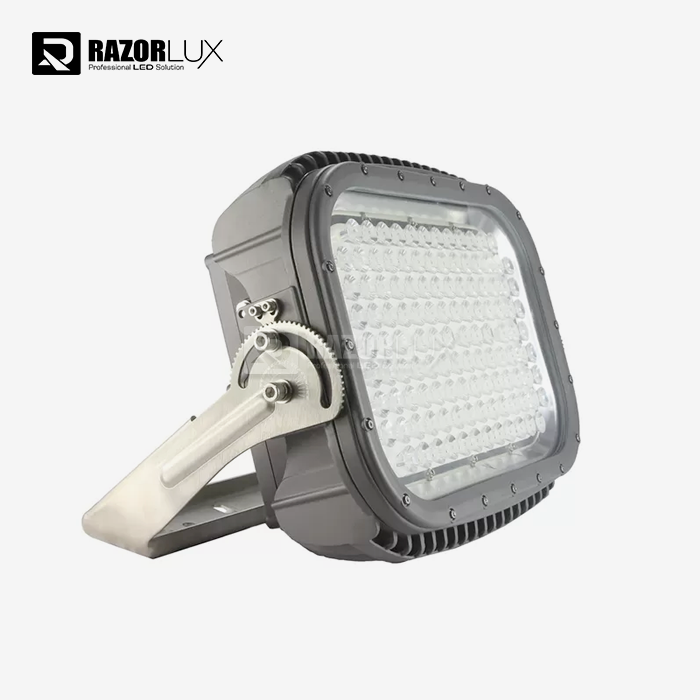 VIEW MORE400w Dimmable LED Flood Light High Lumen Narrow Beam
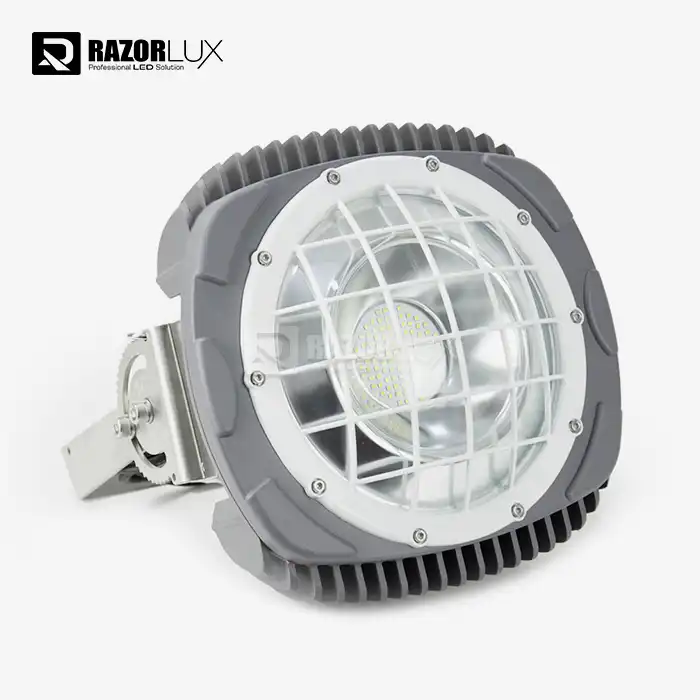 VIEW MOREAttractive Flood Lights