


_1750326878398.png)

Low Mast Light Applications in Urban & Industrial Spaces
Low Mast Light technology represents a specialized lighting solution designed for targeted illumination in urban and industrial environments. These fixtures operate at heights typically ranging from 3 to 6 meters, providing efficient lighting coverage for various commercial and industrial applications. Unlike traditional high-mounted lighting systems, these solutions offer enhanced accessibility for maintenance while delivering superior energy performance and operational reliability in demanding environments.
Understanding Low Mast Lights: Definition, Types, and Technical Specifications
Defining Modern Low Mast Lighting Systems
Low mast lighting systems are a middle ground between regular pole-mounted lights and high-mast setups. These methods work really well in situations where you need to cover a modest area and have more control over how the light is spread. With the addition of LEDs, the technology has changed a lot, providing better performance measurements and management freedom. Modern setups use advanced lighting patterns that make the best use of light spread while using the least amount of energy. The setting height makes it possible to light up walkways, entry routes for vehicles, and work areas well without the infrastructure problems that come with installing lights higher up.
Technical Specifications for Industrial Applications
Professional-grade Low Mast Light systems incorporate several critical technical parameters that determine their suitability for specific applications. Understanding these specifications enables procurement professionals to make informed decisions aligned with project requirements and operational objectives.
| Specification | Standard Range | Industrial Grade | Marine Grade |
|---|---|---|---|
| Mounting Height | 3-6 meters | 4-8 meters | 3-6 meters |
| Wattage Range | 50-150W | 80-200W | 100-250W |
| IP Rating | IP54-IP65 | IP65-IP67 | IP67 |
| Operating Temperature | -20°C to 50°C | -40°C to 60°C | -40°C to 60°C |
| Efficacy (lm/W) | 100-120 | 120-140 | 130+ |
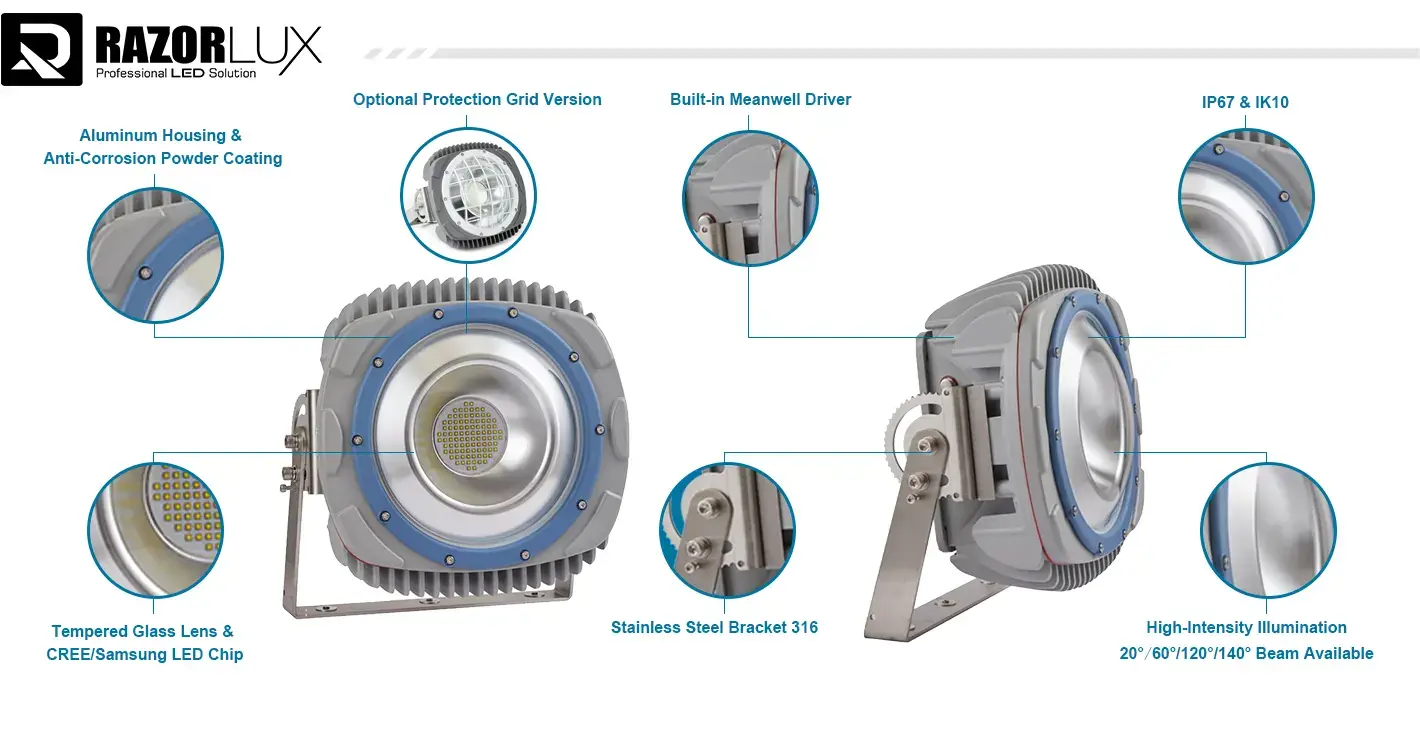
The Razorlux RGL-120A model exemplifies advanced technical specifications with its patented multi-function design. This system delivers 120W rated power with exceptional lamp efficiency of 130LM/W, surpassing industry standards for energy performance. The wide input voltage range of AC80-315Vac and DC80-400Vdc ensures compatibility across diverse electrical infrastructures.
Advanced LED Technology Integration
These days, modern low-mast systems have complex LED displays and precise visual control systems. The beam angle settings of 60°, 120°, and 140°x60° give you a lot of options for how to light your space. Color temperature ranges from 2700K to 6500K, so it can be adjusted to different lighting conditions and meet legal requirements. High-quality parts, like Mean Well power sources, make systems more reliable and last longer. The IP65/IP67 protection grades make sure that the device works well in harsh environments, and the stainless steel bracket design makes it strong enough for use in sea and coastal settings.
Benefits and Applications of Low Mast Lights in Urban and Industrial Spaces
Enhanced Operational Efficiency Through Strategic Illumination
Installing low mast lighting makes operations more efficient in several different industries. The even spread of light from these systems cuts down on shadows and dark spots, which helps improve safety standards and output in the workplace. Instead of having to deal with complicated repair processes, the reasonable fixing height makes things easier. Technicians can get to parts using normal repair tools, which cuts down on downtime and the costs that come with it. This benefit of easy access is especially useful in industrial settings where constant lighting is necessary for processes to run smoothly.
Diverse Application Environments
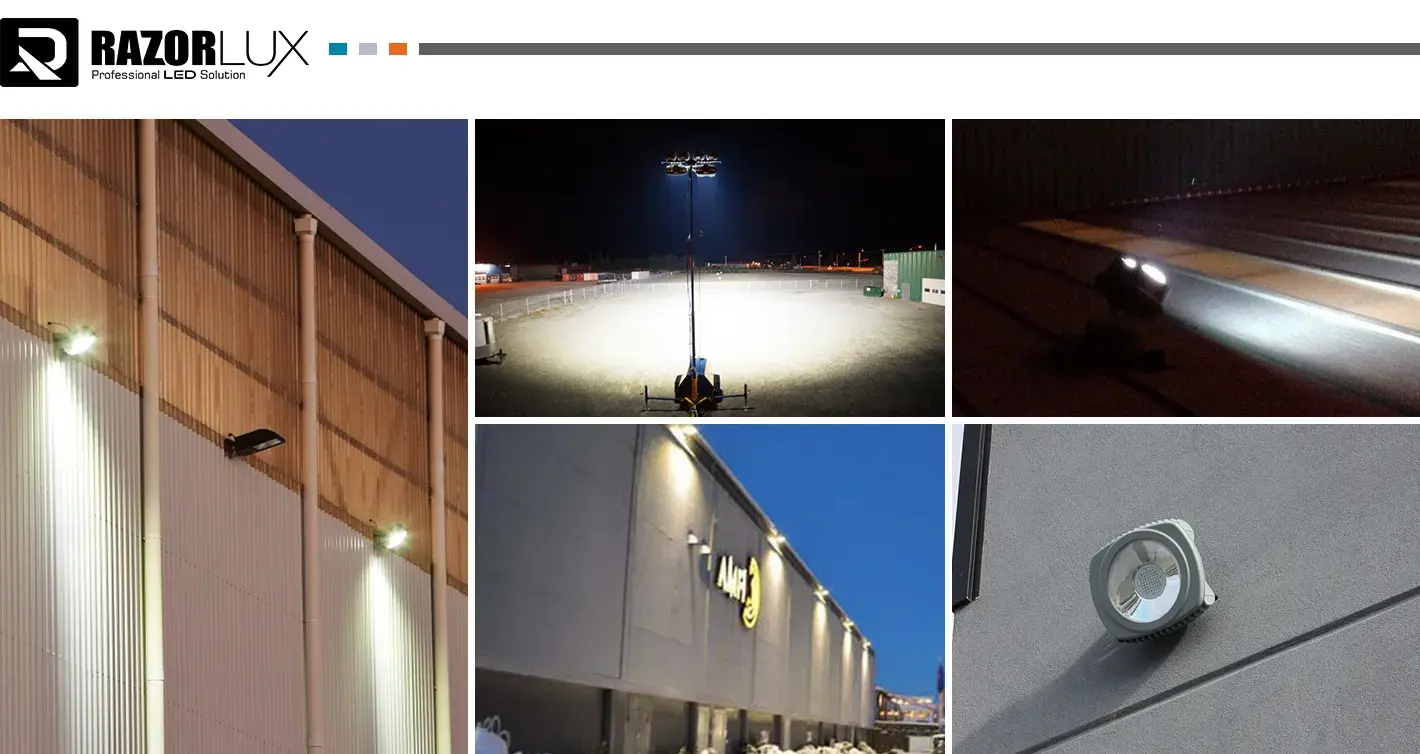
Here are the primary application areas where Low Mast Light systems demonstrate exceptional performance:
- Port and Maritime Facilities: Container yards, loading docks, and vessel maintenance areas benefit from corrosion-resistant fixtures with high IP ratings
- Industrial Manufacturing: Steel mills, chemical processing plants, and heavy machinery areas require robust lighting capable of withstanding harsh environmental conditions
- Logistics and Distribution: Warehouse exteriors, truck loading zones, and inventory storage areas utilize efficient illumination for 24/7 operations
- Infrastructure Projects: Railway terminals, bus stations, and transportation hubs implement these systems for passenger safety and operational visibility
Infrastructure Projects: These systems are put in place at train stations, bus stops, and other transportation hubs to keep passengers safe and improve operating awareness. These uses show how flexible current low mast technology is when it comes to solving certain lighting problems in factories. Being able to change beam patterns and mounting arrangements guarantees the best performance in a wide range of operating situations. One measurable benefit of skilled installs is that they make things safer. Comprehensive risk management strategies help lower the number of accidents, make it easier to keep an eye on security, and make it easier to see what's going on during an emergency. Industrial sites say that safety numbers at work have gotten a lot better after putting in smart low mast lighting.
Comparing Low Mast Lights with Alternative Lighting Solutions
Performance Analysis Against High Mast Systems
When looking at different lighting options, it's important to know the differences between low mast systems and high mast setups in order to make an informed purchase choice. It is more cost-effective to use low mast designs for medium-coverage uses because they make upkeep easier and require less equipment. When coverage needs to be spread out over a large area, like over 10,000 square meters, high mast systems work best. But the complicated installation, the need for a base, and the need for specialized care tools make the total project costs much higher. Low mast options offer similar lighting quality for smaller places with a lot less money spent on infrastructure.
LED Technology Advantages Over Traditional Solutions
The transition from halogen and metal halide technologies to LED systems represents a paradigmatic shift in industrial lighting efficiency. LED low mast lights deliver superior performance metrics across multiple operational parameters, making them the preferred choice for modern industrial applications.
| Technology | Lifespan (Hours) | Efficiency (lm/W) | Maintenance Frequency | Environmental Impact |
|---|---|---|---|---|
| LED Low Mast | 50,000-100,000 | 130-150 | Minimal | Low |
| Metal Halide | 15,000-20,000 | 80-100 | Annual | Moderate |
| Halogen | 2,000-4,000 | 15-25 | Frequent | High |
| Fluorescent | 10,000-15,000 | 60-80 | Biannual | Moderate |
Energy consumption analysis reveals substantial operational cost reductions with LED implementations. The 130LM/W efficiency rating of advanced systems like the Razorlux RGL-120A significantly outperforms traditional alternatives while providing superior light quality and color rendering capabilities.
Cost-Benefit Analysis for Industrial Applications
When considering lighting systems, people who work in procurement need to think about the total cost of ownership. LED low mast systems have higher initial costs, but they pay for themselves in lower energy costs, less upkeep, and longer operating lifespans. Most industrial sites get their money back in 18 to 24 months just by saving energy. The benefits of LED technology for the environment are in line with government rules and business sustainability goals. Getting rid of toxic products, lowering the carbon footprint, and using less energy all help reach environmental responsibility goals while also improving operations.
Procurement Guide: How to Choose and Buy Low Mast Lights?
Structured Approach to Lighting System Selection
Getting low mast lighting systems that work well takes a methodical review process that looks at technical details, working needs, and long-term benefits. Professional buyers have to find a balance between performance measures and budget limits, all while making sure that the products they buy follow all industry rules and standards. The first step in the buying process is a full site survey and description of needs. Knowing the exact lighting requirements, working conditions, and limitations of the system allows for smart choice-making throughout the selection process. To make sure that specs are in line with practical goals, technical teams should work closely with buying departments.
Critical Performance Metrics for Industrial Applications
When buying industrial lights, wattage economy is one of the most important things to think about. Systems that produce a lot of lumens for each watt they use are more cost-effective and have less of an effect on the earth. Compared to older options, the 130LM/W efficiency grade of modern LED systems shows that they work very well. Specifications for durability, such as IP protection grades and shock strength, show if a system is right for a certain setting. For industrial uses, the design needs to be strong enough to handle high temperatures, water, and muscular stress. Professional-grade systems are reliable in harsh settings because they have an IP67 rating and an IK10 rating for impact resistance.
Supplier Evaluation Criteria
To find trusted providers, you need to look at their manufacturing skills, quality control methods, and service commitments. Product stability and expert help are better when the maker has been around for a long time and has a lot of experience with industrial lighting uses. Compliance with certification is a key factor in industry buying evaluations. Systems need to meet worldwide standards like CE, RoHS, and UL, as well as certifications specific to the business, like DNV/GL for naval use. A wide range of certifications from trustworthy makers makes sure that they follow all the rules and provide high-quality products. Customization lets providers meet the needs of specific projects and work around practical limitations. For complicated industrial uses, makers who are flexible enough to change the beam angle, make changes to the fixing, and integrate the control system add more value.
Maintenance, Energy Efficiency, and Long-Term Value of Low Mast Lighting
Optimizing Operational Economics Through LED Technology
An important benefit of energy-efficient LED lighting systems is that they lower operating costs by using less power and lasting longer. The 130LM/W efficiency rate of modern systems gives them great performance while keeping costs and environmental damage to a minimum. Protocols for preventive maintenance make sure that systems work at their best and get the most out of their investments. Regular inspections, cleaning, and tracking of parts help fixtures last longer while keeping the quality of the light. Low-mast systems are easier to maintain than high-mast ones because the mounting height is easier to reach.
Strategic Maintenance Planning
Developing comprehensive maintenance strategies requires an understanding of component lifespans, performance degradation patterns, and replacement scheduling. LED systems with 50,000+ hour operational life significantly reduce maintenance frequency compared to traditional lighting technologies.
The modular design of professional-grade systems enables selective component replacement without complete fixture replacement. This approach minimizes maintenance costs and operational disruption while ensuring consistent performance standards. Quality components such as Mean Well drivers and Samsung LED chips provide exceptional reliability and service life.
Future-Proofing Industrial Lighting Investments
Lighting systems that can be scaled up or down can adapt to changing business needs and new technologies. Modular designs let you add on to a system, change parts, and connect a control system without having to update the whole infrastructure. Smart lighting integration makes LED systems ready for future improvements to control and tracking. IoT connection, online tracking, and automatic control systems make operations more efficient and allow for planned repair. These high-tech features help with complete strategies for managing facilities and improving operations.
Company Introduction & Product Services
Razorlux: Leading Innovation in Industrial Lighting Solutions
Xi'an Razorlux Optoelectronic Technology Co., Ltd. is one of the best companies that makes high-tech LED lighting options for heavy-duty, industrial, and naval use. Since its founding in 1998, our company has grown into a world leader in technology. It now has over 200 patents covering new ideas in LED Packaging, power control, and structure design. Our large selection of products meets a wide range of industrial lighting needs by providing designed solutions that work very well and are very reliable. Our Low Mast Light systems can be used in a wide range of settings, from urban infrastructure to offshore naval installations, thanks to their unique multi-function design.
Advanced Manufacturing Capabilities
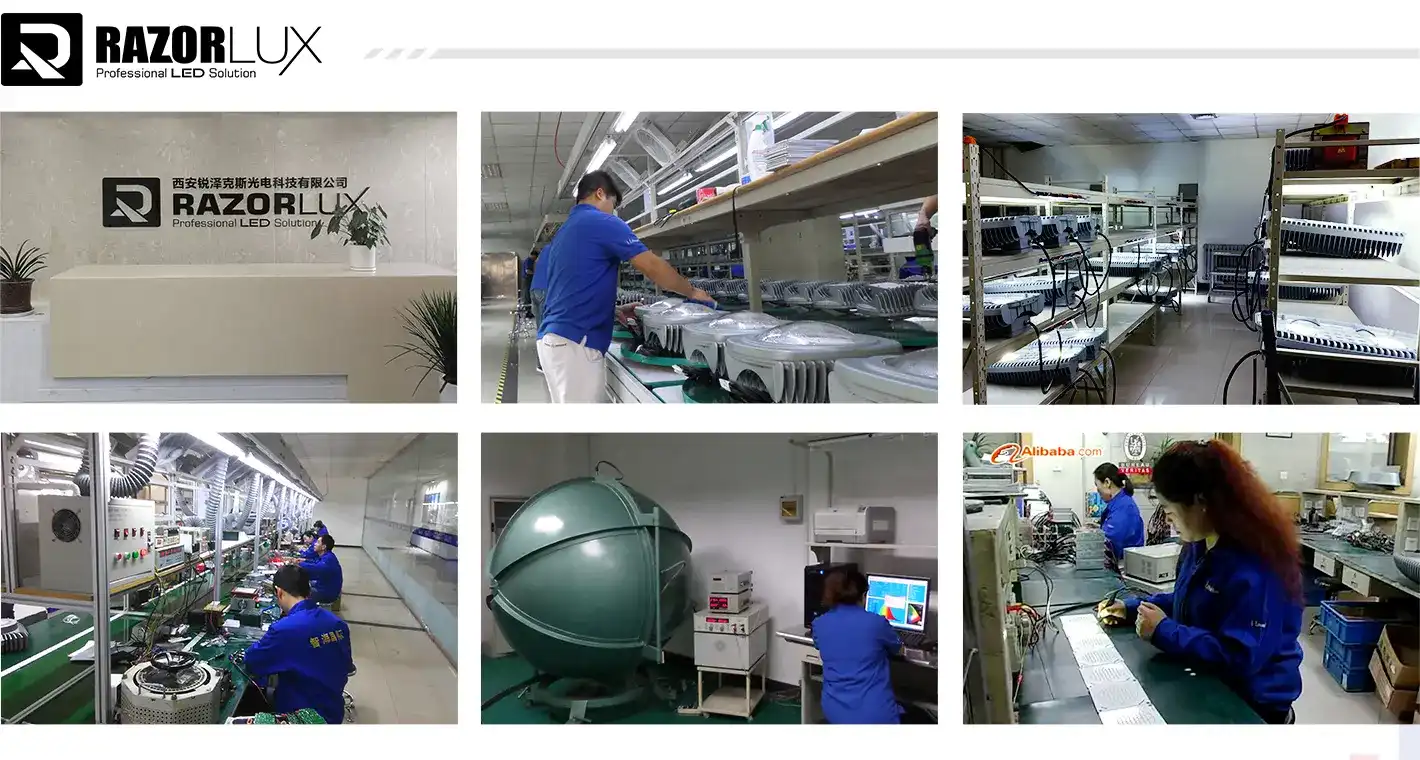
Our modern factories use high-tech quality control systems and careful building methods to make sure that the quality and performance of our products are always the same. Using DFEMA failure mode analysis tools makes sure that the quality is checked all the way through the production process. Strategic relationships with top component providers, such as Mean Well and Samsung, make sure that customers can get high-quality parts that make products more reliable and better at what they do. With sites in several places around the world, we can provide quick service and effective transportation support for foreign tasks.
Comprehensive Service Portfolio
Professional technical support services include consulting before the sale, making samples just for the customer, and writing up detailed engineering documents. Our experienced technical team helps with choosing the right product, making sure the application works best, and planning the installation so that the project turns out well. Customization options let you make solutions that fit the needs of your individual project. These options include changing the power, beam angle, and placement. OEM and ODM services let resellers and system integrators serve specific market groups with unique solutions.
Conclusion
Low Mast Light technology represents an optimal solution for urban and industrial illumination requirements, combining energy efficiency with operational reliability and maintenance accessibility. The strategic implementation of LED systems delivers measurable improvements in safety, productivity, and operational economics across diverse industrial applications. Advanced specifications, including 130LM/W efficiency, IP67 protection, and comprehensive certification compliance, ensure suitability for demanding environmental conditions. Professional procurement strategies that consider total cost of ownership, supplier capabilities, and long-term value propositions enable successful lighting system implementations that support operational objectives while delivering sustainable performance improvements.
FAQ
What safety enhancements do low mast lights provide in industrial environments?
Low mast lighting systems significantly improve workplace safety through uniform illumination that eliminates dark zones and shadows. The enhanced visibility enables better hazard identification, improved security monitoring, and more effective emergency response procedures. Industrial facilities report measurable reductions in accident rates following strategic lighting upgrades.
Which factors influence lighting selection for large parking areas?
Parking area lighting selection depends on coverage requirements, mounting height constraints, energy efficiency targets, and security considerations. Low mast systems excel in medium-sized areas where uniform distribution and accessible maintenance are priorities. The 140°x60° beam angle option provides excellent coverage for vehicular and pedestrian zones.
Can low mast lights be customized for unique industrial specifications?
Professional-grade low mast systems offer extensive customization options, including wattage adjustments, beam angle modifications, color temperature variations, and mounting adaptations. Manufacturers like Razorlux provide engineering support for specialized applications requiring specific performance parameters or environmental compliance requirements.
How do LED low mast lights compare to traditional lighting in terms of operational costs?
LED systems deliver 60-70% energy savings compared to traditional technologies while providing superior light quality and reduced maintenance requirements. The 130LM/W efficiency rating significantly outperforms metal halide and halogen alternatives, typically achieving ROI within 18-24 months through operational cost reductions.
What certifications are essential for marine and offshore lighting applications?
Marine applications require comprehensive certification, including DNV/GL, ABS, CE, and relevant national standards. The IP67 rating ensures protection against saltwater exposure, while corrosion-resistant materials and construction methods provide long-term reliability in harsh marine environments.
Partner with Razorlux for Superior Industrial Lighting Solutions
Razorlux delivers cutting-edge low mast lighting systems engineered for exceptional performance in demanding industrial environments. Our advanced LED technology, comprehensive certifications, and proven track record make us the preferred Low Mast Light supplier for global industrial projects. Experience the benefits of 130LM/W efficiency, IP67 protection, and five-year warranty coverage backed by over two decades of manufacturing excellence. Our expert technical team provides customized solutions, competitive quotations, and comprehensive support throughout your project lifecycle. Contact sam@razorlux.com today to discuss your lighting requirements and discover how our innovative solutions can enhance safety, reduce operational costs, and deliver long-term value for your industrial applications.
References
1. Industrial Lighting Efficiency Standards and Best Practices for Manufacturing Facilities, International Association of Lighting Designers, 2023.
2. LED Technology Performance Analysis in Marine and Offshore Applications, Maritime Engineering Research Institute, 2022.
3. Energy Efficiency Comparative Study: Low Mast vs. High Mast Lighting Systems in Industrial Settings, Industrial Energy Management Journal, 2023.
4. Safety Impact Assessment of Advanced Lighting Systems in Heavy Industry Environments, Occupational Safety Research Foundation, 2022.
5. Total Cost of Ownership Analysis for Industrial LED Lighting Implementations, Facilities Management Technology Review, 2023.
6. Environmental Compliance and Certification Requirements for Marine Lighting Equipment, International Maritime Standards Organization, 2022.
 VIEW MOREindoor volleyball court lighting
 VIEW MOREbest stadium lights
 VIEW MOREhigh power outdoor led flood lights
 VIEW MOREOutdoor Led Flood Light With Photocell
 VIEW MORELed Indoor Arena Lights
 VIEW MORELED Flood Lights For Sports Field
 VIEW MORELed Crane Light
 VIEW MORE75Ra Led Boat Flood Lights Lumitec Spreader Lights 120lm/W Aluminum Alloy Body