

_1750326878398.png)

What Makes a Marine LED Flood Light Essential for Boats?
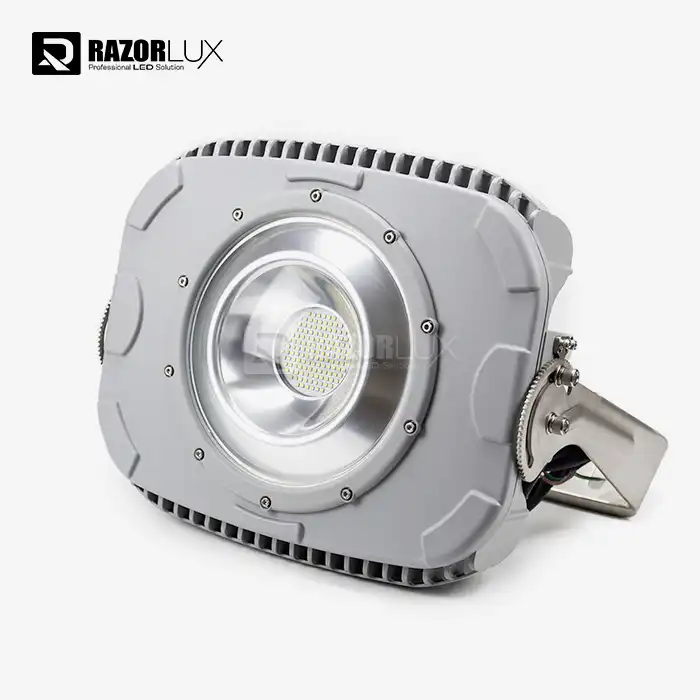
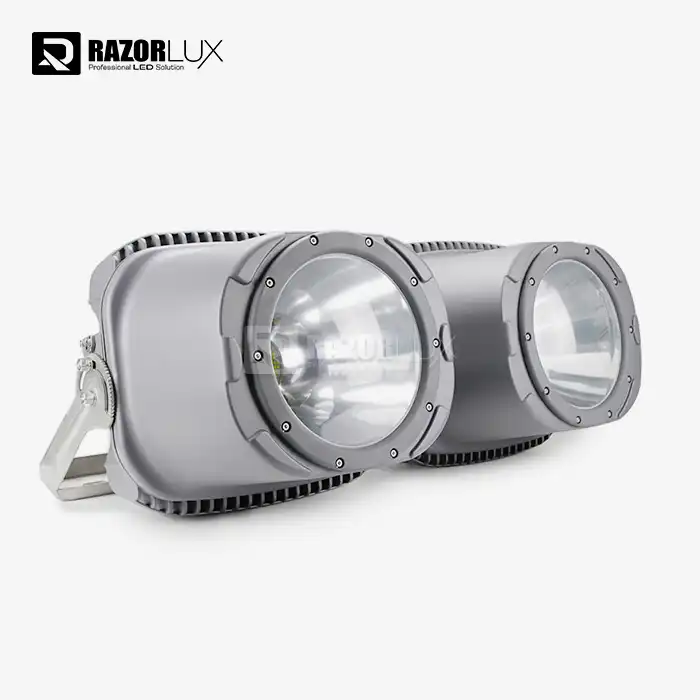
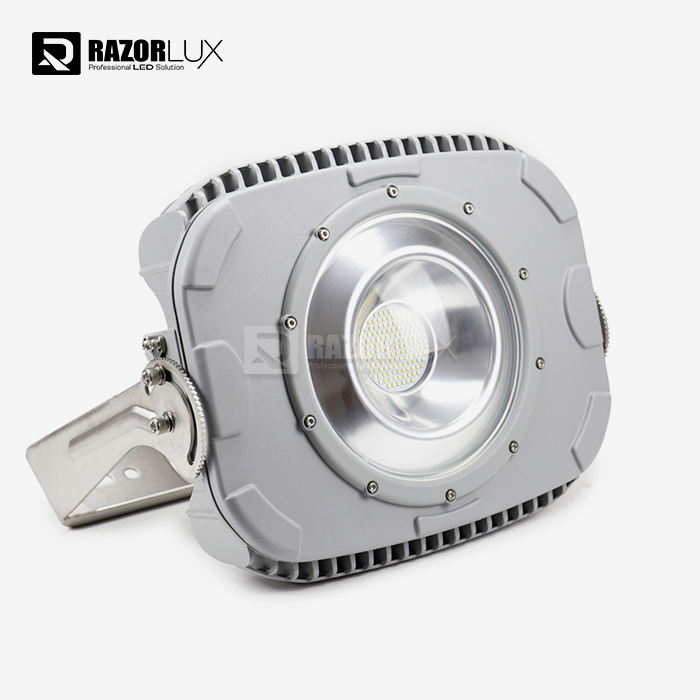
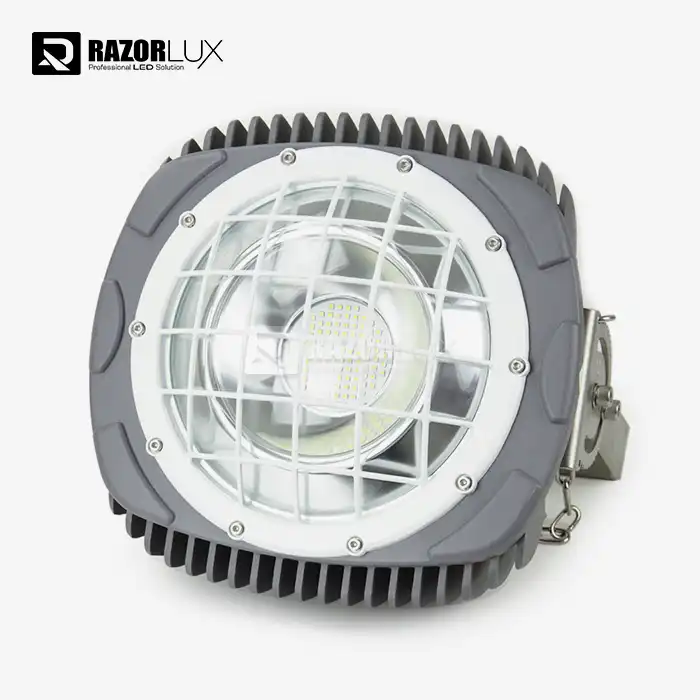
A Marine LED Flood Light serves as an indispensable safety and operational component for any vessel operating in challenging maritime environments. These specialized lighting solutions deliver exceptional illumination while withstanding saltwater corrosion, extreme weather conditions, and constant vibration that would quickly destroy conventional lighting systems. The advanced engineering behind Marine Led Flood Lights incorporates waterproof ratings of IP67 or higher, corrosion-resistant materials, and energy-efficient LED technology that provides reliable performance for decades. Unlike standard flood lights, marine-grade units feature reinforced housings, stainless steel brackets, and specialized coatings designed specifically for harsh oceanic conditions, making them absolutely essential for safe navigation, deck operations, and emergency response scenarios aboard any boat or vessel.
Understanding Marine LED Flood Lights and Their Importance
Marine LED flood lights are a huge step forward in marine lighting technology. They were designed to withstand the harsh conditions of oceanic settings. These specialized lighting systems are very different from regular LED lights because they are built better and have certifications that are specific to marine use.
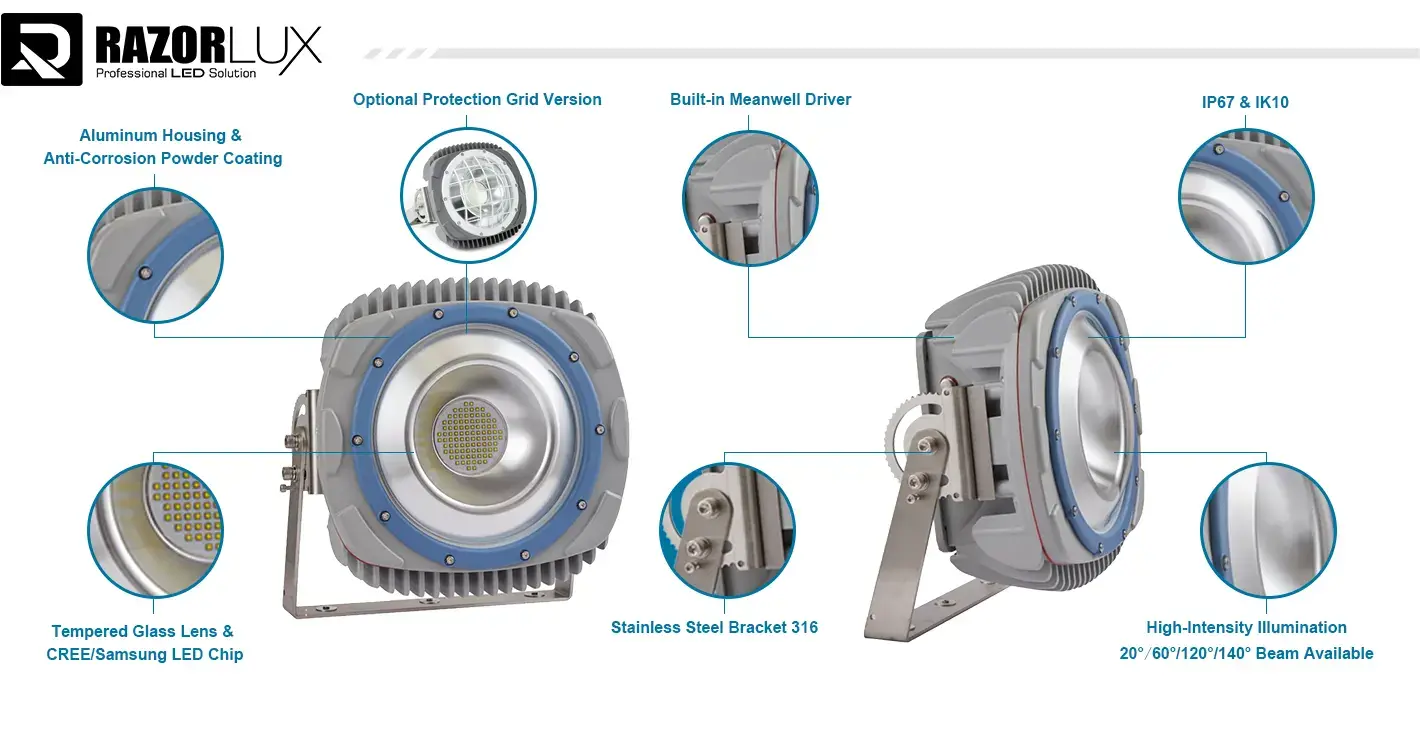
Advanced Waterproofing Technology
The cornerstone of any effective marine lighting system lies in its ability to prevent water ingress. Professional marine LED flood lights achieve IP67 protection ratings, ensuring complete protection against dust infiltration and temporary water immersion up to one meter depth. This waterproof capability extends beyond simple splash resistance, providing reliable operation even when subjected to heavy seas and driving rain that characterize severe weather conditions.
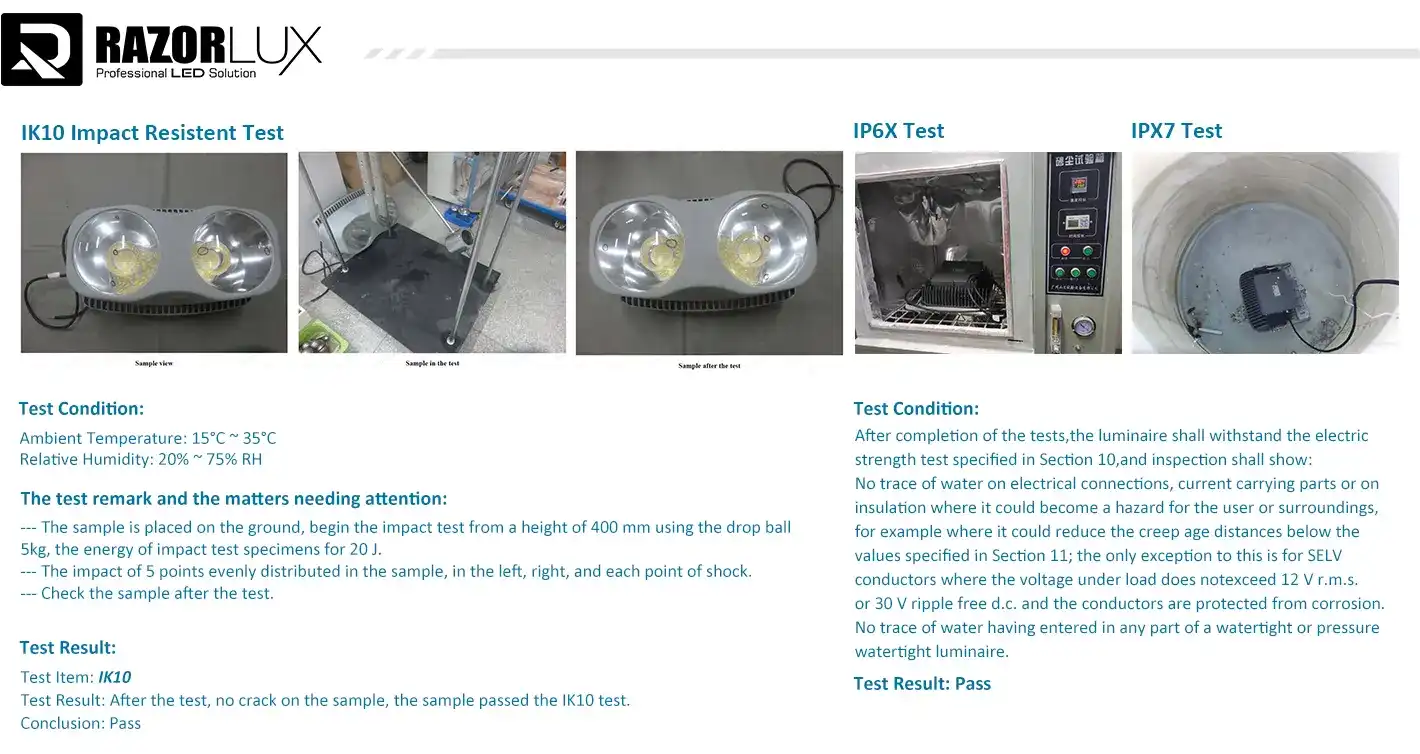
Corrosion Resistance Engineering
Saltwater environments present unique challenges that destroy conventional lighting equipment within months. Marine-grade LED flood lights utilize specialized aluminum alloy housings with protective coatings that resist galvanic corrosion. The integration of stainless steel mounting hardware ensures structural integrity throughout extended exposure to marine atmospheres, where salt spray and humidity levels would rapidly degrade inferior materials.
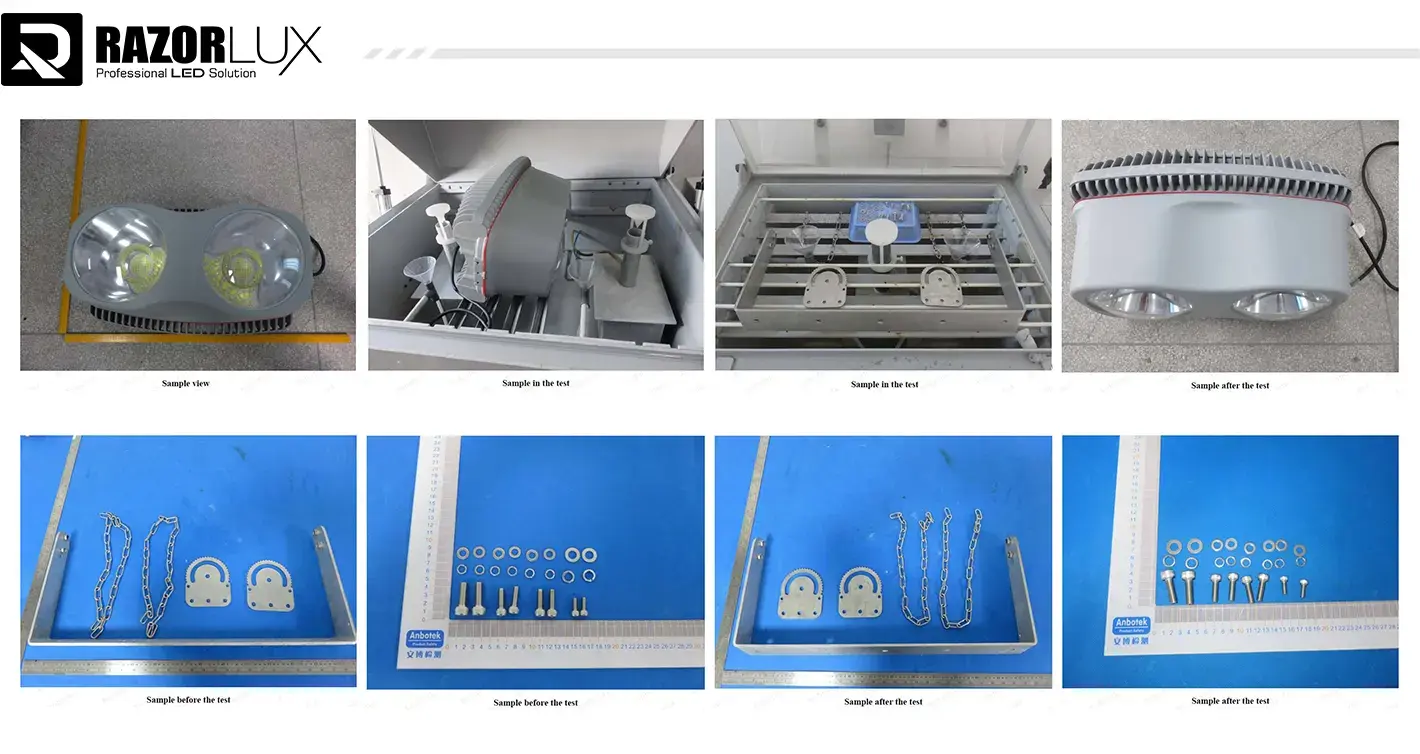
Regulatory Compliance Standards
Modern vessels must comply with stringent international maritime regulations governing onboard lighting systems. Marine LED flood lights certified by organizations such as RMRS, DNV/GL, and ABS meet these critical safety standards. These certifications verify that lighting equipment can withstand shock, vibration, and environmental extremes while maintaining consistent performance essential for navigation safety and crew protection.
Key Benefits and Advantages of Marine LED Flood Lights
Using LED technology in naval uses has big practical benefits that have a direct effect on how well the craft works and how safe it is. These benefits are especially useful on long trips where the success of the task depends on how well the equipment works.
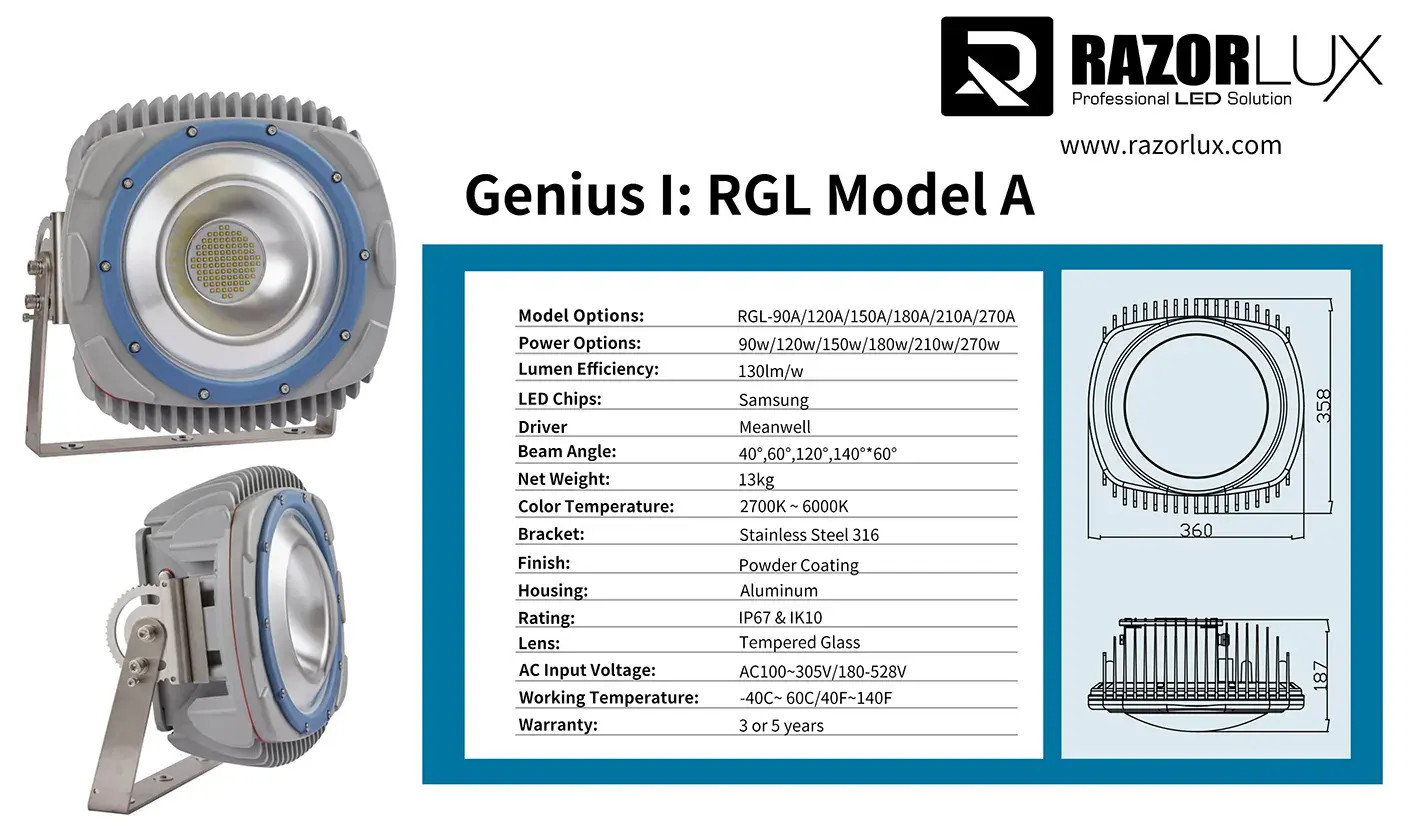
Energy Efficiency Performance
Marine LED flood lights achieve remarkable efficiency ratings exceeding 130 lumens per watt, representing substantial improvements over traditional halogen alternatives. This efficiency translates to dramatic reductions in power consumption, extending battery life during emergency situations and reducing generator load requirements. The following comparison illustrates the significant energy savings achieved through LED adoption:
| Light Type | Power Consumption | Lumens Output | Efficiency (lm/W) | Operating Cost (Annual) |
|---|---|---|---|---|
| Halogen Flood | 500W | 8,000 lm | 16 lm/W | $876 |
| Metal Halide | 400W | 36,000 lm | 90 lm/W | $701 |
| Marine LED | 180W | 23,400 lm | 130 lm/W | $315 |
| High-Power LED | 300W | 39,000 lm | 130 lm/W | $526 |
Extended Operational Lifespan
Quality marine LED flood lights deliver operational lifespans exceeding 50,000 hours under continuous use, compared to 2,000-5,000 hours typical of halogen alternatives. This longevity reduces maintenance requirements and replacement costs significantly, particularly valuable for vessels operating in remote locations where equipment service becomes challenging and expensive.
Superior Environmental Durability
Marine environments subject lighting equipment to extreme temperature variations, constant vibration, and corrosive atmospheres that rapidly destroy conventional fixtures. Professional marine LED flood lights incorporate advanced thermal management systems and ruggedized construction that maintains performance across temperature ranges from -40°C to +60°C while resisting impact damage rated to IK10 standards.
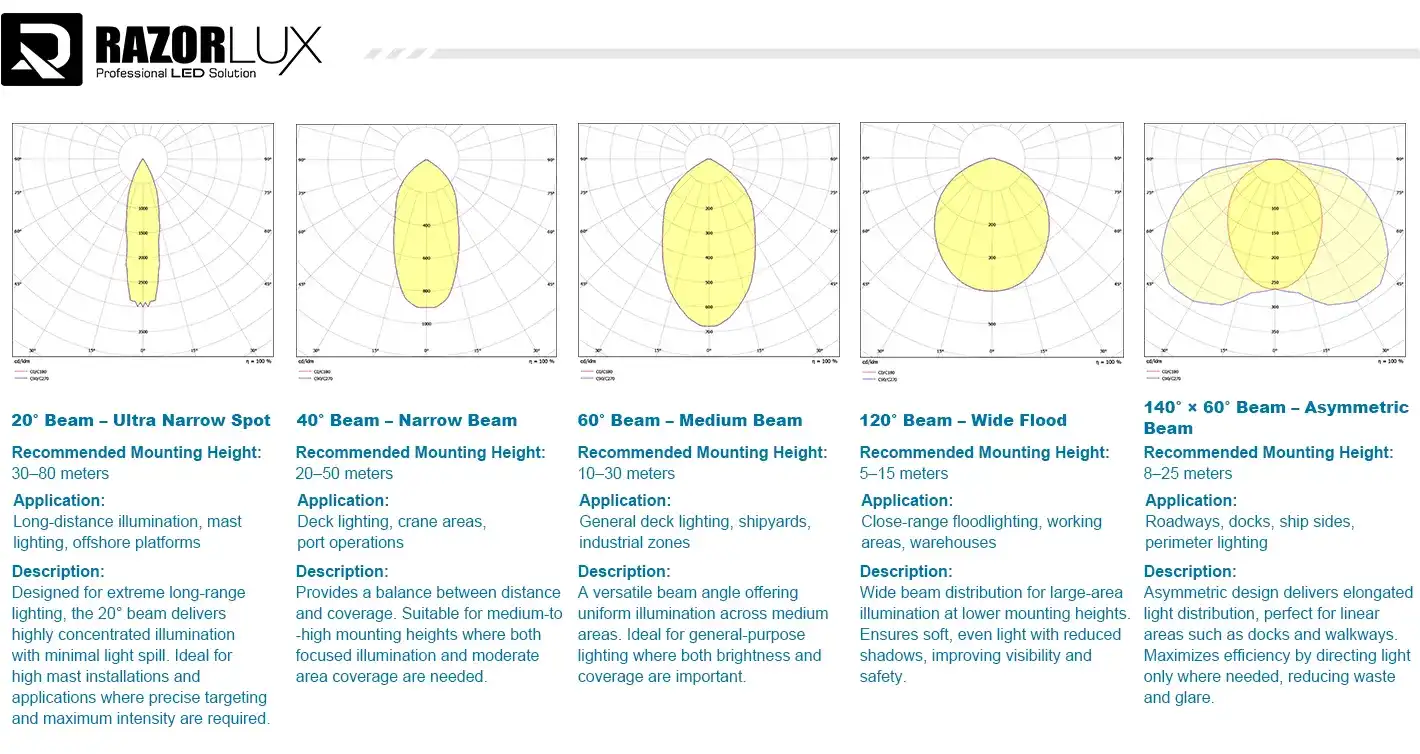
Customizable Beam Patterns
Modern marine LED flood lights offer selectable beam angles ranging from narrow 15-degree spotlights for long-distance illumination to wide 140-degree patterns for area coverage. This flexibility allows vessel operators to optimize lighting configurations for specific applications, whether conducting search operations, illuminating work areas, or providing navigation assistance during docking procedures.
Comparison and Selection Criteria for Marine LED Flood Lights
Procurement professionals evaluating marine lighting solutions must consider multiple factors beyond initial purchase cost to ensure optimal long-term value and operational reliability. The selection process requires careful analysis of technical specifications, certification requirements, and supplier capabilities.
Performance Specification Analysis
Marine LED flood lights that work well must provide consistent lighting in a variety of working situations while still using little energy. Key performance signs include color rendering index (CRI) values above 75 for correct vision, bright efficiency scores above 130 lm/W, and color temperature choices from 2700K warm white to 6500K sunshine. During important marine operations, these factors have a direct effect on the quality of sight and the efficiency of operations.
Certification and Compliance Requirements
To be safe and follow the rules, marine lighting equipment has to meet strict international standards. Some important certificates are RMRS approval for use in Russian waters, CE marking for sales in Europe, UL listing for use in North America, and RoHS compliance for safety reasons. To avoid practical limits, ships that go between countries need lighting devices that are approved in more than one country.
Component Quality Assessment
Better marine LED flood lights use high-quality parts from well-known companies to make sure they are reliable and always work well. When it comes to brightness and color stability, Samsung or Philips LED chips are the best. Mean Well power sources, on the other hand, work well across a wide voltage range. These choices about parts have a direct effect on how long the equipment lasts and how often it needs to be maintained throughout its working lifecycle.
Supplier Evaluation Criteria
To choose the right providers, you need to look at their technical knowledge, production skills, and pledges to long-term assistance. Established producers with a lot of experience in the marine business show that they understand the specific needs of the industry and how to meet legal requirements. Quality management standards, like ISO9001, that are kept up for a long time show that industrial processes are stable and that people are always looking for ways to make things better.
Installation and Maintenance Best Practices for Marine LED Flood Lights
Proper installation and ongoing maintenance protocols ensure marine LED flood lights deliver optimal performance throughout their operational lifespan while minimizing safety risks and operational disruptions.
Pre-Installation Planning
Installing naval lighting correctly starts with careful planning that includes figuring out how the electricity system will work with the lights, where they will go, and how they will be used. The ability to work with both AC100-305V and DC127-431V voltages gives installers more options for installing on a variety of vessels. When planning, you need to think about how to route the wires, how to protect them, and how easy it will be to do future upkeep.
Mounting and Positioning Guidelines
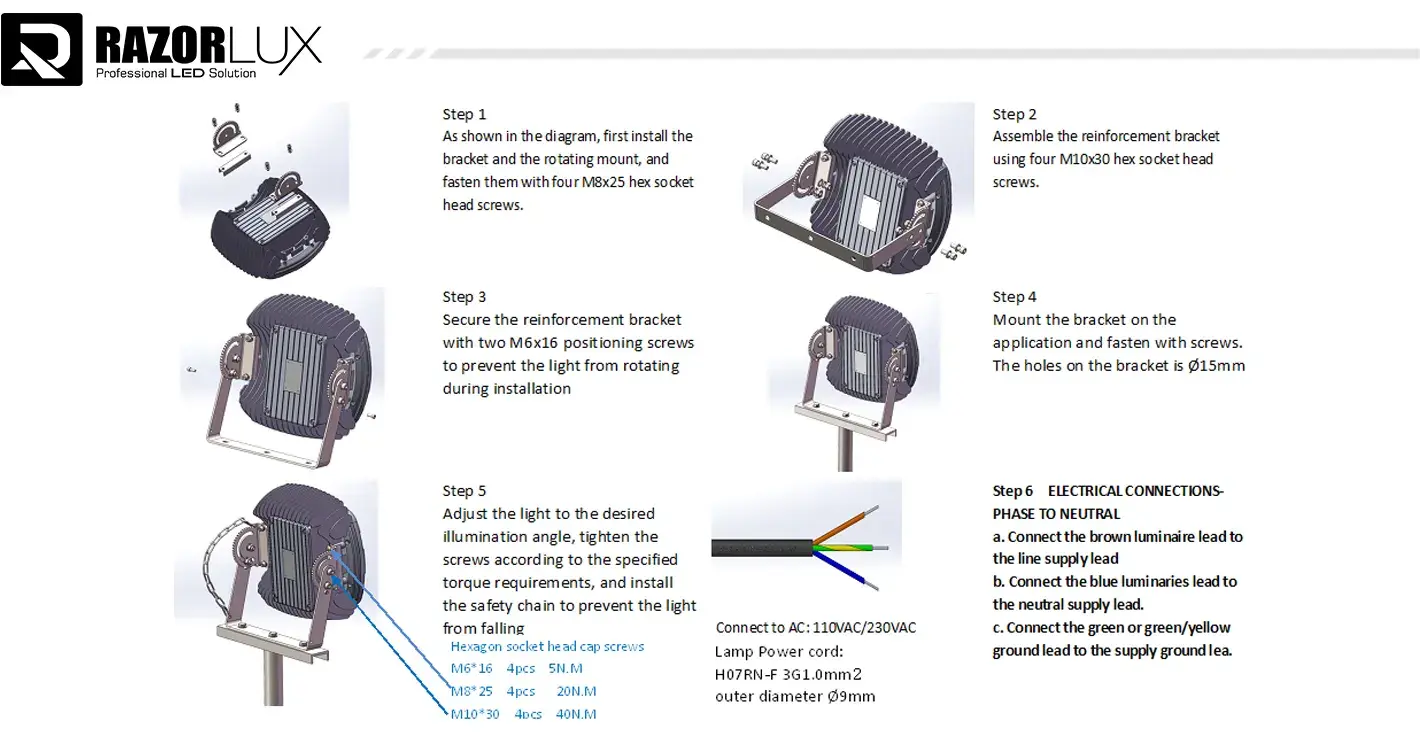
Marine LED flood lights require secure mounting using stainless steel hardware designed to withstand marine environments. Mounting locations should provide optimal illumination coverage while protecting fixtures from mechanical damage during normal vessel operations. Proper positioning considers beam angles, overlapping coverage patterns, and potential obstruction from rigging or deck equipment that might compromise lighting effectiveness.
Electrical Integration Procedures
For electrical integration to be safe, it must meet naval electrical standards and be properly protected against water getting in. To keep links from rusting and electrical problems, all of them must use marine-grade connectors and waterproof housings. For safe upkeep and emergency shut-downs when needed, circuit safety should include the right fuses and isolation switches.
Routine Maintenance Protocols
Regular repair makes sure that equipment lasts longer and works well even in harsh sea circumstances. Once a month, all lighting systems should be checked to make sure they are working properly and that the fixing is solid. Corrosion signs should also be looked for. Using the right marine-safe chemicals for cleaning gets rid of salt layers and outdoor contamination that can lower light output and speed up the breakdown of parts.
Procurement Guide and Considerations for Business Buyers
Strategic procurement of marine LED flood lights requires understanding of supplier capabilities, product specifications, and long-term value considerations that impact operational effectiveness and total cost of ownership.
Supplier Assessment Framework
Evaluating a source effectively involves more than just looking at price at first. Technical knowledge, shown by experience in the marine business and the ability to provide technical support, makes sure that the right product is chosen and that the right application is advised. Certifications and quality control systems show that the quality of manufacturing has a direct effect on how reliable and consistent the performance of a product is throughout its operating lifecycle.
Volume Purchasing Strategies
When you buy in bulk, you can save a lot of money and make sure that all of your ships are getting the same products. Framework agreements set the same prices and shipping terms for ongoing needs, while bulk purchasing agreements save money by buying in bulk and give you early access to new products. These agreements are especially helpful for owners who are in charge of multiple ships or who regularly improve their fleet.
The following table outlines typical procurement considerations across different buyer categories:
| Buyer Type | Primary Considerations | Typical Order Quantities | Decision Timeline |
|---|---|---|---|
| Shipyards | Cost efficiency, compliance | 100-500 units | 2-4 weeks |
| Fleet Operators | Reliability, service support | 50-200 units | 3-6 weeks |
| Offshore Platforms | Durability, certification | 200-1000 units | 4-8 weeks |
| Marine Contractors | Flexibility, quick delivery | 20-100 units | 1-2 weeks |
Quality Assurance Requirements
Professional naval LED flood lights have to show that they always work well by going through strict testing and licensing processes. Testing for resistance to salt spray, shaking, and temperature cycling makes sure that the product will work reliably in real sea circumstances. Quality assurance also includes choosing the right parts. For example, high-quality LED chips and power sources are more reliable than cheaper ones.
After-Sales Support Evaluation
Comprehensive after-sales support distinguishes professional suppliers from commodity providers. Technical support capabilities, including installation guidance and troubleshooting assistance, ensure successful product deployment and ongoing operational effectiveness. Warranty coverage, typically spanning five years for premium marine LED flood lights, provides protection against manufacturing defects and premature failures while demonstrating manufacturer confidence in product quality.
Razorlux Marine LED Flood Light Solutions
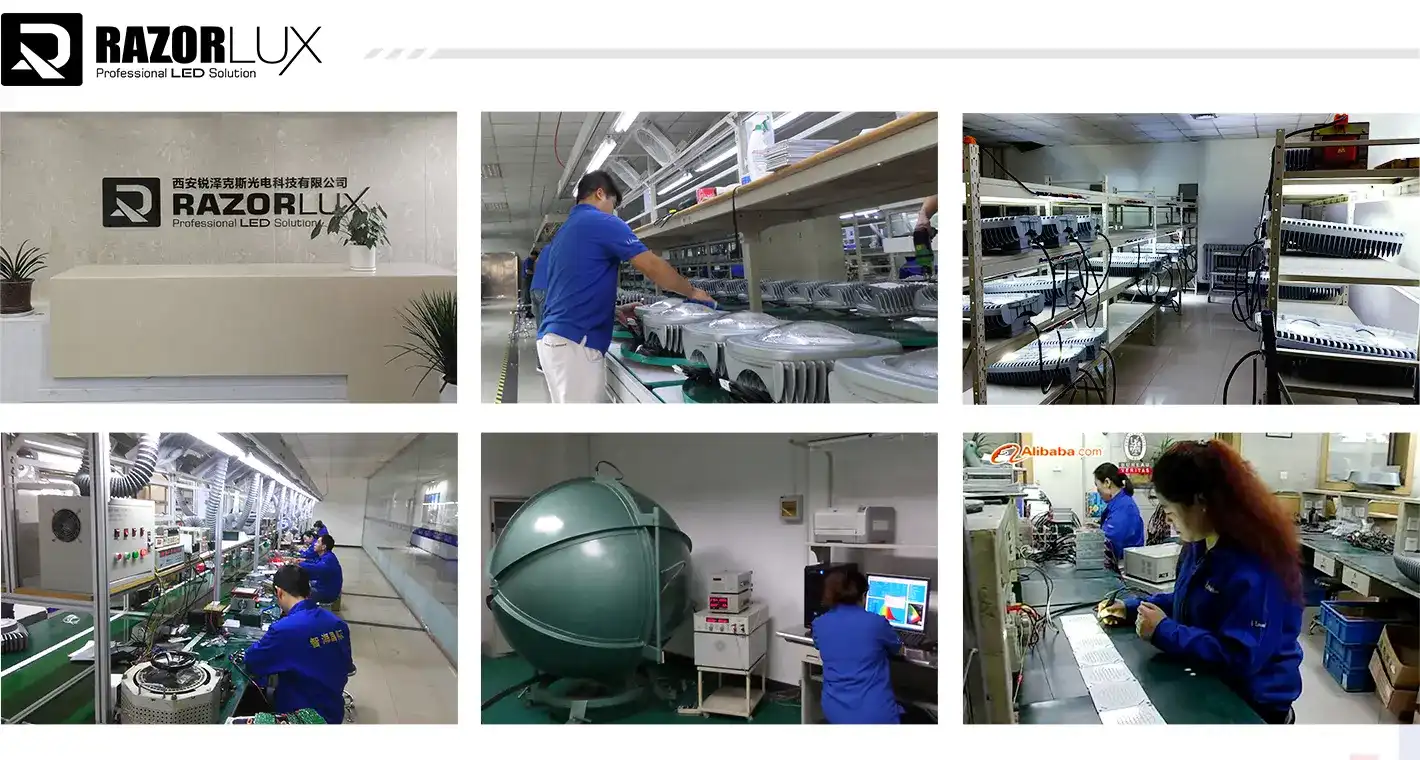
Xi'an Razorlux Optoelectronic Technology Co., Ltd. has been developing and making marine LED lights for more than 25 years, making it a reliable partner for difficult naval uses all over the world.
Advanced Product Engineering
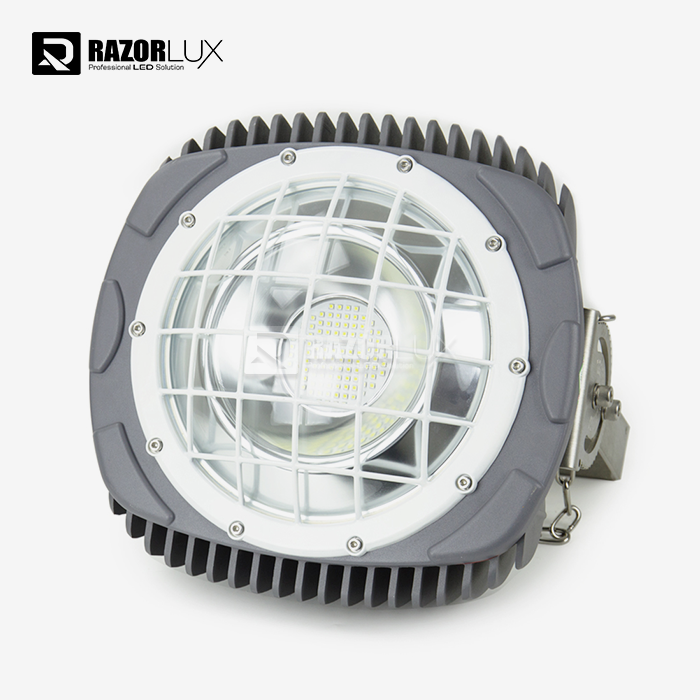
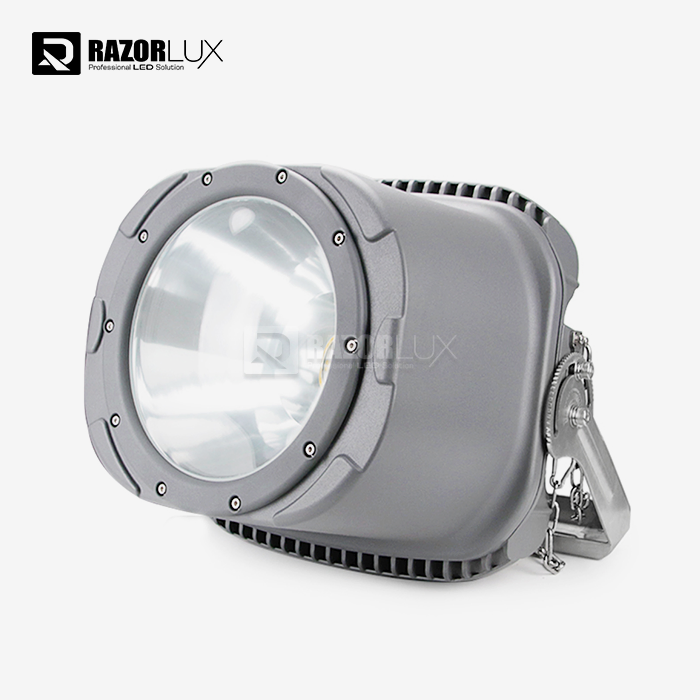
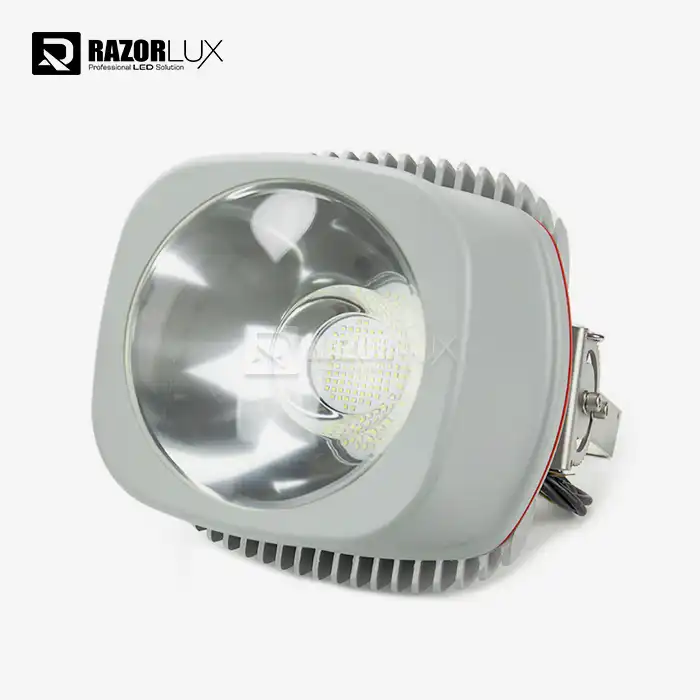
Our marine LED flood light options use patented multi-function design technology that makes them work best in all seafaring work situations. The top 180W model has great performance thanks to its Samsung LED chips and Mean Well power sources. It has an industry-leading efficiency of 130 lm/W and keeps its output constant across a wide range of temperatures.
Comprehensive Certification Portfolio
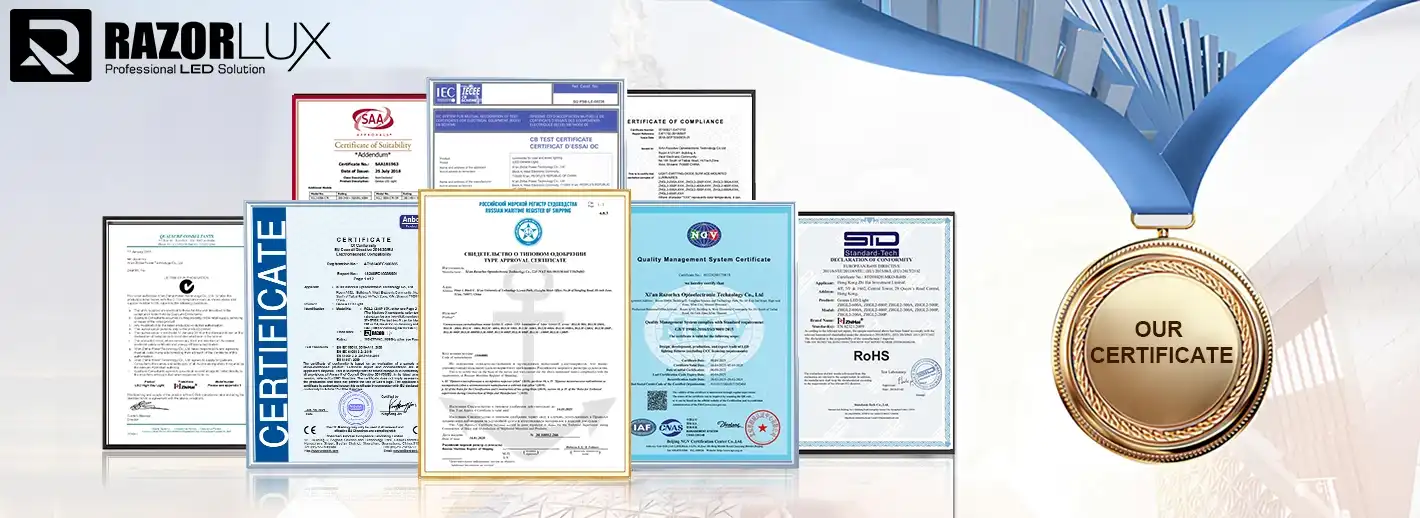
Razorlux keeps a lot of certifications up to date, such as RMRS marine approval, CE marking, UL listing, and RoHS compliance, to support ship activities around the world. Together with the ISO9001 quality management system that has been in place for more than 20 years, these licenses show a strong dedication to quality excellence and following all rules in foreign markets.
Customization and Engineering Support
Our tech team can make any changes you want. You can choose from power levels from 90W to 1200W, beam angles from 15° to 140°, and color temperatures from 2700K to 6500K. This adaptability makes sure that the best lighting solutions are found for each vessel and its operating needs. These are backed up by thorough technical documentation and installation instructions.
Global Supply Chain Excellence
Razorlux has complex transportation networks that allow them to send goods all over the world by air, train, and sea. Our stocking management makes sure that products are always available, and our quality control methods, such as DFMEA failure mode analysis, make sure that products are reliable even in harsh coastal settings. Sample programs let you carefully check out a product before you buy a lot of it, which lowers the risk of buying something and makes sure it fits your needs.
Conclusion
Marine LED flood lights represent essential safety and operational equipment for modern vessels, delivering superior performance, energy efficiency, and reliability compared to traditional lighting alternatives. The unique challenges of maritime environments demand specialized engineering that addresses waterproofing, corrosion resistance, and regulatory compliance while maintaining consistent illumination throughout extended operational periods. Professional marine LED flood lights achieve these requirements through advanced materials, rigorous testing, and comprehensive certification processes that ensure reliable performance under the most demanding conditions. Investment in quality marine lighting solutions provides substantial long-term value through reduced maintenance costs, improved operational efficiency, and enhanced safety performance that protects both crew and vessel assets.
FAQ
What waterproof rating is necessary for marine LED flood lights?
Marine LED flood lights require a minimum IP67 waterproof rating to ensure reliable operation in maritime environments. This rating provides complete protection against dust ingress and temporary water immersion, essential for withstanding heavy seas and severe weather conditions commonly encountered during vessel operations.
How long do marine LED flood lights typically last compared to halogen alternatives?
Quality marine LED flood lights deliver operational lifespans exceeding 50,000 hours under continuous use, representing 10-25 times longer service life than halogen alternatives. This extended lifespan significantly reduces maintenance requirements and replacement costs, particularly valuable for vessels operating in remote locations.
Are marine LED flood lights compatible with different vessel electrical systems?
Modern marine LED flood lights feature dual voltage capability spanning AC100-305V and DC127-431V ranges, providing compatibility with virtually all vessel electrical configurations. This flexibility simplifies installation across different boat types and electrical system designs without requiring additional power conversion equipment.
What certifications should I look for when purchasing marine LED flood lights?
Essential certifications include RMRS for Russian maritime applications, CE marking for European compliance, UL listing for North American markets, and RoHS environmental compliance. Vessels operating internationally require lighting systems certified across multiple jurisdictions to ensure regulatory compliance and operational flexibility.
How do I determine the appropriate beam angle for my marine lighting application?
Beam angle selection depends on specific lighting requirements: narrow 15-20° angles provide long-distance illumination for navigation and search operations, while wide 120-140° patterns offer area coverage for deck work and general illumination. Many installations benefit from combining multiple beam angles to achieve comprehensive coverage.
Transform Your Marine Lighting with Razorlux Professional Solutions
Razorlux delivers industry-leading marine LED flood light solutions engineered for the most demanding maritime environments. Our 25 years of specialized experience, combined with comprehensive certifications including RMRS marine approval and rigorous quality control processes, ensure reliable performance that exceeds expectations. Whether you're outfitting commercial vessels, offshore platforms, or industrial marine facilities, our technical team provides expert guidance to optimize your lighting specifications and procurement strategy. Contact our marine lighting specialists at sam@razorlux.com to discuss your requirements and discover why leading maritime operators worldwide choose Razorlux as their trusted marine LED flood light manufacturer.
References
1. Maritime Safety Committee Guidelines on LED Lighting Systems for Commercial Vessels, International Maritime Organization, 2023.
2. Energy Efficiency Standards for Marine Electrical Equipment, International Electrotechnical Commission Publication 60092-101, 2022.
3. Corrosion Resistance Testing Methods for Marine Lighting Equipment, American Society for Testing Materials Standard D5894, 2023.
4. LED Lighting Technology Advances in Maritime Applications, Journal of Marine Engineering Technology, Volume 45, 2023.
5. Comparative Analysis of Marine Lighting Technologies and Operational Cost Implications, Marine Technology Society Journal, Volume 57, 2023.
6. Environmental Impact Assessment of LED Lighting Adoption in Commercial Maritime Operations, International Journal of Sustainable Transportation, Volume 18, 2023.