

_1750326878398.png)

How High Mast Light Wattage Impacts Your Energy Costs?
Are your electricity bills skyrocketing because of inefficient outdoor lighting? Understanding how High Mast Light Wattage affects your operational expenses is critical when managing large-scale facilities. Every watt you choose translates directly into monthly costs, and selecting the wrong fixture can drain thousands of dollars annually. Whether you're lighting airports, industrial yards, or sports facilities, the power consumption of your high mast lighting system determines not just your energy bill, but also your long-term maintenance expenses and environmental footprint. This comprehensive guide reveals exactly how wattage selection impacts your bottom line and helps you make informed decisions that balance illumination requirements with cost efficiency.
Understanding High Mast Light Wattage and Energy Consumption Fundamentals
The Direct Relationship Between Wattage and Operating Costs
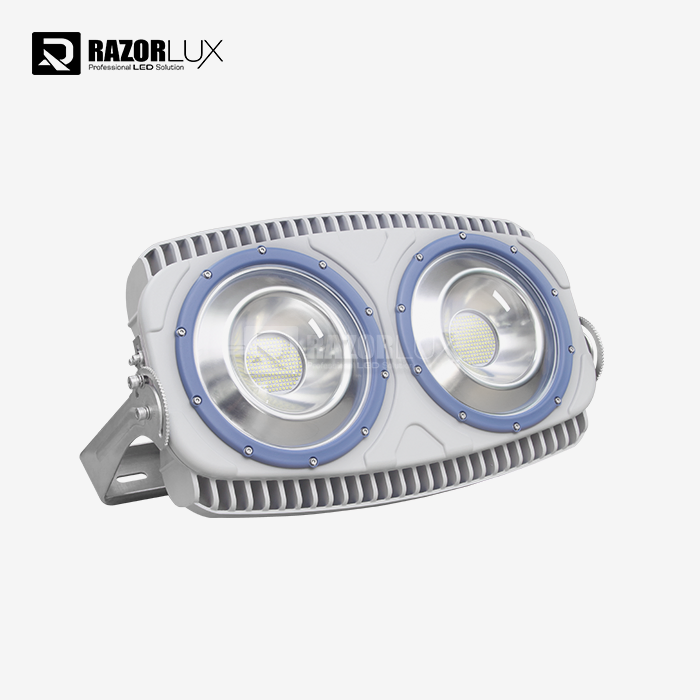
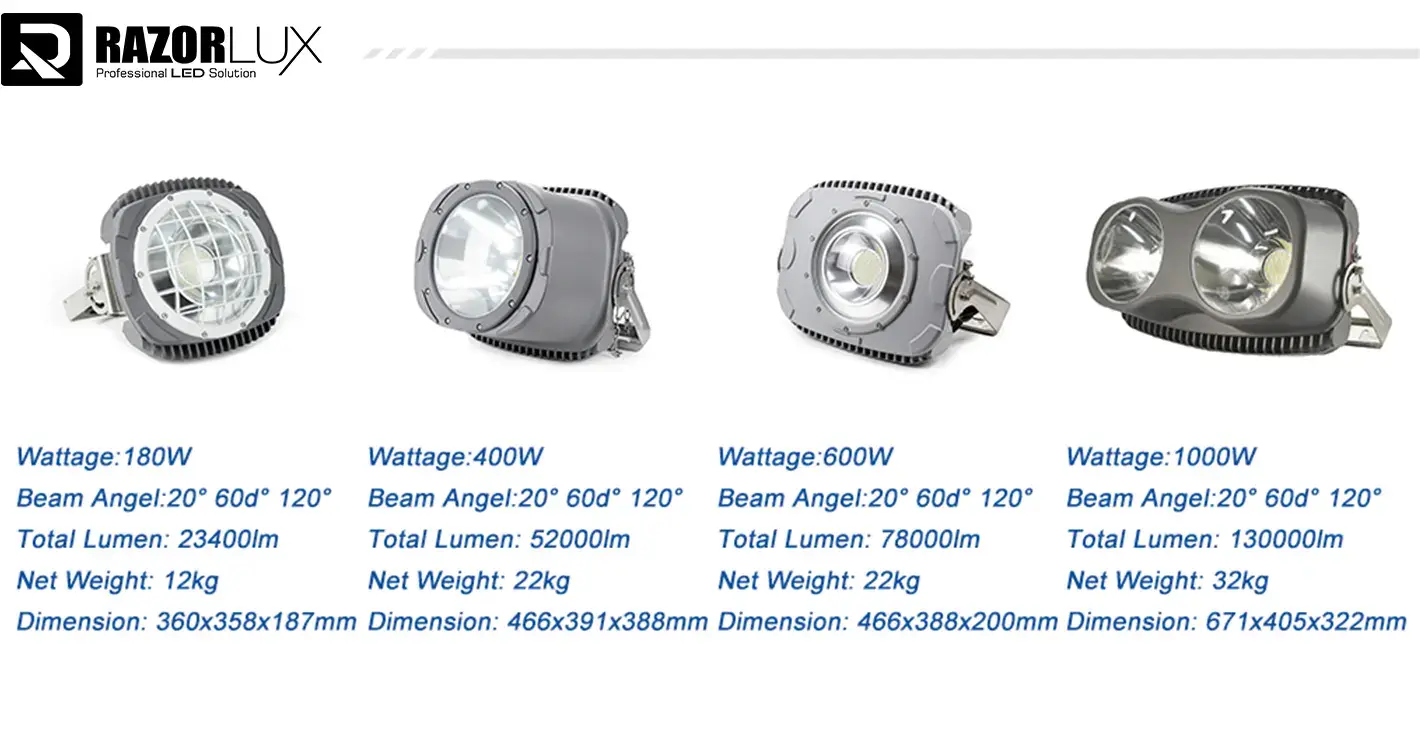
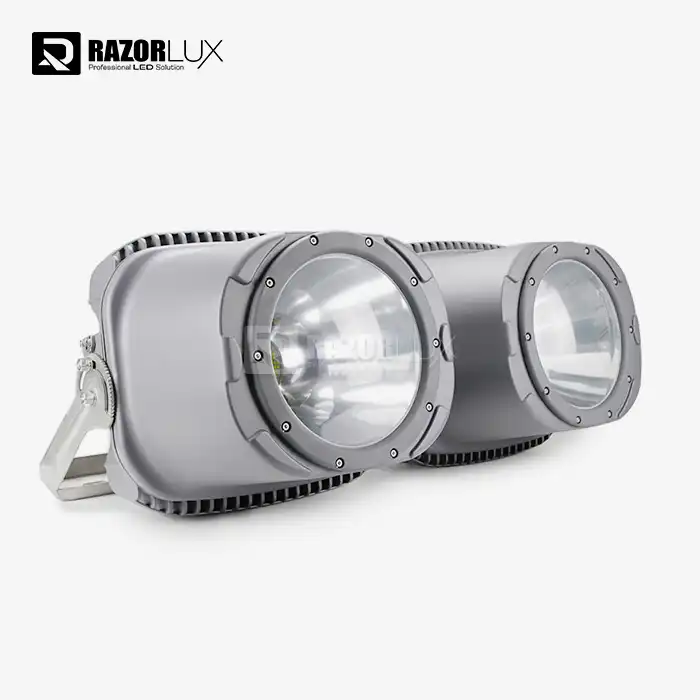
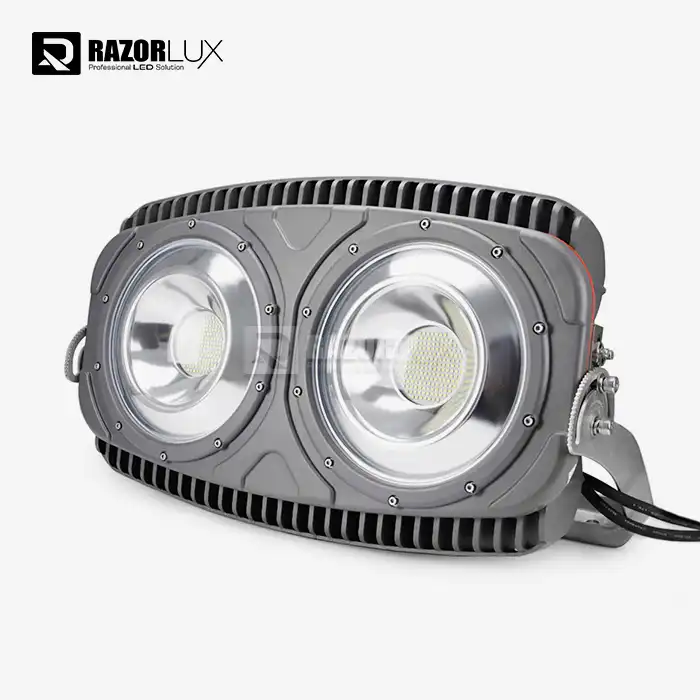
High Mast Light Wattage serves as the primary indicator of power consumption in large-area lighting applications. The fundamental principle is straightforward: higher wattage fixtures consume more electricity, resulting in increased operational costs. When facilities operate traditional high-intensity discharge systems ranging from 400W to 2000W, annual electricity costs for a single 1000W fixture can reach approximately $6,300, while a 2000W system may cost up to $12,500 per fixture per year. Modern LED alternatives offer dramatic improvements, with High Mast Light Wattage options ranging from 150W to 750W delivering equivalent or superior illumination while consuming 50-80% less energy. For example, a 150W LED high mast fixture from Xi'an Razorlux Optoelectronic Technology Co., Ltd. can replace a 300-400W traditional lamp, reducing annual energy costs significantly. The calculation formula for determining your energy expenses is: Energy Cost equals Watts multiplied by Operating Hours multiplied by Cost per Kilowatt-Hour divided by 1000. This mathematical relationship demonstrates that even modest reductions in wattage translate into substantial long-term savings across large installations with multiple fixtures operating nightly.
How Lamp Efficiency Affects Total Power Consumption?
Lamp efficiency, measured in lumens per watt, determines how effectively your High Mast Light Wattage converts electrical energy into visible illumination. Traditional metal halide and high-pressure sodium fixtures typically achieve 60-90 lumens per watt, whereas modern LED technology delivers 130 lumens per watt or higher. Xi'an Razorlux Optoelectronic Technology Co., Ltd. manufactures high mast fixtures achieving 130LM/W efficiency, meaning their 150W model produces 19,500 lumens of output. This superior efficiency allows lower wattage fixtures to deliver brightness levels that previously required much higher power consumption. When comparing fixtures, facilities managers must consider total lumen output rather than wattage alone. A 150W LED High Mast Light with 130LM/W efficiency provides more usable illumination than a 400W traditional fixture operating at 75LM/W. The improved efficiency of LED High Mast Light Wattage options also reduces heat generation, which further lowers cooling requirements in enclosed or semi-enclosed environments. Over a facility's 50,000-hour operational lifespan, the cumulative energy savings from high-efficiency fixtures can exceed the initial purchase price differential by substantial margins, making efficiency ratings a critical specification when evaluating lighting investments.
Calculating Real-World Energy Costs for Different Wattage Options
Accurate cost projections require understanding how various High Mast Light Wattage configurations impact monthly and annual expenses across different operational scenarios. Consider a typical installation requiring 20 high mast fixtures operating 12 hours nightly at an electricity rate of $0.12 per kilowatt-hour. Traditional 1000W fixtures would consume 240 kilowatt-hours daily, resulting in monthly costs of $864 and annual expenses exceeding $10,368. Switching to 320W LED fixtures reduces daily consumption to approximately 77 kilowatt-hours, lowering monthly costs to $277 and annual expenses to $3,326, generating savings of $7,042 annually for this 20-fixture installation. Xi'an Razorlux Optoelectronic Technology Co., Ltd. offers solutions across the wattage spectrum, with their 150W model consuming just 36 kilowatt-hours daily for the same 20-fixture installation, reducing monthly costs to $130 and annual expenses to $1,555. The compounding nature of these savings becomes even more dramatic over the typical 5-year warranty period. Facilities using traditional 1000W fixtures spend $51,840 on electricity over five years, while those deploying 150W LED alternatives spend only $7,776, representing a savings of $44,064. These calculations demonstrate how strategic High Mast Light Wattage selection delivers immediate and sustained financial benefits that extend far beyond the initial investment.
Comparing Traditional vs. LED High Mast Light Wattage Performance
| Lighting Technology | Typical Wattage Range | Lumens Per Watt | Annual Operating Cost (12hrs/day @ $0.12/kWh) | Lifespan (Hours) | Maintenance Frequency |
|---|---|---|---|---|---|
| Traditional Metal Halide | 400W - 2000W | 60-90 LM/W | $2,102 - $10,512 | 10,000 - 20,000 | Every 2-3 years |
| High-Pressure Sodium | 400W - 1000W | 80-100 LM/W | $2,102 - $5,256 | 12,000 - 24,000 | Every 2-4 years |
| LED High Mast Lighting | 150W - 750W | 120-140 LM/W | $788 - $3,942 | 50,000 - 100,000 | Every 10+ years |
| Razorlux RGL-150P LED | 150W | 130 LM/W | $788 | 50,000+ | 5-10 years |
Traditional HID Systems: High Wattage and Hidden Costs
Traditional high-intensity discharge systems represent the older generation of High Mast Light Wattage technology, characterized by substantial power consumption and frequent maintenance requirements. Metal halide fixtures ranging from 400W to 2000W have served as the industry standard for decades, but their operational inefficiencies create significant long-term expenses. Beyond direct electricity costs, these systems require ballast replacements, lamp changes, and specialized equipment rentals for accessing fixtures mounted on 60-150 foot poles. Maintenance costs for traditional HID high mast lighting can reach $2,000 per fixture over three years, involving labor expenses and equipment rental fees. The warm-up period required by HID lamps, typically 5-10 minutes to reach full brightness, wastes energy during startup cycles and creates safety concerns during power interruptions. Additionally, light output degradation occurs more rapidly in HID systems, with many fixtures losing 30-40% of their initial brightness within the first 10,000 operating hours. This degradation forces facilities to over-specify initial High Mast Light Wattage to maintain adequate illumination levels throughout the lamp's lifespan. The environmental impact extends beyond energy consumption, as HID lamps contain mercury and other hazardous materials requiring special disposal procedures, adding regulatory compliance costs and environmental liability to facility operations.
LED Technology: Lower Wattage with Superior Performance
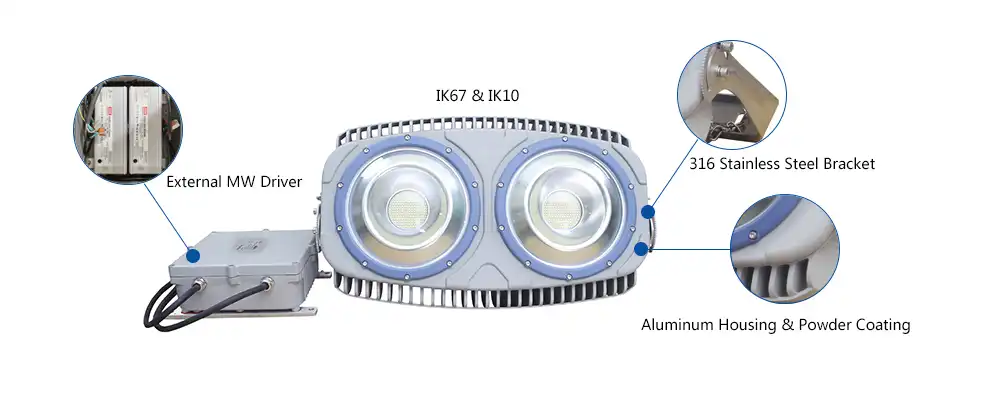
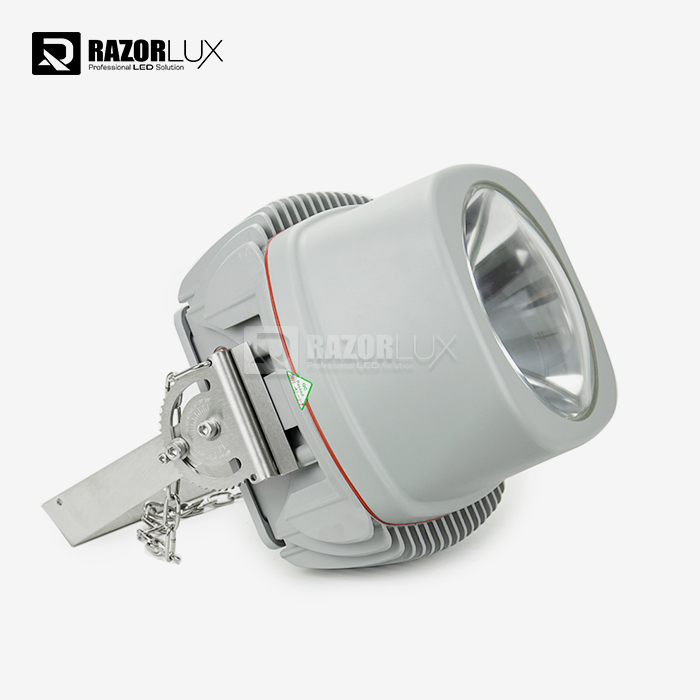
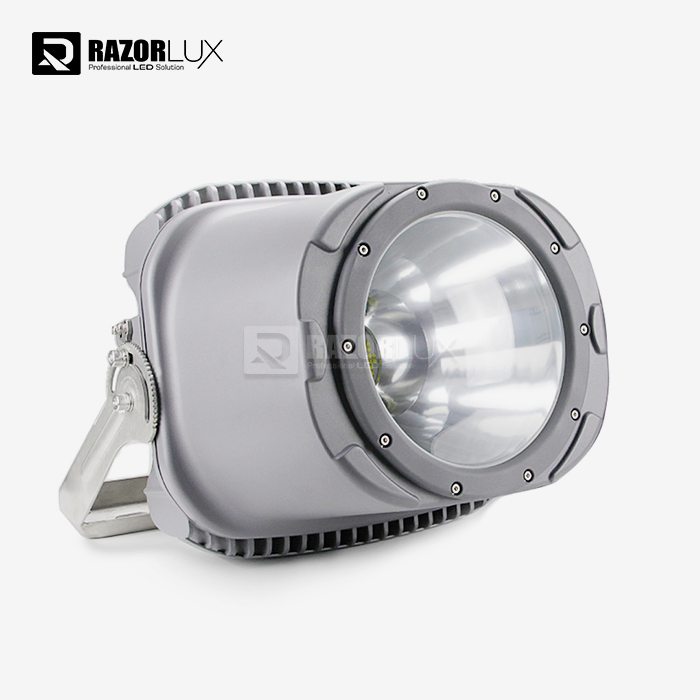
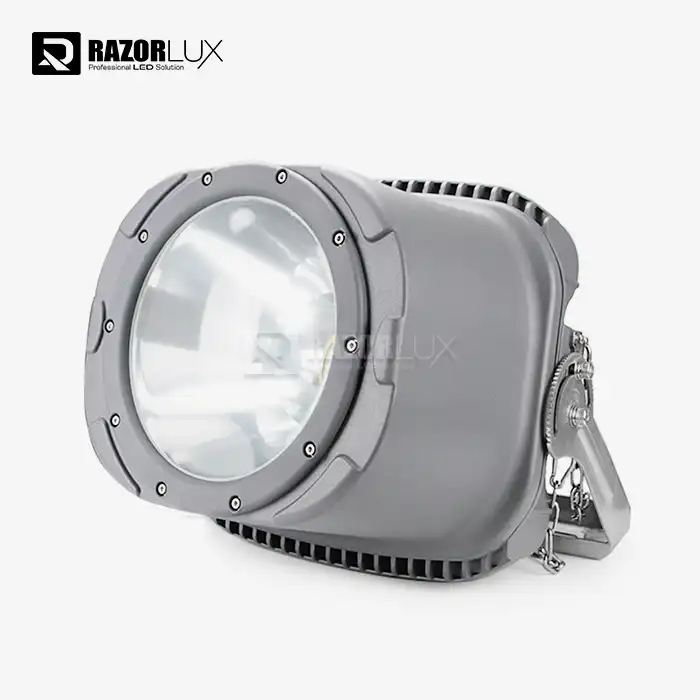
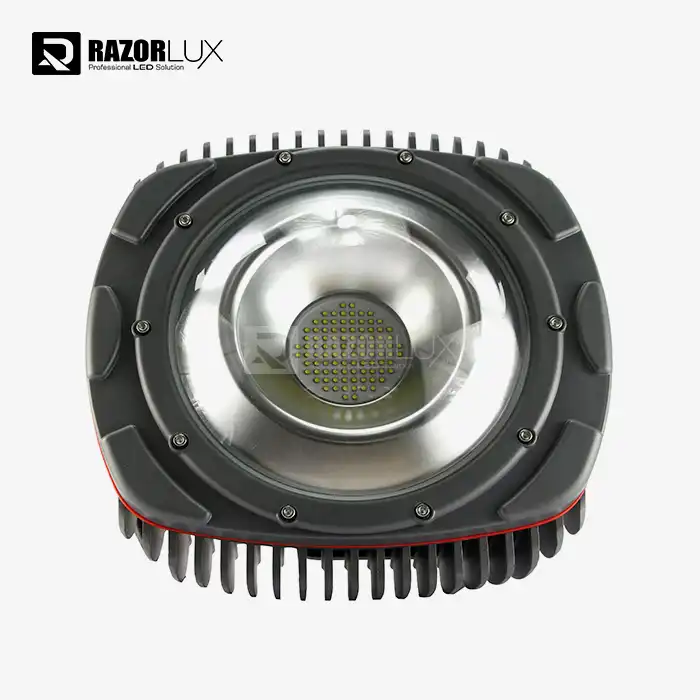
Light-emitting diode technology revolutionizes High Mast Light Wattage selection by delivering exceptional illumination with dramatically reduced power consumption. Modern LED fixtures from manufacturers like Xi'an Razorlux Optoelectronic Technology Co., Ltd. achieve brightness levels equivalent to traditional systems while consuming 50-80% less electricity. The RGL-150P model operates at just 150W total consumption (135W LEDs plus 15W driver) while replacing 300-400W HID lamps, demonstrating the efficiency advantage of contemporary LED engineering. LED high mast fixtures provide instant-on capability without warm-up delays, ensuring immediate full brightness during power restoration and eliminating the energy waste associated with HID startup cycles. The superior color rendering index of LED systems (Ra>75 standard, with Ra>80 and Ra>90 available) enhances visibility and safety compared to the yellowish light produced by high-pressure sodium lamps. Thermal management represents another critical advantage, with LED fixtures operating at significantly cooler temperatures than HID alternatives, reducing thermal stress on components and extending operational lifespan beyond 50,000 hours. Xi'an Razorlux Optoelectronic Technology Co., Ltd. integrates Meanwell power supplies and advanced aluminum housing with powder coating to ensure reliability in challenging environments ranging from -40°C to 60°C. The multi-function patented design accommodates various beam angles (20° standard with custom options available), allowing precise light distribution that minimizes wasted illumination and light pollution. With IP67 ingress protection and IK10 impact resistance, these LED High Mast Light Wattage solutions withstand harsh weather conditions while maintaining consistent performance throughout their extended service life.
Quantifying the Total Cost of Ownership Differences
Total cost of ownership analysis reveals the comprehensive financial impact of High Mast Light Wattage decisions beyond simple purchase price comparisons. While LED fixtures typically cost $700-$2,500 per unit compared to $300-$800 for traditional HID systems, the investment payback period averages just 24-44 months through combined energy and maintenance savings. Consider a facility replacing 20 traditional 1000W metal halide fixtures with 320W LED alternatives: the energy savings alone totals approximately $8,725 annually, while maintenance cost reductions add another $15,000 over the LED fixture lifespan. This generates total savings exceeding $32,000 after recovering the initial investment differential. Xi'an Razorlux Optoelectronic Technology Co., Ltd. enhances this value proposition with comprehensive warranty coverage including 5-year protection for LED modules and drivers plus 10-year housing warranty, eliminating replacement costs during the critical payback period. The predictable performance degradation of LED technology allows accurate long-term budgeting, with most quality fixtures retaining 70% or more of their initial lumen output after 50,000 operating hours. This contrasts sharply with HID systems that require lamp replacement every 10,000-20,000 hours at costs of $150-$400 per lamp plus labor expenses. Reduced maintenance frequency also minimizes operational disruptions, particularly valuable in high-traffic areas like airports, seaports, and industrial facilities where lighting outages create safety hazards and productivity losses. The environmental benefits of lower High Mast Light Wattage LED systems extend to reduced carbon emissions, with a typical 20-fixture LED installation preventing approximately 50 tons of CO2 emissions annually compared to equivalent HID systems. These sustainability credentials increasingly influence facility management decisions as organizations pursue environmental certifications and corporate responsibility objectives alongside traditional cost reduction goals.
Optimizing High Mast Light Wattage Selection for Different Applications
Matching Wattage Requirements to Coverage Areas
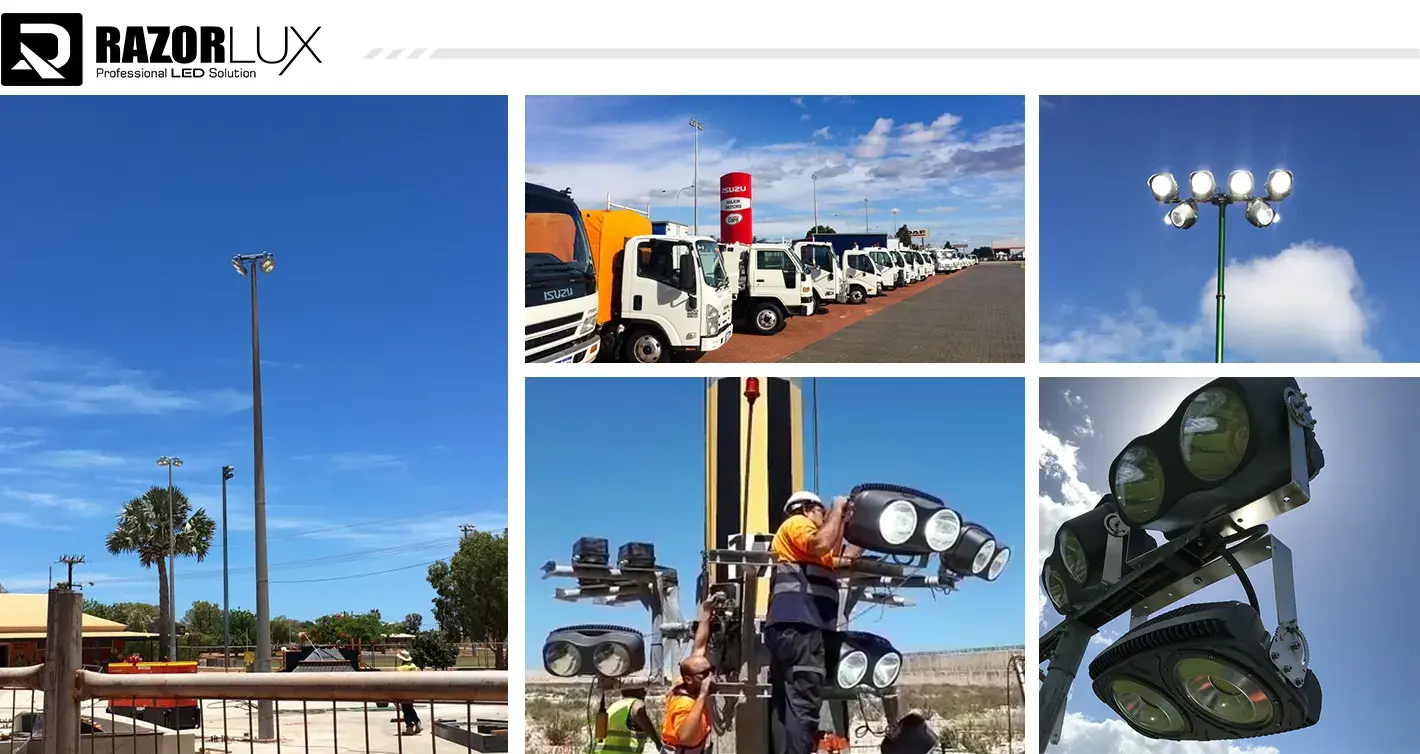
Successful High Mast Light Wattage selection requires precise matching between fixture output and the specific illumination requirements of each application area. Coverage area dimensions, mounting height, and required illuminance levels determine the appropriate wattage range for optimal performance. Parking lots typically require 5-10 foot-candles of illumination, achievable with 150W-320W LED fixtures mounted at 40-60 feet, with individual fixtures covering 10,000-20,000 square feet depending on beam angle configuration. Highway interchanges and major roadways demand higher illuminance levels of 15-30 foot-candles to ensure driver safety, necessitating 400W-600W fixtures or multiple lower-wattage units strategically positioned to eliminate dark spots and provide uniform coverage. Sports stadiums and professional athletic facilities require the highest illumination levels, often exceeding 50 foot-candles for broadcast-quality lighting, which typically employs 600W-1200W fixtures or extensive arrays of medium-wattage units. Xi'an Razorlux Optoelectronic Technology Co., Ltd. offers High Mast Light Wattage solutions across this entire spectrum, with their 150W model ideally suited for medium-sized parking areas, industrial yards, and community facilities. The beam angle specification plays an equally critical role, with 20° narrow beams concentrating light over greater distances for tall pole installations, while wider 40-60° beams provide more uniform coverage at lower mounting heights. Professional photometric analysis, available through Razorlux's pre-sales consultation services, calculates precise fixture quantity and wattage requirements based on site dimensions, mounting locations, and applicable lighting standards. This engineering approach prevents both over-lighting, which wastes energy and creates light pollution, and under-lighting, which compromises safety and functionality. Custom configurations can incorporate multiple beam angles within a single installation, using narrow beams for distance coverage and wider beams for foreground illumination, optimizing total High Mast Light Wattage consumption while achieving comprehensive site coverage.
Special Considerations for Industrial and Maritime Environments
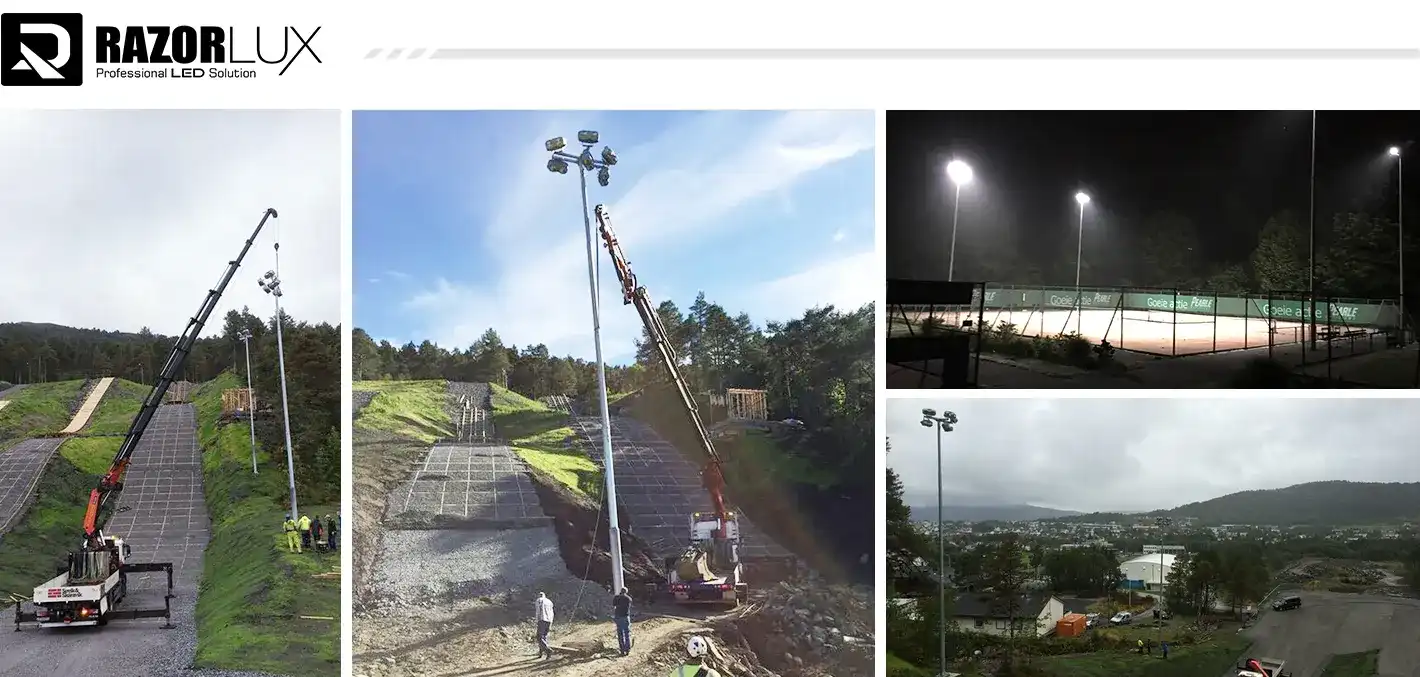
Industrial facilities and maritime applications present unique challenges that influence optimal High Mast Light Wattage selection beyond basic illumination requirements. Harsh environmental conditions including salt spray, chemical exposure, extreme temperatures, and heavy vibration demand fixtures engineered for exceptional durability and reliability. Xi'an Razorlux Optoelectronic Technology Co., Ltd. specializes in these demanding applications, with products featuring IP67 ingress protection, marine-grade anti-corrosion coating, and stainless steel brackets capable of withstanding continuous exposure to corrosive elements. The 150W RGL-150P model incorporates aluminum housing with specialized powder coating that resists degradation in chemical processing plants, coastal installations, and offshore platforms where conventional fixtures fail prematurely. Temperature extremes represent another critical consideration, with Razorlux fixtures rated for operation from -40°C to 60°C, ensuring reliable performance in Arctic conditions and desert environments where many lighting systems malfunction. Industrial operations requiring continuous 24-hour lighting benefit from the extended lifespan and minimal maintenance requirements of LED High Mast Light Wattage solutions, as fixture failures during production shifts create costly downtime and safety hazards. Mining operations, construction sites, and heavy industrial yards face additional challenges from vibration and physical impact, addressed through IK10 impact resistance ratings that protect critical components from mechanical damage. The emergency power function available in Razorlux products provides two hours of backup illumination during power outages, maintaining safety and security during utility failures. Wide input voltage tolerance (AC 80-315V or DC 80-400V) accommodates unstable power supplies common in remote locations and developing regions, while high power factor (≥0.98) and low total harmonic distortion (<10%) ensure compatibility with generator power and sensitive electrical systems. These specialized features justify the investment in premium High Mast Light Wattage solutions for applications where reliability and longevity outweigh initial cost considerations, as replacement expenses and operational disruptions in challenging environments far exceed the price differential between basic and industrial-grade fixtures.
Balancing Illumination Quality with Energy Efficiency Goals
Achieving optimal High Mast Light Wattage selection requires balancing multiple performance parameters including brightness, color temperature, beam distribution, and energy consumption to meet both functional requirements and efficiency objectives. Illumination quality encompasses factors beyond simple brightness measurements, with color temperature significantly impacting visibility, safety perception, and aesthetic appeal. Xi'an Razorlux Optoelectronic Technology Co., Ltd. offers customizable color temperature options from 2000K to 6000K, with 5700K representing the optimal choice for most outdoor applications due to its crisp white appearance that enhances visual acuity and object recognition. Lower color temperatures (2700K-3000K) create warm, inviting ambiance suitable for public spaces and retail environments, while higher temperatures (5000K-6500K) maximize visibility for security and industrial applications. The color rendering index (CRI) measures how accurately lighting reproduces true colors compared to natural daylight, with higher values improving visual comfort and detail recognition. Standard Razorlux fixtures achieve Ra>75, with premium Ra>80 and Ra>90 options available for applications requiring superior color accuracy such as sports broadcasting or quality control inspection. Beam angle customization allows precise light distribution control, minimizing wasted illumination and reducing total High Mast Light Wattage requirements for equivalent ground-level brightness. Narrow 20° beams concentrate output over greater distances with minimal spill light, while 40° medium beams balance coverage and intensity, and wide 60°+ beams provide uniform illumination for general area lighting. Advanced optical designs incorporating reflectors and lenses maximize fixture efficiency by directing more lumens toward target areas rather than dispersing light unnecessarily. Dimming capabilities, including 0-10V and DALI control systems, enable dynamic wattage adjustment to match varying illumination needs throughout operational periods, reducing energy consumption during low-activity hours while maintaining full brightness during peak periods. These intelligent control systems can reduce effective High Mast Light Wattage consumption by an additional 20-40% compared to non-dimmable installations, compounding the inherent efficiency advantages of LED technology while extending fixture lifespan through reduced thermal stress during dimmed operation.
High Mast Light Wattage Impact on Maintenance and Lifecycle Expenses
| Cost Category | Traditional 1000W HID | 320W LED | 150W LED (Razorlux RGL-150P) | Savings vs. HID |
|---|---|---|---|---|
| Annual Energy Cost | $5,256 | $1,681 | $788 | $4,468 (150W) |
| Lamp Replacement (5 years) | $1,500-$2,000 | $0 | $0 | $1,500-$2,000 |
| Maintenance Labor (5 years) | $3,000-$5,000 | $500-$1,000 | $500-$1,000 | $2,500-$4,000 |
| Total 5-Year Cost | $35,280-$42,280 | $9,405-$10,905 | $4,440-$5,940 | $30,840-$36,340 |
| CO2 Emissions (tons/5 years) | 23.1 | 7.4 | 3.5 | 19.6 tons reduced |
Reducing Maintenance Labor Through Strategic Wattage Choices
Maintenance labor costs represent a substantial yet often overlooked component of total High Mast Light Wattage ownership expenses, particularly for fixtures mounted on poles exceeding 60 feet in height. Traditional HID systems requiring lamp replacement every 10,000-20,000 hours generate recurring maintenance expenses including specialized equipment rental, traffic control measures, and skilled labor fees. A typical high mast maintenance event costs $300-$800 per fixture when accounting for bucket truck rental, safety protocols, and technician time, with facilities operating 24/7 requiring multiple service calls annually. LED High Mast Light Wattage solutions dramatically reduce these expenses through extended operational lifespans exceeding 50,000 hours, effectively eliminating lamp replacement requirements for 10-15 years under typical operating conditions. Xi'an Razorlux Optoelectronic Technology Co., Ltd. enhances this advantage with modular designs allowing individual component replacement without removing entire fixtures, simplifying the rare instances where driver or LED module service becomes necessary. The 5-year comprehensive warranty covering LED modules, drivers, and housing components provided by Razorlux eliminates parts costs during the critical early operational period, further reducing total maintenance expenses. Predictive maintenance capabilities enabled by LED technology allow facilities to monitor lumen degradation and schedule proactive service during planned downtime rather than responding to unexpected failures that disrupt operations. The cooler operating temperatures of LED fixtures also reduce stress on mounting hardware and electrical connections, decreasing the frequency of accessory component failures that plague traditional high-wattage HID installations. Simplified cleaning procedures represent another maintenance advantage, as LED optical assemblies remain cleaner longer due to reduced heat generation that attracts dust and debris. For facilities managing dozens or hundreds of high mast fixtures across extensive campuses, the cumulative maintenance savings from lower-wattage LED systems can exceed initial purchase price differentials within the first two years of operation, with continuing savings compounding throughout the 10-15 year operational lifespan.
How Wattage Selection Affects Thermal Management and Component Longevity?
Thermal management represents a critical but frequently underestimated aspect of High Mast Light Wattage performance, directly impacting component longevity, maintenance requirements, and total ownership costs. Traditional high-wattage HID systems generate substantial heat during operation, with fixture temperatures often exceeding 200°C, creating thermal stress that degrades electrical components, oxidizes connections, and accelerates material fatigue. This excessive heat generation shortens ballast lifespan to 3-5 years and damages mounting hardware through repeated thermal expansion and contraction cycles. LED technology fundamentally changes this equation, with fixtures generating significantly less waste heat despite delivering equivalent or superior illumination. The 150W RGL-150P model from Xi'an Razorlux Optoelectronic Technology Co., Ltd. demonstrates advanced thermal engineering through specialized aluminum housing with integrated heat dissipation fins that maintain LED junction temperatures within optimal operating ranges. Lower operating temperatures directly correlate with extended LED lifespan, with properly cooled fixtures achieving 80,000-100,000 hours before reaching L70 depreciation (70% of initial lumen output). The cooler operation of optimized High Mast Light Wattage selections also benefits driver components, extending Meanwell power supply lifespan well beyond the standard 50,000-hour rating. Thermal cycling reduction prevents premature solder joint failures, capacitor degradation, and circuit board delamination that plague high-temperature lighting applications. For installations in hot climates or enclosed environments with limited ventilation, selecting appropriate wattage levels becomes critical to preventing thermal runaway conditions that cause catastrophic fixture failure. Razorlux engineering incorporates temperature monitoring and thermal protection circuits that automatically reduce output if junction temperatures approach critical thresholds, sacrificing minor brightness to preserve component integrity. The corrosion resistance provided by lower operating temperatures extends to environmental protection features, as seals and gaskets maintain IP67 integrity longer when not subjected to extreme thermal stress. Facilities can maximize these thermal advantages through proper installation practices including adequate spacing between fixtures, avoiding enclosed mounting configurations, and ensuring unobstructed airflow around heat dissipation surfaces. Strategic High Mast Light Wattage selection that avoids unnecessary over-specification not only reduces energy consumption but also optimizes thermal performance, creating a virtuous cycle of improved reliability, extended lifespan, and reduced total cost of ownership throughout the fixture's operational life.
Long-Term Financial Planning for Large-Scale Installations
Comprehensive financial planning for large-scale High Mast Light Wattage installations requires analysis extending beyond simple payback calculations to encompass lifecycle costs, financing options, utility incentives, and strategic replacement schedules. Capital budgeting for major lighting retrofits typically evaluates 10-15 year time horizons, matching LED fixture lifespans and allowing accurate comparison against multiple replacement cycles for traditional systems. A 100-fixture installation replacing 1000W HID systems with 320W LED alternatives requires initial investment of approximately $150,000-$200,000 for premium fixtures like those manufactured by Xi'an Razorlux Optoelectronic Technology Co., Ltd., compared to $50,000-$80,000 for equivalent HID replacement. However, the 10-year lifecycle analysis reveals LED total ownership costs of $240,000-$290,000 (including energy and maintenance) versus HID costs exceeding $650,000-$750,000, generating net savings of $410,000-$460,000 that justify the higher initial investment. Many utility companies and government agencies offer rebates and incentives for energy-efficient lighting upgrades, potentially covering 20-40% of LED installation costs through programs like DesignLights Consortium qualifications and state energy efficiency initiatives. Financing options including equipment leasing, energy performance contracts, and green bonds allow facilities to fund LED High Mast Light Wattage upgrades through operational savings rather than requiring upfront capital expenditure. Energy service companies (ESCOs) may structure agreements guaranteeing minimum energy savings, assuming performance risk and providing additional financial protection for large investments. Strategic replacement scheduling can minimize disruption and optimize budget utilization by phasing installation across multiple fiscal periods while prioritizing highest-usage areas for maximum savings realization. The predictable degradation curve of LED technology enables data-driven replacement decisions based on actual performance monitoring rather than arbitrary time-based schedules, extending fixture utilization until cost-effective replacement thresholds are reached. Xi'an Razorlux Optoelectronic Technology Co., Ltd. supports long-term planning through comprehensive documentation including detailed product specifications, photometric data, and warranty terms that enable accurate lifecycle cost modeling. Their global logistics capabilities including air, rail, and sea transportation options with 3-50 day delivery windows allow flexible procurement scheduling that accommodates budget cycles and project timelines. The combination of superior product quality, competitive High Mast Light Wattage pricing, and comprehensive support services positions Razorlux as an ideal partner for facilities implementing strategic lighting modernization programs that deliver measurable financial and operational benefits throughout extended project lifecycles.
Conclusion
High Mast Light Wattage selection fundamentally determines your facility's energy costs, maintenance expenses, and long-term operational efficiency. Transitioning from traditional 1000W HID systems to modern 150-320W LED solutions reduces electricity consumption by 50-80%, generating annual savings of $4,000-$8,000 per fixture while eliminating frequent lamp replacements and minimizing maintenance disruptions. Xi'an Razorlux Optoelectronic Technology Co., Ltd. delivers proven high-performance lighting solutions backed by over 200 patents, comprehensive certifications including UL, CE, RoHS, and SAA, plus industry-leading 5-year warranties. Their expertise in marine-grade construction, IP67 protection, and multi-function designs ensures reliable operation in the most demanding industrial and outdoor environments. Strategic wattage optimization balances illumination quality with energy efficiency, enabling facilities to achieve superior visibility while dramatically reducing both operational costs and environmental impact throughout the 50,000+ hour fixture lifespan.
Ready to transform your facility's lighting efficiency? As a trusted China High Mast Light Wattage manufacturer and China High Mast Light Wattage supplier, Xi'an Razorlux Optoelectronic Technology Co., Ltd. combines cutting-edge LED technology with unmatched durability. Our China High Mast Light Wattage factory produces certified fixtures meeting international standards, while our China High Mast Light Wattage wholesale programs deliver competitive pricing for projects of any scale. Explore our complete High Mast Light Wattage for sale catalog featuring customizable options, or request detailed High Mast Light Wattage price quotations tailored to your specific requirements. Contact our expert team at sam@razorlux.com today for comprehensive technical specifications, free photometric analysis, and personalized recommendations that optimize your lighting investment. With mature R&D capabilities, GMP-certified manufacturing, extensive inventory, complete international certifications, rapid delivery options, and dedicated customer support backed by robust 5-year warranties, we ensure your project succeeds. Don't let inefficient lighting drain your budget—partner with Razorlux and start saving immediately while enhancing safety and performance across your entire facility.
References
1. U.S. Department of Energy. "LED Lighting for Outdoor and Industrial Applications: Energy Efficiency and Performance Standards." Office of Energy Efficiency & Renewable Energy, Federal Energy Management Program.
2. Illuminating Engineering Society. "Recommended Practice for Roadway Lighting: Wattage Selection and Energy Consumption Guidelines." IES RP-8-18, American National Standards Institute.
3. International Electrotechnical Commission. "High Mast Lighting Systems: Safety, Performance, and Energy Efficiency Requirements." IEC 60598-2-5, Technical Committee 34.
4. National Electrical Manufacturers Association. "LED Lighting Systems for Large Area Applications: Lifecycle Cost Analysis and Wattage Optimization." NEMA SSL 7A-2021.
5. International Dark-Sky Association. "Outdoor Lighting Design Guidelines: Minimizing Energy Consumption Through Strategic Wattage Selection." IDA Technical Publications, Environmental Impact Assessment Division.
_1748337998981.webp)