

_1750326878398.png)

Best Uses of Marine Flood Lights 1000W on Ships and Docks
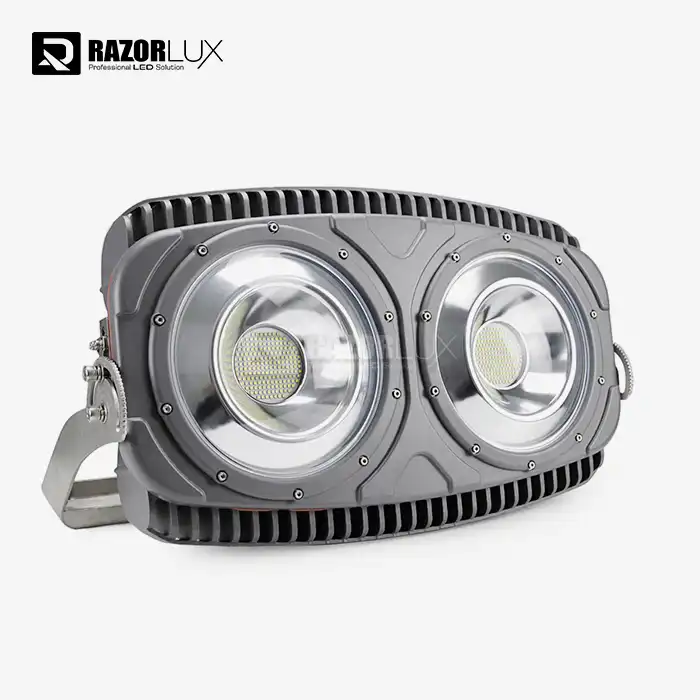
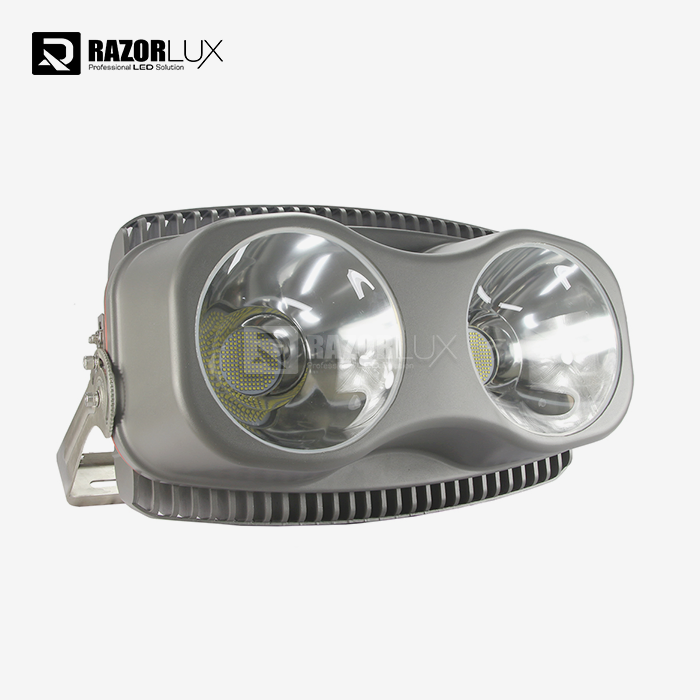
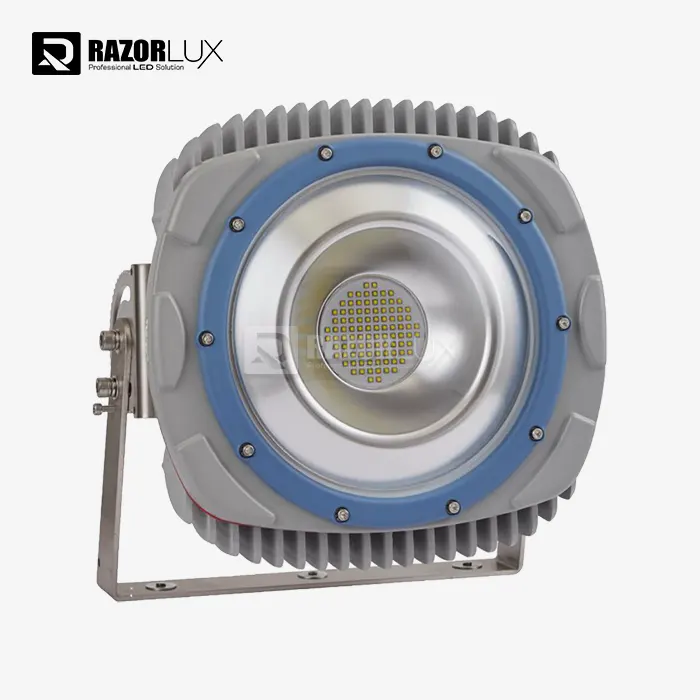
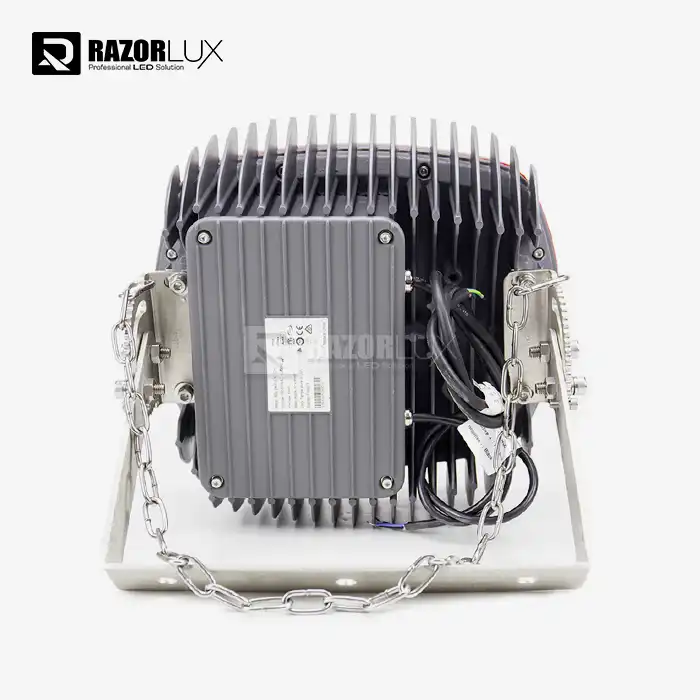
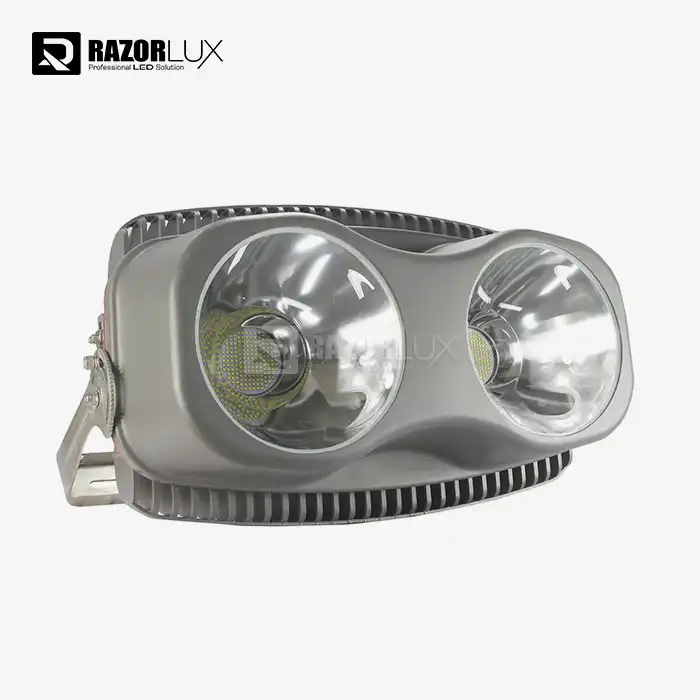
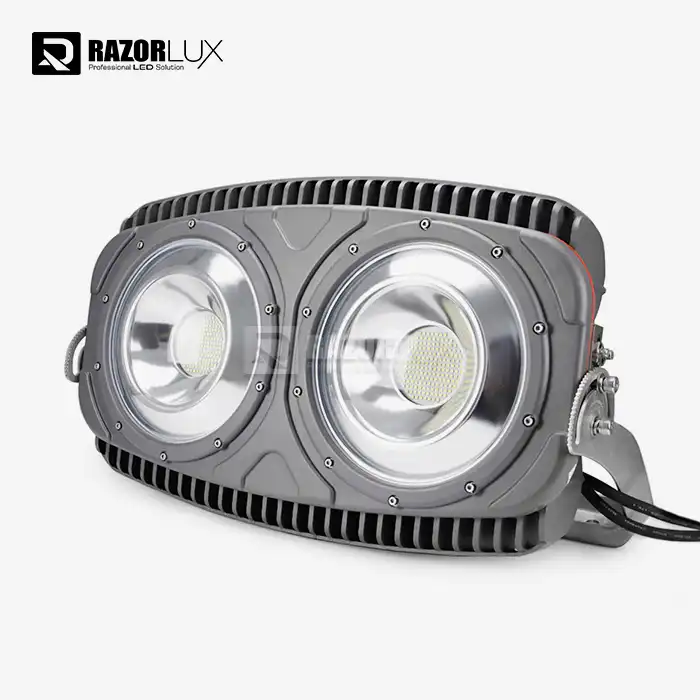
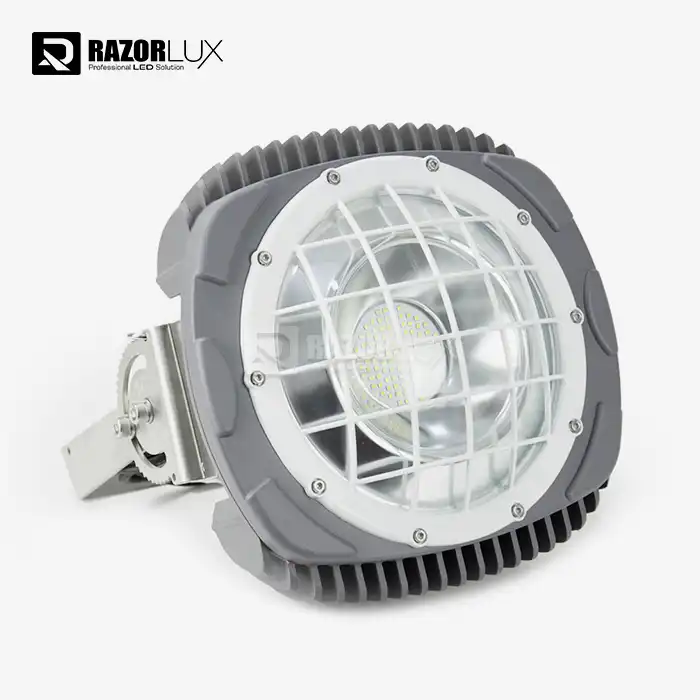
For marine and port activities, high-performance lighting is not a nice-to-have, it's a must for safety and efficiency. Marine Flood Lights 1000W rating give off the strong, directed light that is needed for moving goods, keeping people safe at sea, and running dockside activities 24 hours a day, seven days a week. These strong lighting systems are made to resist rust from saltwater, big changes in temperature, and constant shaking. This makes them essential for ships, offshore platforms, and industrial ports. With LEDs replacing old metal halide lamps, new 1000W marine-grade flood lights use much less energy (more than 130 watts per watt) and last a lot longer. They also require much less upkeep and repair.
Understanding 1000W Marine Flood Lights: Features and Benefits
What Sets 1000W Marine Flood Lights Apart
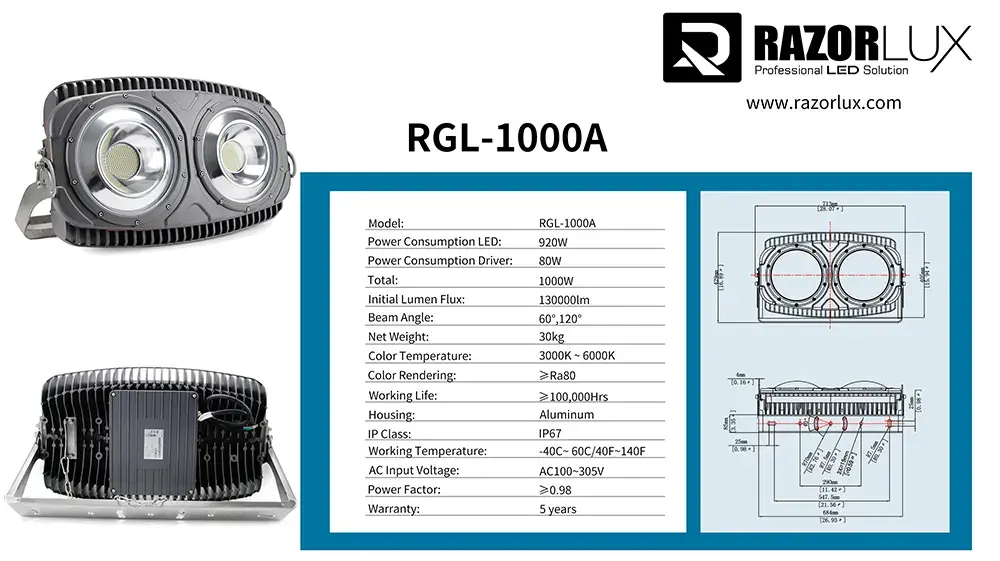
Marine flood lights with a lot of wattage are a special kind of lighting for the water. The 1000W category gets the best mix between light output and energy use. The 500W category is best for smaller ships or secondary areas, and the 1500W category is best for large ocean bases. Most of the time, these lamps put out between 100,000 and 130,000 lumens, which is the same amount of light covering as regular 2200–3000W metal halide systems but uses less than half as much power. Because of this, they work great for medium-sized business ships, port cranes, and loading zones where clear vision affects both worker safety and working efficiency.
Core Performance Advantages
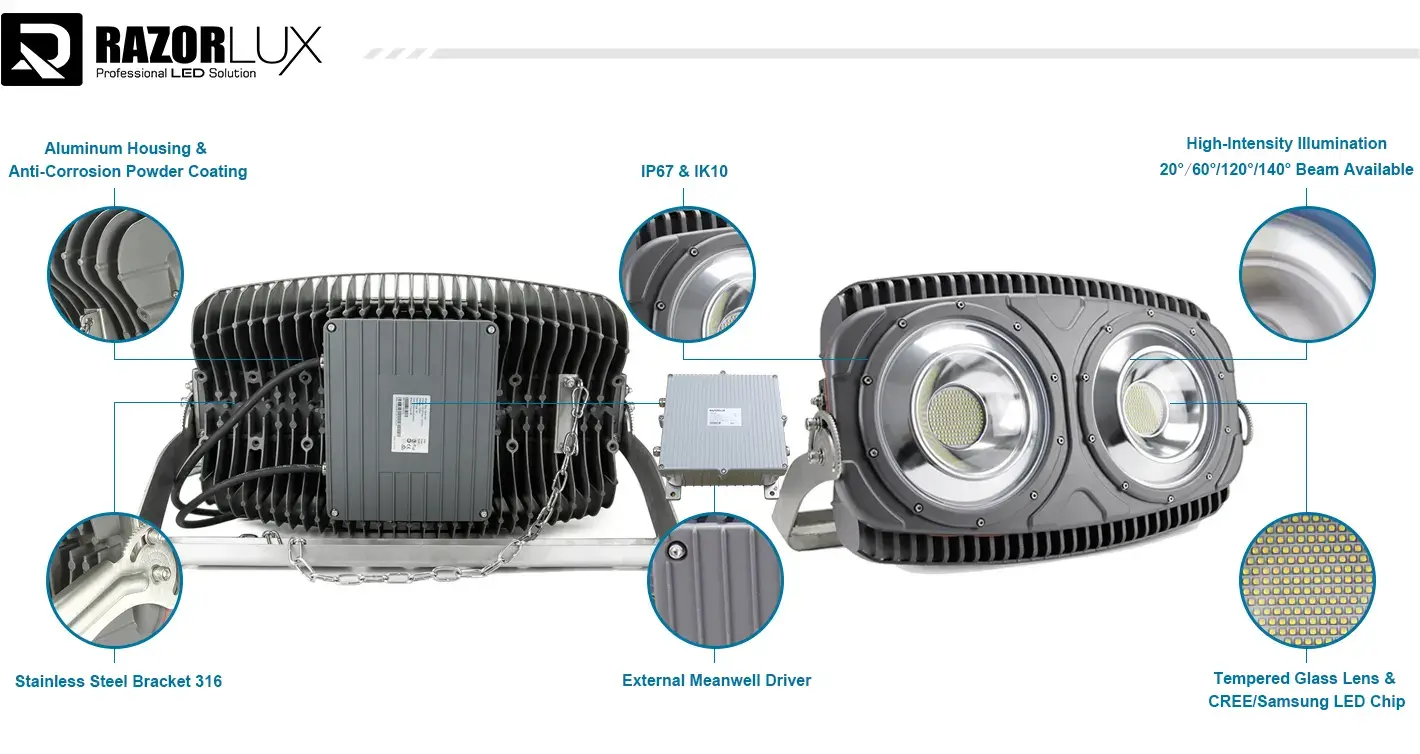
With 1000W of power, modern marine-grade LED flood lights make activities at sea much better. One of the best things about these units is that they save energy. Units that give off 130 lights per watt use less fuel on ships with diesel engines, which saves a lot of money over their 50,000-hour lifespan. Thermal management technologies, such as advanced aluminum heatsinks and graphene composite materials, keep junction temperatures below 85°C. This keeps LEDs from breaking down too quickly, even in tropical climates or enclosed engine spaces. Durability features take into account the harsh conditions in marine environments. When the deck is washed down or there is a storm, IP67-rated shelters keep water out, and IK10 impact protection keeps people from accidentally touching cargo handling equipment. Standard marine-grade aluminum doesn't have enough corrosion protection. Multi-layer coats that include chromate conversion, electrophoresis, and C5-M category powder finishes protect against salt spray that can damage cheaper goods in just a few months.
Here are the core technical advantages procurement teams should evaluate:
- Wide Input Voltage Range: AC 90-305V and DC 127-431V operation accommodates voltage fluctuations common on vessels with aging electrical infrastructure or during generator load transitions, preventing flicker and extending driver lifespan.
- Adjustable Beam Patterns: Selectable beam angles from 15° (searchlight mode) to 140°x60° (wide-area coverage) allow single fixture types to serve multiple applications—narrow beams for long-distance deck illumination, and broad patterns for loading zone uniformity.
- Color Temperature Flexibility: Options spanning 2700K (warm white for accommodation areas) to 6500K (cool daylight for precision work zones) support diverse operational requirements without stocking multiple product lines.
- High Color Rendering: CRI values exceeding Ra75, with Ra80 and Ra90 available on request, ensure accurate color perception crucial for quality control inspections, safety signage recognition, and equipment identification tasks.
These technical capabilities address procurement managers' demands for reliable performance in environments where lighting failure can halt operations, create safety hazards, or trigger costly emergency repairs during critical project timelines.
Energy and Operational Efficiency
It is measurable that switching from old HID technology to 1000W LED marine lights improves operations. Ten 2500W metal halide fixtures are usually replaced with 1000W LED lights, which lowers the electricity load by 15 kilowatts. This saves about 65,000 kilowatt-hours a year on a ship with lights on twelve hours a day. That's enough to power extra systems or make the engine run for a lot less time. Without warm-up periods (HID lamps need 5–10 minutes to reach full output), emergency reaction is better and lights can be turned back on right away after the power goes out. With solid-state lighting, maintenance times are much longer. Metal halide lights usually stop working after 6,000 to 8,000 hours, which means that replacing bulbs on masts or crane booms can be dangerous. Good LED systems, on the other hand, work for 50,000 hours before they lose 80% of their initial output (L80 standard). This six-fold improvement makes the repair crew less likely to trip and falls, and it gets rid of the need to store expensive new bulbs and ballasts in the ship's limited storage space.
Best Uses of 1000W Marine Flood Lights on Ships
Deck and Cargo Area Illumination
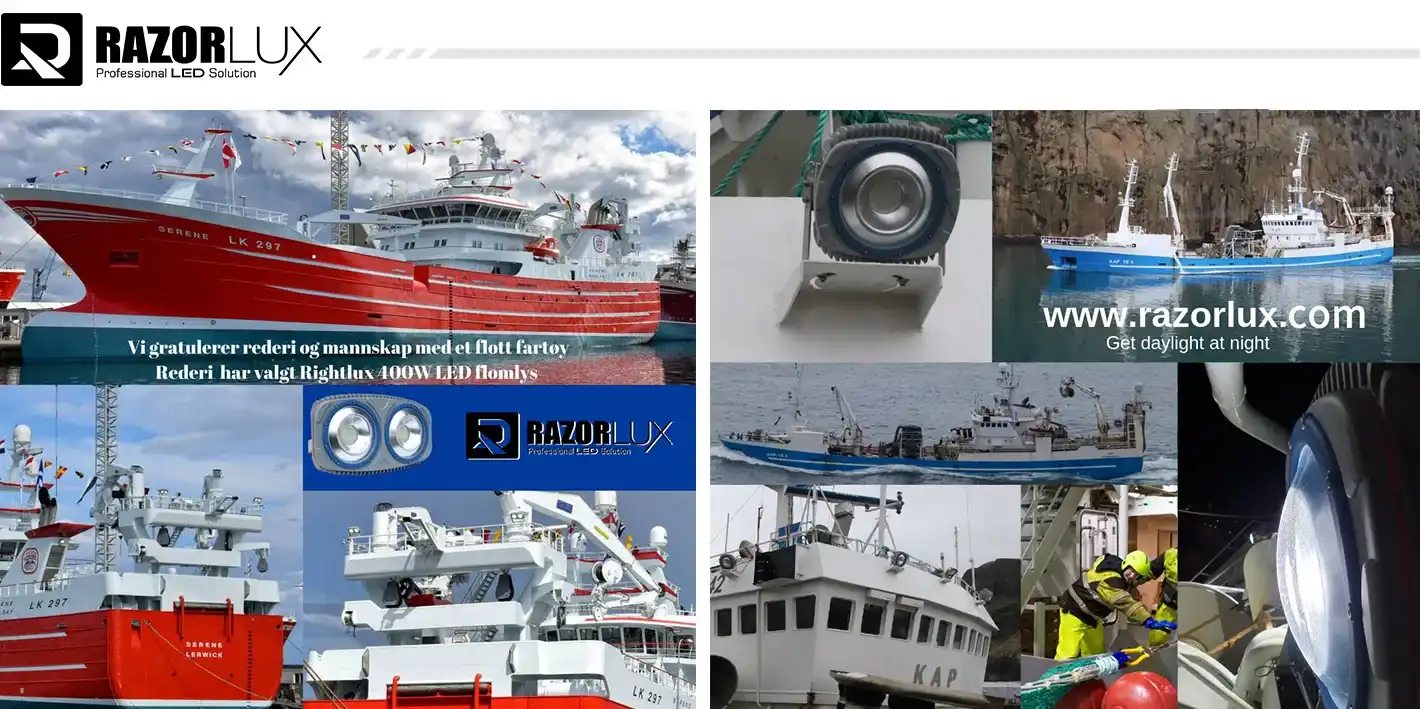
Commercial ships that move goods at night need lighting that is even and doesn't cast shadows on the decks. High-output naval Marine Flood Lights 1000W placed on mast structures or kingpost frames provide the vertical illumination (usually 150 to 300 lux) needed for safe crane operations, connecting containers, and moving people. The 1000W power level has enough reach to light up deck areas 40–60 meters from mounting points. This cuts down on the number of lamps needed and makes wiring easier. Bulk ships and tankers benefit the most from beam setups that can be changed. Wide-angle patterns (60–90°) make sure that the whole deck is covered during lifting operations at anchor. As the ship moves, the same devices can be turned around to use narrow beams (15–20°) as guiding lights or security lighting around the edges. This makes the most of the limited room in the electrical panels for the equipment.
Engine Room and Machinery Space Applications
Below-deck machinery areas have tough lighting needs because of the high temperatures, oil mist, vibrations from the main engines, and limited entry for upkeep. Premium 1000W marine floods designed for these situations have sealed drivers with conformal coatings for safety and stronger mounting frames that can handle shock loads. Here, thermal performance is very important; lights must be able to get rid of heat well even though it can get 50–60°C near the main engines and backup generators. The quality of the illumination has a direct effect on how well maintenance is done. When engineers are fixing electrical problems, high CRI (Ra>80) lighting helps them tell the difference between wires of similar colors, spot early signs of rust on pipe systems, and find hydraulic fluid leaks that look like cleaned metal surfaces when the lighting isn't good. When there is an emergency, the ability of LED systems to turn on right away is very helpful because full lighting right away can mean the difference between a controlled reaction and a problem getting worse.
Exterior Hull and Safety Lighting
The standards for outdoor lights are set by regulations and operating safety. Navigation authorities set specific amounts of light for landing approaches, and classification societies demand emergency lighting systems that turn on within seconds of the main power going out. Modern 1000W LED floodlights with built-in batteries or connections to emergency generator circuits meet these needs and offer better visibility than older incandescent emergency lights. Installations on the port and starboard sides help with docking at night by letting dock workers and the ship's crew check for fender contact, secure mooring lines, and see water levels as the ship approaches. The ability of stainless steel frames (usually 316L grade) to prevent rust is very important in this case, since fixings placed on the outside of the ship are exposed to salt spray all the time and are sometimes submerged during heavy seas or bilge operations.
| Shipboard Application Zone | Recommended Beam Angle | Typical Mounting Height | Key Technical Requirement |
|---|---|---|---|
| Main Cargo Deck | 60° - 90° | 15-25 meters | IP67, IK10, wide voltage input |
| Engine Room | 40° - 60° | 3-6 meters | High CRI (Ra>80), thermal resistance -40°C to +60°C |
| Accommodation Exterior | 30° - 40° | 8-12 meters | Warm color temperature (3000-4000K), minimal glare |
| Navigation Bridge Wings | 15° - 20° | 10-15 meters | Adjustable mount, narrow beam for spotting |
Optimal Applications of 1000W Marine Flood Lights on Docks
Pier and Wharf General Illumination
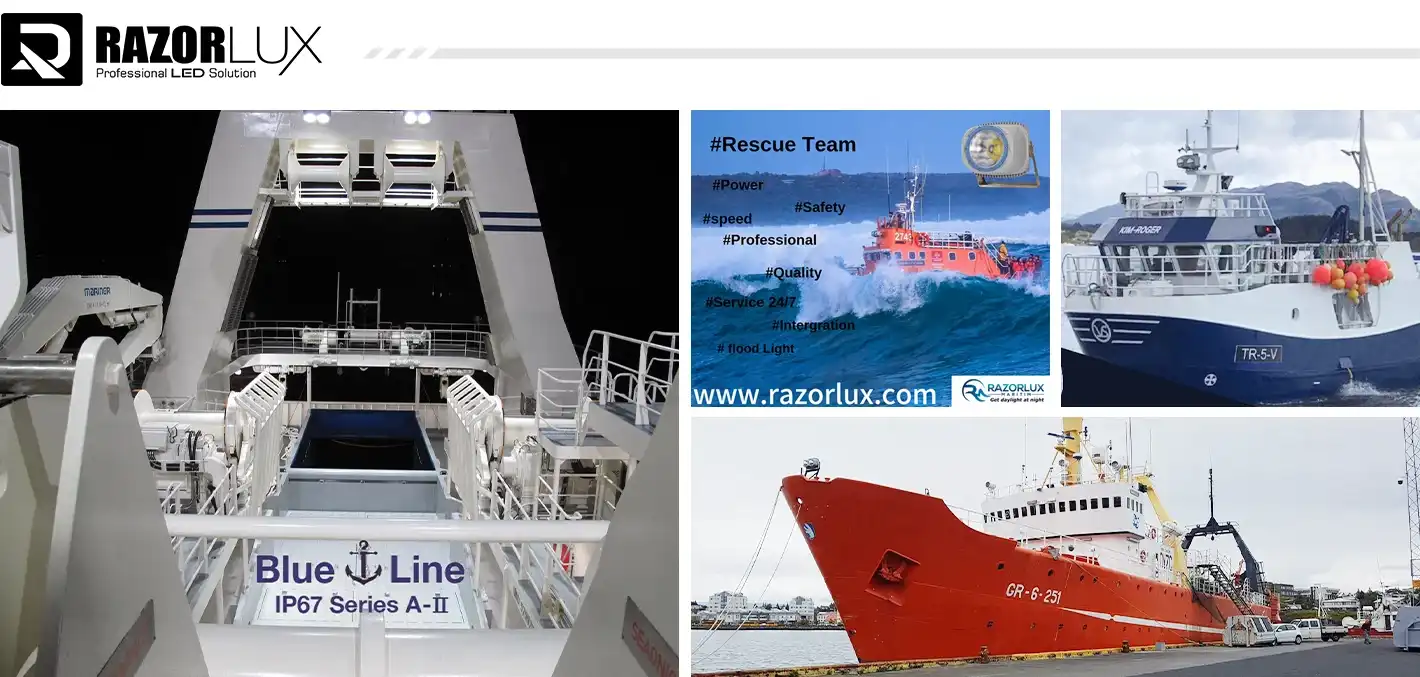
The infrastructure of the port works around the clock, which means it needs stable lights that can support both people working by hand and machines. Marine Flood Lights 1000W placed on piers provide the horizontal illumination (usually 50–150 lux) needed for safe walking, driving, and checking out docked boats. Placement on light poles 30 to 40 meters apart creates overlapping coverage patterns that get rid of dark spots where accidents or security threats can happen without being seen. More and more, modern port facilities use adjustable-beam fixtures to make the best use of light distribution as their needs change. When a container ship turns around, wide-angle sets light up large parts of the deck. When bulk cargo ships come into port and need hold checks, workers move narrow-beam fixtures into the cargo holds. This gets rid of the need for temporary work lights and speeds up the unloading process.
Security and Surveillance Lighting
Theft of cargo, illegal entry, and violence at work are big problems for port owners and station managers. High-intensity flood lighting works as both a deterrent and an enabler for security systems. Well-lit perimeters discourage attempts to break in and provide the amount of light (at least 20 lux for CCTV to work) needed for facial recognition and license plate capture by cameras. The low cost of LED-based systems makes complete security lighting possible. Older buildings that used high-pressure sodium lamps often had limited hours or motion monitors to keep costs down. This left coverage gaps that organized crime groups took advantage of. Continuous operation of LED lights that use 60% less power allows lighting 24 hours a day, seven days a week at a lower total cost than intermittent HID operation. This improves both security and insurance risk ratings.
Loading Zone and Crane Operations
In transfer zones where cargo goes from ships to land storage, places like container hubs, ro-ro facilities, and bulk handling operations need very good lighting. For crane workers to be able to precisely place spreaders over the sides of containers or find securing points on cars and machinery, the vertical illumination in their fields of view must hit 200 to 300 lux. Horizontal lighting at ground level helps keep terminal tractors, reach stackers, and people moving safely. Fixtures that can handle a lot of mechanical stress are needed for these tough jobs. It is possible for the lights on a crane to be sped up when the trolley moves quickly and to be shocked when the spreaders hit containers. Specifications should check the shock rates (15G operating, 30G survival) and make sure that the fastening clamps have vibration-damping parts. The 29-kilogram weight of fully completed 1000W units with stainless steel frames requires strong connection points and regular checks to make sure the fasteners are still in good shape.
Integration with Port Electrical Systems
When retrofitting dock lights, old electrical systems that don't have enough power or standard voltages are often a problem. This is taken care of by wide-input drivers in high-end 1000W LED lights, which can handle voltages from 90VAC to 305VAC without the need for extra transformers. Because of this, old HID fixtures can be replaced directly without having to pay for expensive electrical upgrades. This speeds up project timelines and cuts installation costs by 30–40% compared to solutions that need dedicated circuits or voltage regulation equipment. Power quality features built into advanced LED drivers protect against the harsh electrical environment common in port settings. When active power factor correction (PFC) is used, efficiency goes above 0.98. This lowers reactive power charges, which can make energy costs 10-15% higher in places with bad power factor. Interference with sensitive equipment like VHF radios, radar systems, and automatic container tracking systems can't happen when total harmonic distortion is less than 10%. Built-in surge protection (usually 10–20kV rating) protects against lightning hits and voltage spikes from nearby crane motors, which is one of the main reasons why fixtures fail so quickly in marine settings.
Choosing the Right 1000W Marine Flood Light: A Procurement Guide
LED versus Traditional Technology Comparison
Even though the market for marine lighting has clearly moved toward LED technology, quotes for metal halide and high-pressure sodium options are still being seen by buying teams. When you look at the total cost of ownership, you can see why LED specs are so popular in current projects. A 2500–3000W metal halide system can be replaced with a 1000W LED light that gives off 130,000 lumens. This cuts energy use by 60–70% right away. At $0.12 per kilowatt-hour, this one light saves about $5,250 in energy costs over the course of five years of use. Differences in maintenance costs make the benefits of LED even greater. Metal halide lights need to be replaced every 8,000 hours, which is about 2.2 years based on normal port operations. Each service call costs $200 to $400, which includes renting lift equipment and workers for fixtures that are high up. LED systems that last 50,000 hours before hitting L80 loss avoid six replacement cycles, saving between $1,200 and $2,400 per bulb and avoiding the safety risks that come with working at heights. Improving light quality is another reason to adopt LEDs that goes beyond simple cost calculations. With instant-on operation, HID lamps don't need to warm up for 5 to 10 minutes, which is important for security and emergency situations. Color steadiness over the lamp's entire life avoids the color change and power loss that come with old gas-discharge lights. The better color rendering (CRI 75–90 vs. 65–70 for most HID) makes tasks easier to do and lessens eye pain when doing precise work.
Critical Technical Specifications
To make sure that the goods supplied meet business needs, procurement documents should include performance factors other than just power numbers. Pay close attention to ingress protection grades. For example, IP65 protects against dust and water jets, while IP67 is needed for marine uses and adds protection against immersion in water up to one meter deep for 30 minutes. This is important when pieces on a deck are occasionally hit by waves or when units on a dock are hit by storm surges. The IK scale is used to rate impact resistance, which measures mechanical longevity. The highest standard level, IK10, proves that the structure can withstand 20-joule hits, which is the same as a 5-kilogram mass being dropped from a height of 400 mm. This keeps people from touching it by mistake while moving goods, when tools fall, or when someone tries to damage it on purpose. Fixtures that don't have the right impact values often get lens cracks or housing warping in busy port settings within a few months of being installed.
The table below compares key specifications across typical commercial offerings:
| Technical Parameter | Minimum Acceptable Standard | Razorlux RGL-1000P Specification | Impact on Performance |
|---|---|---|---|
| Luminous Efficacy | 120 lm/W | 130 lm/W | 8% higher light output per watt consumed |
| Input Voltage Range | AC 100-277V | AC 90-305V / DC 127-431V | Operates on unstable vessel power; universal compatibility |
| Color Rendering Index | Ra>70 | Ra>75 (Ra>80 optional) | Improved color accuracy for inspection tasks |
| Operating Temperature | -20°C to +50°C | -40°C to +60°C | Suitable for Arctic and Middle East deployments |
| Operational Lifespan | L80 @ 40,000 hours | L80 @ 50,000+ hours | 25% longer service before replacement is needed |
| Power Factor | >0.90 | >0.98 | Reduces reactive power charges; better grid compatibility |
Evaluating Suppliers and Component Quality
Reliability in the supply chain is an important but hidden factor in purchasing decisions. Long wait times or differences in quality between runs can cause project delays, but established makers who can keep making things can avoid these problems. Suppliers with ISO 9001-certified facilities show they are dedicated to process control and paperwork, which is important when installations need to be able to be tracked for legal or insurance reasons. Where you get your components has a big impact on how reliable they are in the long term. LED chips from well-known brands like Samsung, Osram, Cree, or Nichia go through strict binning methods that make sure the color temperature and forward voltage are always the same. This keeps lights in the same system from having different colors and increases their useful life by exactly matching LEDs to driver specs. In the same way, driver modules from well-known names like Mean Well, Inventronics, or Philips have built-in defenses against voltage spikes, heat overload, and short circuits that cause inferior products to fail early. Another sign of trustworthiness is whether or not the certification process is complete. Basic CE and RoHS marks show that a product meets European safety and environmental standards, but for marine uses, more testing is needed. Classification society approvals from DNV-GL, ABS, and Lloyd's Register show that the product has been tested to meet standards for shaking, electromagnetic compatibility, and weather exposure that are specific to ships and offshore buildings. ATEX or IECEx ratings show that the lights can be used in dangerous areas on chemical ships or gas carriers, while UL 1598A approval covers extra standards for marine luminaires.
Warranty Terms and After-Sales Support
Warranty coverage shows that the company that made the product is sure that it will last. Marine Flood Lights 1000W panels and drivers are covered for three years by standard industry offers. This is extended by high-end manufacturers to at least five years, and some structural parts (like housings and brackets) are covered by 10-year guarantees. These longer terms lower the total cost of ownership by putting the risk of replacement on the maker during the time when most baby mortality fails happen. Warranty terms should be carefully looked over for more than just length. Some sellers don't cover failures that are caused by "improper installation" without explaining what "improper technique" means, which can lead to disagreements when claims are made. Others only cover replacement of the product and don't cover shipping costs, which is a big deal for international marine clients because fast freight for a 29-kilogram bracket can cost more than $500. Preferred suppliers have advance replacement programs that ship replacement units as soon as they are notified of failure. This lets customers swap fixtures and return failed units later, instead of waiting for evaluation cycles that can take weeks. Technical support skills are what set responsive partners apart from order-takers. Photometric estimates done by providers during the quote process can help define the right lights, numbers, and placement to meet goal lighting levels for complex setups. Mistakes during installation can be avoided by using thorough instructions, online tools, or talking directly to a tech. Support after installation for problems like fixing, dimming integration, or upgrade questions goes beyond just supply and demand.
Installation and Maintenance Best Practices for 1000W Marine Flood Lights
Pre-Installation Site Assessment
For lighting projects to go well, the site must first be carefully inspected and written down to show what needs to be done for installation. Checking the structural strength of mounting surfaces like ship masts, crane booms, or dock light poles makes sure they can hold the 29-kilogram device weight plus wind loads. During storms, marine settings put a lot of horizontal force on things. If the fixing points aren't good enough, the device could come loose, which could be dangerous or cause damage. An review of the electrical infrastructure shows what changes need to be made before they are bought. Wide-input LED drivers can handle changes in voltage, but the total circuit capacity needs to be able to handle the loads from all the fixtures plus the initial currents needed for starting. Magnetic contactors may need to be replaced with electric switches in older systems to stop them from tripping by accident. It is important to check the grounding system because saltwater speeds up the rusting of weak ground connections, which can cause shocks and strange fixture behavior from electrical noise on ground returns.
Installation Methodology and Safety Protocols
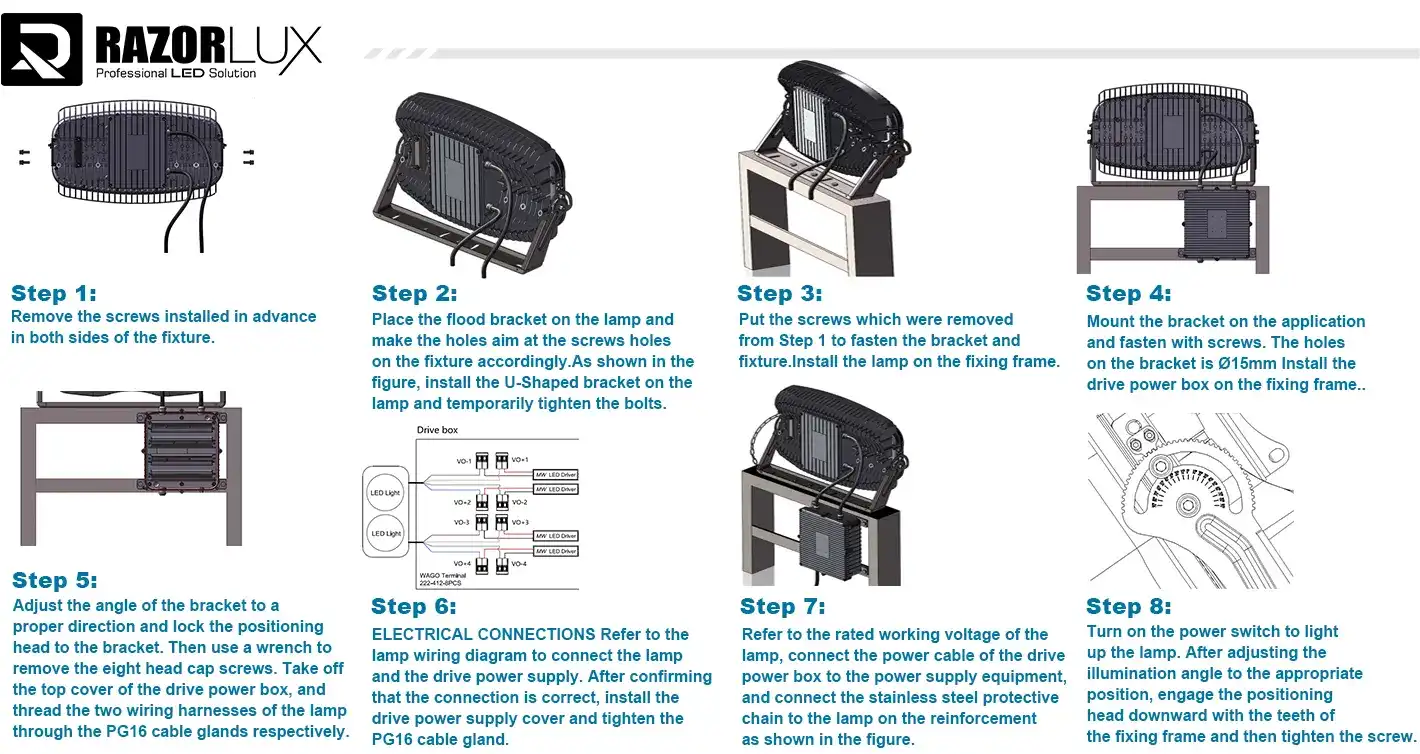
Professional fitting follows the manufacturer's instructions and best practices for marine use. Marine-grade protection is needed for all electrical connections. Heat-shrink tubes with a sticky covering, silicone closing of cable glands, and dielectric grease on screw terminals stop water from getting in and causing rust and tracking failures. Stainless steel hardware (at least 316-grade) doesn't break down electrochemically, but mixing different metals makes galvanic cells that speed up rust even with the right coatings. The way the hardware is mounted affects how well it handles heat and how well it drains water. Fixtures should tilt down at least 15° angles so that water doesn't build up on the lenses or in the housing drain ports. This also improves the flow of air across the heatsink fans, which lowers the temperature. After adjusting the aim, adjustable brackets need to be securely locked in place. Vibration can loosen bolts that aren't tight enough, letting fixtures move out of place or causing fatigue failures at mounting points. Safety rules for working at heights in marine environments go beyond normal building rules. Even when the ships are in drydock, workers must wear fall protection because uneven floors and other things in the way can cause people to trip. Installations that are close to fuel lines or in small areas need hot work permits. Lockout/tagout methods keep things from getting energized during installation. Even after the main disconnects are opened, leftover voltage in long wire runs can still cause dangerous shocks.
Routine Maintenance and Troubleshooting
Schedules for preventative repair make fixtures last longer and keep the quality of the light. Mounting gear is checked every three months for rust or looseness, especially after ships have been in rough seas or places have had bad weather. Cleaning the lens gets rid of salt buildup that can cut light output by 20 to 30 percent. Mild detergents and soft cloths keep polycarbonate or toughened glass surfaces from getting scratched. Every year, thorough checks are done to make sure the gaskets are still in place, look for water getting in through indicator holes or condensation inside the lenses, and measure electrical parameters to find drivers that aren't working as well before they completely break. Systematic troubleshooting methods are used to fix common problems. If a fixture doesn't light up, check the voltage at the input connections to make sure the circuit is working properly before thinking the fixture is broken. When something stops working sometimes, it's usually because of loose links or worn-out wire coating that's causing short circuits. Less light may mean that the LED is breaking down (which doesn't happen until 40,000 hours with good products) or that the glasses are dirty (which happens a lot more often). Color changes usually mean that the LEDs were mixed up or that the phosphor coats have worn down, which means that the light needs to be replaced instead of being fixed. Written records of maintenance help with guarantee claims and following the rules. Photographs of the state of the system, logs of electrical measures, and records of when it was cleaned and inspected all help to build a case. When classifying groups check a ship, they look at these records to make sure it meets safety standards. Thorough paperwork also helps insurance claims when strange things go wrong by showing that the right steps were taken for maintenance, which gets rid of coverage arguments.
Regulatory Compliance and Certification Requirements
Maritime lighting systems have to follow different rules based on the type of cargo, working area, and flag state of the vessel. The SOLAS (Safety of Life at Sea) Convention sets minimum standards for emergency and navigational lights on commercial ships. Classification groups like ABS, DNV-GL, Lloyd's Register, and Bureau Veritas set extra rules that ships must follow to keep their approval and insurance coverage. Port facilities have to follow different lighting rules for work areas that are set by different authorities, such as OSHA in the US and HSE in the UK. Product licenses show that these rules are being followed. UL 1598A tests luminaires for naval boats to make sure they can withstand shaking, rust, and the mechanical hits that come with ship activities. ATEX certification (in Europe) or IECEx certification (around the world) shows that the equipment can be installed in dangerous environments like those found on chemical ships, LNG carriers, or port facilities that handle volatile goods. DNV-GL type approval means that the equipment has been tested against their standards for maritime equipment, which is often needed by ship owners to keep their classification. Fixtures that are compliant come with documentation packages that include technical data sheets with all the specifications, test reports from accredited laboratories, and declarations of conformity that say the fixtures follow all the rules that apply. Procurement teams should make sure that sellers provide all the necessary paperwork. Not having all the paperwork can cause projects to be held up while regulators look over them, or installations could be refused, which would require expensive repairs. Suppliers with a lot of experience keep these papers easy to find and often offer downloaded backups through safe web sites.
Conclusion
To choose the right naval Marine Flood Lights 1000W level, you have to balance performance needs, reliability in harsh environments, and total cost over the lifetime of the equipment. Modern LED technology is a huge step up from older HID systems. It uses less energy, lasts longer, and gives off better light, all of which make up for the higher starting cost through measurable practical saves. To have successful implementations, procurement teams must carefully evaluate suppliers, pay attention to marine-specific technical requirements, and follow best practices for installation that guarantee reliable performance in harsh maritime environments. Fixtures meeting IP67/IK10 standards, containing proven LED and driver components, and backed by comprehensive certifications relevant to intended applications should be given top priority by procurement teams. Investing in good marine-grade lighting pays off in the form of fewer upkeep problems, lower energy costs, and better safety results that keep people safe while also making ships and port facilities run more efficiently.
FAQ
Can 1000W LED marine flood lights truly replace higher-wattage metal halide systems?
Quality LED fixtures delivering 130 lumens per watt output approximately 130,000 lumens from 1000W input power. This effectively replaces 2200-3000W metal halide lamps producing similar lumen packages but wasting substantial energy as heat rather than visible light. The directional nature of LED sources further improves effectiveness—where omnidirectional HID lamps lose 30-40% of generated light inside reflectors and fixtures, LEDs emit light in specific directions, placing more lumens on target areas. Real-world installations routinely achieve equivalent or superior illumination levels while consuming 60-70% less power.
How do these fixtures handle voltage fluctuations common on aging vessels?
Professional marine-grade fixtures incorporate wide-input drivers engineered specifically for unstable power environments. The specification range of AC 90-305V (and DC 127-431V in dual-input models) accommodates the voltage swings that occur during generator load changes, main engine starts, or when vessels operate on shore power with substandard regulation. Active power factor correction and input filtering circuitry smooth voltage variations, preventing flicker and extending component life. This eliminates the need for external voltage regulators that add cost, introduce failure points, and consume additional panel space.
What maintenance requirements should operators expect with 1000W marine LED lighting?
LED technology dramatically reduces maintenance demands compared to traditional lighting. Beyond quarterly external cleaning to remove salt deposits and annual inspection of mounting hardware and gaskets, these fixtures require minimal attention. The 50,000+ hour operational life (approximately 11-12 years at typical usage rates) eliminates the frequent bulb replacements that characterized HID systems. When failures do occur, they typically involve driver electronics rather than LED arrays—a situation where manufacturers offering five-year warranties provide replacement units covering the highest-risk period. Proper initial installation, addressing waterproofing and secure mounting, prevents most premature failures.
Partner with Razorlux for Your Marine Lighting Needs
Navigating the technical complexities of marine flood light procurement demands a supplier combining engineering expertise with demonstrated maritime experience. Razorlux brings over two decades of specialized knowledge in high-performance LED solutions specifically engineered for demanding marine and industrial environments. Our Marine Flood Lights 1000W supplier capabilities extend beyond simple product delivery—we provide complete support, including photometric calculations, customized beam configurations, and technical guidance, ensuring optimal results for your specific vessels or port facilities. Razorlux fixtures incorporate premium components, including Mean Well drivers and high-efficiency LED arrays achieving 130 lumens per watt, backed by comprehensive certifications (RMRS, CE, RoHS, UL, DNV) that satisfy classification societies and regulatory authorities worldwide. The patented multi-function design adapts to diverse working environments through selectable beam angles (15° to 140°x60°), wide input voltage compatibility (AC 90-305V / DC 127-431V), and IP67/IK10 protection ratings proving their durability in saltwater environments. Contact our technical sales team at sam@razorlux.com to discuss your project requirements. We offer sample units for testing and evaluation, ensuring confidence before full-scale procurement. Our global shipping network delivers on schedule to support tight project timelines, while five-year warranty coverage protects your investment. Whether equipping a new vessel, upgrading port infrastructure, or replacing aging HID systems, Razorlux provides the reliability and performance your maritime operations demand.
References
1. International Association of Marine Aids to Navigation and Lighthouse Authorities (IALA). "Guidelines for the Design of Navigational Aids for Port and Harbor Lighting Systems." Maritime Safety Technical Standards, 2021.
2. American Bureau of Shipping (ABS). "Guide for Electrical Systems and Equipment Installed Aboard Ships: Lighting System Requirements and Classification Standards." ABS Technical Publications, 2022.
3. Society of Naval Architects and Marine Engineers (SNAME). "Recommended Practices for Illumination Engineering in Maritime Applications: Energy Efficiency and Safety Standards." Technical Research Bulletin T-47, 2020.
4. International Maritime Organization (IMO). "SOLAS Convention Chapter II-1, Part E: Requirements for Electrical Installations Including Emergency Lighting on Commercial Vessels." Consolidated Edition, 2020.
5. Illuminating Engineering Society (IES). "Recommended Practice for Lighting Maritime Facilities: Dock, Port, and Shipyard Applications." IES RP-34-19, 2019.
6. Det Norske Veritas (DNV-GL). "Maritime Classification Rules Part 4 Chapter 8: Requirements for Electrical Equipment in Marine Environments Including Testing Standards." DNV-GL Rules for Classification of Ships, 2021.