


_1750326878398.png)

How to Install 1000 Watt Led Outdoor Flood Lights Properly?
Electrical compatibility, structure mounting stability, and environmental protection standards must all be carefully considered when installing 1000 Watt LED Outdoor Flood Lights. These high-intensity lights are designed to give off up to 130,000 lumens of light at 130 lumens per watt. They need to be mounted securely on bases made of strengthened stainless steel and connected correctly to AC 80–305V or DC 100–800V power sources. The housing's IP65/IP67 rating protects internal parts from getting wet or dusty, and the 29 kg weight needs a strong grounding system. If you put something correctly, it will last longer than 50,000 hours, not break down before its time, and meet CE, UL, and RoHS standards for marine, industrial, and heavy-duty uses.
Understanding 1000 Watt LED Outdoor Flood Lights
Traditional metal halide and high-pressure sodium lamps don't work well in demanding business-to-business settings, but 1000 Watt LED Outdoor Flood Lights do. The old 2000–3000W HID lights can be replaced with these solid-state lighting systems, which use 60–75% less energy. The technology solves some of the biggest problems in industry by getting rid of the need to rent expensive cranes to change bulbs regularly, letting devices turn on right away when the power goes out, and giving precise optical control that reduces light pollution.
Core Features for Industrial Applications
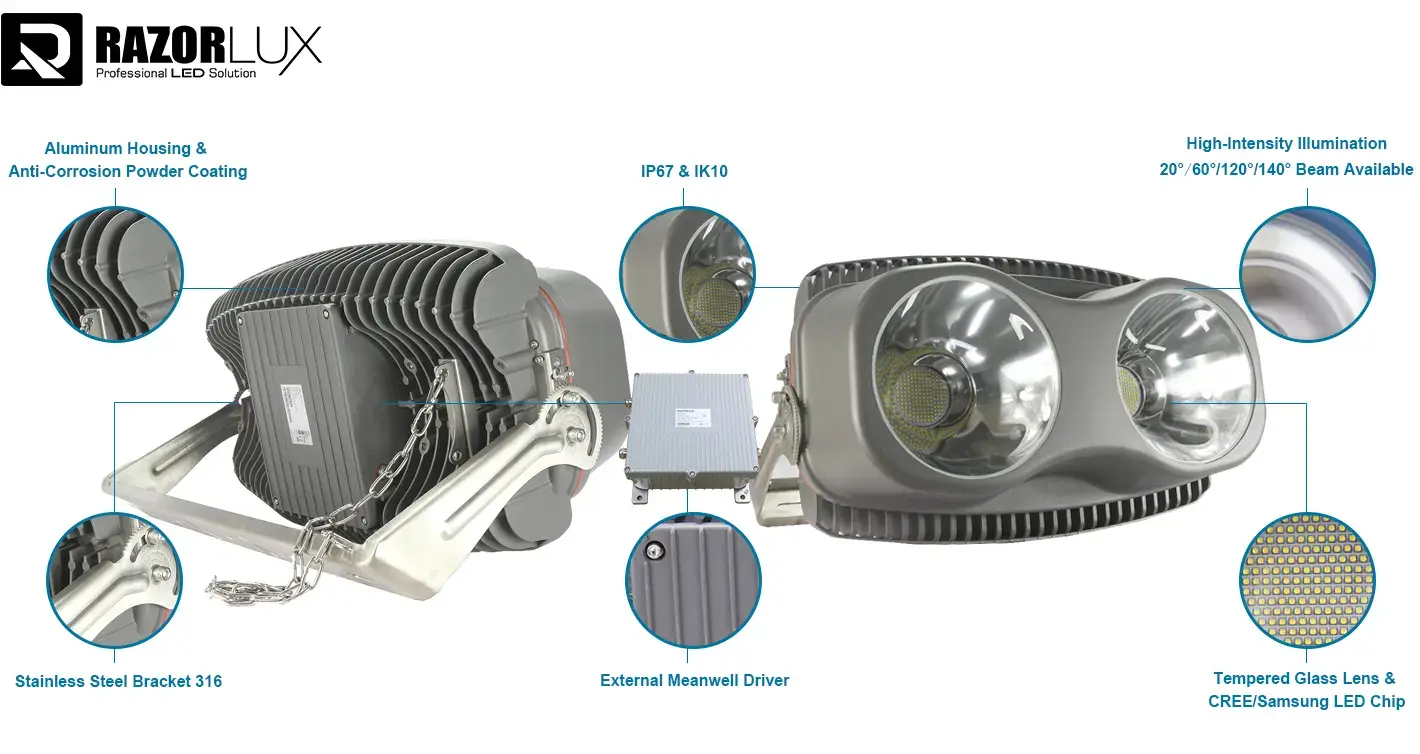
1000 Watt LED Outdoor Flood Lights are different because they have unique designs that can be used for more than one thing. These designs can be used in ships, offshore platforms, and heavy industrial facilities. The strong aluminum housing with powder coating can handle temperature changes from -40°C to 60°C, and the Meanwell power supplies make sure that the device works reliably even when the voltage changes. Color temperature ranges from 2700K to 6500K, which means that it can be changed to fit different visual tasks, like checking welds in steel mills or getting around at night in container terminals. The 20-degree beam angle focuses light output for 30-meter high-mast installs, which cuts down on the number of fixtures needed and the cost of installation. A Color Rendering Index higher than Ra75 makes sure that colors can be seen correctly during safety checks and precise assembly work.
Technical Specifications That Matter
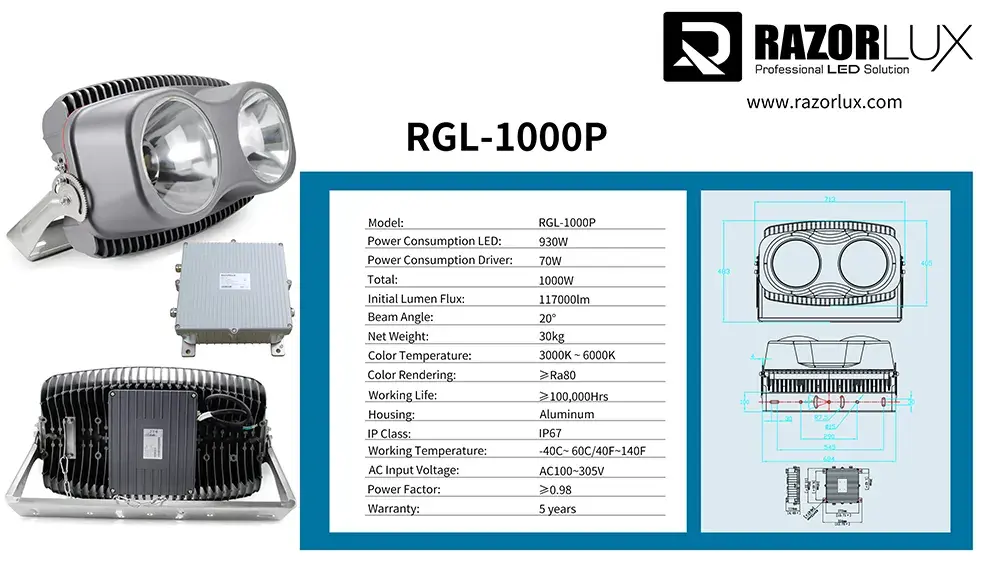
Engineers and purchasing managers judge 1000 Watt Led Outdoor Flood Lights by how well they work measurably. Luminous efficacy has a direct effect on operational costs. For example, our 130LM/W rating means that after an hour of use, the light will still be producing 105,000 stable lumens, keeping the same level of illumination during long shifts. Grid interference can't happen in places with sensitive electricity because of the 0.98 power factor and less than 10% Total Harmonic Distortion. The IK10 grade for impact protection guards against flying objects and accidents that happen a lot in construction zones. The ability to accept both AC and DC voltages makes placement flexible for remote locations with solar backup systems or maritime boats that use DC power transfer.
| Performance Parameter | Details | Benefit to Industry |
|---|---|---|
| Luminous Efficacy | 130 LM/W | 65% less expensive to run than HID |
| Input Voltage Range | AC 80–305V / DC 100–800V | Allows for shaky power grids |
| Operating Temperature | -40°C to 60°C | Works in both Arctic and desert environments |
| Ingress Protection | IP65/IP67 | Can handle being washed under high pressure |
| Surge Protection | 10kV to 20kV | It can handle lightning hits and electricity spikes |
Applications Across Maritime and Heavy Industry
These 1000 Watt LED Outdoor Flood Lights are put on high-mast poles at seaports and container hubs so that they can work 24 hours a day, seven days a week with goods. The corrosion-resistant treatment can handle salt spray. For 4K streaming and slow-motion recording systems to work properly on sports grounds, they need to be flicker-free and meet strict standards for horizontal and vertical illumination uniformity. For ground handling safety, airport aprons need light that doesn't cast shadows, and the high CRI makes it easier to see aircraft markings at night. Low Effective Projected Area designs help mining operations because they reduce wind load at open sites while keeping vibration resistance against heavy machinery. Because DC voltage works with platform power systems, offshore oil platforms don't need any extra tools to convert voltages.
Preparing for Installation: Planning and Safety Considerations
Deployment of 1000 Watt LED Outdoor Flood Lights that goes well starts weeks before the actual installation. Site surveys figure out the best hanging heights based on the amount of light needed at the ground level. For example, 20 to 30 meters is usually the best range for covering a large area, while 8 to 12 meters is better for tight security perimeters. Structural experts make sure that the 29 kg fixture weight plus wind loading factors that are specific to seaside or open areas can be supported by existing poles or building surfaces.
Site Evaluation and Mounting Strategy
Using IES files for photometric analysis makes sure that the 1000 Watt LED Outdoor Flood Lights are spaced correctly so that there are no dark spots or too much overlap. Placement choices are affected by environmental factors, such as the direction of the main wind, which determines the orientation of the mounting, and the closeness to saltwater, which determines how often the protective coating needs to be inspected. Access to a power source affects how cables are routed and how much electricity drops over long distances. The mounting height has a direct effect on the levels of illumination and the uniformity ratios. When installed lower, the brightness readings are higher, but the chance of glare is higher. When installed higher, upkeep is harder to get to, but the area covered is better. The narrow 20-degree beam angle is good for focused downlighting from above, and it keeps light from getting into nearby homes or waterways.
Essential Tools and Safety Equipment
For professional installation of 1000 Watt LED Outdoor Flood Lights, you need more than just standard electrical kits. Torque tools make sure that stainless steel bracket bolts are tightened correctly, without being too tight, which could crack the gaskets inside the chassis. Insulated cable cutters with a 600V rating can handle the heavy-gauge wire needed to send kilowatts of power. Digital multimeters check the voltage before turning on circuits. This keeps drivers safe from power problems that could be dangerous. For live electrical work, arc-rated gloves are needed. When working at heights above two meters, fall protection straps are needed. And in busy industrial zones, hard hats with impact protection ratings are needed. Lockout-tagout procedures must be used during installation to avoid accidentally turning on the power, and permits are needed for hot work near flammable materials, which is common in petrochemical plants.
Electrical Code Compliance
Article 410 of the National Electrical Code (NEC) says how to place 1000 Watt Led Outdoor Flood Lights and how big the conductors should be based on estimates of continuous load. For a 1000 Watt Led outdoor flood light fixture to work at 120% continuous power, the wires must be rated for at least 1200W. Ground-fault circuit interrupters offer extra safety in damp places, even though the IP67 rating already stops water from getting inside. For coastal installations, local governments may add extra rules, like NEMA 3R or NEMA 4X covers for junction boxes, stainless steel hardware for the whole mounting assembly, and cathodic protection systems for underground cable runs. Product certifications like UL listing, DLC qualification, and maritime approvals like DNV-GL or ABS classification society endorsements should be included in permit applications.
Step-by-Step Installation Guide for 1000 Watt LED Flood Lights
When you put 1000 Watt LED Outdoor Flood Lights the right way, you can stop common failure modes like water getting in, problems with managing heat, and mechanical stress cracks. The process starts with setting up the electrical equipment. Next comes physical mounting and final tests to make sure everything is working properly.
Electrical Infrastructure Preparation
Calculating the voltage drop across cable runs is the first step in designing a circuit for 1000 Watt Led Outdoor Flood Lights. About 4.2 amps are used by a 1000W load at 240V. The voltage drops by 3.4V, or 1.4%, over a 100-meter run with 10 AWG copper wire, which is fine. To keep driver input specifications, longer distances need bigger conductors or higher supply voltages. Overcurrent safety is provided by dedicated circuit breakers that are sized at 125% of the steady load (6-amp minimum). These breakers don't trip when there are sudden increases in current. The large input voltage range (80–305VAC) can handle changes in the power grid, but a constant source voltage makes the driver work better and extends the life of the parts.
Mounting and Mechanical Securing
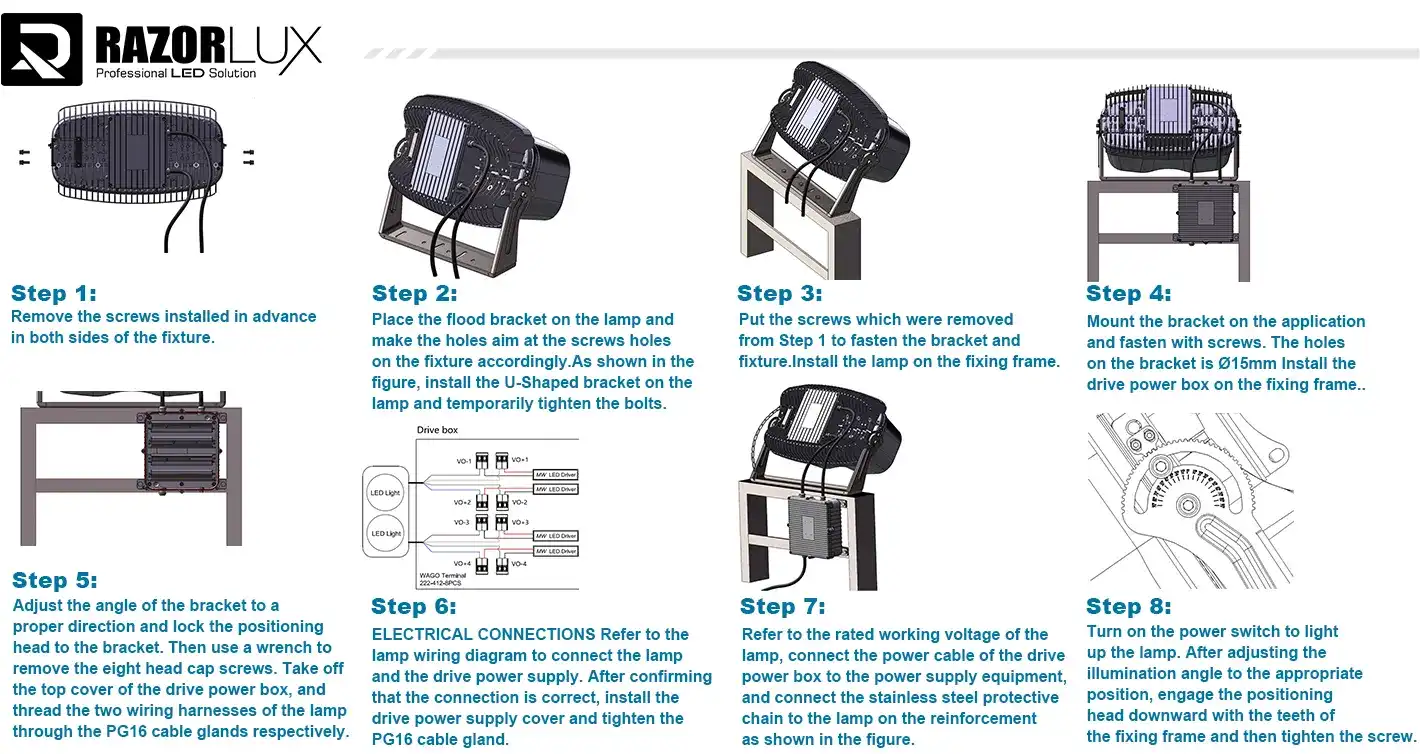
To keep water from pooling on 1000 Watt Led Outdoor Flood Lights surfaces, bracket placement needs to be done very precisely. The stainless steel fixing system has tools for adjusting the beam's direction, which is very important for lighting up specific work areas and avoiding glare areas. Anchor bolts go through concrete or steel to a depth determined by the structure, usually 150 mm for concrete and through-bolted for steel beams. When applied to threaded joints, anti-seize compound stops galvanic corrosion between metals that are not the same. This is especially important in salty settings where electrochemical reactions happen faster. For M12 mounting bolts, the torque specifications say 40–50 Nm, which can be checked with a calibrated torque wrench to make sure the gasket is compressed without being overtightened. The direction of the 1000 Watt Led Outdoor Flood Lights fixture affects its thermal performance. For example, moving the driver housing out of direct sunshine lowers the outdoor temperature loading, which makes it easier for the internal heat sink to get rid of heat from the LED junction.
Wiring Connections and Weatherproofing
When 1000 Watt LED Outdoor Flood Lights are placed correctly, conductor entry through cable ports keeps the IP67 rating. Cable glands should be the exact size of the conductor diameter—too much space between them lets water in, and glands that are too small damage the insulation when they are inserted. Strain relief stops mechanical stress from moving to terminal connections, which could become loose over time as temperatures change. For cage-clamp terminals, torque specs written on driver enclosures say that terminal block connections should be between 0.8 and 1.2 Nm. In DC installations, polarity is important; connections that are in the wrong order permanently damage drivers. Grounding is important for AC installations because the Class I insulation system relies on machine grounding wires to safely reroute fault currents. When applied to connection points, dielectric grease keeps out moisture without blocking electrical flow. Heat-shrink tubing over splice connections protects the environment for field modifications in a second way.
Commissioning and Testing Procedures
Before turning on the 1000 Watt LED Outdoor Flood Lights power, checks make sure that there are no short circuits, good grounding continuity, and insulation resistance greater than 2 megohms. Before adding power, voltage readings at the fixture's input terminals make sure the source is stable. During the initial energization phase, observers listen for strange sounds, smells, or visible flaws. Photometric verification with handheld lux meters at set grid points confirms the assumptions made in the design. When you measure 1000 Watt Led outdoor floodlights' brightness after an hour of use, you have to take into account the effects of temperature stabilization. Deviations of more than 10% from the expected values mean that there are problems with the sights or the aiming, and they need to be fixed. Thermal imaging cameras find hot spots that mean the heat isn't being removed properly. Under full-load operation in normal conditions, joint temperatures should stay below the manufacturer's recommendations (usually 85°C). High temperatures could mean that there isn't enough airflow or that the car is having problems that need to be fixed right away.
| Phase of Installation | Important Checkpoints | Most Common Mistakes to Avoid |
|---|---|---|
| Electrical Get Ready | Stable voltage and the right size of conductor | Breakers that are too small and poor grounding |
| The mechanical mount | Setting the level and the torque | Wet surfaces and connections that aren't tight |
| Connecting the wires | Sealing of the cable gland, polarity | Terminals that are too tight and no pressure release |
| Test for Commissioning | Readings of lux and thermal photography | Not doing the warm-up and ignoring the hot spots |
Comparing 1000 Watt LED Outdoor Flood Lights to Alternatives
When buying industrial lighting, the total cost of ownership of 1000 Watt LED Outdoor Flood Lights is more important than the initial purchase price. When you look at LED technology next to older systems and lower-wattage alternatives, you can see big differences in how they work that affect long-term budgets.
LED vs Metal Halide and HPS Systems
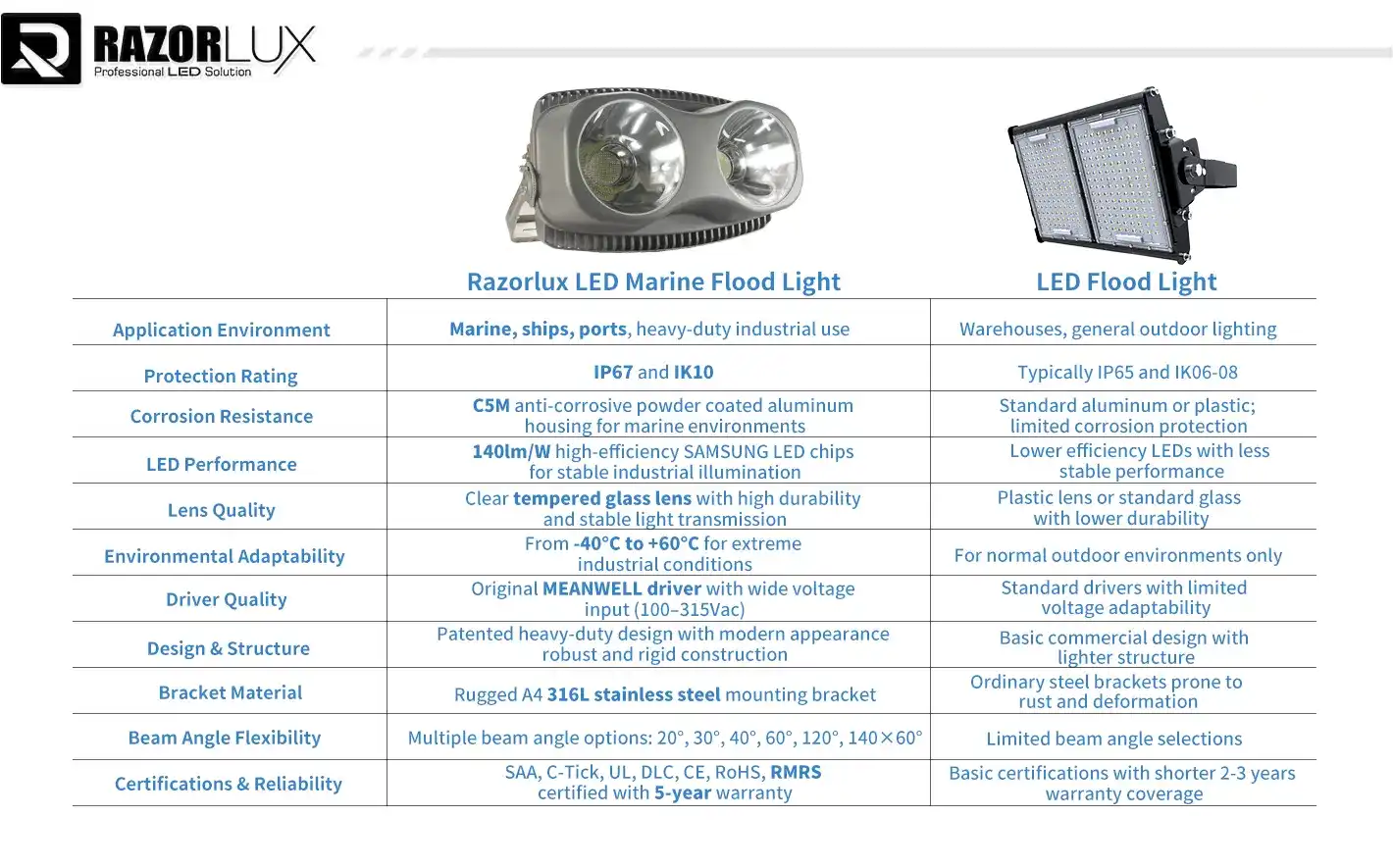
It takes 2000 to 3000 watts of traditional HID lamps to produce the same amount of light as 1000 Watt Led Outdoor Flood Lights. This means that they use 150% more electricity each year. A building with ten lights that are on for 12 hours a day spends about $18,000 a year on energy for HID systems and $7,200 a year for LED equivalents at $0.12/kWh. This is a $10,800 a year savings that pays for the higher initial costs within two years. The economic gap is made worse by the cost of maintenance. Metal halide lights only last 10,000 to 15,000 hours, while 1000 Watt LED Outdoor Flood Light units last 50,000 hours or more and need to be replaced three to five times over their lifetime. Changing a lamp at a high mast costs $300 to $800 in labor and rental tools. If LEDs are used instead of traditional lamps, upkeep costs would be $9,000 to $24,000 less.LEDs are better for mission-critical uses because of how they work. HID lamps need 10 to 20 minutes to reach full light, and they can't start up right away after the power goes out, which makes them less safe during power blackouts. LED systems reach full power right away, which is very important for security tracking and responding to emergencies.
Wattage Scaling Considerations
Lower-wattage fixtures (500–750W) are cheaper per fixture, but they need to be installed closer together to get the same amount of light, which raises the overall cost of the project because of the extra mounting hardware, wiring runs, and circuit breakers that are needed. The 1000 Watt Led Outdoor Flood Lights platform maximizes the coverage area per game, so big open areas don't need as much equipment. Higher-wattage options (1500W+) focus more light, but they make it harder to control temperature and have fewer backups, so when one fails, there are bigger dark spots. Distributed 1000 Watt Led outdoor flood light systems can handle faults better and provide more even lighting through covering zones that overlap.
Smart Control Integration Benefits
Motion sensors cut down on operating hours in areas that aren't used all the time, like storage yards and access roads. This saves 40–60% of energy without slowing down security response times. Because 1000 Watt LED Outdoor Flood Lights turn on instantly, they work great with occupancy sensors. This isn't the case with HID lamps, which had to be on all the time to avoid restart delays. The 0-10V dimming feature changes the amount of light based on the amount of natural light or the level of security alert. During times when there isn't much going on at the port, the lights might be turned up to full brightness when sensors detect vehicle movement or security breaches. This dynamic control lowers energy costs and increases the life of LEDs by lowering their temperature stress. Color temperature control helps manage circadian rhythms for people who work the overnight shift by using warmer tones (2700-3000K) in the early morning to stop melatonin from stifling sleep and cooler tones (5000-6500K) during busy work hours to make people more awake.
Procurement and Supplier Selection for 1000 Watt LED Flood Lights
When buying 1000 Watt LED Outdoor Flood Lights and choosing a supplier, you have to think about more than just the product specs. You also have to think about the supplier's skills, the authenticity of the certification, and the long-term support infrastructure. Managers of procurement have to balance the need for performance with the limitations of the budget, all while lowering the risks of early failures and compliance issues.
Certification Verification and Documentation
If 1000 Watt Led Outdoor Flood Lights have a CE mark on it, it means it meets European safety standards, but the level of strictness depends on which certification body is involved. Self-declared CE marks are not as reliable as certificates from recognized bodies like TÜV or SGS because they are not checked by a third party. UL listing is an independent confirmation that the electrical safety meets North American standards. This is very important for sites that are regulated by OSHA or that need to meet insurance requirements. For maritime uses, you need special certifications on top of regular industrial approvals. The approvals from DNV-GL and ABS classification societies show that the 1000 Watt LED Outdoor Flood Lights are resistant to shaking, shock, and corrosive environments that are common in ship installations. For these certifications, tests like IEC 60068-2-6 (vibration) and ASTM B117 (salt spray) must be done and recorded in test records that can be reviewed when evaluating the provider. Compliance with RoHS limits the use of dangerous materials in electrical parts, which is becoming more and more required by government buying rules and business sustainability policies. DLC certification verifies claims about photometric performance through testing in a separate lab. This stops products that aren't certified from giving false lumen ratings.
Supplier Capability Assessment
When working on big projects, the dependability of 1000 Watt Led Outdoor Flood Lights delivery depends on how much the factory can make. When trading companies rely on third-party makers, they open up the supply chain to risks. Suppliers with specific production lines and component store buffers keep lead times stable. Factory audits check quality control methods, how equipment is calibrated, and systems that allow for tracking down the cause of problems when they happen. Customization options let you meet the unique needs of a project by changing things like beam directions, mounting interfaces, or built-in control protocols. Suppliers who have their own engineering staff and testing tools can act more quickly to changes in specifications than those who outsource design changes. During the installation and troubleshooting stages, the technical support infrastructure is very important. Respondent pre-sales advice helps define the right settings, and responsive post-sales assistance fixes problems in the field before they cause project delays. For foreign projects, being able to talk to expert staff who speak English and know international electrical codes makes understanding easier.
Warranty Terms and After-Sales Commitments
1000 Watt Led Outdoor Flood Lights modules and drivers come with five-year warranties, which show that the manufacturer trusts the selection of components and the design of thermal management. The warranty terms should spell out what the coverage includes. For example, some policies don't cover failures caused by bad installation or sudden changes in voltage, while others cover all failure modes except for damage that was done on purpose. The availability of replacement parts extends the life of an activity beyond the warranty term. Modular driver designs let you change drivers in the field without having to send back whole fixtures. This cuts down on downtime and transportation costs. Long-term asset management strategies are popular in building projects, and suppliers who keep spare parts in stock for 7–10 years support these plans. Authorization processes for returning 1000 Watt Led Outdoor Flood Lights goods show how responsive customer service is. When compared to long evaluation times that require fixtures to be shipped to factory locations, streamlined RMA processes with advance replacements cause fewer business disruptions.
Bulk Purchasing Strategies
Volume deals lower the initial costs of 1000 Watt LED Outdoor Flood Lights, but you need to be very good at predicting demand so that you don't end up with too much inventory that locks up capital. When you use blanket purchase orders with staggered deliveries, you can save money on costs while still meeting the needs of the project phase and limited storage space. Contractors who are managing multiple project funding cycles can improve their cash flow by negotiating payment terms like 30 to 60 days net. Different manufacturers have different minimum order quantities. Well-known suppliers can usually accommodate smaller pilot deployments that let you check the product's performance before committing to it on a large scale. Sample evaluation programs offer cheap test units for engineering validation, which lowers the risk of purchasing decisions by letting people try things out for themselves. Price stability terms protect against cost increases in the middle of a project caused by changes in the prices of commodities. This is especially important for framework agreements that last more than one year. Setting prices for 1000 Watt Led Outdoor Flood Lights that stay the same and adjusting them for inflation based on public indexes gives budgets peace of mind while still taking market facts into account.
Maintenance and Operational Best Practices
Long-term success of 1000 Watt Led Outdoor Flood Lights depends on repair plans that take into account the problems that come up in harsh industrial settings. Scheduling regular inspections helps find new problems before they get worse and need emergency fixes.
Routine Cleaning and Inspection
Pollutants that block light from getting through 1000 Watt Led Outdoor Flood Lights optical lenses are found in coastal and industrial areas. Cleaning every three months with light detergents gets rid of salt deposits and particle buildup without damaging polycarbonate or toughened glass lenses. Even if a system is certified waterproof, high-pressure washing systems that go beyond the IP rating should not be used because sustained jet forces can break through sealed interfaces over time. Every year, thermal imaging surveys conducted annually detect deteriorating heat dissipation before 1000 Watt Led Outdoor Flood Lights LED junction temperatures reach critical levels. Hot spots indicate corroded thermal interfaces or blocked ventilation channels requiring cleaning or component replacement. Comparing thermal profiles against baseline measurements taken during initial commissioning identifies degradation trends. Mechanical fastener inspections verify that vibration hasn't loosened mounting hardware or electrical connections. Torque verification using calibrated wrenches ensures proper clamping force, while visual inspection identifies corrosion requiring protective coating renewal.
Environmental Adaptation Measures
Even though protective coverings are used, salt spray areas speed up corrosion of 1000 Watt LED Outdoor Flood Lights. Putting anti-corrosive chemicals on metal surfaces that are exposed to the elements once a year can make them last longer, especially on mounting clamps and junction box covers. Even though galvanic rust doesn't happen to stainless steel gear, it still needs to be cleaned every so often to get rid of chloride deposits. Extreme temperature zones may require operational derating during peak ambient conditions. Manufacturers specify maximum ambient temperatures for rated performance—exceeding these limits accelerates LED degradation. Temporary load reduction through dimming controls during heat waves preserves lifespan without compromising safety-critical lighting. Desiccant packs inside 1000 Watt LED Outdoor Flood Lights junction boxes help places with a lot of humidity by soaking up the water that seeps into cable glands over time. Although IP67 ratings prevent bulk water ingress, water vapor transmission through cable jackets gradually increases internal humidity, potentially causing condensation during thermal cycling.
Performance Monitoring and Record Keeping
Documenting lux measurements at regular intervals establishes degradation curves predicting end-of-life timing. LED light maintenance can be planned ahead of time—modules that keep 70% of their output at 50,000 hours enable data-driven replacement scheduling before operations are harmed by unacceptable performance degradation. Energy monitoring systems tracking fixture-level power consumption identify driver efficiency losses or LED degradation earlier than photometric measurements. Increasing power draw without corresponding output increases indicates electrical component deterioration requiring investigation. Failure incident tracking reveals patterns indicating systematic issues versus random component failures. Multiple failures within specific fixture groups suggest installation errors, environmental factors, or manufacturing defects warranting supplier engagement for root cause analysis.
Conclusion
In conclusion, for high-output 1000 Watt LED Outdoor Flood Lights to be installed correctly, they need to be carefully planned, installed, and maintained over time. The technical specs—130LM/W efficiency, IP67 environmental protection, and wide voltage compatibility—deliver operational advantages only when installation practices preserve designed performance characteristics. Site assessment determines optimal positioning, while code-compliant electrical work ensures safe, reliable operation across demanding industrial environments. Procurement decisions extend beyond initial pricing to encompass total cost of ownership, including energy savings, maintenance reduction, and supplier support capabilities. The 50,000-hour operational lifespan and five-year warranty provide financial certainty when sourced from certified manufacturers maintaining quality control standards. Industrial facilities investing in proper specification, installation, and maintenance realize decades of reliable illumination supporting safety, productivity, and operational efficiency across maritime, heavy industrial, and infrastructure applications.
FAQ
Can these fixtures integrate with existing dimming systems?
The 1000 Watt LED Outdoor Flood Lights work with most industrial control systems because they accept a 0-10V analog dimming scheme. It is possible to dim the output from 10% to 100% without flickering or changing the color, enabling integration with building management systems and security protocols. DALI digital control requires driver changes that can be made by requesting customization.
What realistic lifespan should procurement teams budget for?
The L70 lasts more than 50,000 hours under normal conditions, which is more than 11 years of continuous use or more than 17 years of 12-hour daily use. Harsh settings with high temperatures or acidic air may shorten their life by 15 to 25 percent, but they will still last a lot longer than HID alternatives that need to be replaced every two to three years.
Are IP67 ratings adequate for maritime applications?
IP67 approval means that the device is safe from short-term submersion and high-pressure water jets. It can be used for installations on business ships and offshore platforms that are mounted on the deck. IP68-rated options are needed for submersible uses that need to be submerged all the time. The corrosion-resistant coating and stainless steel parts give extra protection against salt spray contact that goes beyond the IP rating requirements.
Partner with a Trusted LED Flood Light Manufacturer
Partner with a Trusted 1000 Watt Led Outdoor Flood Lights Manufacturer
Razorlux stands ready to support your next industrial lighting project with proven 1000 Watt Led Outdoor Flood Lights engineered for extreme environments. Our two decades of LED innovation deliver certified solutions meeting DNV-GL maritime standards, UL safety requirements, and DLC performance qualifications. Procurement managers benefit from responsive technical consultation, customization capabilities addressing project-specific needs, and comprehensive five-year warranty coverage backed by in-stock replacement parts availability. We invite you to request detailed technical documentation, photometric files, and sample evaluation units by contacting our specification team at sam@razorlux.com. As a leading 1000 Watt LED Outdoor Flood Lights supplier, we maintain inventory supporting rapid deployment timelines while offering volume pricing structures optimized for large-scale infrastructure projects. Discover how our Meanwell-powered luminaires operating across AC 80-305V input ranges simplify installations across diverse power systems, reducing project complexity and accelerating commissioning schedules.
References
National Electrical Manufacturers Association. (2021). NEMA Standards Publication 250: Enclosures for Electrical Equipment (1000 Volts Maximum). Rosslyn, VA: NEMA.
Illuminating Engineering Society. (2020). IES LM-79-19: Approved Method for the Electrical and Photometric Measurements of Solid-State Lighting Products. New York, NY: IES.
International Electrotechnical Commission. (2019). IEC 60529: Degrees of Protection Provided by Enclosures (IP Code). Geneva, Switzerland: IEC.
U.S. Department of Energy. (2022). LED Lighting for High-Bay and Low-Bay Applications: Guidelines for Warehouse, Manufacturing, and Industrial Facilities. Washington, DC: DOE Office of Energy Efficiency & Renewable Energy.
Det Norske Veritas. (2020). DNV-GL Rules for Classification of Ships Part 4 Chapter 8: Electrical Installations – Lighting Systems. Oslo, Norway: DNV-GL Group.
American Society for Testing and Materials. (2018). ASTM B117-18: Standard Practice for Operating Salt Spray (Fog) Apparatus. West Conshohocken, PA: ASTM International.
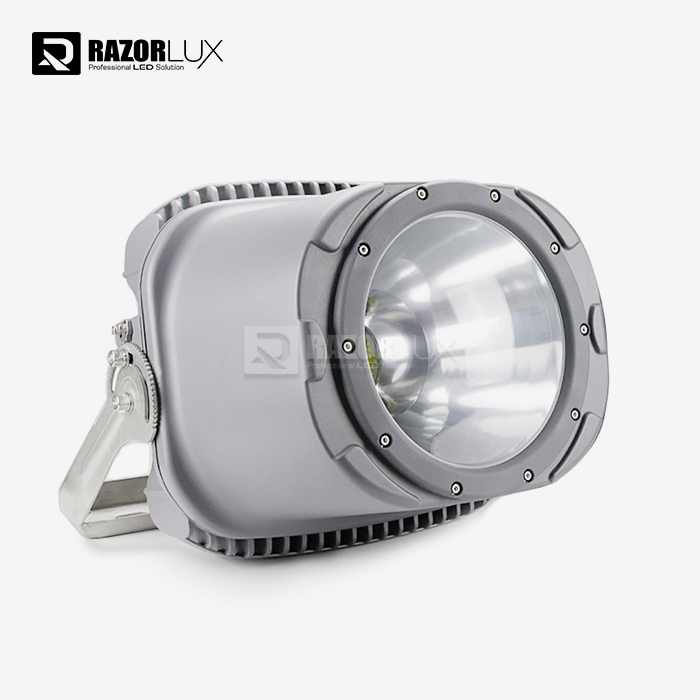 VIEW MOREcrane lights at night
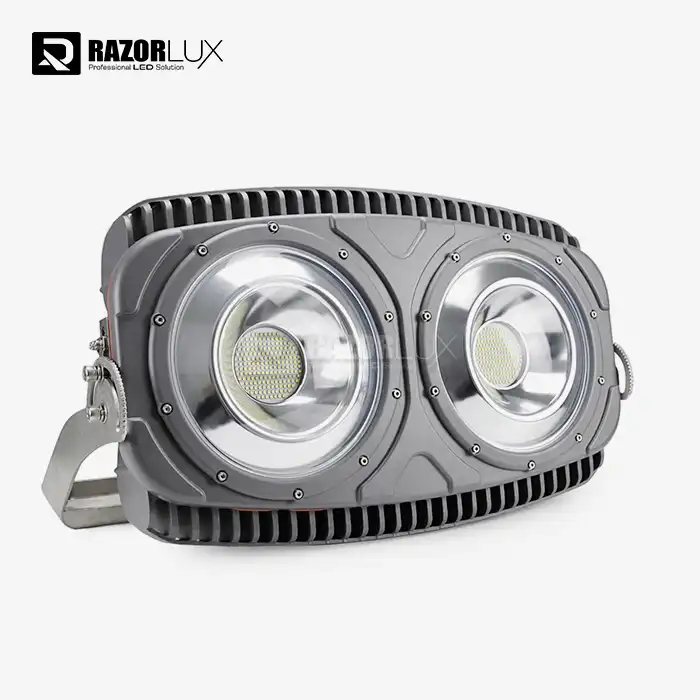 VIEW MORELed Mine
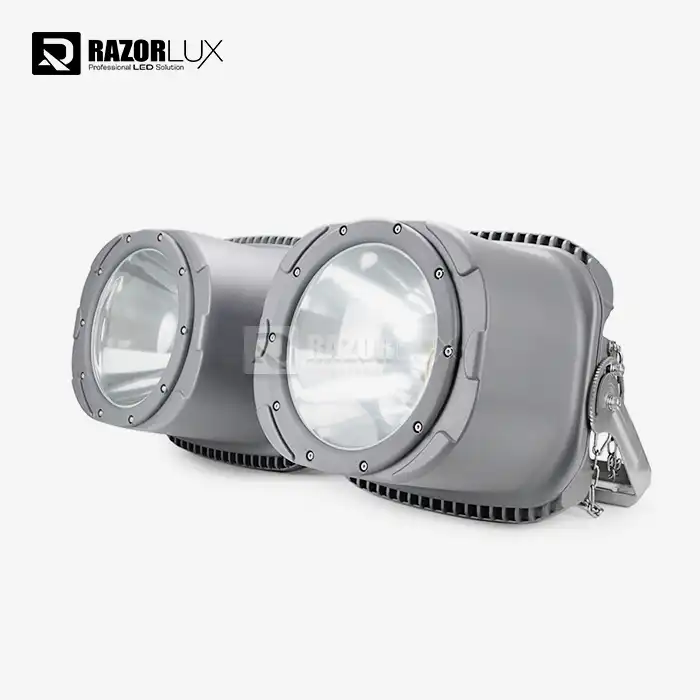 VIEW MOREMarine Led Flood Lights 120V
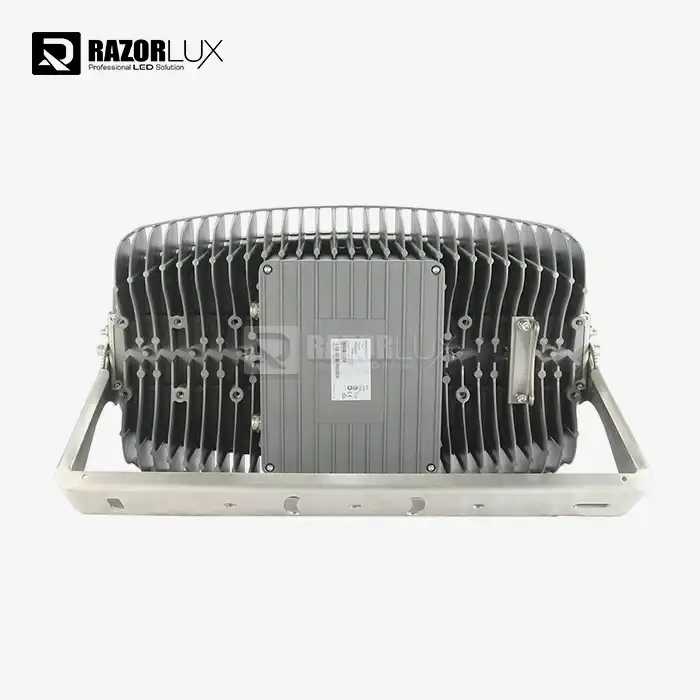 VIEW MOREIndustrial Security Lights
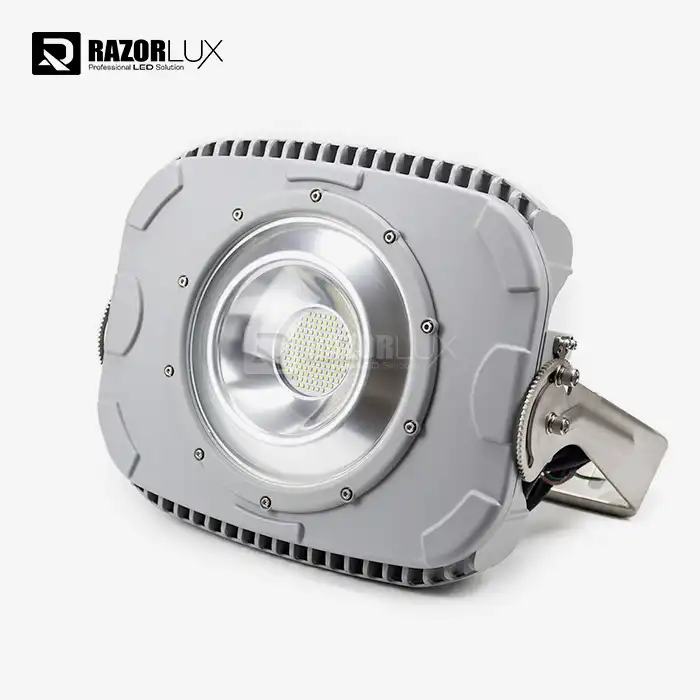 VIEW MORELed Flood Light For Basketball Court
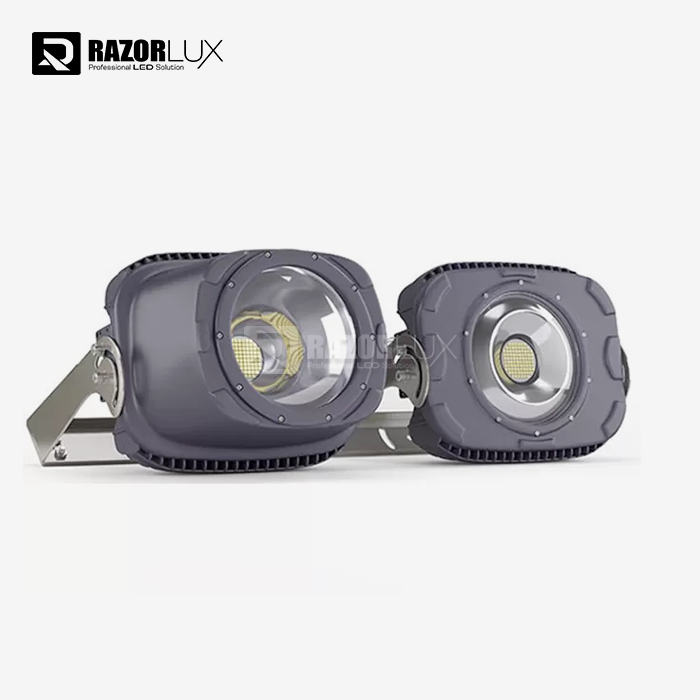 VIEW MOREDLC Led Stadium Lights 120lm/W 6000K Football Stadium Floodlights Fixtures
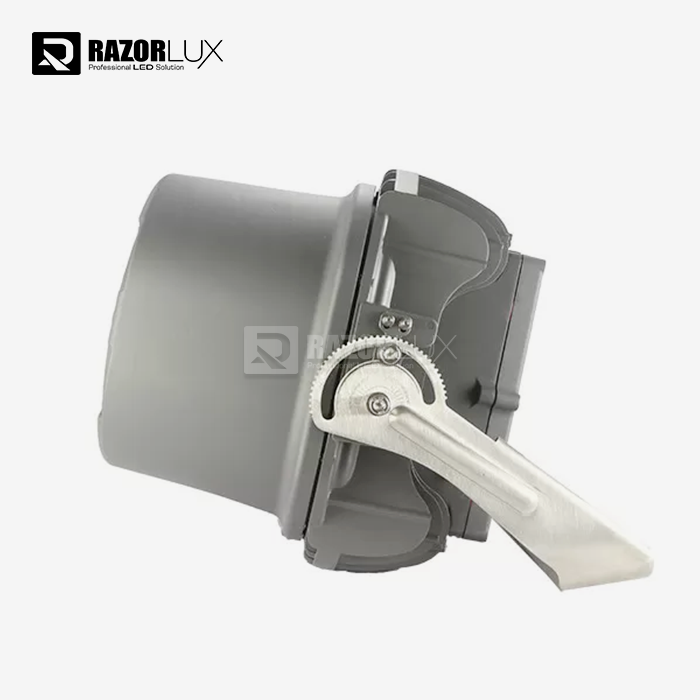 VIEW MOREFootball Field 140F Led Stadium Lights 1000 Watt 5700K Sports Lighting Fixtures
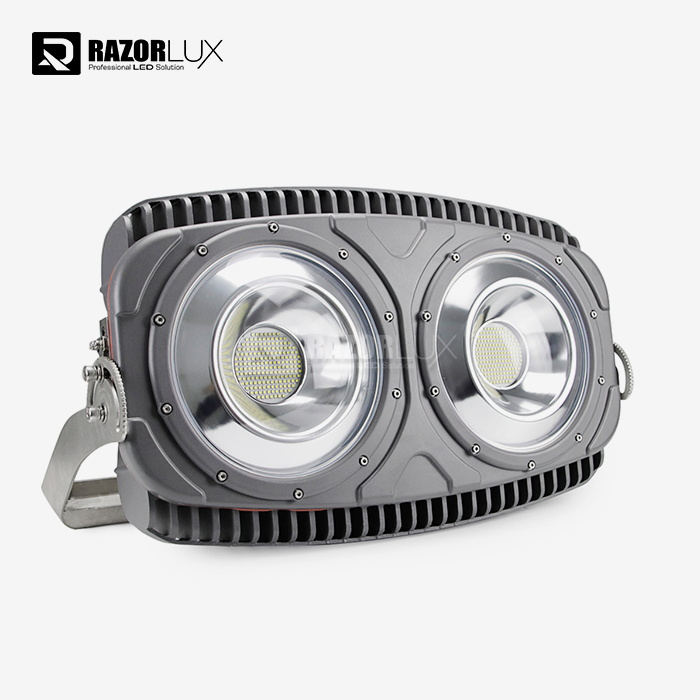 VIEW MORE2 Head Led Flood Light