


_1750326878398.png)

How to Choose the Right Waterproof LED Flood Light 400W?
You can't just look through a book to find the right Waterproof LED Flood Light 400W. You need to know your working surroundings, technical needs, and how much it will cost in the long run. To put it simply, a 400W waterproof LED flood light gives off bright light that is made for naval, industrial, and heavy-duty uses where regular lights don't work. With an IP67 rating for protection, strong resistance to rust, and a light output of over 130lm/W, these lamps replace old 1000W metal halide systems while cutting energy use by more than 60%. Whether you're changing the lights in a port station, an offshore oil platform, or a dock deck, the choice depends on how well performance, sturdiness, and source dependability work together to protect your investment.
Understanding Waterproof LED Flood Light 400W: Basics and Benefits
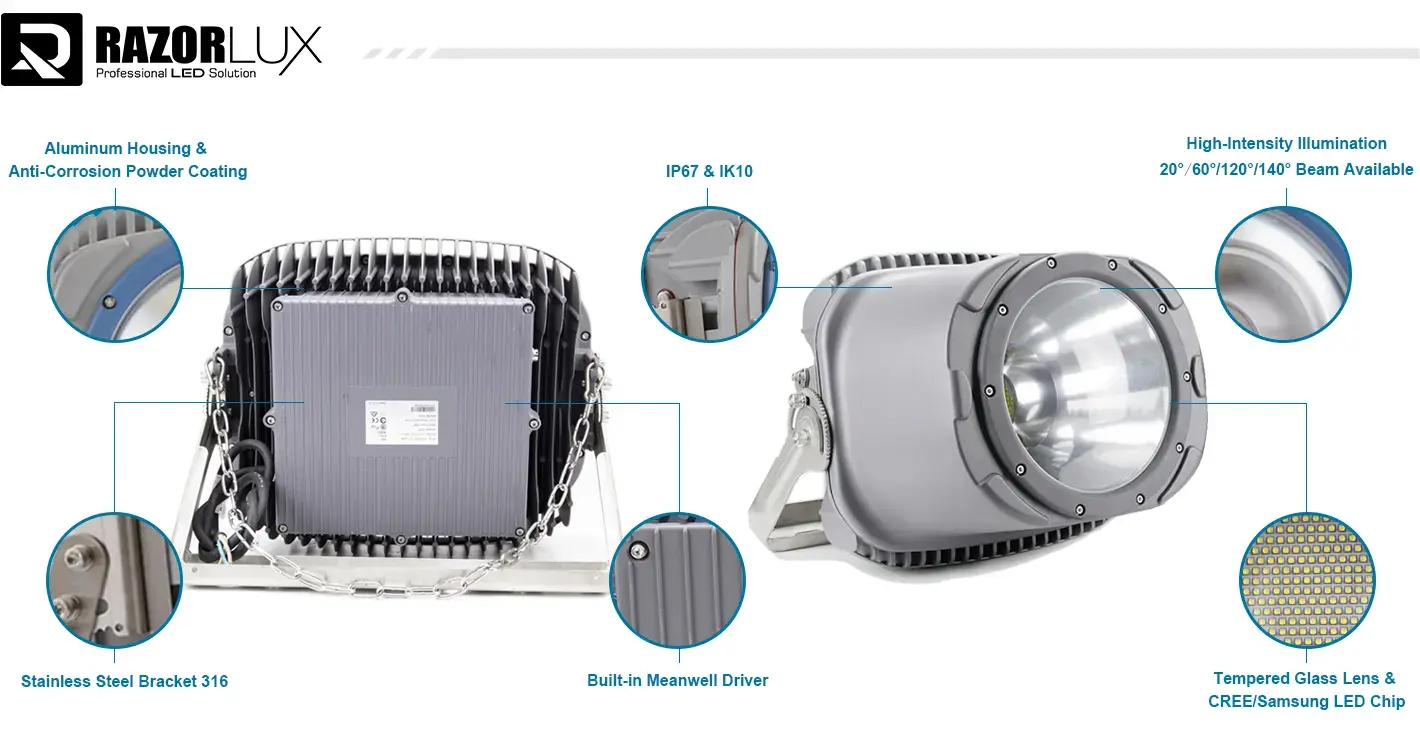
A Waterproof Led Flood Light 400W is a special type of industrial lighting that is made to give off between 48,000 and 52,000 watts while being able to handle harsh conditions. These units are different from home or business floodlights because they have marine-grade metal housings, special anti-corrosion finishes, and electrical sections that are sealed and rated IP67 or higher. This approval means that the device can withstand being submerged in water for a short time and is completely sealed against dust entry. This is very important for sites near the coast, where salt spray and humidity speed up the breakdown of equipment.
High Energy Efficiency Reduces Operating Costs
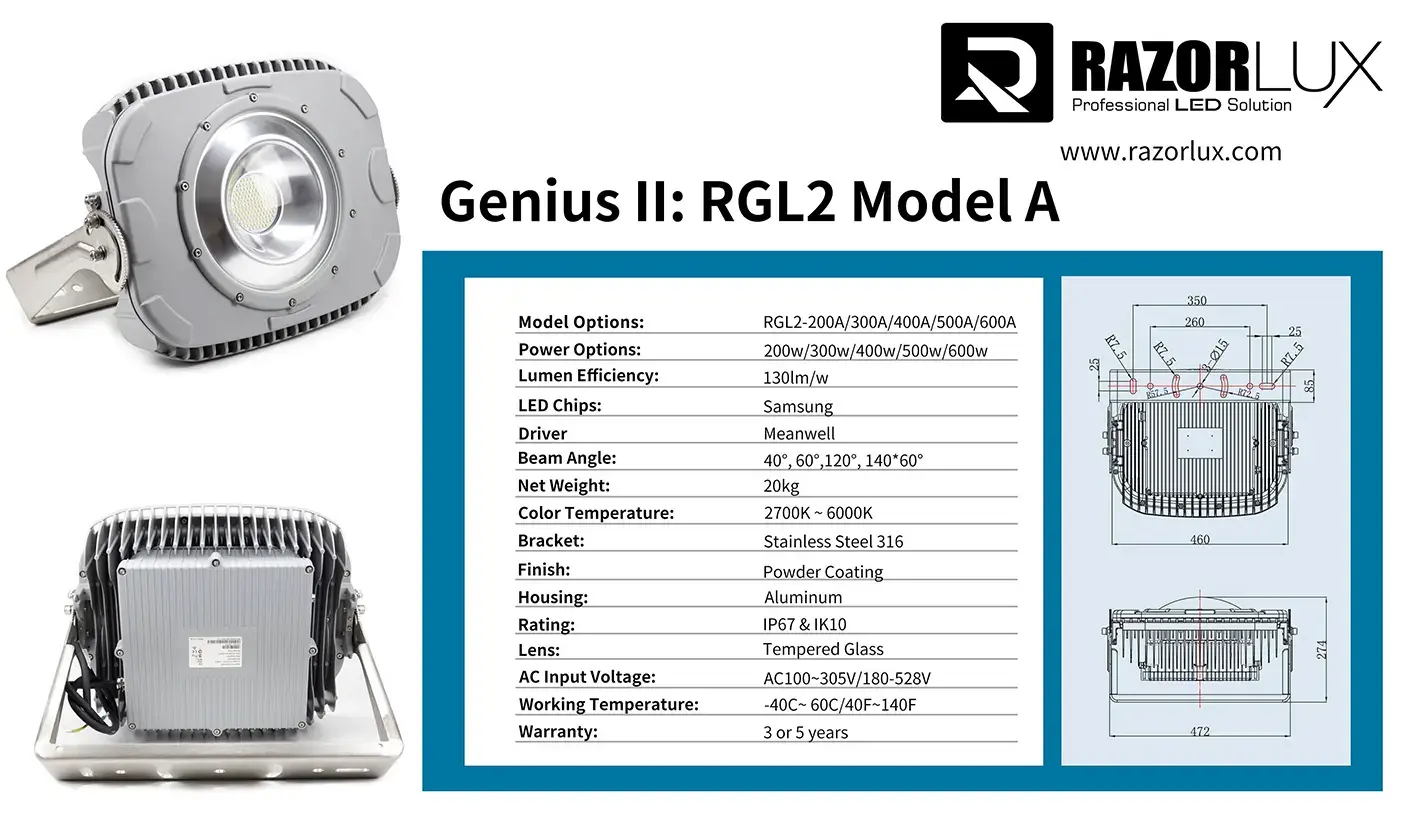
Razorlux's RGL2-400P type has a light efficiency of 130lm/W, which means that large-scale setups will save real money. A standard 1000W metal halide light that needs a lot of power to produce the same amount of lumens will cost a lot more over its lifetime. Our clients in Nordic ports say that switching to LED technology cut their energy costs by about 65%. Even in places with moderate power rates, the payback time is usually between 18 and 24 months. If the power factor is higher than 0.98, there will be very little reactive power loss, which is something that utilities are punishing more and more with demand charges.
Extended Lifespan Minimizes Maintenance Disruptions
When repair crews have to shut down activities to replace broken lights in dangerous or hard-to-reach places, industrial sites have to pay a lot of hidden costs. Quality 400W LED flood lights are estimated to last 50,000 hours, which is about 11 years of nonstop use. This makes these breaks much less common. Meanwell drivers, which come with separate five-year warranties, are used in Razorlux lights. This protects the part that is most likely to break in tough electrical settings. The building itself comes with a ten-year promise, which shows that the powder finish is corrosion-resistant and the structure is strong.
Versatile Beam Angles Address Diverse Applications
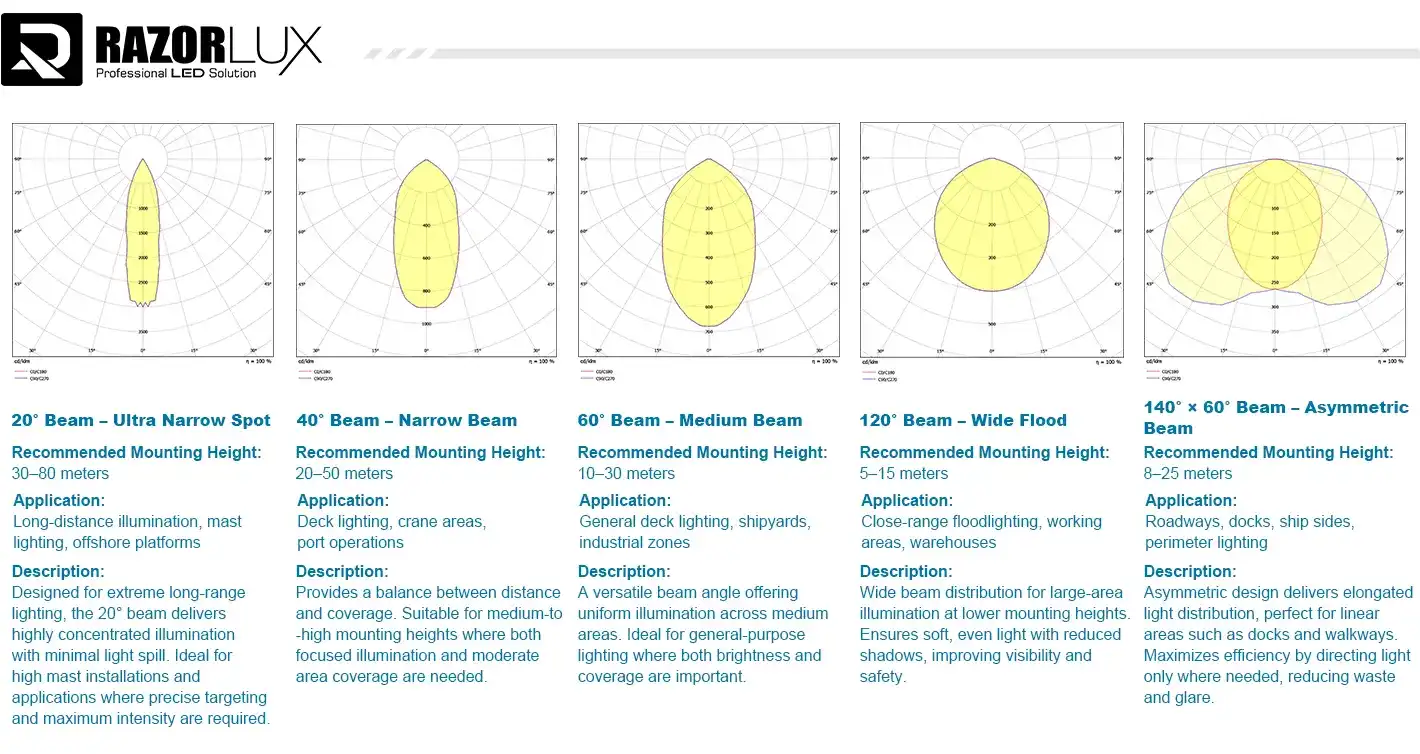
Beam angles from 15° to 140°x60° uneven distributions make it possible to place light precisely. Narrow 15° beams are good for high-mast uses where focused light needs to reach faraway work surfaces. 60° and 90° options are better for general area lighting on ship decks or loading docks. This versatility gets rid of the need to balance between over-illuminating some areas and under-illuminating others. This is a common problem with older fixed-beam systems that waste energy and put people at risk by making things too bright or too dim.
Color Temperature Selection Enhances Operational Safety
Color temperature ranges from 2700K to 6500K to meet the needs of different tasks and government regulations. Warmer temperatures (3000K) keep bugs away from marine environments or food processing plants that are sensitive to them, while cooler lights (5700K sunshine spectrum) makes it easier to tell the difference between colors for quality control checks and navigation safety. The Color Rendering Index (CRI) of Ra>75 is standard, and Ra>80 and Ra>90 are available on request. This makes sure that markings, warning labels, and structural parts can be seen clearly during maintenance. Because of these features, modern LED flood lights are more like investments in infrastructure than expenses that are used up over time. When purchasing managers look at lighting upgrades, they need to figure out the total cost of ownership, which includes things like energy use, maintenance labor, replacement parts, and lost productivity. In this area, LED technology clearly performs better than older HID options, even though it costs more per unit at first.
Key Criteria to Consider When Choosing a 400W Waterproof LED Flood Light
To choose the right fastener, you need to carefully look at it from both a scientific and an operating point of view. If the specs aren't right, the problems don't show up until after the installation, when fixing them is expensive and time-consuming. We've seen buying teams ignore important things like voltage compatibility or temperature management, which causes problems that cost time and money and hurts relationships with suppliers.
IP Rating and Environmental Protection Standards
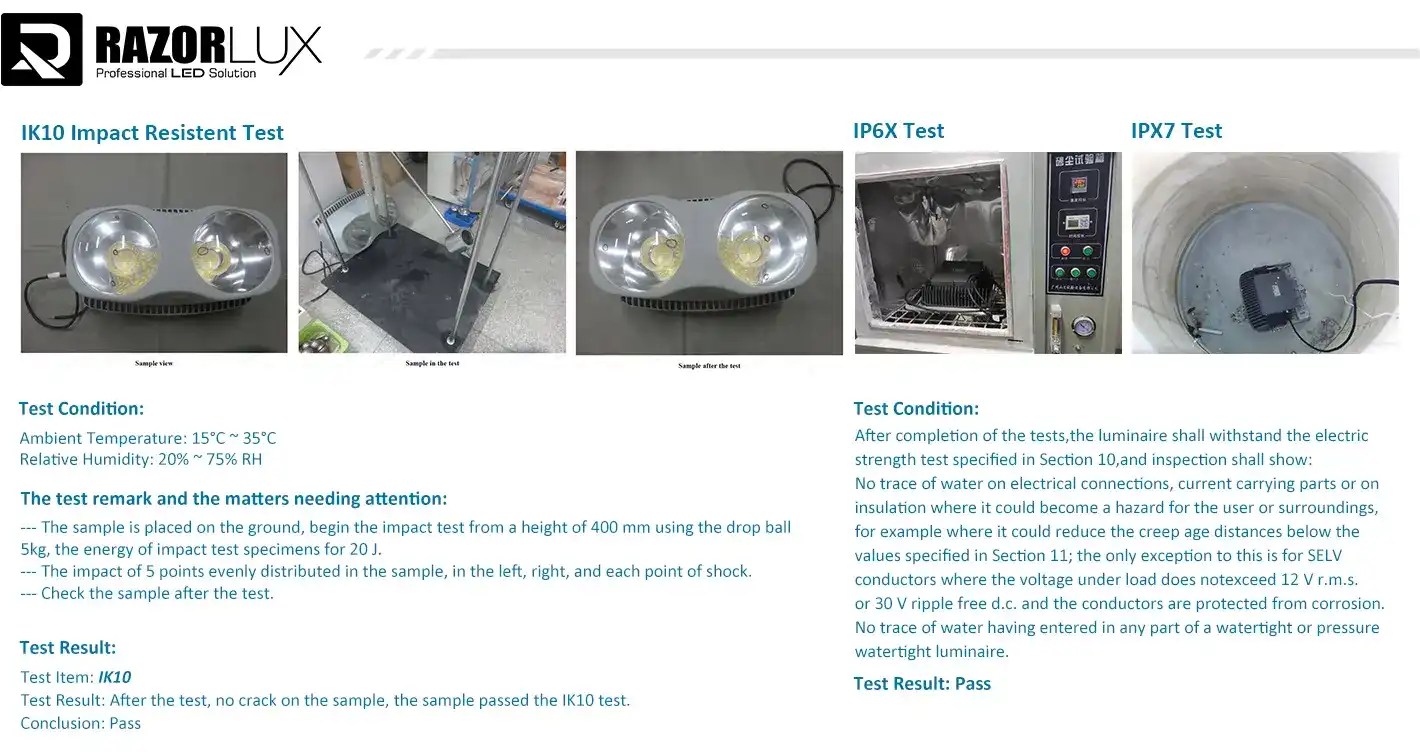
Waterproof Led Flood Light 400W The IP grade has two numbers. The first number tells you how well the product protects against solid particles, and the second number tells you how well it protects against liquids getting in. An IP67 grade means that the product is completely dust-tight (level 6) and can withstand being submerged in water for up to one meter (level 7). This is the base standard needed for marine uses. However, IP68 grades, which offer longer submersion protection, may be better for placements below deck or in places that are frequently washed with high-pressure water. The IK impact rating is also very important. The IK10 classification can handle 20 joules of impact energy, which is the same as dropping 5 kg from 400 mm. This is necessary for crane work areas and cargo handling areas where accidents happen all the time. Razorlux fixtures have breathable membrane valves that use ePTFE (expanded polytetrafluoroethylene) technology to keep the internal pressure even during thermal cycling while blocking moisture molecules. This stops the mist that forms inside lenses in waterproof cases that aren't well thought out, so the optics stay clear and the internal reflectors don't rust. Units that don't have this feature will break down early in places where temperatures change a lot, like cold buildings or sites in the desert.
Electrical Compatibility and Power Supply Specifications
Compatibility with voltage ranges keeps installation from taking too long and saves money on extra transformers. Razorlux's RGL2-400P can connect to AC90-305V and DC127-431V power systems without any changes. It can handle the 277V and 347V business circuits that are popular in North American industry sites as well as the 220V-240V standard in European and Asian markets. This large voltage range also protects against grid instability in developing areas or power systems that are put under a lot of stress when heavy machinery is first turned on. The power factor is above 0.98 and the Total Harmonic Distortion is below 10%, which meets utility requirements and keeps sensitive electronics from being harmed. Offshore sites that generate their own power really benefit from high power factor equipment that makes the best use of engine capacity. The Meanwell drives used in Razorlux lamps have 10kV line-to-neutral and 20kV line-to-ground surge safety. This takes care of the main way that outdoor setups can fail when lightning hits or the power goes out.
Thermal Management and Operating Temperature Range
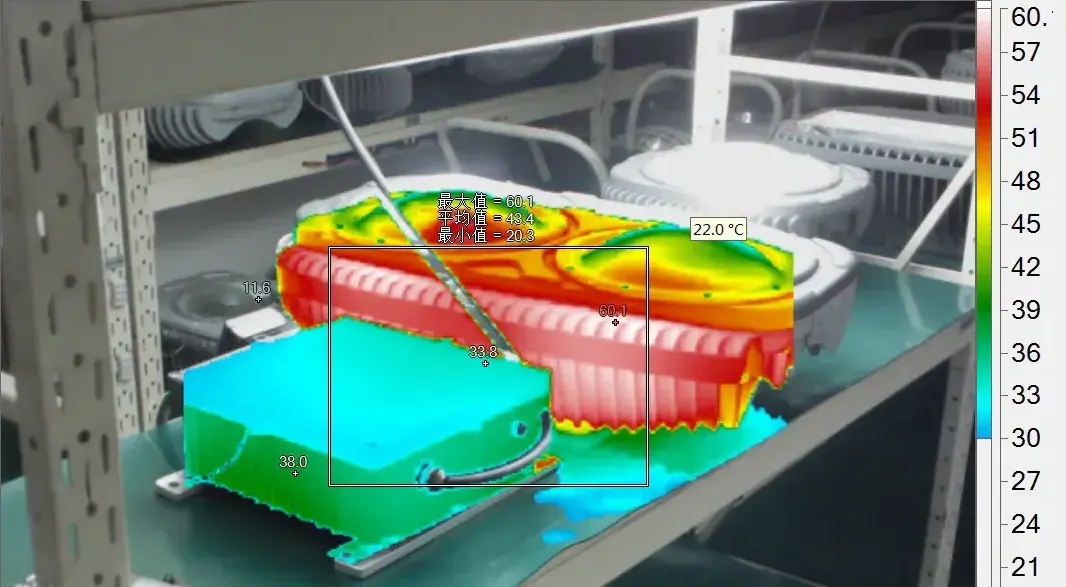
The temperature at the joint of an LED directly affects its lifespan and maintenance of lumens. Good 400W lights keep junction temperatures below 85°C by using heat sinks that work well and thermal contact materials that move heat from the LED clusters to the metal body. The die-cast design with built-in cooling fins gives it enough surface area for passive cooling without fans, which would lower the IP rating and add more places where things could go wrong. The -40°C to 60°C operating range works for a wide range of climates, from installations in the Arctic to summers in the Middle East. Facilities in Norway, Russia, and northern Canada need lighting that works reliably at very low temperatures, where regular ballasts fail. On the other hand, installations in the UAE and Qatar have to deal with constant high temperatures that speed up the degradation of LEDs in lights that aren't properly cooled. Razorlux confirmation testing shows that it works reliably across this whole range with little loss of lumens.
Certification Requirements and Compliance Documentation
International approvals are a way for third parties to confirm that safety standards and performance claims are true. The CE mark means that the product meets the safety standards set by the European Union for electromagnetic compatibility and low voltage equipment. UL and DLC listings let you get into the North American market and prove that the electricity safety and energy saving performance is good. Marine-specific certifications, such as the RMRS (Russian Maritime Register of Shipping) certification, show that a product meets strict standards for vibration, shock, and the environment that apply to installations on ships. The table below shows how the certification requirements vary by application sector:
| Application Sector | Mandatory Certifications | Recommended Additional Standards | Typical Audit Focus Areas |
|---|---|---|---|
| Shipyards & Marine Vessels | CE, RMRS/DNV-GL, IEC 60092 | ABS, Lloyd's Register | Salt spray resistance, vibration tolerance, EMC compliance |
| Offshore Oil & Gas Platforms | ATEX/IECEx (hazardous areas), CE | API RP 14F, ISO 81322 | Explosion-proof construction, gas group classification, surface temperature |
| Port & Terminal Facilities | CE, local electrical codes | IEC 62722, CIE 136 | Photometric distribution, glare control, coastal corrosion resistance |
| Heavy Industrial Plants | CE, UL/CSA (North America) | ISO 9001, IEC 61000 | Impact resistance (IK rating), thermal performance, power quality |
Mounting Options and Installation Flexibility
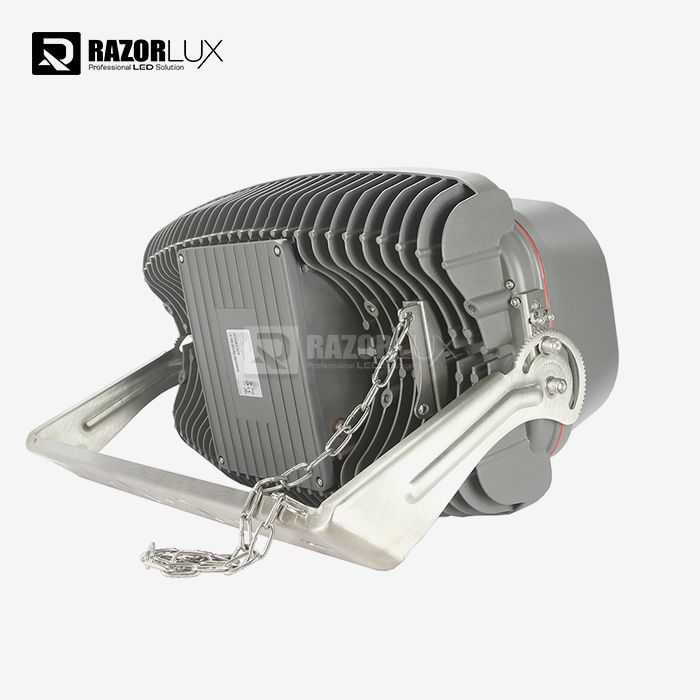
The stainless steel bracket that comes with Razorlux lights doesn't rust and can be adjusted in both the horizontal and vertical directions. The 19 kg weight, which includes the mounting gear, needs safe connection points that can hold at least 4 times the steady load to account for shaking and wind loading. Universal mounting patterns that work with old light places cut down on installation work and structure changes. Provisions for cable entry should be able to handle different types and sizes of conduit. Razorlux devices have multiple cable clamp places that let you enter from the top, bottom, or back. This is very important when adding to current setups that have fixed pipe runs. The driver module can be taken off and serviced without taking the whole device off. This is especially helpful for high-mast uses that need special lift tools to get to.
Comparative Analysis: 400W Waterproof LED Flood Light vs Other Lighting Solutions
Understanding how well LEDs work compared to other technologies makes the value proposition of investing in LEDs clearer. While comparing purchase prices tends to favor older technologies, total cost of ownership estimates regularly show that LEDs are better over normal 10-15 year infrastructure planning horizons. This research is based on projects we've helped with in the marine and industry areas.
LED vs Metal Halide: Performance and Economic Comparison
Before LED technology got better, metal halide systems were the standard for industrial and sports lighting for many years. When first turned on, a 1000W metal halide light puts out about 80,000 to 90,000 lumens, but after 8,000 hours, it usually only keeps 60% of its original output. The 5–15-minute warm-up time stops the strike from happening right away after the power goes out, which could be dangerous in an emergency. After the lamp goes out, it takes 10 to 20 minutes to turn it back on, which is too long for many industrial processes. The 400W LED alternative, which delivers 48,000 to 52,000 lumens, gives the same amount of light after metal halide degradation is taken into account, and it has better optical control that directs light exactly where it's needed instead of scattering it in all directions. Instant-on technology makes sure that the light is fully bright within milliseconds, which is very important for safety lighting and automatic facilities where the light needs to work with the equipment. Because they don't have any fragile quartz arc tubes, they won't break in places with a lot of shaking, like engine rooms and crusher stations.
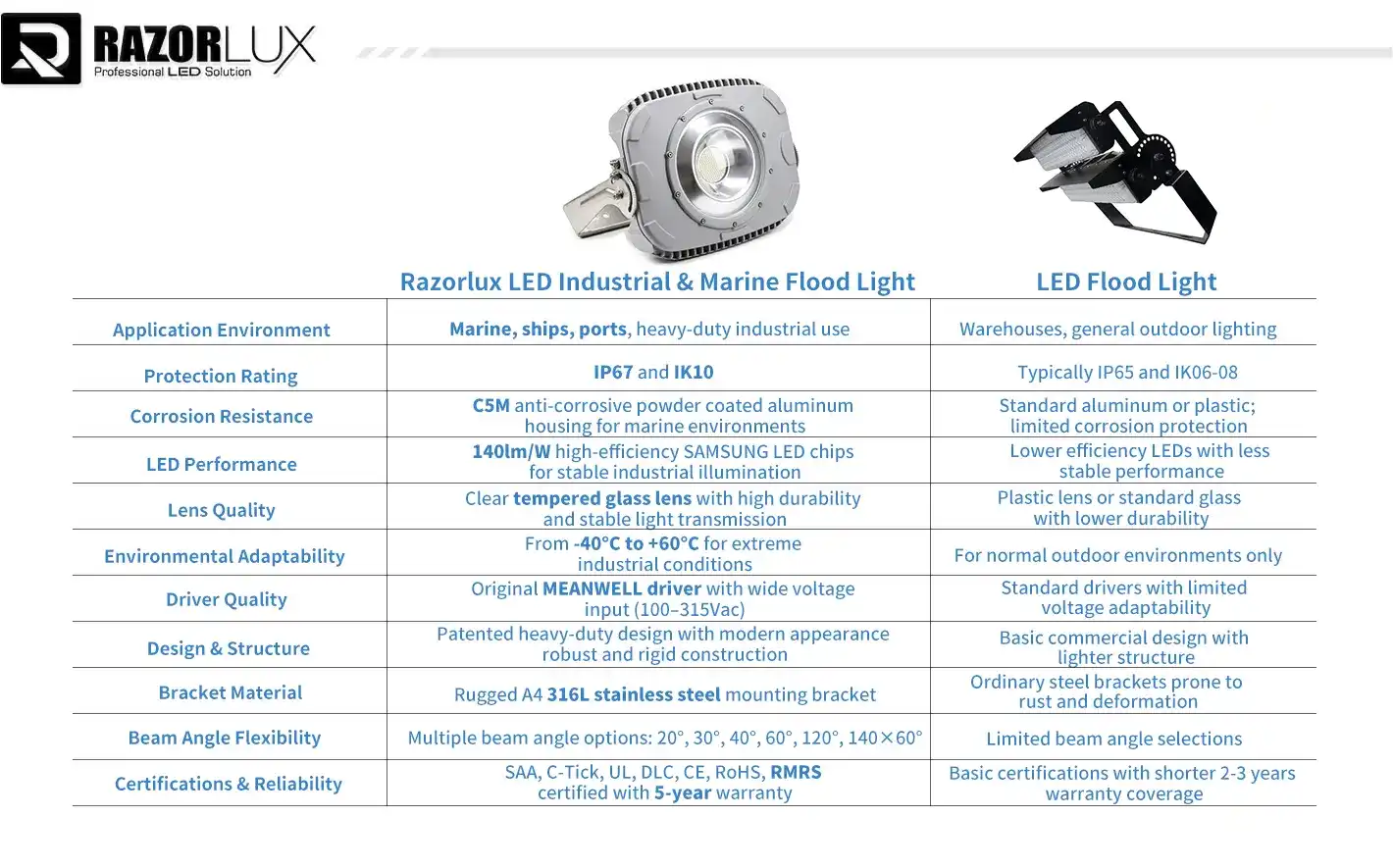
Energy Consumption and Operating Cost Analysis
A detailed cost comparison over 50,000 hours (the rated LED lifespan) reveals dramatic differences:
| Cost Category | 1000W Metal Halide | 400W LED | Savings |
|---|---|---|---|
| Fixture Purchase (per unit) | $450-650 | $950-1,250 | -$450 initial |
| Energy Consumption (50,000 hrs @ $0.12/kWh) | $6,600 | $2,640 | $3,960 |
| Lamp Replacements (5 @ $120 each) | $600 | $0 | $600 |
| Labor for Replacements (5 @ $180 each) | $900 | $0 | $900 |
| Ballast Replacements (2 @ $85 each) | $170 | $0 | $170 |
| Total Cost of Ownership | $8,720 | $3,890 | $4,830 |
This analysis assumes conservative $0.12/kWh energy pricing—facilities in Europe, Australia, or remote locations often pay double or triple this rate, further improving LED economics. The eliminated maintenance labor becomes especially significant for installations requiring scaffolding, confined space entry, or production shutdowns, where true maintenance costs easily exceed $500 per lamp change when accounting for all associated expenses.
LED vs High-Pressure Sodium: Application Suitability
High-pressure sodium (HPS) lamps work very well (up to 140 lm/W for 400W sizes), but they only give off yellow-orange light with a color rendering index (CRI) of less than 25, which means that colors can't be told apart. Because of this, HPS can't be used for jobs that need to be able to tell the difference between colors, like reading warning signs, figuring out wire color codes, or checking the quality of a product. The technology is still only useful for basic site security lighting where color rendering is not important. LED lights with a CRI above 75 allow correct color perception at similar levels of effectiveness, so you don't need separate task lighting. When changing HPS, facilities often find that they can lower the amount of light by 30 to 40 percent while improving eye clarity because the new lights show colors better and have less glare. Instant dimming is possible with LED systems, which makes energy-saving strategies like sun harvesting and motion tracking possible. These strategies are not possible with HPS technology because it needs to be on all the time.
Solar-Powered vs Grid-Connected LED Systems
Waterproof Led Flood Light 400W Solar-powered LED flood lights are good for ocean bases that aren't manned, temporary building sites, and storage yards in rural areas that don't have access to electricity. But the total cost of the system, which includes panels, batteries, charge controls, and mounting frames, is usually 300–500% higher than the cost of grid-connected options. Regular upkeep costs go up because batteries need to be replaced every 5 to 7 years, and in places with high latitudes, they don't work as well in the winter, which makes them less reliable. Grid-connected LED systems, on the other hand, give better performance stability and lower lifetime costs wherever there is electricity service. The ROI estimate only favors solar when the cost of connecting to the grid is more than $15,000 to $20,000 or when environmental laws don't allow for grid growth. Hybrid systems with battery backup for emergency lights combine the stability of the power source with the ability to run on their own when the power goes out.
How to Procure the Best 400W Waterproof LED Flood Light for Your Business Needs
Strategic buying includes more than just technical requirements. It also includes evaluating suppliers, negotiating contracts, and exploring the possibility of long-term partnerships. When shipyard purchasing managers and industrial equipment supervisors think of lighting as an investment in strategic infrastructure rather than a simple purchase, they get better results. This is because there are fewer failures, technical support is quick to respond, and products are always getting better to meet changing operational needs.
Supplier Qualification and Manufacturing Capability Assessment
Verifying the manufacturer stops the quality problems that happen in the LED market when trade companies rename third-party goods with little quality control. Razorlux has vertically integrated operations that include everything from packing LED chips to putting them together in the end. This lets them track the production process and make changes quickly, which isn't possible with trade middlemen. The LED Lighting Engineering Laboratory at our Xi'an location is nationally authorized, and is staffed by Ph.D.-level researchers working on new optical and thermal management technologies. ISO 9001 certification shows that a company is serious about quality management, but the level of strictness with which it is implemented varies a lot between certificate holders. Ask for proof of Design Failure Mode and Effects Analysis (DFMEA) paperwork. This method is used in the car industry to find possible failure mechanisms during the design phase, so steps can be taken to stop them before production. Razorlux uses DFMEA to choose the right power source, create the thermal interface, and choose the right sealing material. This helps them get failure rates below 0.2% in marine sites.
Component Sourcing and Supply Chain Transparency
The LED driver is where most lighting systems break down, so choosing the right power source is very important. Razorlux only recommends Meanwell drivers because they are the best in their field and have a history in both naval and industrial settings. When cost-conscious providers use generic drivers instead of brand-name ones, reliability issues show up after the warranty has expired, causing expensive repairs and strained relationships. Where LED chips are sourced also has an effect on long-term performance. When compared to third-party options, Samsung and Lumileds chips offer more uniform binning (matched color and brightness) and better light maintenance. To check the quality of a component, ask for information about the chip name and lot-specific binning documents. If they don't want to be transparent, it's usually a sign of low-quality parts that won't meet standards.
Pricing Structure and Volume Negotiations
Quality 400W marine-grade LED flood lights cost between $850 and $1,250 each on the market right now, based on the specifications and the number of units ordered. If something costs less than $700, it's probably because the parts aren't as good quality or weren't tested well enough. This is a fake economy that leads to more problems and unhappy customers, which raises the total cost. On the other hand, prices above $1,500 are usually due to distribution markups rather than better performance.Volume contracts save a lot of money through more efficient production and better buying power for parts. We set up tiered pricing that gives savings of 8–12% at 100-unit levels. For annual framework deals that cover multiple projects, we can negotiate even more. Both parties can plan their purchases with confidence thanks to these arrangements, which also make sure that deliveries are reliable and quality is consistent.
Warranty Terms and After-Sales Support Structure
The length and scope of the warranty show that the maker is confident and committed to the long term. Razorlux backs up its LED modules and drivers with five-year warranties, and our corrosion-resistant housings with ten-year guarantees. Importantly, warranty terms should say how long it takes to respond to technical support questions and whether replacement parts are available. These details are often left out by suppliers who don't have the right service infrastructure. After-sales support should include technical advice for problems with installation, photometric analysis for better lighting layout, and quick troubleshooting for the few field failures that do happen. Our technical team offers these services by direct email (sam@razorlux.com), rather than sending questions through several levels of distribution. This makes sure that complicated technical questions are answered within 24 hours by subject-matter experts.
Documentation Package and Technical Resource Availability
IES photometric files for lighting design tools, measurement plans with mounting details, wire diagrams, and certification test results should all be part of the full technical documents. This package makes it easier for engineers to confirm designs before they are bought, and it also makes installation go more smoothly by clearing up any confusion. If there isn't enough detailed paperwork, it could mean that the expert staff isn't good enough or that they don't want to be clear about how the product works. Installation guides and launching checks stop common mistakes that hurt performance or safety. Our paperwork lists the pressure values for all screws, the sizes of the cable glands that must be used, and the thermal clearance requirements. These are the kinds of details that set professional-grade goods apart from consumer-grade parts that are made to work in factories. Video tools that show how to place things and how to keep them in good shape also help missions go smoothly. This is especially helpful when the people doing the installation don't have much experience with LEDs.
Practical Use Cases and Decision-Making Framework for Selecting 400W Waterproof LED Flood Lights
To match lighting specs with practical needs, you need to know about the problems and performance goals that are unique to each application. Our decision framework helps buying teams get the best results by guiding them through a structured needs assessment, technical review, and provider selection process.
Marine Vessel Deck Lighting Requirements
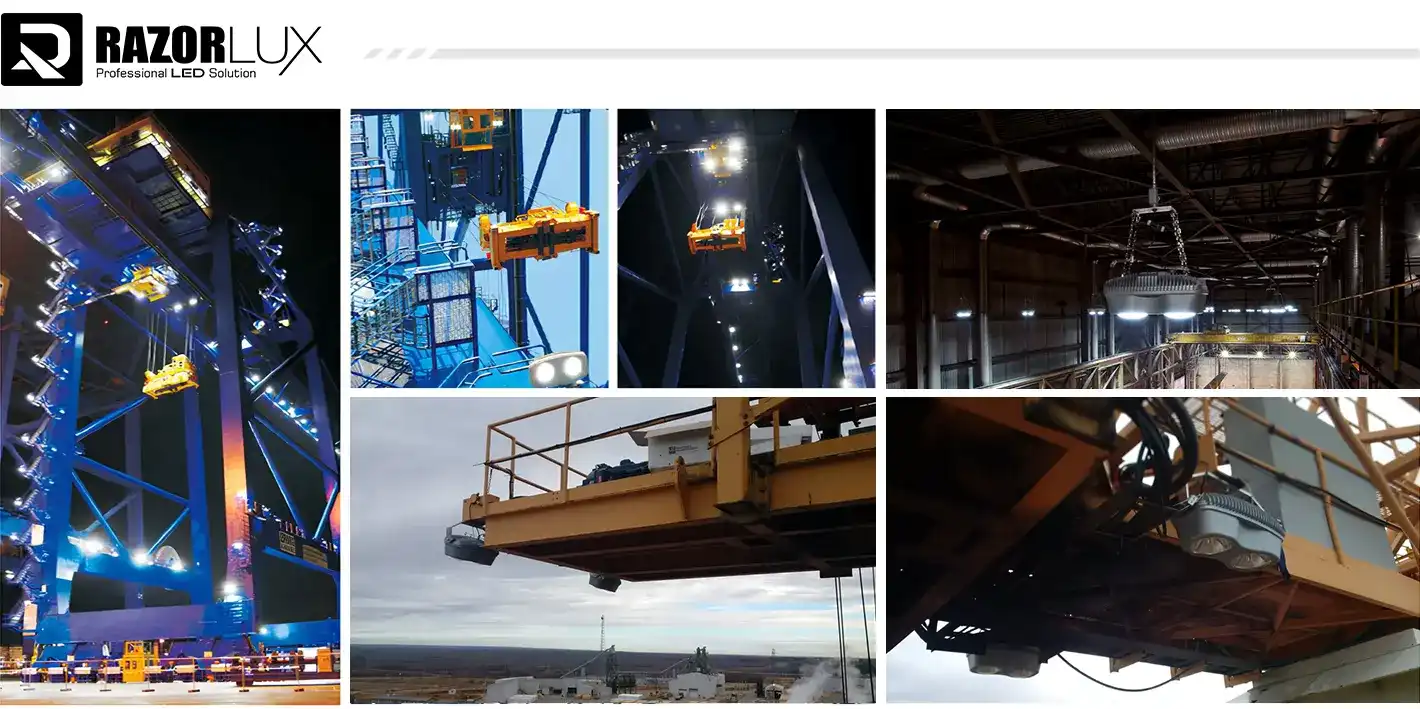
Salt spray rust, shaking from the ship's engine systems, contact risks from moving goods, and strict marine electricity safety standards are all problems that ship deck lighting has to deal with at the same time. Razorlux fixtures installed on commercial fishing boats and offshore support vessels work reliably in these conditions thanks to 316-grade stainless steel fasteners that don't corrode when exposed to galvanic current, silicone gaskets that stay flexible at high and low temperatures, and IK10 impact protection that can handle deck equipment contact. Beam angle selection is very important—cargo areas need wide 60° distributions for general visibility, while mooring stations benefit from asymmetric 140°x60° patterns that direct light downward to light up dock interfaces without creating glare that makes it hard to see from the bridge. A color temperature of about 5000K makes it easier to see while also keeping bugs away. This is especially important when docked in warm places where bugs like to gather around bright lights.
Shipyard and Dry Dock Applications
Waterproof Led Flood Light 400W Shipyards need lights that can handle welder spray, cutting debris, and being moved around a lot as work gets done. Razorlux fixtures have driver units that can be taken out and replaced quickly in the field if they get broken during welding. This cuts down on downtime compared to integrated designs that need the whole fixture to be replaced. Shipyards often don't have permanent infrastructure during the building of a ship, so they use temporary mounting structures. Paint booths and other enclosed spaces inside ships need lighting with low electromagnetic interference so that electronic navigation systems don't get messed up during installation. Quality LED drivers are guaranteed to have a THD of less than 10%, which stops these problems from happening. Cheaper drivers, on the other hand, cause harmonic distortion that damages sensitive electronics. Verification through EMC testing (included in CE certification) gives you peace of mind when choosing lights for these important uses.
Offshore Platform and Hazardous Area Lighting
Lights on oil and gas platforms must be approved for use in Zone 1 or Zone 2 dangerous places where flammable gases may be present. Standard IP67 fixtures work well in many platform sites, but process areas need ATEX or IECEx approval to show that the building is safe from explosions. Razorlux has special versions with higher enclosure strength, lower surface temperature ratings, and the certification paperwork needed for these installations. The high corrosion resistance is very important in offshore environments where the amount of salt spray is 10–50 times higher than in coastal environments. Our unique multi-layer coating process, which includes a zinc-rich primer, an epoxy intermediate coat, and a polyurethane finish, protects against rust for more than 5,000 hours in ASTM B117 salt spray tests, which is a lot longer than the 1,000-hour minimum that most industrial fixtures need.
Port Terminal and Container Yard Lighting
Port ports need even lighting over large areas so that moving containers and vehicles is safe and so that light pollution doesn't affect the homes nearby. Using IES files for computer-aided lighting design figures out the best mounting heights, spacing, and aiming angles to get the desired level of illumination (usually 20–30 lux) with a uniformity ratio of less than 4:1. Because LEDs can turn on instantly, they can be used with automated lighting control systems that turn on zones as cranes and vehicles enter work areas. This saves a lot of energy compared to leaving whole yards lit up during operational periods. These complex control methods are not possible with HID technology because they can't be integrated with building management systems through DALI or 0-10V dimming.
Heavy Industrial Manufacturing Facilities
Steel mills, paper companies, and other similar places have very high temperatures, a lot of dust, and machinery that vibrates. The working temperature range of -40°C to 60°C makes it suitable for places like cold buildings and close to fires and ovens. Sealed construction keeps dust from building up on the optics inside, which is a common problem with ventilated fixtures in dusty places where the buildup of particles lowers light output and poses a fire risk. Equipment areas with overhead cranes need fixtures that can handle being hit once in a while. The IK10 grade means that the device can take 20 joules of impact, which is the same as a 5 kg mass hitting it at about 3 m/s. This means that hanging loads or repair tools can't damage it. This makes it so that normal business lights don't have to be replaced as often in industry settings.
Decision-Making Checklist for Procurement Teams
Environmental Assessment: Write down the temperature range, humidity levels, exposure to corrosive substances (salt spray, chemical vapors), vibration/shock exposure, and required IP/IK ratings based on real-world conditions instead of general assumptions. Photometric Requirements: Write down the required illuminance levels according to relevant standards (IESNA, CIE, local regulations), acceptable uniformity ratios, color rendering needs based on tasks performed, and permissible glare indices, especially for areas with a lot of traffic. Electrical Infrastructure: Check the available voltage, phase configuration, circuit protection ratings, conduit locations and types, and integration needs with control systems or emergency power sources.Assess maintenance needs, including how hard it is to get to (height, confined spaces, proximity to hazards), the equipment that is available (lifts, scaffolding), the skill levels of maintenance staff, and the philosophy behind spare parts inventory (minimal inventory vs. complete redundancy). Assess budgetary constraints: figure out the total cost of installation, including fixtures, mounting hardware, installation labor, and electrical changes; decide on an acceptable payback period for energy savings; and set lifecycle maintenance budgets based on expected lifespan and replacement costs. Certification needs: find out what certifications are needed for the jurisdiction and application; and confirm customer or contractor requirements for acceptable certifications. This structured approach changes lighting procurement from ad hoc purchasing to strategic infrastructure planning, making sure that technical specifications are in line with operational realities and financial goals. When procurement managers use this framework, they regularly get better results, as shown by fewer callbacks, lower energy costs, and safer operations.
Conclusion
It's important to find the best Waterproof Led Flood Light 400W for your needs by weighing technical performance, environmental durability, and lifecycle economics. Quality LED technology is worth the extra money because it uses less energy, lasts longer, and needs less upkeep. This is because the total cost of ownership is so much lower. Razorlux lights meet the tough needs of marine and heavy industrial settings by offering IP67/IK10 protection, wide voltage compatibility, approved component quality, and full insurance support backed by the ability to manufacture products vertically integrated. To make sure that lighting solutions installed last as long as they're needed, they need to be carefully evaluated based on factors like the surroundings, photometric needs, electricity infrastructure, and the skills of the suppliers.
FAQ
What lifespan can I expect from a quality 400W waterproof LED flood light?
Quality fixtures like Razorlux's RGL2-400P deliver rated lifespans of 50,000 hours to L70 (maintaining 70% of initial lumens), translating to approximately 11 years of continuous operation or 17+ years at 8 hours daily. The actual lifespan depends significantly on thermal management effectiveness and component quality—fixtures maintaining LED junction temperatures below 85°C through efficient heat sink design achieve rated lifespans, while inadequately cooled units experience accelerated lumen depreciation and premature driver failures. Marine environments with salt spray exposure particularly benefit from fixtures incorporating Meanwell drivers and corrosion-resistant coatings that prevent the degradation reducing lifespan in coastal installations.
How do IP ratings determine suitability for outdoor and marine environments?
The IP (Ingress Protection) rating's two digits specify solid particle and liquid protection levels respectively. IP67 certification indicates complete dust-tightness (level 6) and protection against temporary immersion to 1 meter depth (level 7)—suitable for deck mounting and areas subject to wave splash or pressure washing. IP68 ratings offering extended submersion protection suit below-waterline or regularly submerged applications. Equally important is IK impact resistance—IK10 classification withstanding 20 joules protects against cargo handling impacts and accidental contact. Marine installations should specify 316-grade stainless steel fasteners and specialized anti-corrosion coatings exceeding standard powder coating to achieve reliable multi-year performance.
Can LED flood lights effectively replace existing 1000W metal halide fixtures?
A quality 400W LED delivering 130lm/W efficacy (52,000 lumens) effectively replaces 1000W metal halide systems when accounting for superior optical control, maintained lumen output, and instant-on capability. Metal halide fixtures suffer 40% lumen depreciation within 8,000 hours while scattering light omnidirectionally, whereas LED systems maintain >90% output throughout rated life while directing light precisely through engineered optics. The energy savings exceed 60%, with additional operational benefits including eliminated warm-up periods, instant restrike capability, and superior color rendering enhancing safety and productivity. Photometric analysis using IES files confirms equivalent or superior illuminance levels with fewer fixtures in most applications.
Partner with a Trusted Waterproof Led Flood Light 400W Manufacturer
Razorlux stands ready to support your marine and industrial lighting projects with over two decades of LED engineering expertise and manufacturing excellence. Our vertically integrated operations ensure consistent quality from LED chip Packaging through final assembly, while our national research center backing delivers continuous innovation aligned with evolving industry requirements. Whether you need standard configurations or customized solutions for unique applications, our technical team provides responsive support throughout specification, procurement, and installation phases. contact us at sam@razorlux.com for detailed product specifications, project-specific photometric analysis, and volume pricing for your upcoming installations. We invite you to download our comprehensive technical catalog and installation guides from razorlux.com, providing the detailed documentation your engineering teams require for confident specification and seamless deployment.
References
1. Marine Lighting Standards and Best Practices, International Association of Marine Aids to Navigation and Lighthouse Authorities (IALA), 2021.
2. LED Technology for Industrial Applications: Performance Characteristics and Selection Criteria, Illuminating Engineering Society Technical Memorandum TM-21-19, 2019.
3. Corrosion Protection of Electrical Equipment in Marine Environments, NACE International Standard SP0108-2018, Society for Protective Coatings.
4. Energy Efficiency Analysis of Industrial Lighting Systems: Comparative Study of LED and Conventional Technologies, Journal of Industrial Energy Management, Volume 47, Issue 3, 2020.
5. Maritime Safety Regulations for Shipboard Lighting Systems, International Maritime Organization Resolution MSC.61(67), 2022 Consolidated Edition.
6. Design Guide for High-Performance Outdoor LED Lighting in Harsh Environments, Lighting Research Center, Rensselaer Polytechnic Institute, 2021.
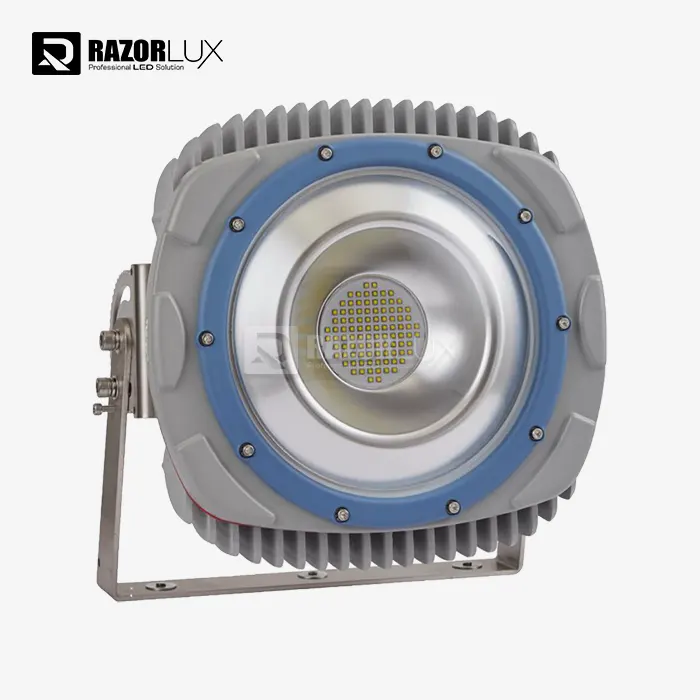
 VIEW MOREflood light for basketball court
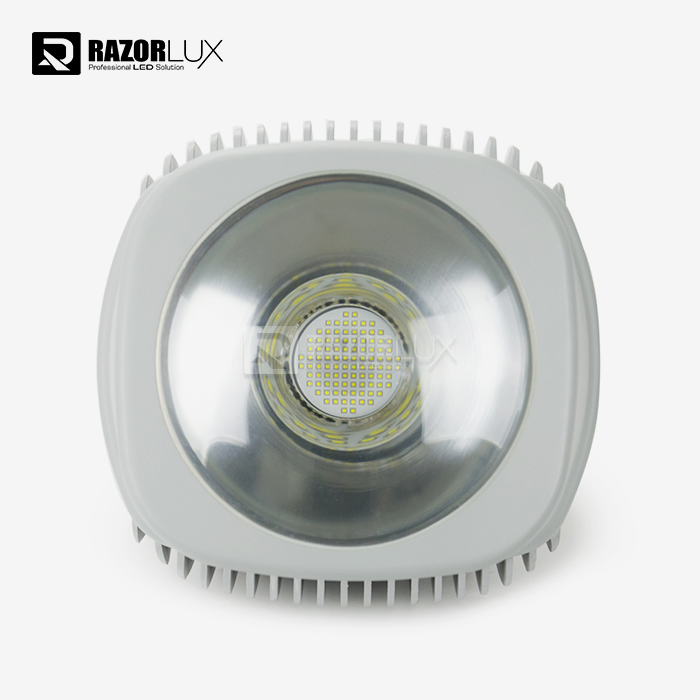
 VIEW MOREboat deck lights
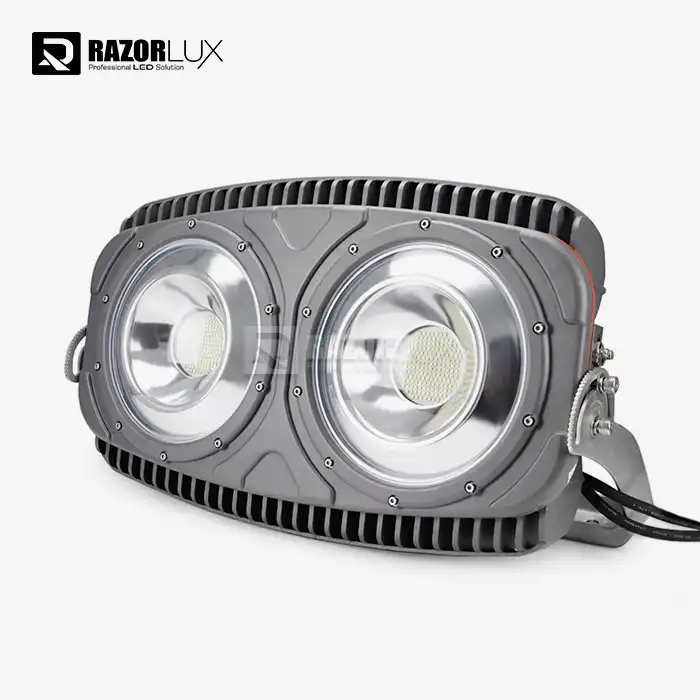
 VIEW MOREmarine deck lights
 VIEW MOREOutdoor Tennis Court Lighting
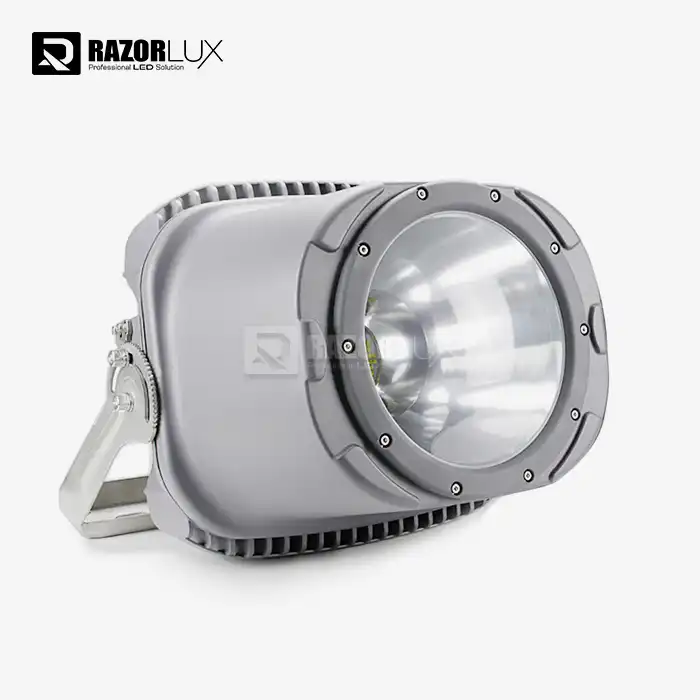
 VIEW MORE5700K Outdoor Garden Led Light Ip67 100000lm Flood Lights For Volleyball Court
 VIEW MOREDimmable Exterior Led Flood Lights
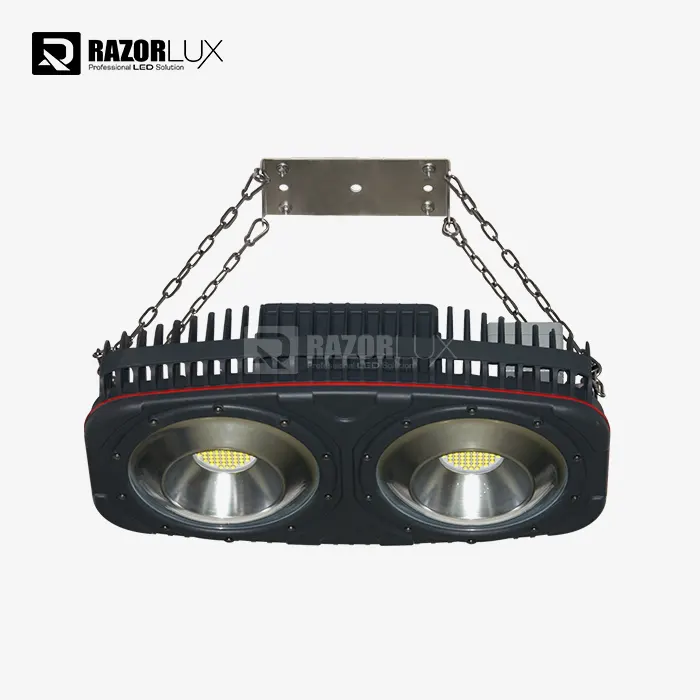 VIEW MOREOutdoor Ceiling Flood Lights
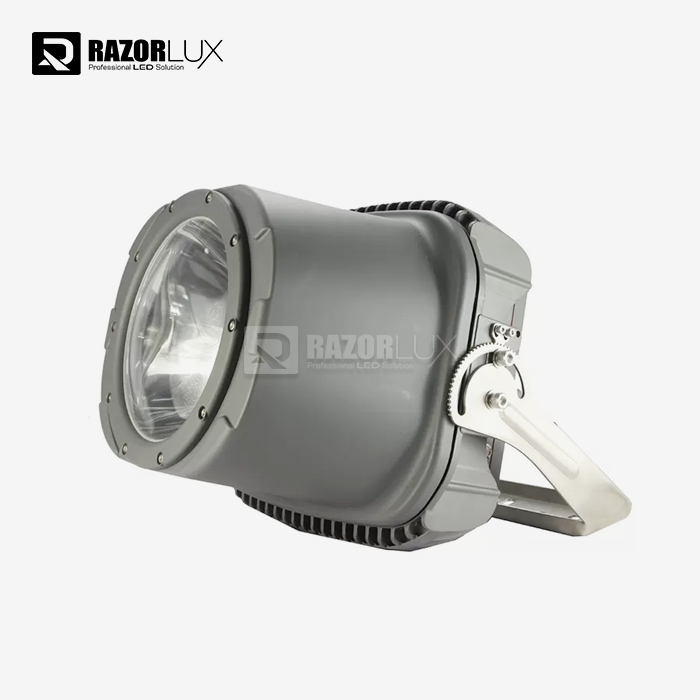 VIEW MOREBlack Exterior Flood Lights