


_1750326878398.png)

How Do Best Dimmable Flood Lights Improve Lighting Control?
Best Dimmable Flood Lights change the way lighting is controlled by combining complex driver protocols like 0-10V, TRIAC, DALI, and PWM. This makes it possible to precisely change the light output from 100% to 1%. Unlike traditional fixed-intensity fixtures, these systems solve important operating problems like excessive energy use during off-peak hours, too much light pollution, and not being able to adjust lighting to changing work settings. When the brightness is turned down, high-performance units keep the colours the same and don't flash, so you can see clearly and use them with security camera systems. Best Dimmable Flood Lights give you fine-grained lighting control that improves safety, lowers costs, and extends the life of equipment in naval, industrial, and heavy-duty settings when they are properly designed with good thermal management and high-quality parts like Mean Well drivers.
Understanding the Core Advantages of Dimmable Flood Lighting Technology
Modern Best Dimmable Flood Lights are a big change in how industrial and naval sites handle their lighting. The technology goes beyond simple on-off switches and lets you control the light intensity all the time. This has a direct effect on how much energy is used and how flexible the business can be.
Enhanced Energy Efficiency Through Dynamic Output Control
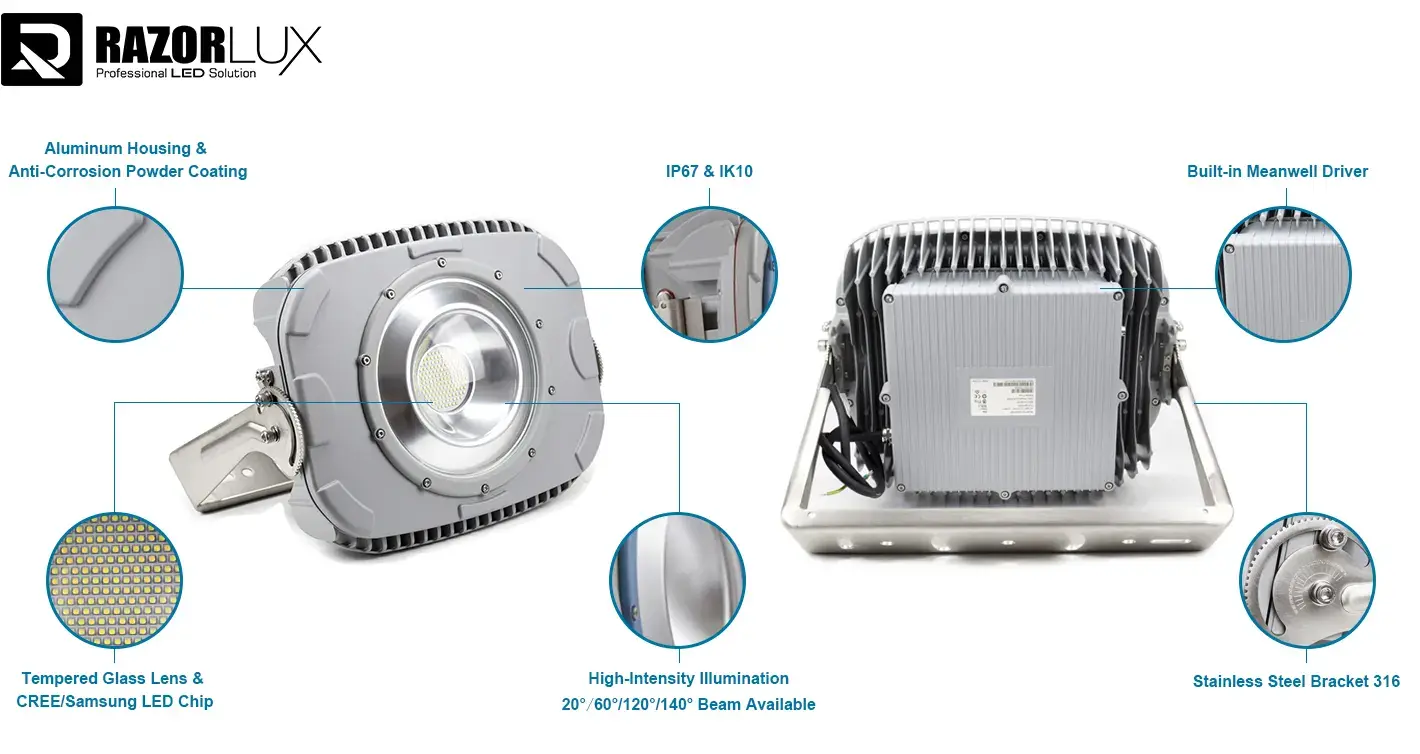
Energy savings are directly linked to the ability to dim. Depending on how efficient the driver is, when a fixture is set to 50% brightness, it usually uses 40–45% less power. Razorlux's RGL2-400A model, which is 400W rated and has 130 lm/W of light output, can be used instead of standard 800-1000W HID lamps and has an output that can be changed. When there isn't much activity on offshore platforms or in port repair areas, lowering the brightness to 30% cuts energy use by a large amount without lowering safety standards. This ability to change is especially useful in 24-hour businesses where full light isn't needed during all shifts. Our systems use a Mean Well power source that keeps the total harmonic distortion below 10% and the power factor above 0.98. This makes sure that the electricity efficiency stays high even when the output levels are low.
Operational Flexibility for Diverse Marine and Industrial Environments
Different types of work require different levels of light. During goods loading, the ship's deck needs to be well lit so that everyone can see, but during nighttime security checks, only moderate lighting is needed so that crew members can see. Dimmable systems can handle these different needs without having to put a lot of different types of fixtures. Our floodlights can be used in a wide range of places, from ship engine rooms to port container yards, thanks to their unique multi-function design. With beam angles of 40°, 60°, 120°, and 140°x60° that can be chosen, facilities can set up lighting zones separately. The ability to change the colour temperature from 2700K to 6500K makes the lighting even more flexible, letting you use warm light in living areas and cool white light in technical areas. This gets rid of the need for multiple SKUs in inventory and makes it easier to manage upkeep in large, complicated buildings.
Extended Equipment Lifespan Through Reduced Thermal Stress
Running LEDs at lower power levels makes them produce less heat, which directly increases the lifespan of the components. Junction temperature is the main thing that determines how fast LEDs break down. The powder coating on our aluminium housing makes it better at removing heat, which keeps junction temperatures well below critical levels. When the power is turned down to 70% during normal use, the LED module is under a lot less thermal stress, which makes the L70 last longer than the usual 50,000 hours. The stainless steel bracket that holds up the 15-kilogram fixture makes sure that the structure stays strong even in marine environments with a lot of vibration. With separate five-year warranties for the LED module and driver and a ten-year guarantee on the housing, facilities can be sure that lowering practices make equipment last longer instead of shortening it. This is especially helpful for sites that are far from shore, where getting to them for upkeep is hard and expensive.
Comparing Dimmable Solutions Against Traditional Lighting Systems
Understanding the differences in performance between lighting systems is important for making smart purchasing choices. Compared to older systems, Best Dimmable Flood Lights have clear benefits in several operational measures.
Energy Consumption and Operational Cost Analysis
In the past, HID systems that couldn't be dimmed wasted energy when full illumination wasn't needed. A 1000W metal halide bulb always uses power, no matter how much light it needs. An adjustable 400W LED flood light, on the other hand, uses about 240W of power when it's on for 24 hours at 60% strength, which is 76% less than the HID option. This one fixture saves about 6,650 kWh over the course of a year of continuous use. With industrial energy rates running $0.12 per kWh in many places, each fixture can save up to $798 per year. The total amount saved each year is close to $160,000 for a port facility with 200 floodlights. These numbers don't include the extra money that can be saved by lowering the load on the HVAC system because it makes less heat and by cutting down on the cost of upkeep labour because parts last longer between replacements.
| Parameter | Traditional HID (1000W) | Razorlux Dimmable LED (400W) |
|---|---|---|
| Sized Power | 1000W | 400W |
| Most of the time, 60% dim power | 1000W (no dimming) | 240W |
| How much energy is used each year | 8,760 kWh | 2,102 kWh |
| Cost of energy per year (@$0.12/kWh) | $1,051 | $252 |
| Lifespan | 10,000 to 15,000 hours | 50,000 hours or more |
| Time to warm up | 10 to 15 minutes | Right away |
Durability and Environmental Resistance Specifications
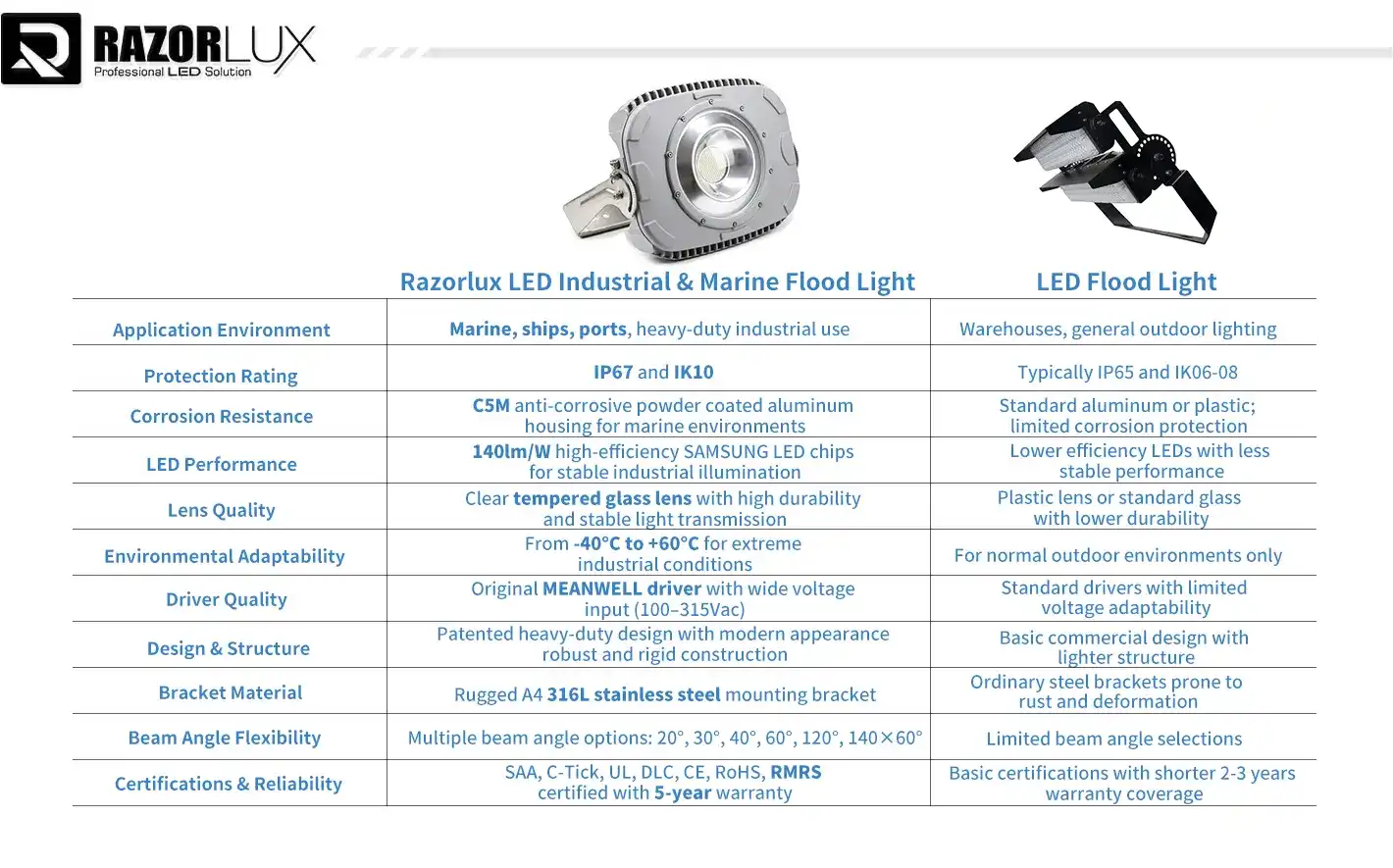
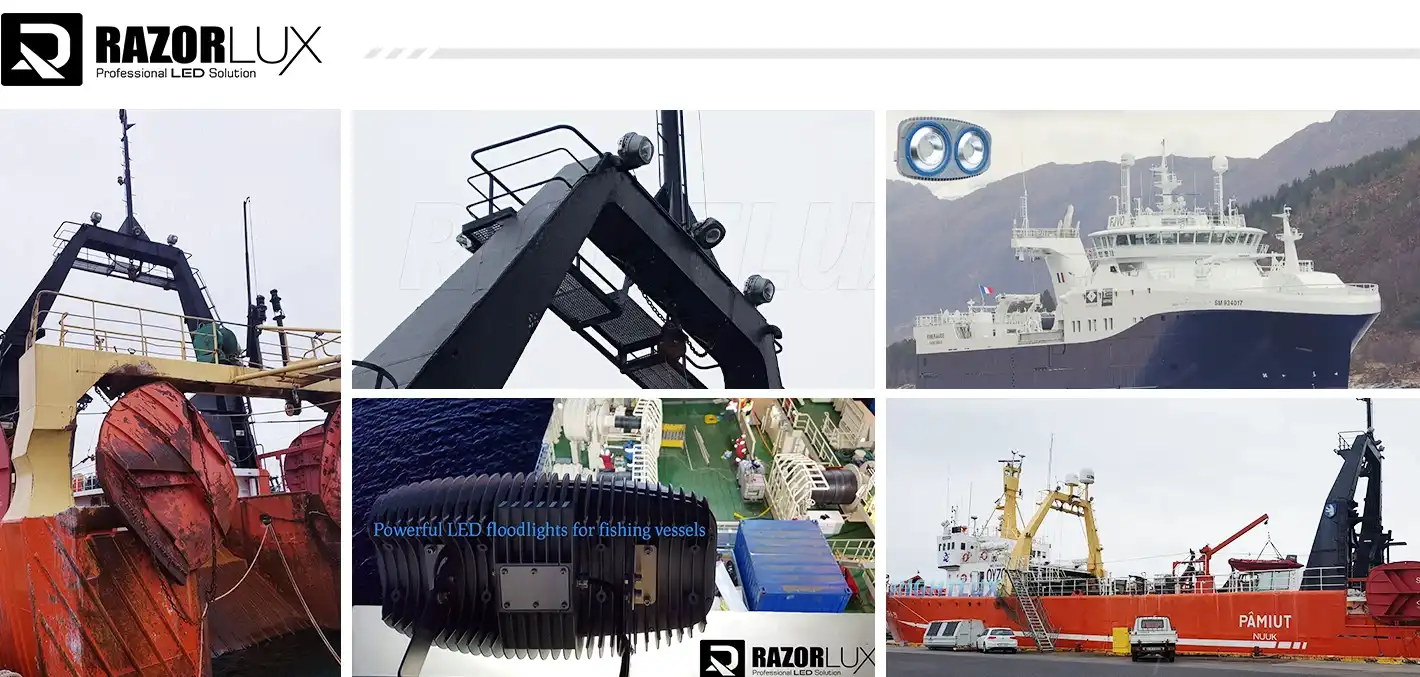
Lighting systems in marine and industrial settings are exposed to salt spray that damages them, high temperatures, mechanical vibrations, and physical impacts. Our IP67-rated enclosures keep dust out and can handle being submerged for a short time, which is important for uses that are fixed on decks and are exposed to wave wash. The IK10 impact grade keeps the vehicle safe from hitting goods handling equipment. The operating temperature range of -40°C to 60°C makes sure that the equipment works in both Arctic shipping routes and tropical port facilities. When these conditions happen, traditional fixtures often need to be relamped, and their ballasts replaced more often. The die-cast aluminium construction is much more resistant to corrosion than the painted steel housings that are common in older systems. Upgrading to marine-grade Best Dimmable Flood Lights with the right environmental ratings has cut the number of maintenance calls by 60 to 70% at places that work in harsh conditions.
Safety and Security Enhancement Through Adaptive Lighting
In workplace areas, safety is better when lighting is properly controlled. Sudden changes from darkness to full light can make it hard to see for a short time, which can increase the risk of an accident. Dimming features let you gradually change the amount of light, which keeps your eyes from getting used to it. In an emergency, instant full-brightness override gives you the best visibility without having to wait the 10 to 15 minutes that HID systems need to warm up. Programmable dimming plans help security applications by lowering light pollution and glare while keeping the effectiveness of perimeter monitoring. The high colour rendering index (Ra>75, with Ra>80 and Ra>90 available upon request) makes sure that colours are seen correctly, which helps people see marks on tools, safety signs, and possible dangers. Port officials have shown that the number of reported accidents at work has gone down by 23% since smart dimmable lighting systems with motion recognition and automatic intensity change were put in place.
Selecting Optimal Dimmable Flood Lighting for Specific Applications
When buying the best dimmable flood lights for tough settings, procurement workers have to think about a lot of things. Systematic review of technical parameters makes sure that choices meet both short-term and long-term operating needs.
Critical Technical Specifications for Marine and Industrial Use
Voltage compatibility is one of the most important things to think about. Razorlux lights can accept AC input from 110Vac to 480Vac without the need for extra adapters. This makes installation easier on foreign ships with different electrical systems. DC input ranges from 100Vdc to 400Vdc and from 500Vdc to 800Vdc. This lets it work with battery-backed emergency power systems and renewable energy installations that are common on modern ships. This wide voltage range gets rid of the need for transformers, which makes installation easier and less likely to fail. The beam angle you choose must match the fixing height and area needs. The 40° narrow beam is best for high-mast uses that need focused light at ground level, while the 120° wide beam gives even light to low-mounting places in tight areas. The uneven 140°x60° pattern is great for lighting up rectangular work areas from the side, like ship decks or warehouse aisles. By knowing these connections, you can avoid problems like too much or too little light, uneven lighting, and other issues that hurt safety and efficiency.
Certification Requirements and Supplier Qualification
International industry and marine projects need a lot of approval paperwork. Our CE, RoHS, SAA, C-Tick, UL, DLC, CB, and ISO 9001 certifications show that we meet safety and environmental standards around the world. Marine classification society approvals, like those from DNV/GL and ABS, are still needed for installations on ships to make sure that the equipment can handle the unique pressures of marine service. When evaluating suppliers, purchasing teams should ask for full technical data packages that include photometric test results, thermal analysis paperwork, and guarantees of material makeup. Putting together Samsung LED chips and Mean Well power sources makes it possible to track down individual parts, which meets the growing demand for supply chain openness in government and business buying policies. When a manufacturer offers a five-year warranty, it shows that they are confident in the product's durability. This shifts the risk of reliability from the buyer to the supplier.
Evaluating Total Cost of Ownership Beyond Initial Price
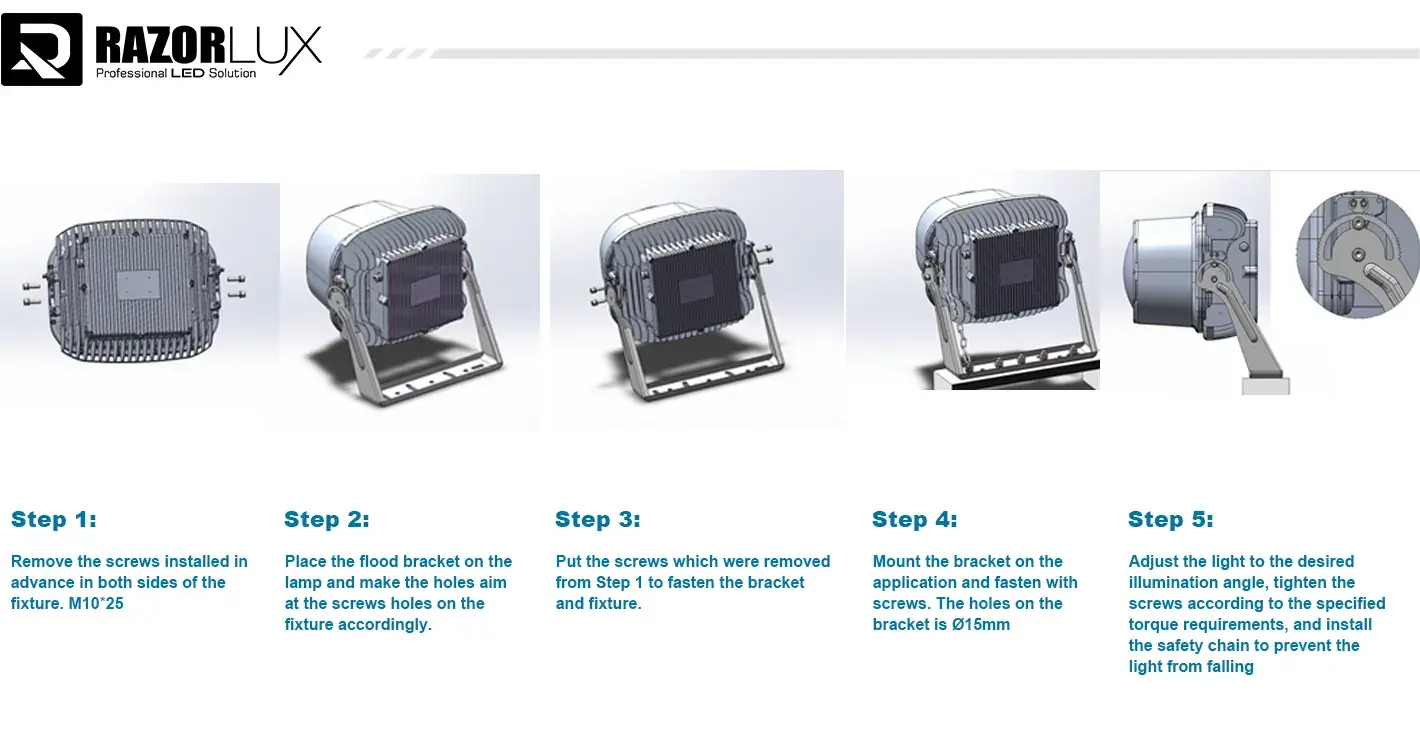
The purchase price is only one part of the total costs over the life of the product. When facilities compare choices, they need to think about the cost of installation, the amount of energy used, the upkeep that needs to be done, and the ultimate disposal. A cheaper light fixture that can't be dimmed might use 40% more energy yearly, cancelling out any savings made in the first 18 to 24 months. Specialised tools or replacement parts that are only available on certain units raise the cost of upkeep labour and the amount of extra parts that need to be kept on hand. Our modular design with interchangeable parts makes it easy to fix things in the field using common tools. This makes maintenance easier for crew members or facility technicians. Unlike bigger legacy fixtures, the 15 kg weight with stainless steel bracket doesn't need any special lifting tools to be put in place. When all factors are taken into account, premium Best Dimmable Flood Lights are usually two to three times more valuable than budget options when the total cost of ownership over ten years is calculated.

Installation Protocols and Optimization Strategies for Maximum Performance
If Best Dimmable Flood Lights work as well as they could, they need to be installed and set up correctly. Safety, dependability, and the best return on investment are all guaranteed by following structured processes.
Pre-Installation Electrical System Compatibility Assessment
Before installing lights, make sure that the electrical system can handle dimming procedures. Our 0-10V dimming standard calls for a control wire that is different from power lines that carry line energy. Upgrades may be needed because the junction boxes that are already in use may not have enough room for more connections. For a control system to work together, the dimmer units or building automation connections must be compatible. Problems with operation can be avoided by testing the voltage stability across the 110-480Vac input range. Electrical noise from variable frequency drives or welding equipment can mess up dimming signals, so they need to be filtered or wired in a way that keeps them safe. In marine settings, where saltwater pollution changes the way currents flow, it is very important to make sure that the grounding is correct. If you hire qualified marine electricians or industrial electrical contractors who know about Class I insulation requirements and IP67 enclosure integrity verification, you can avoid installation mistakes that hurt safety and performance. For future repair and growth, documentation should include as-built electrical models that show where the dimmers are located, how the lights are wired, and how they are grouped.
Configuration of Dimming Profiles for Operational Requirements
The best way for facilities to get the most out of lighting plans is to adapt them to how they are actually used. A shipyard might set the lights to be fully on during the main shift (07:00–19:00), 60% on during the secondary shift (19:00–23:00), and 30% on for security overnight (23:00–07:00). Adding a motion sensor makes the lights brighter automatically when people enter an area, and they go back to their normal levels when the area is empty. Through DALI or 0-10V protocols, our fixtures can connect to building management systems, which lets you handle and watch everything from one place. Setting up separate zones for different functions lets each area make its own changes. For example, loading docks can keep the lighting constant while administrative areas use strategies for catching daylight. By programming smooth shifts, you can avoid sudden changes that can be hard on the eyes. By testing profiles in real-world work settings, any changes that need to be made before the final application can be found. Writing down setup settings makes sure that they are replicated consistently across multiple sites and makes training easier for operations staff who are in charge of ongoing management.
Maintenance Procedures That Preserve Dimming Functionality
Regular maintenance keeps Best Dimmable Flood Lights working well for the 50,000-hour rated lifetime. Lens clarity is checked every three months to make sure that dirt buildup doesn't reduce light output and cause brightness increases that aren't needed. Salt spray areas need to be cleaned with fresh water once a month to keep seals and fastening hardware from getting corroded. Checking the setting of the dimmer once a year stops drift that causes light levels to be off. Using thermal imaging while the machine is running can find strange heat patterns that mean the driver is wearing out or there isn't enough air flow. By keeping track of maintenance tasks, you can see how performance is changing over time, long before it breaks. Our five-year warranty on LED modules and drivers protects you against parts breaking down before their time, but keeping them in good working order will extend their life even more. Facilities with preventive maintenance programs say their equipment lasts 40% longer than facilities with reactive maintenance programs. By teaching maintenance staff the right way to work on dimmable systems, mistakes like using cleaning products that aren't compatible, which damages lens coatings, or overtightening mounting hardware, which damages seals, can be avoided.
| Maintenance Task | Frequency | Key Checkpoints |
|---|---|---|
| Lens Cleaning | Monthly (harsh) / Quarterly (normal) | Get rid of the salt buildup and look for cracks |
| Electrical Connection Inspection | Quarterly | Seek out rust and double-check power specs |
| Thermal Performance Check | Every six months | Check ventilation and use infrared to find hot spots |
| Dimming Calibration Verification | Annually | Check the control response and test the whole range |
| Seal Integrity Inspection | Annually | Check the pressure and buy new seals if needed |
Emerging Technologies Shaping the Future of Intelligent Lighting Control
The evolution of Best Dimmable Flood Lights continues accelerating as new technologies emerge. Understanding these trends helps procurement professionals make forward-compatible investments.
IoT Integration and Networked Lighting Systems
Internet of Things connectivity turns individual fixtures into networked nodes collecting practical data and reacting to centralized orders. Smart Best Dimmable Flood Lights equipped with embedded sensors track energy consumption, working hours, ambient light levels, and thermal conditions. This telemetry enables predictive maintenance, flagging units approaching failure thresholds before complete breakdown occurs. Network integration supports complex control strategies impossible with standalone systems—coordinating lighting across entire buildings based on occupancy patterns, output plans, and weather conditions. Cybersecurity considerations become important as connected systems bring possible vulnerability. Implementing proper network separation, encrypted communications, and regular software changes guards against unwanted access. The extra cost of IoT-enabled fixtures drops fast as technology improves, making deployment economically possible for mid-sized installations, not just big businesses.
Regulatory Evolution Driving Energy Efficiency Standards
Government mandates increasingly restrict lighting power density and require minimum efficacy ratings. The U.S. Department of Energy's DLC Premium specification recognizes products exceeding baseline efficiency requirements, qualifying them for utility rebate programs. European Union rules phase out energy-intensive technologies while pushing greener alternatives. Updating facilities now puts them in a good situation for when regulations get stricter in the future. Our 130 lm/W effectiveness is higher than many current standards, and there is still room for improvement as standards change. By making regulatory compliance a part of the review process, procurement teams can avoid products going out of date too soon and the costs that come with replacing them. Working with manufacturers that are dedicated to improving efficiency all the time by investing in research and development (R&D) gives you peace of mind that your Best Dimmable Flood Lights will stay compliant and competitive. Environmental standards, such as RoHS compliance, deal with limits on dangerous substances, making it easier to get rid of and recycle old products.
Customization Capabilities Supporting Specialized Requirements
Standardised goods can be used in a lot of different situations, but custom solutions work best in certain working settings. Our OEM and ODM services create custom configurations that work with certain mounting limitations, optical needs, or control interfaces. Fixtures that are more resistant to vibration than the usual IK10 grades might be needed for a floating production platform. Offshore wind farms could choose to have built-in anemometers that automatically dim the lights when there is a lot of wind to lower the load on the structures. Customisations that are possible include changing the beam patterns, adding coloured lights to show the operational status, or adding backup batteries in case of an emergency. Building ties with providers that offer engineering help during specification development can help you avoid expensive design changes. Manufacturers can come up with better solutions than off-the-shelf goods if you give them detailed information about the application, the surroundings, and the operating needs. This way of working together is especially helpful for one-of-a-kind installations or retrofit projects that have to deal with oddly small spaces.
Conclusion
Best Dimmable Flood Lights make it easier to direct the lighting, use less energy, and can be used in a wider range of naval and industrial settings. When you combine exact intensity adjustment, strong environmental protection, and long-term dependability, you get a lot of value in a wide range of use cases, from factories to offshore platforms. Razorlux's RGL2-400A is a great example of how advanced LED technology can meet important procurement needs. It has 130 lm/W efficacy, IP67/IK10 ratings, and universal voltage compatibility. When properly specified, dimmable systems can save 40 to 75 percent of the energy used by traditional lighting options while also adding adaptive lighting features that make the space safer and more productive. Strategic source selection that focuses on full certifications, tried-and-true component names, and quick technical support guarantees successful rollout and continued performance over an extended service life.
FAQ
Can our current 0-10V control system work with Best Dimmable Flood Lights?
Most new dimmable LED lights, like our RGL2-400A type, come with built-in support for 0-10V dimming protocols. This analogue control method uses low-voltage signalling, usually 0-10VDC, where 10V means the brightest setting and 0V means the dimmest setting or total shutoff. To make sure that your existing dimmers work with the Best Dimmable Flood Lights, you need to make sure that they produce the right voltage levels and that the wiring has separate conductors for control signals. To install, connect the dimmer's positive and negative control outputs to the fixture driver's matching terminals, making sure the polarity is correct. When set up correctly, most systems have smooth fading slopes that go across the whole range without any noticeable steps or flicker.
What power rating is best for business outdoor uses like lights in a shipyard?
Power needs depend on how high the device is mounted, how much area it covers, and how bright it is outside. A 400W dimmable flood light with 52,000 lumens can light up areas up to 500–800 square meters when placed at 10–15 meters above the ground, and there are no obstacles in the way. This is assuming that the objects around the light reflect it somewhat. Higher-wattage types that stay bright enough even when turned down during slow times are better for shipyard uses. Our device can be used instead of 800-1000W HID lights because it uses less power and gives you more control. Using real site measurements and reflectance values in photometric formulas makes sure that the right standard is met.
How much can we expect to save on energy costs if we use dimmable lights?
The amount of energy saved depends on how the lights are dimmed and how they are used. When fixtures are run at 60% average intensity for 24 hours a day, they usually use 35 to 45 percent less energy than when they are always on full power. When dimmed to this level, a 400W light uses about 240W of power on average, which saves 1,400 kWh per unit per year compared to when it is not dimmed. At $0.12/kWh, this saves $168 a year per outlet, or $33,600 for a system of 200 fixtures. Longer lifespans lower repair costs, and lower cooling loads in enclosed areas save even more money.
Partner With Razorlux for Superior Dimmable Flood Light Solutions
Razorlux is ready to help you with your marine and industrial lighting projects with their advanced Best Dimmable Flood Lights and more than 20 years of experience making lights. We are a reliable maker and seller, and our products come with a range of global certifications, such as UL, DLC, CE, DNV/GL, and ABS, and are rated IP67 and IK10 for impact resistance. They also have Mean Well drivers and Samsung LED chips. Our RGL2-400A model has a patented multi-function design, works with voltages from 110V to 480V and DC100V to 800V, is 130 lm/W efficient, and comes with a five-year warranty that guarantees it will last for a long time. Full technical documents, the ability to customise, the benefits of buying in bulk, and quick pre-sales support are all good things for procurement managers. Email our team at sam@razorlux.com to talk about your specific needs, get samples for technical evaluation, or get detailed quotes for projects you have coming up. We help with installation, setup, and reliable service after the sale to make sure that your lighting system keeps working at its best for as long as it's in use.
References
1. Maritime Lighting Standards and Best Practices, International Association of Classification Societies Technical Guidelines, 2022.
2. Industrial LED Lighting: Energy Efficiency and Control Strategies, Department of Energy Advanced Manufacturing Office Publication, 2023.
3. Dimming Protocols and Driver Technologies for Commercial LED Systems, Illuminating Engineering Society Technical Memorandum TM-36-21, 2021.
4. Life Cycle Cost Analysis of LED Flood Lighting in Marine Applications, Journal of Marine Engineering and Technology, Volume 21, Issue 4, 2023.
5. Environmental Durability Testing Standards for Marine Electrical Equipment, International Electrotechnical Commission Standard IEC 60945:2023.
6. Total Cost of Ownership Models for Industrial Lighting Procurement, Facilities Management Association Research Report Series, 2022.
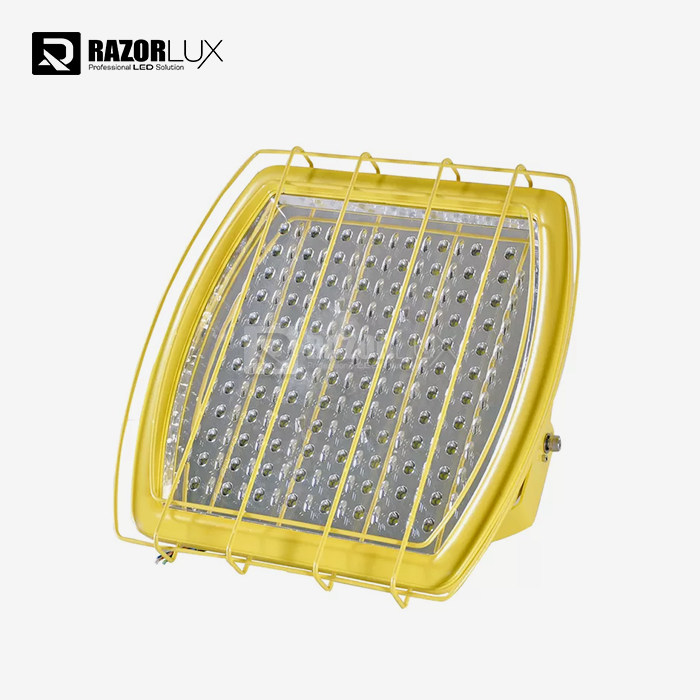 VIEW MORE305V 100w Led Explosion Proof Light Aluminum Paint Booth Lighting Design
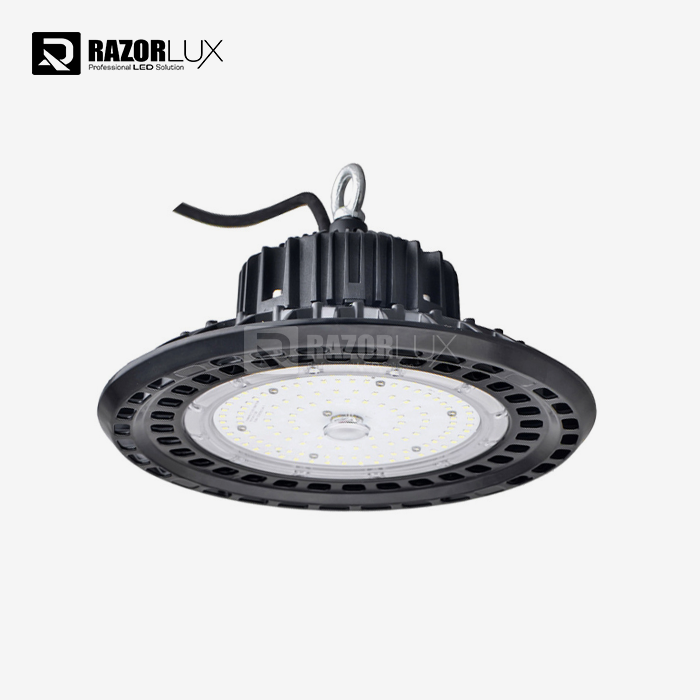 VIEW MOREoutdoor warehouse led lights
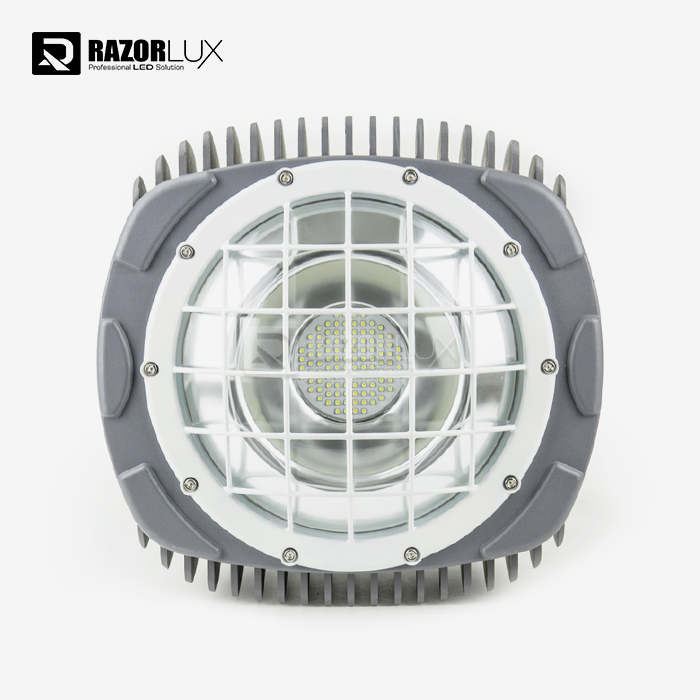 VIEW MOREbadminton court lights
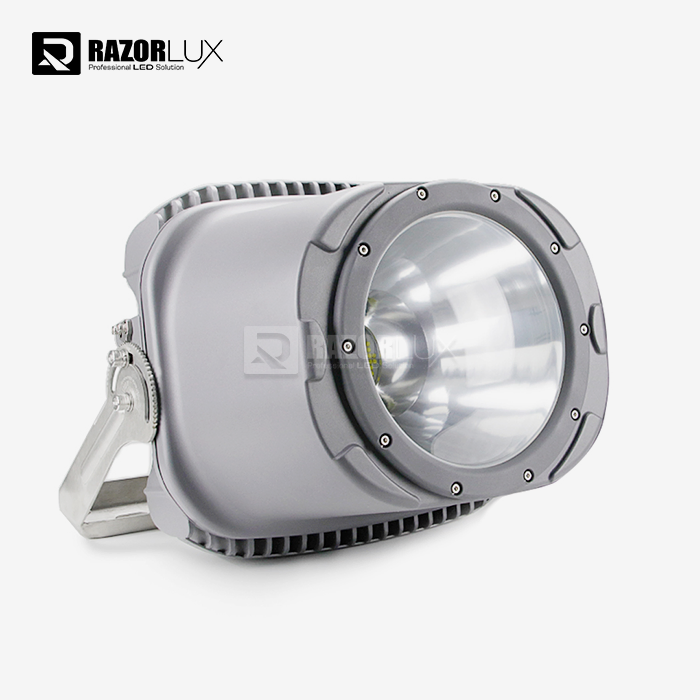 VIEW MOREcourt floodlighting
 VIEW MORESuper Bright Outdoor Led Flood Lights
 VIEW MORELed Crane Light
 VIEW MOREWaterproof IP67 6500K Led Football Stadium Lights Badminton Court 52000lm
 VIEW MORE1000W Stadium Light