

_1750326878398.png)

What Features Should Construction Site Flood Lights Have?
When picking out the right Construction Site Flood Lights, there are a few things you should carefully consider. These affect worker safety, how efficiently the site runs, and the project budget. Construction Site Flood Lights must provide steady, bright light in places with dust, moisture, changing temperatures, and physical risks. It's important that it has a high light output (130 lm/W or more), can work with a wide range of voltages, is resistant to impacts (IK08 or higher), and has strict regulatory compliance certifications like UL, CE, and DLC. It should also be better at blocking water (IP65 or higher). These things make sure that lighting systems always work, even during the long and hard stages of a job. They are also safer and allow for 24-hour work schedules.
Understanding the Essential Features of Construction Site Flood Lights
Business lights aren't strong enough to handle the problems that happen on building sites. Flood lights need to be made so they can handle movements from heavy equipment, keep dust out, and keep working even when the power changes a lot. They are used for temporary building projects, industrial sites, and roadwork at night.
High Lumen Output and Luminous Efficacy
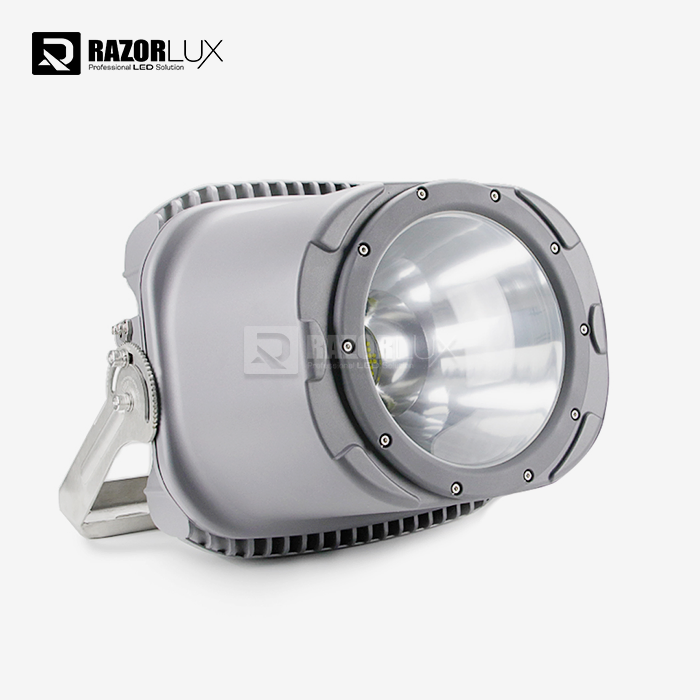
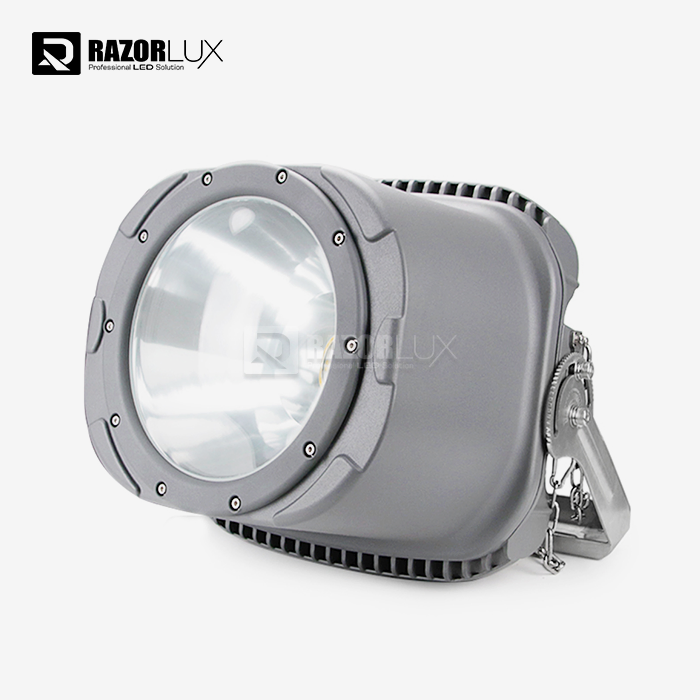
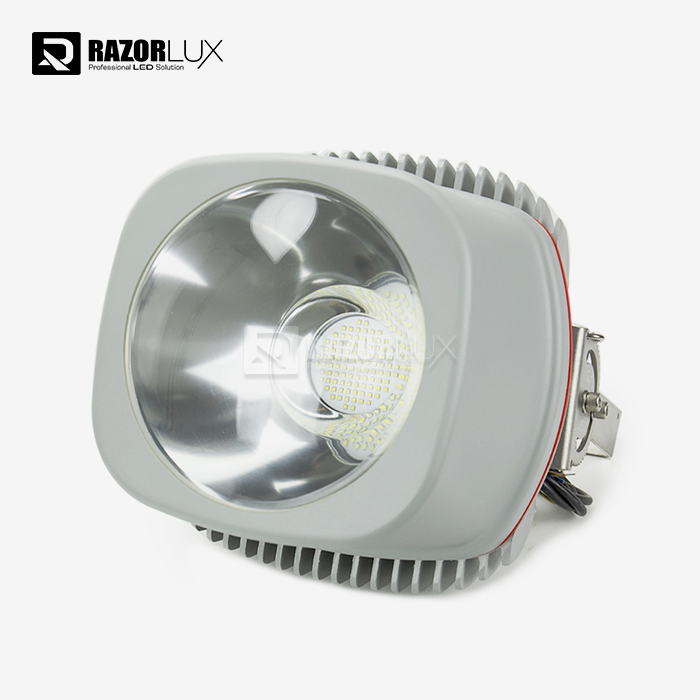
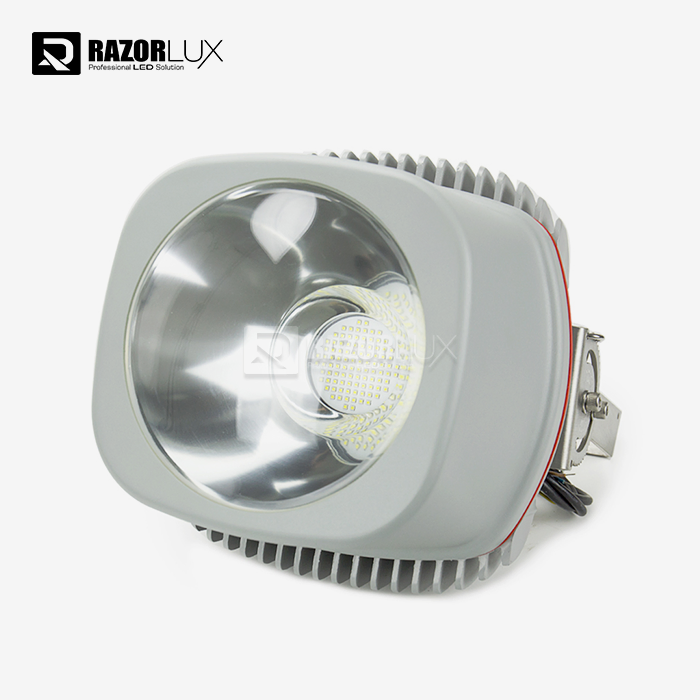
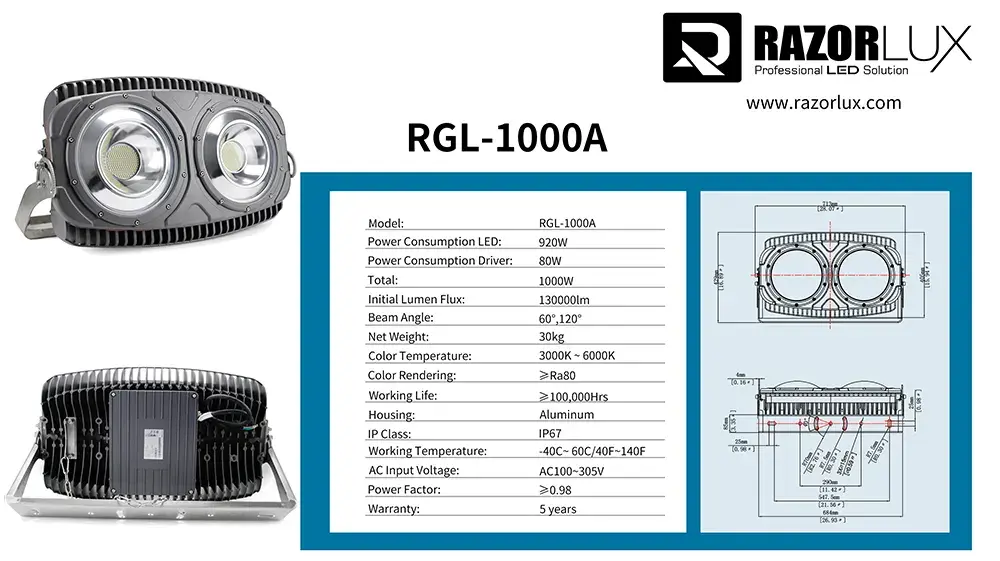
There needs to be enough light for safety and to be able to do good work. Sometimes, on a big project site, different jobs need different amounts of horizontal lighting. This is between 20 and 50 foot-candles (215 and 540 lux). To find out how much energy something uses and how much it costs to run, you can measure how bright it is per watt. Some new LED choices get 130 lm/W or more, which is a lot more than the 75 to 90 lm/W that most old metal halide systems get. This means that the engine doesn't have to work as hard, fuel costs are lower, and battery-powered units can run for longer. The RGL-1000A type from Razorlux puts out 130,000 lumens at 130 lm/W. This is the same amount of light as two 2200W to 2500W metal halide lamps, but the total power is only 1000W because of driver loss.
Superior Ingress Protection and Weather Resistance
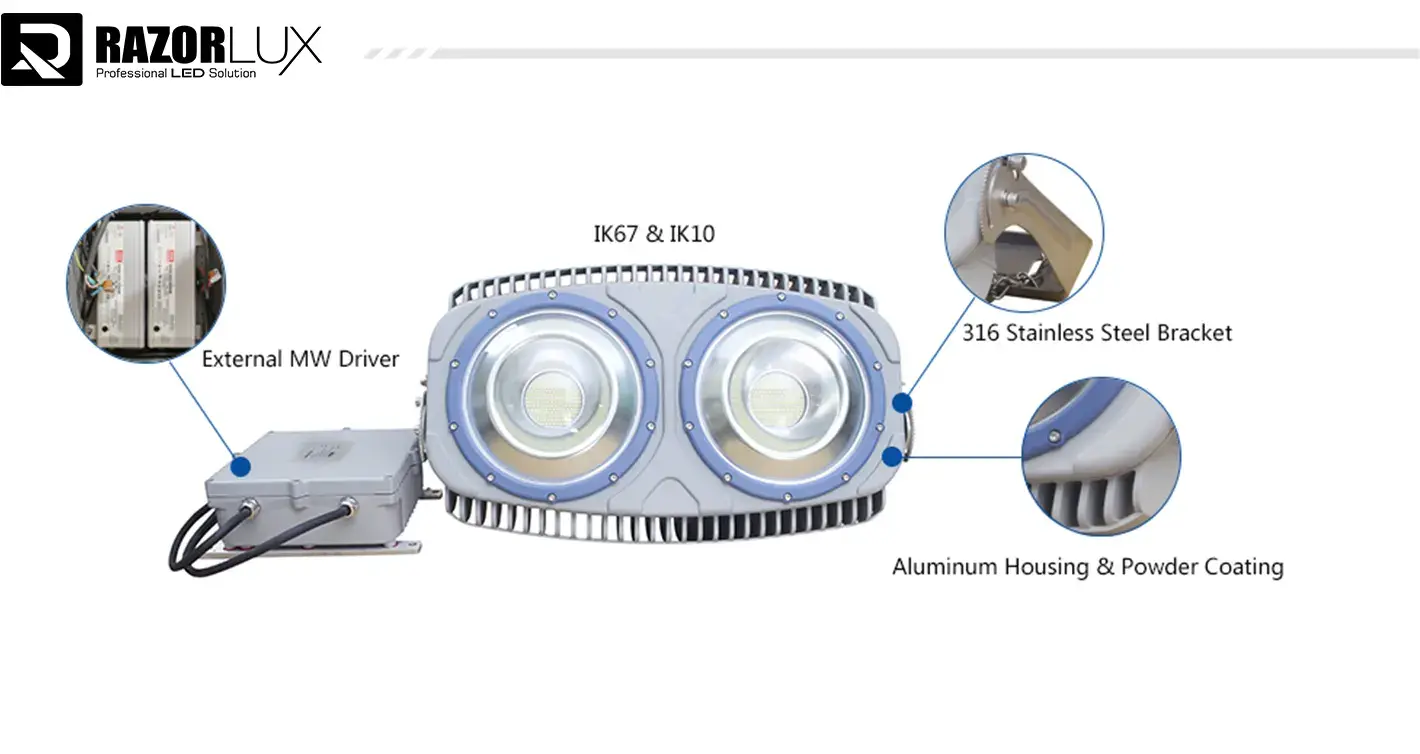
The tools used on building sites have to deal with rain, snow, dust storms, and high-pressure cleaning. The IP rating system from the International Electrotechnical Commission (IEC) checks how well a fitting can keep solids and liquids out. If a seal has an IP65 rating, it means that dust and water jets from any direction will not get in. This is the lowest setting for work lights outside. The IP67 rating makes things safer when they are submerged for a short time up to a depth of one meter. This is very important for projects that will be near water or in areas that are likely to flood. When you buy Razorlux flood lights, they come with an IP65 rating. You can raise that rating to IP67, which means they will still work even if it rains. With a marine-grade powder finish and toughened glass lenses, they are even more resistant to damage from UV light and chemicals found in concrete additives or industrial solvents.
Technical and Safety Standards That Construction Site Flood Lights Must Meet
If you want to control your risks and keep yourself from Construction Site Flood Lights being sued, you have to follow the rules. Contractors and people in charge of getting things need to make sure that lighting equipment is licensed for the projects and places where it will be used.
Electrical Safety Certifications
In Europe and North America, things that meet strict electrical safety standards are marked with the CE mark, while in North America, they are marked with the UL mark. Some of these guidelines are good insulation, temperature performance, and compatibility with electromagnetic fields. If lighting gets a DLC Premium grade, it means it uses less energy and can get utility savings, which lowers the total cost of ownership. Our products have been approved by UL, CE, RoHS, SAA, C-Tick, DLC, CB, and ISO 9001, which means they are safe to use anywhere in the world. This wide range of licenses makes it easier to buy things in other countries and speeds up the project approval process.
Voltage Compatibility and Power Quality
On building sites, people often use short-term generators or long extension lines that change the power and change the harmonics. Our floodlights can accept AC power from 80 to 305 Vac and DC power from 100 to 800 Vdc. In other words, they can safely use a lot of different power sources. To keep sensitive devices safe, Total Harmonic Distortion (THD) should be less than 10%. Also, the generator should have a power factor equal to or greater than 0.98 to keep reactive power losses to a minimum, and fuel use low. This makes it easy to switch between diesel engines, power lines, solar panels, and battery banks at different points in a job.
Comparing Flood Light Types and Their Suitability for Construction Applications
Finding the right technology means balancing how well it works, how much it costs over its lifetime, and how limited it is in what it can do. At the moment, LED systems are the most popular, but there are still some good reasons to choose something else.
LED Versus Metal Halide Performance
For a long time, metal halide lights have put out a lot of light. However, they take 10 to 15 minutes to reach full power, last only 6,000 to 15,000 hours, and lose brightness quickly. When power goes out and isn't turned back on for too long, some places are left in the dark for several minutes, which is dangerous. With LED flood lights, these issues can be fixed right away. These lights can last 50,000 hours and lose less brightness over time (less than 10% over their claimed life). They also work well in ranges between -40°C and +60°C without losing any of their effectiveness. Though LED fixtures might cost more at first, they end up being much cheaper to own after 18 to 24 months of use. This includes saving money on energy costs, doing upkeep, and getting new bulbs.
Solar-Powered and Eco-Friendly Options
Eco-friendly projects or ones that can be used in remote places where there is no power grid, like solar flood lights. Because they don't need fuel or generators, they are cleaner, which helps green building standards like LEED. But where you live, the time of year when sunlight is available, and weather patterns can all change how efficient something is. If it's cloudy, cold, or there are a lot of trees in the area, the batteries may not have time to fully charge, which could make the lights less effective. Solar systems aren't good for big floodlights with a lot of light. Instead, they work best for extra job lighting, security lighting around the outside, or lighting up signs. You can avoid underperformance and project delays by looking at the Construction Site Flood Lights site-specific sun radiation data before you buy it.
Procurement Considerations for Construction Site Flood Lights
You look at more than just technical specs when you buy strategically. There are also things like source dependability, guarantee terms, and lifecycle support that you look at.
Evaluating Brightness, Durability, and Cost-Efficiency
There needs to be a balance between the number of watts needed, how long the light will last, and how much it will cost to run in the long run. Fixtures that are too small need more units, which means that more installation workers and power lines are needed. Big light fixtures waste energy and make glare, which isn't nice to look at and might be against the law in some places. Make a detailed lighting plan that includes the mounting height, beam angle, spacing, and brightness levels you need. This is the best way to choose a fixture. What kind of housing material (stamped steel vs. die-cast aluminum), what kind of lens material (tempered glass vs. polycarbonate), and how the thermal management system is designed can all affect how long something lasts. Things that are cost-effective should be looked at in terms of how much energy they use, how often they need to be kept, what their warranties cover, and how much they will be worth when the job is done.
Warranty Coverage and After-Sales Support
When you buy building lighting systems, the warranty terms are very important because they have to work in tough conditions. There are a lot of warranties that last between three and five years. Some higher-end things may cover certain parts for longer. There is a five-year warranty on the LED modules and drivers from Razorlux and a ten-year warranty on the housing. Expert help with installation, tips on how to fix problems, and access to extra parts should all be part of the after-sales service. Our team keeps projects on track by giving installation plans, mounting ideas, and new parts fast. This cuts down on downtime.
| Feature | Metal Halide | LED Flood Light |
|---|---|---|
| Effectiveness that shines | 75–90 lm/W | 130 to 170 lm/W |
| Lifespan | 6,000 to 15,000 hours | 50,000 hours or more |
| Get ready to warm up | 10 to 15 minutes | Instant-On |
| What Temperature to Use | -20°C to +40°C | -40°C to +60°C |
| Maintenance Frequency | Heavy (needs to be changed often) | Low (needs little help) |
Installation and Maintenance Best Practices
When you put lights and equipment correctly and keep them in good shape, they work better and last longer.
Safe Installation Procedures
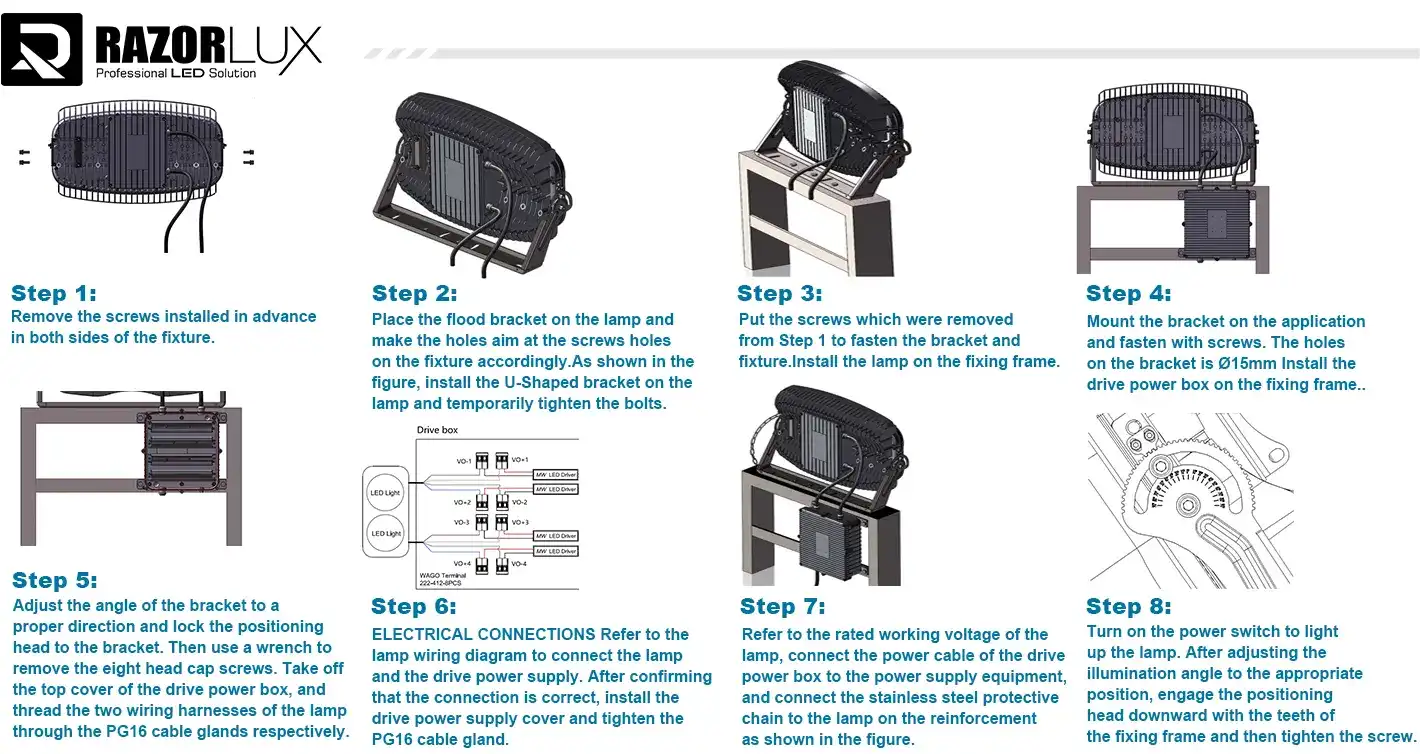
Put flood lights on safe buildings that can hold the lamps' weight (30 kg for RGL-1000A) plus wind load factors. To keep stainless steel brackets in place, use screws that won't rust and are allowed for the fastening surface material. Examples include:
- Anchors for walls made of concrete
- Through-bolts for steel beams
- Clamp systems for pipes used on scaffolding
Make sure that lights don't shine right into the eyes of workers. Put the lights Construction Site Flood Lights above the main work surface and tilt them 30° to 45° downward. Following the rules in your area for conduit, grounding, and overcurrent safety should be used for the power lines. Read our technical papers and watch our installation videos for step-by-step instructions that are tailored to your mounting needs.
Troubleshooting Common Issues
A lot of the time, flickering means that lines are loose, dimming controls don't work together, or power sources that are too small aren't stable. Make sure that all of the links are tight enough according to the manufacturer's instructions and that the gadget can handle the power. LEDs usually break before they should because of bad temperature control or power spikes. Put in surge protection devices that can handle at least 6 kV of voltage, but 10 kV or more is better. Also, make sure that nothing is blocking the heatsinks. Color shift or uneven lighting may be signs that an LED in a group isn't working right. With modular designs like our RGL-1000A, broken LED boards can be swapped out in the field without having to replace the whole device. This saves money on repairs and time off.
Real-World Application Scenarios
It's easier to choose the right lighting for a building site when you know how it works in different settings. This also brings up important practical problems.
Highway Infrastructure and Night Roadwork
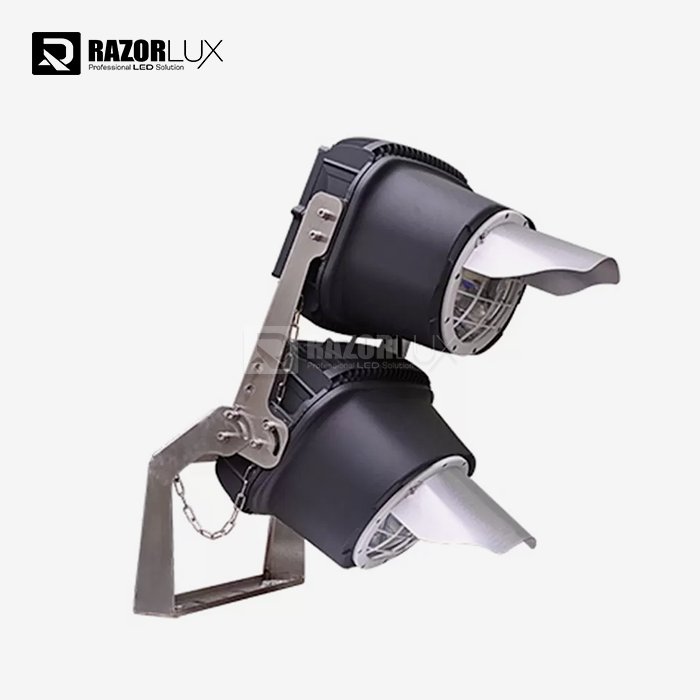
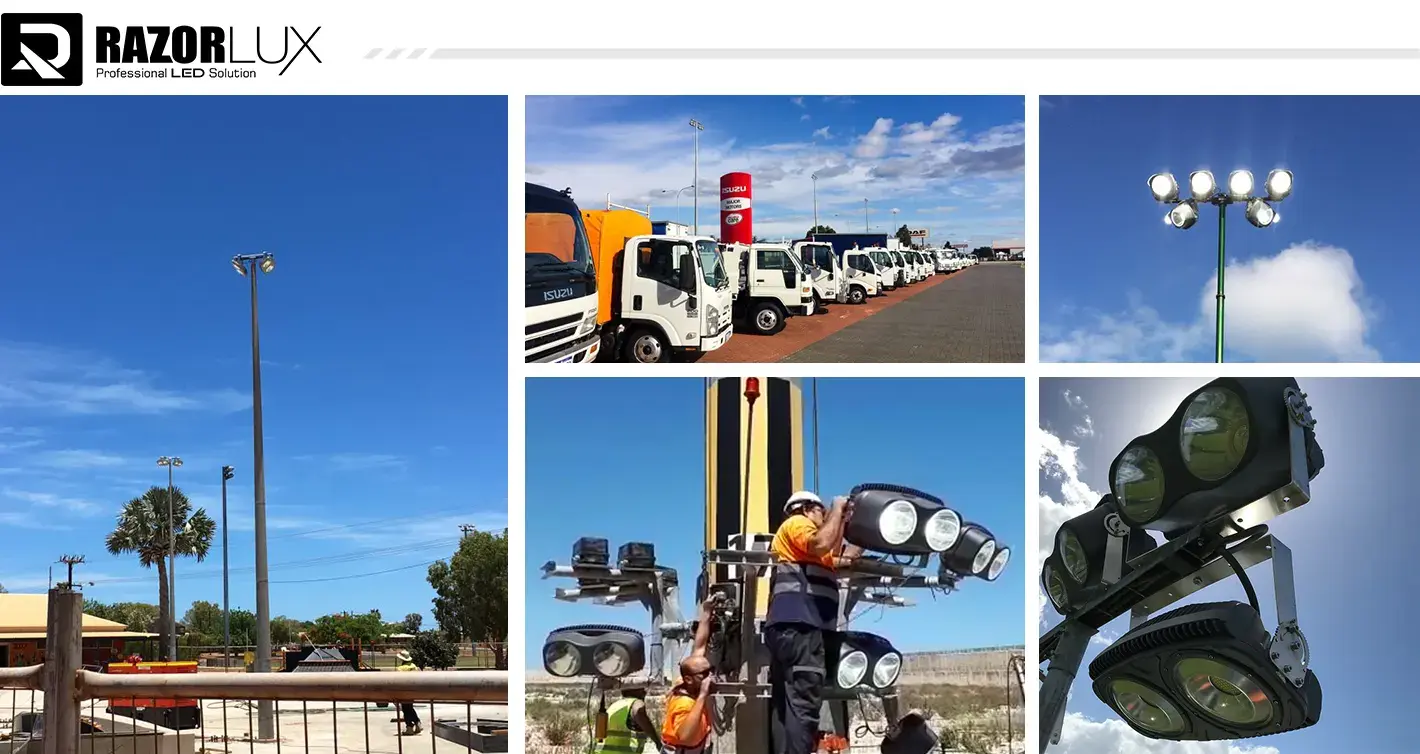
When working on a road, the lighting needs to be bright enough for people operating big machinery but not so bright that it blinds cars. Different beam directions (140°x60°) spread light down and to the sides over work areas, so it doesn't spill up and cause dangerous glare. With their many movable floodlights, moving light towers are easy to move quickly while they are being filled, leveled, or utilities are being put in along paths. Because compactors and jackhammers make vibrations, we need IK10 impact protection and safe mounting ways. To meet these demands, Razorlux flood lights are perfect. They can be used with generators and have tough housings that can stand up to being moved around a lot and being out in the weather.
Mining and Industrial Facilities
In mines and plants that are turning over, you need lights that are explosion-proof or vapor-tight and have been approved for dangerous areas. Drilling, blasting, or moving things around can quickly make dust cover up lenses, so they need to be protected by IP67 and cleaned often. Thermal management systems are under a lot of stress when they are close to boilers or plants where it is hot. Without motorized fans, which can break down, passive heatsinks in die-cast aluminum housings are a good way to get rid of heat. Razorlux's strong design philosophy, which has been tested in imagined harsh conditions, ensures that the goods will work reliably in these conditions. This means that they won't need as much maintenance, and workers will be safer.
Key Performance Specifications for Professional Procurement
Things that are technical must meet what the job needs in order to give the best performance and value.
| Specification | Value | Benefit |
|---|---|---|
| Rated Power | 1000W | Replaces metal halide lights that put out 2200 to 2500W |
| Input Voltage Range | AC 80–305V / DC 100–800V | Several power sources can be used. |
| Luminous Efficacy | 130 lm/W | It makes the engine work less hard and saves money on energy. |
| Beam Angle Options | 40°, 60°, 120°, 140°x60° | Light spread that can be changed |
| Color Rendering Index | Ra > 75 (up to Ra > 90) | Correct color sense to check the quality |
| IP Rating | IP65 / IP67 | Not letting water or dust in |
| IK Rating | IK10 | Strong enough to withstand heavy mechanical impact |
| Operating Temperature | -40°C to +60°C | Does its job in tough conditions |
| Lifespan | 50,000+ hours | Getting fewer parts is better. |
| Warranty | 5 years (LED/Driver), 10 years (Housing) | Promise of trustworthiness for a long time |
These rules are based on technical goals that have been made over many years of work in heavy-duty, maritime, and industrial areas. Our patented multi-function design works in all sorts of places, from cold ships to mine sites in the tropics, so you can be sure that it will work just as well wherever you are.
Conclusion
When picking out Construction Site Flood Lights, you need to think about a lot of things that are all linked. For example, how bright they are, how long they last in different conditions, how well they work with power, how well they follow the rules, and how reliable the provider is. LED technology has changed the lighting business by using less energy, turning on instantly, and lasting longer than older lighting systems, which means they cost much less to own overall. A high level of shock resistance (IK10), tight protection against water and dust (IP65/IP67), and a large voltage range all work together to keep things running in harsh and unpredictable environments. When you buy things strategically, based on confirmed certifications, clear technical paperwork, and full guarantee coverage, you can protect project budgets and plans and make workers safer at the same time. If these things are at the top of the list, procurement managers can quickly find lighting solutions that meet the needs of the project and will last for a long time.
FAQ
1. What lumen output is appropriate for construction tasks?
It takes 20 to 30 foot-candles (215 to 320 lux) to light up a spot in general. You need 50 to 100 foot-candles (540 to 1075 lux) for more detailed work, like finishing or getting the electricity set up. As long as the light is installed at the right height and angle, a 1000W LED flood light with 130,000 lumens can light up an area of 400 to 600 square meters.
2. Why choose LED flood lights over halogen alternatives?
LED lights use 130 lm/W, while gas lights only use 15 to 20 lm/W. In other words, LED systems use more than 80% less power. Halogen lights only last 2,000 hours, but LEDs last more than 50,000 hours. This means that LEDs save money on costs like redoing work and getting rid of trash. With instant-on and steady performance from -40°C to +60°C, these lights don't need to warm up or break down over time as halogen lights do.
3. How much weatherproofing is necessary for outdoor construction lighting?
The IP65 rating is good for most tasks since it shields against dust and water jets. If a site is likely to flood, sink, or be washed down by high-pressure water, it should list an IP67 rating. IK10 impact resistance is very important in places where things could move or get hit by accident. So, expensive damage to fixtures and electricity risks don't happen.
Partner With Razorlux for Superior Construction Lighting Solutions
Razorlux is a trustworthy business that sells Construction Site Flood Lights. After making LEDs for more than 20 years, they got UL, CE, DLC, and ISO 9001 certifications for how well they make things. The RGL-1000A flood light we have is a great example of how accurate tech can be. It only needs 1000W of power, which is the same as two 2500W metal halide lights, and it gives off 130 lm/W. It also comes with an IP67 rating for security, an IK10 rating for shock resistance, and a five-year warranty with helpful customer service. You can change the direction of the beam, and we have Meanwell power sources and fastening tools made of stainless steel that are made to work in tough industrial settings. Send an email to sam@razorlux.com to set up test units, get technical information, or talk about what your project needs.
References
1. Illuminating Engineering Society. (2020). ANSI/IES RP-6-20: Recommended Practice for Sports and Recreational Area Lighting. New York: IES Publications.
2. International Electrotechnical Commission. (2019). IEC 60529: Degrees of Protection Provided by Enclosures (IP Code). Geneva: IEC Central Office.
3. U.S. Department of Labor, Occupational Safety and Health Administration. (2021). OSHA 1926.56: Illumination Standards for Construction Sites. Washington, DC: OSHA Publications.
4. DesignLights Consortium. (2022). Technical Requirements for Solid-State Lighting Version 5.1. Lexington, MA: DLC.
5. National Electrical Manufacturers Association. (2018). NEMA 250: Enclosures for Electrical Equipment (1000 Volts Maximum). Rosslyn, VA: NEMA.
6. European Committee for Standardization. (2019). EN 12464-2: Lighting of Work Places – Part 2: Outdoor Work Places. Brussels: CEN Publications.