

_1750326878398.png)

How Extra-Large Outdoor Areas Can Benefit from LED High Mast Flood Lights?
Extra-large outdoor areas present unique lighting challenges including the need for extensive coverage, high intensity, and energy-efficient solutions to minimize operational costs. Led High Mast Flood Lights emerge as an optimal choice by combining superior illumination capabilities with sustainable technology. These advanced lighting systems deliver powerful, uniform brightness across vast spaces such as ports, shipyards, industrial complexes, and offshore platforms. With energy efficiency exceeding 130 lm/W, robust weatherproofing rated IP67, and operational lifespans surpassing 50,000 hours, modern LED high mast solutions address the critical demands of procurement managers seeking reliable, cost-effective lighting infrastructure for demanding marine and heavy-duty environments.
Understanding LED High Mast Flood Lights: Features and Benefits
LED high mast flood lights utilize advanced light-emitting diode technology designed to deliver powerful, uniform illumination across very large outdoor areas. Unlike traditional flood lighting, these systems offer higher luminosity with lower energy consumption and longer operational lifespans. The fundamental design incorporates high-power LED chips, precision optics for controlled light distribution, and rugged enclosures engineered to withstand harsh environmental conditions. We have observed through our two decades of manufacturing experience that the shift toward LED technology represents not merely an incremental improvement but a transformative change in how large-scale outdoor lighting projects are planned and executed.
Core Technical Specifications That Matter
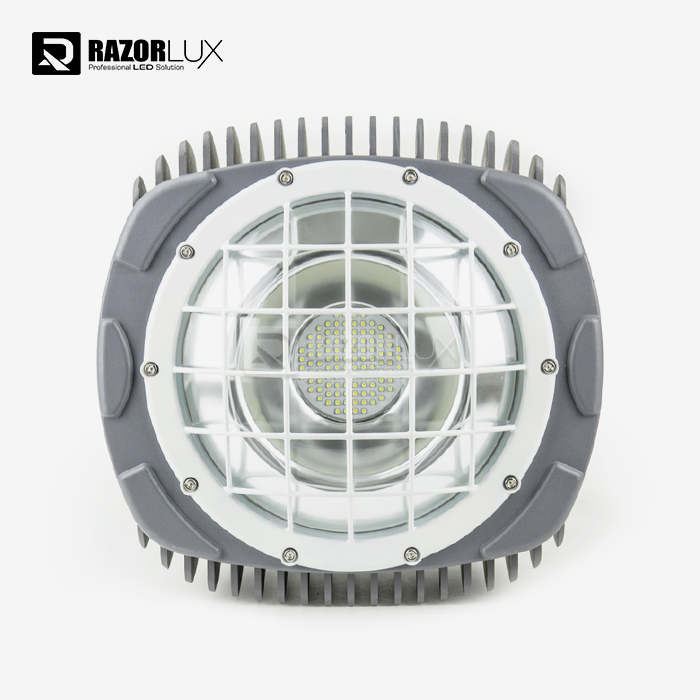
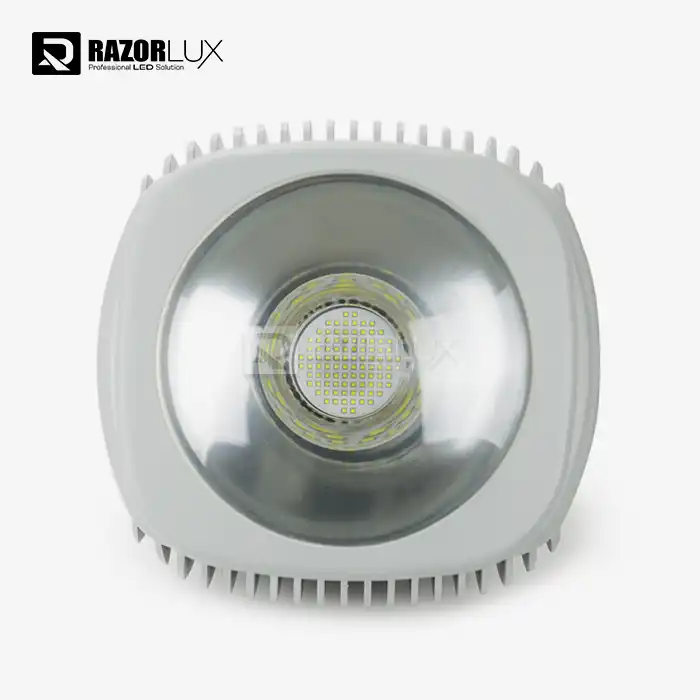
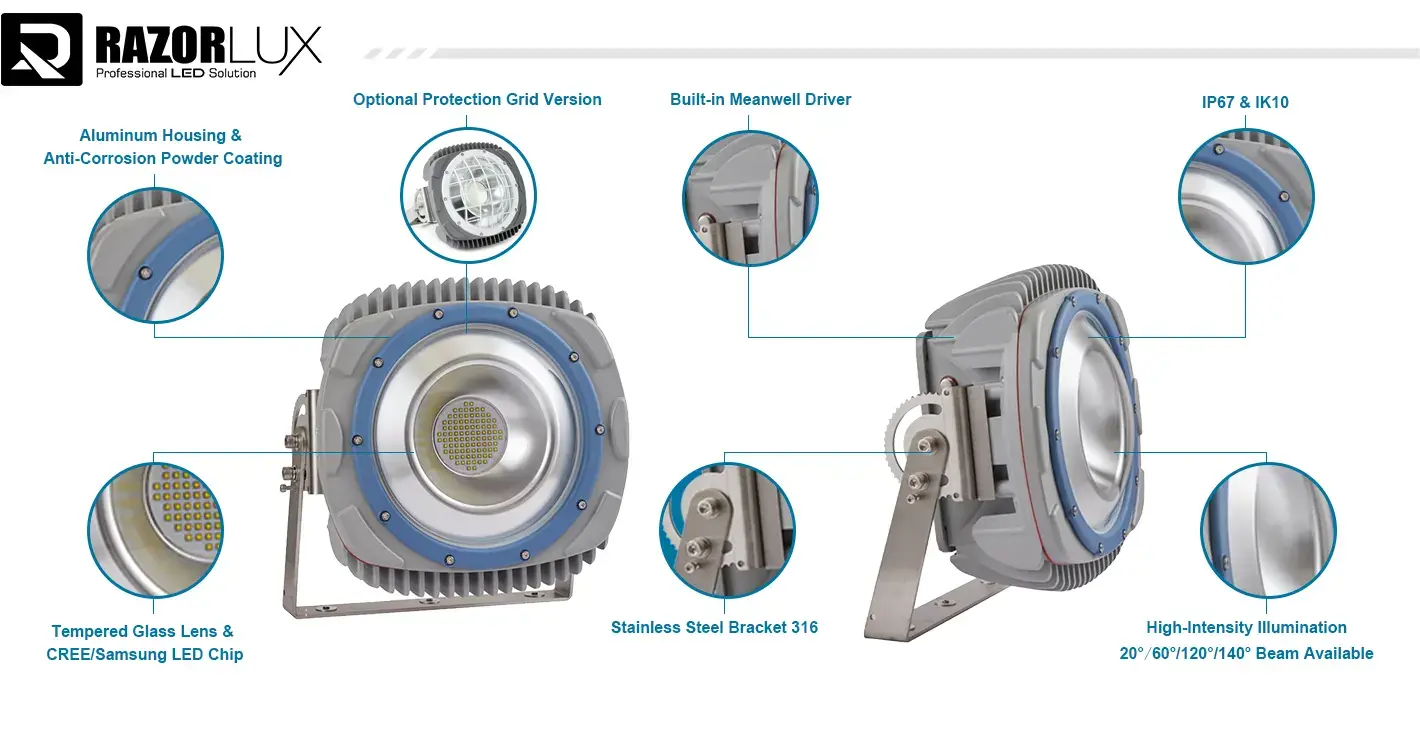
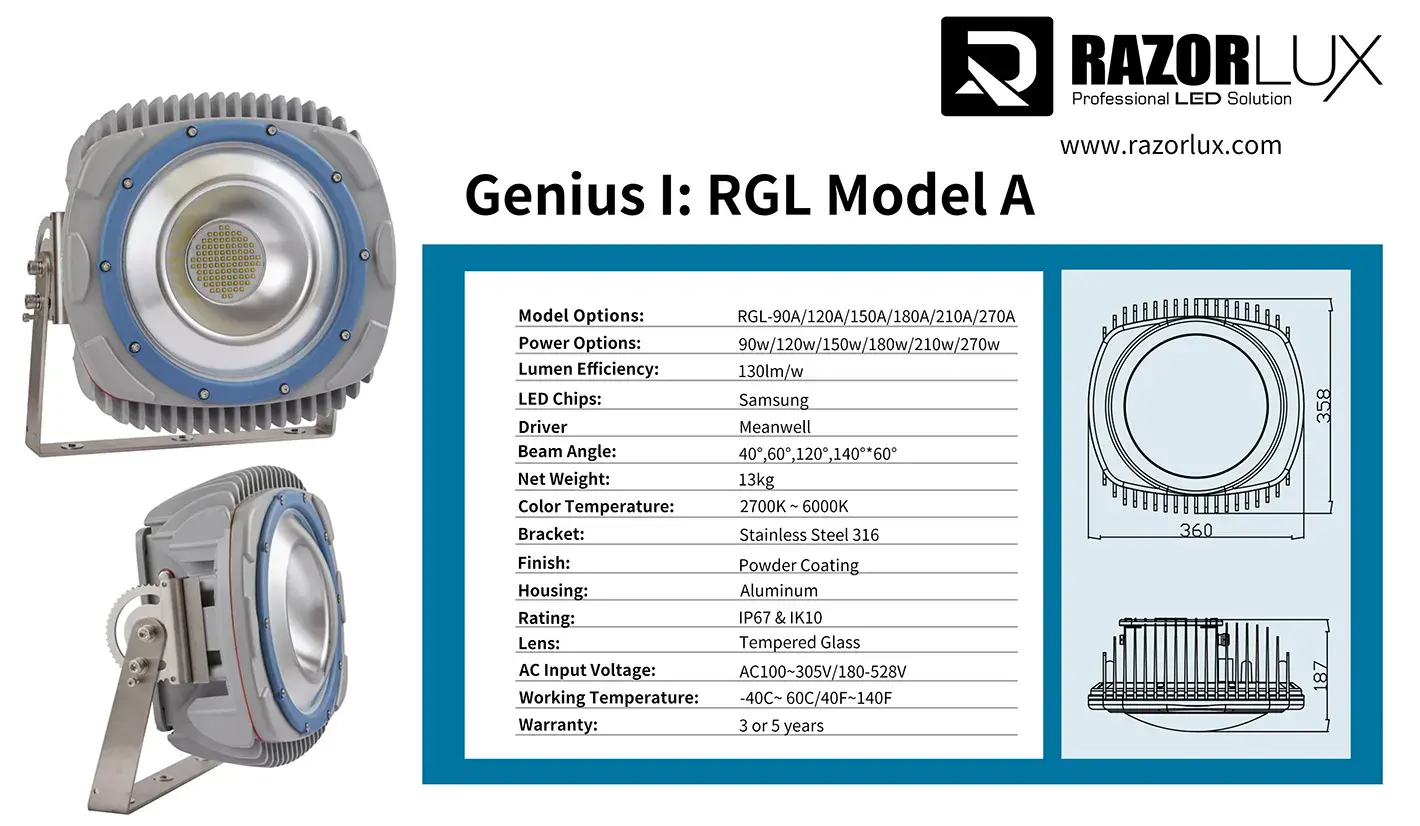
The execution characteristics of tall pole Driven floodlights specifically impact their reasonableness for requesting applications. Our RGL-120A show embodies the specialized capabilities required for marine and mechanical situations. With an evaluated control utilization of fair 120W, this installation successfully replaces conventional 250-300W covered-up lights, while conveying 14,400 lumens of steady brilliant flux. The light productivity comes to 130 lm/W, putting it among the most energy-efficient arrangements available for large-area light. The multi-functional plan obliges different bar points counting 60°, 120°, and 140°x60°, permitting engineers to customize light conveyance designs based on mounting height, shaft dispersing, and particular scope requirements.
Temperature adaptability stands as another basic detail. The RGL-120A works dependably over a working temperature extend from -40°C to 60°C, tending to the extraordinary climate conditions experienced in Northern Europe, the Middle East, and offshore platforms. This warm flexibility stems from progressed warm dissemination building combined with aluminum lodging and powder coating assurance. The wide input voltage range of AC 80-315Vac or DC 80-400Vdc kills the need for extra connectors, disentangling establishment coordinations and diminishing potential disappointment points in electrical systems.
Weather Resistance and Durability Features
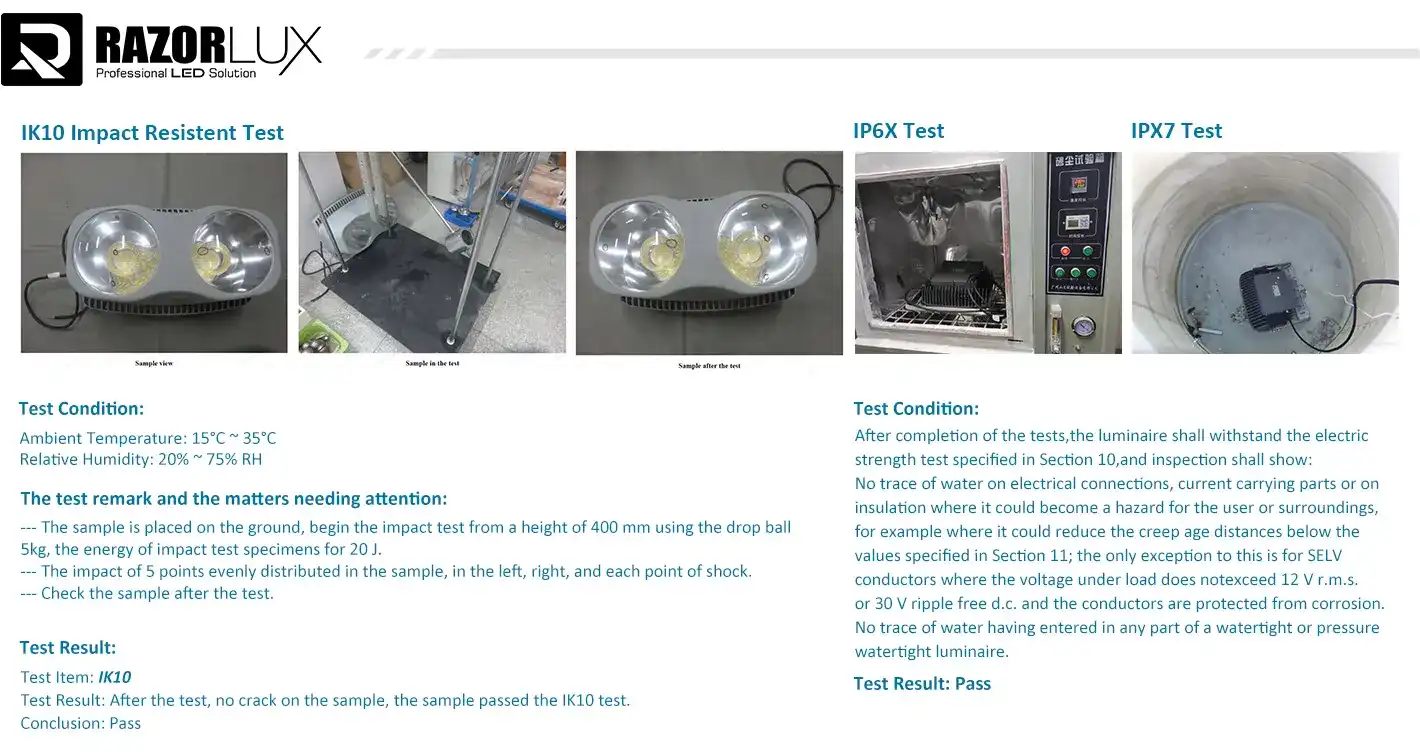
Harsh marine situations require extraordinary security levels. The IP67 entrance security rating guarantees total dust-tightness and security against brief water submersion, making these installations reasonable for shipyard decks, harbour terminals, and coastal establishments where salt shower and driving rain are steady challenges. The IK10 affect resistance rating gives the most noteworthy level of security against mechanical impacts, basic for mechanical zones where gear development and stacking operations posture collision dangers. We make our installations with stainless steel brackets and corrosion-resistant medications particularly to address the concerns obtainment directors often as possible raise around untimely installation disappointment in destructive atmospheres.
Durability amplifies past physical assurance to include electrical stability. The incorporation of Meanwell control supplies—recognized all-inclusive for unwavering quality and performance—addresses a common acquisition issue with respect to component quality. These drivers keep up a control calculate surpassing 0.98 and add up to consonant mutilation underneath 10%, contributing to clean electrical operation and amplified component life expectancy. The working mugginess resistance of 10% to 95% guarantees steady operation over differing geographic locales from dry Central Asian establishments to muggy Southeast Asian ports.
Long-Term Economic Advantages
The financial case for Driven tall pole lighting gets compelling when adding up to taken a toll of ownership, which is analyzed rather than the introductory buy cost alone. A working life surpassing 50,000 hours translates to roughly 11 years of nonstop operation at 12 hours per day, significantly lessening substitution recurrence compared to conventional lighting technologies. Upkeep taken a toll, demonstrating especially noteworthy for establishments requiring specialized hardware for high-elevation access, such as harbour gantries or seaward stages. Vitality utilization reserve funds gather relentlessly over the operational lifetime. Supplanting a 300W metal halide installation with our 120W Driven demonstrate diminishes control utilization by 60%, producing significant utility savings over installations comprising hundreds of fixtures.
| Performance Metric | RGL-120A LED Specification | Operational Impact |
|---|---|---|
| Luminous Efficacy | 130 lm/W | Maximum light output per watt consumed, reducing energy costs |
| Working Lifespan | ≥50,000 hours | Approximately 11 years at 12 hrs/day, minimizing replacement frequency |
| IP Rating | IP67 | Complete dust protection and temporary water immersion resistance |
| IK Rating | IK10 | Highest mechanical impact protection for industrial environments |
| Operating Temperature Range | -40°C to 60°C | Reliable operation across extreme climate conditions |
Comparative Analysis: LED High Mast Flood Lights vs Traditional Lighting Solutions
When comparing LED high mast flood lights with metal halide or halogen counterparts, the performance and economic differences become immediately apparent. Traditional high-intensity discharge lamps have served industrial and infrastructure applications for decades, yet they carry inherent limitations that LED technology effectively overcomes. The transition from conventional to LED illumination represents a strategic decision that procurement departments increasingly recognize as essential for operational efficiency and sustainability objectives.
Energy Consumption and Operational Cost Comparison
Energy proficiency stands as the most quantifiable advantage of Driven tall pole lighting. A normal 400W metal halide installation requires extra counterweight control utilization, bringing add up to framework wattage to roughly 450W. Our 120W Driven tall pole floodlight conveys comparable or prevalent light while expending 73% less energy. Over a medium-sized harbour office working 200 tall pole installations for 4,000 hours every year, this proficiency translates to 264,000 kWh in yearly energy savings. At mechanical power rates averaging $0.12 per kWh, the yearly taken a toll diminishment surpasses $31,000 for a single office. These reserve funds compound over the multi-decade operational life of framework projects.
Beyond coordinate vitality costs, Driven frameworks diminish request charges that utilities exact on top control utilization. The lower wattage of Driven establishments diminishes the facility's by and large electrical request profile, possibly bringing down month to month request charges that can speak to a noteworthy parcel of mechanical power costs. We have worked with seaward stage directors who particularly cited request charge diminishment as a key figure in their move to Driven tall pole lighting, as electrical era capacity on stages carries premium costs.
Maintenance Interval and Lifecycle Cost Analysis
Maintenance costs for tall pole lighting amplify past light substitution to include labor costs, hardware rental for lifted get to, and operational disturbance amid benefit exercises. Metal halide lights regularly require substitution every 10,000 to 15,000 hours, requiring different benefit mediations amid the multi-decade life expectancy of the mounting foundation. Driven installations with 50,000-hour life expectancies diminish substitution recurrence by around 70%, drastically bringing down aggregate support costs. For establishments requiring crane gear, scissor lifts, or oceanic vessel situating for get to, each benefit mediation carries high costs that increase over hundreds of fixtures.
We give a comprehensive five-year guarantee covering both Driven modules and drivers, with a ten-year guarantee on lodging components. This guarantee structure reflects our certainty in item's life span and gives acquisition offices with monetary hazard moderation. The guarantee terms address a common torment point we listen from shipyard acquiring supervisors and seaward office engineers who have experienced untimely disappointments with insufficiently built lighting items. The guarantee scope encourages budget arranging by setting up unsurprising upkeep costs amid the beginning operational period.
Performance Characteristics and Light Quality
Light quality encompasses multiple dimensions beyond simple brightness measurements. Color rendering index above Ra75 ensures adequate color differentiation for safety-critical applications such as container handling, equipment maintenance, and navigation tasks. Higher CRI options up to Ra90 are available upon request for specialized applications requiring superior color accuracy. The instant-on capability of LED technology eliminates the warm-up period required by HID lamps, providing immediate full brightness when illumination is needed. This characteristic proves particularly valuable for security lighting applications and emergency response scenarios.
Beam angle flexibility allows precision matching of light distribution to specific site geometries. Narrow 60° beam angles concentrate light for tall mounting heights and long throw distances, while 120° and 140°x60° options provide broader coverage for lower installations or overlapping coverage patterns. This optical control reduces light spillage beyond intended areas, addressing environmental concerns about light pollution and improving compliance with dark sky regulations that increasingly affect coastal and marine installations.
Optimizing the Use of LED High Mast Flood Lights in Extra-Large Outdoor Areas
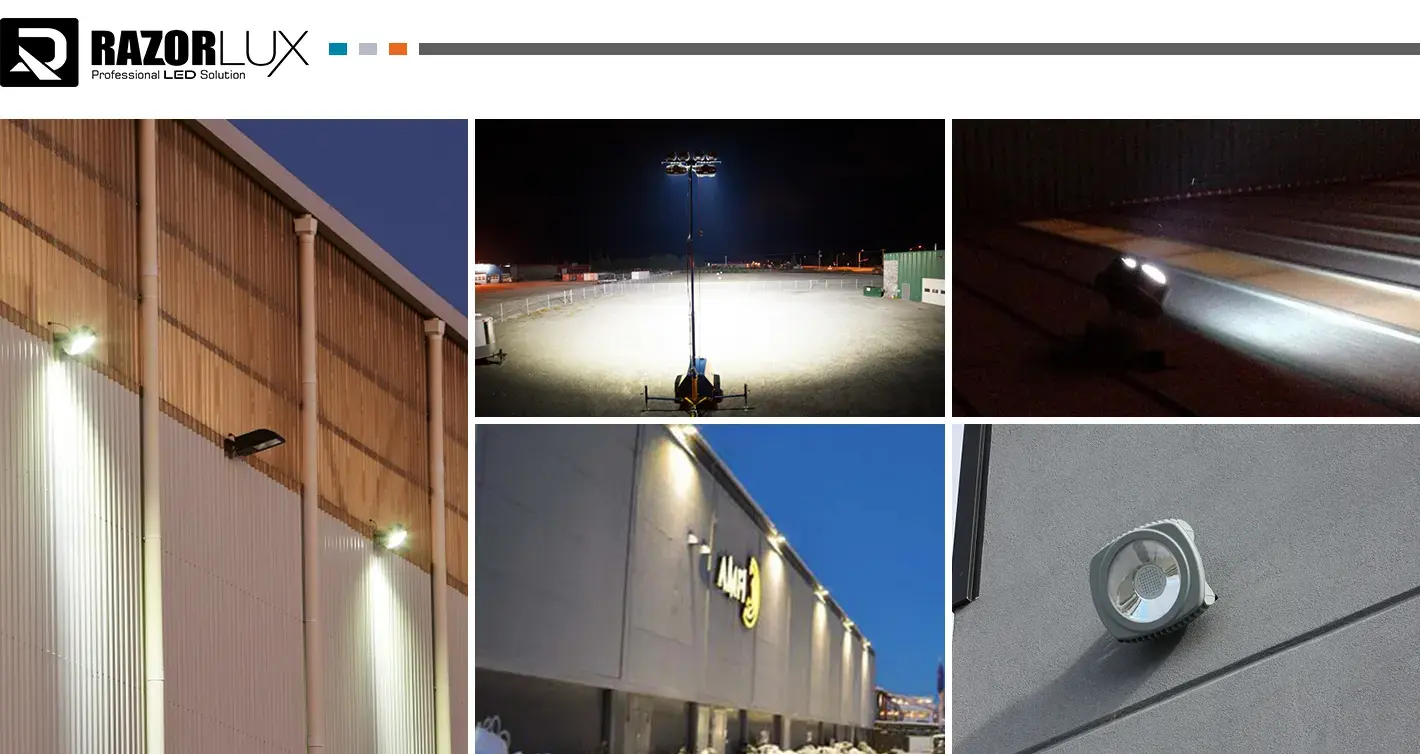
Selecting the right LED high mast flood lighting solution for extra-large outdoor areas involves evaluating site-specific criteria such as area size, lighting purpose, and compliance with local environmental regulations. The optimization process begins with comprehensive site assessment and continues through installation, commissioning, and ongoing operational management. We have supported numerous large-scale projects across maritime, industrial, and infrastructure sectors, and this experience informs the practical guidance we offer to engineering teams and procurement professionals.
Site Assessment and Lighting Design Considerations
Effective lighting design begins with quantifying illumination requirements for the specific application. Port container handling areas typically require 20-50 lux average maintained illuminance with uniformity ratios ensuring adequate visibility between stacked containers. Offshore helipad perimeters demand higher illumination levels and specific beam control to avoid pilot visibility interference. Shipyard assembly areas need sufficient light levels for precision work, often 100-200 lux, with consideration for vertical surface illumination on ship hulls. These varying requirements necessitate customized approaches to fixture selection, mounting height determination, and spacing calculations.
Mounting height directly influences fixture wattage and beam angle selection. Installations at 25-30 meters elevation require narrow beam angles and higher lumen output to achieve adequate ground-level illumination without excessive fixture quantities. Lower mounting heights of 15-20 meters permit wider beam distributions and potentially lower wattage fixtures. We provide photometric analysis services to engineering teams, utilizing industry-standard lighting design software to model proposed installations and verify compliance with project specifications before equipment procurement. This design validation service addresses the common concern about achieving specified performance levels and helps avoid costly post-installation modifications.
Installation Best Practices and Technical Considerations
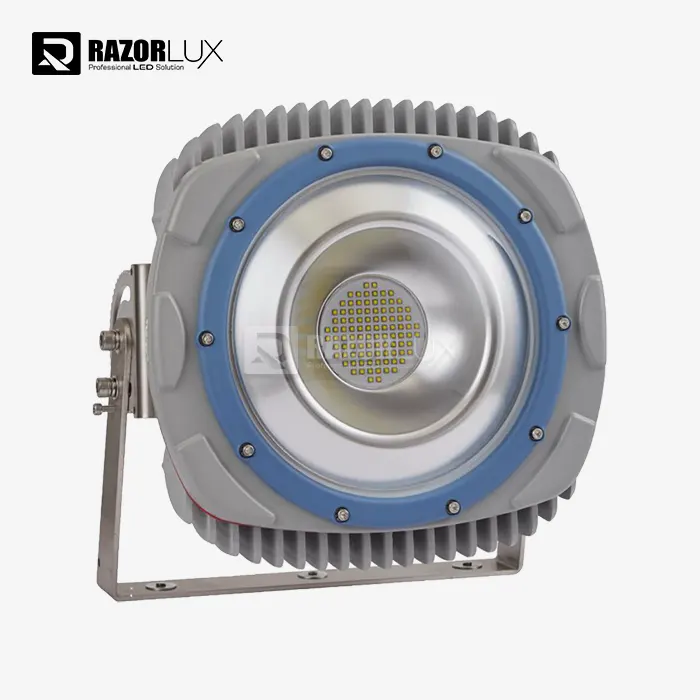
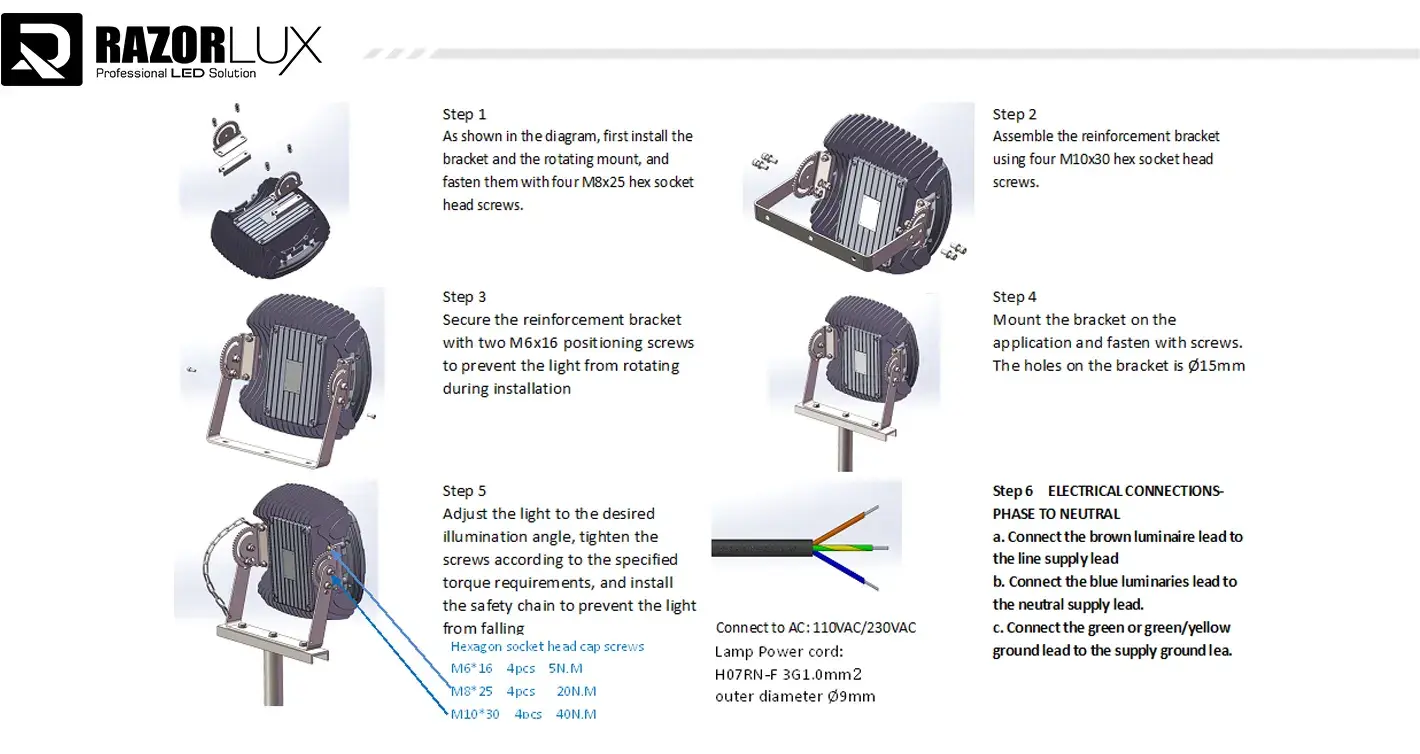
Professional installation proves critical to achieving optimal performance and longevity from high Mast Led Lighting systems. The stainless steel bracket mounting system on our fixtures provides robust mechanical attachment while resisting corrosion in marine environments. Proper electrical connections must accommodate the wide input voltage range while ensuring adequate overcurrent protection and grounding in accordance with marine or industrial electrical codes. We provide detailed installation documentation including dimensional drawings, wiring diagrams, and mounting specifications to support professional installation teams.
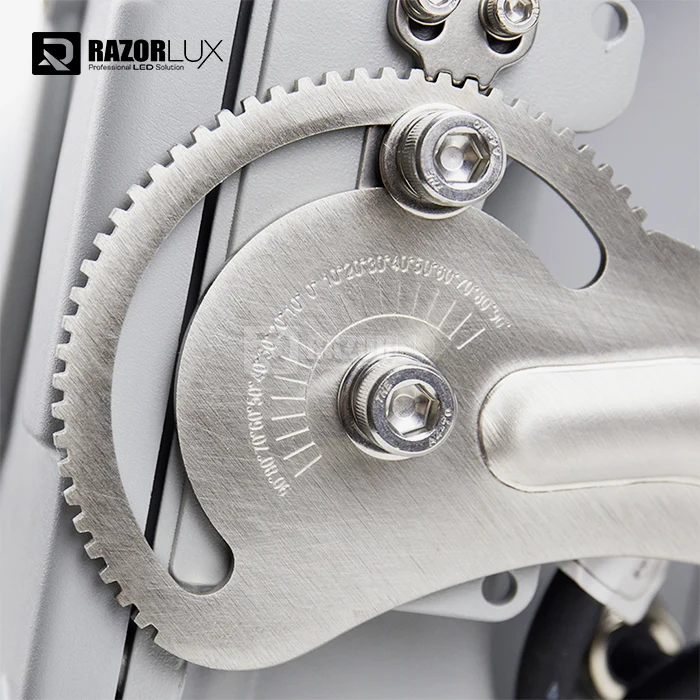
Aiming and focusing procedures significantly impact coverage uniformity and lighting efficiency. Each fixture should be precisely aimed according to the lighting design calculations, with beam orientation verified using illuminance measurements or visual inspection against design targets. The adjustable mounting brackets facilitate fine-tuning of fixture orientation during commissioning. For complex installations involving dozens of fixtures, we recommend systematic commissioning procedures that verify each fixture's output, aim, and electrical parameters before final acceptance. This thorough approach prevents common issues such as dark spots, excessive glare, or energy waste from misaimed fixtures.
Maintenance Strategies and Performance Monitoring
Although LED high mast fixtures require significantly less maintenance than traditional technologies, establishing systematic inspection and cleaning schedules maximizes performance retention throughout the operational lifespan. Coastal and industrial environments generate airborne contaminants that accumulate on optical surfaces, gradually reducing light output. Periodic cleaning using appropriate methods for the fixture materials maintains optimal luminous efficiency. We recommend annual inspection schedules for most installations, with increased frequency for particularly harsh environments such as steel mills or cement plants where airborne particulates are prevalent.
Performance monitoring can range from simple visual inspection to sophisticated systems tracking individual fixture energy consumption and light output. Advanced installations may incorporate photocell sensors or smart controls that adjust output based on ambient conditions or operational schedules. These control systems enhance energy efficiency beyond the inherent LED advantages, particularly for applications with variable lighting needs. Dimming capabilities integrated into quality LED drivers enable output adjustment from 100% down to 10%, providing operational flexibility and additional energy savings opportunities. We offer technical consultation on control system integration for projects where intelligent lighting management aligns with broader facility automation objectives.
| Application Environment | Recommended Beam Angle | Typical Mounting Height | Key Consideration |
|---|---|---|---|
| Port Container Terminals | 60° - 90° | 25-35 meters | Uniform coverage between container stacks, salt spray resistance |
| Shipyard Assembly Areas | 90° - 120° | 15-25 meters | Vertical illumination on hull surfaces, corrosion protection |
| Offshore Platform Decks | 60° - 120° | 20-30 meters | Wind/vibration resistance, hazardous area certifications |
| Industrial Storage Yards | 120° - 140°x60° | 18-25 meters | Wide coverage, minimal light pollution |
| Highway Toll Plazas | 90° - 140°x60° | 15-20 meters | Uniform illumination across traffic lanes, glare control |
Razorlux: Your Trusted Partner for High-Performance LED High Mast Lighting Solutions
Xi'an Razorlux Optoelectronic Technology Co., Ltd. stands as a globally recognized LED high mast flood lights manufacturer with over two decades of specialized experience serving marine, industrial, and heavy-duty applications. Since our founding in 1998, we have dedicated our engineering capabilities and manufacturing resources to developing lighting solutions that meet the exacting demands of the world's most challenging environments. Our product portfolio addresses the specific requirements of shipyards, offshore platforms, ports, and industrial facilities across Northern Europe, Southeast Asia, the Middle East, and Oceania.
Engineering Excellence and Quality Manufacturing
Our technical capabilities rest on a foundation of over 200 patents covering LED Packaging, power control systems, and structural design innovations. This intellectual property portfolio reflects our commitment to continuous advancement of lighting technology rather than reliance on commodity products. We maintain complete control over our manufacturing processes, from component selection through final testing, ensuring consistent quality that meets international certification standards including CE, RoHS, SAA, C-Tick, UL, DLC, CB, and ISO 9001. Our marine-specific certifications from DNV/GL and ABS directly address the requirements procurement managers cite when evaluating suppliers for shipboard and offshore applications.
Component selection exemplifies our quality-focused approach. We specify Samsung LED chips for their proven reliability and luminous efficiency, addressing procurement concerns about the longevity of light output over extended operational periods. Meanwell power supplies provide stable, efficient power conversion with the reliability record that industrial applications demand. These premium components contribute to our ability to offer comprehensive five-year warranties on LED modules and drivers, providing the risk mitigation that purchasing departments require when specifying equipment for multi-decade infrastructure investments.
Customization Capabilities and Project Support
We recognize that standardized products cannot address all application requirements across diverse industries and operating environments. Our engineering team provides customization services spanning wattage optimization, color temperature selection, beam pattern modification, and mounting configuration adaptation. Housing materials, protective coatings, and sealing specifications can be tailored to specific environmental challenges such as extreme temperatures, chemical exposure, or vibration profiles. This flexibility supports procurement managers and engineering contractors working on specialized projects where off-the-shelf solutions prove inadequate.
Our pre-sales consultation process begins with understanding your specific application requirements, operating conditions, and performance objectives. We provide technical documentation including detailed specifications, photometric data, and CAD drawings to support your engineering evaluation and project planning activities. Sample units are available for testing and validation, allowing your technical teams to verify performance characteristics before committing to volume procurement. This thorough evaluation approach addresses the common procurement concern about product suitability and helps build the confidence necessary for long-term supplier relationships.
Global Service Network and After-Sales Support
Our commitment extends beyond equipment delivery to encompass comprehensive after-sales support throughout the operational life of our products. Technical support teams provide installation guidance, troubleshooting assistance, and performance optimization recommendations. We maintain adequate inventory levels to support timely delivery schedules that align with project timelines, addressing the pain point of installation delays that can cascade through complex industrial projects. Our logistics capabilities span air, sea, and rail freight options, with experience navigating the documentation and compliance requirements of international shipments to diverse global markets.
Warranty administration receives the same attention to detail and responsiveness that characterizes our sales process. Claims are processed efficiently with technical evaluation to identify root causes and implement corrective actions that prevent recurrence. This systematic approach to quality management reflects our ISO 9001 certification and our recognition that customer satisfaction depends on reliable long-term product performance rather than merely completing initial transactions. We view each project as the foundation for ongoing partnership rather than isolated sales events.
Conclusion
LED high mast flood lights represent the optimal solution for illuminating extra-large outdoor areas across marine, industrial, and infrastructure applications. The combination of superior energy efficiency, extended operational lifespan, exceptional durability, and reduced maintenance requirements delivers compelling total cost of ownership advantages compared to traditional lighting technologies. Technical capabilities including 130 lm/W luminous efficacy, IP67/IK10 environmental protection, and operational reliability across extreme temperature ranges address the demanding performance requirements of global industrial environments. As a specialized manufacturer with over two decades of experience and comprehensive international certifications, Razorlux provides the technical expertise, product quality, and customer support that procurement professionals require when specifying lighting infrastructure for critical applications. The strategic decision to transition to LED High Mast Lighting delivers immediate operational benefits and long-term economic value for organizations managing large-scale outdoor illumination requirements.
Frequently Asked Questions
1. What is the actual lifespan of LED high mast flood lights compared to traditional options?
LED high mast fixtures typically achieve operational lifespans exceeding 50,000 hours, which translates to approximately 11 years of continuous operation at 12 hours daily use. This represents a 3-5 times improvement over metal halide or high-pressure sodium lamps that typically require replacement every 10,000-15,000 hours. The extended lifespan reduces replacement frequency, lowers maintenance costs, and minimizes operational disruption, particularly valuable for installations requiring specialized access equipment or service interruptions.
2. How do LED high mast lights reduce energy costs for large-scale outdoor lighting?
LED technology delivers the same or superior illumination levels while consuming 60-70% less energy than traditional HID lighting. Our 120W LED high mast fixture effectively replaces 250-300W metal halide lamps, reducing power consumption by approximately 180W per fixture. Across installations with dozens or hundreds of fixtures operating thousands of hours annually, this efficiency generates substantial utility cost savings. Additional savings result from reduced demand charges due to lower peak electrical consumption, particularly significant for facilities with on-site generation or peak demand pricing structures.
3. Can LED high mast flood lights be customized for specific environments like shipyards or offshore platforms?
Comprehensive customization options address diverse environmental and operational requirements. We modify color temperature specifications, beam angle distributions, mounting configurations, and protective treatments to match specific application needs. Specialized coatings enhance corrosion resistance for marine environments, while vibration-resistant designs accommodate offshore platform installations. Our engineering team works directly with project specifiers to optimize fixture configurations for site-specific conditions, ensuring performance compliance and long-term reliability in challenging operating environments.
4. What certifications should I look for when procuring LED high mast lighting for marine applications?
Marine and offshore applications require specific certifications demonstrating compliance with stringent safety and performance standards. Essential certifications include CE marking for European markets, UL or DLC listing for North American installations, and marine classification society approvals from DNV/GL or ABS for shipboard and offshore platform use. IP67 ingress protection certification verifies resistance to dust and water immersion, while IK10 impact resistance confirms mechanical durability. RoHS compliance ensures environmental responsibility, and ISO 9001 certification indicates systematic quality management throughout manufacturing processes.
5. How do I calculate the appropriate mounting height and fixture spacing for my project?
Mounting height and spacing calculations depend on required illumination levels, area dimensions, fixture characteristics, and uniformity requirements. Generally, mounting heights between 15-35 meters are common for high mast applications, with pole spacing typically 3-5 times the mounting height. Narrow beam angles suit taller installations with longer throw distances, while wider distributions accommodate lower mounting heights. We provide photometric analysis services utilizing industry-standard lighting design software to model your specific installation, verifying compliance with illumination specifications before equipment procurement and preventing costly post-installation modifications.
6. What maintenance is required for LED high mast flood lights in industrial environments?
LED high mast fixtures require significantly less maintenance than traditional technologies, though systematic inspection and cleaning schedules maximize performance retention. Annual inspections typically suffice for most installations, with more frequent service for environments with heavy airborne contaminants. Maintenance activities include cleaning optical surfaces to remove accumulated dust or debris, inspecting electrical connections for integrity, and verifying mounting hardware remains secure. The long LED lifespan eliminates frequent lamp replacement cycles, and quality LED drivers rarely require service. Establishing simple maintenance protocols ensures optimal light output throughout the multi-decade operational lifespan while minimizing labor and access equipment costs.
Partner with Razorlux for Your Next LED High Mast Lighting Project
Razorlux invites procurement managers, engineering contractors, and facility planners to experience the difference that specialized expertise and superior product quality deliver for demanding large-scale lighting applications. Our team of lighting engineers stands ready to evaluate your specific project requirements and recommend optimized LED high mast flood lights solutions that meet your performance, budget, and timeline objectives. We understand the procurement process challenges you face and have structured our services to provide the technical documentation, responsive communication, and reliable delivery that complex industrial projects demand. Whether you are upgrading aging lighting infrastructure at a port facility, equipping a new shipyard construction, or specifying illumination for an offshore platform, our proven track record serving global marine and industrial clients provides the foundation for successful project outcomes. Contact our team today at sam@razorlux.com to request detailed technical specifications, project-specific photometric analysis, or sample units for evaluation. As a trusted LED high mast flood lights supplier with comprehensive international certifications and over two decades of manufacturing excellence, we are positioned to support your lighting infrastructure investments with products and services that deliver measurable value throughout their operational lifespan.
References
1. Illuminating Engineering Society. (2020). IES Lighting Handbook: Reference and Application. New York: Illuminating Engineering Society of North America.
2. U.S. Department of Energy. (2021). LED Lighting for High-Bay and Industrial Applications: Energy Savings and Performance Considerations. Washington, DC: Office of Energy Efficiency and Renewable Energy.
3. International Maritime Organization. (2019). Standards for Ship Lighting and External Illumination Systems. London: IMO Publications.
4. Chen, Y., & Liu, S. (2022). Comparative Life Cycle Cost Analysis of LED versus Traditional High-Intensity Discharge Lighting in Port Infrastructure. Journal of Infrastructure Systems, 28(3), 145-158.
5. Det Norske Veritas. (2021). Classification Guidelines for Electrical Installations and LED Lighting Systems on Offshore Platforms. Oslo: DNV GL Maritime.
6. American Society of Civil Engineers. (2020). Design Standards for Large-Scale Outdoor Illumination in Industrial and Transportation Facilities. Reston, VA: ASCE Press.