


_1750326878398.png)

How to Choose Low Mast Light for Parks?
To choose the best lighting system for a park, you need to carefully consider the technical specs, how long it will last in the park's surroundings, and how much it will cost to run in the long run. Low Mast Light fixtures, which are usually placed 3 to 6 meters above ground, provide pedestrian-level vision while reducing glare and light pollution. When purchasing these lights for parks, purchasing managers should look for LED technology with a luminous efficacy of more than 130 lm/W, make sure the lamps have an ingress protection grade of IP65 or higher so they can be used outside, and make sure they meet international standards like CE, RoHS, and UL. Energy efficiency, ease of upkeep, and compatibility with current facilities are all very important factors that have a direct effect on the project's success and total cost of ownership.
Understanding Low Mast Lights and Their Role in Parks
What Defines a Low Mast Light Fixture
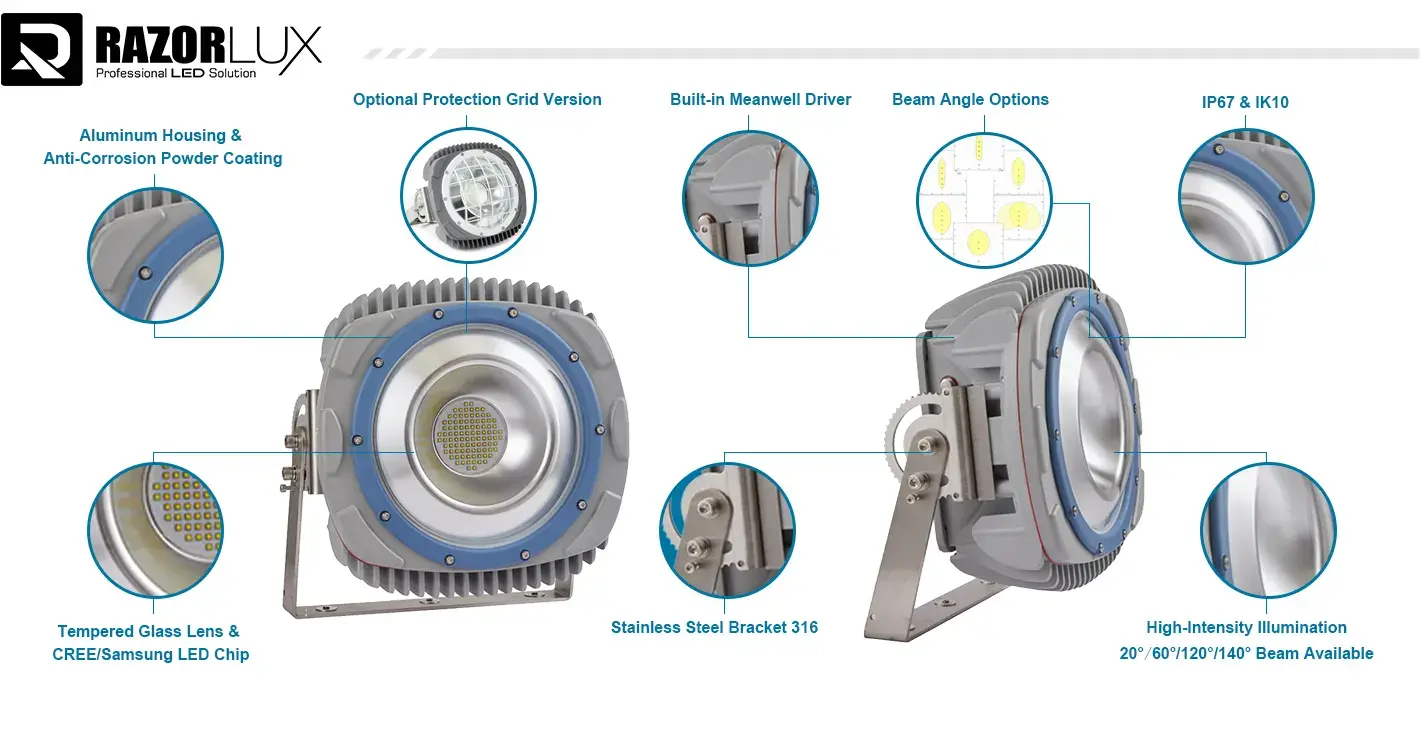
These special lights are made to be mounted at heights of 3 to 6 meters, which puts the light source closer to the ground than with high mast systems. This way of thinking about design puts horizontal lighting along walkways, seating areas, and play areas at the top of the list. The fixtures have precise optics, usually polycarbonate or tempered glass lenses, that control the spread of the beam and keep upward light spill to a minimum, meeting the needs of dark sky regulations.
Functional Advantages in Park Environments
Parks have special lighting needs that are very different from those in roads or factories. Visitors need to be able to see well enough to get around and feel safe, but too much light can damage wildlife habitats and make glare annoying. These problems can be solved by modern lights that have dimming and changeable beam angles. You can change the way light is distributed so that paths can still be seen and dark areas can be kept for ecosystems that live at night.
Environmental and Community Benefits
LED technology that uses less energy lowers the costs of running a city and helps with environmental protection efforts. When you replace 250–300W HID lamps with a standard 120W LED fixture, you save more than 50% on energy costs while getting better lighting. Products with longer lifespans (more than 50,000 hours) need less maintenance and produce less waste. These qualities are in line with green building standards and the environmental ratings that are becoming more and more important for public infrastructure projects.
Key Criteria for Choosing Low Mast Lights for Parks
Illumination Quality and Performance Metrics
For park lighting to work right, it's important to keep uniformity ratios that keep dark spots from appearing and reach certain lux levels in specific areas. Colour Rendering Index (CRI) numbers above 75 make sure that guests see colours correctly, which improves both safety and appearance. We suggest fixtures with colour temperatures that can be changed between 2700K and 6500K. This way, cities and towns can change the mood of the lighting based on the park's purpose and what the people want. Luminous effectiveness has a direct effect on both environmental performance and running costs. Fixtures that give off 130 lm/W or more are the best ones for LED technology right now because they give off the most light per watt. This level of economy lets park managers meet lighting standards while using as little energy as possible, which is very important because outdoor public areas usually stay open for a long time.
Durability and Weather Resistance
Park features have to be able to handle a lot of different weather stresses over the course of their useful life. Ingress Protection (IP) grades show how resistant something is to dust and water getting in. For example, IP65 protects against water jets coming from any direction. IP67-rated enclosures offer extra protection against temporary immersion for installations near water features or along the coast. Impact resistance, which is measured by IK ratings, keeps things safe from damage and unintentional touch. IK10-rated housings can handle 20 joules of impact energy, which is the same as dropping a 5-kilogram mass from 400 mm. In wet or salty environments, stainless steel brackets and powder-coated aluminium housings don't rust, so the fixtures last longer and look good longer.
Energy Efficiency and Total Cost of Ownership
The following table shows how LED technology works in comparison to older lighting systems:
| Type of Technology | Sized Power | Shining Effectiveness | Lifespan as expected | Maintenance How Often |
|---|---|---|---|---|
| LED (These days) | 120W | 130+ lumens/W | 50,000 hours or more | 5 to 7 years |
| Metal Halide | 250W | 75–90 lm/W | 10,000 hours | 1 to 2 years |
| Sodium under high pressure | 250W | 90–110 lm/W | 24,000 hours | Two to three years |
Beyond initial purchase costs, procurement teams must evaluate energy consumption, maintenance labour, replacement component expenses, and disposal costs. Low Mast Light LED lights usually pay for themselves in two to four years because they save money on energy bills and don't need to be re-lit. The wide input voltage range of 80–315Vac handles changes in the power grid that happen in different parts of the world, keeping parts from breaking down too soon.
Compliance and Certification Requirements
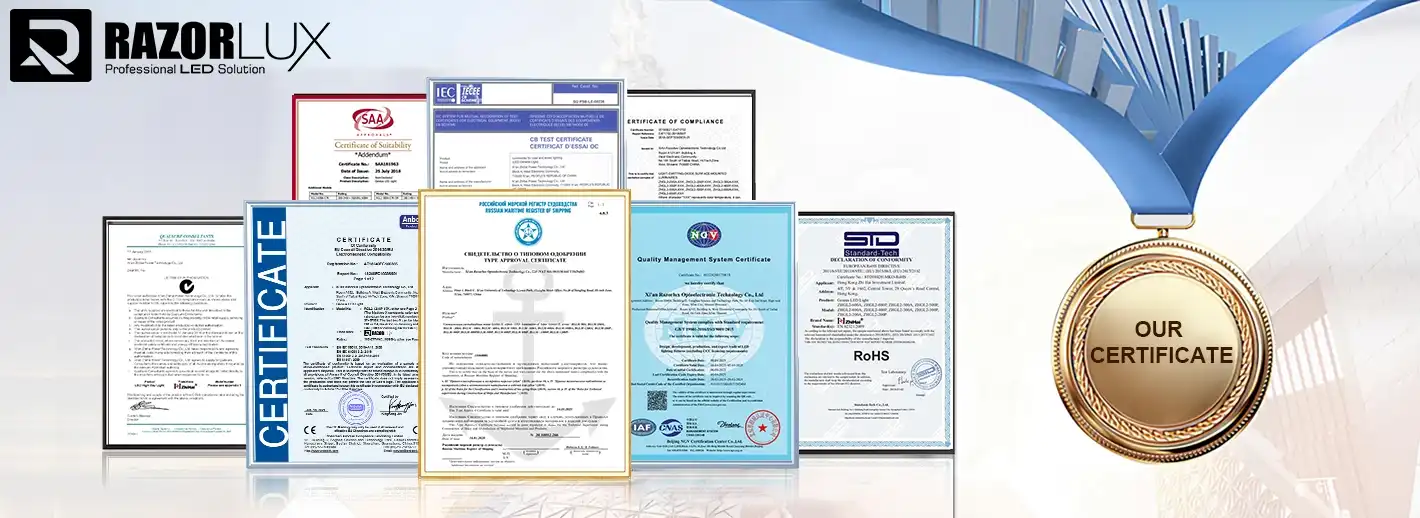
International certifications prove that a product is safe, works with electromagnetic fields, and doesn't harm the environment. The CE mark shows that the product meets European standards for health, safety, and the environment. RoHS approval makes sure that dangerous chemicals like lead, mercury, and cadmium are limited. Listings with UL and DLC show that a product meets North American safety and performance standards. Standards for buying things should clearly say that manufacturers must provide photometric test results (IES files), thermal management data, and surge protection standards. Power sources made by Mean Well are known for being reliable. They offer power factor correction above 0.98 and total harmonic distortion below 10%, which means they can work with sensitive electrical systems.
Comparing Common Low Mast Light Types and Technologies for Parks
LED versus Traditional Technologies
The biggest change in outdoor lighting in the last 20 years has been the switch from high-intensity discharge (HID) to solid-state lighting. LED lights don't need to warm up or turn back on, so they can work at full brightness right away, which is important for security purposes. Directional light emission, which is built into LEDs, cuts down on wasted light by focusing light where it's needed instead of spreading it out in all directions. Different technologies' colour quality affects how people see things and how comfortable they are. High-pressure sodium lamps give off a yellow-orange light with a CRI value below 25, which changes how colours are seen and makes the room feel uncomfortable. LED lights with CRI scores above 75 show colours more accurately, which makes it easier to recognise people and makes landscaping features look better.
Beam Angle Options and Light Distribution
Fixture choice needs to take mounting height, pole spacing, and target lighting patterns into account. Three main beam designs are used for different tasks:60-Degree Narrow Beam: This type of light distribution is focused and can be used to add accents or draw attention to certain features, like monuments, signs, or architectural elements. The focused pattern makes dramatic visual effects while keeping light from spreading to nearby areas to a minimum.120-Degree Medium Beam: Even spread of light that's good for lighting paths and a large area. When poles are placed at standard intervals, this configuration allows enough overlap between neighbouring fixtures to make sure that there is even lighting without any bright spots or shadows.140x60-Degree Asymmetric Pattern: Specialised lenses made for lighting the edges of parks or where roads meet them. The long pattern sends light along paths while limiting its reach into sensitive areas like living areas or nature environments.
Evaluating Supplier Credentials and Support
Buying with confidence depends on the track record of the manufacturer, their technical support, and their promises of service after the sale. Companies that have been in business for twenty years or more have shown that they are stable and have a lot of experience with heat management, optical design, and quality control. Partnerships with research institutions and large patent portfolios are signs that the company is continuing to invest in new ideas.Reliability in the supply chain is very important for big city projects that need to organise delivery dates. Manufacturers who keep a lot of inventory on hand and offer a variety of shipping options keep project delays to a minimum. Technical teams can check that performance claims are true before placing large orders when samples are available for testing before installation.
Installation and Maintenance Best Practices for Park Low Mast Lights
Site Preparation and Mounting Considerations
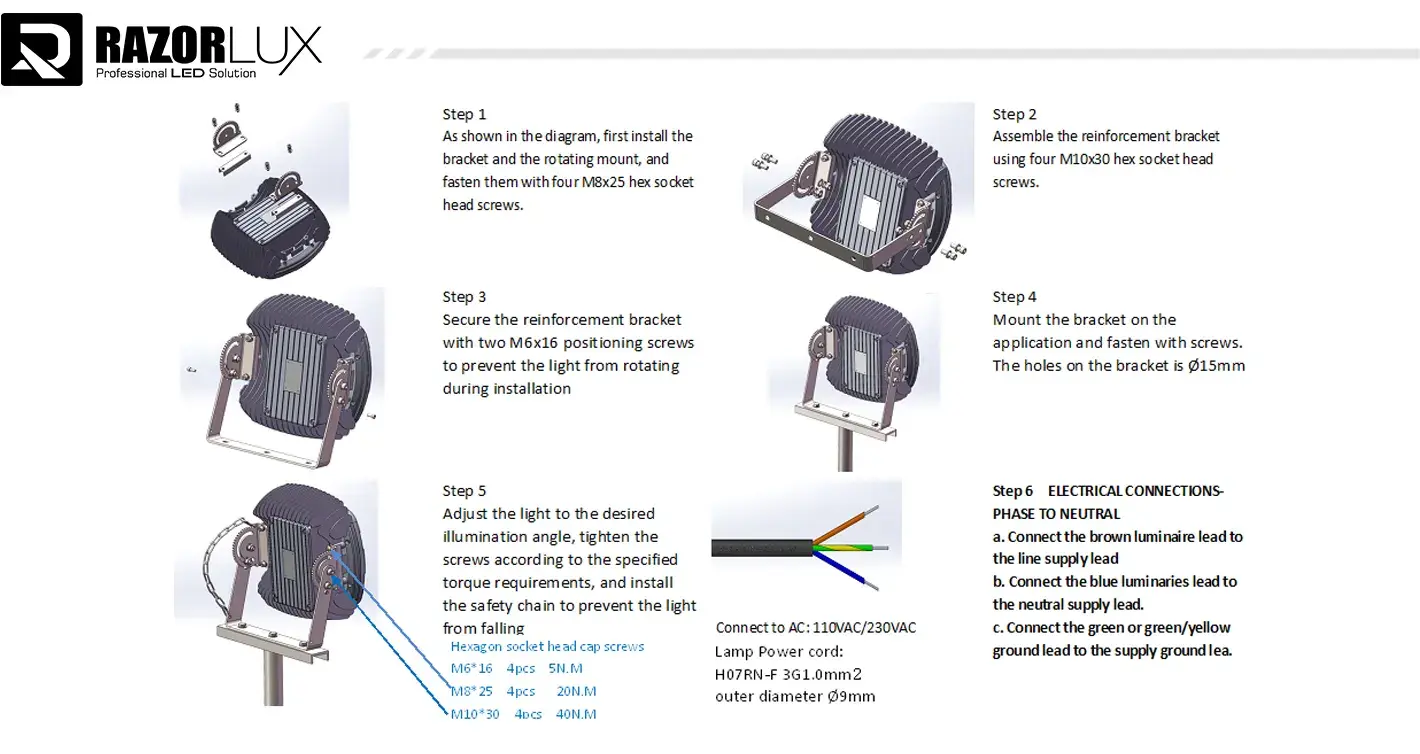
An accurate site assessment and infrastructure planning are the first steps to a successful installation. Before putting up a pole, the soil conditions, locations of underground utilities, and electricity service ability must all be checked. When designing the foundation, it's important to think about the area wind loads and earthquake needs. This will make sure that the structure stays strong for the whole time the fixture is in use. The mounting hardware needs to be able to hold things securely while also allowing for heat expansion and sound damping. Brackets made of stainless steel don't rust and keep their clamping force over time, so fixtures don't move during high winds. Grounding links that are done right protect against lightning hits and electrical faults, which keeps people and equipment safe.
Electrical System Integration
Modern LED lights can work with a wide range of voltages, which makes them easier to connect to existing power systems. The input tolerance of 80–315Vac handles voltage changes that happen in long distribution networks without the need for voltage control tools. Lightning or switching processes can cause short-term overvoltages that can be protected against by built-in surge protection. Local electrical codes and manufacturer instructions must be followed when wiring. When figuring out the right cable size, voltage drop calculations should be taken into account to make sure that lights far from distribution panels get enough power. Waterproof connectors and strain release features keep wetness out and protect terminations from mechanical stress.
Routine Maintenance Scheduling
Even though LED lights last longer, they still need to be checked and cleaned every so often. Lumen devaluation is the process by which dirt, pollen, and bug droppings on optical surfaces slowly lower their light output. Cleaning every six months with mild detergent solutions improves optical performance and keeps the right amount of light. Inspection methods should check the state of the housing, the tightness of the mounting hardware, and the integrity of the electrical connections. If you notice corrosion, gasket degradation, or lens discolouration early on, you can replace the part before it breaks. Keeping records of maintenance tasks sets baselines for performance and helps with warranty claims if problems arise.
Cost Analysis and Procurement Tips for Low Mast Lights
Understanding Total Cost of Ownership
The price of the initial purchase is only one part of lifecycle economics. The main cost of running park lighting systems is usually the energy they use. Low Mast Light. The following comparison shows how it will affect your finances in the long run:.
| Type of Cost | LED-120W | Metal Halide (250W) | Basis for Calculation |
|---|---|---|---|
| Cost of Energy Each Year | $105 | $219 | 12 hours a day, $0.12/kWh |
| Work in maintenance (10 years) | $150 | $800 | LED: 1 service, MH: 5 times to relamp |
| Components for Replacement | $0 | $400 | Light bulbs and ballasts |
| Total Cost Over 10 Years | $1,300 | $3,490 | Including the $250 cost of the first fixture |
According to these predictions, using LEDs could save a lot of money, even if the lights cost more at first. When you buy in bulk from a supplier you already work with, you can usually get 15–25% off the price of a single unit. This shortens the time it takes to get your money back.
Customization and OEM Opportunities
Manufacturers that offer customisation services let cities and towns set specific needs for specific projects. Custom powder coating colours match the look of current structures or the rules for the city's brand. Different mounting brackets can be used for poles that aren't standard or for retrofitting where the old supports need to be used again. Distributors and lighting companies who want to offer branded products to their customers can benefit from OEM agreements. Private labelling makes a product stand out while using the design, testing, and certification skills of the manufacturer. Most of the time, promises to buy in bulk lead to better prices and earlier timing for production.
International Sourcing Considerations
Global buying can help you save money, but it also makes transportation, quality control, and following the rules more difficult. Manufacturers with offices in both Asia and North America have a lot of benefits, such as lower production costs, better expert support, and shorter lead times for pressing needs.Certification portfolios that cover more than one jurisdiction make following specifications easier. Products with CE, RoHS, SAA, UL, and DLC marks don't need to be tested twice, which saves money and speeds up the project approval process. Shipping partners that have been around for a while and experience moving goods between countries lower the risks and costs of insurance.
Conclusion
When choosing the right lighting systems for parks, you need to carefully look at their performance specs, how long they will last in the environment, and how much they will cost over their entire life. Compared to older HID systems, LED technology has completely changed outdoor lighting by using less energy, lasting longer, and being easier to adjust optically. Low Mast Light Fixtures with a luminous effectiveness above 130 lm/W, strong ingress protection scores, and full foreign certifications should be at the top of the list for procurement teams. By systematically evaluating suppliers, analysing the total cost of ownership, and making smart sourcing decisions, successful projects find a balance between technical needs and budget limits. This guide gives choice frameworks that city and facility managers can use to choose lighting systems that make parks safer, lower costs, and support goals for environmental sustainability.
FAQ
What is the typical lifespan of LED park lighting fixtures?
When properly specified and installed, modern LED luminaires made for outdoor use usually have operational lifetimes of more than 50,000 hours. At 12 hours of operation every day, this means that it will take about 11 years before it reaches the L70 threshold, at which point the light output drops to 70% of its original level. The actual lifespan varies on how the thermal management is set up, how good the driver is, and the situations in which it is used.
How do I determine appropriate brightness levels for different park zones?
The amount of light needed depends on the purpose of the park and the rules in your area. Pedestrian paths need about 5 to 10 lux on average, with a 4:1 uniformity ratio. Activity areas like playgrounds may need 20 to 50 lux. In parking lots, 10 to 20 lux is usually required. By looking at local lighting standards or hiring a lighting designer, you can make sure you're following the rules and making visitors feel safe and comfortable.
Can park lighting integrate with smart control systems?
Modern LED fixtures can work with more and more DALI, Zigbee, and DMX control protocols. This lets you set automatic dimming schedules, connect motion sensors, and monitor them from afar. These features cut down on energy use during times when there isn't much traffic while keeping safety-critical lighting levels. If smart functionality is needed for future network integration, the procurement specifications should make it clear that the control system must be compatible.
Razorlux Low Mast Light Solutions: Your Trusted Supplier
Our product line has everything that municipal purchasing teams looking for reliable park lighting fixtures need. Our 120W LED luminaires use unique multi-function designs and tried-and-true component choices to give off 14,400 lumens of stable light that can be used in a variety of park settings. The fixtures use Mean Well drivers, which are known for being reliable in the industry, along with heat control systems that keep the fixtures working well at temperatures ranging from -40°C to 60°C. We know that decisions about what to buy involve more than just technical specs. They also have to do with how reliable the supply chain is and how to help customers after the sale. We have been supplying fixtures to city projects in North America, Europe, and the Asia-Pacific region since 1998. This has given us experience with a wide range of legal settings and installation conditions. DFEMA failure mode analysis is used in our quality control tools to make sure that every unit meets strict performance standards before it is shipped. Sample units are available for technical evaluation, which means that your engineering teams can check the photometric accuracy and environmental suitability of the products before committing to large-scale orders for projects. We offer full documentation packages that include IES photometric files, dimensional drawings, and certified copies to help you with the process of developing specifications and getting approvals. Email our technical team at sam@razorlux.com to talk about your particular park lighting needs and get full product specs from a top Low Mast Light manufacturer.
References
1. Illuminating Engineering Society (2020). IES RP-33-14: Lighting for Exterior Environments. New York: IES Publications.
2. U.S. Department of Energy (2019). LED Luminaire Lifetime: Recommendations for Testing and Reporting, Third Edition. Washington, DC: DOE Solid-State Lighting Program.
3. International Dark-Sky Association (2021). Outdoor Lighting Basics: A Guide for Municipal Decision Makers. Tucson: IDA Technical Publications.
4. American Society for Testing and Materials (2018). ASTM E1731-18: Standard Practice for Reporting Measurements of Lighting Performance. West Conshohocken: ASTM International.
5. European Committee for Standardization (2019). EN 13201: Road Lighting – Part 2: Performance Requirements. Brussels: CEN Publications.
6. National Association of City Transportation Officials (2021). Urban Street Design Guide: Street Lighting Recommendations. Washington, DC: Island Press.
 VIEW MOREled loading lights
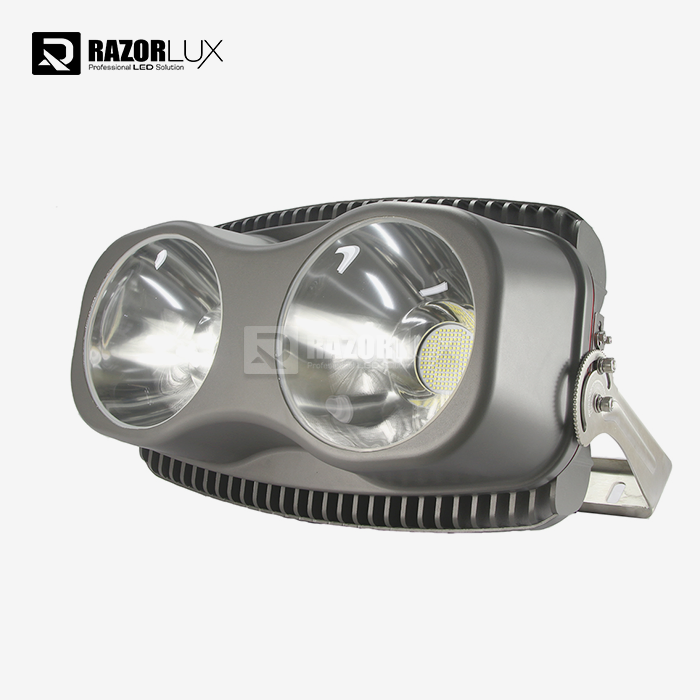 VIEW MOREoutdoor rink flood lights
 VIEW MOREoutdoor stadium flood lights
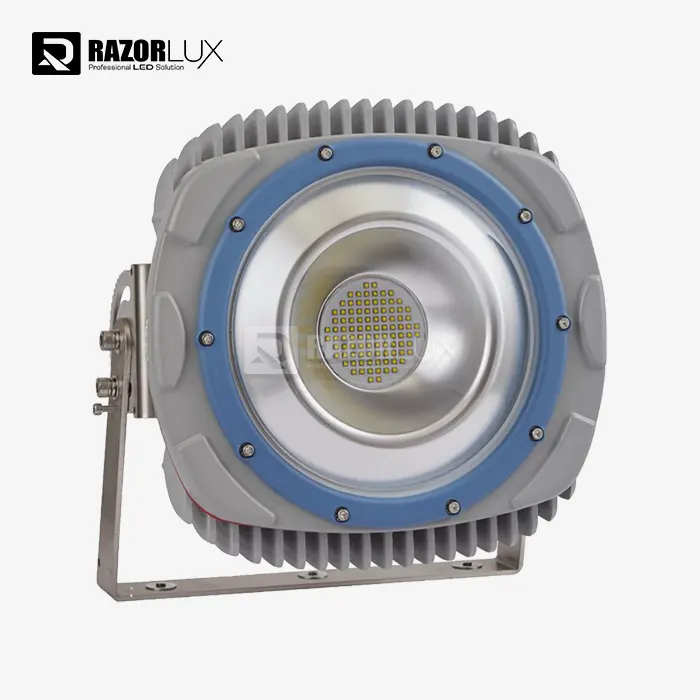 VIEW MOREled volleyball lights
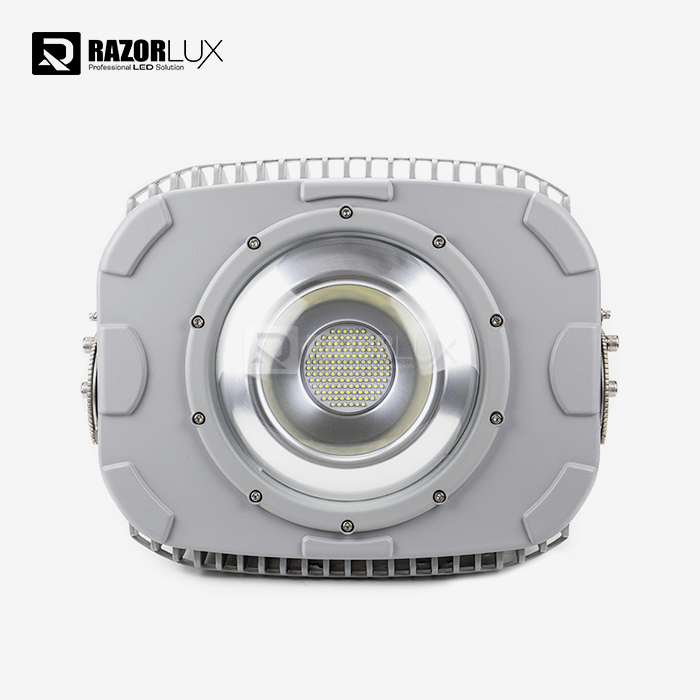 VIEW MORE120V Led Outdoor Flood Light
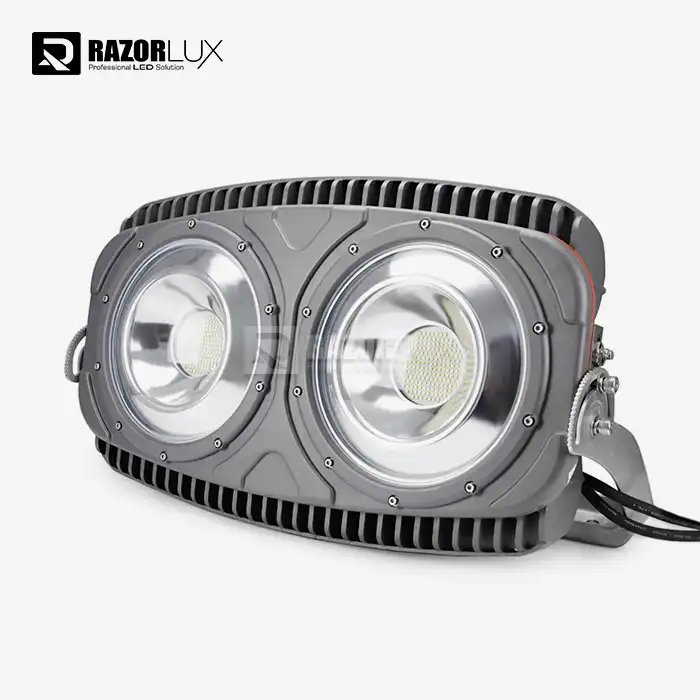 VIEW MOREBest Marine Spotlights For Boats
 VIEW MORE180w Dimmable Led Flood Light 60 Beam Degree Super Bright Led Light 120lm/W
 VIEW MOREMulti Colored Flood Lights Outdoor