

_1750326878398.png)

LED Sports Lighting | Outdoor Lighting
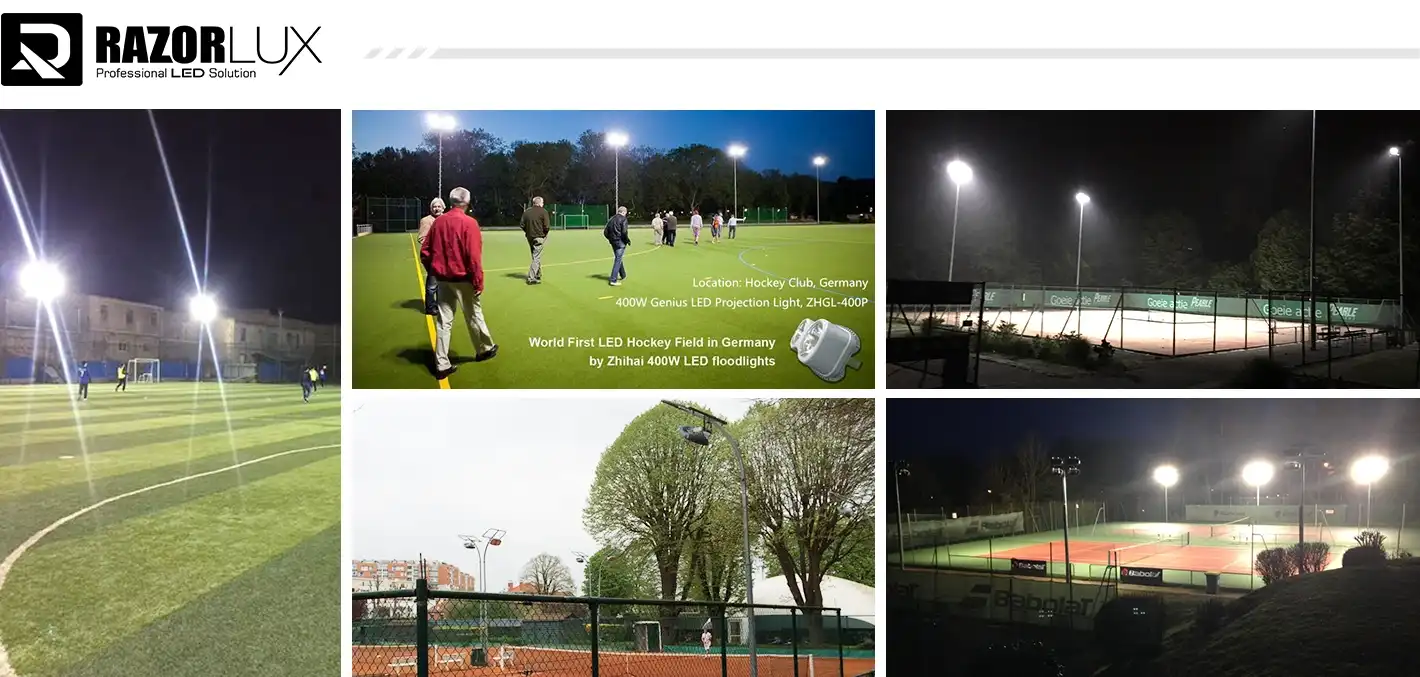
Picture this: A crucial baseball game under the night sky, but the field is dim, uneven, and players struggle to track the ball. Poor lighting doesn't just ruin the game—it creates safety hazards and disappoints fans. Modern LED Outdoor Sports Lighting transforms this scenario entirely, delivering brilliant, uniform illumination that elevates athletic performance while slashing energy costs by up to 75% compared to traditional metal halide systems.
Understanding LED Outdoor Sports Lighting Technology
The Evolution of Sports Field Illumination Systems
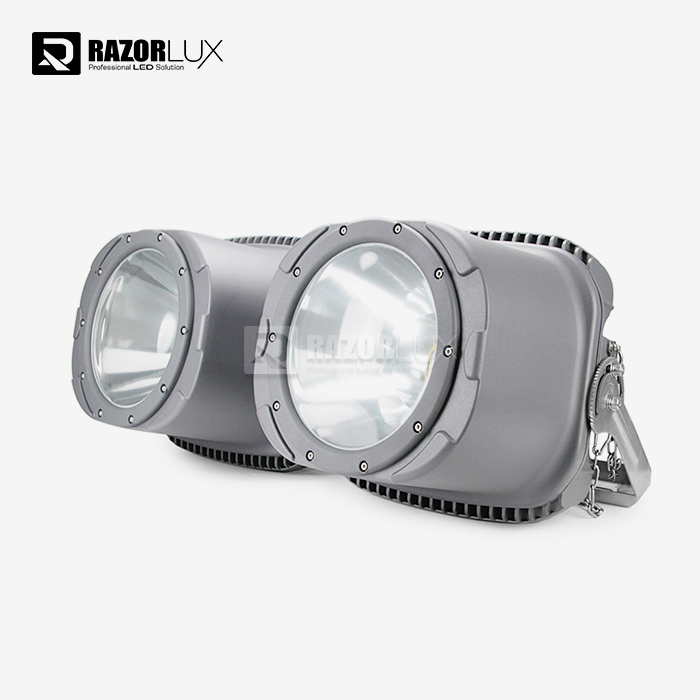
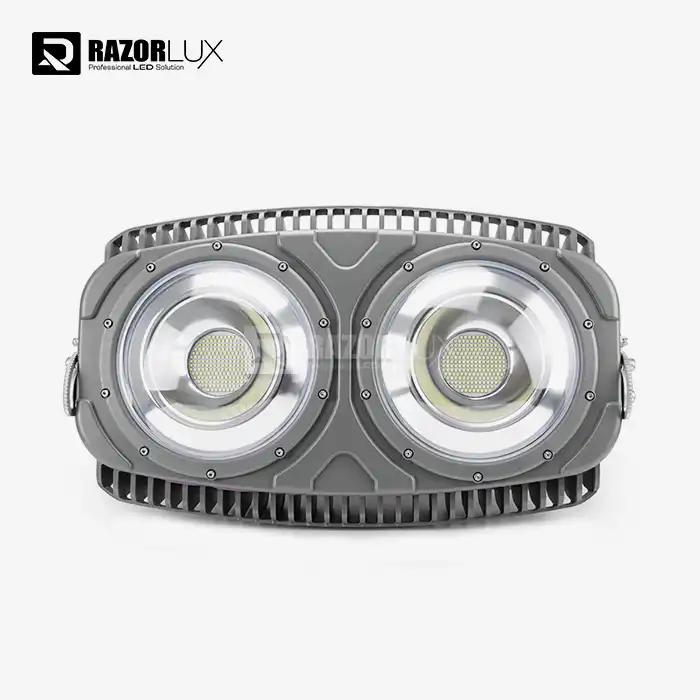
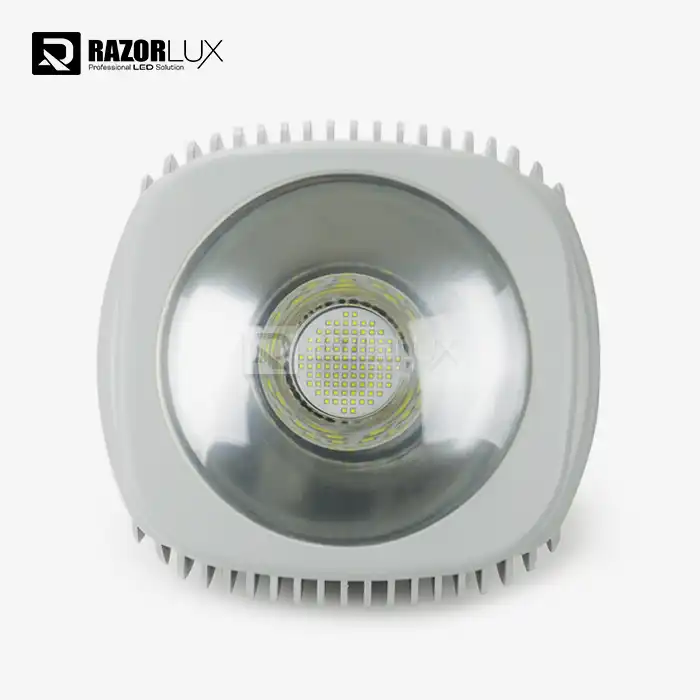
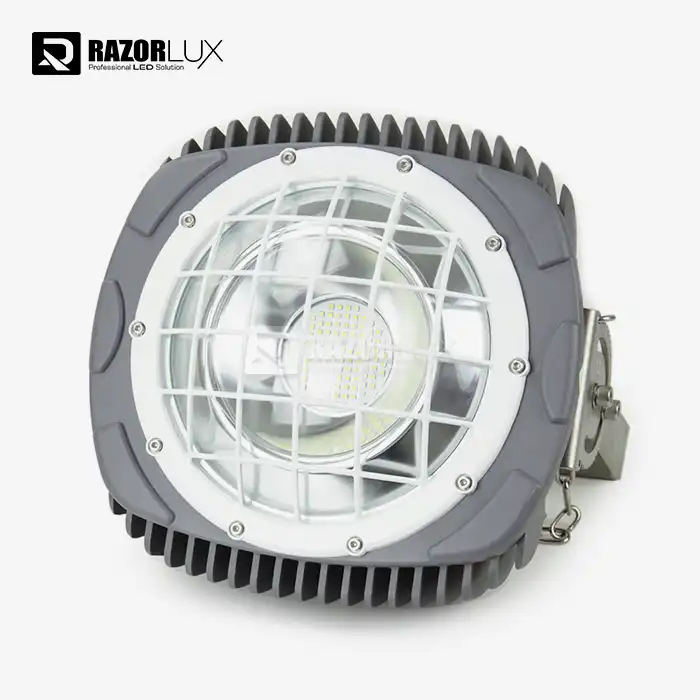
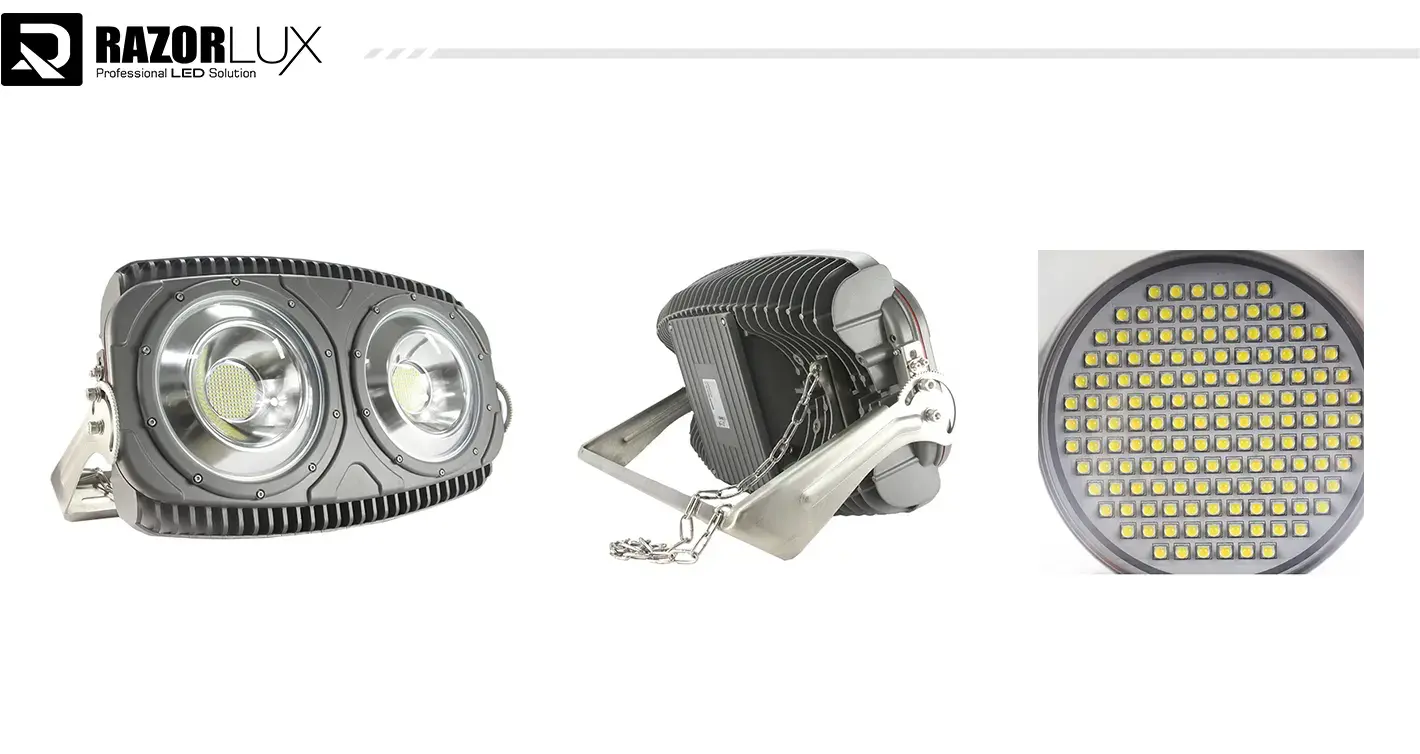
The transition from conventional high-intensity discharge lamps to LED Outdoor Sports Lighting represents a revolutionary shift in athletic facility management. Traditional metal halide systems consumed massive amounts of electricity, required frequent bulb replacements every 6,000 to 15,000 hours, and needed 15-20 minutes to reach full brightness after switching on. Modern LED technology eliminates these inefficiencies completely. The EMC 6500K Led Outdoor Sports Lighting Ip67 1200w Led Baseball Field Lights exemplify this advancement, offering instant-on capability, 50,000-hour operational lifespans, and luminous efficiency reaching 130 lumens per watt. These fixtures replace 2,500 to 3,000-watt HID lamps while consuming only 1,200 watts total, with LEDs drawing 1,080 watts and drivers using 120 watts. The aluminum alloy construction with powder coating ensures durability, while Meanwell power supplies guarantee reliable performance across temperature ranges from -40°C to 60°C.
Critical Performance Specifications for Athletic Venues
Professional sports lighting demands precise technical specifications that directly impact game quality and broadcast capabilities. LED Outdoor Sports Lighting systems must deliver consistent color temperatures between 2,700K and 6,500K, with 5,700K being optimal for sports venues as it closely mimics natural daylight. Color rendering index (CRI) ratings of Ra75 or higher ensure accurate color perception, crucial for televised events where sponsors' logos and team colors must appear true. Beam angle selection—whether 15°, 20°, or 30°—determines light distribution patterns across playing surfaces. Narrow beams concentrate intensity for long-throw applications in large stadiums, while wider angles provide uniform coverage for smaller facilities. The IP67 rating on LED Outdoor Sports Lighting fixtures guarantees complete dust protection and submersion resistance up to one meter, essential for outdoor installations facing rain, snow, and humidity. Power factor ratings above 0.98 minimize reactive power consumption, reducing utility costs and meeting grid efficiency requirements.
Advanced Thermal Management and Longevity Factors
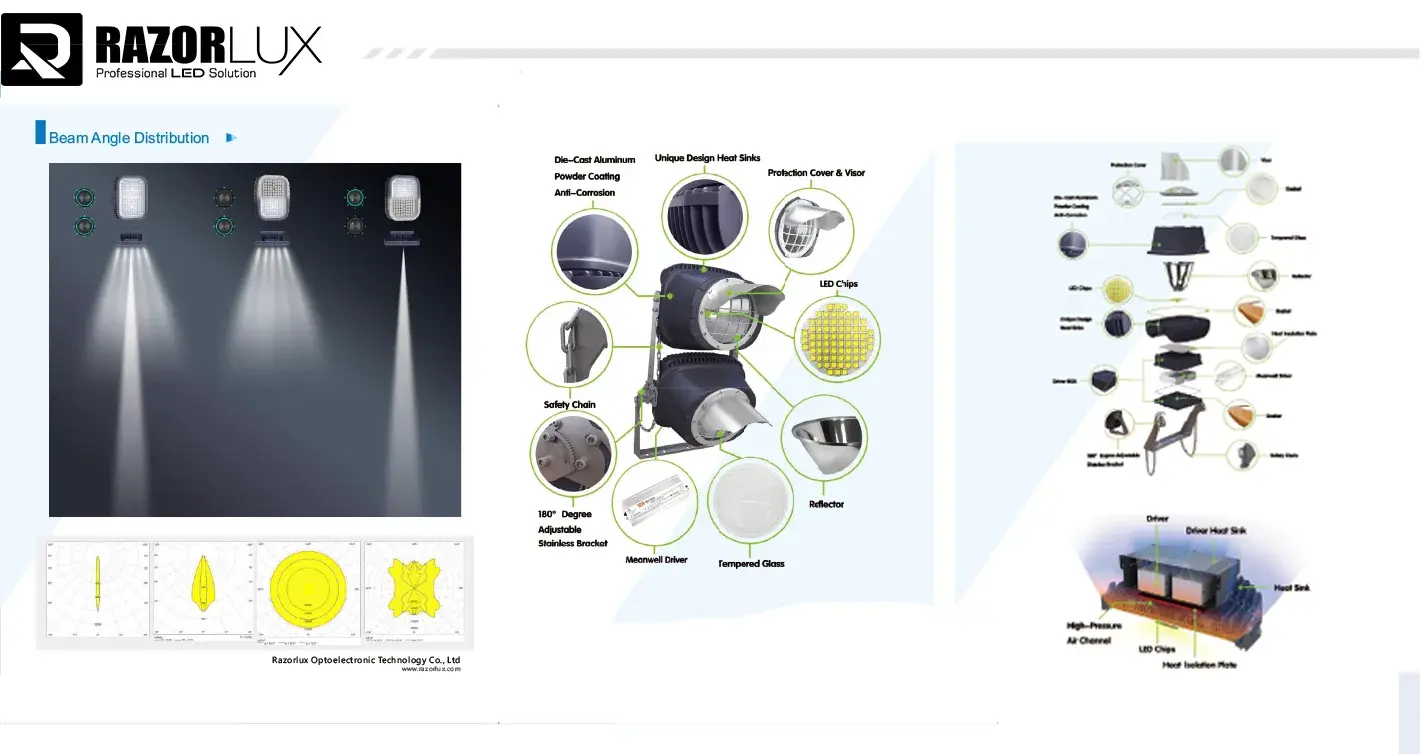
Heat dissipation represents the primary challenge affecting LED lifespan and performance stability. High-quality LED Outdoor Sports Lighting incorporates sophisticated thermal management through aluminum heat sinks with optimized fin designs that maximize surface area for passive cooling. The EMC 6500K Led Outdoor Sports Lighting Ip67 1200w Led Baseball Field Lights feature housing dimensions of 474×388×982mm, engineered to channel heat away from LED chips effectively. This thermal design maintains junction temperatures below critical thresholds, preventing the accelerated lumen depreciation that plagues poorly designed fixtures. After one hour of operation, these lights stabilize at 144,000 lumens output, demonstrating minimal thermal droop. The 50,000-hour rated lifespan translates to approximately 11.4 years of continuous operation or significantly longer with typical nightly usage patterns. This longevity eliminates the disruptive maintenance schedules associated with traditional lighting, where bulb replacements during peak seasons could compromise facility availability.
Comparative Analysis: LED vs Traditional Lighting Technologies
| **Parameter** | **LED Outdoor Sports Lighting** | **Metal Halide** | **High-Pressure Sodium** |
|---|---|---|---|
| Luminous Efficiency | 130 lm/W | 75-90 lm/W | 80-100 lm/W |
| Operational Lifespan | 50,000 hours | 10,000 hours | 15,000 hours |
| Warm-up Time | Instant-on | 15-20 minutes | 5-10 minutes |
| Color Temperature Range | 2,700-6,500K | 3,000-4,500K | 1,900-2,200K |
| Dimming Capability | 0-100% smooth | Limited/None | Not practical |
| Maintenance Frequency | Minimal (5-year warranty) | High (annual relamping) | Moderate (bi-annual) |
This comparison demonstrates why LED Outdoor Sports Lighting has become the industry standard for new installations and retrofit projects. The superior efficiency directly translates to operational cost savings, while extended lifespans reduce maintenance labor and replacement part inventories.
Key Selection Criteria for LED Outdoor Sports Lighting
Illumination Requirements by Sport and Competition Level
Different athletic activities demand specific lighting characteristics to ensure optimal play conditions and safety. Baseball and softball fields require minimum illuminance levels ranging from 30 footcandles for recreational play to 100+ footcandles for professional broadcasting standards. The EMC 6500K Led Outdoor Sports Lighting Ip67 1200w Led Baseball Field Lights deliver 144,000 lumens output, sufficient to achieve these illumination levels when properly positioned with appropriate beam angles. Football fields need uniform lighting across larger areas, typically 50-75 footcandles for high school games and 100-150 footcandles for college competitions. Soccer pitches benefit from LED Outdoor Sports Lighting with wider beam distributions to minimize shadows and ensure goalkeepers can track aerial balls effectively. Tennis courts require specific verticality ratios, with illumination on vertical planes at least 50% of horizontal plane values to help players judge ball trajectories. Basketball courts need controlled spill light to prevent glare affecting players looking upward during jump shots. Understanding these sport-specific requirements ensures proper fixture selection and aiming configurations.
Environmental Protection and Durability Standards
Outdoor sports facilities expose lighting fixtures to harsh environmental conditions requiring robust protection ratings. The IP67 classification on LED Outdoor Sports Lighting fixtures indicates complete dust ingress protection (IP6X) and temporary water immersion resistance (IPX7). This rating ensures fixtures withstand heavy rain, snow accumulation, and high-pressure washing during facility maintenance. IK10 impact resistance ratings protect against vandalism and stray balls, crucial in accessible mounting locations. Marine-grade anti-corrosion coatings extend fixture life in coastal environments where salt spray accelerates metal degradation. The aluminum housing material provides excellent corrosion resistance while maintaining structural integrity across temperature extremes. LED Outdoor Sports Lighting must also withstand vibration from nearby traffic, wind loads on tall mounting structures, and thermal cycling between day and night temperatures. Fixtures meeting UL, CE, RoHS, and SAA certifications demonstrate compliance with international safety and environmental standards, ensuring installations meet local code requirements across different markets.
Power Supply Reliability and Voltage Compatibility
Electrical infrastructure varies significantly across regions and facilities, necessitating flexible input voltage ranges in LED Outdoor Sports Lighting systems. Quality fixtures accept input voltages from 80V to 315VAC, with 347VAC options available for North American facilities using higher-voltage distribution systems. This wide voltage tolerance protects against brownouts and surges that damage sensitive electronics. Meanwell power supplies, used in professional-grade LED Outdoor Sports Lighting, incorporate active power factor correction (PFC) achieving power factors above 0.98, minimizing reactive power charges on utility bills. Built-in surge protection to 10kV safeguards against lightning strikes and switching transients common in outdoor electrical systems. Emergency power functionality represents an emerging feature, allowing fixtures to operate for two hours during power outages using integrated battery backup—critical for safely evacuating occupied facilities during night events. Driver efficiency directly impacts overall system performance; high-quality drivers maintain 92-95% efficiency, converting most input power to usable light rather than waste heat.
Customization Options and Integration Capabilities
Modern LED Outdoor Sports Lighting transcends simple on-off functionality, offering sophisticated control and customization capabilities. DALI (Digital Addressable Lighting Interface) and 0-10V dimming protocols enable precise output control, allowing facilities to adjust illumination levels for different events—reducing intensity for practices to save energy while maximizing output for competitions. Programmable scenes create consistent lighting conditions automatically based on schedules or occupancy sensors. Wireless control systems provide remote management via smartphone apps or building management systems, enabling facility managers to monitor performance, adjust settings, and receive maintenance alerts without physically accessing fixtures. Customization extends to physical characteristics: beam angle selection optimizes light distribution for specific field geometries, color temperature choices accommodate different preferences (cooler temperatures for enhanced visibility, warmer tones for aesthetic appeal), and mounting adapter compatibility ensures installation on various pole types and aiming structures. OEM and ODM services from manufacturers like Razorlux enable complete customization—from housing colors matching facility branding to modified lumen packages addressing unique site requirements.
Installation Best Practices and Project Planning
Site Assessment and Photometric Design Methodology
Successful LED Outdoor Sports Lighting installations begin with comprehensive site assessments and professional lighting design. Photometric software like DIALux Evo and AGI32 enables engineers to model exact field conditions, fixture placements, and aiming angles before purchasing equipment. These simulations account for mounting height limitations, obstruction shadows from nearby structures, and maintenance factor degradation over time. Initial site surveys document existing lighting performance through illuminance meter measurements at multiple field locations, identifying coverage gaps and excessive glare zones. Pole placement considerations balance optimal light distribution against construction costs—fewer, taller poles reduce installation expenses but may increase glare concerns for players. The EMC 6500K Led Outdoor Sports Lighting Ip67 1200w Led Baseball Field Lights weigh 38kg (84 lbs) each, requiring structural engineering verification that mounting poles can support fixture loads plus wind loading factors. Soil conditions affect foundation requirements; sandy or unstable ground necessitates deeper concrete footings. Electrical infrastructure assessment determines whether existing service capacity accommodates new LED loads or requires utility upgrades, though LED efficiency typically reduces total connected load compared to replaced HID systems.
Professional Installation Requirements and Safety Protocols
LED Outdoor Sports Lighting installation demands licensed electrical contractors familiar with outdoor high-voltage systems and elevated work safety procedures. Fixtures mounted 60-100 feet high require specialized equipment: bucket trucks for accessible poles, scaffolding or lifts for structure-mounted applications, or professional rigging for fixtures suspended from building frameworks. Each 1,200-watt fixture connects through dedicated circuits sized appropriately for continuous loads, with ground fault protection preventing shock hazards in wet conditions. Aiming precision critically affects performance—even minor misalignments create dark spots or excessive spill light onto adjacent properties. Professional installers use aiming instruments or photometric software overlays with real-time illuminance measurements, adjusting each fixture individually to achieve design specifications. Secure mounting prevents vibration-induced aim drift over time; fixtures must attach rigidly using manufacturer-specified hardware torqued to proper specifications. Complete installations include weatherproof junction boxes, sealed conduit entries preventing moisture ingress, and proper grounding to building electrical systems. Post-installation commissioning verifies all fixtures operate correctly, dimming controls function across full ranges, and measured illuminance levels match design predictions within acceptable tolerances.
Maintenance Schedules and Performance Monitoring
Despite extended lifespans, LED Outdoor Sports Lighting benefits from proactive maintenance ensuring optimal long-term performance. Quarterly visual inspections identify obvious issues: damaged lenses, corrosion spots, loose mounting hardware, or misaligned fixtures. Annual comprehensive maintenance includes cleaning fixture lenses and heat sinks—accumulated dirt and insect debris reduce light output and impair thermal management. Facilities in agricultural areas or near highways experience faster contamination requiring more frequent cleaning. Electrical connection inspections detect loose terminals or corrosion affecting reliability. Performance monitoring through illuminance measurements at predetermined field locations tracks lumen depreciation; significant output reductions indicate failing drivers or LED modules requiring replacement under warranty. The 5-year warranty coverage on quality LED Outdoor Sports Lighting like the EMC 6500K fixtures provides protection against premature failures. Maintaining detailed maintenance logs documents warranty claims and helps identify problematic fixtures. Proactive parts inventory for critical components—spare drivers, gaskets, and mounting brackets—minimizes downtime if repairs become necessary during peak sports seasons. Some advanced systems include integrated sensors transmitting performance data wirelessly, alerting facility managers to failures immediately rather than waiting for user reports.
Cost Analysis and Return on Investment
| **Cost Factor** | **Traditional Metal Halide** | **LED Outdoor Sports Lighting** | **Savings/Benefits** |
|---|---|---|---|
| Initial Equipment Cost | $800-1,200 per fixture | $1,500-2,500 per fixture | Higher upfront investment |
| Installation Labor | $500-800 per fixture | $500-800 per fixture | Comparable installation costs |
| Annual Energy Consumption (1,200hr/yr) | 3,600 kWh @ $0.12/kWh = $432 | 1,440 kWh @ $0.12/kWh = $173 | 60% energy savings ($259/year) |
| Relamping (5-year period) | 3 replacements @ $150 = $450 | Zero replacements | $450 maintenance savings |
| Labor for Relamping | 3 service calls @ $250 = $750 | Zero service calls | $750 labor savings |
| Total 5-Year Cost | ~$5,200 | ~$3,365 | 35% total cost savings |
This analysis demonstrates LED Outdoor Sports Lighting achieves payback periods of 2-4 years depending on usage intensity and local electricity rates. Over a typical 10-year planning horizon, LED systems deliver 50-60% total cost of ownership reductions while providing superior illumination quality and reliability.
Conclusion
LED Outdoor Sports Lighting represents the definitive solution for modern athletic facilities, combining exceptional energy efficiency, superior illumination quality, and minimal maintenance requirements. The EMC 6500K Led Outdoor Sports Lighting Ip67 1200w Led Baseball Field Lights exemplify professional-grade performance, delivering 144,000 lumens with 50,000-hour lifespans that transform sports venues into safe, vibrant competition spaces. Proper selection, professional installation, and proactive maintenance ensure optimal long-term value from these advanced lighting systems.
Ready to upgrade your sports facility with professional LED Outdoor Sports Lighting? As a leading China LED Outdoor Sports Lighting manufacturer, supplier, and factory, Xi'an Razorlux Optoelectronic Technology Co., Ltd. offers competitive wholesale pricing on premium fixtures. Our China LED Outdoor Sports Lighting products combine cutting-edge technology with accessible LED Outdoor Sports Lighting prices. Contact our expert team at sam@razorlux.com today for custom photometric designs, product specifications, and LED Outdoor Sports Lighting for sale quotations tailored to your project requirements.
References
1. Illuminating Engineering Society (IES). "Recommended Practice for Sports and Recreational Area Lighting." RP-6-15. New York: Illuminating Engineering Society, 2015.
2. National Electrical Manufacturers Association (NEMA). "Application Guide for LED Sports Lighting Systems." NEMA SSL 8-2017. Rosslyn, VA: NEMA, 2017.
3. Bullough, John D., and Nicholas P. Skinner. "Energy Savings and Economics of LED Sports Lighting Systems." Lighting Research Center, Rensselaer Polytechnic Institute, 2018.
4. International Commission on Illumination (CIE). "Guide on the Limitation of the Effects of Obtrusive Light from Outdoor Lighting Installations." CIE 150:2017. Vienna: CIE Central Bureau, 2017.