


_1750326878398.png)

Is a 400W Equivalent LED Flood Light Suitable for Commercial Use?
It is without a doubt true that a 400W Equivalent Led Flood Light can be used in a business setting. These high-tech light bulbs give off between 12,000 and 20,000 lumens of light while using a lot less electricity than regular Metal Halide or high-pressure sodium lamps. These LED options meet important practical needs for shipyard buying managers, marine equipment integrators, and building engineers. They are durable in extreme weather, require less repair downtime, and save more than 65% of energy. The technology can turn on right away and doesn't need time to warm up. This makes it important for security perimeters, loading docks, and offshore platforms where dependability affects safety and efficiency directly.
Understanding the 400W Equivalent LED Flood Light
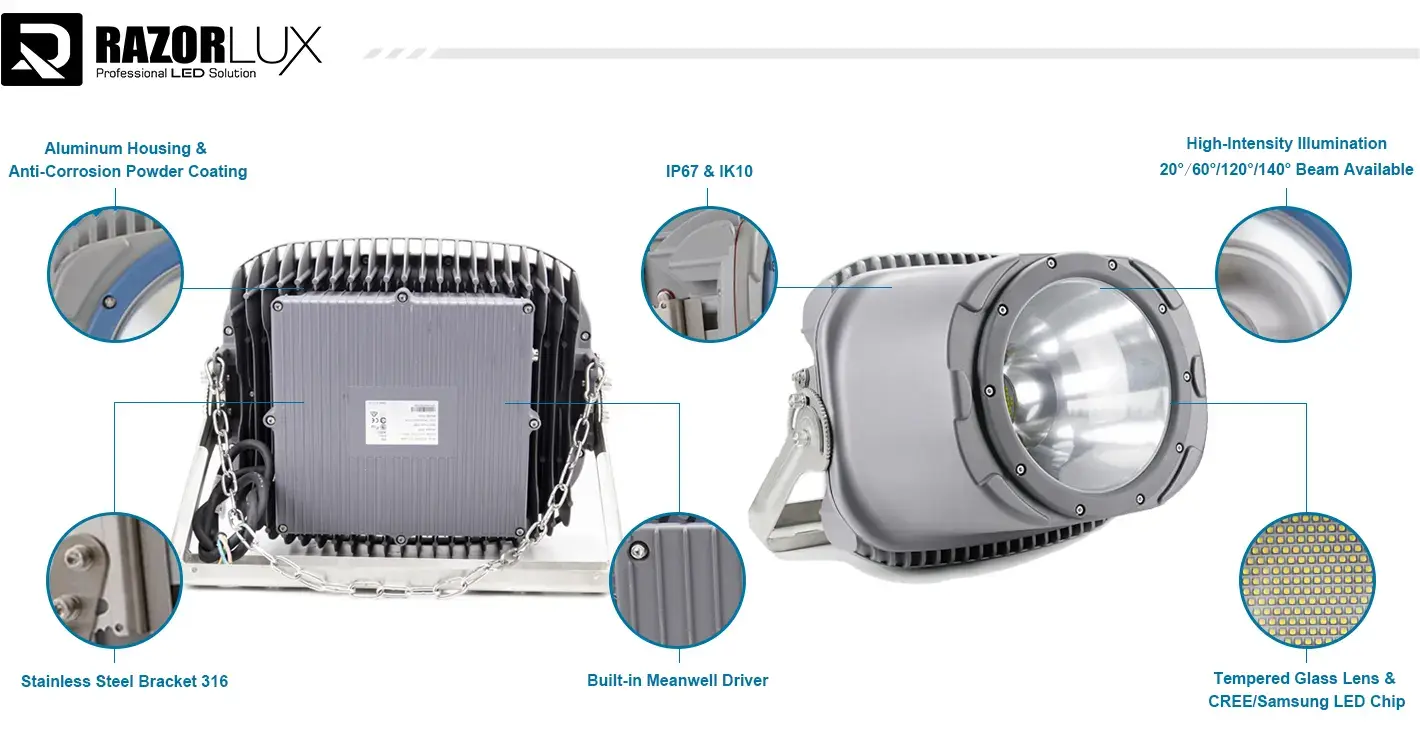
The word "equivalent" has a technical meaning that changes your choices about what to buy. Traditional 400W to 600W HID lamps can be replaced by our RGL2-400P type, which only uses 400W of power (360W for the LED array and 40W for the driver). This gives businesses an instant practical edge in places where energy demand charges have a big effect on their running budgets.
What Makes This Technology Different from Traditional Solutions
Traditional Metal Halide lamps lose a lot of energy because they give off light and heat in all directions. Our 400W Equivalent LED Flood Light has directional optics that let you choose from 15°, 20°, or 30° beam angles. This makes sure that the light hits the areas you want it to reach instead of dissipating into the air. This level of accuracy is very important for lighting up ship decks or helidecks on offshore platforms, where light pollution can make travel less safe. The Mean Well power source keeps the power factor at or above 0.98 and the total harmonic distortion (THD) below 10%. This stops harmonic distortion that can mess up sensitive marine electronics.
Technical Specifications That Impact Commercial Performance
After an hour of use, our bulb provides a steady 48,000 lumens of light at 5700K, showing that it has the heat stability needed for tough jobs. The 130 lm/W efficiency is a standard that can be measured. It is better than many competitors who claim to have the same performance but give inconsistent results when they are loaded. Color temperatures that range from 2700K to 6500K can be changed to meet different operating needs. For example, warmer tones keep bugs away from loading areas, while cooler temperatures make it easier to see for precise work in docks.
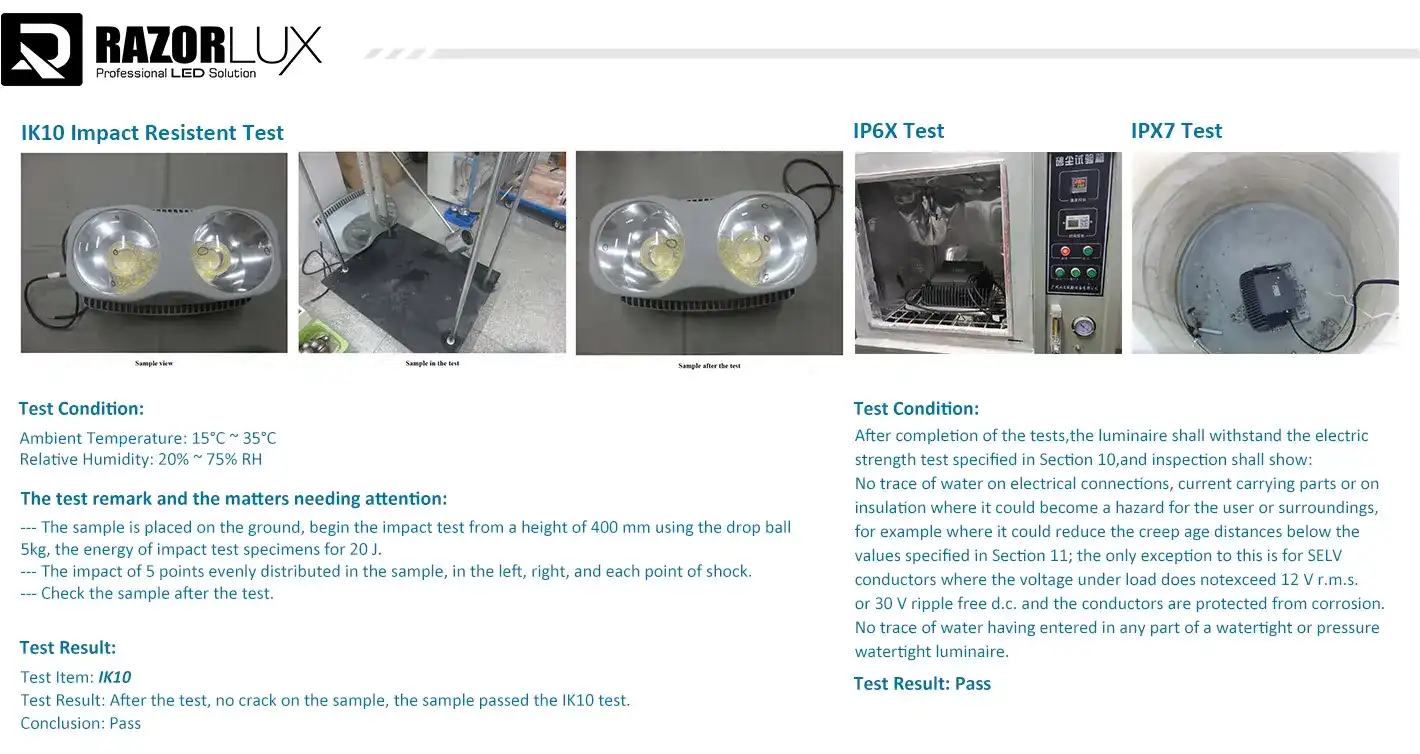
The IP67 and IK10 grades aren't just numbers; they show how durable something has been tested to be. Concerns about deck washing and rain getting in have been addressed by IP67 approval, which proves full protection against dust entry and submersion in one meter of water for 30 minutes. The IK10 impact grade can handle 20 joules of force, which is the same as dropping a 5-kilogram mass from 400 mm. This protects against things like crane hits and dropped tools that happen all the time in industrial settings.
Operational Temperature Range and Marine Applications
Our ability to work effectively from -40°C to +60°C (-40°F to +140°F) takes into account the fact that our customers come from all over the world. In the winter, Norwegian docks have to work in situations that require them to be able to handle cold weather without losing light output. On the other hand, ports in the Gulf region and sites in Southeast Asia need fixtures that keep working well even when it's very hot and muggy (95% of the time). Our powder-coated metal housing resists corrosion, which is important for salt spray settings. This is a worry I often hear from offshore platform managers who are looking at the long-term viability of fixtures.
Commercial Applications and Benefits of 400W Equivalent LED Flood Lights
400W equivalent LED flood lights have many uses and benefits in business. Commercial lighting choices affect more than just lights; they also affect the continuation of operations, insurance rates, and compliance with regulations. We've been working with marine and heavy industry clients for 20 years and have written down specific situations where high-output LED flood lights are useful.
Shipyard and Dry Dock Lighting Requirements
Shipyards are open 24 hours a day, and various companies work on building and fixing boats at the same time. Traditional HID lights need 10 to 15 minutes to warm up, which leaves dangerous gaps in vision when shifts change or when the power goes out for a short time. This safety risk is gone with our LED option, which gives you full light right away. The 19 kg weight includes a strong stainless steel bracket that is designed to resist vibrations. This is important when lighting towers are near activities that use grinding or heavy machinery.
One European shipyard client reported that after updating 240 lights across their building, they used 68% less energy. In addition to saving kilowatt-hours, they got rid of the need to rent lifting lifts and shut down the production area every three months to change the ballast and every six months to relamp. The 5-year guarantee on both LED modules and drivers means that less capital is needed than with regular systems, where parts need to be replaced every 18 to 24 months.
Port Infrastructure and Container Terminal Illumination
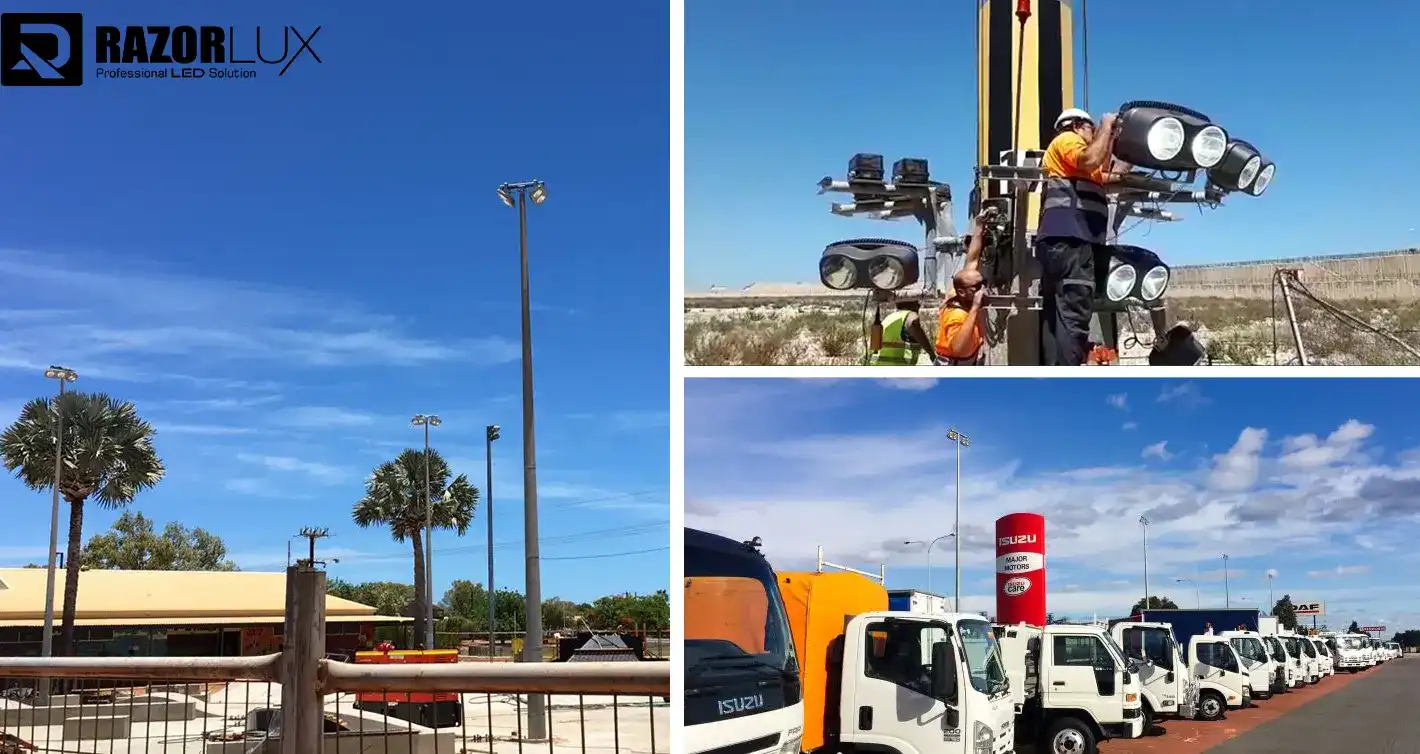
At container ports, light needs to be spread evenly across huge areas where gantry cranes are always working. Shadows made by poor lighting make it harder to see what's inside a container and raise the risk of an accident between mobile equipment. We set beam angles to fit mounting heights: 30° beams work with 12–15-meter poles that are common in stacking areas, and 15° narrow beams shine light on faraway perimeter fences from centralized tower installations.
The AC 110-480Vac input voltage range makes foreign operations easier because you don't need any extra adapters. Australian port officials like it when equipment works with their 230V infrastructure. In North America, on the other hand, facilities can run smoothly on either 120V or 208V systems. Our DC 100-400Vdc and 500-800Vdc input capabilities give facilities with DC microgrid infrastructure, which is becoming more popular in ports that use green energy, the freedom to adapt to changing times.
Offshore Platform and Rig Safety Lighting
Offshore settings are the roughest places to test lighting tools. Air that is high in salt speeds up corrosion, and digging operations and wave action make fixing parts wear out faster. Classification society approvals from DNV and ABS aren't just for looks; they prove that our fixings meet SOLAS (Safety of Life at Sea) standards and can handle dynamic loads while being shipped and installed.
CAP 437 rules say that helicopter landing areas need certain optical performance. Our engineering team can give you IES files and point-by-point estimates that show you're meeting the standards for average illumination and uniformity ratios. Offshore installation managers need proof before they can schedule expensive platform shutdowns for equipment changes, and this paperwork speeds up the approval process.
Comparing 400W Equivalent LED Flood Lights to Other Commercial Lighting Options
When making buying choices, it helps to compare different technologies and power classes in an organized way. Figuring out the pros and cons of the original investment and the costs that come up over the course of the project's life is important, especially for municipal infrastructure projects that are limited by budget or industry expansions that are privately funded.
LED vs. Traditional Metal Halide: Total Cost Analysis
| Parameter | 400W Metal Halide | 400W Equivalent LED (Razorlux RGL2-400P) |
|---|---|---|
| Actual Power Consumption | 458W (including ballast) | 400W |
| Luminous Output | 36,000 initial lumens (degrades 30% in 6 months) | 48,000 lumens (stable, L70 at 50,000 hours) |
| Warm-up Time | 10-15 minutes | Instant-on |
| Lifespan | 15,000 hours | >50,000 hours |
| Relamping Frequency (10 years @ 4,000 hrs/year) | 2.7 times | 0 times |
| Color Rendering Index | Ra 65-70 | Ra ≥75 (Ra 80-90 available) |
| Disposal Concerns | Contains mercury (hazmat) | RoHS compliant, recyclable |
This study shows that older technology has hidden costs. Metal halide lamps lose 20–30% of their lumen output in just six months, so facilities have to over-design their initial setups or deal with less sight. Because of the mercury content, dumping duties are being controlled more and more by environmental protection laws in the EU and North America. One building manager figured that the special fees for getting rid of fixtures would cost $340 per 400W equivalent LED floodlight over ten years.
High-Wattage LED Options: When to Scale Up or Down
For situations that need more light, our product line goes beyond 400W and includes 600W and 1000W options. The right power relies on the height of the setting, the area that needs to be covered, and the minimum lux level. A 400W light set up 10 meters up gives off about 150 to 200 lux at ground level in a Type V distribution pattern, making it good for general outdoor storage areas and paths for people.
Heavy manufacturing areas that need 300+ lux for quality control or welding inspection may be able to afford 600W lights, even though they cost more at first. On the other hand, 200W versions are often enough for architectural accent lighting or exterior illumination, so there isn't too much light that causes light trespass complaints from nearby properties. During the quote process, we do photometric analysis based on your unique site conditions instead of just giving you general advice.
Evaluating Supplier Credibility and Component Quality
Not every LED flood light is as reliable as the others. During technical studies, look at the power source maker. For example, our Mean Well drivers have independent safety certifications and a documented MTBF (Mean Time Between Failures) of more than 100,000 hours at 40°C. Less well-known driver types can meet the starting requirements, but they may fail early under prolonged load or temperature cycling, which can lead to warranty disputes and early replacement cycles.
The choice of chip affects the long-term upkeep of color accuracy and lumen. We can get parts from a variety of places for projects that need to stay within a certain budget, but our normal setup uses high-efficiency LED arrays with in-house binning to keep color temperature fluctuation within 3-step MacAdam ellipses. This small technical detail stops the color shift that can happen in mixed-brand installations, where some fixtures look bright white, and others trend blue-white. This is a flaw in the quality of the installation that makes facility management look bad even if the lights still work.
How to Select and Install 400W Equivalent LED Flood Lights for Business Use?
For business lighting projects to go well, the buying teams, the electrical workers, and the building management all need to work together. Selection factors include more than just unit price. They also include performance needs relevant to the spot and how easy it will be to install. For these projects, the 400W equivalent LED flood light represents a reliable benchmark for performance.
Matching Lumens Output to Commercial Space Requirements
Understanding the needs of the job at hand is the first step in lighting design, not just changing the number of fixtures that are already there. According to the International Maritime Organization, cargo handling areas must have a minimum level of light. This level is usually 20 lux for general moving zones and 50 lux for container number identification. According to these standards, our 48,000-lumen output covers about 400 to 500 square meters when placed 12 meters high with a 30° beam angle.
Different things need to be thought about when lighting a parking building. Even lighting with no dark spots affects both user comfort and the risk of insurance claims. The Illuminating Engineering Society (IES) says that parking lots should have between 5 and 10 lux of light with a maximum-to-minimum regularity ratio of 4:1. Getting these factors takes careful fixture spacing calculations, which we do using AGi32 modeling software to make photometric plans that meet the standards for a building permit.
Color Temperature Selection for Different Commercial Environments
The warmth of a color changes our circadian rhythms and how well we can see. Standard options from 5000K to 5700K give off moderate white light that helps you focus on fine details and makes CCTV cameras work better for security purposes. In industrial settings, the real colors of safety marks, warning signs, and identification labels are very important because of the high color temperature.
Hospitality and retail spaces nearby may like the warmer tones between 3000K and 4000K because they make spaces feel more welcoming without looking too scientific like daylight-balanced lights do. We've provided warmer layouts for administration buildings in shipyards and passenger areas in port terminals that mix practicality with aesthetics. Our business offering is different from fixed-specification commodity goods because it can be customized from 2700K to 6500K.
Certification Verification and Compliance Documentation
There is more and more pressure on procurement managers to check product certifications instead of just taking statements of conformity. Our CE marking has the identification number of the notified body that did the assessment. Self-certified goods, which legally break EU market access rules, don't have this information. The UL and DLC labels give electricity safety and energy performance claims independent confirmation. This helps with utility rebate forms that can cover 15–25% of project costs.
For marine classification, DNV and ABS approvals show that the product meets the standards for EMC (IEC 60533), vibration testing (IEC 60068-2-6), and protection from salt spray (ASTM B117). These aren't general industry standards; they're designed to deal with stressors in the maritime world. We keep certification papers on our website so that they can be downloaded quickly. This speeds up the technical review process that comes before a buy order is sent out.
Key Selection Criteria for Procurement Teams
When businesses buy things, they have to weigh the needs of many people. For example, operations want reliable products, finance wants to know how much something will cost overall, and safety offices want proof that the company is following the rules. Setting up assessment standards makes sure that suppliers can be compared objectively, especially when evaluating a 400W equivalent LED flood light.
Installation Logistics and Mounting Compatibility
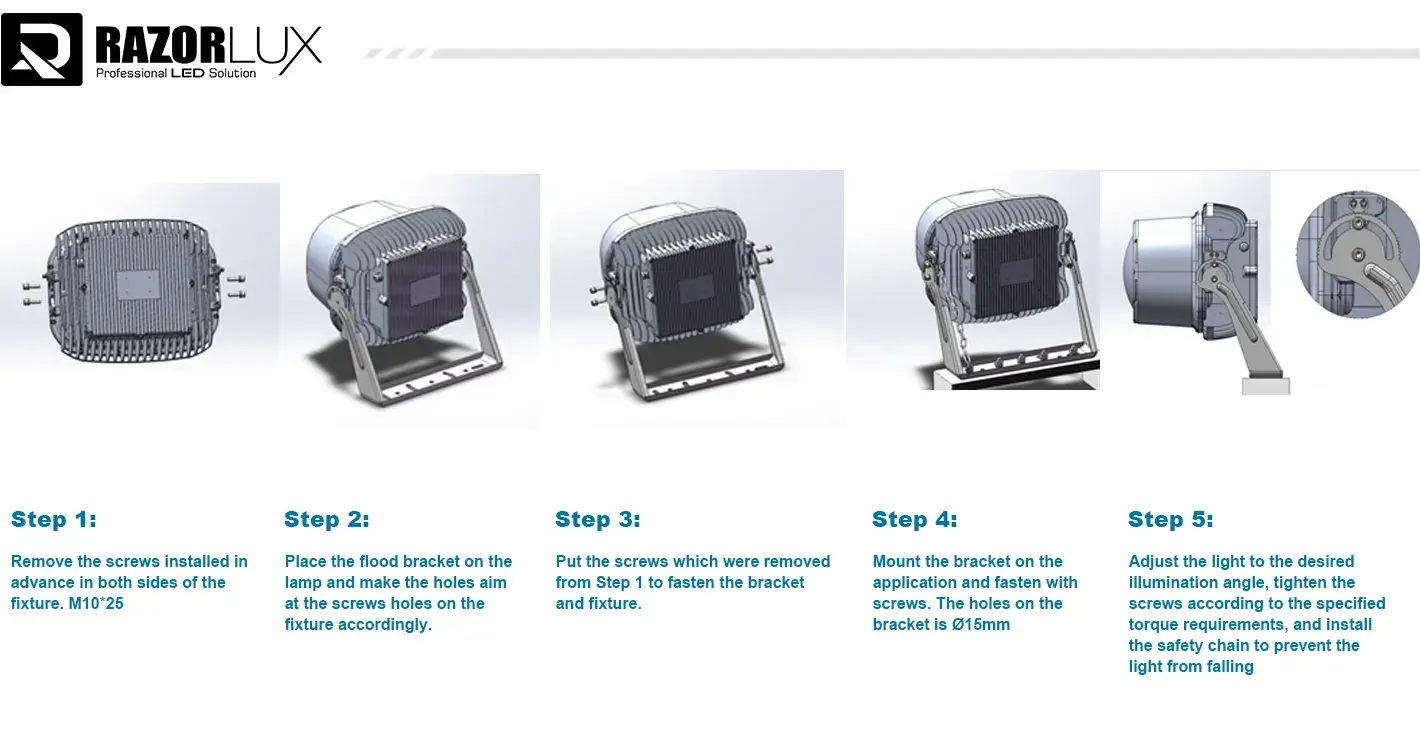
Our 19 kg weight and 466 mm x 388 mm x 487 mm size make it easy to use existing pole and bracket infrastructure in many upgrade situations. The stainless steel bracket can be tilted 180°, which lets you aim precisely without having to make a custom frame. This compatibility cuts down on installation work, which is high-cost when working at heights or overseas, where crane time costs a lot of money per hour.
Electrical contractors are less productive when they have to think about wiring. The fixture can take straight AC input from 110Vac to 480Vac without the need for external transformers. This makes the planning of electrical rooms easier and lowers the number of failure points. Terminal blocks can hold conductors of the right size for the 400W load, and they have clear polarity markings that keep installation mistakes from happening when people are working late or in a hurry to finish a job.
Warranty Terms and After-Sales Support Structure
The 5-year warranty on LED modules and drivers is longer than the industry standard 3-year guarantee. This shows that we are confident in the way we chose the components and designed the heat management. For warranty claims, you need to show proof of the failure rate and the application state, but we have a helpful technical support team that you can reach at sam@razorlux.com for help with problems before starting the official RMA process.
Options with longer warranties are good for procurement strategies that don't like taking risks, especially for sites that are far away and need to drive a long way to get service. We set up different 10-year housing warranties because we know that mechanical casings last longer than computer components and don't need the same coverage terms. This more specific way of organizing warranties makes lifetime cost modeling easier than broad "5-year comprehensive" claims that don't make it clear what coverage limits are.
Bulk Ordering Strategies and OEM Customization
Volume price tiers and coordinated production schedules help with project-scale buying. If you buy more than 100 units, you can get a factory-direct price, which skips the markups that distributors add on. This could lower the cost of each unit by 15-20%. We can work with phased delivery plans that are in line with building milestones. This way, you don't have to worry about storage problems or theft that come with single-shipment methods.
OEM personalization goes beyond branding for looks and includes changes to how things work. We've made fixtures with custom wire entry points for certain mounting hardware, different beam angles to meet the needs of different buildings, and built-in photocell settings for automatic operation at dawn and dusk. These changes need to be reviewed by engineers and could affect production wait times, but they solve problems that off-the-shelf goods can't handle in certain situations.
Buying Guide and Market Insights for Commercial Clients
Prices, performance standards, and the ability to integrate 400W equivalent LED flood lights are changing quickly in the global market. It's helpful for procurement teams to understand how changes in the market affect choosing suppliers and defining products.
Pricing Factors and Budget Considerations
The price of an LED commercial flood light depends on the quality of the parts, the level of certification, and the place of the maker. Entry-level 400W comparable lights cost between $180 and $250 each and usually use generic LED chips and drivers with little certification. Mid-range goods from well-known brands cost between $300 and $450 and have named parts and full safety certifications. Premium fixtures with approvals from classification societies and longer warranties cost between $500 and $700. They are mostly used in marine and offshore settings where failures have effects that are worse than differences in unit cost.
Our pricing plan puts us in the middle to upper range, which is based on the fact that Mean Well drivers are fully integrated, we offer a wide range of certifications, and we offer tech support. Instead of putting up vague "contact for pricing" walls, we give full quotes that list base unit costs, customization fees, and bulk savings. This openness speeds up the approval process for purchases by letting budgets be directly compared to project funds.
Trusted Procurement Channels and Supplier Vetting
Direct connections with manufacturers are better than multi-vendor distributors when it comes to technical help and customization options. Our 26-year history of business since 1998 shows that we are a stable company, which is important when building relationships with suppliers that will last for decades of repeat purchases. The more than 200 patents that cover LED Packaging, thermal management, and control systems show that the company is a real tech powerhouse, not just registering trademarks on common goods.
Third-party markets are convenient, but they make it harder to check the quality of the goods. Listings that don't have full photometric data, license numbers, or maker information make people suspicious of fake goods or false information about specifications. We stay a verified provider on all the major B2B platforms and encourage direct communication through razorlux.com, where all of our technical paperwork, case studies, and certification libraries can be viewed without having to sign up.
Emerging Technology Trends in Commercial Flood Lighting
The fastest-growing area of business LED usage is smart lighting integration. Our light fixtures have 0-10V dimming settings that let them work with building management systems that change the lighting based on presence sensors or the amount of light in the room. This feature cuts energy use by an extra 30–40% on top of the efficiency benefit that LEDs already have.
In new buildings, where control wiring costs a lot to install, wireless control systems like Zigbee and DALI are becoming more popular. We are working on combined control units that will be available in 2025 because the market wants IoT-enabled fixtures that can help with predictive maintenance by constantly checking the running temperature, runtime hours, and lumen output decline. These features help with the move by building management toward data-driven repair planning instead of responding to problems as they happen.
| Market Trend | Current Adoption Rate | Razorlux Capability | Implementation Timeline |
|---|---|---|---|
| 0-10V Dimming Control | 35% of new projects | Available standard | Current production |
| Wireless Mesh Control | 15% of new projects | Development phase | Q3 2025 release |
| Integrated Occupancy Sensing | 8% of new projects | Partner integration available | Custom projects only |
| Predictive Maintenance Monitoring | 5% of new projects | Pilot program active | Q4 2025 general availability |
| Tunable White Spectrum | 3% of new projects | Engineering assessment | Under evaluation |
Installation Best Practices for Maximum Performance
Proper placement has a big effect on how well and how long a 400W equivalent LED flood light works. We've written down mistakes made during field installations that void warranties or shorten the life of fixtures. This information saves both business performance and purchase investments.
Electrical Connection and Grounding Requirements
For our Class I insulation rating, the device housing must be properly connected to the earth to protect it. When there isn't enough grounding, shocks can happen, and spike currents can damage LED drivers during lightning strikes or power outages. Terminal blocks have clear markings for L (Line), N (Neutral), and ground on 12-14 AWG conductors that can handle 400W loads at normal industrial voltages.
Power quality affects how long a driver lasts. Installations that have to deal with a lot of voltage changes or harmonics from variable frequency drives can benefit from specialized circuits or power conditioning. The Mean Well driver has surge safety up to 4kV differential mode and 6kV common mode, but this only protects the individual parts and doesn't isolate the whole system. Working together with electrical engineers during the planning phase stops problems in the field that happen months after installation, when it's harder and costs more to fix them.
Mounting Height and Aiming Angle Optimization
Photometric performance specs assume that the mount is aimed and oriented correctly. You have to choose between our 15°, 20°, and 30° beam angles based on the height of the structure and the area you want to cover. The 30° beam works well from 10 to 12 meters above ground for general area lighting, while the 15° narrow beams work well from 18 to 20 meters above ground on poles or towers.
Aiming directions change both the amount of light and how much glare is blocked. Aiming horizontally (0° tilt) gives you the longest throw distance, but it may be hard for people nearby to see or let light into properties next to you. Tilting fixtures 10-15° downward improves the regularity of ground coverage and lowers the amount of light that shines upwards. This helps support Dark Sky compliance, which is becoming more and more important in environmentally sensitive coastal areas where our marine clients work.
Environmental Protection and Maintenance Access
The stability of an IP67 seal depends on how well the cable gland is installed and how tightly the gasket is compressed. The included cable entry hardware works with 10–14 mm cable sizes, so you need to make the right choice when you buy wire materials for the site. If you over-tighten compression fittings, the seals can deform and let water in. On the other hand, if you under-tighten them, water can build up and damage the joints and cause corrosion.
Planning for maintenance access makes fixtures last longer. LED technology greatly lowers the number of times that lamps need to be replaced, but drivers still need to be replaced every 50,000 to 60,000 hours of use. When you mount fixtures at heights that are easy to reach (under 15 meters) or in places that normal equipment can get to, you don't have to pay for expensive specialized staging for service events. Our rear-access covers are held in place by captive screws, so there is no loose hardware that could fall into machines or waterways during repair work that is done abroad.
Conclusion
LED floodlights that work well have been shown to be a good investment for businesses that need dependable lighting in tough settings. The 400W-equivalent LED floodlight category is perfect for ships, ports, offshore platforms, and large industrial sites worldwide because it offers the best output and energy efficiency. Our RGL2-400P model has 48,000 lumens and an efficiency of 130 lm/W. It comes with Mean Well power sources and a long list of approvals, such as UL, CE, DNV, and ABS. The IP67/IK10 grade and -40°C to +60°C temperature range protect against the harsh environments that marine and industrial clients often work in. The 5-year warranty and direct maker support lower the total cost of ownership over the fixture's 50,000-hour working life.
FAQ
How much energy can I save by switching to LED flood lights?
Transitioning from 400W Metal Halide fixtures to LED equivalents typically reduces energy consumption by 65-75%. A facility operating 100 fixtures for 4,000 hours annually would decrease electrical usage from approximately 183,200 kWh to 160,000 kWh, saving 23,200 kWh. At average commercial electricity rates of $0.12 per kWh, this represents $2,784 in annual savings before considering demand charge reductions from lower connected load.
What is the expected lifespan under continuous operation?
Our LED modules achieve L70 performance (maintaining 70% of initial lumens) beyond 50,000 operational hours under rated conditions. Continuous operation scenarios reach this threshold in approximately 5.7 years, though fixtures remain functional beyond L70 with gradually diminishing output. Mean Well drivers carry 100,000-hour MTBF ratings, though practical service life typically ranges from 60,000 to 80,000 hours depending on ambient temperature and power quality conditions.
Can these fixtures withstand harsh marine environments?
The IP67 ingress protection rating confirms complete dust sealing and submersion resistance to 1 meter for 30 minutes. Combined with IK10 impact resistance and aluminum housing with powder coating, these fixtures withstand salt spray, temperature cycling, and mechanical shock typical in offshore platforms and coastal facilities. DNV and ABS certifications specifically validate marine environmental compliance, including vibration resistance per IEC 60068-2-6 standards.
Upgrade Your Commercial Lighting with Razorlux LED Solutions
Razorlux has been providing lighting for ships and factories since 1998, using more than 200 LED patents and years of experience in real-world applications. As a reliable 400W equivalent LED flood light maker, we offer engineered solutions with Mean Well drivers, full international certifications, and the ability to customize in ways that generic providers simply can't match. Our engineering team helps you with everything from the initial design to installation and ongoing support. They do photometric analysis, provide certification paperwork, and offer technical support throughout the whole purchase process.
Contact our commercial lighting specialists at sam@razorlux.com to discuss your specific application requirements. We offer sample evaluation programs for technical teams, volume pricing for project-scale procurement, and OEM customization for specialized installations. Whether you're upgrading port infrastructure, outfitting a new vessel, or modernizing industrial facilities, Razorlux provides the technical depth and manufacturing reliability your projects demand.
References
1. Illuminating Engineering Society. (2020). IES Recommended Practice for Outdoor Environment Lighting: RP-33-20. New York: IES Publications.
2. International Maritime Organization. (2018). SOLAS Consolidated Edition 2018: Safety of Life at Sea. London: IMO Publishing.
3. U.S. Department of Energy. (2021). LED Lighting for Commercial Facilities: Energy Savings and Lifecycle Cost Analysis. Washington, DC: DOE Office of Energy Efficiency.
4. Det Norske Veritas. (2019). Rules for Classification of Ships Part 4 Chapter 9: Electrical Installations—Navigation and Communication Equipment. Oslo: DNV-GL Publications.
5. American Petroleum Institute. (2020). API Recommended Practice 500: Classification of Locations for Electrical Installations at Petroleum Facilities. Washington, DC: API Standards.
6. Commission Internationale de l'Éclairage. (2017). CIE 150:2017 Guide on the Limitation of the Effects of Obtrusive Light from Outdoor Lighting Installations. Vienna: CIE Central Bureau.
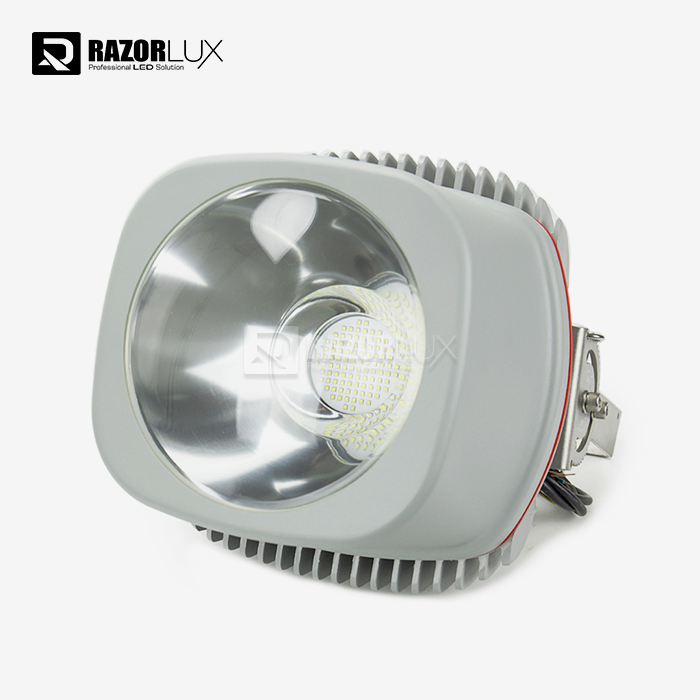 VIEW MOREled loading lights
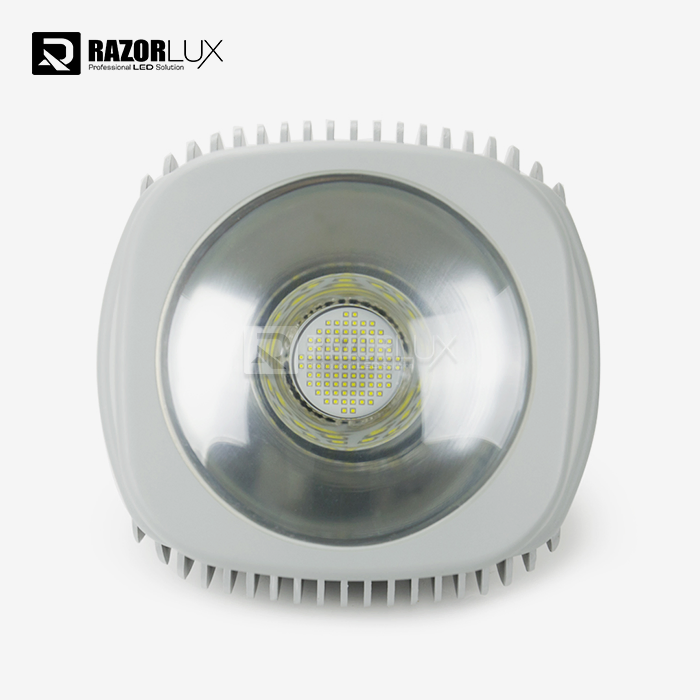 VIEW MOREwaterproof led boat deck lights
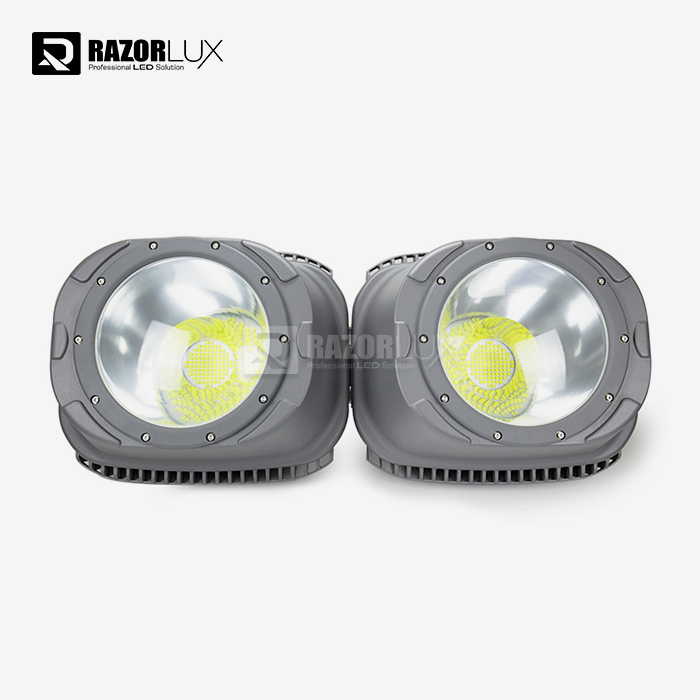 VIEW MORE1500 Watt Stadium Lights
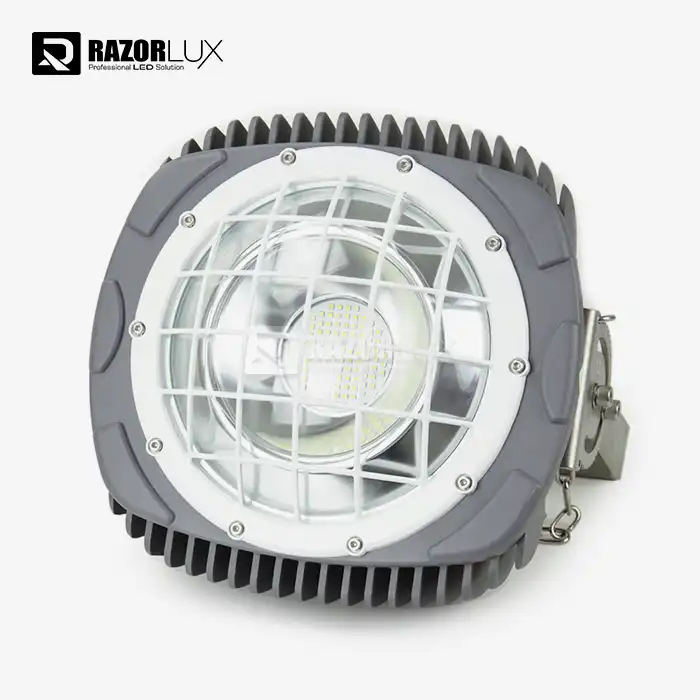 VIEW MORELed High Mast Flood Lights
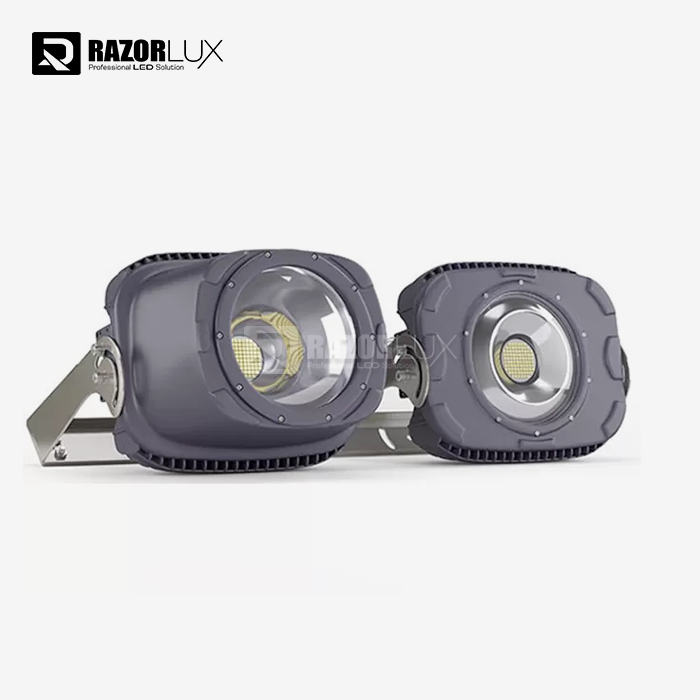 VIEW MOREDLC Led Stadium Lights 120lm/W 6000K Football Stadium Floodlights Fixtures
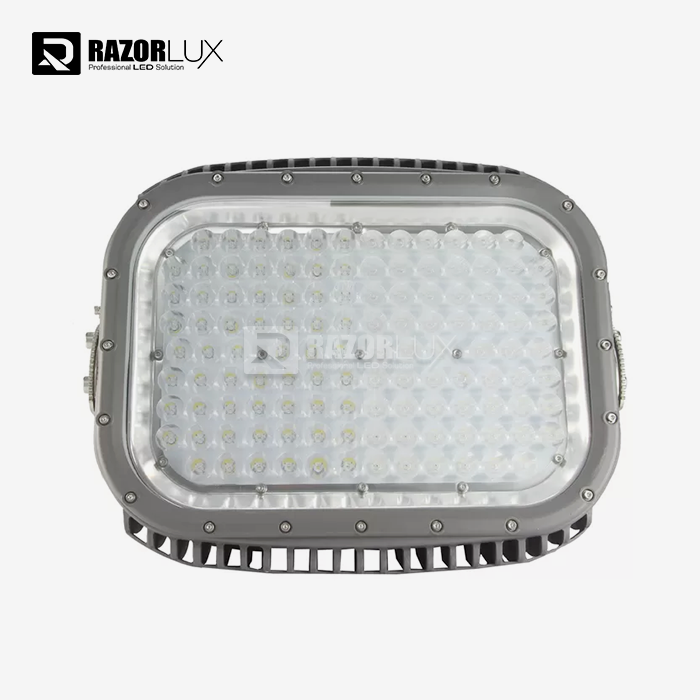 VIEW MOREEnergy Saving Dimmable LED Flood Light With Stainless Steel Bracket
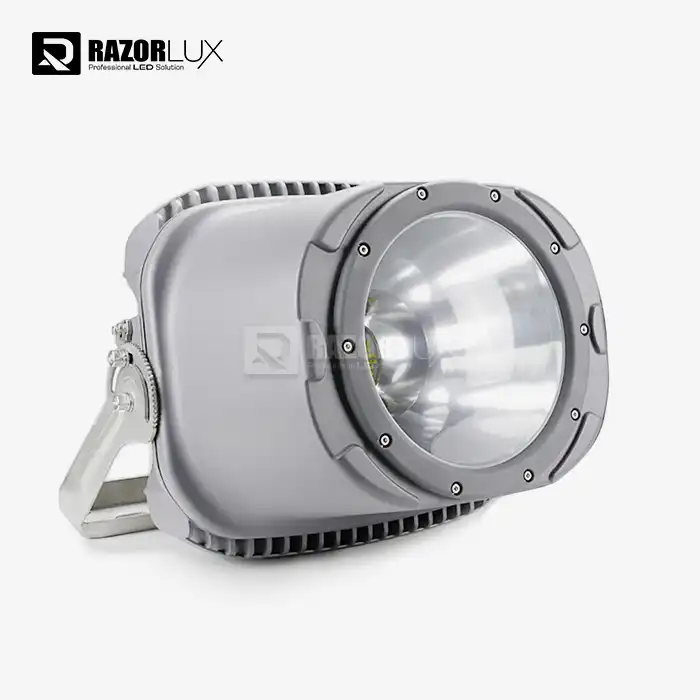 VIEW MOREOutdoor Sport Court Lights
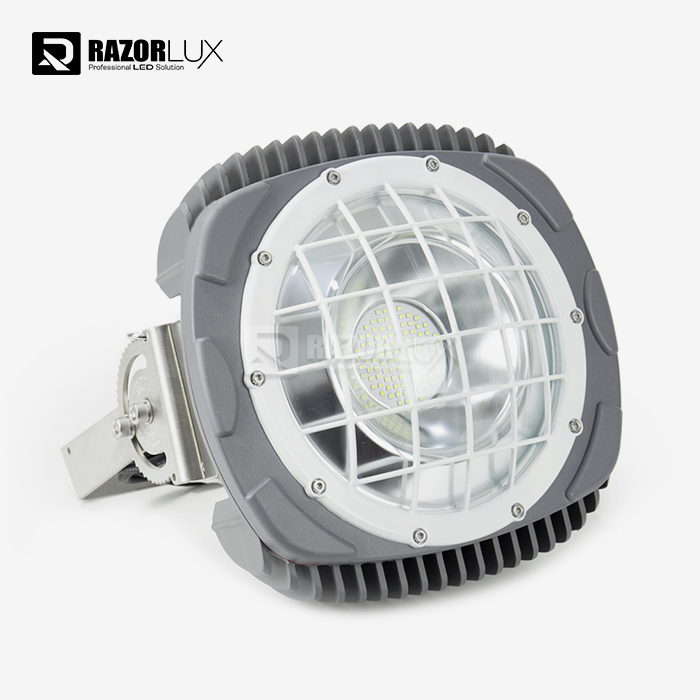 VIEW MORETennis Floodlights