


_1750326878398.png)

What Are Led Sports Lighting Fixtures and Why They Matter Today?
Led Sports Lighting Fixtures are synonymous with the dramatic change that has occurred in the illumination of sporting venues. These fixtures combine cutting-edge semiconductor technology with precise optical design in order to provide improved performance, energy efficiency, and dependability. When compared to the conventional metal halide or halogen alternatives, these cutting-edge lighting systems have revolutionized the way in which we illuminate sporting venues. They provide significant cost savings, improved visibility, and a reduced effect on the environment. At this time, they are more important than they have ever before since sporting facilities all over the globe are placing a greater emphasis on sustainability, operating efficiency, and higher lighting quality in order to fulfill the criteria of contemporary athletics and broadcasting.
Understanding LED Sports Lighting Technology
LED sports lighting fixtures use semiconductor technology to make light through electroluminescence. This is when electricity flows through a microchip, and tiny light sources called LEDs give off photons. LED field lights don't use hot wires or gas discharge as standard sports floodlights do. Instead, they directly turn electricity into light with very little heat.
High-quality LED chips, precision-engineered heat sinks, and strong drivers that control the power supply make up the main parts. These days, LED Stadium Lights have advanced heat management systems that keep the lights at the right temperature so they keep working well for a long time. The optical design includes special lenses and mirrors that exactly control how light spreads, reducing glare and increasing uniformity across game fields.
These lights can work with voltages between 80 and 315VAC or 80 and 400VDC, so they can be used with a variety of electrical devices. The technology makes it possible for the lights to turn on instantly, so they don't need to warm up as regular high-intensity discharge lamps do. Facility managers can change the lights to meet the needs of sports or television with colour temperature choices running from 2700K to 6500K.
Solving Critical Sports Facility Lighting Challenges
Challenges of Traditional Sports Ground Lighting Systems
There are some problems with the way traditional sports field lighting systems work, especially when metal halide lights are used. It takes a lot of energy to run these lights; standard 1000-watt units need a lot of power. Additionally, they produce a lot of heat, which makes cooling costs go up. Changing lamps often also adds to the care that needs to be done, especially for high-mounted lights that need special tools and safety rules.
Changes in Experience and Performance
One big problem with traditional lighting systems is that they don't give off good light. These systems often give off uneven light, which makes it hard to see because of strong shades and glare. This not only hurts the players' success but also makes it less fun to watch. Additionally, the time it takes for standard lights to warm up causes operating problems, especially in places that host multiple events or need instant lighting for safety reasons.
The Benefits of LED
These problems are well taken care of by LED sports lighting fixtures. They provide constant, high-quality lighting while cutting energy use by up to 75%. LED parts often last more than 50,000 hours, which means they don't need to be replaced as often and don't cost as much to maintain. Better optical control cuts down on light pollution and spills, which makes LED lighting a green choice. It also directs light exactly where it's needed, which improves both efficiency and safety.
Advanced Features and Functionality Analysis
Modern outdoor sports lighting systems have advanced features that make them more flexible and improve performance.
Operators can change the amount of light depending on the situation, from training classes that need modest lighting to championship events that need maximum clarity. Smart control systems let you watch and schedule things from afar, which saves energy and makes sure that the right amount of light is available for each activity.
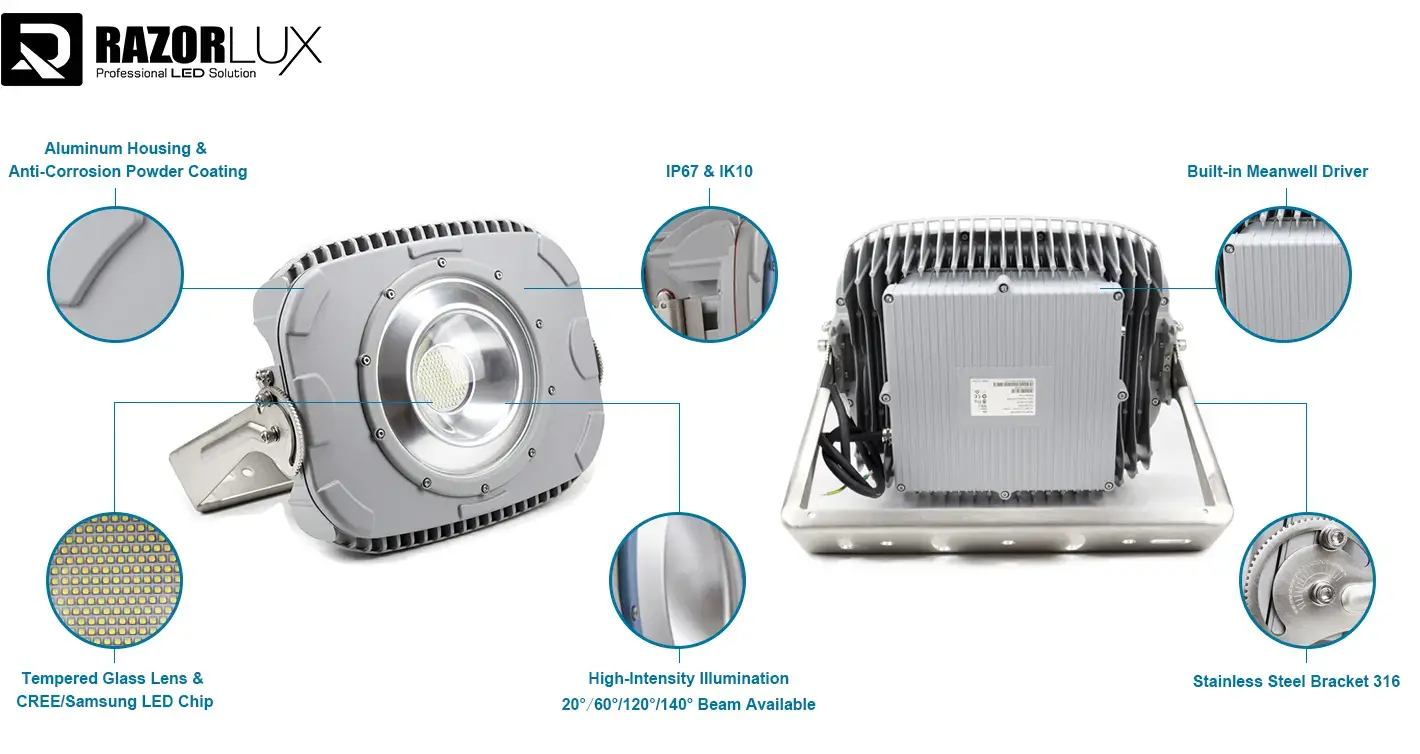
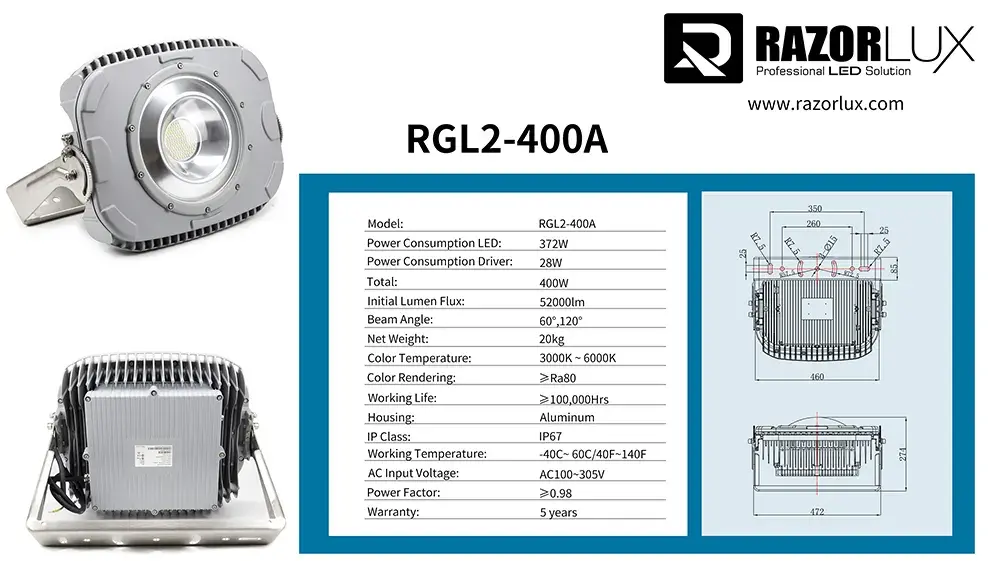
Fixtures can be changed to fit different mounting options and beam angles thanks to a patented multi-function design philosophy. Different sports and location shapes can be accommodated by beam designs of 60°, 120°, and 140°x60°. High-efficiency LEDs that get at least 130 lumens per watt give off the most light while using the least amount of power.
Strong construction includes IP67 waterproof ratings and IK10 impact protection, which make sure it works reliably in tough weather conditions. Salt spray, water, and changes in temperature don't rust the powder-coated aluminum housings or the stainless steel frames that hold them together. Surge safety circuits keep your electronics from getting damaged by lightning hits or changes in the power grid.
Colour rendering scores above Ra75 make sure that colours are reproduced correctly, which is important for sports broadcasts and player safety. The technology lets facilities precisely control colour temperatures, so they can mimic natural light or make specific atmospheres for different events.
| Feature | Description | Benefit |
|---|---|---|
| Dimming Capabilities | Adjustable light levels, smart control systems | Optimizes energy consumption, adapts to different activities |
| Multi-Function Design | Adaptable mounting, beam angles (60°, 120°, 140°x60°) | Versatile for various sports and venue geometries |
| High-Efficiency LEDs | 130+ lumens per watt | Maximizes light output while reducing energy use |
| Robust Construction | IP67 waterproof, IK10 impact resistance | Ensures reliable operation in harsh environments |
| Color Rendering | Ra75+ colour rendering, precise temperature control | Accurate colour reproduction for safety and broadcasting |
Technical Architecture and Engineering Excellence
Advanced heat management and precise visual control are at the heart of how LED sports lighting fixtures work. Heat sink designs use aluminum fins and special shapes to get rid of heat quickly, keeping LED junction temperatures in the right ranges. Longevity and stable light output over time are directly affected by this temperature control.
Computer-aided design is used in optical engineering to make lenses and reflection systems that spread light in certain ways. Photometric testing confirms performance qualities, making sure that all game areas are lit evenly and that spill light doesn't reach outside the building. Modern LED setups put several chips under a single lens, which cuts down on glare and improves optical efficiency.
Electronic motors from companies like Mean Well keep the flow of electricity fixed and fix power factor problems that are greater than 0.98. Total harmonic distortion below 10% makes sure that it works with electrical systems and increases performance. Wide input voltage ranges let different power source conditions work without the need for extra voltage adapters or transformers.
Components can be replaced in the field with modular designs, which lowers long-term upkeep costs and cuts down on downtime. Standardized installation connections make sure that they can work with current pole structures and also allow for updates or system extensions in the future.
Advantages over the competition in sports lighting
LED sports lighting systems have many benefits, not just saving energy. They also have many practical benefits. Improvements in the energy economy of 60–80% compared to metal halide systems mean high cost savings, especially for places that use power for lights in the evening. The longer 50,000-hour lifespan means that it doesn't need to be replaced as often, which saves money on labour costs.
Instant-on capability gets rid of warm-up delays, letting you get full light right away when you need it. This function is especially helpful in emergencies or places that are having more than one event at the same time. Traditional lamps may have trouble starting or reaching full power in cold weather, but LED lights don't change how well they work when it's cold.
Getting rid of mercury and other dangerous materials found in high-intensity discharge lamps is good for the environment. Less heat production means less cooling is needed, which makes the whole process even more energy efficient. Using exact optical control to cut down on light pollution handles neighbourhood issues while keeping the best lighting for the game.
Better lighting improves both the ability of athletes and the experience of fans. Less blur gets rid of the stroboscopic effects that can make it hard to see distance and keep track of moving objects. High colour rendering and a consistent colour temperature make for the best watching conditions for both people and television cameras.
| Advantage | Description | Benefit | Example/Application |
|---|---|---|---|
| Energy Efficiency | 60-80% energy savings vs metal halide | Substantial cost savings, especially for evening operations | Facilities with evening events |
| Long Lifespan | 50,000-hour lifespan | Reduced replacement frequency and labour costs | Long-term use in sports venues |
| Instant-On Performance | Immediate full illumination | Valuable for emergencies or consecutive events | Sports events or emergency lighting |
| Cold Weather Performance | Consistent performance in low temperatures | No issues with ignition or full output in cold weather | Outdoor facilities in cold climates |
| Environmental Benefits | No mercury, reduced heat generation, and less light pollution | Improved energy efficiency, eco-friendly | Sustainable lighting solutions |
| Superior Light Quality | Reduced flicker, consistent colour rendering | Enhances athletic performance and spectator experience | Optimized for athletes and cameras |
Considerations and Implementation Factors
To get the most out of Led Sports Lighting Fixtures and avoid any problems, they need to be carefully planned out. Traditional lighting systems cost more to buy at first, but LED technology usually has a lower total cost of ownership because it uses less energy and needs less upkeep. Professional lighting analysis makes sure that the right fixtures are chosen and put in the right places for each event.
The electricity system that is already in place might need to be looked at so that it can handle the power needs of LEDs. Even though LED systems usually use less power generally, changes to the electrical system may be needed for different types of loads. Professional installation makes sure that the fixing, pointing, and electrical connections are done correctly so that the device works well and is safe.
When sites are cut off or don't have enough airflow, heat control becomes very important. LEDs don't make as much heat as regular lamps, but making sure there is enough airflow around lights keeps them at the right temperature and extends their life. Cleaning optical surfaces on a regular basis keeps the light output steady and stops damage from dirt buildup.
Interface adapters or system changes may be needed to make new control systems work with old ones. Investing in advanced lighting and tracking features is often worth it because they make operations more flexible and help save energy.
Uses in sports and target audiences
LED track lighting is used in a variety of sports settings, each with its own lighting needs. High-output bulbs that can evenly light big areas and meet broadcast standards for TV coverage are needed in football grounds. To keep glare to a minimum for players and fans while still providing enough light for the court, basketball venues need precise beam control.
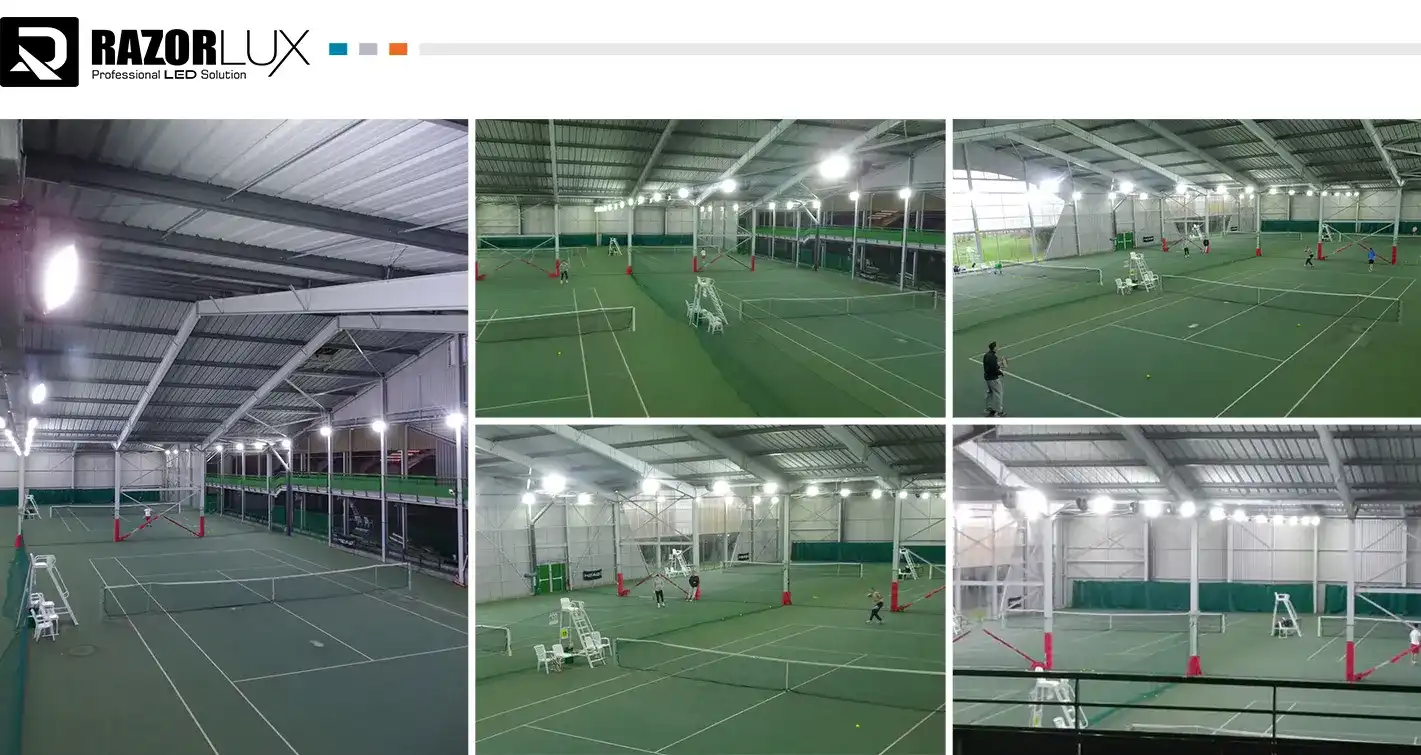
Less glare and shadows that could make it hard for the ball to track are good for tennis courts. Because of the chlorine and high humidity in swimming pool buildings, faucets need to be more resistant to rust. Sports centres that can be used for more than one thing need lighting systems that are flexible enough to change to different activities and user needs.
Professional sports arenas put a lot of emphasis on lighting that is broadcast-quality, with accurate colours and no flickering. Schools and colleges try to meet safety standards while also saving money on energy and other costs over time. Municipal buildings have to balance the need for efficiency with the need to stay within budget and be environmentally responsible.
Industrial sports centres and training sites need features that are strong enough to handle heavy use. Outdoor leisure areas need lighting systems that can withstand the weather and work reliably in all four seasons.
Conclusion
LED sports lighting fixtures are the next big thing in lighting for athletic venues because they use less energy, work better, and are better for the earth. Smart controls, digital connections, and better visual designs are some of the latest technological advances that make the user experience even better. As sustainability becomes more important and energy costs keep going up, LED systems are the best way for modern sports centres to save money and protect the environment over the long term.
FAQ
1. How much energy do LED sports lighting fixtures save compared to old-fashioned ones?
A: Compared to metal halide lights, LED sports lighting solutions usually use 60–80% less energy. A 1000-watt metal halide system can be switched out for an equal 200-300-watt LED system that gives off the same amount of light or more, but costs a lot less to run.
2. How long should I expect good LED sports lighting fixtures to last?
A: Good quality LED sports lighting fixtures last at least 50,000 hours, while metal halide lamps only last about 10,000 hours. This longer lifespan means that it will work for 15 to 20 years with normal use, which means that it will need much less upkeep and cost a lot less.
3. Can LED sports lights be used in bad weather?
A: Yes, professional LED sports lighting fixtures are waterproof up to IP67 standards and are built to last in harsh weather. Good fittings can handle temperatures from -40°C to 60°C and won't rust when exposed to salt spray, water, or UV light.
Choose Razorlux for Professional LED Sports Lighting Solutions
As a trusted LED sports lighting fixtures manufacturer with over 25 years of industry experience, Razorlux delivers cutting-edge illumination solutions backed by comprehensive certifications, including UL, CE, and RoHS compliance. Our patented designs achieve 130 lumens per watt efficiency while providing reliable operation in the harshest marine and industrial environments. contact us at sam@razorlux.com to discuss your specific lighting requirements and discover how our innovative LED sports lighting fixtures can transform your sports facility's performance and operational efficiency.
References
1. International Association of Lighting Designers. "Sports Lighting Standards and Best Practices." IALD Professional Guidelines, 2023.
2. Illuminating Engineering Society of North America. "Recommended Practice for Sports and Recreational Area Lighting." IES RP-6-15, 2022.
3. U.S. Department of Energy. "LED Sports and Area Lighting Performance Assessment." Energy Efficiency and Renewable Energy Office, 2023.
4. International Dark-Sky Association. "Guidelines for Outdoor Sports Lighting Design." IDA Technical Report, 2022.
5. Sports Business Journal. "The Economics of LED Stadium Lighting Retrofits." Annual Facilities Report, 2023.
6. American Sports Builders Association. "LED Lighting Integration in Modern Sports Facility Design." ASBA Technical Bulletin, 2022.
 VIEW MOREbaseball stadium lights
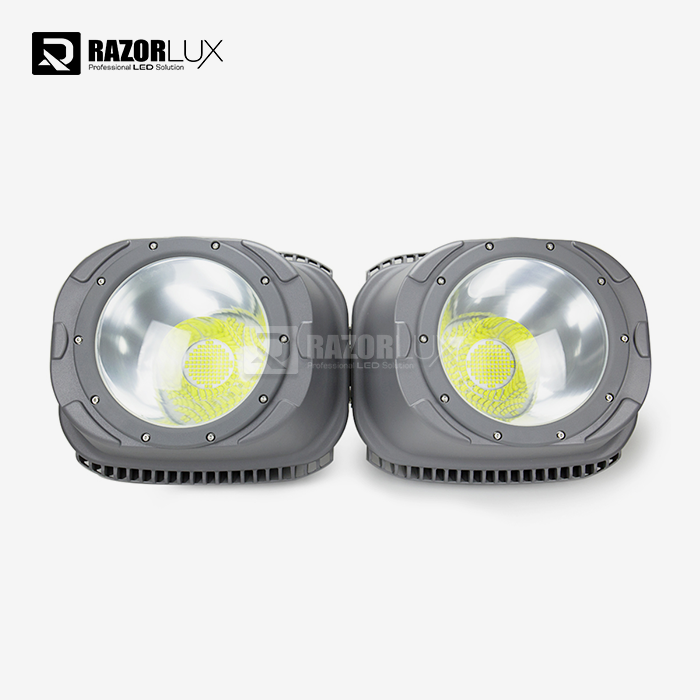 VIEW MOREhorse arena lights
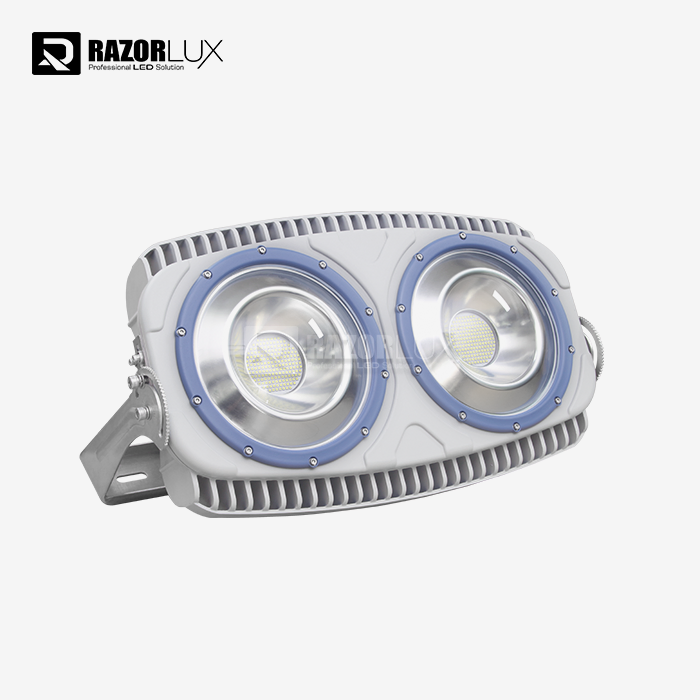 VIEW MOREled flood lights sports field
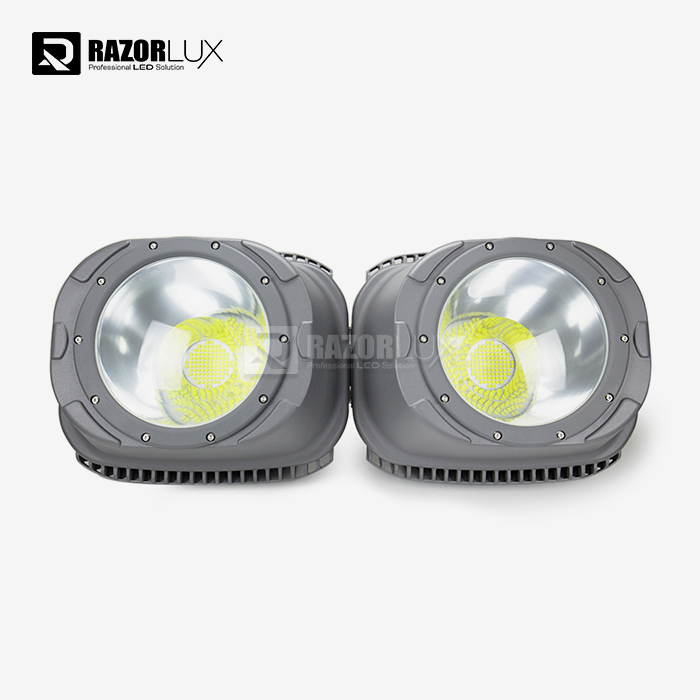 VIEW MOREhigh wattage flood lights
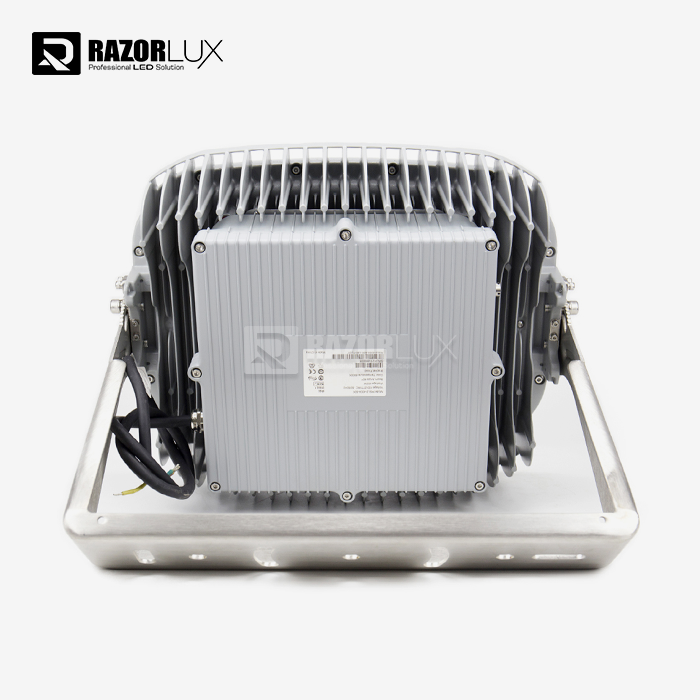 VIEW MOREoutdoor led tennis court lighting
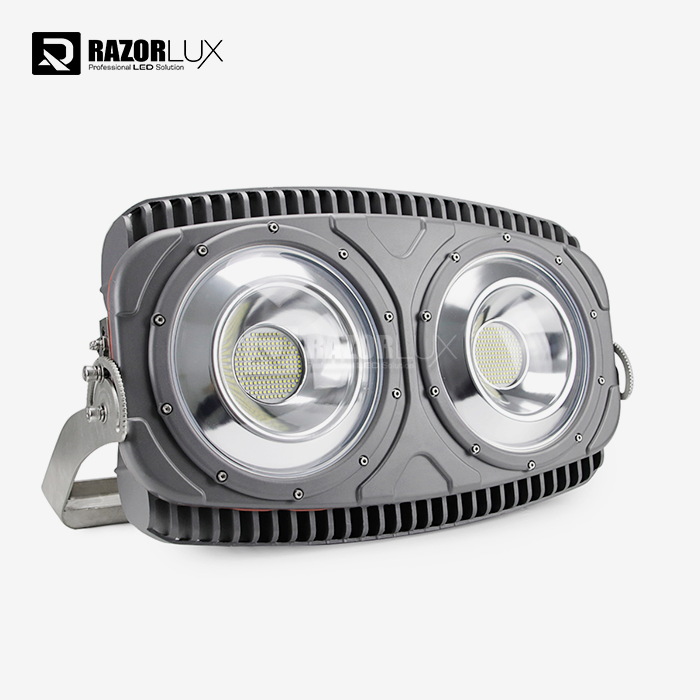 VIEW MORE1000 Watt Led Sports Light
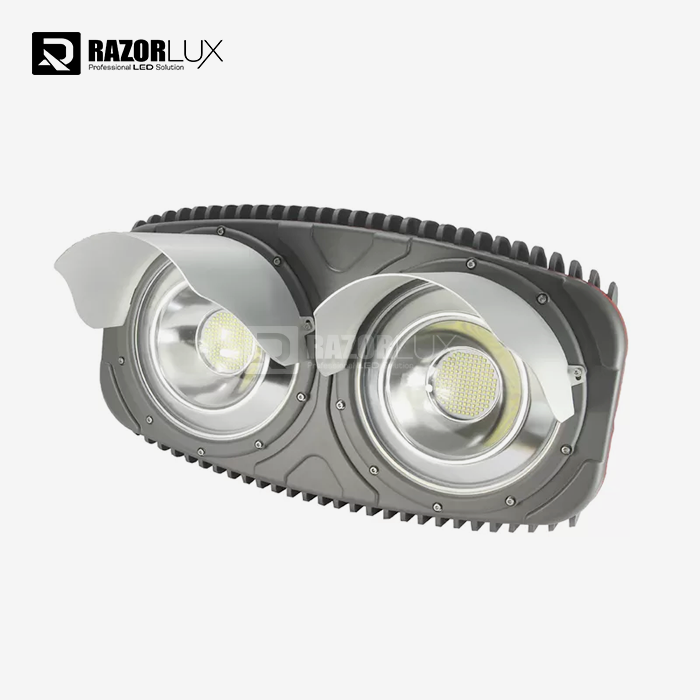 VIEW MOREDie Cast Waterproof Led Flood Light Outdoor 6000K Saa Aluminum Alloy
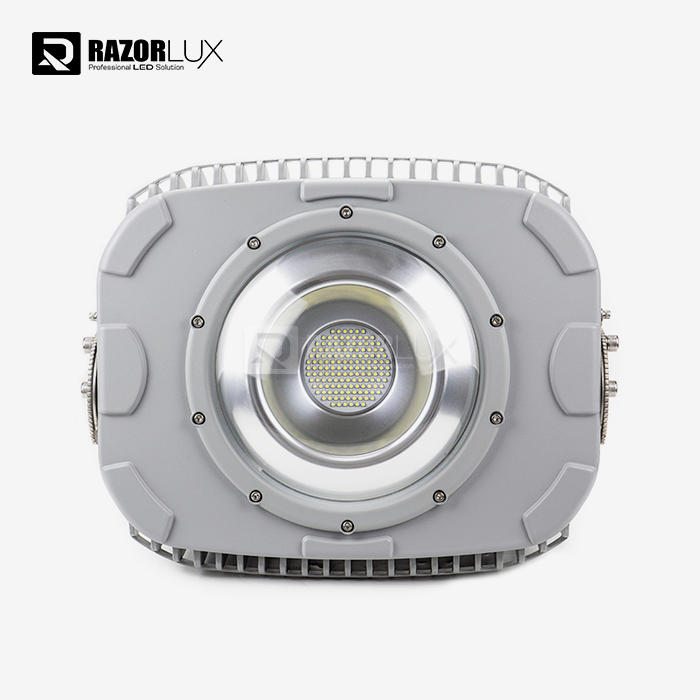 VIEW MORE500W Led Sports Light