


_1750326878398.png)

What Certifications Should 1000 Watt LED Outdoor Flood Lights Have?
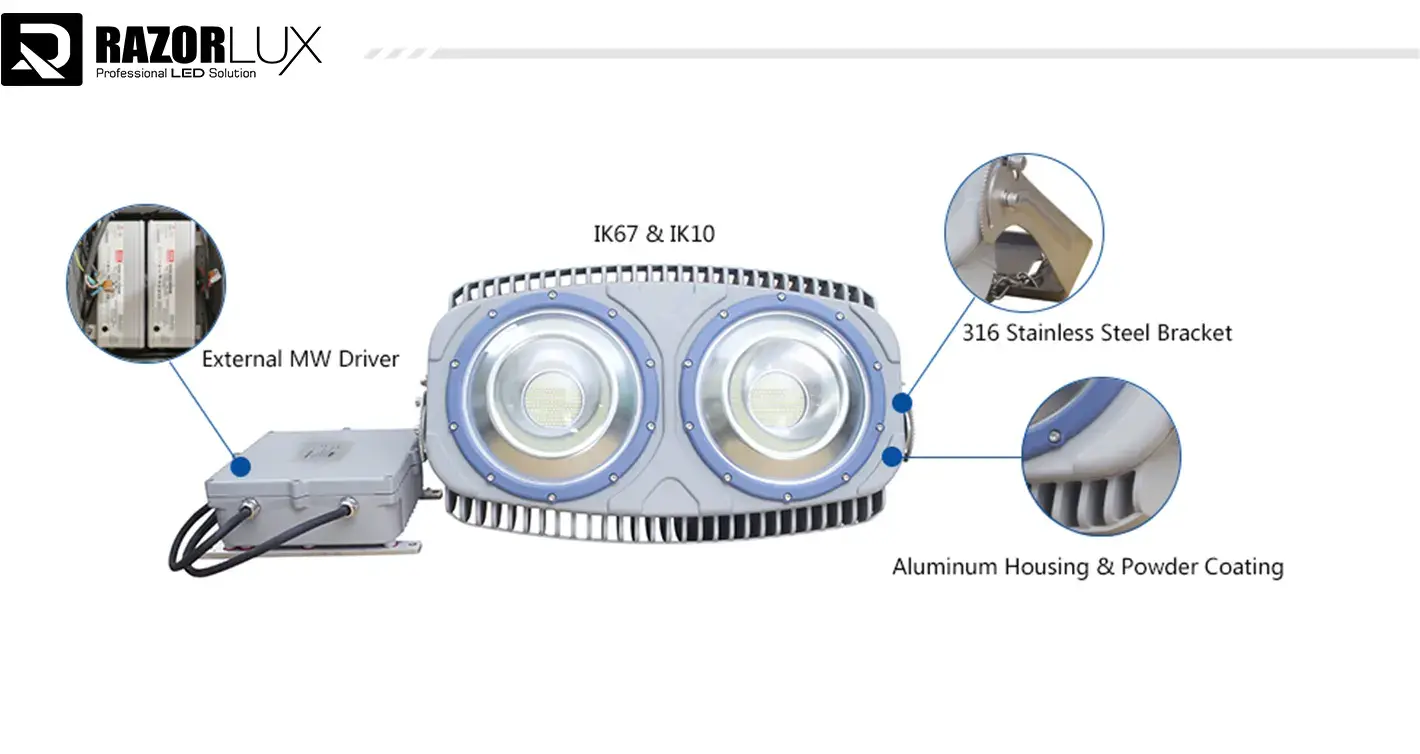
When procuring high-power LED lighting for marine, industrial, 1000 Watt LED Outdoor Flood Lights, or heavy-duty outdoor applications, certifications are not optional—they are mission-critical. 1000 Watt Led Outdoor Flood Lights must carry comprehensive credentials that verify electrical safety, environmental compliance, energy efficiency, and structural durability. Essential certifications include UL or ETL for North American electrical safety, CE marking for European market access, IP65/IP67 ingress protection ratings for dust and water resistance, DLC Premium listing for utility rebate eligibility, and IK10 impact resistance for rugged environments. These credentials collectively ensure that your lighting investment meets regulatory requirements, reduces operational risk, and delivers reliable performance across decades of service in demanding conditions.
Understanding the Role of Certifications for 1000 Watt LED Outdoor Flood Lights
In the global business-to-business (B2B) world of today, licenses are the main way that buyers and sellers trust each other. When a buying manager at a shipyard in Norway or a port facility engineer in Singapore looks at high-power 1000 Watt Led Outdoor Flood Lights, they're not just comparing costs or brightness levels. They are looking at all the risks that come with a lighting solution that will have to work all the time in harsh conditions like salt spray, temperature changes, mechanical vibrations, and electromagnetic interference. Certifications take care of this difficulty by making sure that product claims are checked by a third party in a standard way. Instead of only using manufacturer datasheets, procurement workers can look at widely recognized marks that show products meet safety standards, environmental rules, and performance standards. This verification method greatly lowers the risk of liability, speeds up the clearance of goods crossing international borders, and meets the growing demands for due diligence set by corporate governance frameworks and sustainability reporting standards.
How Safety Certifications Protect Your Investment
Electrical safety approvals from organizations like UL, ETL, and CE are the most important part of a product's trustworthiness. These marks show that the electrical parts, insulation, and earth links inside a light fixture have been thoroughly checked to make sure they don't cause fires, electric shocks, or damage to other equipment. When looking at 1000 Watt LED Outdoor Flood Lights, buyers should make sure that both the LED module and the driver assembly have their own certifications. This is because the LED module and the driver assembly work at different levels and pose different safety concerns. At Razorlux, our fixtures come with Mean Well power supplies that still have their own UL recognition. This gives you two levels of safety guarantee that appeal to both risk-averse procurement groups and insurance underwriters.
Environmental and Energy Compliance Drives Long-Term Value
Environmental certifications like RoHS and energy performance marks like DLC and Energy Star have a direct effect on the total cost of ownership, in addition to the immediate safety issues. RoHS compliance makes sure that light bulbs don't have too many dangerous chemicals like lead and mercury. This makes recycling easier and saves money on dumping fees in places with strict rules about e-waste. DLC Premium listing, on the other hand, proves that a light meets certain luminous efficacy thresholds—our units give 130 lm/W—which means they can be used with utility rebate programs that can cover 20 to 40 percent of the initial cost of purchase. With these certificates, buying lights stops being just an expense and starts being a smart investment with 1000 Watt LED Outdoor Flood Lights, a clear return on investment.
Key Certifications to Look for When Choosing 1000 Watt LED Outdoor Flood Lights
To find your way around the world of licensing, you need to know which marks meet certain performance standards and legal requirements. Not all qualifications are equal; some are needed to enter certain areas, while others help you stand out from the competition. Professionals in procurement should evaluate certifications in a planned way, connecting each mark to a specific procurement worry, such as safety, environmental compliance, energy performance, or environmental durability.
Electrical Safety and Electromagnetic Compliance
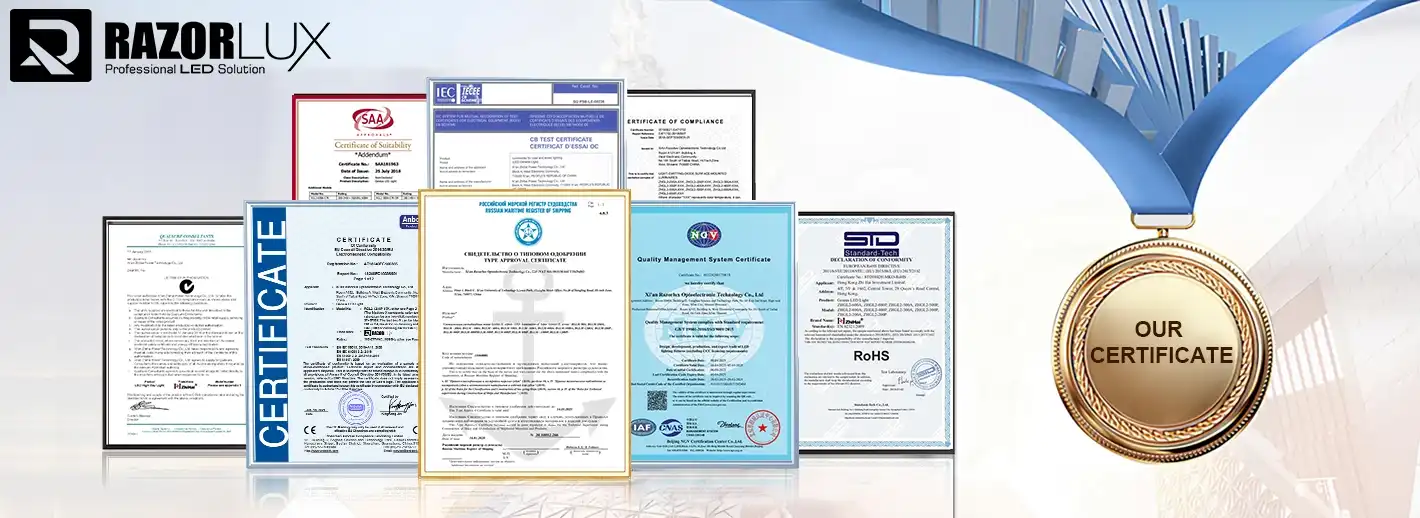
UL and ETL Certification: These show that the products meet North American safety standards, especially UL 1598 for lighting and UL 8750 for LED light sources. Protocols for testing look at how electrical insulation, thermal management, mechanical build, and problem situation behavior work. Intertek's ETL approval gives the same level of security under the same standards. For both marks to stay on the list, factories have to be inspected once a year. This makes sure that quality control is always going on.CE Marking: All lighting goods sold in the European Economic Area must have this mark. It shows that the product meets the requirements of the Low Voltage Directive (2014/35/EU) and the EMC Directive (2014/30/EU). This self-declaration system, which is backed up by technical files and test results from notified bodies, proves that electromagnetic emissions stay below interference levels and that 1000 Watt Led Outdoor Flood Lights can handle external EMI without losing performance.FCC Compliance: Registering with the Federal Communications Commission (FCC) confirms that electromagnetic emissions in the radio frequency spectrum stay within Class A or Class B limits. This keeps communication equipment from getting messed up, which is very important in places like airports, ports, and ships where navigation and communication systems are always on.
Energy Efficiency and Performance Validation
DLC Premium Listing: The DesignLights Consortium keeps the most accurate collection of LED product performance data for business and industry uses. For a product to be listed as premium, it must have a luminous efficacy of more than 130 lm/W, a L70 lifespan prediction based on LM-80 tests and TM-21 figures, a minimum color rendering index value, and photometric performance proof. Fixtures with DLC Premium status are directly eligible for utility reward programs across North America. This saves buying budget money right away. Energy Star Certification: This isn't very common for high-wattage commercial flood lights, but it gives consumers confidence and shows that the company is following EPA rules for energy efficiency. This mark is especially important for city buying departments and government companies that have to follow executive orders that say they should buy Energy Star products. The difference between these energy certifications is very important. Energy Star works on products for homes and small businesses, while DLC Premium is more for commercial and industrial uses that need high efficiency. For lighting up a port or an offshore platform, the DLC Premium entry is the right thing to do.
How These Certifications Impact Performance and Total Cost of Ownership
Certifications affect more than just checking boxes for compliance; they also have 1000 Watt Led Outdoor Flood Lights a big impact on business costs, upkeep burden, and lifetime value. When buying, teams understand these links, they can make strong business cases for premium approved goods instead of just fighting on price per unit.
Reduced Maintenance Frequency and Labor Costs
Certified high-wattage 1000 Watt LED Outdoor Flood Lights usually have L70 lifespans of more than 50,000 hours, which is about 11 years of constant use or 17 years of 8 hours of use every day. This longer service life directly means less upkeep costs, which is especially helpful in places that are hard to get to. Take a look at a shipping terminal's high-mast lighting system, which is mounted 30 to 40 meters above the ground. Every time it needs to be serviced, it needs special mobile raised work platforms, traffic control, and safety rules. Our 5-year guarantee covers both LED modules and drivers, so you don't have to worry about relamping during this important time. Compared to traditional HID systems, this means that you'll spend 60–70% less on maintenance each year.
Insurance and Liability Considerations
Many business insurance plans don't cover electrical equipment that isn't certified, or they charge higher premiums when uncertified goods are used. When equipment is listed with UL or ETL, it gives insurers third-party confirmation that it meets safety standards. For big setups, this could lower liability premiums by 10–20%. This is an especially important thing to think about in high-consequence places like petrochemical plants, LNG ports, and offshore platforms, where accidents caused by equipment can cost millions of dollars.
| Certification Type | Primary Function | Procurement Value | Typical Cost Impact |
|---|---|---|---|
| UL/ETL | Checking for electrical safety | Less liability and insurance compliance | 8–12% more than uncertified |
| CE Marking | Access to the European market | Clearing customs and following the rules | Must be for EU countries |
| DLC Premium | Verification of energy performance | Rebates for utilities and ESG reports | 20–40% of the cost is covered by rebates |
| IP67 | Protection from water getting in | Failure rates are lower in wet places | Extra 5–10% over IP65 |
| IK10 | Resistance to impact | Less often replacements in industrial zones | 8–15% more than the standard price |
Comparing Certified 1000 Watt LED Flood Lights from Top Global Manufacturers
There are both well-known lighting multinationals and specialized makers in the industrial LED flood light market. Each has its own certification methods and market positioning. Knowing these differences helps buying teams judge the credibility of expert claims and the skills of suppliers.
Global Brand Certification Strategies
Big lighting companies like Philips, Osram, and GE use large certification libraries to help their global delivery networks work. As a result of the rules in their main markets, their goods usually have full regional marks, such as UL/ETL for North America, CE for Europe, SAA for Oceania, and CCC for China. These companies have regulatory relations teams that keep an eye on changing standards and organize 1000 Watt Led Outdoor Flood Lights recertification activities to make sure that they stay in line as requirements change. Longer product development processes and higher unit costs due to regulatory overhead are the costs of this all-around method.
Specialized Manufacturers and Marine Certifications
Manufacturers that make products for industrial and naval use, like Razorlux, often look for approvals that go beyond the usual electrical and environmental marks. Maritime classification society approvals from DNV GL, ABS, and Lloyd's Register prove that luminaires meet the specific needs of placement on a vessel, including resistance to shaking, cable entry methods, electromagnetic compatibility with navigation equipment, and material flammability characteristics. These certificates are very important for naval equipment integrators and shipyard buying managers who need to meet the inspection standards of the class society. Our fixings meet DNV GL Type Approval standards, which means they can be directly specified in projects to build new vessels or fix old ones.
How to Verify Certifications and Ensure Authenticity When Purchasing
Certification scams and misinformation are big risks in purchasing, especially when buying from sellers you don't know or from markets that are still growing. Buyers may be at risk of liability, performance problems, and customs seizures when they buy 1000 Watt LED Outdoor Flood Lights with fake certification marks, outdated listings, or false claims. These risks are kept at bay by systemic testing processes.
Requesting and Reviewing Certification Documentation
To start, ask for full certification packages that include certificates, test results, 1000 Watt LED Outdoor Flood Lights, and proof of all the marks that were claimed. Certifications that are real have certain parts that can be checked. UL listings show an E-number that can be used to find the item in UL's online Product iQ database. CE declarations of compliance list specific EU laws and include a four-digit number that identifies the notified body if one is involved. The DLC Qualified Products List is open to the public and has visual data and effectiveness numbers for each model. Razorlux includes full certification paperwork with every quote. This includes certificates for CE, RoHS, SAA, C-Tick, UL, DLC, and CB compliance. This makes it easier to check during the technical review stages.
Cross-Referencing with Certification Body Databases
Online verification methods are kept up by most of the big licensing groups. You can search the UL Product iQ database by business name, file number, or product type. The DLC Qualified Products List lets you sort by maker, type of light, and performance features. The marked body record kept by the European Commission can be used to check if a product is CE-compliant. Set aside 20 to 30 minutes for each seller to check their claimed certifications against these reliable sources. Pay close attention to the limits of the certificate's coverage. For example, it may only cover certain types or wattage ranges, not the product you are looking at.
Red Flags and Warning Signs
Several signs point to problems with licensing that need to be looked into more deeply. Generic papers that don't have details specific to the model may be a sign of fake paperwork. If the seller won't give you a provable file or certificate numbers, it means they can't back up their promises. Certificates from testing labs that can't be found or whose credentials can't be verified, especially "certification" marks that look like real marks but have slightly different names, are clearly attempts at a scam. Pricing that is 30–40% less than certified competition and much lower than the market may mean that non-compliant goods are being sold as certified when they are not. When Razorlux sends out quotes, we include direct database links and certification file numbers. This way, the quotes can be checked right away, and this builds trust during the evaluation process.
| Verification Method | Time Required | Reliability Level | Best Application |
|---|---|---|---|
| Online database search | 5 to 10 minutes | High | Quick check of the main marks (UL, DLC, CE) |
| Certificate document review | 15 to 20 minutes | Medium | In-depth look at the truth and scope |
| Direct contact with the certification body | 1 to 3 days | Very High | Important projects that need complete confirmation |
| Verification by a third-party lab | 2 to 4 weeks | Absolute | Important apps or possible fraud |
| Audit of approval records at the factory | 1-2 days | Very High | Getting new suppliers or big framework deals approved |
Conclusion
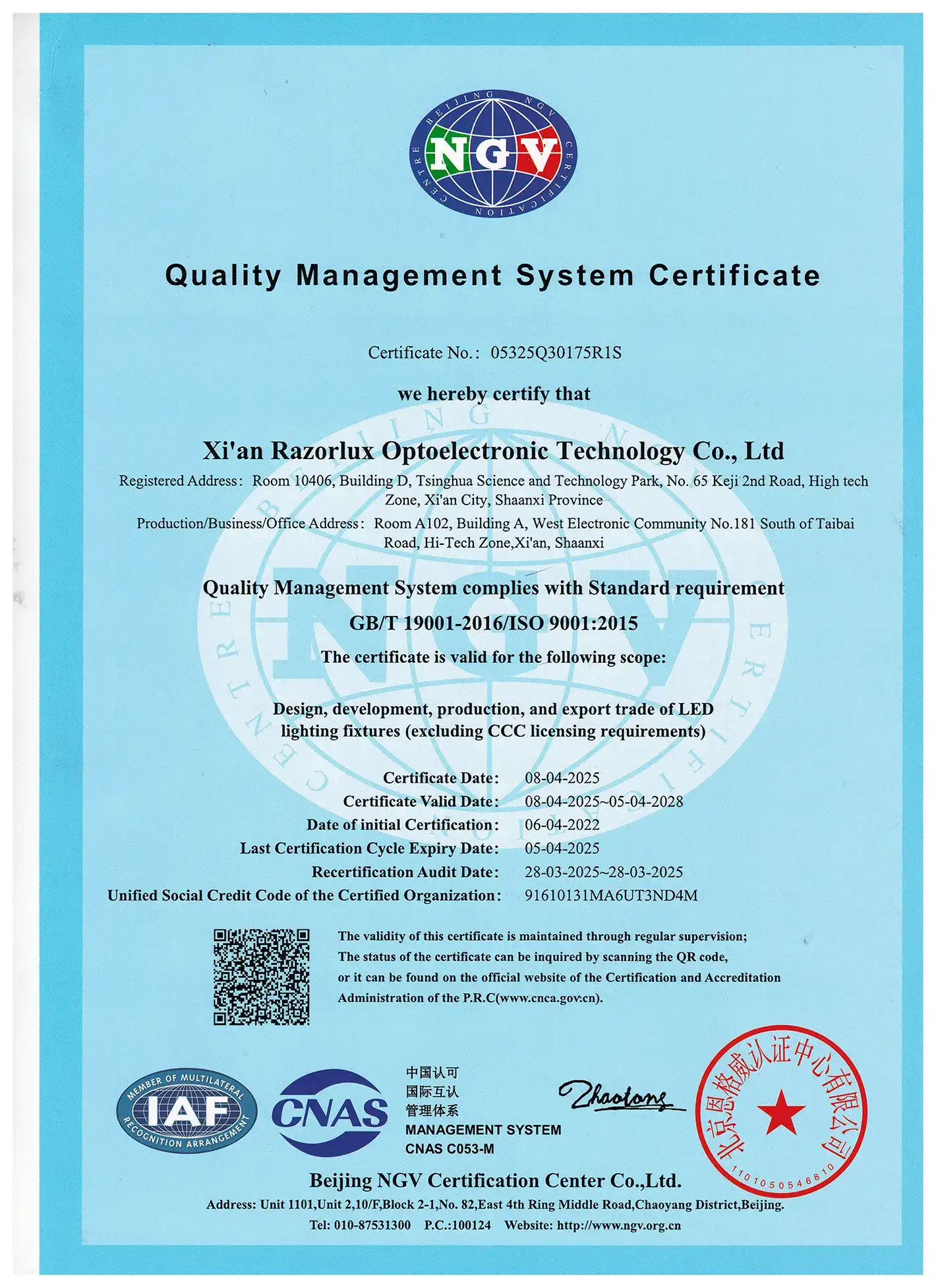
Certifications represent far more than regulatory formalities—they provide the foundation for confident procurement decisions in high-stakes industrial and marine lighting projects. 1000 Watt LED Outdoor Flood Lights with all the right certifications are electrical safety confirmed by UL and CE marks, energy performance confirmed by DLC Premium listing, environmental durability confirmed by IP67 and IK10 ratings, and supply chain quality assurance provided by ISO 9001 manufacturing certification. All of these qualifications lower the risk of buying something, lower the total cost of ownership by saving energy and making the product last longer, and make it easier to meet insurance requirements and government rules. During the evaluation phase, procurement professionals protect their companies from liability by regularly checking certifications against reliable databases and asking for full documentation. This way, they can also find lighting solutions that will work reliably for decades in harsh outdoor conditions.
FAQ
1. What IP rating is necessary for coastal and offshore installations?
IP67 approval is the lowest level of safety that can be used in marine and coastal settings where risks like saltwater spray, heavy rain, and short submersion during deck washing or storms are common. The "6" digit confirms that the fixture is completely dust-tight and won't let salt crystals build up inside it. The "7" digit confirms that the fixture is protected against diving up to 1 meter deep for 30 minutes. For important uses on ship decks, offshore platform walks, or docks that are subject to wave action, this grade stops water from getting in and causing internal corrosion, driver failure, and early luminaire replacement, which can happen in just a few months with fixtures that aren't approved.
2. Are UL and CE certifications legally required for commercial projects?
Legal requirements vary by jurisdiction and project type. In the US, UL or ETL listing is not required by law. However, many state and local electrical codes, especially those that use the National Electrical Code, do require luminaires to be "listed" by a Nationally Recognized Testing Laboratory. This includes UL, ETL, and a few other certification bodies. According to the Low Voltage Directive, all lighting items sold in Europe must have the CE mark on them. In addition to being required by law, many project specs made by consulting engineers, insurance companies, and facility owners make it clear that these certifications are needed to lower risks. Certified goods are often required by government contracts and projects that get public money, even if the local code only requires the bare minimum.
3. How do energy certifications affect rebate eligibility and operational costs?
Getting a DLC Premium listing makes luminaires directly eligible for utility incentive programs across North America. These programs usually offer $150 to $300 per light or performance-based rewards based on how many kilowatt-hours of energy they are expected to save compared to basic technologies. These refunds can cover 25–40% of the cost of buying things, which greatly increases the project's return on investment (ROI). In addition to initial refunds, the DLC Premium listing confirms luminous efficiency exceeding 130 lm/W. This makes sure that the energy savings estimates used in ROI calculations are checked by a third party instead of just relying on what the maker says. This efficiency edge saves 50–100 MWh of energy per 1000 Watt LED Outdoor Flood Lights over its 50,000-hour service life, compared to the 2000–3000W HID systems it replaces.
Partner with Razorlux for Fully Certified High-Performance LED Flood Lighting
Razorlux stands ready to support your most demanding industrial and marine lighting projects with fully certified 1000 Watt LED Outdoor Flood Lights that meet the rigorous requirements of shipyards, offshore platforms, port facilities, and heavy industrial environments. As a trusted manufacturer with over two decades of LED technology expertise and more than 200 patents covering optical design, thermal management, and power control, we deliver lighting solutions backed by comprehensive certifications—CE, RoHS, SAA, C-Tick, UL, DLC, CB, and ISO 9001—that streamline your procurement approval process and ensure regulatory compliance across global markets. Our patented multi-function design accommodates AC 80-305V and DC 100-800V input ranges, delivering 130 lm/W efficacy through Mean Well power supplies and achieving IP67/IK10 environmental protection for decades of reliable service. Contact our technical team at sam@razorlux.com for detailed certification documentation, project-specific photometric analysis, sample evaluation units, or bulk procurement quotations tailored to your installation requirements.
References
1. International Electrotechnical Commission. (2020). IEC 60529: Degrees of protection provided by enclosures (IP Code). Geneva: IEC Central Office.
2. National Electrical Manufacturers Association. (2019). ANSI/UL 1598: Standard for Safety of Luminaires. Northbrook: Underwriters Laboratories.
3. DesignLights Consortium. (2023). Technical Requirements for High-Power LED Outdoor Lighting V5.3. Waltham: DesignLights Consortium.
4. European Committee for Electrotechnical Standardization. (2021). EN 62262: Degrees of protection provided by enclosures for electrical equipment against external mechanical impacts (IK code). Brussels: CENELEC.
5. Illuminating Engineering Society. (2022). IES LM-80-21: Measuring Lumen Maintenance of LED Light Sources. New York: Illuminating Engineering Society.
6. International Organization for Standardization. (2017). ISO 9227: Corrosion tests in artificial atmospheres — Salt spray tests. Geneva: ISO Central Secretariat.
 VIEW MOREoverhead crane safety lights
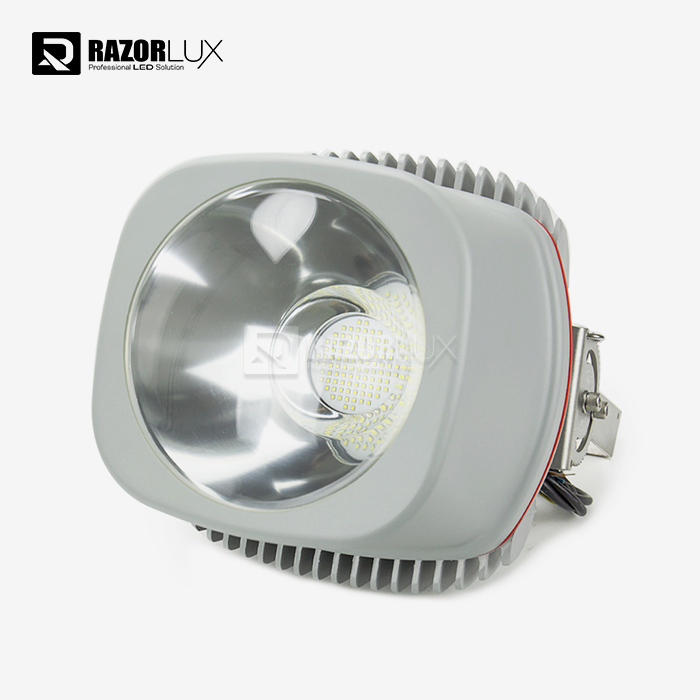 VIEW MOREmarine flood lights
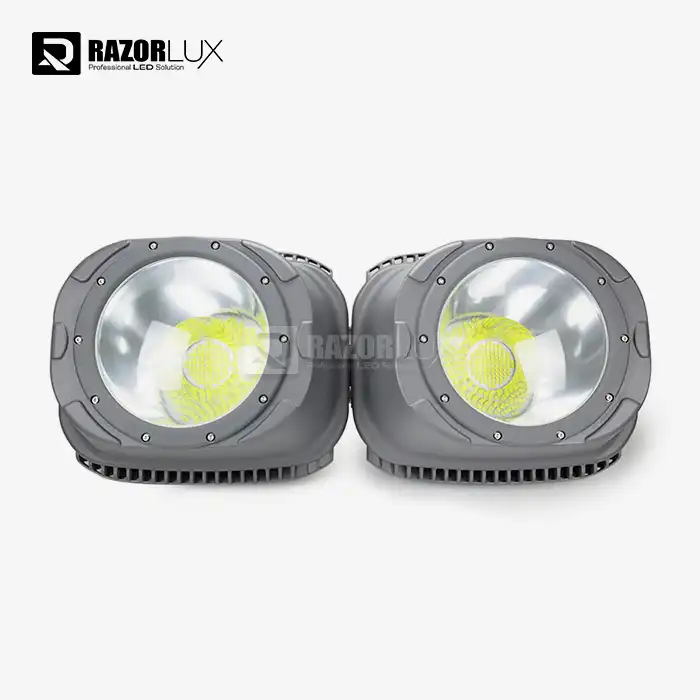 VIEW MOREFloodlight For Boat
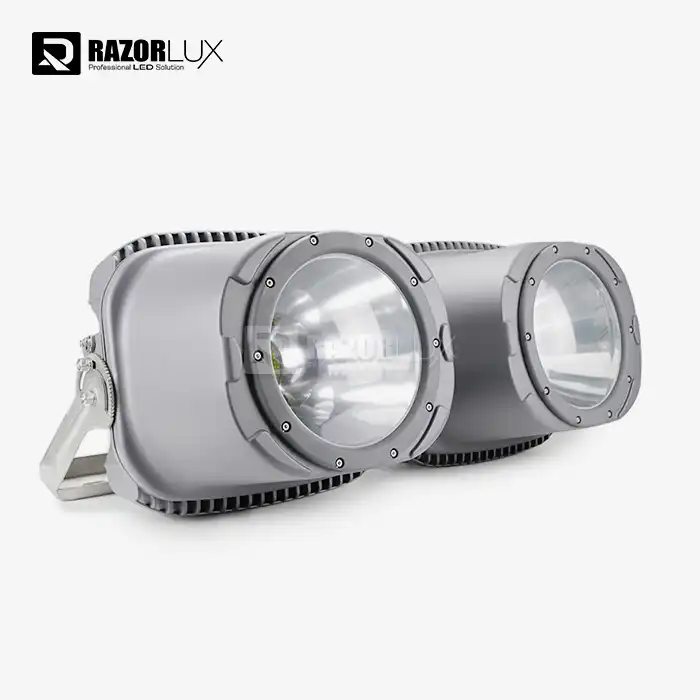 VIEW MOREBest Led Boat Deck Lights
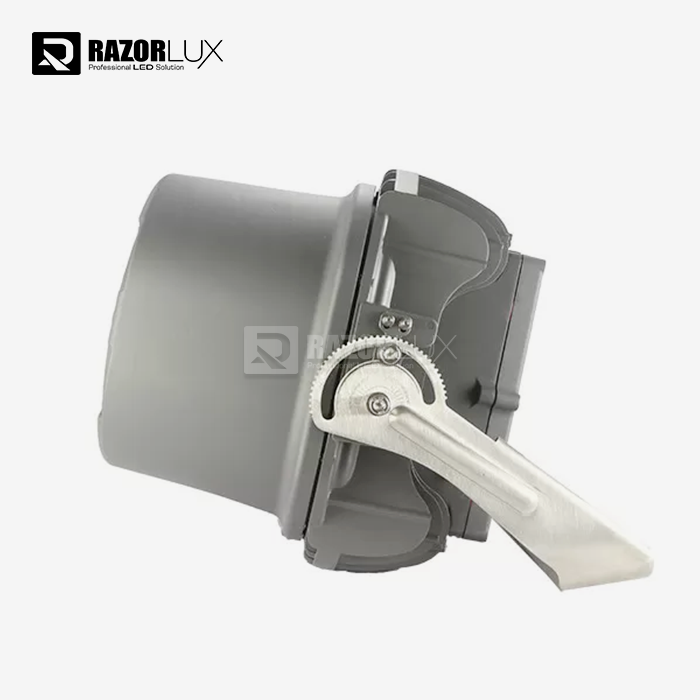 VIEW MOREFootball Field 140F Led Stadium Lights 1000 Watt 5700K Sports Lighting Fixtures
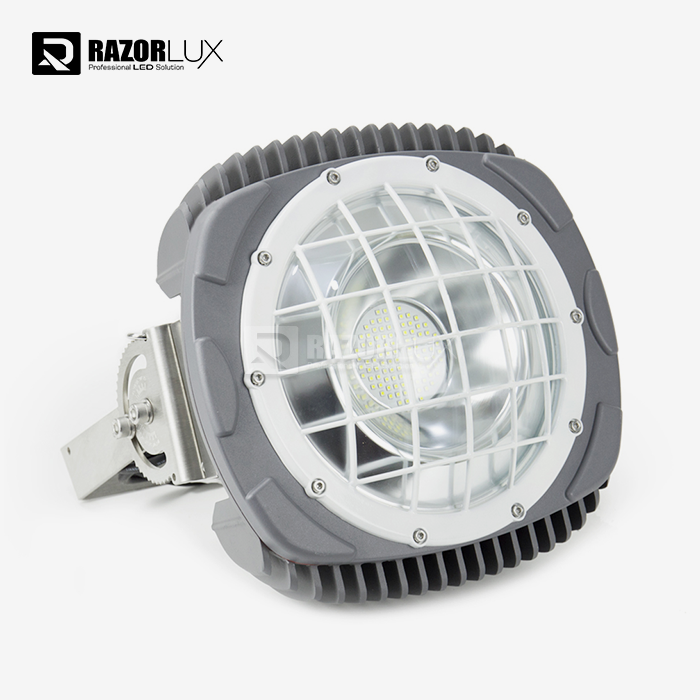 VIEW MOREExterior Led Floodlights
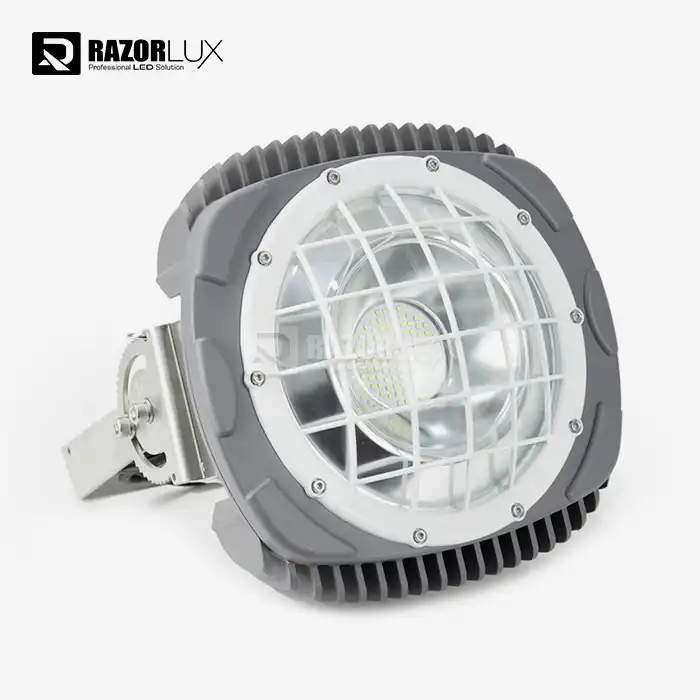 VIEW MOREOutdoor Dimmable Flood Lights
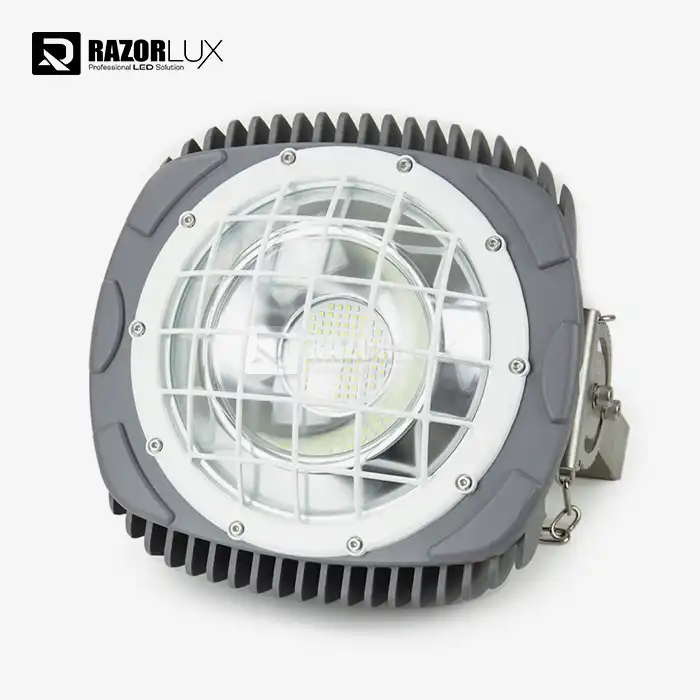 VIEW MOREOutdoor Landscape Flood Lights