


_1750326878398.png)

Why Do Industries Prefer Waterproof LED Flood Light 400W?
The Waterproof LED Flood Light 400W is becoming more and more popular in industries all over the world for their toughest lighting needs. This choice comes from the fixture's amazing ability to provide bright light (usually 48,000 to 52,000 lumens) while also being protected against water, dust, and toxic substances (IP67 rating). Unlike older systems, these LED options work consistently in ranges from -40°C to 60°C and have improved heat control that makes them last longer than 50,000 hours. For medium- to large-sized industrial sites like ships, offshore platforms, and port hubs, the 400W grade is the best mix between power output and energy economy. When purchasing managers look at new lights, this technology solves some of the biggest problems they face, like high maintenance costs, high energy use, and the safety of workers. This makes it the best choice for tough marine and heavy-duty uses.
Understanding the Core Technology Behind 400W Industrial LED Flood Lighting
Advanced LED Chip Architecture and Thermal Control
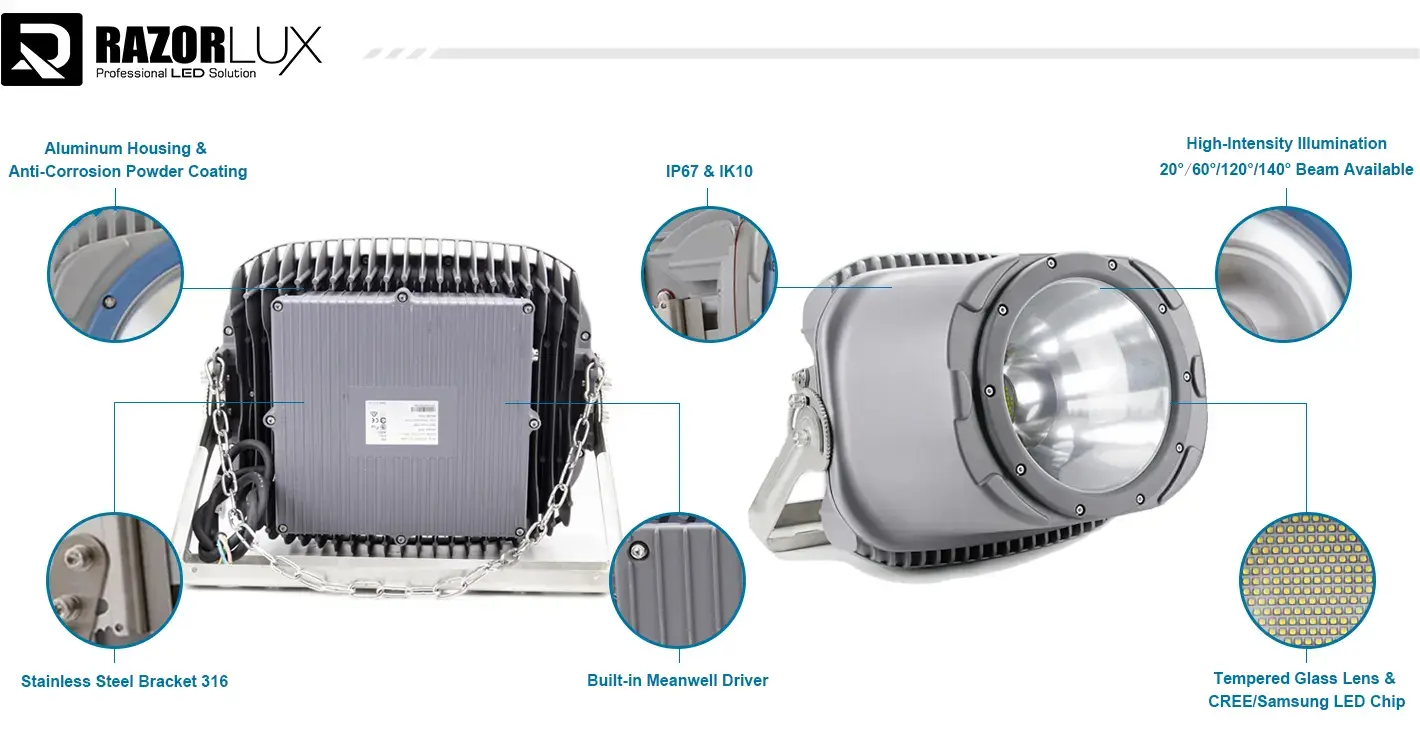
At 400W, modern industrial flood lights use high-efficiency LED chips from Samsung or a similar company that give off 130 lumens per watt or more. In terms of energy saving, this performance standard is 60% better than traditional metal halide lights. At Razorlux, we use ADC12 die-cast aluminum housings with carefully designed cooling fins that keep junction temperatures below 75°C even when they are used all the time. The thermal route design moves heat away from electronics that are easily damaged. This keeps the electronics from breaking down too quickly and keeps the light output constant over the life of the bulb. Our unique multi-function design uses flexible parts that make field service easier while keeping the airtight seal that is needed for waterproof performance.
IP67 Rating and What It Means for Industrial Environments
When something is given the IP67 rating, it means it is completely protected against dust and water up to one meter deep. This amount of security is now required in marine settings and seaside sites that are often exposed to salt spray, high humidity, and direct water. According to IEC 60529 standards, our faucets are put through a lot of tests, such as being submerged and being exposed to high-pressure water jets. As part of the closing system, silicone seals that are supposed to last 10 years are used. Stainless steel wire glands keep their shape even when they are heated and cooled many times. This strong construction stops internal condensation, which is a common way for low-quality goods to break down and cause rust and electricity problems.
Energy Efficiency Metrics That Matter to Procurement Teams
When procurement workers look at lighting systems, they don't just look at the initial buy price. They also look at the total cost of ownership. When a 1000W metal halide system is replaced with a 400W LED flood light, each bulb saves about 600 watts per hour of use. This means that each light will save 2,400 kWh per year in a building that is used for 4,000 hours a year. With industrial power prices in North America average $0.12 per kWh, each light saves $288 a year on energy costs. With less work needed for upkeep (LED systems need to be serviced five times more often than HID options), the return on investment usually happens in 18 to 24 months for most commercial uses.
Why Industries Choose Waterproof 400W LED Flood Lights Over Traditional Alternatives
Operational Reliability in Harsh Marine Environments
Shipyard managers and people who work on remote platforms have special lighting needs that can't be met by regular lights. Metal that is exposed to air that is high in salt speeds up rust, and constant vibrations from machinery and waves break mechanical connections. The Razorlux RGL2-400P type has an electrophoretic deposition layer, which is a marine-grade surface treatment that meets ASTM B117 standards for 1,000 hours of salt spray tests. When fixed on steel buildings, the stainless steel fastening plate and tools don't rust. HID lights need 10 to 15 minutes to warm up and can't handle being turned on and off often. LED technology, on the other hand, gives off full brightness right away and can handle being turned on and off over and over again without breaking down. This feature is very important for emergency lights and situations where seeing clearly right away is important for operating safety.
Maintenance Cost Reduction Through Extended Service Life
The secret cost of commercial lighting systems is the upkeep that they need. To replace broken lamps on high-mast installations, offshore platforms, or in factories that are still in use, you need special tools, trained workers, and to stop production. Metal halide lights have a normal life span of 10,000 to 15,000 hours before they break. This means that they need to be replaced every one to two years. Our 400W LED flood lights have L70 ratings, which mean they last more than 50,000 hours. At this point, the power drops to 70% of its original brightness. Based on normal production plans, this performance means that the machine will work for 5 to 7 years without any upkeep. The driver and LED module are both covered by five-year contracts, and the case is covered for ten years. This shows that we're confident in its long-term durability.
Compatibility with Modern Smart Factory Systems
Lighting is being added more and more to building control systems in industrial sites to save energy and keep an eye on operations. Our 400W lights can be controlled in a number of ways, such as with 0-10V analog dimming, DALI digital control, or PWM modulation. This adaptability lets it work with motion sensors that lower energy use during times of low activity or astronomical time clocks that change output based on how much daylight there is. We recommend Mean Well drivers that have a power factor correction of more than 0.98 and a total harmonic distortion of less than 10%. This makes sure that the electrical characteristics are clean and don't mess up sensitive industrial controls. These smart features give buildings that are trying to get LEED certification or ISO 50001 energy management standards the data streams and level of control detail needed for paperwork and programs for ongoing improvement.
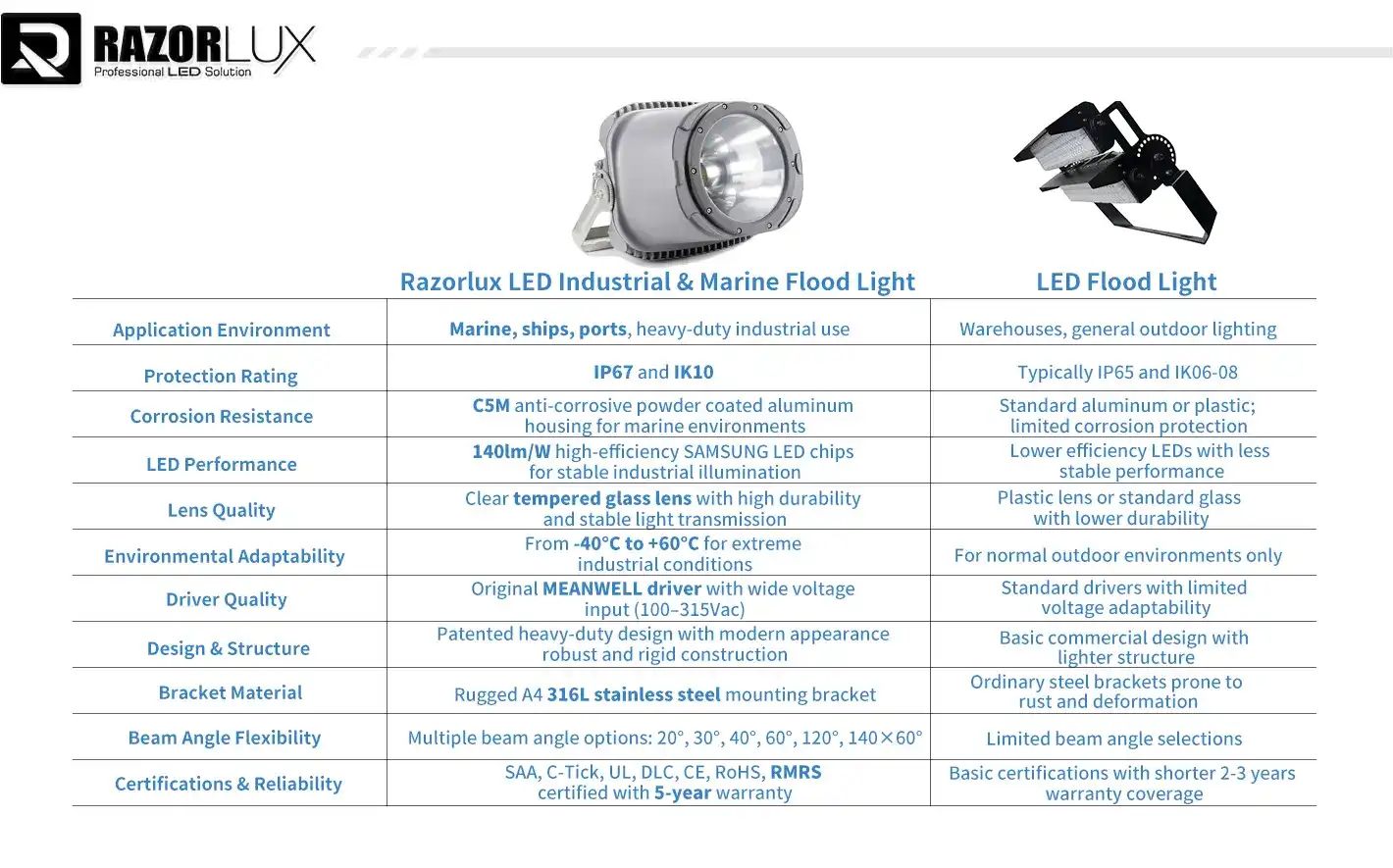
Performance Comparison - 400W LED vs. Traditional HID Lighting
| Performance Parameter | 400W LED Flood Light | 1000W Metal Halide | Advantage |
|---|---|---|---|
| Luminous Output | 48,000-52,000 lm | 60,000-75,000 lm (initial) | LED maintains output; HID degrades 30% by mid-life |
| Energy Consumption | 400W | 1,080W (including ballast) | 63% energy reduction |
| Rated Lifespan | 50,000+ hours | 10,000-15,000 hours | 3-5x longer service interval |
| Warm-up Time | Instant on | 10-15 minutes | Immediate full brightness |
| Cold Weather Performance | Unaffected | Difficult starting below -10°C | Reliable operation to -40°C |
| Maintenance Frequency | Every 5-7 years | Every 1-2 years | 70% reduction in service events |
Comparing 400W Waterproof LED Flood Lights with Alternative Power Ratings
300W vs. 400W vs. 500W: Selecting the Right Output Level
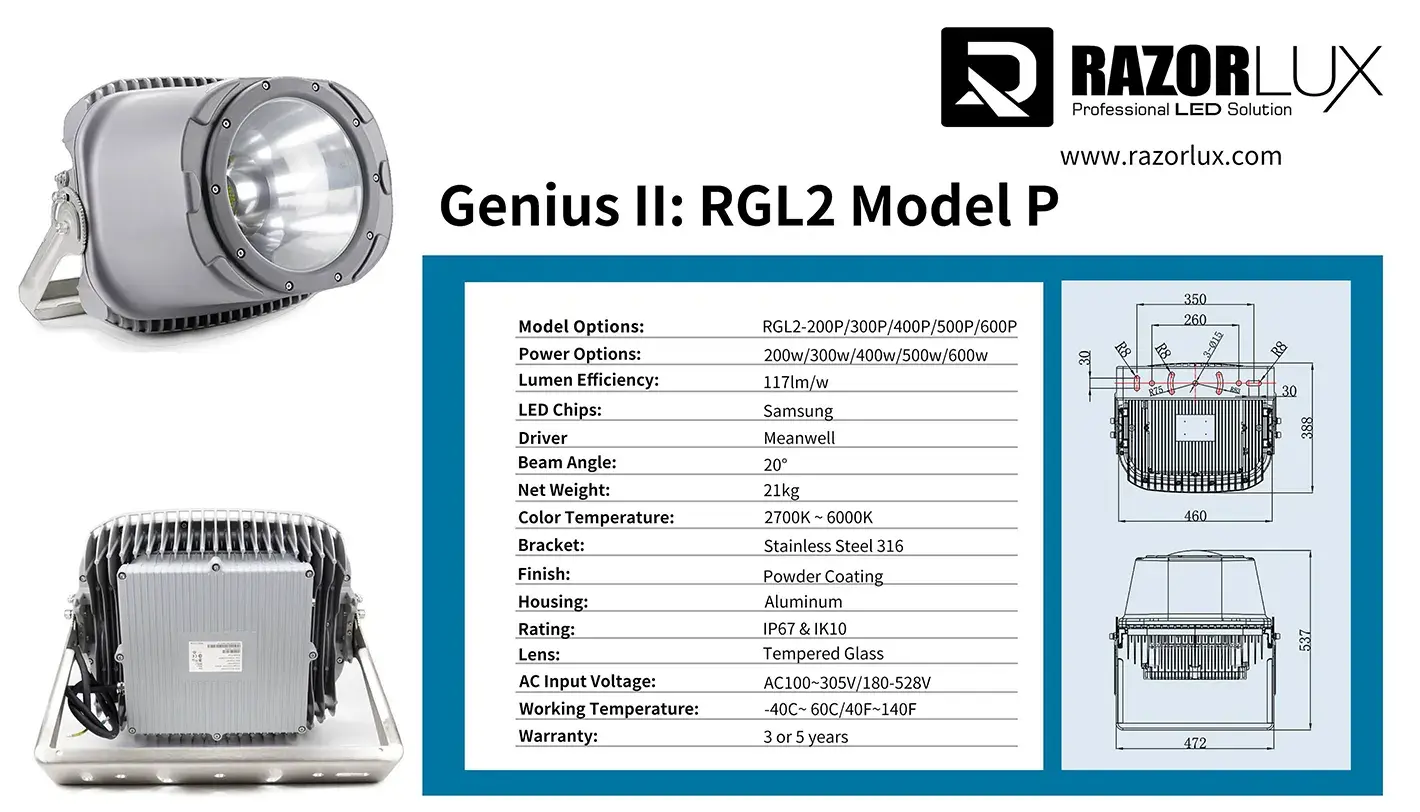
Moving away from incandescent, neon, and high-intensity discharge lights and toward LED technology does more than just save energy. Only 10% of the energy that goes into halogen lights is turned into visible light. The other 90% is lost as heat, which is a big problem in confined spaces or places where explosions could happen. Metal halide and high-pressure sodium lights raise the efficiency to 25–30%, but they come with problems like taking a long time to warm up, not showing colors accurately, and being sensitive to changes in power. At the system level, LED technology gets 40–45% electrical-to-optical conversion efficiency while giving off very little infrared radiation. This feature lowers the need for cooling in indoor settings and gets rid of the "restrike delay" issue, in which HID lamps need 15 to 20 minutes to start up again after a short power outage, which is a major safety concern in industrial settings.
LED Technology Advantages Over Halogen and HID Systems
Facilities that are on the cutting edge use occupancy-based lighting settings to save even more energy than just the energy used by fixtures. Passive infrared or microwave motion sensors built into our waterproof LED flood light 400W can detect when people are moving and change the power to match. A normal dock facility might run at 30% output overnight, when there isn't much action, and go up to 100% output when motion is noticed. This plan increases the life of parts by lowering heat stress during times of low demand while keeping amounts of light that are necessary for safety when they are needed. The smart fading feature also stops the "dark adaptation" effect, which happens when workers move from bright to dim places and temporarily lose their sight. Changing the light levels gradually makes things safer and saves 40 to 60 percent more energy than simple on-off control.
Motion Sensor Integration and Smart Control Benefits
When purchasing managers look at flood lighting offers, they should make sure of several important details that go beyond simple wattage rates. Instead of depending on theoretical estimates, check the actual light flux output. Reliable makers offer LM-79 test results from approved labs that show measured performance. Check the driver's specs, especially the input voltage range, power factor, and grade for surge safety. Our lights can take AC 90–305V and DC 127–431V input without the need for extra transformers. This makes installation easier and increases reliability by getting rid of possible failure points. The 10kV surge safety built into Mean Well drivers guards against transients caused by lightning that are common in outdoor settings. Make sure that the beam angle choices work with the way your building is set up. We offer 15°, 20°, 30°, 40°, 60°, and 120° ranges to help you place the lights best and keep them from shining into nearby areas or waterways where environmental rules apply.
Procurement Guide for Waterproof LED Flood Light 400W Systems
Essential Specifications to Verify Before Purchase
In addition to normal business lists, marine settings and some manufacturing sites need unique approvals. Classification society approvals from RMRS (Russian Maritime Register of Shipping), DNV-GL, or ABS show that ships and offshore buildings meet the rules for marine environmental tests. These are the qualifications that our lights have, along with UL/cUL listing for installations in North America, CE marking for installations in Europe, and SAA approval for installations in Australia. Compliance with the RoHS directive makes sure that banned substances like lead and mercury stay below the legal limits. This is important for facilities that want to get environmental management certifications or that work in places with strict chemical laws. Fixtures that are listed with the DLC Premium label can be eligible for utility refund programs in many North American markets. These rebates could cover 20 to 30 percent of the project costs through benefits to save energy.
Certification Requirements for Marine and Heavy-Duty Applications
Marine environments and certain industrial facilities require specialized certifications beyond standard commercial listings. For vessels and offshore structures, classification society approvals from RMRS (Russian Maritime Register of Shipping), DNV-GL, or ABS demonstrate compliance with marine environmental testing protocols. Our fixtures carry these certifications along with UL/cUL listing for North American installations, CE marking for European markets, and SAA approval for Australian projects. The RoHS directive compliance ensures restricted substances like lead and mercury remain below regulatory thresholds, important for facilities pursuing environmental management certifications or operating in jurisdictions with strict chemical regulations. DLC Premium listing qualifies fixtures for utility rebate programs in many North American markets, potentially offsetting 20-30% of project costs through energy efficiency incentives.
Evaluating Supplier Capabilities and Supply Chain Reliability
For lighting projects that serve important structures, providers need to have strong quality processes and quick expert help. Razorlux's ISO 9001 approval shows that we handle quality in a planned way, from buying parts to checking them all. We control the whole supply chain, from packing the LED chips to putting together the drivers. This means that we don't have to worry about the quality issues that come up with buying from multiple vendors. We have two factories: Xi'an Razorlux Optoelectronic Technology in China and Razorlux Technology Inc. in the US. This gives us geographical redundancy and quick local help. China's National Development and Reform Commission has given permission for the Xi'an LED Lighting Engineering Laboratory to do advanced light tests and reliability confirmation. With this research ability and more than 125 granted patents in LED Packaging, heat management, and optical design, the company can keep improving its products and quickly make changes to meet the needs of each project.
Certification Standards and Application Requirements
| Certification | Issuing Authority | Application Scope | Razorlux Compliance |
|---|---|---|---|
| RMRS Marine | Russian Maritime Register | Ships, offshore platforms, port facilities | Certified - RGL2-400P model |
| UL 1598 | Underwriters Laboratories | North American installations | Listed |
| CE (LVD/EMC) | European Conformity | European Union markets | Certified |
| IK10 Impact | IEC 62262 | High-risk mechanical impact zones | Tested and certified |
| IP67 Ingress | IEC 60529 | Water and dust exposure environments | Tested per standard |
| DLC Premium | DesignLights Consortium | Utility rebate eligibility (North America) | Listed product |
Understanding Total Cost of Ownership Beyond Initial Price
Sophisticated procurement analysis extends beyond comparing supplier quotations to encompass lifetime operational costs. A comprehensive evaluation considers energy consumption based on your facility's duty cycle and local utility rates, maintenance labor calculated from your prevailing wage rates and access difficulty, disposal costs for failed components, and downtime impacts when lighting outages disrupt operations. Our customers typically discover that fixtures with 15-20% higher acquisition costs deliver 40-50% lower total cost of ownership over 10-year planning horizons. The five-year warranty coverage we provide reduces financial risk during the early ownership period, while the modular driver design enables field replacement of the single most likely failure component without replacing the entire fixture. This serviceability extends practical system life beyond the LED module's rated lifespan, amortizing the initial investment across decades rather than years.
Installation and Maintenance Best Practices for 400W LED Flood Lights
Site Assessment and Mounting Considerations
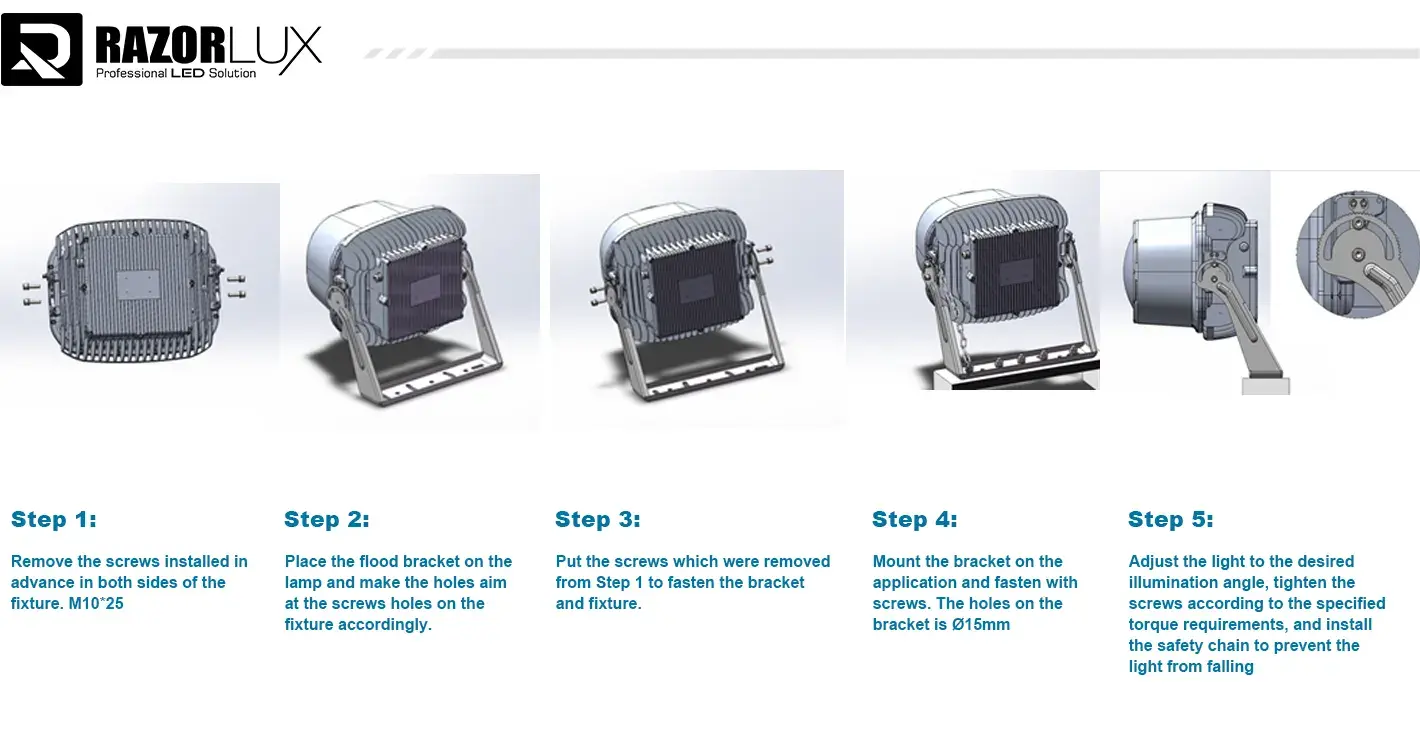
Proper installation begins with thorough site assessment addressing structural support, electrical infrastructure, and environmental exposure factors. The 19kg weight of our RGL2-400P model requires mounting surfaces capable of supporting a 50 kg dynamic load to account for wind forces and vibration. Verify that mounting heights and beam angles will deliver target illumination levels—photometric calculations using IES files from our technical documentation prevent costly trial-and-error adjustments after installation. For coastal installations, position fixtures to minimize direct salt spray exposure where possible, and ensure drainage paths prevent water accumulation on horizontal surfaces. The IP67 rating provides robust protection, but proper installation practices extend component life by reducing environmental stress. Our technical team offers complimentary lighting layout design and illumination calculations for projects exceeding 50 fixtures, ensuring optimal performance before procurement commitments occur.
Electrical Connection Methods Preserving Waterproof Integrity
The IP67 rating depends on proper cable entry techniques that maintain the hermetic seal. Our fixtures include marine-grade cable glands rated IP68 when properly installed, accommodating cable diameters from 10- 14 mm. Route cables with drip loops, preventing water migration along the conductor toward the entry point. Use stainless steel or plastic cable ties rather than steel bands that corrode and potentially damage cable insulation. Verify that supply voltage and frequency match the driver specifications—our wide input range accommodates most global power systems without modification, but confirming compatibility prevents field surprises. For installations in hazardous classified areas, engage electricians holding appropriate certifications for the zone classification, as special wiring methods and additional certifications may apply depending on local regulations and the presence of flammable atmospheres.
Preventive Maintenance Schedules and Troubleshooting Protocols
While LED systems dramatically reduce maintenance frequency compared to HID alternatives, modest preventive care maximizes performance and lifespan. Schedule annual inspections examining the lens for cracks or discoloration, housing for corrosion or mechanical damage, and mounting hardware for tightness. Clean the lens surface using mild detergent and a soft cloth—abrasive cleaners or high-pressure washing may damage anti-reflective coatings. For facilities in high-dust environments, quarterly cleaning prevents accumulation that blocks light output and traps heat against the housing. If premature failure occurs, the modular driver design enables field replacement in 20-30 minutes using basic hand tools. Our technical support team at sam@razorlux.com provides remote troubleshooting assistance and can analyze operational data to identify potential issues before they cause failures. This proactive service model helps our customers achieve industry-leading uptime metrics while protecting their lighting infrastructure investment.
Real-World Applications Across Maritime and Heavy Industry
Shipyard and Dry Dock Installations
Shipbuilding and repair facilities demand lighting systems withstanding welding spatter, crane vibration, and corrosive environments while delivering the illumination quality needed for precision work. A recent shipyard retrofit project in the Nordic region replaced 150 aging 1000W metal halide fixtures with our waterproof LED flood light 400W, achieving a 62% energy reduction and eliminating monthly lamp replacement cycles that previously consumed 40 maintenance labor hours. The instant-on capability proved particularly valuable for areas with intermittent occupancy, where the previous HID system's warm-up delay frustrated workers and encouraged leaving lights energized unnecessarily. The improved color rendering—CRI 75 standard, with CRI 80 and 90 options available—enhanced quality control inspection capabilities, reducing rework from missed defects. The project qualified for utility incentives covering 28% of equipment costs, and the shipyard achieved ROI in 19 months including energy savings and avoided maintenance expenses.
Offshore Platform and Coastal Infrastructure Projects
Offshore oil and gas platforms represent among the most demanding lighting environments globally, combining salt spray, high winds, temperature extremes, and stringent safety regulations. Our 400W fixtures serve drilling decks, helicopter landing pads, and crane operation zones on platforms throughout the North Sea, Middle East, and Southeast Asia. The IK10 impact rating protects against accidental contact from lifted cargo or equipment, while the wide operating temperature range maintains performance during Arctic winter operations and desert summer heat. The high power factor and low harmonic distortion prevent interference with sensitive navigation and communication systems—a critical consideration given the electromagnetic environment on modern platforms. For operators managing distributed assets, the 50,000-hour lifespan and five-year warranty reduce the logistical burden and expense of transporting replacement components to remote locations and scheduling maintenance during weather windows suitable for marine operations.
Port Terminal and Container Handling Zones
Container terminals operate 24/7 schedules where lighting reliability directly impacts throughput and revenue. A Southeast Asian port authority recently upgraded 400 floodlights across its container stacking yards and ship-to-shore crane corridors, prioritizing the 400W rating to balance illumination requirements with energy constraints from its island location. The retrofit eliminated 640 kW of continuous electrical load, reducing diesel generator fuel consumption by 12,000 liters monthly. The photometric design optimized vertical illumination on container identification markings, improving automated identification system accuracy and reducing manual verification delays. The terminal achieved ISO 50001 energy management certification partly based on the lighting upgrade's documented performance, enhancing its competitive position for attracting shipping line customers prioritizing sustainability. This case illustrates how strategic lighting procurement extends beyond functional illumination to support broader business objectives including cost reduction, environmental performance, and market differentiation.
Conclusion
The widespread industrial preference for waterproof led flood light 400W reflects their exceptional combination of performance, reliability, and economic value in demanding applications. These fixtures address critical operational challenges through IP67 environmental protection, 130 lm/W efficiency, and a 50,000-hour lifespan that dramatically reduces maintenance burdens. The technology proves particularly valuable in marine and heavy industrial environments where traditional lighting systems fail prematurely due to corrosion, vibration, and temperature extremes. Procurement professionals selecting these systems benefit from lower total cost of ownership, enhanced workplace safety through superior illumination quality, and reduced environmental impact through energy conservation. As industrial facilities worldwide modernize their lighting infrastructure, the 400W LED flood light represents the optimal balance of performance and efficiency for medium-to-large-scale applications.
FAQ
What metal halide wattage does a 400W LED flood light replace?
A premium 400W LED flood light with 130 lm/W efficacy typically replaces a 1000W to 1200W metal halide fixture, delivering comparable or superior illumination while reducing energy consumption by 60-65%. The actual replacement ratio depends on mounting height, beam distribution, and application requirements, but most industrial installations find the 400W LED adequate for areas previously served by 1000W HID systems. The improved optical control of LED fixtures often enables better light utilization, reducing the total number of fixtures required compared to HID layouts.
How does the fixture prevent internal condensation?
High-quality 400W flood lights incorporate a breathable membrane valve using expanded PTFE material that allows air molecules to pass through while blocking water vapor. This pressure equalization device prevents the vacuum effect that would otherwise draw moisture into the sealed housing during cooling cycles. The valve maintains IP67 protection while allowing the fixture to "breathe" as internal temperatures fluctuate between ambient and operating levels, effectively eliminating lens fogging without compromising waterproof integrity.
What surge protection level is recommended for outdoor installations?
For outdoor high-mast applications and locations with frequent lightning activity, we recommend fixtures with 10kV line-to-neutral and 20kV line/neutral-to-ground surge protection built into the driver. This protection level handles most transient events without damage. For particularly exposed locations or critical applications, consider supplemental external surge protection devices at the distribution panel serving the lighting circuit, providing layered protection against extreme events that exceed the fixture's internal protection capacity.
Partner with a Trusted Waterproof LED Flood Light 400W Manufacturer for Your Next Project
Razorlux stands ready to support your industrial lighting requirements with proven expertise spanning over two decades in LED technology development and manufacturing. Our waterproof LED flood light 400W combines patented thermal management, premium Mean Well drivers, and marine-grade construction to deliver reliable performance in your most challenging applications. We serve shipyards, offshore platforms, port terminals, and heavy industrial facilities across North America, Europe, Asia, and the Middle East with responsive technical support and customized solutions. Our Xi'an engineering team offers complimentary photometric analysis and lighting layout design to optimize your project outcomes, while our five-year warranty and modular serviceability protect your investment. Contact our technical sales team at sam@razorlux.com to request product specifications, certification documentation, or samples for field testing. Whether you're planning a complete facility retrofit or need reliable suppliers for ongoing procurement, Razorlux delivers the quality, service, and technical capability that distinguishes exceptional LED lighting manufacturers from commodity suppliers.
References
1. Illuminating Engineering Society (2020). IES Lighting Handbook, 10th Edition: Reference and Application. New York: Illuminating Engineering Society of North America.
2. International Electrotechnical Commission (2013). IEC 60529: Degrees of Protection Provided by Enclosures (IP Code), 2nd Edition. Geneva: IEC Central Office.
3. U.S. Department of Energy (2021). LED Lighting for Industrial Facilities: Energy Savings and Performance Analysis. Washington, DC: Office of Energy Efficiency and Renewable Energy.
4. Maritime and Coastguard Agency (2019). Lighting and Safety Standards for Marine Vessels and Offshore Installations. Southampton: UK Maritime Authority Publications.
5. International Association of Ports and Harbors (2020). Technical Guidelines for Port Lighting Design and Energy Management. Tokyo: IAPH Secretariat.
6. American Petroleum Institute (2018). API RP 14F: Recommended Practice for Design and Installation of Electrical Systems for Fixed and Floating Offshore Petroleum Facilities. Washington, DC: API Publishing Services.
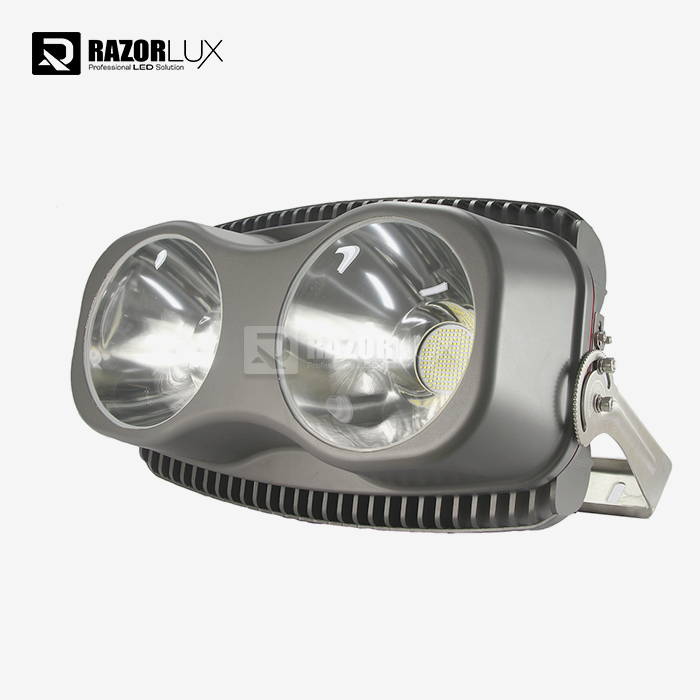 VIEW MOREoutdoor basketball light
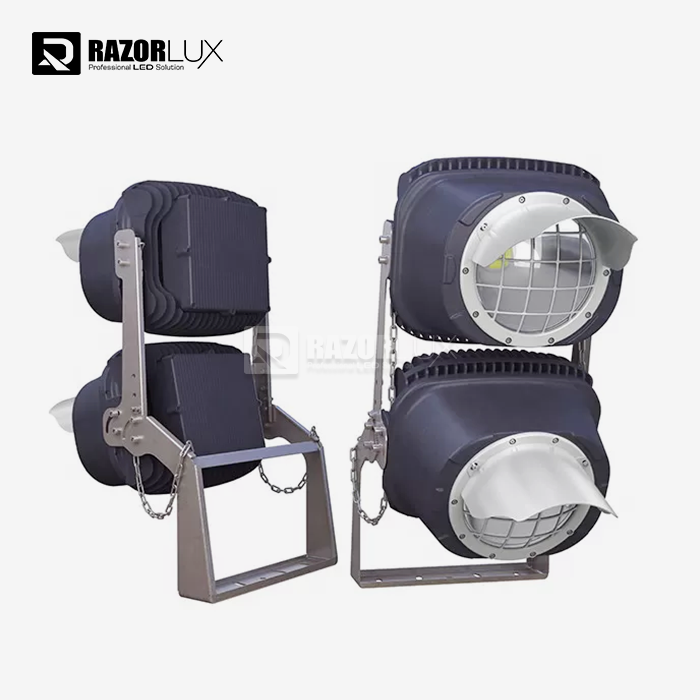 VIEW MOREsport court flood lights
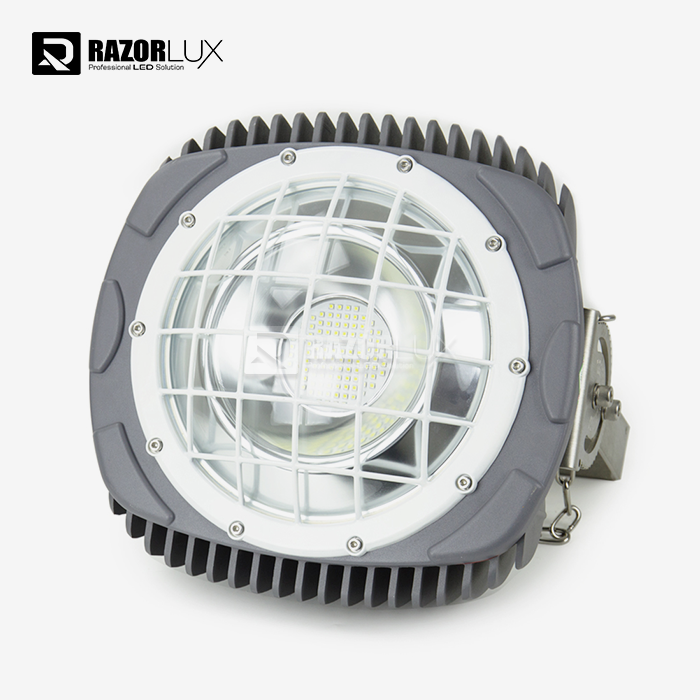 VIEW MOREmarine led flood light
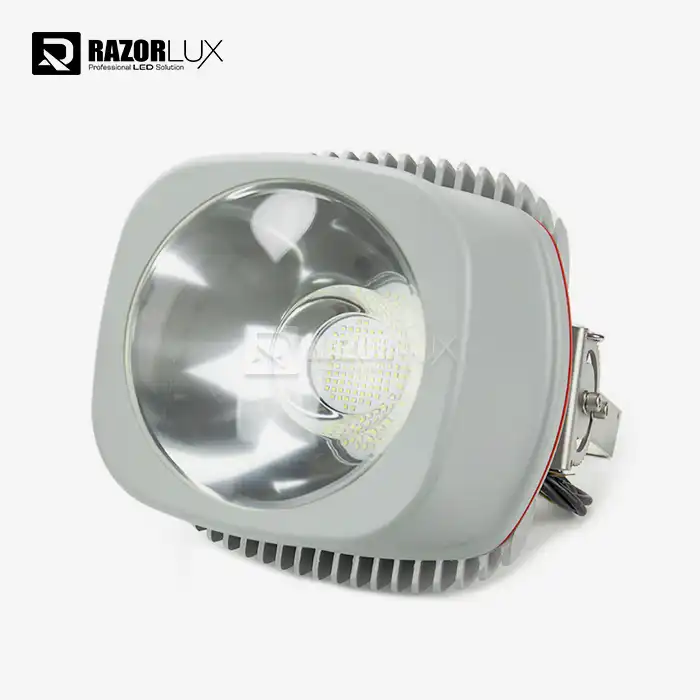 VIEW MOREBaseball Field Lights
 VIEW MOREMarine Deck Flood Lights
 VIEW MOREAluminum Alloy Lamp Body Material And LED Light Source Portable Outdoor Sports Lighting
 VIEW MOREHigh Mast Light Led
 VIEW MORE500 Watt Outdoor Led Flood Light