

_1750326878398.png)

Can 12V LED Flood Lights Waterproof Handle Extreme Weather Conditions?
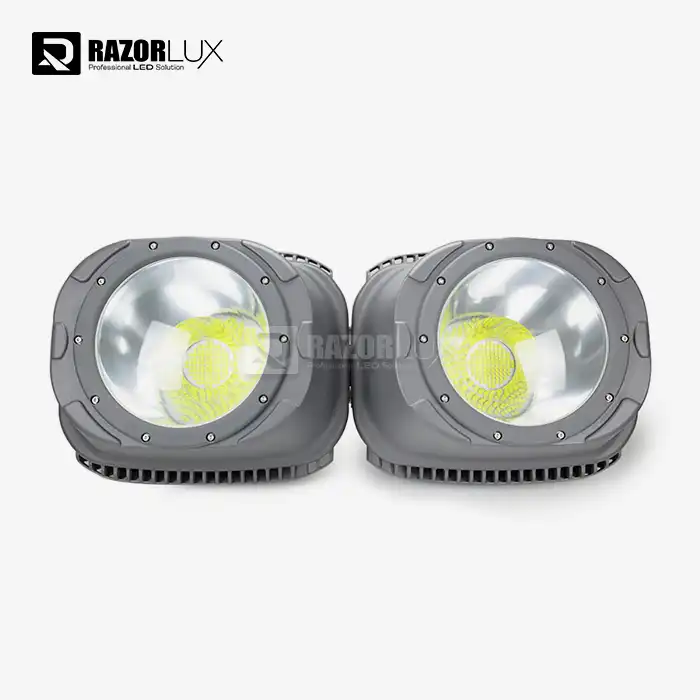
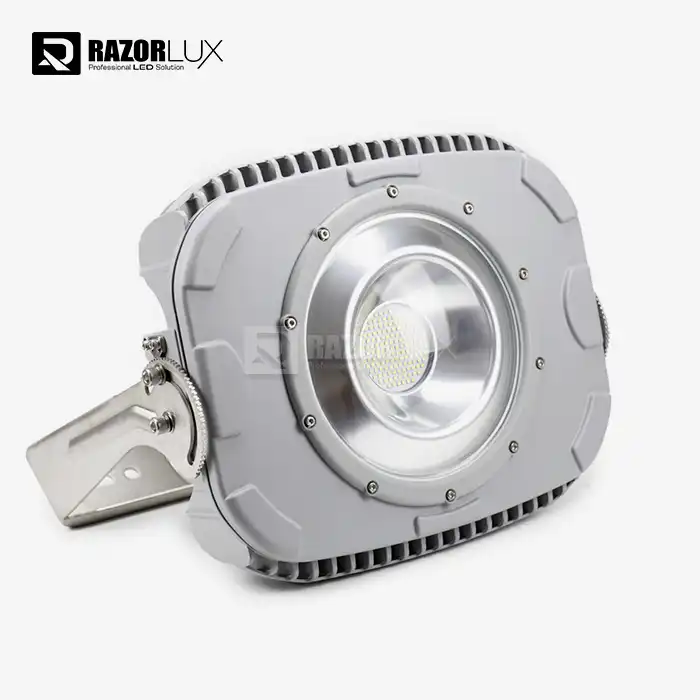
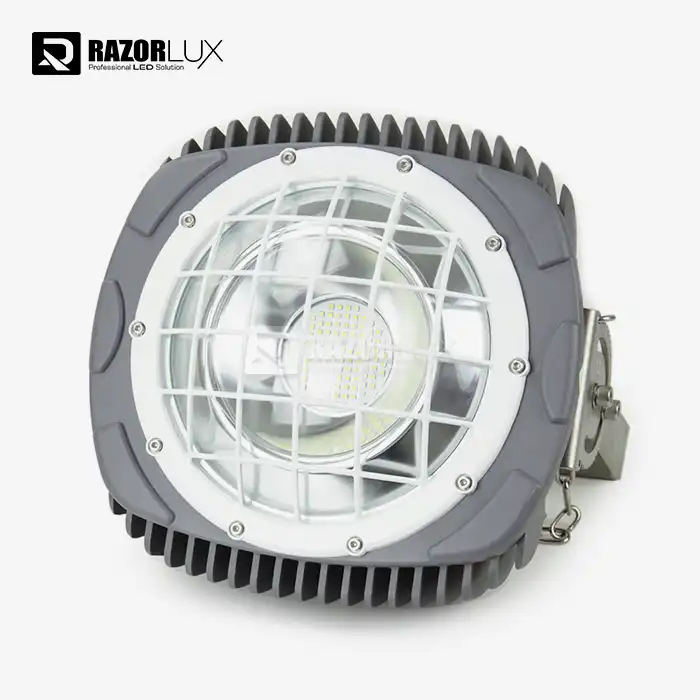
When shipyard managers and offshore platform engineers ask me if low-voltage lighting can last in the harshest marine environments, I show them real-life examples: 12V LED floodlights that are waterproof and properly built not only last in difficult conditions but do even better in them. With marine-grade construction and IP67 entry protection, these lights work reliably in salt spray, sub-zero temperatures, and submersion events that would destroy regular lighting in weeks.
Learn about 12V Waterproof LED Flood Lights and how they can handle bad weather.
Understanding 12V Waterproof LED Flood Lights and Their Weather Resistance
What Makes Low-Voltage Marine Lighting Different?
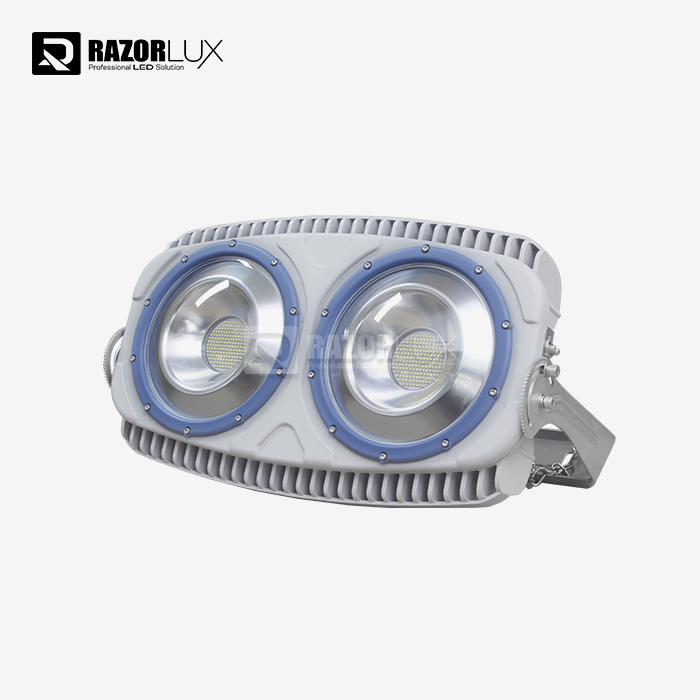
Instead of 110V or 220V mains power, low-voltage LED flood lights use a 12-volt direct current technology. This choice in design gets rid of the risk of electricity in wet places where people often touch metal surfaces. Our RGL-90A type can work with both AC90-305V and DC127-431V inputs, so it can be easily connected to ship electrical systems, solar battery banks, and generator sets that are popular in offshore sites.
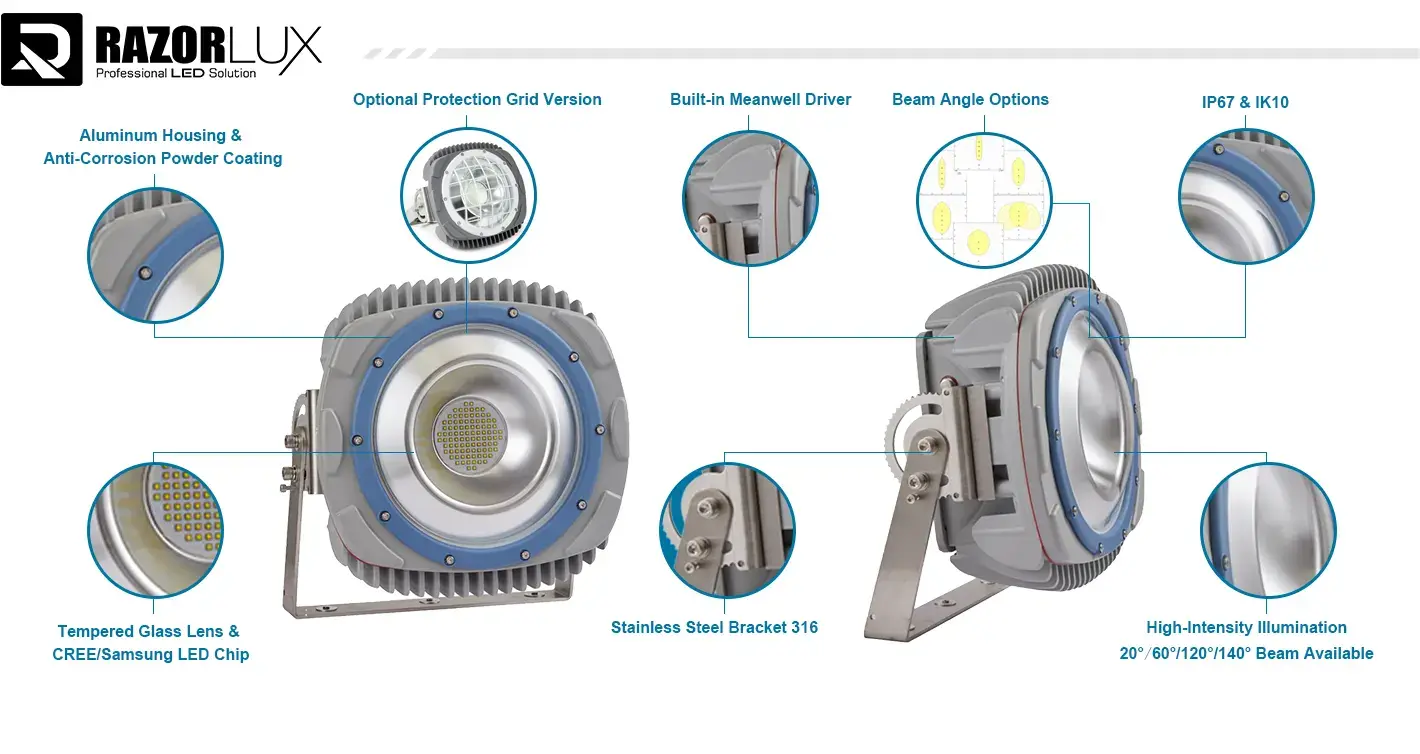
Waterproofing means that the wall is airtight, which stops water from getting in. True waterproof lights use multi-layer sealing systems and liquid silicone potting around weak connection points, while splash-resistant fittings only keep rain out.
Decoding IP Ratings for Marine Applications
The IP (Ingress Protection) code is made up of two numbers that show how resistant something is to dust and water. Solid particle defense is shown by the first number, and water entry defense is shown by the second. This is what people who work in buying need to know:
IP65: It keeps low-pressure water jets from coming from any direction. It can be used on covered decks and in warehouse loading areas where it rains directly but won't get soaked.
IP67: Can be submerged for 30 minutes in water up to 1 meter deep. Important for ship decks where waves hit the surface, flooded bilge areas, and docks that can get flooded by the tide.
Our parts have an IP67 rating, which was confirmed by testing them in a submersion tank according to IEC 60529 guidelines. This grade fixes a major problem: lights that don't work during storms put people in danger and require expensive emergency repair calls.
Structural Engineering for Harsh Environments
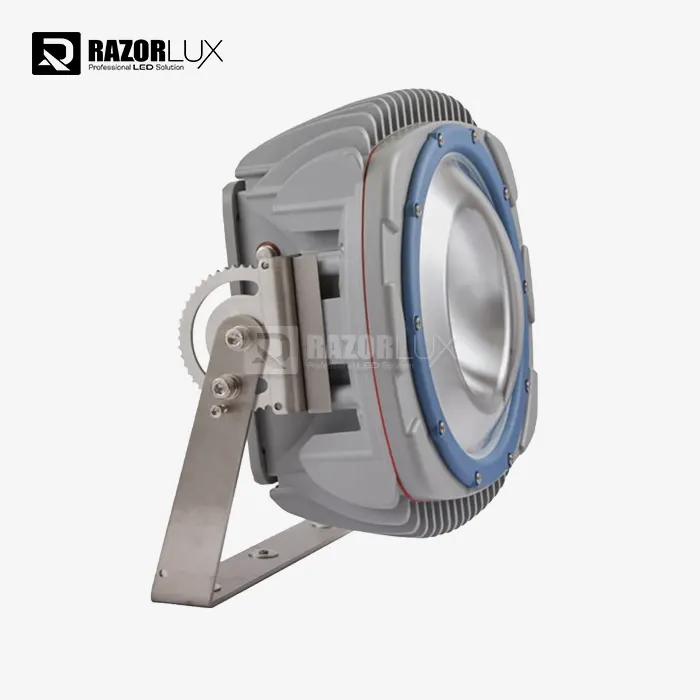
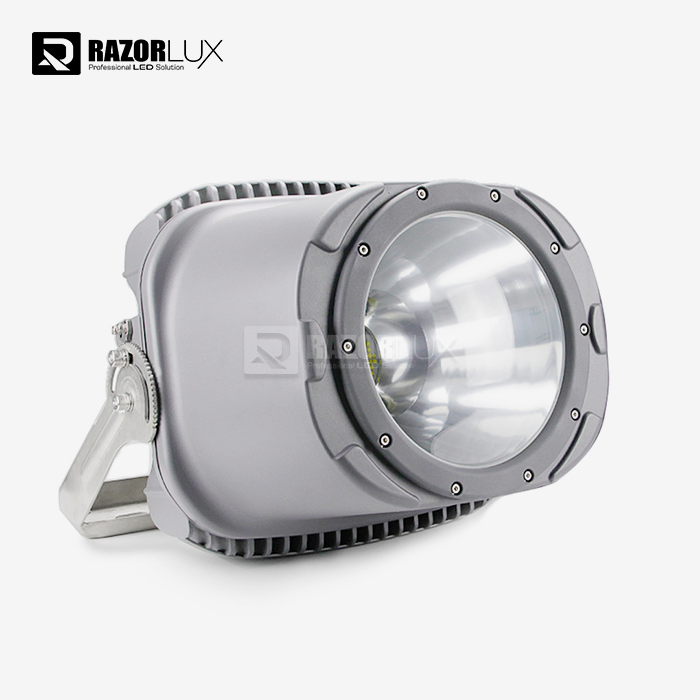
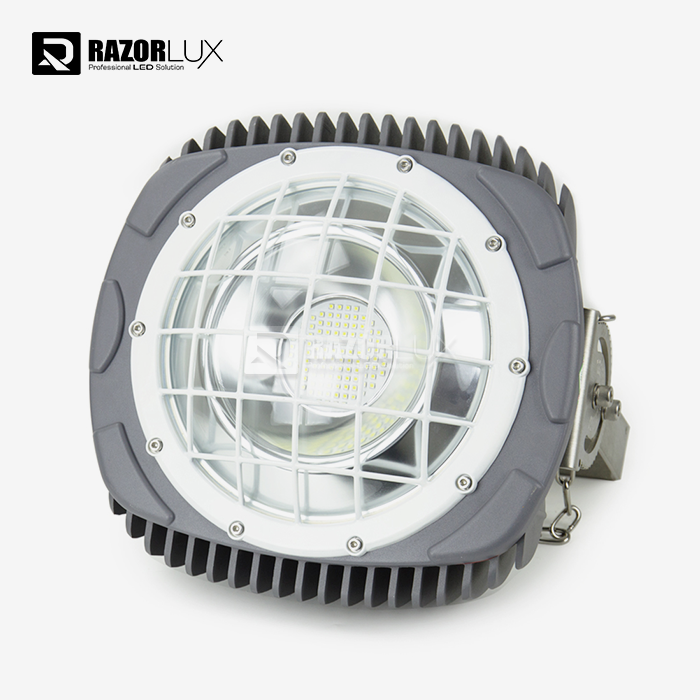
Weather protection is more than just waterproof covers. Our housing is made of marine-grade aluminum metal and has a powder-coat finish that keeps it from rusting in saltwater, which is a common problem in coastal sites. The stainless steel clamp system stops the rust that leads to mounting failures. This is especially important in splash zones of offshore platforms, where I've seen cheap lights fall into the water after 18 months of being there.
Managing heat is also very important. The RGL-90A gets rid of heat using carefully designed fin stacks that keep junction temperatures below 85°C even when the temperature outside reaches 60°C (140°F). This temperature control makes LEDs last longer than 50,000 hours, which eases buyers' worries about breaking down too soon and the cost of repairs for 12V LED floodlights that are waterproof.
Can 12V Waterproof LED Flood Lights Withstand Extreme Weather Conditions?
Environmental Challenges in Marine and Industrial Settings
Offshore sites have to deal with conditions that would destroy home-grade lights in just a few weeks. Surfaces get conductive layers from salt fog, which leads to short circuits and faster rusting. Temperature changes of -40°C in Arctic shipping lines to +60°C in Middle Eastern refineries put stress on materials because they have to go through many rounds of expanding and contracting. Diesel engines, wave impact, and heavy machinery can all cause vibrations that can loosen parts that aren't properly attached.
As a consultant on a remote site in Norway, I saw that standard fixtures broke down 40% of the time every year because water got in through cable entry points. Failure rates dropped to less than 3% over five years after properly sealed low-voltage 12V LED floodlight waterproof systems were installed. This meant a huge drop in the cost of repairs and replacements.
IP Rating Performance Comparison
| Level of Protection | Resistance to water | Keeping dust away | Useful for Examples | Some problems |
|---|---|---|---|---|
| IP65 | Jets of water (12.5 L/min) | Full seal against dust | Covered decks, the outside of warehouses, and farm buildings | Not waterproof in water |
| IP66 | Strong water jets (100 L/min) | Full seal against dust | Ship decks, dock cranes, and industry sites along the coast | Only a short stay |
| IP67 | Submersion for a short time (1 m, 30 min) | Full seal against dust | Lighting on the deck, bilge areas, tide zones, and remote platforms | Not rated for continuous submersion |
Real-World Performance Data
Our waterproof flood lights were put on repair dock gantries at a port in Singapore, and they worked nonstop for three years. The following matches lasted:
• 2,847 mm of rain a year, which includes tropical storms
• Temperature changes every day from 24°C to 38°C.
• Exposure to saltwater from the tides
• Vibrations from using a high crane
A check after installation showed that there were no seal failures and that the luminous flux was maintained above 92% of its starting output. The maintenance team said that they saved a lot of time and effort compared to their old light system, where bulbs had to be replaced every 4 to 6 months, and the fixtures had to be completely reworked every year.
Another proof comes from an Australian mining business in the Pilbara area. Temperatures above 45°C and dust storms made it so that normal LED lights shut down because they got too hot. Our lights kept working during these events because they had a better heat sink design and could work in temperatures ranging from -40°C to +60°C.
How to Select and Install 12V Waterproof LED Flood Lights for Harsh Weather Use?
Critical Selection Criteria for Procurement Professionals
More than just protection needs to be taken into account when choosing the right device. I suggest that buying teams carefully think about these things:
Luminous Efficiency and Output: Our 130LM/W efficiency gives off 10,800 lumens from 90 watts, which is the same as 150–250W metal halide systems. This efficiency means that a lot of energy will be saved over the 50,000-hour life of the machine. When compared to regular HID lighting, running 200 lights nonstop on an average offshore platform saves about $18,000 a year in power costs.
Flexible Input Voltage: The RGL-90A can take either AC90-305V or DC127-431V without the need for extra adapters. This large voltage range can handle the changing power levels that happen a lot in marine generators and green energy setups. I've seen rival goods shut down when the voltage drops, but our units handle this without a problem.
Certification Compliance: International certifications aren't just marketing claims; they're proof that the product is safe and works well, as confirmed by a third party. It has been approved by the Russian Maritime Register of Shipping (RMRS), DNV/GL, UL, CE, RoHS, and SAA. This paperwork is very important when bidding on government contracts or serving big factories. A Russian shipyard's purchasing manager once told me that they had to get rid of three rival suppliers because they didn't have RMRS approval.
Best Practices for Installation to Get the Most Reliability
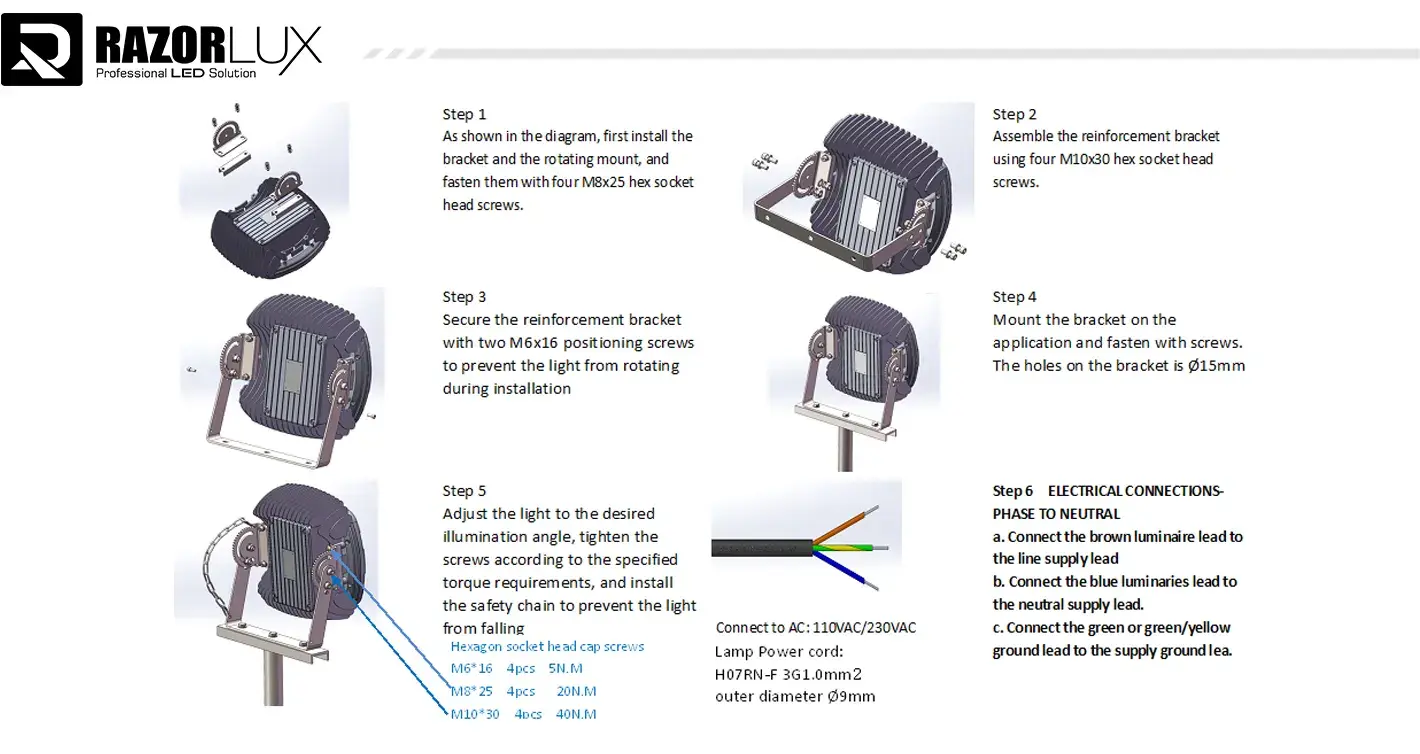
Whether 12V LED floodlights, waterproof devices, work as expected or break down early depends on how well they were installed. Our expert team suggests taking this step-by-step approach:
Site Assessment: Check the fastening surfaces for signs of corrosion, damage to the structure, and the amount of shaking. When routing cables, make sure that water doesn't pool at connecting places too much. I've seen a lot of failed setups where water built up in junction boxes that weren't positioned correctly, finally flooding even IP67-rated cable glands.
How to Mount: The stainless steel bracket system lets you turn it 360 degrees and securely attach it. When you put aluminum housings together with galvanized or carbon steel screws, they will rust. Instead, use marine-grade stainless steel hardware. Use thread-locking powder to keep the threads from coming loose from vibrations.
Power Connection: Low-voltage systems make shocks less likely, but good connection is still very important. Use tinned copper wire that is rated for marine environments and has a cross-sectional area that is estimated to keep voltage drop to a minimum. At 12V, the current draw goes up in the same way that the line voltage does, which makes choosing the right wire size even more important. In our detailed documents, you can find voltage drop estimates for different cable runs.
Maintenance Protocol for Extended Lifespan
Normal inspections keep fixtures working longer and stop them from breaking down without warning. Inspections every three months should look at:
• Gasket state and seal strength
• Tightness of mounting tools
• Lens sharpness and buildup of dirt and dust
• Corrosion of electrical connections
• Thermal efficiency (too much heat means airflow is being blocked)
Retorquing screws, putting new dielectric grease on electrical connections, and checking that the light output hasn't dropped below acceptable levels are all part of the annual maintenance. This proactive method costs a lot less than fixing things quickly when important lighting goes out during operations.
One big manufacturing client in Sweden put this repair plan in place because their fixtures were breaking down all the time. According to their records, repair costs went down by 67%, and unexpected downtime due to lighting problems pretty much went away.
Market Overview and Procurement Strategies for B2B Clients
Evaluating Manufacturers and Suppliers
There are well-known global companies and specialized companies with a lot of technology know-how, like Razorlux, in the marine LED lighting market. When examining sellers, people in charge of buying things should look into the following:
Capability to Make Things: ISO-9001 approval means that quality control is done in a planned way. Razorlux has kept this approval for 22 years in a row, which shows that they are very good at following the process. Before being shipped, every fixture at our plant goes through 100% functional testing, which includes temperature cycling, vibration testing, and waterproof validation.
Quality of Components: The power source is where LED systems most often break down. We only recommend Mean Well drivers because they are known around the world for being reliable in difficult conditions. When compared to cheaper options that break down quickly under heat stress, Samsung LED chips give off more light and last longer.
Customization: Standard goods don't always meet the needs of a particular job. Our tech team can change the color temps (2700K to 6500K), mounting options, and beam angles (15°, 20°, 30°, 40°, 60°, 120°, 140°x60°). This adaptability comes in handy when adding 12V LED floodlights, waterproof, to complicated industrial setups.
Procurement Parameters and Lead Times
Knowing what a provider can do helps project managers make good plans:
| Describe | Products as Standard | Setting up customs |
|---|---|---|
| Example of Lead Time | 3 to 5 working days | 7–10 working days |
| Number of Units Made (100) | 10 to 15 days | 15 to 20 days |
| Production Run (more than 500 items) | 20 to 25 days | 25 to 35 days |
| Minimum Quantity to Order | 10 boxes | 50 boxes |
| Terms of Payment | We accept T/T and L/C. | Negotiable for long-term clients |
| Warranty Time | LED module or driver for 5 years, case for 10 years | the same |
These dates are based on the idea that production will go smoothly. During busy times (usually Q4 of the year), lead times may grow by 10 to 15 percent. To account for possible delays, procurement managers who are planning big projects should place orders 6 to 8 weeks ahead of time.
Cost-Effectiveness Analysis
The initial buying price is only one part of the total cost of owning. Lifecycle studies are done by our clients to compare the following:
Energy Usage: The RGL-90A uses 788 kWh of electricity a year per light (if it is on all the time) at 130 lm/W efficiency and 90 W maximum power. At normal commercial power rates of $0.12/kWh, the cost of energy each year is $95. Comparable 250W metal halide lights cost $263 a year, which is a difference of $168 when you add up the costs of hundreds of fixtures over 10+ years.
Maintenance Work: To replace broken standard lights in dangerous places, you need trained workers, safety gear, and scaffolds. Because it was hard to get to, one remote platform operator estimated that the total cost of replacing each fitting would be $850. LED lights last more than 50,000 hours, so they only need to be replaced every ten years instead of every year.
Costs of Downtime: When important lighting in a workplace goes out, work stops until the fixes are made. A supervisor at a steel mill said that a single lighting failure in their continuous casting area caused them to lose $12,000 in work while the problem was fixed over the course of four hours. In these kinds of settings, reliability is very important.
Maintenance, Troubleshooting, and Long-Term Performance Optimization
Preventive Maintenance Schedule
Most field breakdowns can be avoided with systematic care. I suggest that buying teams set up these rules:
Visual Inspections Every Month: During regular building walkthroughs, operations staff should look for obvious damage, lens darkening, or buildup of garbage. This finds issues before they lead to failures.
Maintenance experts check the security of the mounting, the electrical connections, and the soundness of the seals every three months. Check for rust on the stainless steel brackets, which means there are galvanic problems, and water stains inside the lenses, which means the seals are failing early.
Annual Performance Testing: Test the performance once a year by using standardized meters to measure light output and comparing the results to the initial readings. If the degradation is more than 10%, it could mean that the LED chips or heat control aren't working right, which needs to be looked into for your 12V LED floodlights that are waterproof.
By keeping track of these checks, trending data is made that can predict problems before they happen. Using this method, a Danish port found a group of parts that were breaking down more quickly than usual. This let them replace them before they caused problems that stopped work.
Common Failure Modes and Solutions
Even with strong planning, problems do happen from time to time. Understanding patterns of failure lets you make a quick diagnosis:
Intermittent or flickering operation: This usually means that the electrical links are loose or the driver has failed. Make sure all of the connections are tight and free of rust. Mean Well drivers have built-in safety features that may go off if the input voltage goes over the allowed range; make sure the supply voltage stays stable.
Less Light Output: LEDs dim over time as they age, but quick drops in output could mean that the driver power is dropping or the LED chip is failing. Thermal imaging can find parts that are burning and breaking down too quickly.
Complete Failure: When a driver fails, the power goes out, or water gets in very badly, the lights go out completely. Check the input voltage at the fixture to see if the problem is with the power source or the device itself.
Our technical support team (sam@razorlux.com) helps customers with testing steps and replaces parts that are broken during our 5-year guarantee. We ship replacement drivers and LED modules via fast courier when clients need urgent answers so that downtime is kept to a minimum.
Performance Optimization Strategies
Several methods are needed to get the best long-term performance:
Thermal Management Improvement: If it's really hot where you are, you might want to add extra cooling or move things to lower your exposure to the temperature outside. Our lights work up to 60°C, but lowering temperature stress makes parts last longer.
Maintenance for your eyes: Clean the lenses every six months if you live in a dusty or salty atmosphere. Light transfer is cut by 15-20% when pollution builds up, which wastes energy. To keep protective layers from getting scratched, only use gentle soap and soft cloths.
Electrical System Optimization: Make sure the energy from the power source stays within the ranges that were set. Overvoltage or undervoltage that lasts for a long time stresses motors and shortens their lives. Put in voltage controls if the source changes by more than 10%.
A mining operation in Queensland used these optimization techniques and saw a 34% increase in the average time between failures compared to the time they were first put in place. This shows that paying attention to operating details on a regular basis pays off.
Conclusion
12V LED floodlights that are waterproof and low-voltage and are designed for naval and commercial use work very well in all kinds of weather. Shipyard managers, offshore platform engineers, and industrial facility workers can rest easy knowing that these parts are made with marine-grade materials, have IP67 weather protection, and can work in temperatures ranging from -40°C to +60°C. The fact that these fixtures have been used in Norwegian offshore platforms, Singapore ships, and Australian mine sites shows that they can handle salt spray, extreme temperatures, vibrations, and submersion events. If you choose the right ones based on certifications (RMRS, UL, CE), part quality (Mean Well drivers, Samsung chips), and the supplier's skills, 12V LED flood lights will work reliably for the stated 50,000 hours, which is a lot longer than other lighting technologies and costs a lot less over their entire life.
FAQ
Are All 12V LED Flood Lights Waterproof?
Not by nature. The voltage standard (12V) talks about electrical safety and working with different power supplies, but it doesn't say anything about being resistant to water. Always check the IP grade carefully—for marine uses that might get submerged for a short time, look for IP67 approval. Some cheap fixtures say they are waterproof without having been tested by a third party, which can be dangerous if they fail in serious situations.
What IP Rating Do I Need for My Specific Application?
IP67 is good for most coastal and offshore uses where there is a chance of submersion from wave action, deck washing, or tidal floods. IP66 is enough for sites that are up high and won't be submerged in water but will be subject to heavy rain and pressure washing. IP65 is only good for covered places that get splashed. If you're not sure which grade to use, choose the better one—the difference in cost is small compared to the cost of replacing something that fails too soon for your 12V LED Waterproof Floodlights.
Can These Lights Function in Arctic or Desert Climates?
The RGL-90A works effectively from -40°C to +60°C, so it can handle both extremes. Low-voltage systems are better for setups in the Arctic because they have fewer problems with cold starts than HID lights. Applications in the desert benefit from better heat control that keeps the system from shutting down during the hottest part of the day. Material choice (aluminum body, silicone seals) stays stable in this temperature range and doesn't break or expand too much.
Partner with Razorlux for Reliable Marine LED Lighting Solutions
With over 25 years of experience serving clients in the marine, offshore, and heavy industrial industries, Razorlux is a specialist in 12v LED floodlights that are waterproof. Our RGL-90A lights have been tested and proven to work well. They are waterproof up to IP67, use 130LM/W of power, and have Mean Well drivers that are reliable and come with full RMRS, UL, and CE certifications. We keep a lot of stock on hand so that we can deliver quickly (3-5 days for trials, 10-15 days for production orders). We can also change the beam angles, color temperatures, and mounting setups to fit your needs. During the 5-year warranty period, our expert team offers thorough installation instructions, full paperwork packages, and quick after-sales support. Contact sam@razorlux.com to talk about your project needs, get technical specs, or set up an evaluation sample. We can help with both short-term needs and long-term supply partnerships for marine lighting providers looking for reliable solutions.
References
1. International Electrotechnical Commission. (2013). IEC 60529: Degrees of protection provided by enclosures (IP Code). Geneva: IEC Central Office.
2. Maritime and Coastguard Agency. (2018). Code of Safe Working Practices for Merchant Seafarers. London: The Stationery Office.
3. American Bureau of Shipping. (2021). Guide for LED Lighting Systems. Houston: ABS Plaza.
4. Norwegian Maritime Authority. (2020). Lighting Requirements for Offshore Installations. Haugesund: Norwegian Maritime Directorate.
5. International Maritime Organization. (2019). SOLAS Consolidated Edition 2020: International Convention for the Safety of Life at Sea. London: IMO Publishing.
6. Det Norske Veritas. (2022). Environmental Test Specification for Marine Equipment. Oslo: DNV GL Group.