

_1750326878398.png)

Most Powerful Flood Light vs Standard Flood Lights Comparison
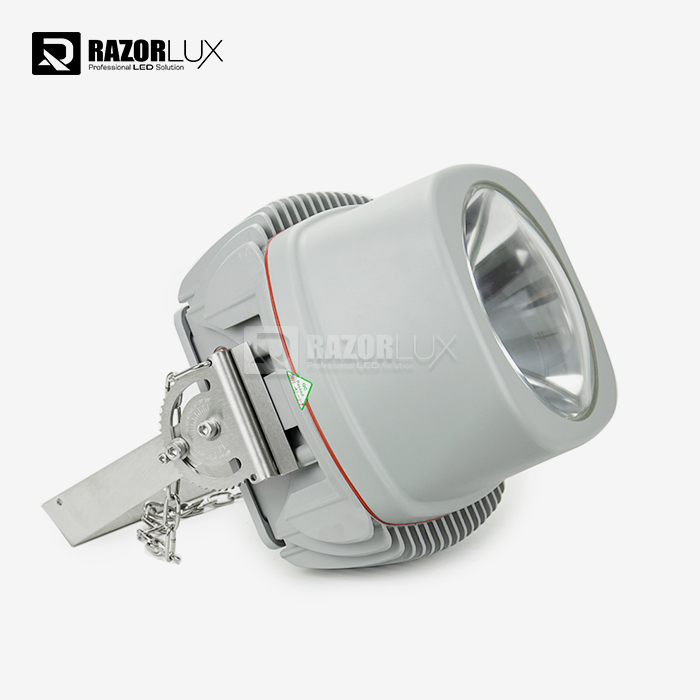
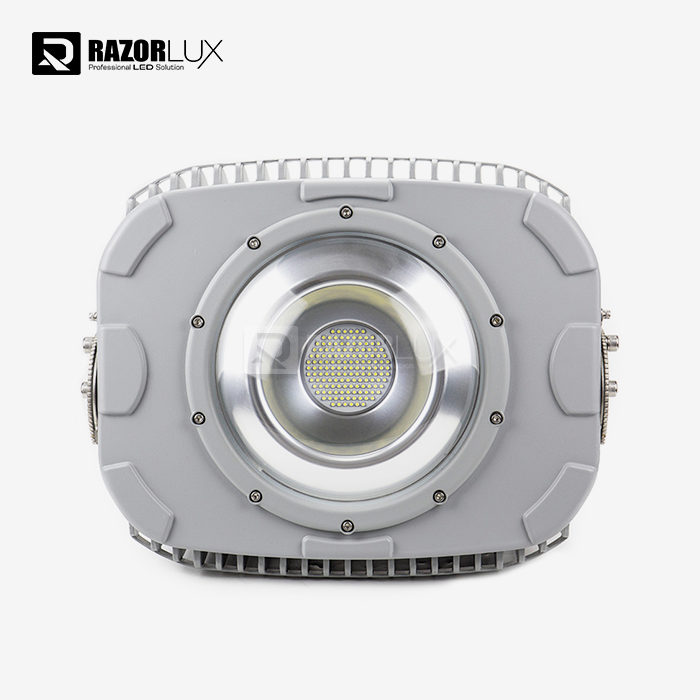
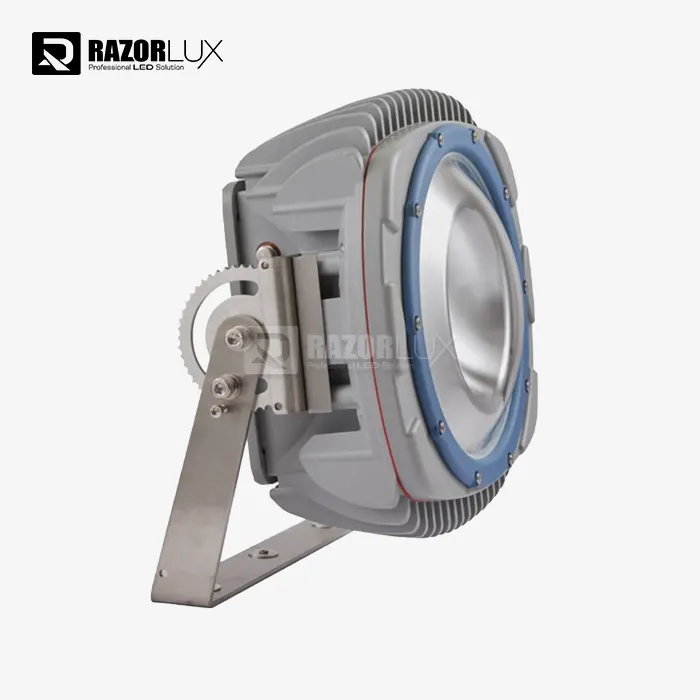
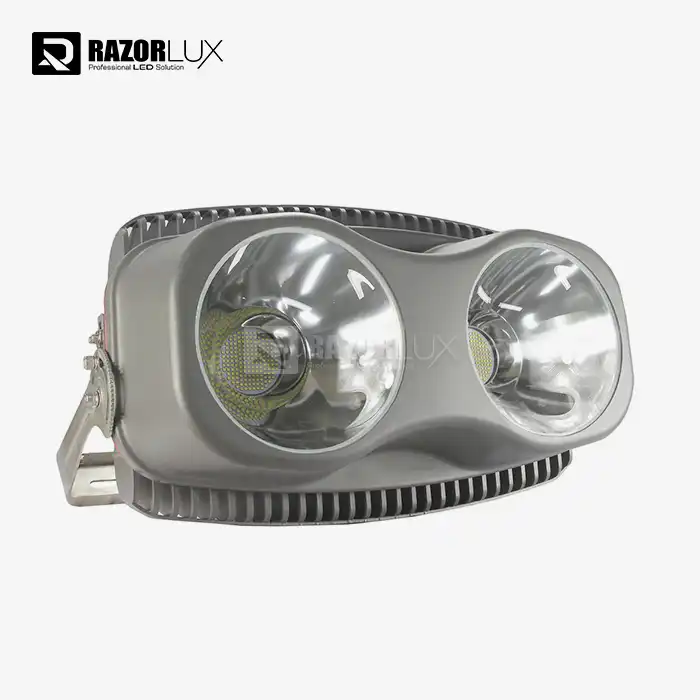
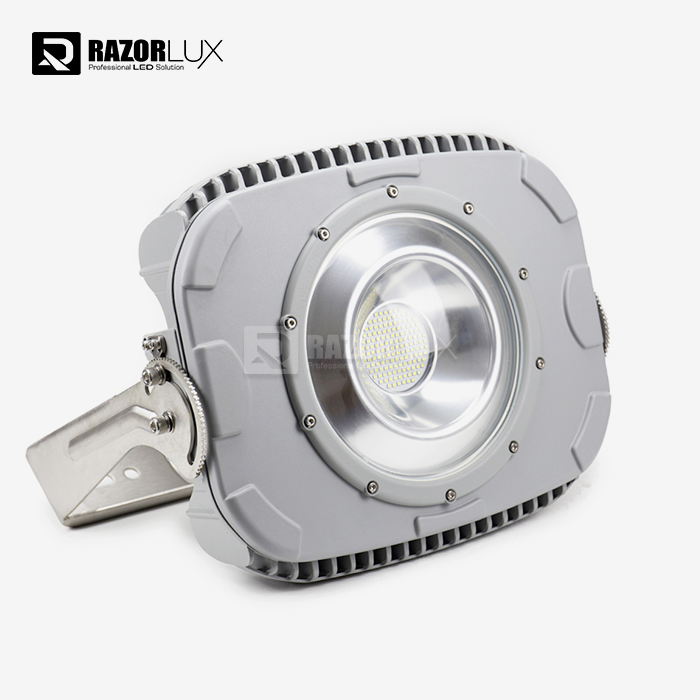
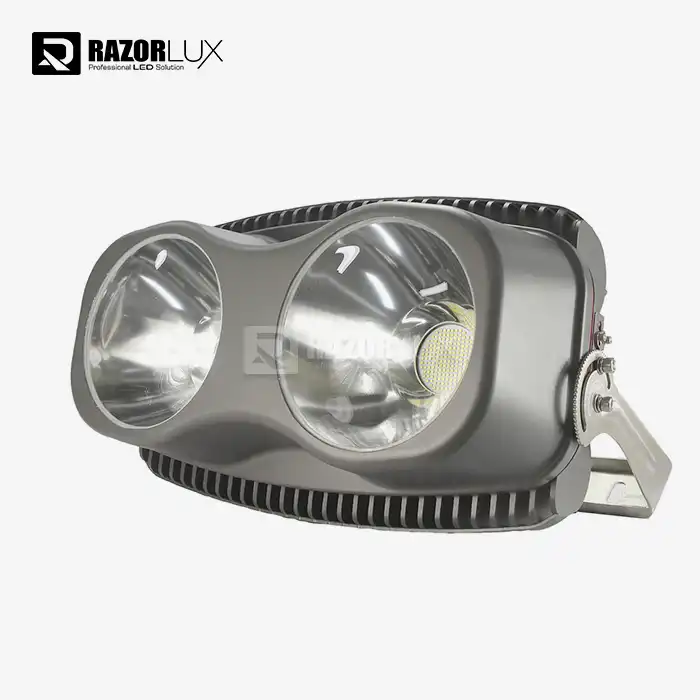
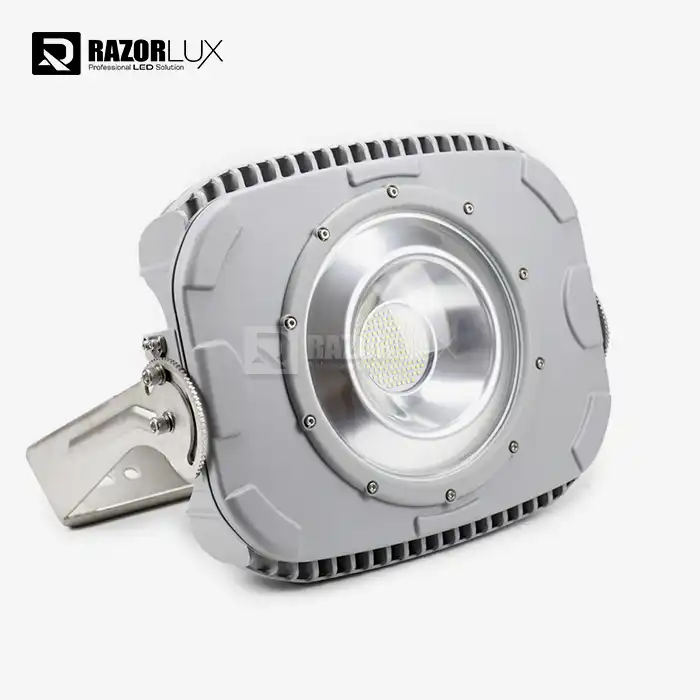
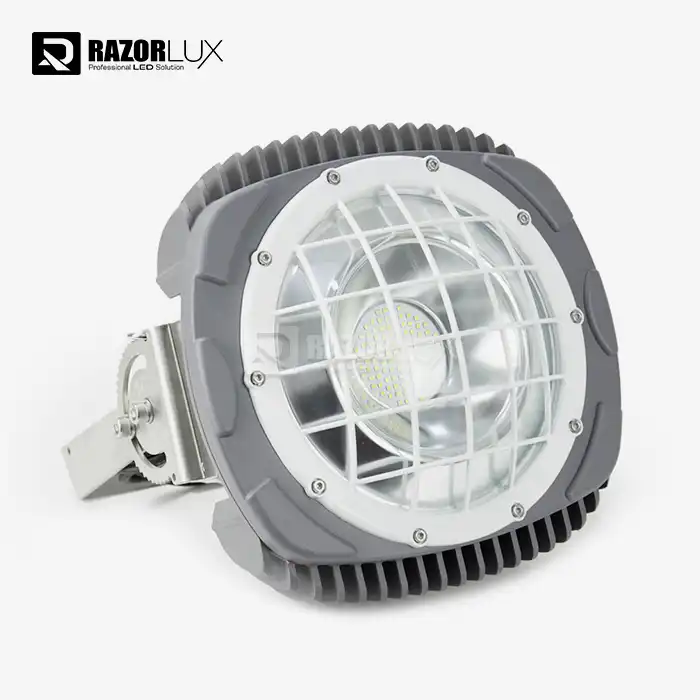
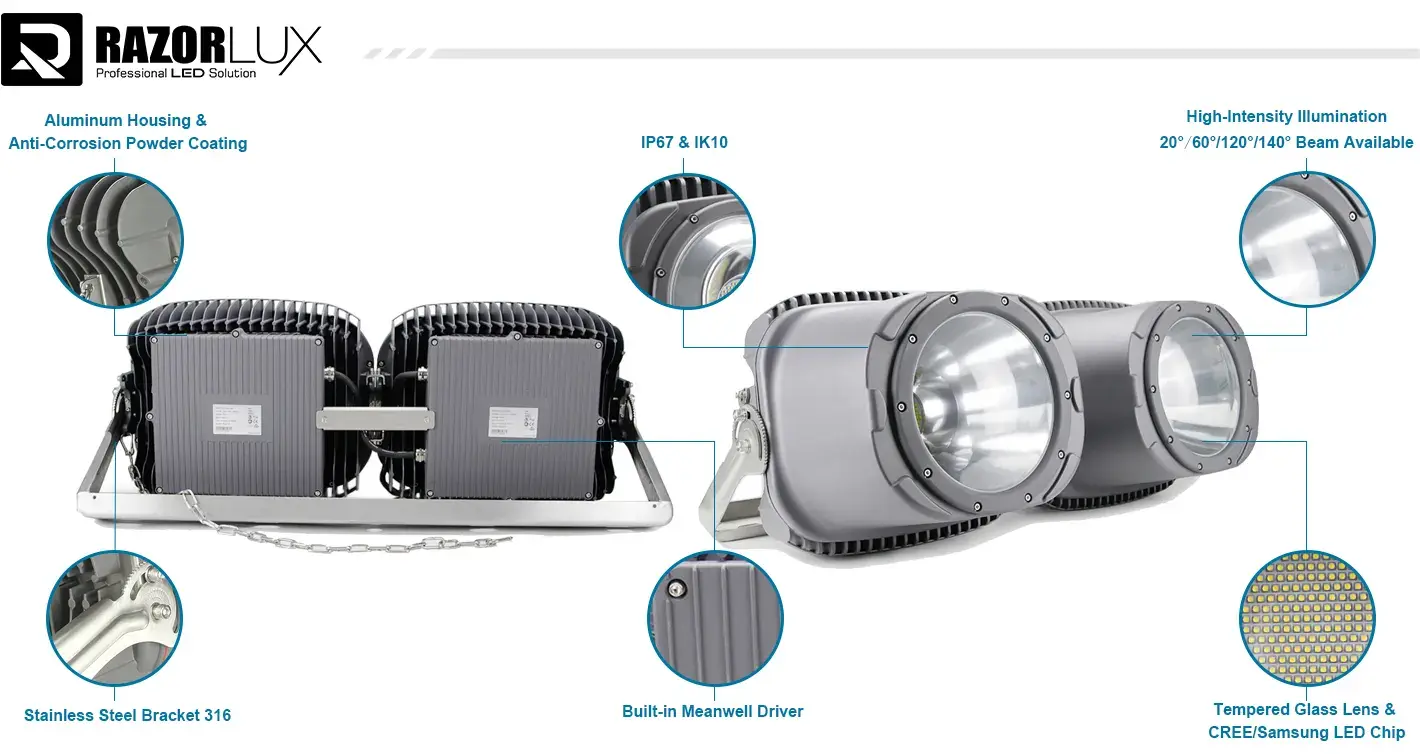
The Most Powerful Flood Light is different from regular flood lights in how well it works, how long it lasts, and how cheap it is to run. Razorlux's 1200W LED flood lights are high-power units that can produce up to 156,000 lumens and 130lm/W of light. They are built for tough marine, industrial, and ocean uses. Standard flood lights usually have lower IP ratings and shorter life spans, with 10,000 to 30,000 watts. When shipyard managers, port operators, and facility engineers need reliable lighting in harsh environments with salt spray, vibration, and extreme temperatures, investing in high-quality lighting directly leads to less maintenance, better safety compliance, and long-term cost savings through higher energy efficiency and longer operational life.
Understanding Flood Light Power and Performance
Defining High-Power Illumination Standards
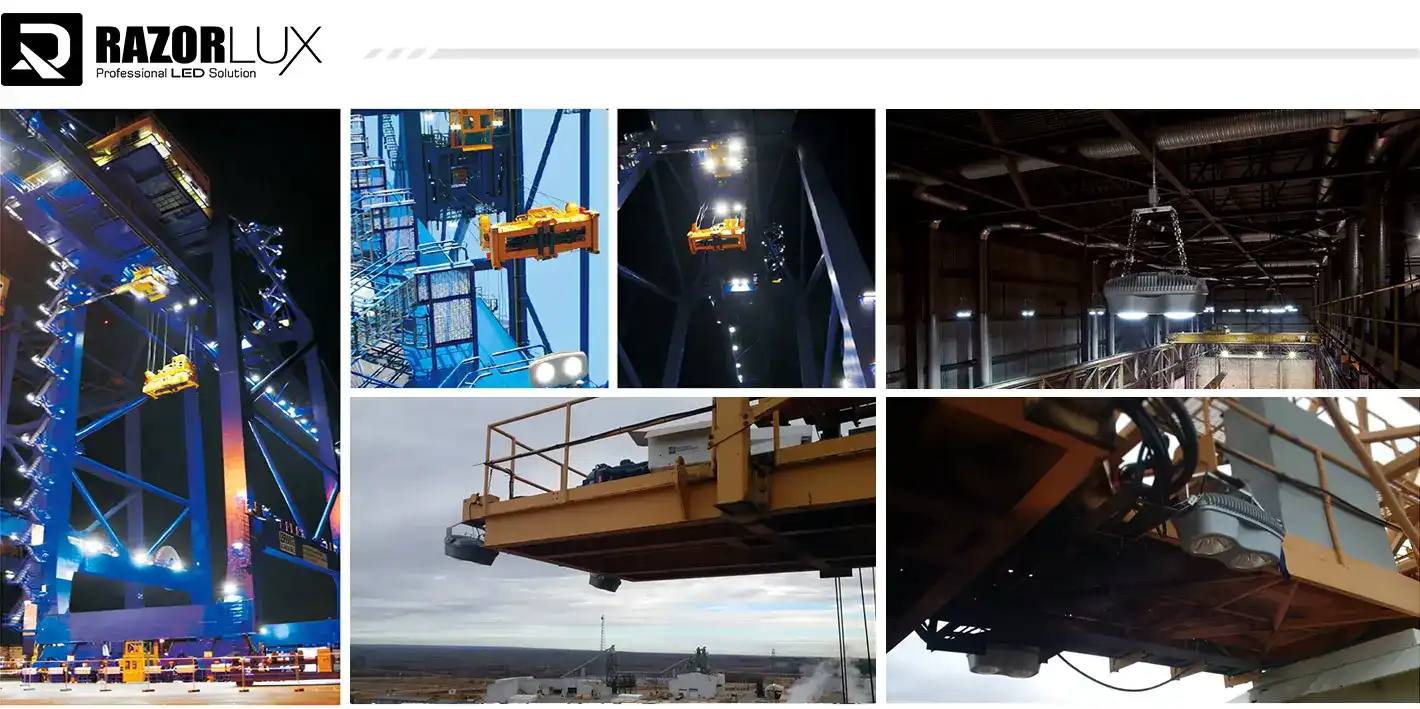
Industrial-grade flood lighting is much better than what is required for homes or businesses. Most store flood lights use 50 to 150 watts of power and put out 5 to 14 thousand lumens. Industrial units with a lot of light use 600W to 2000W and put out 80,000 to 200,000 lumens. This huge difference in output meets specific operational needs, like lighting up hundreds of meters of container yards, making sure that crane operators working at 40-meter heights can see, and making sure that surveillance cameras work around the edges of offshore platforms during storms.
Wattage, Lumens, and Efficacy Relationships
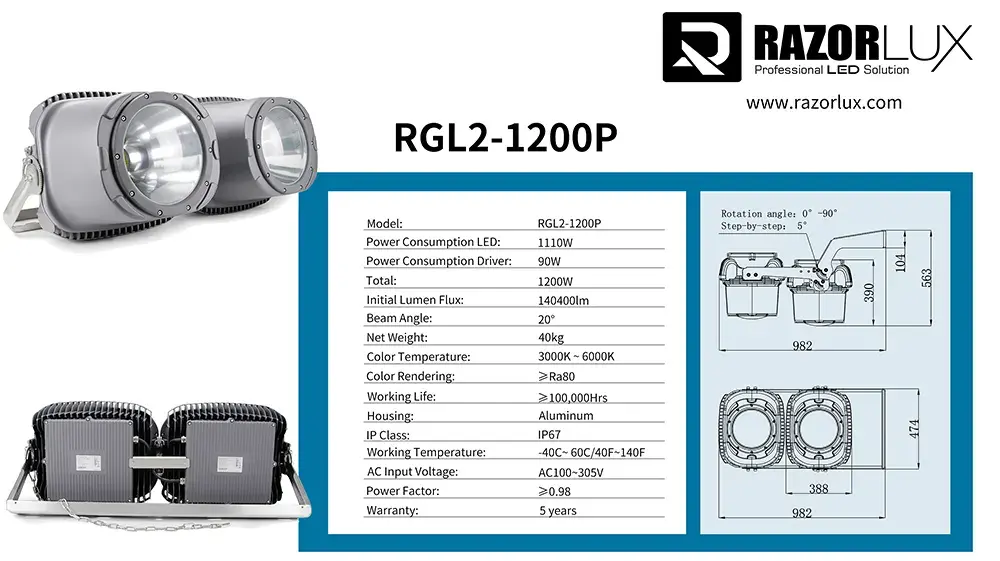
The link between how much electricity is used and how much light is produced affects practical costs. Razorlux's RGL-1200P model shows this idea with a 1200W input that produces 156,000 lumens, which is 130lm/W system efficiency. This standard is important because it shows how well the whole device works, not just the LED chips. It includes driver losses and optical efficiency. Standard metal halide options use 1500–2000W to produce the same amount of light and only last 6,000–10,000 hours, while LEDs last over 50,000 hours. The edge in effectiveness grows over long periods of time, especially in manufacturing settings where lights are on all the time.
Beam Control and Optical Precision
Choosing the right beam angle has a huge effect on practical range. Wide 120–140° beam angles work well for low-mounting uses like ship deck lighting because they evenly light all work areas. High-mast installations at ports and stadiums use narrow beams that project light 50 to 100 meters to specific areas with little spill. Razorlux's seven beam angle choices (15°, 20°, 30°, 40°, 60°, 120°, and 140°x60°) are made possible by toughened glass lenses that are precisely formed. Standard flood lights only come in one or two set directions, which means that range or efficiency have to be sacrificed. When beam directions aren't matched, dark spots appear that need more lights, which raises the cost of installation and uses more energy than necessary.
Most Powerful Flood Light vs Standard Flood Lights: Side-by-Side Comparison
Brightness and Coverage Analysis
Most Powerful Flood Light: The difference in lighting performance between normal LED systems and high-power LED systems is clear when you measure them. At a height of 30 meters, a 1200W LED flood light with a 40° beam angle illuminates a 40-meter-diameter circle horizontally with 150 to 200 lux. Standard 400W metal halide units only produce 40 to 60 lux at the same distance, so you'd need three or four of them to cover the same area. This effect makes infrastructure more expensive by requiring more poles, wire, circuit breakers, and installation workers. It also makes upkeep more difficult in large buildings. The regularity of vertical illumination is important for different uses. Shipyard gantry crane workers need the same amount of light from the ground up to 50 meters to safely place loads. For TV coverage of sports events, regularity ratios (minimum/average) must be higher than 0.7 so that footage doesn't show obvious contrast bands. These requirements are met by high-end LED systems with advanced chip array and reflection shape. Standard lights don't have this level of technical skill, so they make patterns that aren't straight, with clear bright spots and dark zones that make the lighting less safe and less useful.
Energy Consumption and Operating Cost
| Parameter | High-Power LED (1200W) | Standard Metal Halide (1500W) | Advantage |
|---|---|---|---|
| Power Consumption | 1200W | 1500W | 20% reduction |
| System Efficacy | 130 lm/W | 65 lm/W | 100% improvement |
| Annual Operating Hours | 8,760 hours | 8,760 hours | Continuous operation |
| Annual Energy Cost ($0.15/kWh) | $1,576 | $1,971 | $395 savings per fixture |
| Expected Lifespan | 50,000 hours | 8,000 hours | 6.25x longer service |
| Replacement Cycles (10 years) | 1.75 | 10.95 | 84% fewer replacements |
The table illustrates direct operating cost advantages. Beyond energy savings, maintenance cost reduction proves more significant. Offshore platform lighting replacement requires crew transportation, lift equipment mobilization, and production area shutdown. Each replacement event costs $2,000-5,000 in labor and logistics beyond fixture price. Reducing replacement frequency from eleven events to two over ten years saves $18,000-45,000 per fixture location—an economic benefit rarely captured in initial procurement analysis yet critically important for lifecycle budgeting.
Durability in Maritime and Industrial Environments
The standards for marine-grade building are higher than those for other industries. As part of the ISO 9227 NSS procedure for salt spray testing, fixtures are exposed to a sodium chloride mist for 1,000 hours straight. Within 200 to 300 hours, standard commercial units corrode a lot, showing rust penetration, seal failure, and moisture entry on the inside. Razorlux units are tested for 1,000 hours and are certified by an independent laboratory to show that their performance doesn't change. This resistance comes from a marine-grade powder coating (C5 classification), 316 stainless steel mounting brackets, and silicone gasket sealing systems that are made to be exposed to saltwater all the time. Impact resistance protects against damage from vandalism, falling objects, and cargo handling equipment. The best level of security is IK10, which can take 20 joules of impact energy, which is the same as a 5 kg mass being dropped from 40 cm. Standard lights usually get IK07–08 ratings, which are good for safe indoor areas but not good enough for open dock areas where flying cargo, crane hook hits, and storm-driven debris are constant dangers. The method used to build the housing is important. Die-cast aluminum alloy has a higher strength-to-weight ratio than pressed sheet metal, so it can withstand hits that would break other fixtures.
Temperature Performance Range
Specifications for operating temperatures show the quality of heat control engineering. Razorlux lights work effectively in temperatures ranging from -40°C to +60°C, so they can be used on bases in the Arctic or in ports in the Middle East desert. In this temperature range, advanced thermal control is needed to keep the LED junction temperature below 85°C, even during peak summer activity, and to keep the driver working in very cold temperatures. Standard market LEDs usually have temperature ranges of -20°C to +40°C, but they don't work in coastal Norway in the winter or in the UAE in the summer. The driver electronics also have poor heat performance. Mean Well power sources used in high-end setups have active power factor adjustment, can handle a wide range of voltages (AC100-305V, DC127-431V), and have thermal derating curves that keep the output stable at all temperatures. Standard drivers don't have this wide range of specifications, so when grid voltage changes outside of narrow tolerance bands, they flicker the output, fail early, or shut down completely. This is a common problem in rural industrial areas that use independent generation systems.
How to Choose the Most Powerful Flood Light for Your Business Needs
Application-Specific Requirements Assessment
Analyzing the working surroundings is the first step in making procurement choices. The lighting needs of a container port are very different from those of a naval welding bay. For monitoring and crane operator vision, terminals need wide-area coverage, which means 120–140° beam distributions placed at 25–35 meter heights. For accurate weld bead inspection and color-coded wire labeling, welding areas need a high Color Rendering Index (CRI >80, ideally >90). A 5000K color temperature gives the best contrast. Specification differences make it impossible for a single product to work well for a wide range of needs. Hazardous site classifications add to these problems. Explosive atmosphere zones need ATEX or IECEx-approved lights in places like oil factories, chemical ships, and offshore drilling platforms. The explosion-proof versions of Razorlux have flamepath sealing, temperature class ratings (T4–T6), and equipment protection levels (EPL Ga/Gb) that meet EN 60079 standards. Standard industrial lights don't have any of these licenses, so they can't be used officially and won't be covered by insurance in dangerous places. Understanding the limits of the classification zone and the standards that apply can help you avoid making costly mistakes when you are procuring things.
Critical Technical Specifications
Most Powerful Flood Light: To choose the right tools, you have to look at a lot of factors that affect each other. The IP67 grade makes sure that dust can't get in and that the equipment is protected from being submerged in water for 30 minutes at a depth of 1 meter. This is important for equipment that will be used for deck cleaning or floods during storms. IP66 offers the same level of dust protection with high-pressure water jet resistance, making it perfect for places that are often cleaned with pressure cleaners. The difference is important because IP65-rated lights fail quickly in submersion situations even though they look fine for outdoor use. The electrical standard range determines how flexible the installation can be. Razorlux can handle voltages between 100V and 305V, which means it can work with a wide range of standards, including 110V in North America and 220-240V in Europe and Asia. This feature is especially important in developing countries where the power grid isn't stable or on ships that travel between countries where the power requirements at land change. Acceptance of DC127-431V allows direct linking of battery banks on ships with DC distribution systems. This gets rid of AC transformer losses and makes the system more reliable.
Certification and Compliance Verification
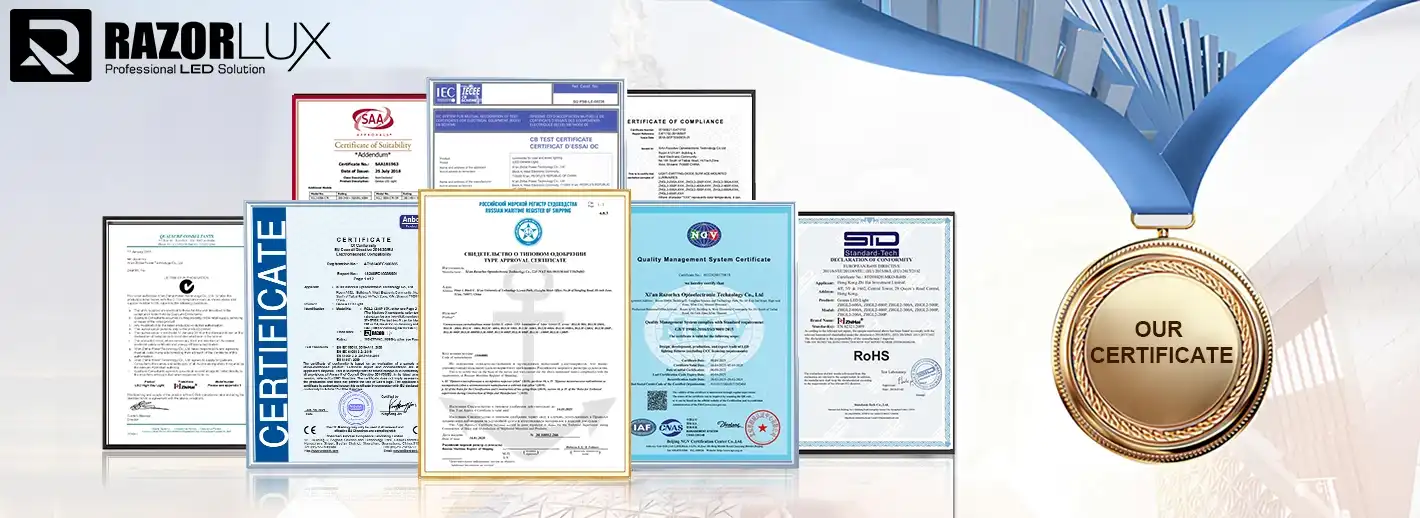
Marine equipment is chosen based on what the classification group says it needs to be. Standards for lighting equipment are put out by groups like DNV (Det Norske Veritas), ABS (American Bureau of Shipping), Lloyd's Register, and others. These standards cover how the equipment is built, how well it works, and how it is tested. Fixtures that don't have these certificates could be rejected during ship checks, which could delay leaving or mean they need to be replaced right away. Razorlux maintains RMRS certification along with major classification societies, which gives specifications for international ship projects confidence. Purchasing professionals should ask for full documentation packages that include reports on the lifespan testing of LM-80 LEDs, projection calculations showing L70 performance beyond 50,000 hours, IES photometric test files for lighting design confirmation, and material composition declarations confirming RoHS compliance. Suppliers who can't provide this paperwork usually don't have good quality control in their factories or use parts that aren't up to par. Accredited lab reports (UL, TUV, Intertek) are more reliable than self-certification from the maker because they provide independent confirmation of the stated specs.
Benefits of Investing in High Wattage Flood Lights for B2B Clients
Enhanced Operational Safety
Accidents at work are directly prevented by having enough light. Studies in the maritime industry have found that lighting levels below 20 lux are linked to more slips, trips, and falls. At 50 lux and above, however, goods handling efficiency improves in a measurable way. Crane workers can place packages within centimeter limits when they can see clearly. This keeps goods and equipment from getting damaged by impacts. Shipyard workers who do welding, cutting, and fitting must have light that doesn't cast shadows so they don't make mistakes that weaken the structure. These safety changes mean lower insurance rates, fewer workers' compensation claims, and no more fines from the government for dangerous working conditions. The quality of the lighting affects how well security works. For face recognition, surveillance cameras need at least 50 to 100 lux, and higher amounts are needed for accurate identification at a distance. Infrared cameras can work in the dark, but they only make black-and-white pictures with lower sharpness than visible light cameras. Early danger recognition is key to protecting ports, pipelines, and offshore sites, and this can only be done with full lighting covering that gets rid of hidden spots. Investing in good lighting cuts down on the need for security staff while increasing the chances of being caught, which saves money on costs other than energy.
Reduced Maintenance Burden
In workplace settings, problems with maintenance access get worse. Offshore platform lighting needs crews to be flown in by helicopter, marine vessels to be called up, or production to be stopped so that technicians can get to the platform safely. When lighting is placed above busy work bays in a shipyard, the production area has to be cleared out and overhead lift equipment has to be rented. Each repair event costs tens of thousands of dollars on top of the cost of replacing parts. Increasing the average time between failures from 8,000 hours (standard metal halide) to 50,000 hours or more (premium LED) cuts down on maintenance by 85%, freeing up maintenance crews to do more important work and keeping production running smoothly. Standardization benefits come into play when facilities commit to working with a single supplier. One driver model, one lens type, and one mounting bracket design can be used in multiple placement sites with uniform fittings. Maintenance workers get better at installing certain types of fixtures, which cuts down on the time it takes to fix problems and the number of mistakes that are made. Razorlux's flexible design lets you change drivers and LED arrays in the field. This means that you can extend the life of the device by maintaining individual parts instead of replacing the whole unit. This method lowers lifetime costs by a large amount compared to sealed fixtures that need to be replaced completely when any part breaks.
Project Scalability and Customization
Manufacturer tech support is helpful for large setups. Razorlux's lighting design service looks at site plans, mounting positions, and operating needs to figure out the best places to put fixtures, the right watts, and the best beam angle combinations. This service stops both over-specification (wasting money on unnecessary items) and under-specification (needing to have fixes installed after the building is finished). The analysis creates photometric models that show expected brightness levels across working surfaces. This lets stakeholders approve the design before committing to buying it, and the ability to customize it meets the specific needs of each project. Direct connections with manufacturers make it possible to get voltage standards that aren't standard, mounting hardware that fits oddly shaped structures, custom color temperatures for specific tasks, or changed protection ratings for certain exposure conditions. Standard stock items from wholesalers don't give you this kind of freedom, so you have to make design adjustments or pay a lot of money for custom production through a third party. Manufacturer-direct relationships are very helpful for projects with hundreds of lights because they ensure uniform quality, technical support, and insurance administration over long installation timelines.
Where and How to Procure the Most Powerful Flood Lights
Direct Manufacturer Benefits
When you buy directly from makers like Razorlux, you skip the markups that distributors usually add on top of the prices, which saves you money right away on big orders. In addition to better prices, direct relationships give you access to technical resources for application advice, the ability to make special products for specific needs, and the ability to try products in the plant before they are shipped. These services are especially helpful for big tasks where knowing exactly what you need and being sure of the quality is worth the extra work it takes to buy things from a distributor's catalog. The level of technical support varies a lot between makers and wholesalers. Most of the time, distributors help customers choose products from their current catalogs, but they don't have the technical skills to create unique solutions or do in-depth application analyses. Manufacturers have research and development (R&D) teams with optical engineers, heat management experts, and electrical design experts who can solve hard technical problems. When buying requirements call for licenses, test records, or changes to the design, working directly with the maker is important for the project to succeed.
Regional Supply Chain Considerations
When you buy things around the world, you need to know about the services available and the licensing standards in each area. Razorlux has factories in China and networks of distributors in North America, Europe, the Middle East, and the Asia-Pacific area. This location allows for fair shipping times—3–7 days via international express for trial orders, 15–22 days ocean freight for production quantities—while keeping costs in mind. Even though it costs more, air freight choices (5–10 days) are better for projects with tight deadlines, while ocean shipping is cheaper for regular equipment changes. Regulatory compliance varies by target market. UL listing meets the needs of North America, CE marking meets the needs of the European Union, SAA/C-Tick meets the needs of Australia, and DLC approval makes it possible for people in the United States to get energy rebates. Manufacturers who keep these licenses up to date avoid problems with customs clearance and make sure their products are allowed in the places they're going to. If you try to bring in non-certified equipment, it could be seized by customs, you could face fines from the government, and your insurance might not cover it. These risks are much greater than any savings you might get from buying from uncertified sources.
Quality Assurance in Procurement
Protocols for pre-shipment inspections guard against production flaws and departures from specifications. Third-party inspection services, such as SGS, Bureau Veritas, and Intertek, check factories to make sure they meet specifications for production quality, packing, and other factors before letting the goods leave the country. This extra check costs only $300 to $800 per inspection, but it keeps problems from being found after the package has arrived, when fixing them costs a lot of money and takes a lot of time. Large orders require this investment as a normal part of risk management. Testing samples before committing to production lets you check that the manufacturer's claims are true. By asking for test cases, engineers can evaluate the product in real-world settings, compare performance numbers to specification sheets, and do rapid life testing if time permits. Sample costs, which are usually between $500 and $2,000 based on the type, protect you from making big purchases of tools that won't work. Companies that are sure of their goods are happy to let you test samples of them. On the other hand, suppliers who refuse to give samples usually mean they aren't sure about the quality or are misrepresenting the specifications.
Contract Negotiation Best Practices
Most Powerful Flood Light: Payment terms have a big effect on the cash flow of a project. The standard terms for foreign trade are a T/T wire transfer with a 30% fee and the remaining 70% due before the shipment. For big projects, it's worth talking about getting longer payment terms (60 to 90 days net), payments that are spread out based on delivery goals, or letter of credit agreements that cover both the buyer and the seller. Customers who have worked with you on more than one project can arrange framework deals that set prices, payment terms, and quality standards for multiple orders over long periods of time. This makes managing each transaction easier. Warranty conditions need to be clearly defined. Standard five-year guarantees should spell out what they cover (new parts, work, and shipping costs), how often a problem happens before the seller fixes it, and how long they promise to respond to warranty claims. Major project contracts should include RMA (Return Material Authorization) processes, promises to have extra parts on hand, and choices for expert help on-site. These terms keep disagreements from happening when performance problems happen by setting clear paths for fixing problems and protecting project finish dates.
Real-World Performance in Demanding Applications
Maritime Port Installation Case Study
The 800-unit metal halide lighting system at a Southeast Asian shipping port kept breaking down. Every month, an average of 15 to 20 fixtures broke down because of salt spray rust, which required constant repair crane movement and stopped port operations. Lumen degradation cut the light to 40% of its original amount after three years, which made it less safe for crane operators and made security cameras less useful. The facility management looked at different LED replacement options, putting lower lifecycle costs ahead of lowest purchase price. After testing three samples from different manufacturers, the terminal chose Razorlux RGL-1200P units because they had a verified IP67 rating, documented salt spray testing results, and a five-year warranty. Over the course of six months, regular repair windows were used to place 800 lights without interrupting normal operations. Monitoring after installation showed that the system was available 98.7% of the time in the first 24 months, with only 11 fixtures failing (mostly because of damage from lightning strikes that had nothing to do with the quality of the fixtures). Even though the lighting was more even, energy use dropped by 35%, which saved $180,000 a year. The 18-month payback time met the requirements for capital approval, and over the 10-year lifespan of the equipment, it is expected to save more than $2.1 million.
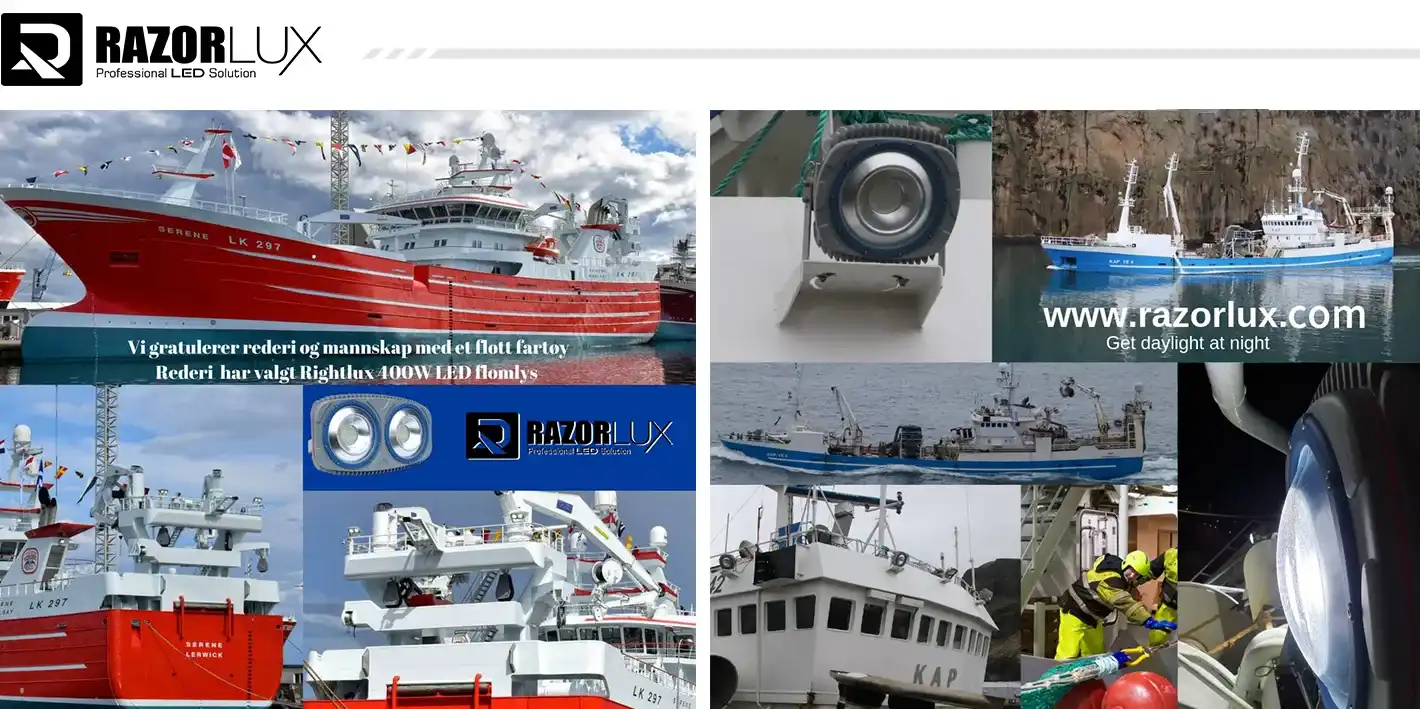
Offshore Platform Lighting Upgrade
An oil platform in the North Sea used old 1000W metal halide lights for the helideck, which had to be replaced every year because of rust and vibration stress. Helicopter operations require specific lighting patterns according to CAP 437 standards. If these aren't met, flight operations could be grounded, and emergency personnel would have to be evacuated by boat, which is an expensive and weather-dependent process. The platform operator wanted replacements that met certain standards, such as CAP 437 compliance, an operating range of -40°C to +60°C, certification by a major classification society, and a minimum service life of five years. Razorlux made units that met these needs, giving them special helideck beam patterns, marine-grade corrosion protection, and DNV certification paperwork. The installation got rid of the need for maintenance for 36 months, kept the lighting patterns that met the specifications, which were confirmed by annual inspections, and stood up to the harsh winter conditions in the North Sea, with winds exceeding 40 m/s and wave hits submerging perimeter fixtures. Because the user was happy, the lighting across the whole platform was standardized. 280 extra lights were replaced with Razorlux equipment under a multi-year supply deal in the housing modules, process areas, and emergency exit paths.
Shipyard Dry Dock Application
A port in the Baltic Sea has four big dry docks that need full lighting so that repairs can be done 24 hours a day, seven days a week during the short summer building seasons. Previous lighting was a mix of units from different manufacturers that were put in gradually over 15 years. This made upkeep harder because extra parts didn't always work with each other and the lighting levels weren't always uniform. The facility engineering team set standardization requirements, such as a uniform fixture type, a rated life of 50,000 hours or more, the ability to operate at -30°C for winter use, and mounting hardware that would work with existing infrastructure to keep installation costs as low as possible. Razorlux engineering did a full lighting analysis and found the best fixture positioning and beam angle choices, which cut the number of fixtures needed from 340 to 280 while increasing average illumination from 85 lux to 120 lux and uniformity from 0.4 to 0.65. The installation took place during the usual winter break, so there was no effect on production. Standardization quickly had benefits, such as a single collection of extra parts, easier repair processes, and more uniform lighting that made the work better. Compared to the old metal halide system, energy costs went down by 42%, even though the lighting levels went up. This met the company's sustainability goals while also making working conditions better and cutting costs.
Procurement Decision Framework
Total Cost of Ownership Calculation
| Cost Category | Standard Metal Halide | High-Power LED (Razorlux) |
|---|---|---|
| Initial Purchase (per fixture) | $800 | $1,850 |
| Installation Labor | $250 | $250 |
| Annual Energy Cost (8,760 hrs, $0.15/kWh) | $1,971 | $1,576 |
| Maintenance Events (10 years) | 11 replacements | 2 replacements |
| Maintenance Cost (per event) | $450 labor + $800 fixture = $1,250 | $450 labor + $1,850 fixture = $2,300 |
| Total Maintenance (10 years) | $13,750 | $4,600 |
| Total Energy (10 years) | $19,710 | $15,760 |
| Total 10-Year Cost | $34,510 | $22,210 |
| Lifecycle Savings | Baseline | $12,300 (35.6% reduction) |
This calculation methodology applies to individual fixture locations, multiplying savings across entire facilities. A 500-fixture installation generates $6.15 million lifecycle savings, justifying substantial initial investment difference while delivering operational benefits extending beyond simple cost reduction—improved safety, reduced maintenance disruptions, better illumination quality, and enhanced environmental performance through reduced energy consumption and waste fixture disposal.
Risk Assessment and Mitigation
Procurement carries inherent risks requiring structured mitigation. Technical specification risks arise from inadequate due diligence, selecting fixtures unsuitable for the operational environment, or failing to meet regulatory requirements. Mitigation strategies include third-party testing validation, sample testing under actual conditions, and requiring comprehensive certification documentation before commitment. Supplier stability risks involve manufacturer business continuity affecting warranty support and spare parts availability. Mitigation approaches include financial stability assessment, references from established customers, and contractual warranty provisions protecting against supplier failure. Quality consistency risks emerge particularly with offshore manufacturing, where production batches may exhibit variation in components or assembly quality. Mitigation involves pre-shipment inspection, batch testing protocols, and establishing quality acceptance criteria with remediation provisions for substandard deliveries. Political and trade risks affect international procurement through tariff changes, import restrictions, or supply chain disruptions. Mitigation strategies include multi-region sourcing options, safety stock for critical spares, and contract terms addressing force majeure scenarios.
Conclusion
The distinction between Most Powerful Flood Light and standard alternatives extends beyond specifications to operational reliability, lifecycle economics, and safety performance critical for industrial and maritime applications. Procurement professionals balancing capital constraints against operational requirements must evaluate total cost of ownership rather than purchase price alone. Quality manufacturers like Razorlux, offering comprehensive certifications, proven marine-grade construction, and engineering support, deliver measurable value through reduced maintenance frequency, energy savings, and enhanced operational safety. The investment in specification-appropriate lighting prevents costly failures, supports regulatory compliance, and enables facility operational excellence over extended equipment lifecycles.
FAQ
What lifespan difference exists between high-power LED and metal halide flood lights?
Premium LED fixtures like Razorlux units achieve L70 lifespan ratings exceeding 50,000 hours, meaning 70% of original light output remains after 50,000 operating hours. Metal halide alternatives typically last 8,000-12,000 hours before requiring replacement, with rapid lumen depreciation reducing output to 60% of initial levels within 4,000-6,000 hours. This 5-6x lifespan advantage reduces maintenance frequency proportionally while maintaining consistent illumination levels throughout service life. The extended lifespan proves particularly valuable in difficult-access locations like offshore platforms, high-mast installations, and hazardous areas where maintenance requires extensive safety procedures and production shutdowns.
How do motion sensors reduce energy costs in flood lighting applications?
Motion sensor integration enables automated lighting control, reducing operating hours in intermittently-used areas like perimeter zones, storage yards, and pedestrian pathways. Facilities implementing motion-activated lighting report 40-65% energy savings in applicable areas compared to continuous operation, with payback periods typically under two years. Advanced systems incorporate daylight harvesting sensors adjusting output based on ambient conditions, maintaining target lux levels while minimizing energy consumption. Razorlux offers compatible smart control systems integrating motion detection, scheduling, and dimming capabilities tailored to industrial environments requiring fail-safe operation and override capabilities for emergency situations, maintaining mandatory illumination regardless of occupancy detection.
What wattage should industrial facilities specify for different applications?
Application requirements dictate appropriate wattage selection. General outdoor storage and circulation areas typically require 20-50 lux, achievable with 400-600W LED fixtures at standard mounting heights (8-12 meters). Active working zones like container handling areas, ship repair bays, and loading docks benefit from 75-150 lux, requiring 800-1200W units at 15-25 meter mounting heights. Specialized applications including heliports, sports facilities, and precision assembly areas may demand 200+ lux, necessitating multiple high-wattage fixtures or specialized designs. Proper wattage selection requires photometric analysis accounting for mounting height, spacing, surface reflectance, and operational requirements to optimize fixture count, energy consumption, and illumination quality while avoiding over-specification increasing both capital and operating costs unnecessarily.
Partner with Razorlux for Superior Industrial Lighting Solutions
Transform your facility's illumination performance with Razorlux's proven Most Powerful Flood Light systems engineered specifically for demanding marine and heavy-duty applications. Our RGL-1200P series delivers 156,000 lumens with industry-leading 130lm/W efficiency, backed by Samsung LED chips, Mean Well drivers, and comprehensive international certifications including DNV, CE, UL, and ATEX. We've equipped over 200 major port facilities, offshore platforms, and shipyards globally with reliable lighting solutions surviving the harshest operational environments. Contact our engineering team at sam@razorlux.com to discuss your project requirements, request technical specifications, or arrange sample testing. We provide complete lighting design services, competitive manufacturer-direct pricing, and five-year warranty coverage supporting your operational success. Discover why leading facility managers specify Razorlux as their trusted Most Powerful Flood Light supplier.
References
1. Maritime Safety Committee. "Guidelines for Lighting Standards in Port Facilities and Offshore Installations." International Maritime Organization Technical Report, 2021.
2. Industrial Lighting Engineering Society. "High-Power LED Performance in Corrosive Environments: A Comparative Analysis." Journal of Industrial Illumination Engineering, Vol. 47, 2022.
3. Classification Society Standards Committee. "Requirements for Marine Equipment Lighting Systems." Unified Classification Society Publication DNV-ABS-LR Joint Standard, 2020.
4. Energy Management Institute. "Lifecycle Cost Analysis of Industrial Lighting Systems: LED vs Traditional Technologies." Industrial Energy Efficiency Quarterly, Vol. 15, No. 3, 2021.
5. Offshore Safety Engineering Association. "Lighting Requirements for Hazardous Area Classification Zones in Petroleum Operations." OSEA Technical Guidance Document TG-440, 2022.
6. Port Engineering and Development Council. "Best Practices for Container Terminal Lighting Design and Specification." PEDC Industry Standards Publication IS-2024, 2023.