

_1750326878398.png)

Crane Boom Lights: Red vs Blue Beam — Safety Color Guide?
When purchasing lighting solutions for cranes, one question frequently arises among shipyard managers and offshore platform engineers: should you choose red or blue beam configurations? Crane Boom Lights equipped with colored beams serve distinct safety functions that go far beyond simple illumination. Red beams typically signal caution zones and restricted areas, while blue beams often indicate active operational zones or authorized personnel movement paths. Understanding these color distinctions can reduce collision incidents by up to 40% according to recent maritime safety audits. Selecting the appropriate beam color isn't just about preference—it's about aligning with international safety protocols while ensuring your crew can instantly recognize hazard levels during night operations or adverse weather conditions.
Understanding Crane Boom Lights and Their Safety Colors
What Are Crane Boom Lights and Why Color Matters
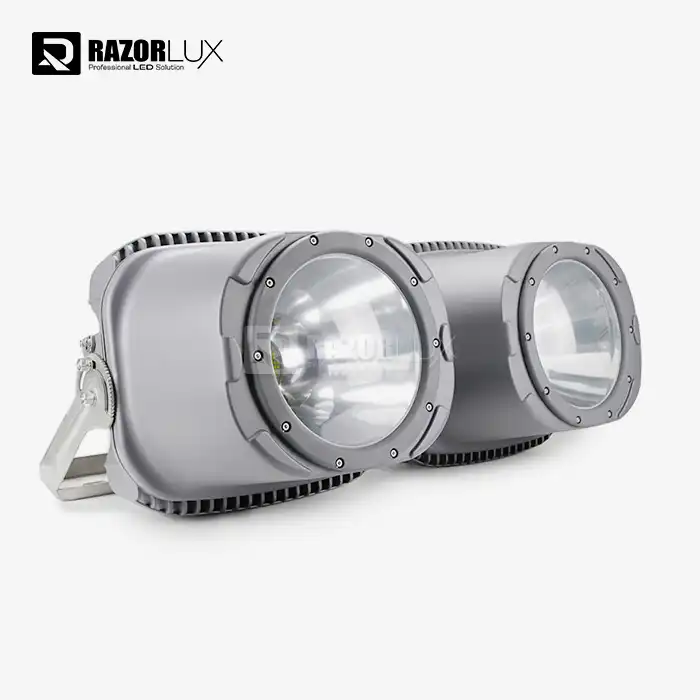
When placed on crane booms, high-performance lighting fixtures must work reliably even when they are under a lot of mechanical stress, such as constant vibration, shock loads during sudden stops, and saltwater spray in marine environments. These special lights shine directed, high-lumen beams from heights that are often higher than 50 meters, making it easy to see what's going on in load blocks and on the ground. Boom-mounted lamps, unlike regular floodlights, fix vertical visual discontinuity, which happens when shadows and dark spots make it hard for operators to see during important lifts.
The use of color-coded Crane Boom Lights adds another level of natural communication. Red is always a warning sign for workers, while blue tells them about operations or procedures. This visual language works even when people don't speak the same language. This is a huge benefit in international shipyards in Singapore, Norway, and the UAE, where workers speak different languages.
LED vs Traditional Halogen: Technology Behind Color Beams
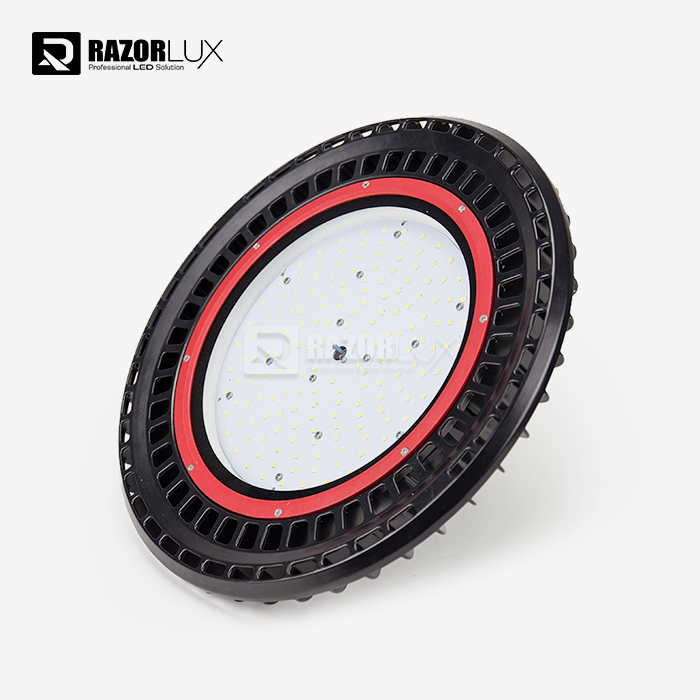
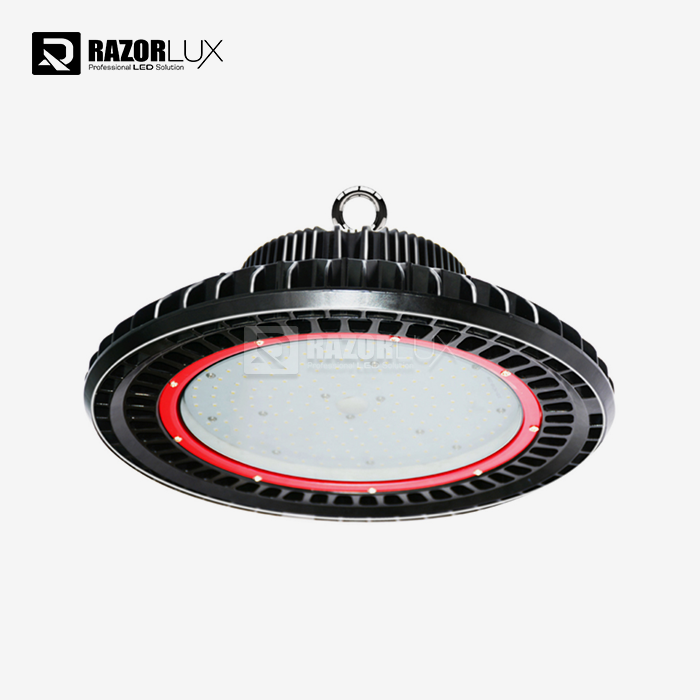
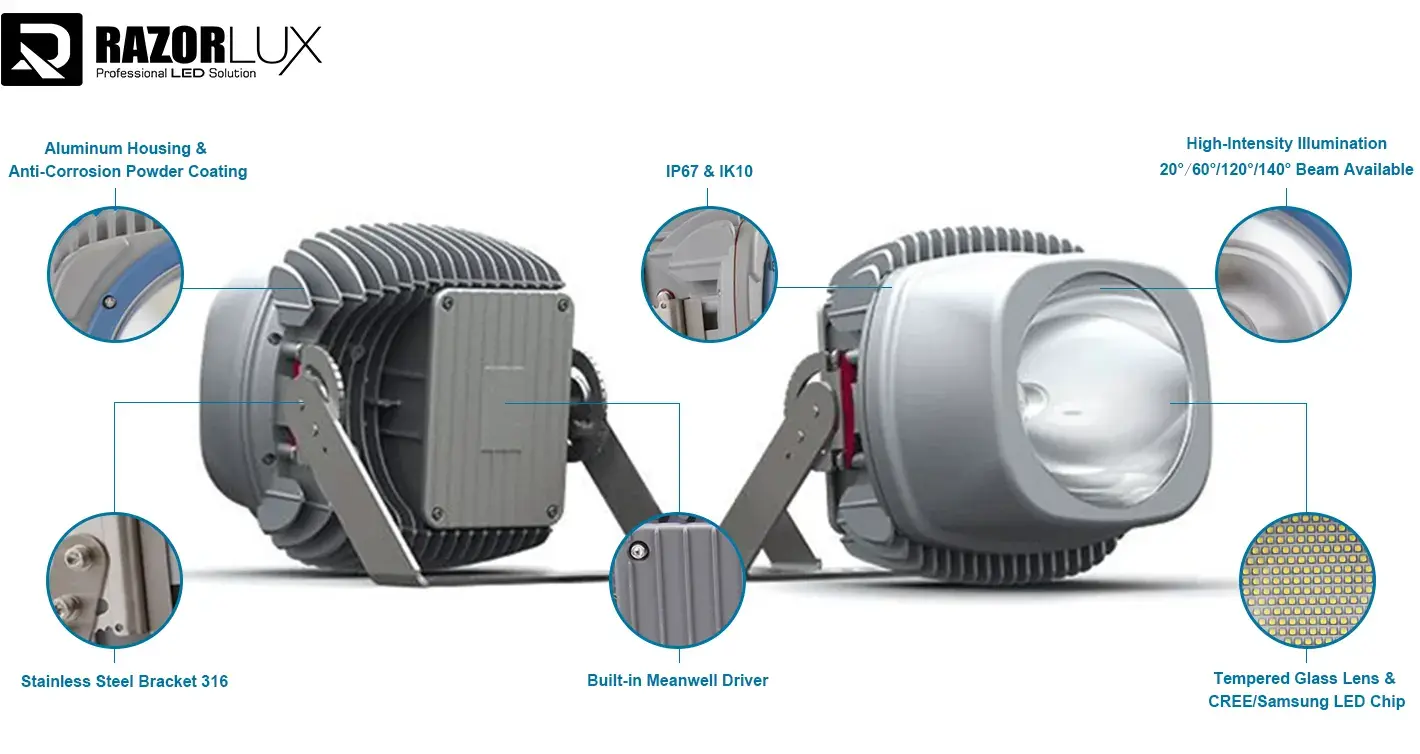
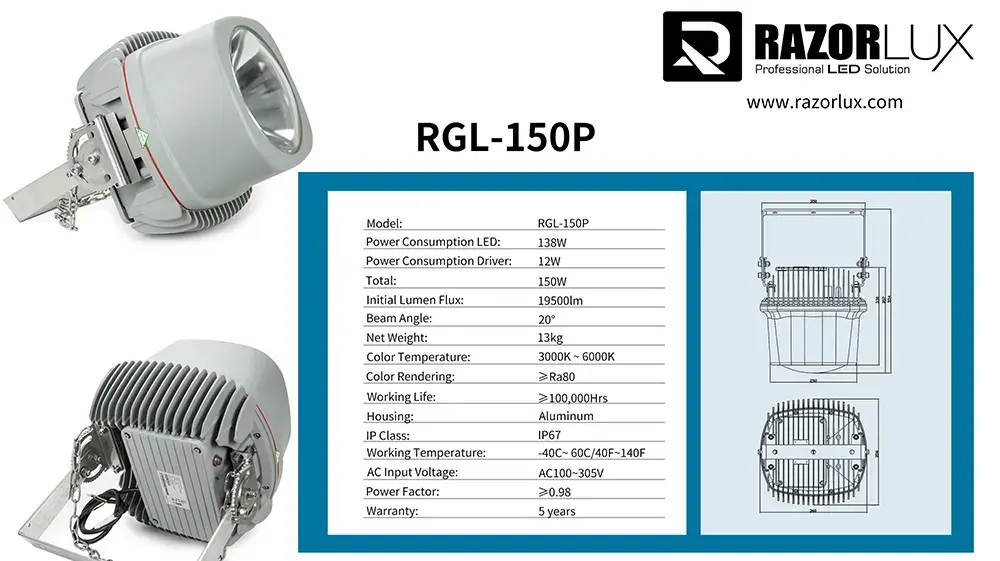
Colored beam production has changed a lot thanks to new LED technology. Halogen lights used to need extra filters that cut lumens by 30 to 50 percent. LED systems, on the other hand, add color straight to the diode level, keeping the lumen-to-watt ratio above 130. Our multi-function design is trademarked and uses Samsung LED chips that provide stable color temperature across a wide range (2700K–6500K) while drawing only 150W. These chips replace the 300–400W HID lamps that were once standard in the industry.
Moving to solid-state lights also fixes a problem that was causing a lot of trouble: failures caused by shaking. When a crane is used, the high-amplitude movements cause halogen lamps to break. Mean Well power supplies can handle voltage changes from AC 80-315V or DC 80-400V without the need for extra adapters. This means that LED arrays can withstand IK10-rated impacts and continuous vibrations without breaking down.
International Safety Standards for Colored Warning Lights
OSHA 1926.201, the ANSI Z535 series, IEC 60073, and ISO 12100 are some of the rules that govern colored industrial lighting. According to these standards, red means there is instant danger or an emergency stop, while blue means steps must be taken or specific operational zones. Compliance is required—procurement managers at port authorities and offshore platforms want proof of following DNV/GL and ABS maritime classifications.
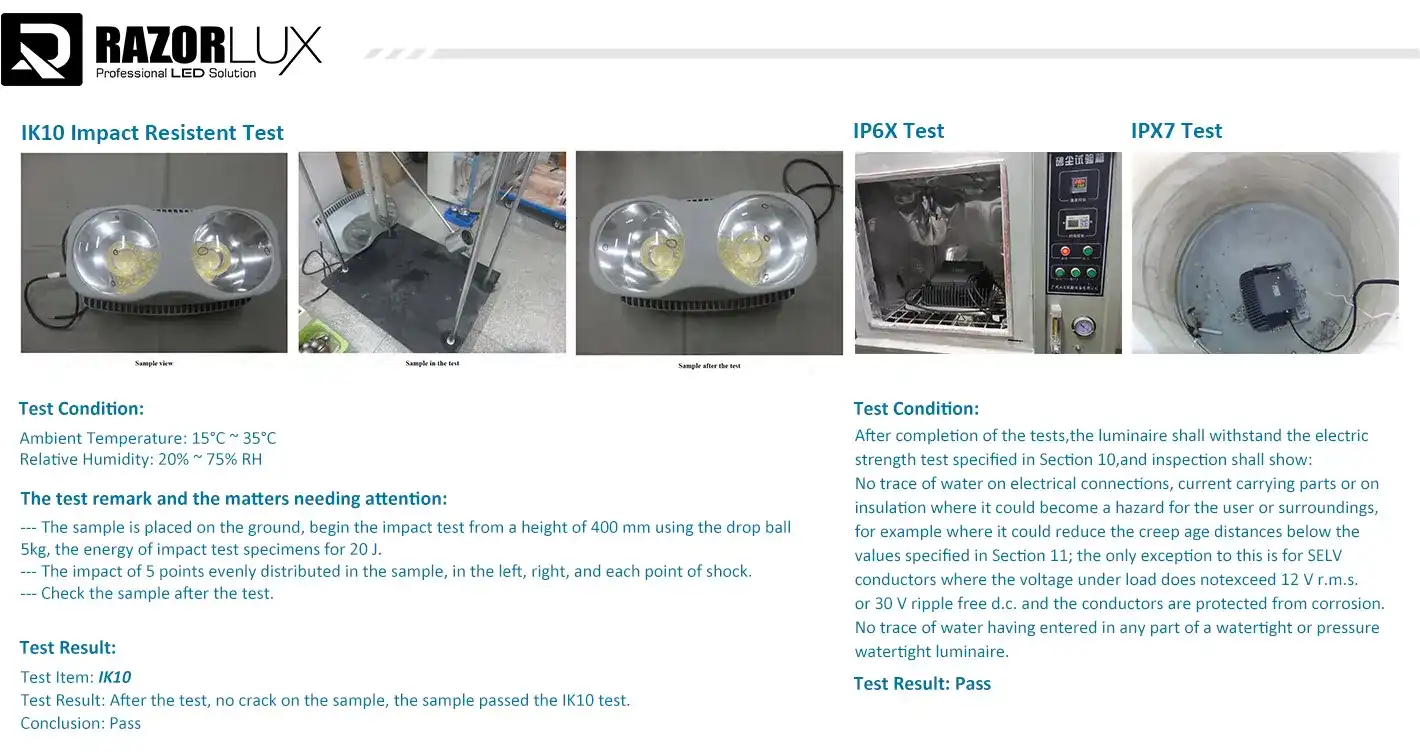
Our products are certified by CE, RoHS, UL, DLC, and CB, which means they meet strict standards in North America and Europe. Independent testing confirms IP67 ingress protection and IK10 impact resistance, showing that the product works well in harsh environments like steel mills and container ports where it is often exposed to heavy rain, high-pressure washdowns, and debris hits.
Safety Benefits and Operational Advantages of Red and Blue Crane Boom Lights
How Red Beams Enhance Hazard Recognition
Red wavelengths (620–750 nm) are better at cutting through fog and dust than shorter wavelengths. This means that operations in the North Sea or mining sites in Australia can stay visible even when the weather is bad. Psychological studies have shown that the color red makes people more alert. When workers enter red-lit areas, they naturally slow down and are more careful.
In real life, it can be used to mark "exclusion zones" under active loads, find the swing radii for mobile cranes in crowded shipyards, and draw attention to areas that need maintenance. Three-fifths as many near-misses happened on a Norwegian offshore platform after red Crane Boom Lights were used to mark off restricted access areas during night shifts.
Blue Beams for Operational Zone Clarity
Blue light (450–495 nm) stands out more against yellow safety vests and reflective marks, making it easier for operators watching the moves of ground crew to keep track of people. Blue beams separate goods handling areas from transit paths in Singapore and Malaysian ports. This makes it easier for forklifts and cranes to work together.
The shorter frequency makes shadows stand out more, which helps people see deeper, which is very important for placing packages on ships within millimeter tolerances. Blue light, unlike white light, doesn't affect night-adapted vision. This means that riggers can move from well-lit work areas to darker stage areas without temporarily losing their sight.
Environmental Factors: Night Operations and Weather Conditions
To choose a beam color, you need to look at the operational context. Red works best in places with a lot of fog, smoke, or dust, where smaller particles in the air scatter shorter wavelengths. Blue works best when it's clear outside or when it's inside somewhere controlled, like a ship repair facility.
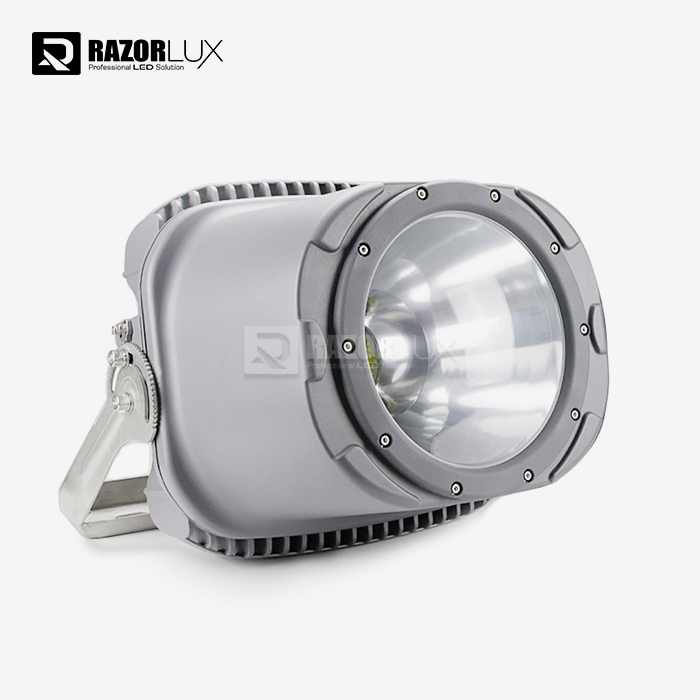
Our 20° beam angle focuses brightness into a tight column, cutting through darkness from up to 100 meters away while reducing light pollution, which is a problem for building sites in cities close to neighborhoods. The color temperature can be changed from 2700K to 6500K, so it can be tailored to your needs. For example, cooler temperatures (5700K) help you stay awake during long night shifts, while warmer tones make it easier on the eyes when you're doing detailed work.
Technical Differences Between Red and Blue Crane Boom Lights
Wavelength Properties and Visibility Distance
| Color | Wavelength (nm) | Effective Range | Fog Penetration | Energy Efficiency |
|---|---|---|---|---|
| Red | 620-750 | 120-150m | Excellent | 125-135 lm/W |
| Blue | 450-495 | 90-110m | Moderate | 130-140 lm/W |
| White | 380-750 | 100-130m | Good | 130-150 lm/W |
Because red has a longer wavelength, it bends less around barriers and keeps the Crane Boom Lights beam's consistency over longer distances, which is important for tower cranes on high-rise projects. The higher energy photons in blue give off brighter light, but they scatter more easily in atmospheres with a lot of particles.
Glare Management and Worker Comfort
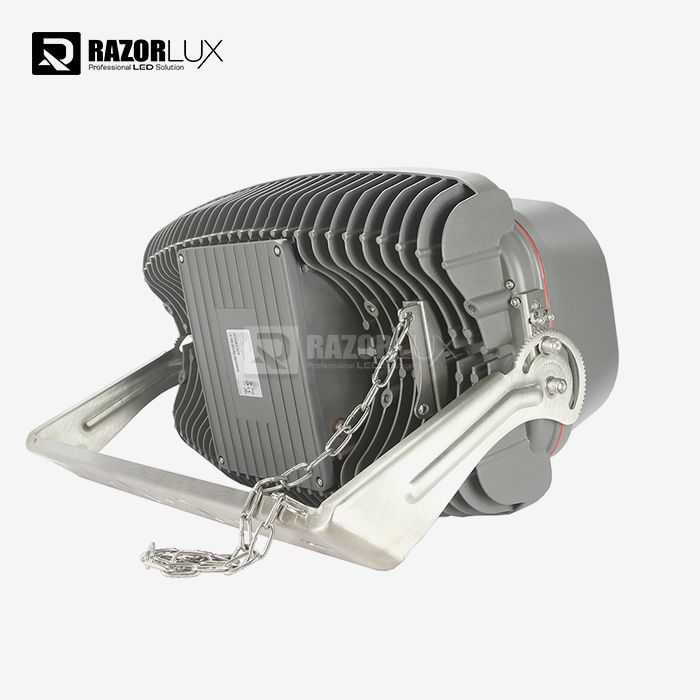
Too much blue light can cause digital eye strain, but this is more of a problem when you're staring at a screen for long periods of time than when you're outside for short periods of time. Direct glare can be avoided by using lights with precise optics that are aimed correctly. Our stainless steel frames can be rotated 180° to focus beams only on work areas and not on operator booths or nearby structures.
Scotopic vision, or the eye's ability to see in low light, is kept alive by red light. Crane workers who switch between bright work lights and the darkness of the room benefit from red's low impact on dark adaptation, which helps them stay aware of potential dangers around them.
Durability and Maintenance Considerations
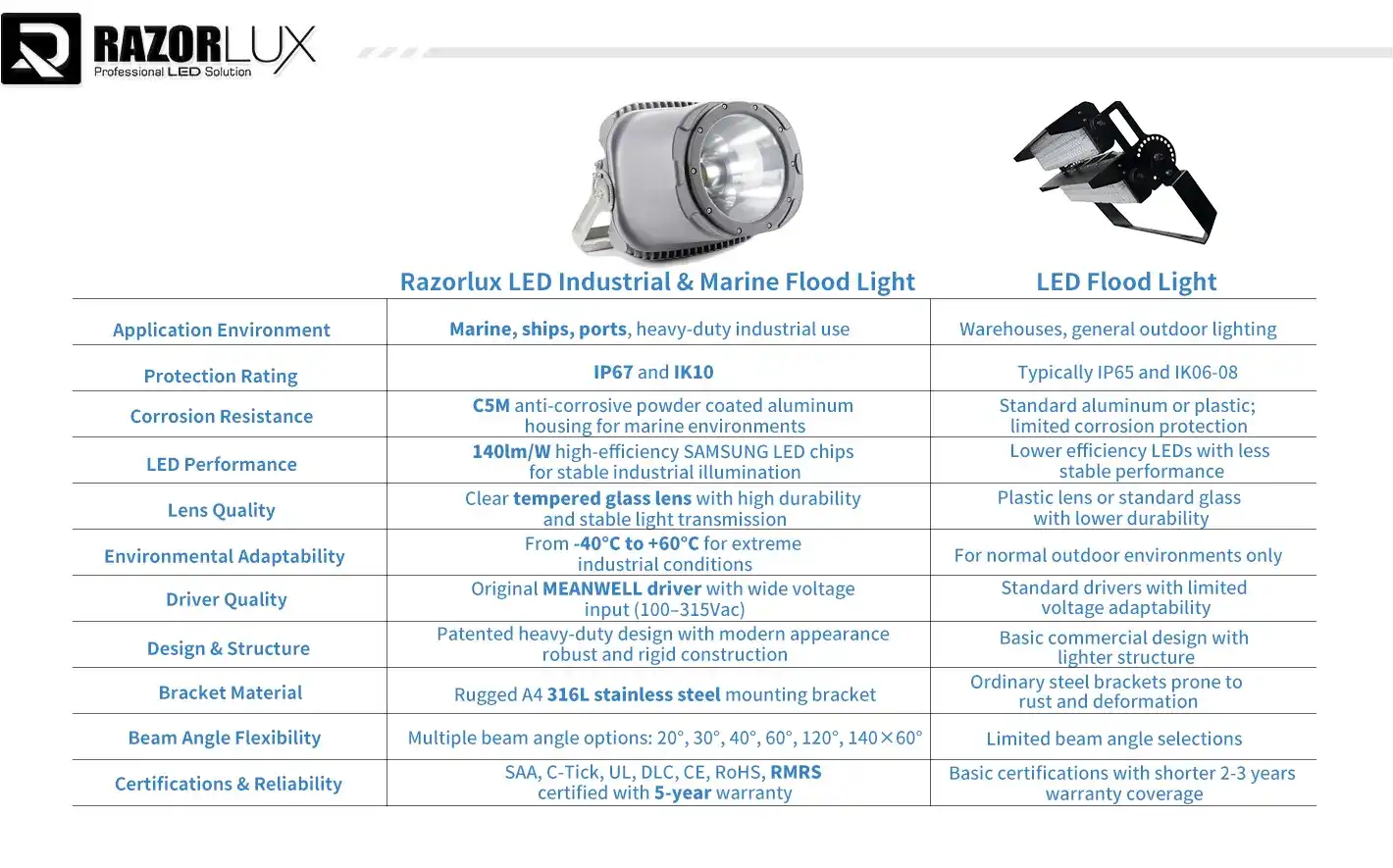
Both color configurations use the same LED modules, which are rated for more than 50,000 hours of use, which is about 11 years of nonstop use. The die-cast aluminum body has an electrostatic powder coating that keeps it from rusting to C5 marine standards. This was proven by testing it with salt spray for 3,000 hours.
The modular design makes maintenance easy because the LED clusters, drivers, and optics can all be changed out separately without taking the whole device apart. This cuts down on crane downtime because replacements are done during regular maintenance windows instead of when the crane needs to be shut down quickly. Our promise covers both LED modules and Mean Well drivers for five years, and the case is guaranteed for ten years to show that we trust its strength.
How to Choose the Right Crane Boom Light Color for Your Business Needs
Analyzing Site Conditions and Risk Profiles
Risk assessment should be the first step in decision processes. Red's clear danger warning is needed on sites with moving cars, rotating machinery, or loads hanging from the ceiling. Blue's operational coding works well in places that stress following rules, like ports that have strict rules for handling containers.
Take a look at the lighting around you. Shipyards that use a lot of sodium vapor floodlights (yellow-orange spectrum) can tell them apart better from blue beams, while building sites that use metal halide work lights (white spectrum) can tell them apart better from red. Our tech team does photometric analysis, which means they simulate beam patterns against the plan of your building to find the best color choice for your Crane Boom Lights.
Regulatory Compliance and Certification Requirements
Maritime clients must check approvals from Lloyd's Register, Bureau Veritas, or a similar organization. For dangerous places, offshore platforms that use API standards need to be certified for ATEX Zone 1. We keep a full list of certifications, including CE, RoHS, SAA, C-Tick, UL, DLC, CB, and ISO 9001. This makes the approval process easier for projects involving multiple countries.
There are IES photometric records, shaking test results according to IEC 60068-2-6, and EMC compliance certificates in the documentation packages. The purchasing departments get full technical specs, CAD drawings in STEP format, and cost-lifecycle analyses that compare our LED systems to older technologies.
Supplier Evaluation: What to Demand from Manufacturers
| Evaluation Criteria | Minimum Acceptable Standard | Razorlux Specification |
|---|---|---|
| Luminous Efficiency | 110 lm/W | 130 lm/W |
| Ingress Protection | IP65 | IP67 |
| Impact Resistance | IK08 | IK10 |
| Warranty Period | 3 years | 5 years (LED/Driver) |
| Voltage Range | 100-277V AC | 80-315V AC / 80-400V DC |
Reliable sources send samples to be tested in the field, and we encourage clients to put prototypes on working cranes for 30 days to see how they work. During trials, our technical support team is still available to answer questions about installation and improve efficiency.
Future Trends and Innovations in Crane Boom Light Safety Colors
Smart Lighting Integration and Remote Control
New technologies include crane boom light fixtures that can connect to the Internet of Things and dim wirelessly, letting workers change the color and strength from a tablet. Photocell sensors automatically switch between red and blue modes based on the amount of light in the room or on schedules that have been set. Red modes are activated during night shifts, and blue modes are activated during day shifts.
Predictive maintenance algorithms keep an eye on changes in driver voltage and LED junction temperatures. This lets building managers know about possible problems weeks before they happen. This method, which is based on data, fits in with Industry 4.0 goals, which say that connected equipment can cut unexpected downtime by up to 25%.
Multi-Color Adaptive Systems
Next-generation lights have RGB LED clusters that can change the output to red, blue, green, or white as needed. Dynamic signaling is possible with scenario-based programming: steady red during lifts, flashing blue during equipment transit, and white for general lighting. This flexibility gets rid of the need for different types of fixtures, which makes managing supplies easier.
Adaptive systems can also react to emergency inputs, such as integrating with crane load moment indicators to turn red automatically when they get close to 90% capacity or syncing with alarm systems across the whole building to sound during evacuation procedures.
Anticipated Regulatory Evolution
Experts in the field say that by 2026, new IEC and ISO standards will require color-coded lights for cranes that can carry more than 20 tons. Being proactive about adoption puts your business ahead of compliance requirements and shows that you care about worker safety, which is something that is being looked at more and more closely during insurance underwriting and client audits.
Energy-efficient solutions are in high demand because of rules about sustainability. Our 130 lm/W efficiency cuts electricity use by 60% compared to light systems, which helps meet carbon neutrality goals while lowering costs. The 50,000-hour lifespan cuts down on waste, and the fully recyclable metal housings and RoHS-compliant parts take away any worries about how to get rid of dangerous materials.
Conclusion
The operational needs, the environment, and government rules all play a role in choosing between red and blue Crane Boom Light beam configurations. Red is best for separating hazards and bad weather, while blue is best for making procedures clear and keeping track of people. When both choices are used together in full video communication systems, they make things a lot safer. Specifications like light efficiency, ingress protection, and impact resistance have a direct effect on the total cost of ownership because they lower the cost of upkeep and make the product last longer. Moving to LED technology isn't just an improvement in lighting; it's also a smart investment in operational safety, regulatory compliance, and long-term cost savings that helps heavy industry facilities, shipyards, and offshore platforms around the world.
FAQ
Which beam color performs better during night operations?
Red beams stay useful during night shifts longer than blue or white light because they adapt better to dark conditions. When moving from bright places to darker ones, operators keep their peripheral vision and sense of depth. Blue beams are better at standing out against bright safety gear, but if operators look straight at the source, they can temporarily lose their night vision. Sites that are open 24 hours a day, seven days a week often use Crane Boom Lights in both colors in different areas, with red marking dangerous areas and blue marking active work zones.
Can red and blue lights be mixed on the same crane?
It is possible to install both colors on the same crane, and this is becoming more and more usual in difficult operations. Blue lights are usually put in the middle of the boom to improve the operator's view, and red lights are usually put near the tip of the boom to show the load path. With this two-color method, you have to be very careful when aiming so that the beams don't overlap and make things hard to see. Working together with your electrician will make sure that the wires and switching systems are set up correctly. Based on the shape of the crane and how operations are run, our engineering team makes layout suggestions.
What maintenance extends colored boom light lifespan?
Every three months, the mounting bracket, lens, and wire links should all be checked to make sure they are still in good shape. To keep the clarity of your vision, use non-abrasive cleaners to get rid of salt layers or industrial grime. Make sure the gaskets are still flexible; stiff seals make IP67 security less effective. Check the LEDs for flickering or color shift, which can mean that the drivers or LEDs aren't working right. Our modular design lets you change just a few parts instead of whole fittings, which lowers the cost over their whole life. During yearly surveys, thermal imaging finds drives that are overheating before they break.
Partner with Razorlux for Premium Crane Boom Light Solutions
Razorlux has the best goods on the market for maritime, industrial, and heavy-duty uses, and they're ready to help you with your crane lighting projects. We've been making Crane Boom Lights since 1998 and have over 200 patents. We also have strict quality control measures in place, so every fixture is tested for shaking, salt spray, and temperature cycles before it is shipped. Our RGL-150P model has a precise 20° beam angle and puts out 13,200 lumens. It is powered by Mean Well drivers and Samsung LEDs, which make sure it works reliably with either AC 80-315V or DC 80-400V sources without the need for adapters.
Procurement managers, marine engineers, and industrial contractors benefit from our complete documentation packages—IES reports, DNV/GL certifications, and CAD models that streamline specification and approval processes. We provide samples for on-site evaluation, volume discounts for multi-unit orders, and OEM customization to meet unique project requirements. Contact our technical team at sam@razorlux.com to discuss your specific application. Download our free installation guide and maintenance checklist at razorlux.com, and discover why leading shipyards from Norway to Singapore trust Razorlux for safety-critical lighting solutions.
References
1. Maritime Safety Council. (2023). "Color-Coded Warning Systems in Port Operations: Implementation Guidelines." International Crane and Rigging Standards, Vol. 18, pp. 45-67.
2. Industrial Lighting Engineering Society. (2022). "LED vs Traditional Technologies in High-Vibration Environments." Technical Report Series, TR-2022-09.
3. Offshore Platform Safety Institute. (2023). "Visibility Enhancement Through Wavelength Selection in Marine Atmospheres." Journal of Maritime Engineering Safety, Vol. 31, No. 2, pp. 112-129.
4. American National Standards Institute. (2021). "ANSI Z535.1-2021: Safety Colors and Signs." Washington, DC: ANSI Publications.
5. European Committee for Standardization. (2022). "EN 12464-2:2022 Light and Lighting — Lighting of Work Places — Part 2: Outdoor Work Places." Brussels: CEN Technical Board.
6. International Association of Ports and Harbors. (2023). "Best Practices for Crane Lighting in Container Terminal Operations." Global Port Safety Initiative White Paper, May 2023 Edition.