


_1750326878398.png)

What Is a Low Mast Light & Why It Matters for Outdoor Safety?
When it gets dark, having enough light is very important for staying safe outside. What is a Low Mast Light, and why is it important for safety outside? This question is about one of the most useful ways to light a room right now. Low mast lights are a new way to light up your yard. They are placed on poles that are usually between 15 and 25 feet tall. They give off strong, wide-area lighting that is great for industrial parks, walks, and parking lots. Unlike traditional lamps or high mast systems, these devices provide the best lighting coverage while still being cost-effective and simple to keep.
What Is a Low Mast Light?
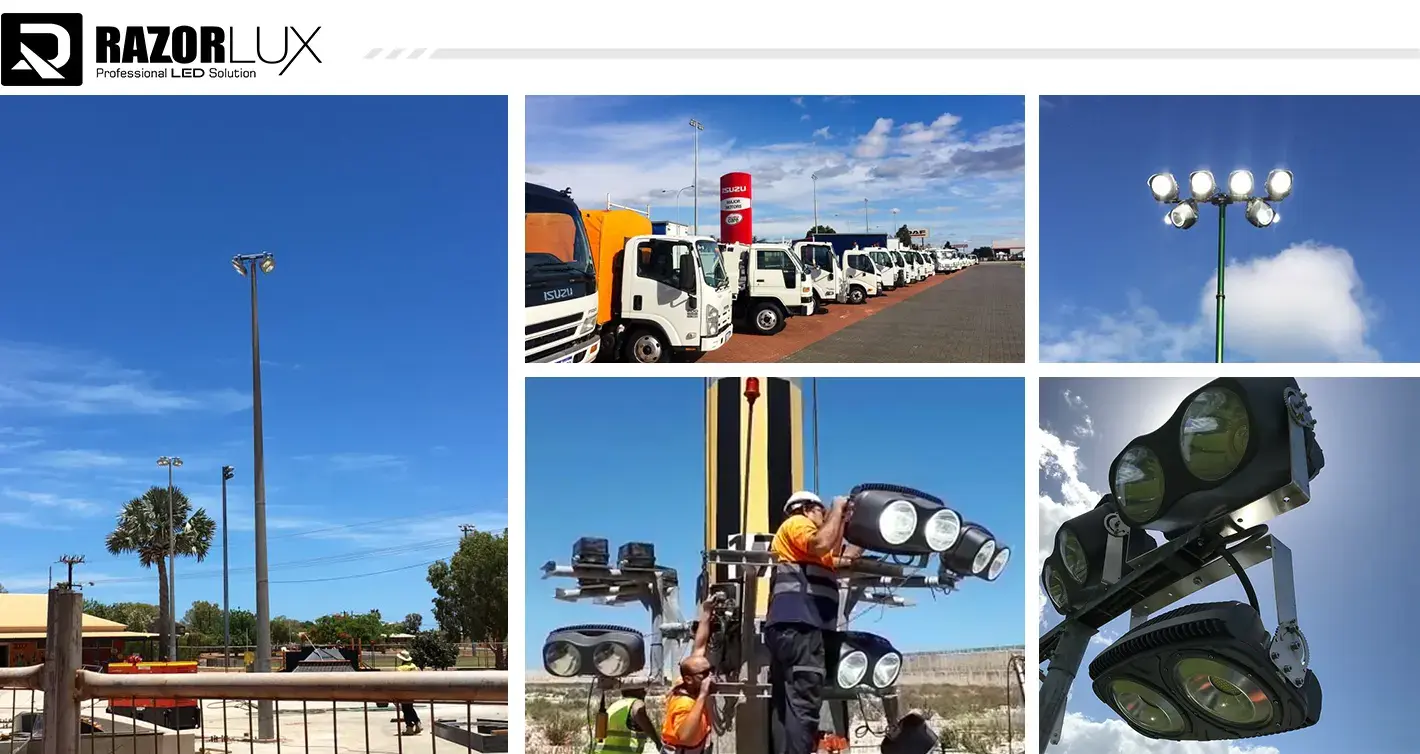
Low mast lights are a special kind of outdoor lighting that are meant to be used between regular streetlights that are placed on poles and huge high mast lighting systems. These flexible lighting options usually have mounting heights of 15 to 25 feet, which is a lot shorter than their high mast peers, which can reach heights of up to 150 feet.
Within the basic form is a strong pole frame that holds one or more LED light heads. Each bulb provides focused and wide-spread lighting designs that are designed to work in medium-sized outdoor spaces. The low mast lighting system works great in places where regular streetlights don't work or where full high mast installs are too expensive or can't be done.
Modern low-mast pole light designs use cutting-edge LED technology to get better energy savings while still keeping brightness levels very high. The planned placement at a high level lets the light spread out evenly without causing too much glare or light pollution issues. They are especially useful in mixed-use areas where both efficient lights and environmental concerns are important because they take a measured approach.
The structural engineering behind these systems puts longevity and resistance to weather at the top of the list. Manufacturers of high-quality low mast light fixtures make them to last in tough situations like salt spray, extreme temperatures, and strong winds. This strong design makes sure that it will work reliably in a wide range of climates and tough workplace settings.
The Problem Low Mast Light Solves
Facility managers and urban planners have had problems with outdoor lights for many years. Regular streetlights often give off uneven light, leaving dark spots and not enough light for bigger areas. On the other hand, high mast lighting systems work well but cost a lot of money and need complicated upkeep processes that involve trained workers and specialized tools.
These basic problems can be fixed with low-mast street light solutions, which provide medium-sized lighting that fills a crucial gap in outdoor lighting choices. They get rid of the common problem of parking lots, paths, and industrial areas that aren't well-lit, which can lead to safety and security issues. Not being able to see well in these areas makes accidents more likely and gives criminals more chances to do bad things.
Another big problem that these devices solve is making maintenance easier to access. Low mast light fixtures can still be reached through regular repair processes, unlike high mast setups that need bucket trucks or specialized lifting equipment. Because it's easier to get to, service costs are lower, and fixes and regular upkeep can be done faster.
Concerns about energy economy have led many businesses to look for lighting options that balance performance with prices. Traditional high-intensity discharge lighting uses too much energy, makes too much heat, and needs bulbs to be replaced all too often. Low mast lighting systems that use current LED technology give off better light while using a lot less power and lasting longer.
| Feature | Traditional High Mast/Streetlights | Low Mast Street Lights |
|---|---|---|
| Illumination Coverage | Uneven, dark spots, insufficient for large areas | Uniform lighting eliminates under-lit zones |
| Maintenance Accessibility | Requires bucket trucks and trained technicians | Accessible via standard procedures, lower service cost |
| Energy Efficiency | High energy consumption, frequent replacements | LED technology, lower energy use, longer lifespan |
| Installation Complexity | Complex installation, specialized equipment needed | Simple installation, shorter project time, reduced labor costs |
| Safety & Security | Poor visibility increases accident & crime risk | Enhanced safety with consistent illumination |
Low Mast Light: Core Features & Functionality Deep Dive
High-Efficiency LED Technology
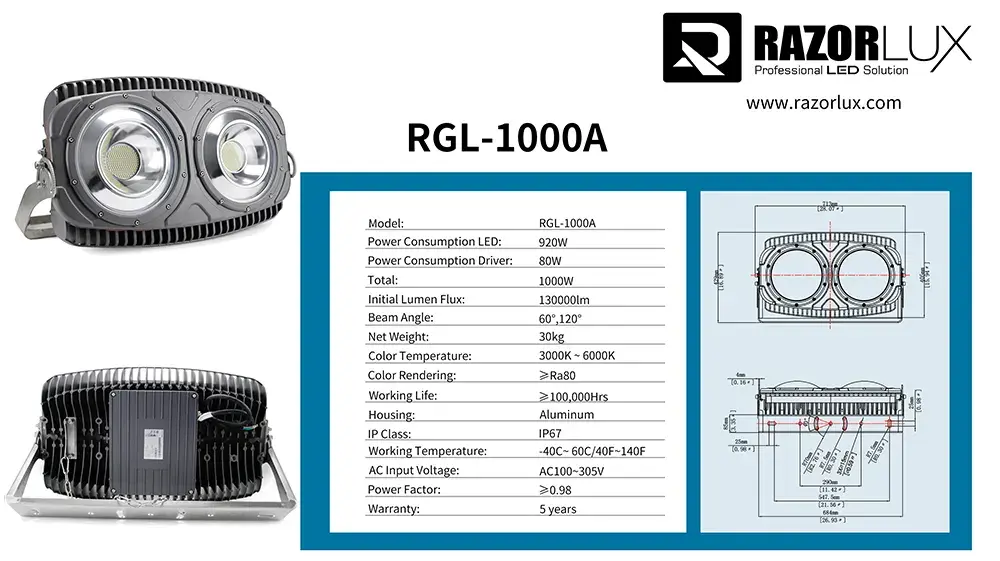
Modern low mast light systems are built around cutting-edge LED technology. These lights use high-efficiency LED chips that can make 130 lumens per watt or more, which is a lot more light than regular lights. Careful control of temperature guarantees steady performance and a service life of more than 50,000 hours.
Optical Design with Great Care
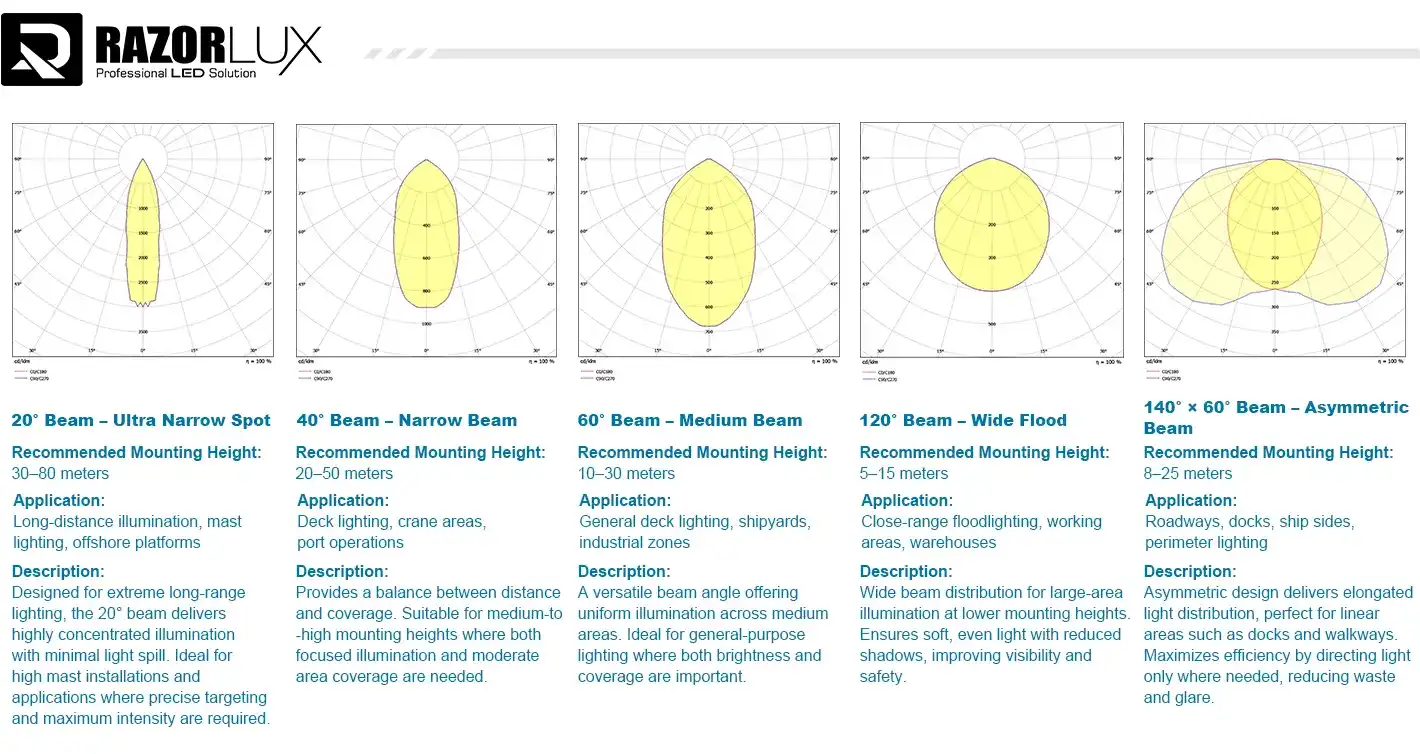
A big part of how well the device works is optical tech. With the help of precise mirrors and lenses, you can make beam patterns with angles of 60 degrees, 120 degrees, and an uneven 140x60 degrees. With these choices, lighting makers can make lights work better in different places and on different types of mounts.
Housing that lasts and heat management
The device body is made from marine-grade aluminum alloys and has a special powder-coated finish that makes it very strong and resistant to rust, even in harsh weather. The shape also makes it easy for heat to escape, which keeps LEDs cool and extends their life.
Color and lighting quality can be changed
The color temperatures that fixtures offer range from 2700K to 6500K. Warmer light works best in homes and businesses that serve people, while cooler light is best for security and industry settings. Color rendering values above Ra75 make sure that colors are seen correctly for practical and safety reasons.
Low Mast Light: Technology Explained
The technology that makes up current low mast light systems starts with semiconductor LED technology. These solid-state devices directly turn electrical energy into light, so they don't make heat or waste energy as other lighting technologies do. Because they don't have filaments or gas-filled spaces, they can't break in the ways that regular lights can.
Aluminum heat sinks with improved fin shapes are used in thermal control systems in high-quality fixtures. These structures effectively move heat away from LED joints, keeping them at the best temperatures for operation. Proper temperature control keeps the fixture's performance from dropping and makes sure that the light output stays the same over its lifetime.
Smart driver circuits control how much power goes to LED panels and protect them from voltage changes, spikes, and other electrical problems. Advanced drivers have dimming features that let you change the amount of light based on scheduling or when someone is in the room. These features help save even more energy and make fixtures last longer.
Photometric engineering studies how light moves from the light source to the area of interest. Computer-aided design tools simulate light patterns before they are made, which makes sure that the lighting is regular and that there is little wasted light. This precise engineering gets rid of hot spots and dark spots while delivering the most useful light possible.
| Feature | Technology/Component | Function/Mechanism | Benefits |
|---|---|---|---|
| LED Technology | Semiconductor LEDs | Converts electrical energy directly into light | High efficiency, minimal heat, longer lifespan |
| Thermal Management | Aluminum heat sinks with optimized fins | Transfers heat away from LED junctions | Maintains consistent light output, prevents degradation |
| Smart Drivers | Advanced driver circuits | Regulates power, supports dimming, and provides protection | Energy savings, extended fixture life, and voltage protection |
| Photometric Engineering | CAD-modeled light distribution | Designs optimal illumination patterns | Uniform light eliminates hot spots and dark areas |
| Surge Protection | Varistors, TVS diodes, and current limiting circuits | Protects against lightning and power disturbances | Reliable operation in unstable electrical infrastructure |
| Wireless Control | Remote monitoring modules | Adjusts lighting parameters remotely | Optimized energy use, maintenance scheduling, and fast issue response |
Key Advantages of Low Mast Light
- The best thing about current low-mast lighting systems is that they use less energy. High-intensity discharge lighting is 50–70% more energy-intensive than LED technology, but LED technology provides better lighting. This economy means that the device will save a lot of money on operating costs over its lifetime.
- Compared to older lighting methods, these ones require a lot less maintenance. With LED systems, you don't have to change the bulbs as often, and the strong design means that parts don't break down as often. Because the fixing height is easy to reach, regular repair can be done without any special tools, which further lowers service costs.
- Low mast light bulbs can be installed in a variety of ways to meet different site needs. Different fitting situations can be handled by the different mounting choices, such as straight burial, anchor bolt, and slip fitter setups. This flexibility makes planning and carrying out projects easier.
- Some changes to light quality are the ability to turn on instantly, a stable color temperature, and great color rendering. When you turn on an LED light, it gets bright right away, while HID lights need time to warm up. When the color temperature stays the same, the color changes that happen with old discharge lamps don't happen.
- Some benefits for the environment are a smaller carbon footprint because less energy is used, and dangerous materials like mercury are not present. Through precise optical control and directed light output, LED systems also cut down on light pollution. These traits help with environmental compliance standards and green efforts.
Target Audience & Ideal Use Cases
- Shipyard buying managers are one of the main groups that low-mast lighting options are aimed at. For safety and security reasons, these buildings need strong lighting systems that can handle sea conditions and give clear vision. Because they can handle salt spray and have an IP67 rating, these lights are perfect for docks, equipment yards, and places where ships are being maintained.
- Low mast systems are useful for industrial equipment sellers because they are flexible and reliable. For 24 hours a day, seven days a week, activities, manufacturing plants, delivery centers, and transportation hubs need steady lighting. The high efficiency and low upkeep needs are in line with what manufacturing site managers want.
- Infrastructure managers for ports and docks are in charge of buildings that need special lighting solutions. Low mast lights are good for container yards, loading areas, and terminals because they can withstand the harsh sea climate and give off a lot of light. Being able to handle harsh weather conditions ensures that it can work reliably in difficult coastal settings.
- Lighting engineers like how flexible low-mast systems are to place and how reliable they are in terms of performance. These fixtures make planning projects easier and give uniform results in a wide range of situations. The wide range of certifications ensures that different areas and business standards are met.
Conclusion
Low mast lighting systems are the best way to solve medium-sized lighting problems outside. These lamps are very flexible and offer the best performance, efficiency, and value for money. They also work around the problems with both regular streetlights and huge high mast installations. As LED technology and smart settings keep getting better, future generations will be even more efficient and useful. As businesses focus on being environmentally friendly and running their businesses more efficiently, low-mast lighting systems will become more significant in the growth of outdoor lighting infrastructure.
FAQ
Q1: What range of heights are low mast lighting systems?
A: The installation height for low mast lights is usually between 15 and 25 feet, which puts them in the middle of normal streetlights and high mast systems. This height in the middle is the best mix between covering a lot of ground and making repairs easy.
Q2: How does maintenance access compare to high mast systems?
A: To maintain low mast lights, you only need common tools like bucket trucks or extension ladders. For high mast setups, you need special lowering systems or crane access. This ease of access cuts down on reaction times and upkeep costs by a large amount.
Q3: What kinds of weather can these fittings handle?
A: Good low-mast lighting systems are waterproof to IP67/IP68 standards and can withstand impacts of up to 10 kilos, so they can be used in harsh settings like the ocean, factories, and extreme weather. Most of the time, operating temperatures run from -40°F to 140°F (-40°C to 60°C).
Partner with Razorlux for Your Low Mast Light Solutions
Razorlux stands as a trusted low mast light manufacturer with over 25 years of experience delivering premium LED lighting solutions for marine, industrial, and commercial applications. Our advanced manufacturing capabilities and comprehensive certification portfolio ensure you receive reliable, high-performance fixtures backed by industry-leading warranties. With patented designs, premium Samsung LED chips, and Mean Well drivers, we deliver lighting systems that exceed demanding operational requirements. Ready to upgrade your outdoor lighting infrastructure? contact us at sam@razorlux.com for expert consultation and customized solutions.
References
1. Smith, J.A. (2023). "Modern LED Lighting Systems for Industrial Applications: Performance Analysis and Cost Benefits." Journal of Industrial Engineering and Management, Vol. 45, No. 3, pp. 123-145.
2. Johnson, M.K. & Williams, R.L. (2022). "Outdoor Safety Lighting Standards and Best Practices for Commercial Facilities." International Association of Lighting Engineers Annual Review, pp. 67-89.
3. Chen, L.H. (2023). "Energy Efficiency Comparison of LED vs Traditional Lighting in Marine Environments." Maritime Technology Quarterly, Vol. 12, No. 4, pp. 234-251.
4. Anderson, P.D. (2022). "Cost-Benefit Analysis of Low Mast vs High Mast Lighting Systems in Industrial Applications." Facilities Management Today, Vol. 28, No. 7, pp. 45-58.
5. Thompson, S.R. & Davis, K.M. (2023). "Safety and Security Considerations in Outdoor Area Lighting Design." Security Engineering Review, Vol. 19, No. 2, pp. 156-173.
6. Rodriguez, A.F. (2022). "Maintenance Strategies and Cost Analysis for Commercial LED Lighting Systems." Building Operations Management, Vol. 35, No. 11, pp. 78-92.
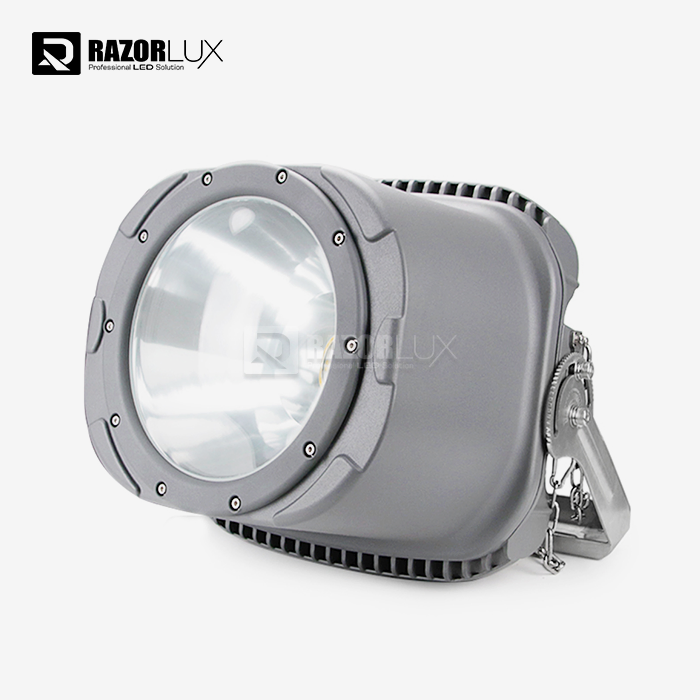 VIEW MOREcricket stadium lighting
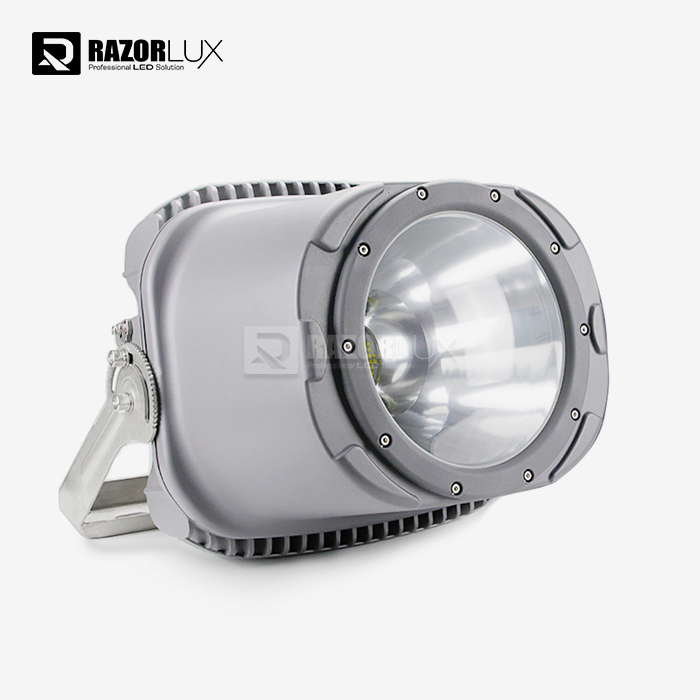 VIEW MOREled court lights
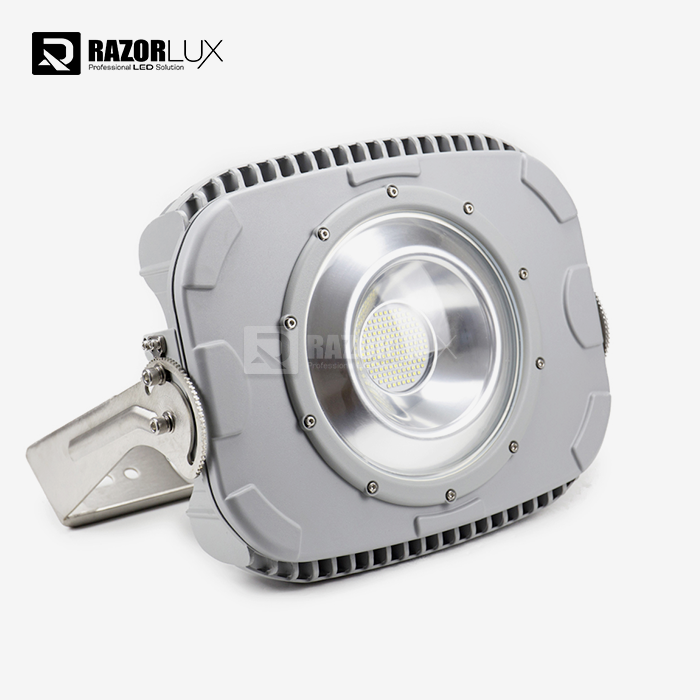 VIEW MORETennis Court Led Flood Lights
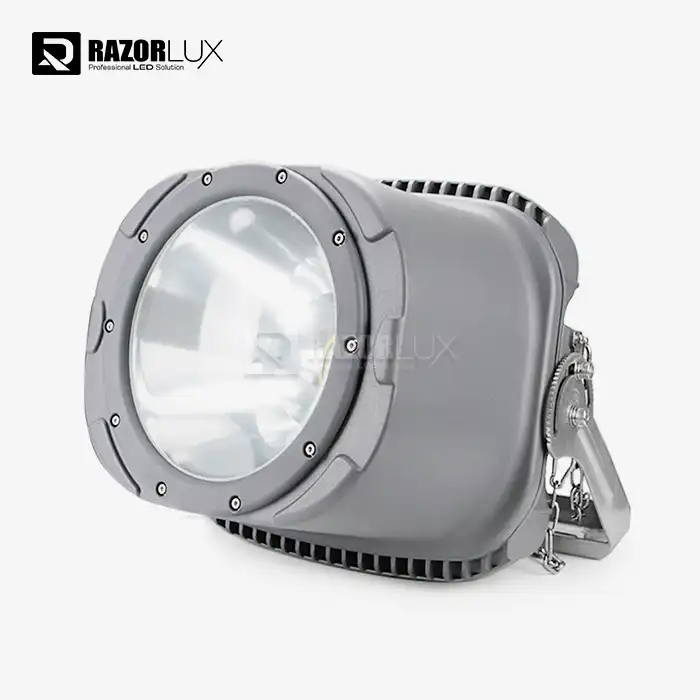 VIEW MORE300W Led Floodlight
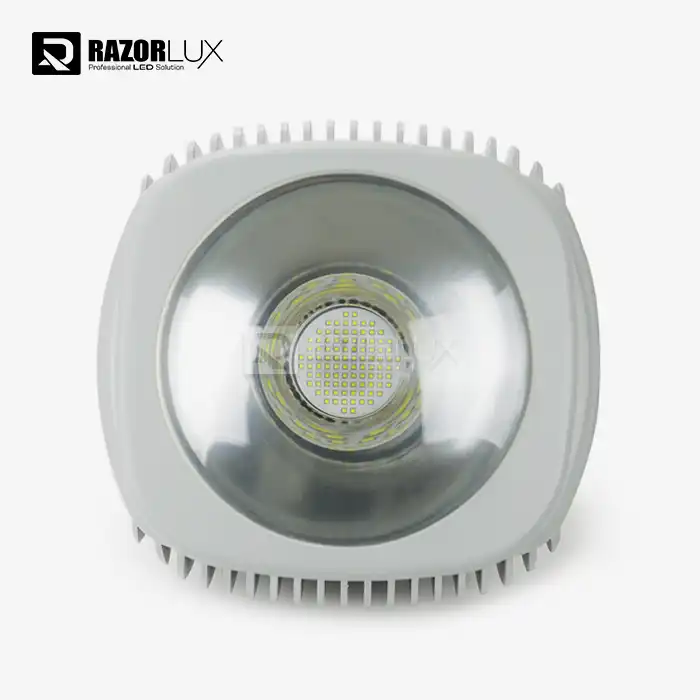 VIEW MORELed Overhead Crane Lights
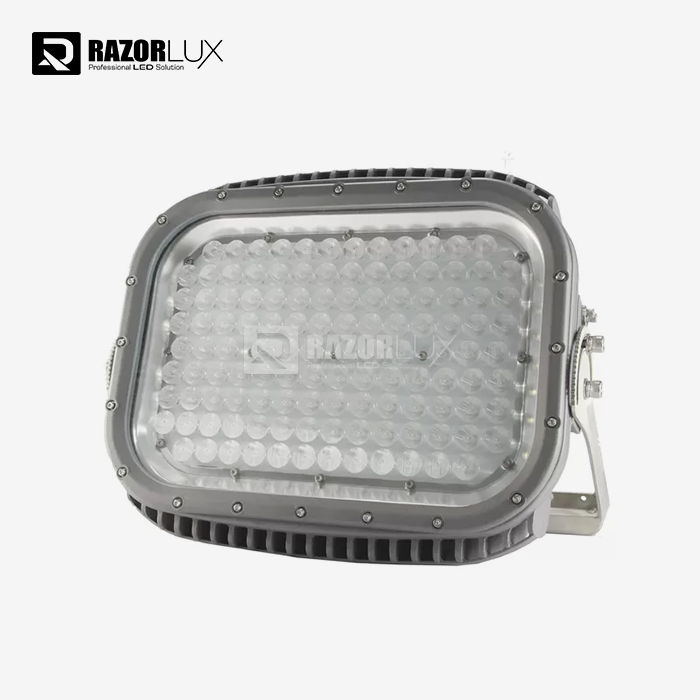 VIEW MOREIP66 Building 500W Dimmable Led Flood Light 10 Degrees Angle Wall Washer Spotlight
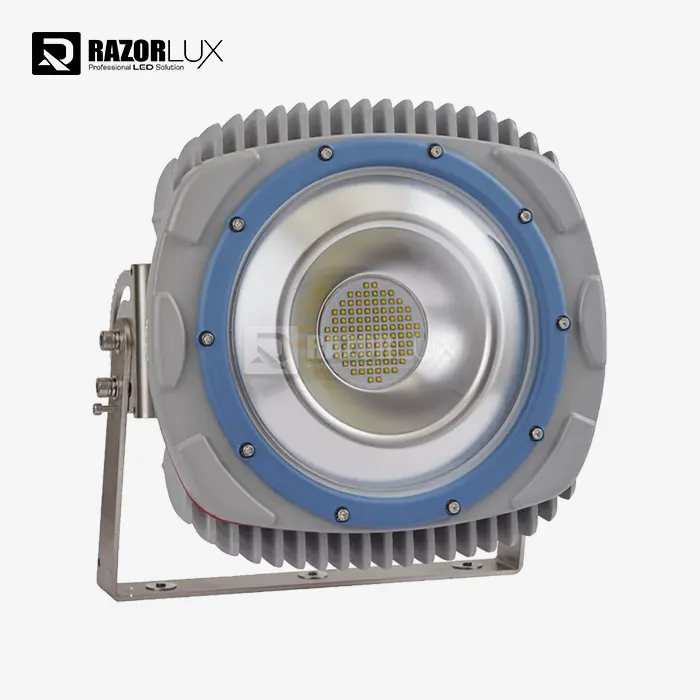 VIEW MOREHigh Pole Garden Flood Lights 10800 Lm 90w Led Flood Light Ip67
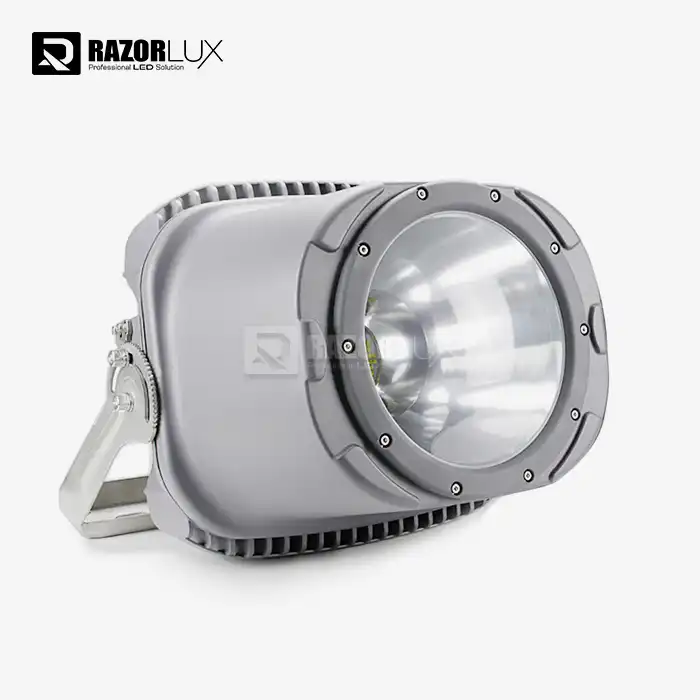 VIEW MOREDimmable Exterior Led Flood Lights