


_1750326878398.png)

How to Choose the Right LED Area Flood Lights?
To pick the right LED area flood lights, you need to know more about your project's technical and environmental needs than just the brightness numbers. The best choice has a lamp efficiency of more than 130lm/W, the right ingress protection ratings (like IP67 for marine or offshore environments), certified parts from well-known companies like Samsung chips and Mean Well drivers, and all of these certifications, such as CE, RoHS, DNV/GL, and ABS. People who work in procurement who run ships, ports, industrial sites, or offshore platforms know that choosing the wrong lighting can cause equipment to break down early, cause upkeep costs to rise, and cause problems with operations that put safety and project deadlines at risk.
Understanding LED Area Flood Lights and Their Core Benefits
What Makes LED Technology Superior in Harsh Environments
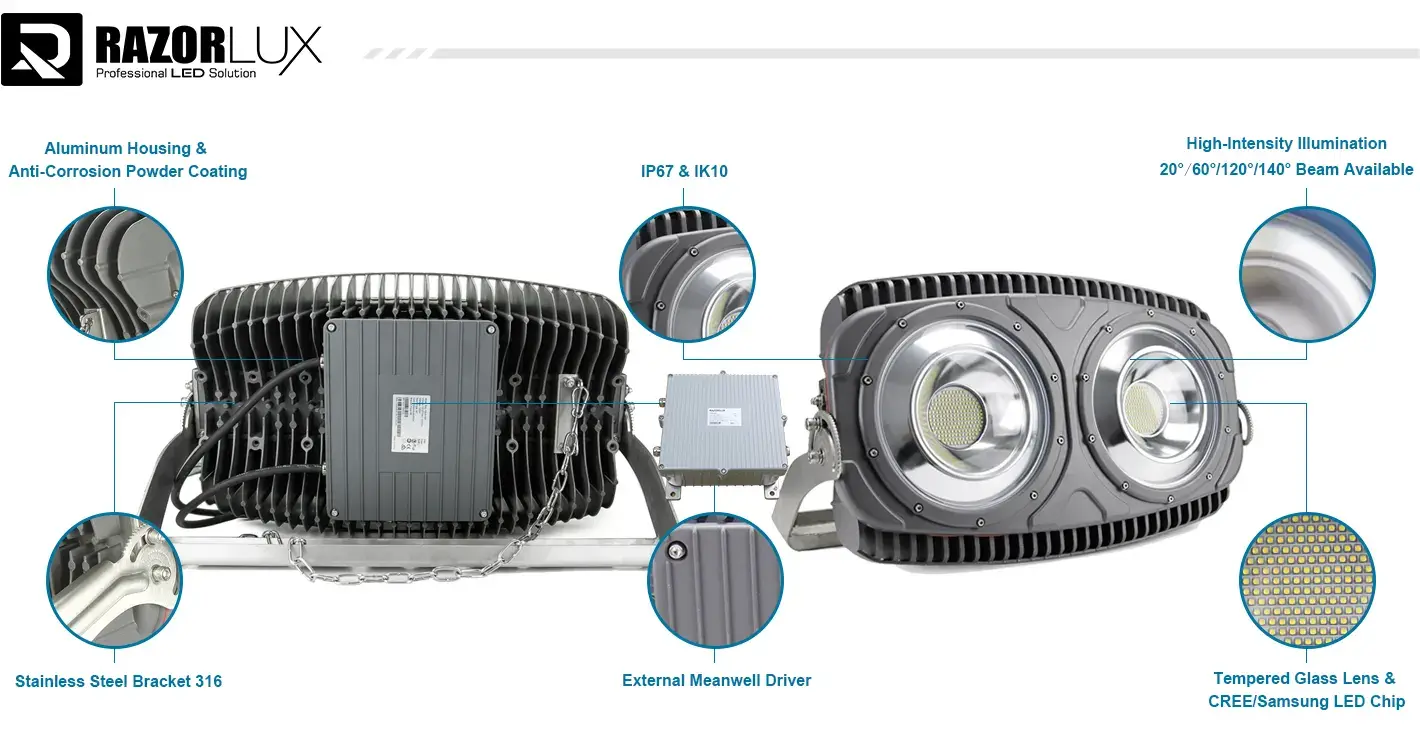
From working with marine and big industry clients, we know that LED technology completely changes how outdoor lighting is handled in buildings. Changing the lamps in traditional metal halide and high-pressure sodium lights is a lot of work that needs to be done—every 6,000 to 15,000 hours, on average. LED lights can work for up to 50,000 hours or more and keep the same color temperature and brightness throughout that time. Modern LED systems can handle heat better than consumer-grade goods. Razorlux lights have ADC12 die-cast aluminum housings that quickly get rid of heat, even when they are running at full power all the time. This heat control keeps LED chips and driver parts from breaking down too quickly, which is especially important in tight spaces or hot regions where the temperature regularly rises above 40°C.
Energy Efficiency That Impacts Your Bottom Line
Energy use is always a main factor that buying managers and building planners at shipyards use to judge something. When compared to standard HID systems, high-efficiency LED lights that give 130lm/W or more use 60–75% less electricity. A 1000W LED flood light with 130,000 lumens can replace a 2000W metal halide bulb while using half as much power and giving off better light. Not only does this save energy, but it also makes the electrical system less stressed. Less power is needed for transformers and generators in ports and offshore sites that use a lot of high-wattage lights. When you add up the effects of dozens or hundreds of lights, you can avoid big capital costs and leave a smaller carbon footprint, which is becoming more and more important for businesses that want to get sustainability approvals.
Protection Standards That Define Reliability
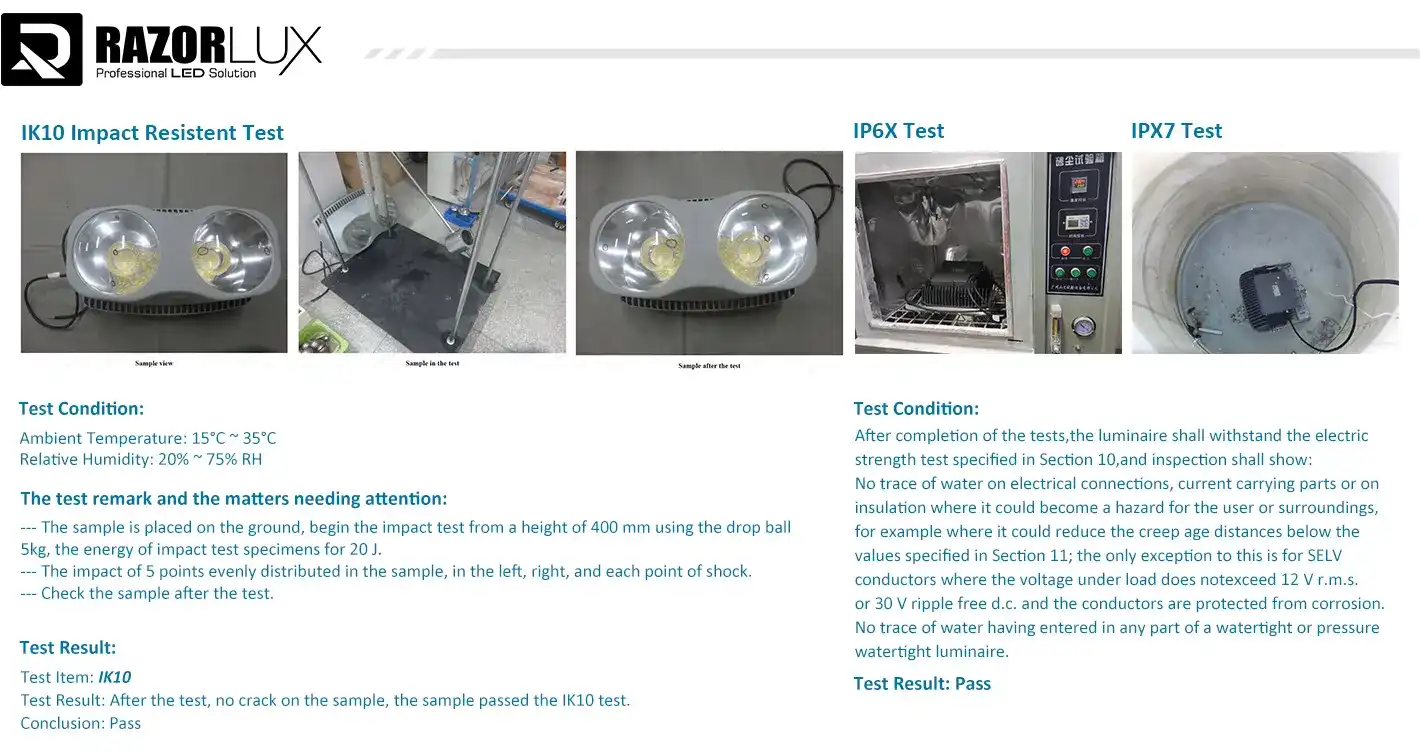
Lighting equipment in marine and industrial settings is vulnerable to salt spray, water getting in, contact dangers, and big changes in temperature. The IP (Ingress Protection) and IK (Impact Protection) scores give you a clear idea of how well something is working. Fixtures with an IP67 rating can handle both short-term submersion and continuous water jets, which is important for ship decks and dock uses. The IK10 grade means that the fixture is resistant to 20-joule hits, which protects against lost tools and other common accidents that happen at work. The corrosion resistance goes beyond the fixture body and includes mounting frames and hardware. In salty settings, where regular steel quickly rusts, stainless steel braces keep the structure strong. By paying attention to materials engineering, huge problems are avoided that happen when rusty mounting hardware lets go of heavy fixtures.
Evaluating Your Specific Lighting Requirements
Assessing Area Coverage and Mounting Considerations
To choose the right device, you must first measure the area that needs lighting and mark where it will go. lights with wide beam angles—120° or 140°x60° uneven distributions—are needed in large, open spaces like ship decks or container yards to get even coverage with the fewest lights possible. Narrow beam angles of 15° to 30° focus light for high-mast uses or artistic accent lighting on building surfaces. The mounting height has a direct effect on the watts needed and the beam angle that is chosen. Fixtures that are 10 to 15 meters high and placed on normal poles usually use 400 to 600W units with 60° beam angles. To keep the light level above 20 lux at ground level, 800-1200W lamps with precise optics are needed for high-mast setups that reach 25–40 meters. To keep the same amount of light hitting the ground, you have to double the height of the fixture and quadruple its output, according to the inverse square law that governs light intensity. We help our clients with photometric analysis using standard software to model light distribution before they buy. This service stops people from over-specificating, which loses money, or under-specificating, which doesn't meet safety standards. More and more, purchasing managers want these lighting estimates during the review phase to make sure that the supplier's suggestions match the needs of the project.
Environmental Challenges Your Fixtures Must Overcome
Understanding the features of the operating setting is important for making sure that the right specifications are made. Offshore sites are constantly hit with salt spray and rain that comes from the wind. The temperature can range from -40°C in the Arctic to +55°C in the Middle East. In these situations, devices need to be able to withstand a wider range of temperatures and have special gaskets and seals that keep their IP67 integrity during thermal cycles. Vibration resistance is very important in crane-mounted applications, vessel installations, and places close to heavy machinery. When lights that were not properly built are exposed to long-term shaking, the LED drivers fail before they should. Professional-grade products have shock-mounted drivers and stronger LED board mounts that can handle operating vibrations without breaking down. Chemical exposure can be even more difficult in some industrial settings. Fixtures in refineries, chemical processing plants, and pulp mills are exposed to toxic atmospheres that need special powder coatings instead of standard polyester finishes. Finding these external factors during the development of the specifications stops coatings from failing too soon and fixtures from needing to be replaced.
Power Supply Compatibility and Electrical Integration
LED area flood lights As part of global buying, common fixtures are often put in place in different buildings with different electrical systems. Wide-input-voltage drivers that can handle AC 90–305V or DC 127–431V can work with a range of power standards without the need for voltage-specific models. This makes managing goods easier and lets equipment be moved between sites. Power factor adjustment and harmonic distortion affect how well electrical systems work together. Good LED drivers keep power factors above 0.95 and overall harmonic distortion below 15%. This stops electrical crosstalk and makes the system work as efficiently as possible. In their approval standards, marine classification societies like DNV and ABS list these electrical performance factors. Surge protection decides how long a device will last during electrical surges that happen a lot in industrial settings. Voltage spikes of more than 10kV are caused by lightning hits, switching on and off of generators, and starting motors. Fixtures that don't have enough surge protection have catastrophic driver failures that need to be replaced completely. Standard on Razorlux lights, Mean Well motors have multi-stage surge reduction rated to 10kV line-to-ground.
Comparing Lighting Solutions and Technology Options
LED Performance Versus Traditional Technologies
The operational cost comparison between LED and traditional HID systems reveals compelling economic advantages. Consider a typical port facility operating 200 fixtures for 4,000 hours annually:
| Technology | Fixture Wattage | Annual Energy (kWh) | Energy Cost @ $0.12/kWh | Lamp Replacement Cost | Total Annual Cost |
|---|---|---|---|---|---|
| Metal Halide | 1000W | 800,000 | $96,000 | $12,000 | $108,000 |
| High-Pressure Sodium | 1000W | 800,000 | $96,000 | $8,000 | $104,000 |
| LED (130lm/W) | 500W | 400,000 | $48,000 | $0 | $48,000 |
The LED installation achieves 54% cost reduction in the first year, with the advantage compounding over subsequent years as lamp replacement costs continue for traditional technologies. The analysis excludes maintenance labor costs, which disproportionately affect HID systems requiring lift equipment and electrician time for lamp changes in high-mounted fixtures.
Certification Requirements for Global Deployment
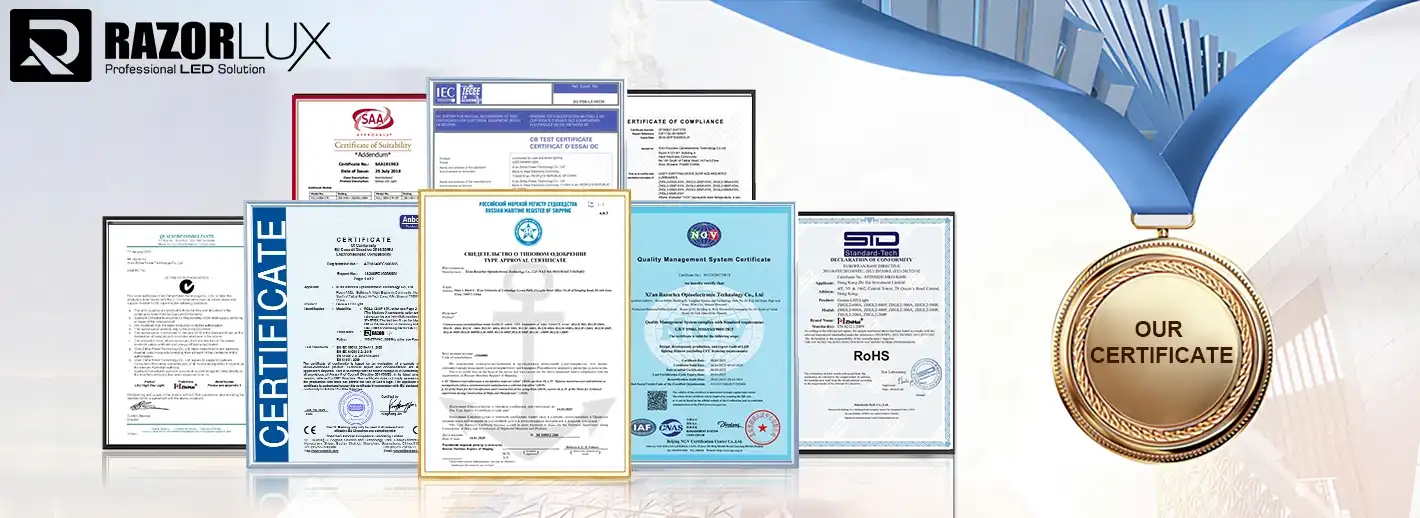
International approvals are an independent way to make sure that things meet standards for safety and efficiency. CE marking means that it meets the standards of the European Union, while UL or ETL listing means that it meets the standards of North America. Marine uses need approvals from classification societies like DNV/GL, ABS, RMRS, or others that say the product is safe to be installed on a ship. When evaluating suppliers, procurement managers should ask for proof of certification. Real certificates have certificate numbers that can be checked in files maintained by the granting body. All test reports and declarations of conformity are kept up to date by Razorlux and can be reviewed by clients. RoHS compliance ensures that equipment is free of hazardous substances, which is becoming more and more important for companies selling goods in Europe or trying to get environmental management certifications. Fixtures that are listed by the DesignLights Consortium can be refunded by North American utility companies. This lowers the cost of buying them and encourages people to use less energy.
Component Quality and Supply Chain Reliability
The LED chip and driver are the most important parts of the light because they directly affect how well it works and how long it lasts. Luminous efficiency and brightness maintenance are better with Samsung and Philips LED chips than with general options. These high-end chips are worth the extra money because they last longer and keep the color temperature stable. Driver quality is what sets professional lights apart from consumer products. Mean Well controllers, which are used in Razorlux devices, meet strict quality standards and have a wide range of safety features, such as over-voltage, over-current, over-temperature, and short-circuit protections. The five-year guarantee on these parts shows that the maker trusts them to last a long time. Supply chain stability is very important for procurement workers who are in charge of long-term projects or who keep a collection of extra parts. Manufacturers that have been around for decades can guarantee that parts will always be available and that they will provide expert help. Our company has been around for more than 20 years and has been producing continuously since 1998. This gives our partners long-term security that newcomers to the market can't match.
Strategic Procurement Approaches for LED Lighting
Supplier Evaluation and Selection Criteria
Supplier evaluation that works includes more than just product specs; it also looks at things like manufacturing skills and quality control systems. ISO 9001 approval means that quality management is organized, but to make sure it's real, true quality control processes must be looked at. We use DFMEA (Design Failure Mode and Effects Analysis) to find possible failure mechanisms during product development. This way, we can avoid failures in the field by improving the design before they happen. Ask for case studies that show how our products have been successfully used in situations similar to yours. Offshore sites in Norway, factories in Singapore, and port facilities in Australia all have their own problems that need to be solved. Suppliers should provide detailed setups with sources that can be checked. We keep thorough project files with contact information for clients that can be used as references. The success of a long-term relationship depends on how well the technical support team can do their job. During the buying process and after delivery, suppliers should offer lighting estimates, fitting advice, and quick expert support. Our engineering team helps with lighting analysis and making unique installation solutions that work with the needs of the spot and can't be done with standard goods alone.
Optimizing Total Cost of Ownership
LED area flood lights The purchase price is only one part of the total cost of owning. The economic value of something is based on how much energy it uses, how often it needs to be maintained, and how long it lasts. A thorough TCO analysis looks at all of these costs: Capital Expense: The initial cost of the fixture, mounting hardware, installation labor, and changes to the electrical infrastructure. Operating Expense: The amount of energy used each year at local electricity rates, regular maintenance checks, and cleaning requirements. Maintenance Costs: The frequency and cost of lamp replacement, ballast/driver replacement, labor costs (including renting lift equipment), and disposal fees for broken parts. Decommissioning Costs: The cost of removing the fixture and following environmental disposal rules that vary by region and type of technology. LED fixtures have better TCO than other types of lighting because they have much lower operating and maintenance costs. Razorlux goods come with a five-year guarantee that covers all upkeep costs. With a standard setup, you would have to change the lamps several times during the warranty period.
Negotiating Terms That Protect Your Interests
Payment terms show how confident the buyer is in the quality of the goods and their ability to pay. Manufacturers who have been around for a while don't expect full payment up front. Instead, they accept payments that are tied to production goals and delivery. Letters of credit protect both parties for large orders, and bank promises protect service responsibilities. Delivery dates must match up with project installation stages. It takes 4 to 6 weeks for containers to travel from Asia to Europe or North America, plus the time it takes to clear customs. When you plan projects with enough lead time, you can avoid having to pay expensive extra shipping fees. We keep enough production capacity to handle orders of 100 to 10,000+ units, and shipping times are adjusted based on the size of the order. After-sales help should include information on how to file an insurance claim, how long it will take to get an answer to a technical question, and when extra parts will be available. When problems do come up, clear recording stops them from happening. Our promise includes expert advice, help with installation, and quick guarantee service backed by thorough testing that verifies every claim before repair is authorized.
Installation and Maintenance Best Practices
Site Preparation and Mounting Procedures
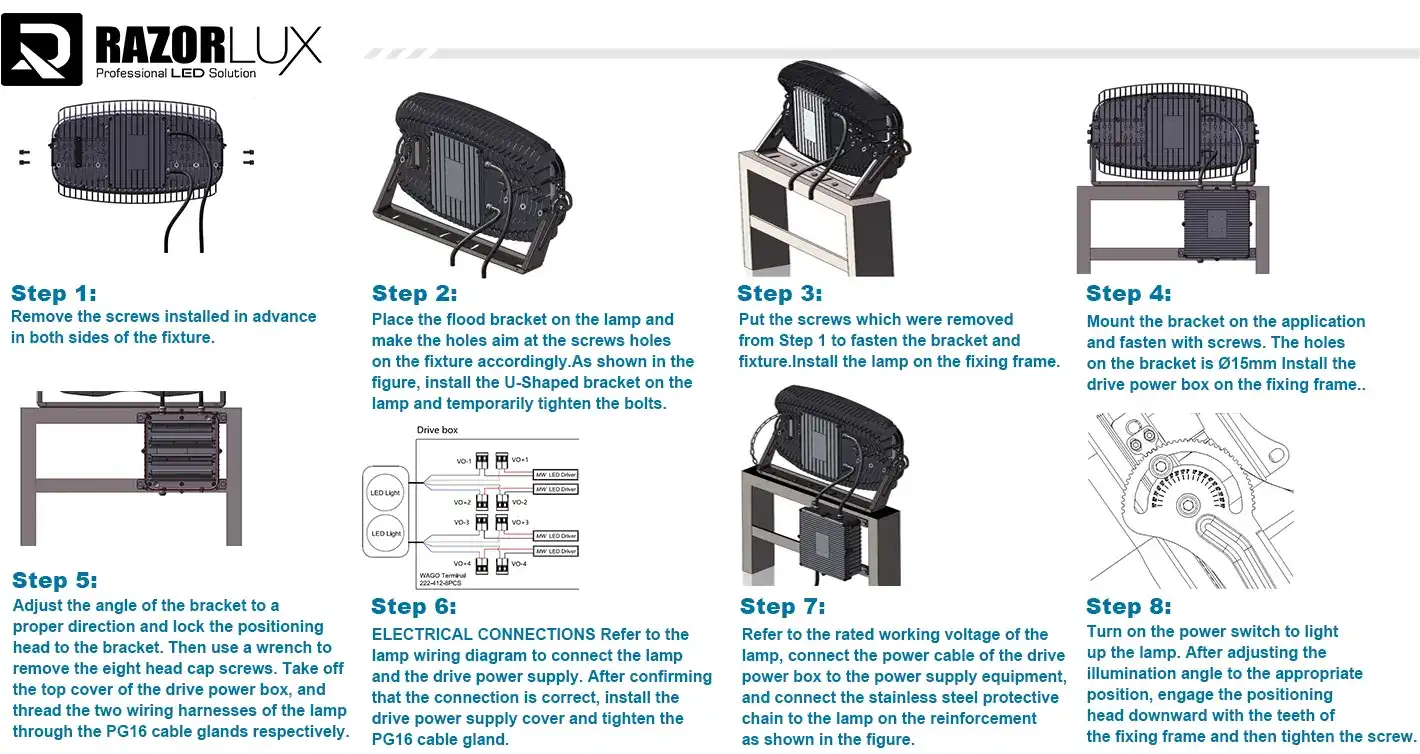
Before a professional installation can begin, the electrical infrastructure's ability and security must be checked. Circuit switches and wire sizes must be able to handle the current draw of the device while still meeting safety standards. Ground fault protection keeps electrical risks from happening in wet places while keeping annoying trips from happening when the system is working normally. The soundness of the mounting structure needs to be checked before the device is installed. Safety is compromised by poles that are rusty, fixing clamps that are broken, or support bolts that aren't strong enough, no matter how good the fixture is. Regular structural checks are needed for coastal and marine sites to deal with galvanic rust at different metal surfaces and fastener degradation from salt exposure. Correct aiming makes sure that photometric design goals are met in the field. When fixtures are placed at the wrong tilt angles, they create bright spots, dark areas, and light that goes past the borders of the property. The quality of the installation is confirmed by using mounting clamps that can be precisely adjusted for angle and checking with illuminance meters during startup.
Preventive Maintenance Extending Fixture Life
Schedules for regular inspections find problems as they start to happen before they become fails. Checking the gasket's state, lens sharpness, fixing hardware tightness, and case integrity every three months is what eye checks are for. Every year, thorough inspections are done that check the electrical connections, test the ground resistance, and take photometric measurements to make sure the output stays the same. How often the equipment is cleaned depends on the environment; places near roads or in dusty factories collect dirt and other contaminants more quickly than clean places. When dirt builds up on a lens and stops it from transmitting light, cleaning it returns output. Using the right cleaning solutions keeps the lens from getting damaged by acids or materials that don't work well together. Thermal imaging finds situations where the device is hot, which could mean that the drivers are failing or that the heat isn't escaping properly because vents are blocked. Early spotting lets replacement happen during planned maintenance instead of having to be fixed in an emergency after something breaks down. This method to predicted repair cuts down on working interruptions and costs over the life of the system.
Troubleshooting Common Issues
Knowing the most common ways that things go wrong speeds up the problem-solving process when problems happen. When a driver fails, the device shuts down completely, flickers, or the output is lessened. Checking the incoming voltage and the state of the surge suppressor can often show damage from lightning or problems with the electrical system. When field staff need help with remote analysis, our technical support team is there to help. LED chip degradation shows up as slowly decreasing output rather than rapid failure. Faster light degradation means there are issues with thermal management, such as blocked heat sinks, high outdoor temperatures, or failed thermal interface materials. Fixing the problems at their source stops them from happening again with new fixtures. Moisture getting in is caused by damaged gaskets, bad fitting, or physical damage. Water buildup inside the lens means that the environmental sealing isn't working right, so the gasket needs to be replaced right away and the moisture needs to be removed. Putting off repairs speeds up rust and electricity breakdown, which could lead to a catastrophic failure.
Making Your Final Selection Decision
Specification Development and Bid Evaluation
Detailed specifications eliminate ambiguity during supplier comparison and contract execution. Include minimum performance requirements for lumens output, efficacy, color temperature, CRI, IP/IK ratings, operating temperature range, and surge protection level. Specify required certifications and request copies with proposals.Evaluation criteria should weight factors beyond price alone. A scoring matrix assigning points for technical compliance, certification completeness, warranty terms, delivery schedule, and supplier qualifications produces objective supplier ranking. This structured approach defends procurement decisions during internal review and audit processes.Sample testing validates supplier claims before large-scale purchases. Request units for environmental chamber testing, photometric measurement, and field trial installation. The investment in sample evaluation prevents costly mistakes when full deployment reveals performance shortfalls or reliability issues.
Establishing Long-Term Supplier Partnerships
LED area flood lights Successful procurement extends beyond transactional relationships to strategic partnerships with suppliers invested in your success. Preferred supplier agreements streamline subsequent purchases while volume commitments secure favorable pricing and priority production scheduling. Framework contracts spanning multiple projects reduce administrative overhead and accelerate deployment.Continuous improvement collaboration leverages supplier engineering capabilities addressing emerging requirements. Application-specific customization—specialized mounting brackets, customized beam patterns, or integrated control systems—solves unique challenges that standard products cannot address. Our R&D capabilities with over 436 patents enable rapid customization supporting client competitiveness.Knowledge sharing through technical training and application seminars builds internal expertise supporting better specification development and more effective procurement. Understanding technology capabilities and limitations improves project planning and prevents unrealistic expectations. We conduct client training covering lighting fundamentals, product selection, and maintenance best practices.
| Feature | Standard Product | Razorlux RGL-1000A | Performance Advantage |
|---|---|---|---|
| Luminous Efficacy | 110-120 lm/W | 130 lm/W | 8-18% higher efficiency reduces operating costs |
| Input Voltage Range | AC 120-277V | AC 90-305V, DC 127-431V | Global compatibility eliminates voltage-specific models |
| Operating Temperature | -20°C to +45°C | -40°C to +60°C | Suitable for extreme Arctic and tropical environments |
| IP Rating | IP65 | IP67 | Superior moisture protection for marine applications |
| LED Chip | Generic | Samsung/Philips | Premium chips ensure maintained lumens and longevity |
| Driver Brand | Unspecified | Mean Well | Industry-leading reliability with comprehensive protections |
| Warranty | 3 years | 5 years | Extended coverage reduces long-term risk |
Conclusion
Selecting appropriate LED area flood lights requires systematic evaluation balancing technical performance, environmental suitability, component quality, and total ownership cost. Procurement professionals managing marine, offshore, and heavy industrial installations must prioritize fixtures delivering reliable operation in harsh conditions with IP67 protection, wide operating temperature ranges, and certified components from reputable manufacturers. Energy efficiency above 130lm/W combined with extended operational life reduces both operating expenses and maintenance burdens while comprehensive certifications ensure safety compliance and global deployment capability. Strategic supplier partnerships with established manufacturers providing engineering support, responsive service, and long-term parts availability maximize value beyond initial purchase price, supporting operational excellence throughout fixture lifecycle.
FAQ
How do I determine the correct wattage and beam angle for my specific application?
Wattage requirements depend on mounting height, area dimensions, and illumination targets specified in lux or foot-candles. Mounting heights below 15 meters typically use 400-600W fixtures while high-mast installations above 25 meters require 800-1200W units. Beam angle selection matches area geometry—wide 120° distributions suit central mounting in open areas while narrower 60° beams work better for perimeter mounting. Our technical team provides complimentary photometric analysis modeling light distribution for your specific layout, ensuring optimal fixture specification before purchase.
What certifications are essential for marine and offshore applications?
Marine installations require classification society approvals from organizations like DNV/GL, ABS, or RMRS confirming suitability for shipboard environments. These certifications verify compliance with vibration resistance, electromagnetic compatibility, and environmental protection standards exceeding general commercial requirements. CE marking satisfies European regulations while UL or DLC listing serves North American markets. RoHS compliance ensures environmental responsibility. Razorlux maintains comprehensive certifications supporting global deployment with documentation readily available for regulatory review.
Can LED flood lights operate reliably in temperatures below -30°C?
Quality LED fixtures rated for extended temperature ranges maintain full functionality in Arctic conditions reaching -40°C. This capability requires specialized driver electronics and LED chips designed for cold operation without performance degradation. Standard consumer-grade products often fail below -20°C as driver components reach operational limits and LED output drops significantly. Our fixtures undergo cold chamber testing validating performance across the entire specified temperature range, ensuring reliable operation in Nordic, Russian, and Canadian installations where extreme cold presents ongoing challenges.
Partner with Razorlux for Superior LED Area Flood Lights
Xi'an Razorlux Optoelectronic Technology Co., Ltd. combines over two decades of LED innovation with comprehensive manufacturing capabilities supporting your most demanding illumination requirements. Our patented multi-function designs deliver 130lm/W efficiency, IP67 environmental protection, and global certification portfolios serving maritime, offshore platform, shipyard, and heavy industrial applications worldwide. Whether you need standard products from our extensive catalog or customized solutions addressing unique installation challenges, our engineering team provides expert consultation, photometric analysis, and responsive technical support throughout your procurement process. Contact sam@razorlux.com to discuss your project requirements, request detailed specifications, or arrange sample evaluation. As a trusted LED area flood lights manufacturer serving clients across North America, Europe, Asia, and the Middle East, we offer competitive volume pricing, flexible delivery options, and five-year warranty protection supporting long-term operational success. Our commitment extends beyond product delivery to partnership development through continuous technical support, training programs, and application engineering ensuring your lighting systems achieve optimal performance and reliability.
References
1. International Electrotechnical Commission. (2013). IEC 60598-2-5: Luminaires – Part 2-5: Particular requirements – Floodlights. Geneva: IEC Publications.
2. Illuminating Engineering Society of North America. (2020). ANSI/IES RP-6-20: Sports and Recreational Area Lighting. New York: IES.
3. Maritime and Coastguard Agency. (2019). Marine Guidance Note MGN 588: Requirements for Deck Lighting and Navigation Lighting on Vessels. Southampton: UK Maritime Authority.
4. National Electrical Manufacturers Association. (2021). ANSI C136.31-2021: American National Standard for Roadway Lighting Equipment – Luminaire Vibration. Rosslyn: NEMA.
5. Society of Light and Lighting. (2018). LG7: Lighting for Harsh and Hazardous Environments – Code for Lighting. London: CIBSE Publications.
6. U.S. Department of Energy. (2022). LED Lighting for Harsh Environments: Performance Testing and Application Guidelines. Washington D.C.: Office of Energy Efficiency & Renewable Energy.
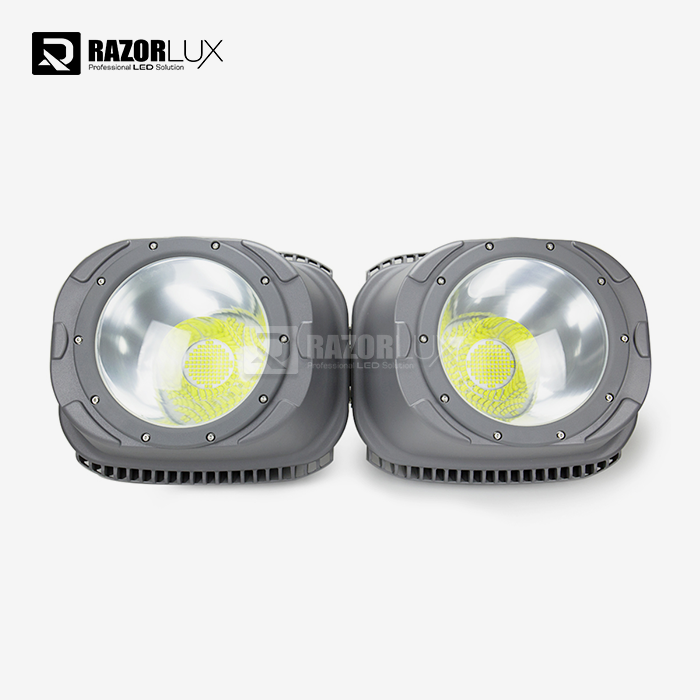 VIEW MOREhorse arena lights
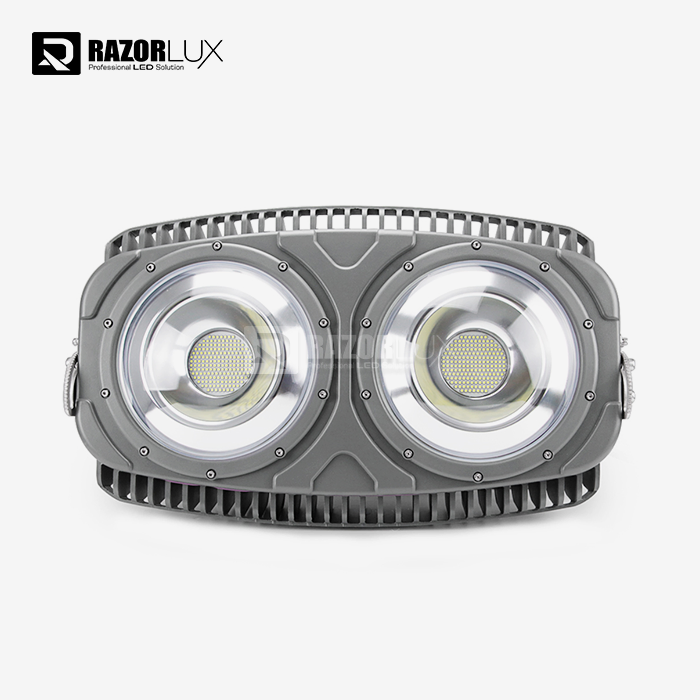 VIEW MOREled baseball field lights
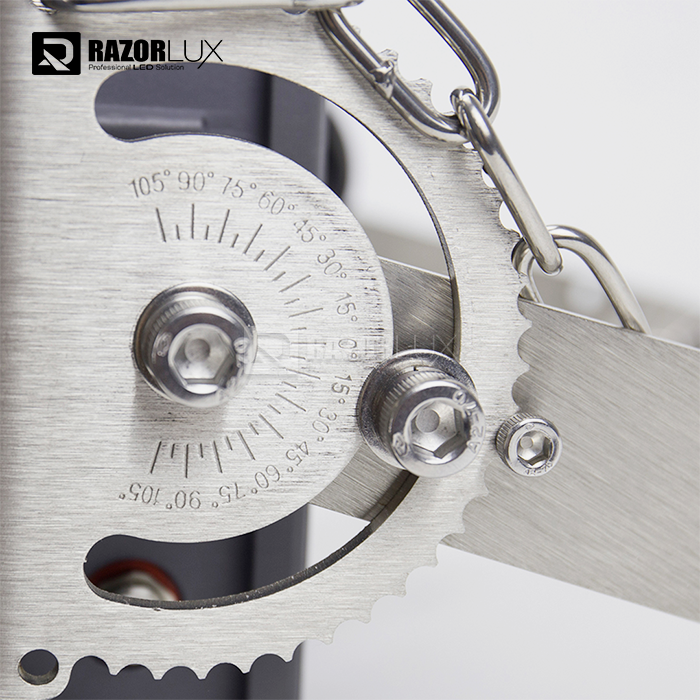 VIEW MOREindoor tennis court lighting
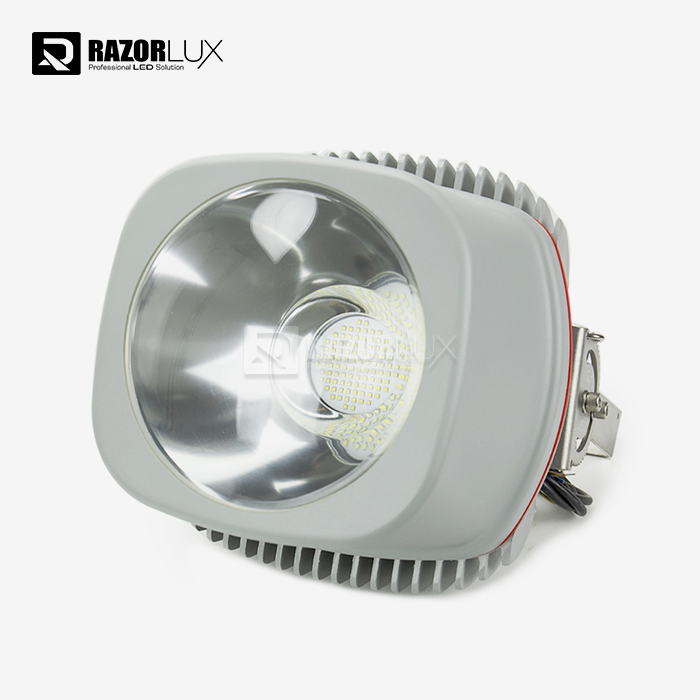 VIEW MOREled flood light projector
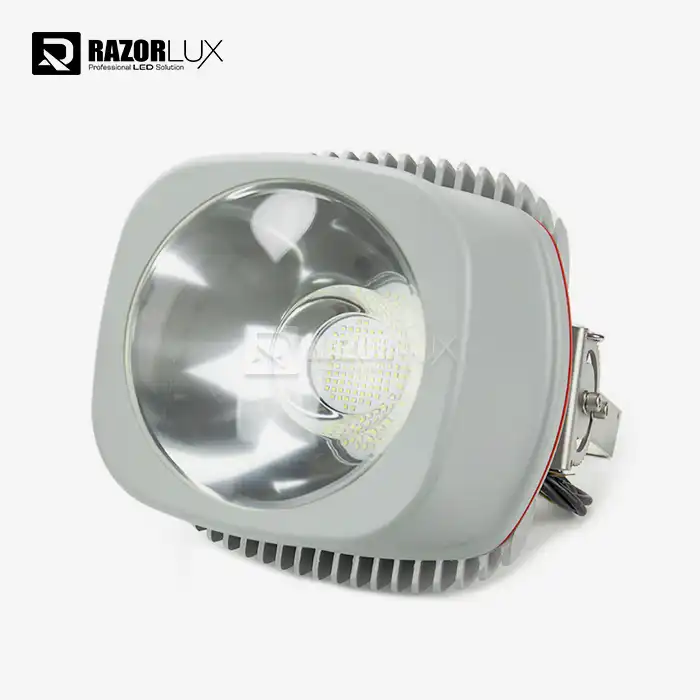 VIEW MOREBaseball Field Lights
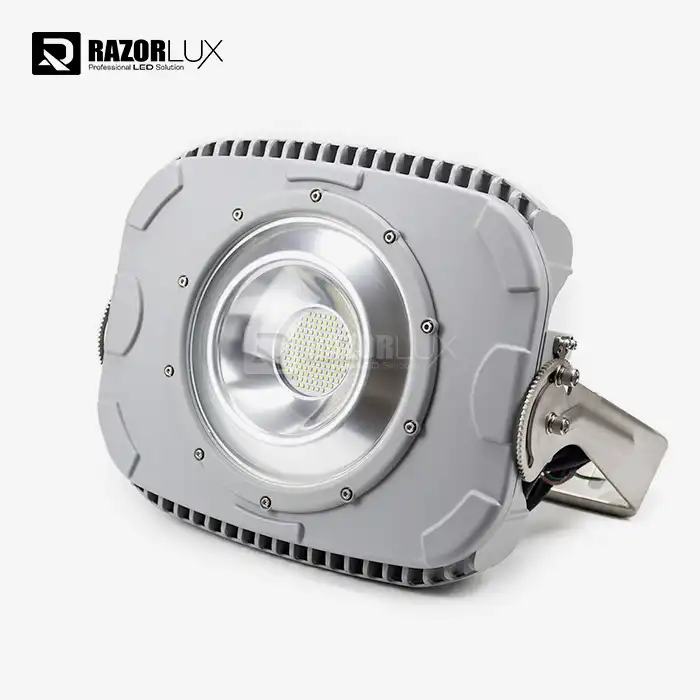 VIEW MORELed Flood Light For Basketball Court
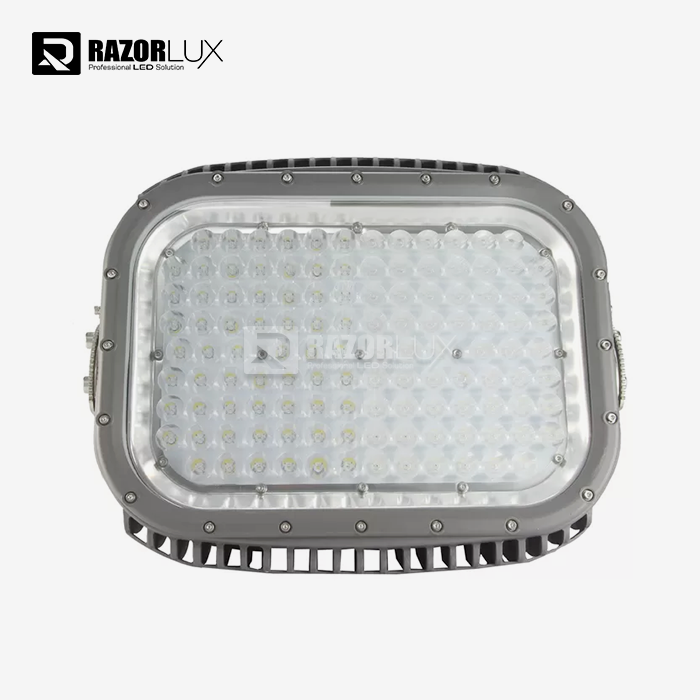 VIEW MOREEnergy Saving Dimmable LED Flood Light With Stainless Steel Bracket
 VIEW MOREWaterpoof IP67 Reflector Flood Light 100w Outdoor Ex Proof Led Flood Light