

_1750326878398.png)

Led High Mast Flood Lights for Stadium and Industrial Lighting
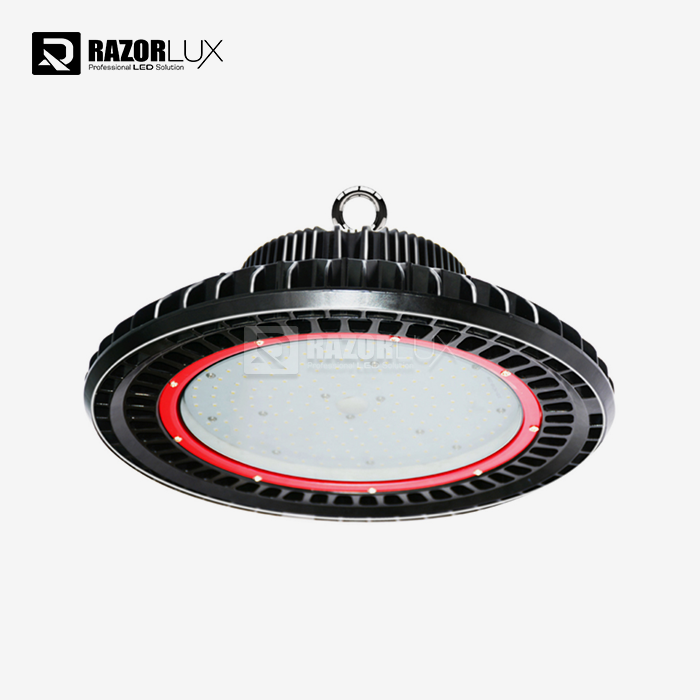
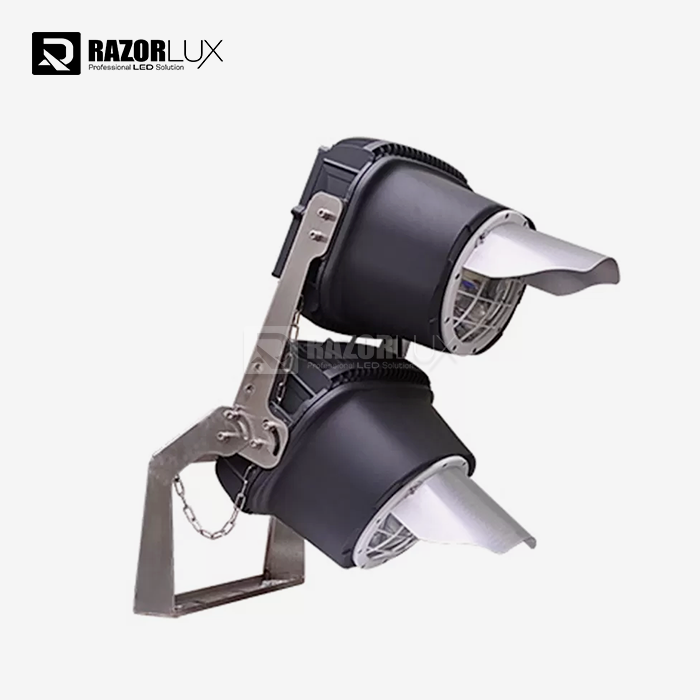
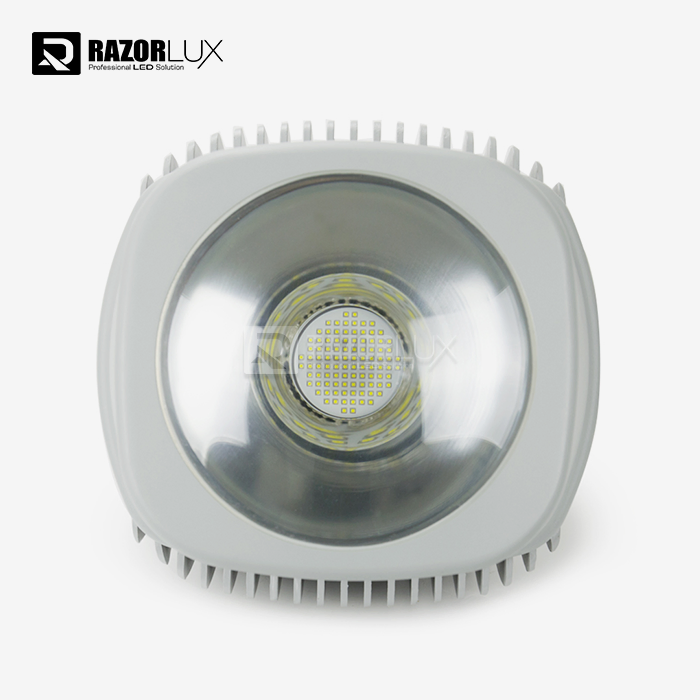
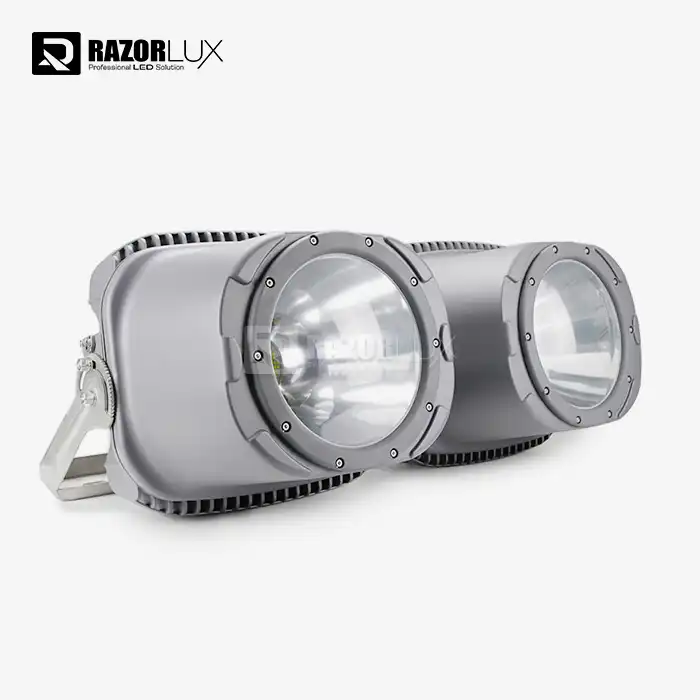
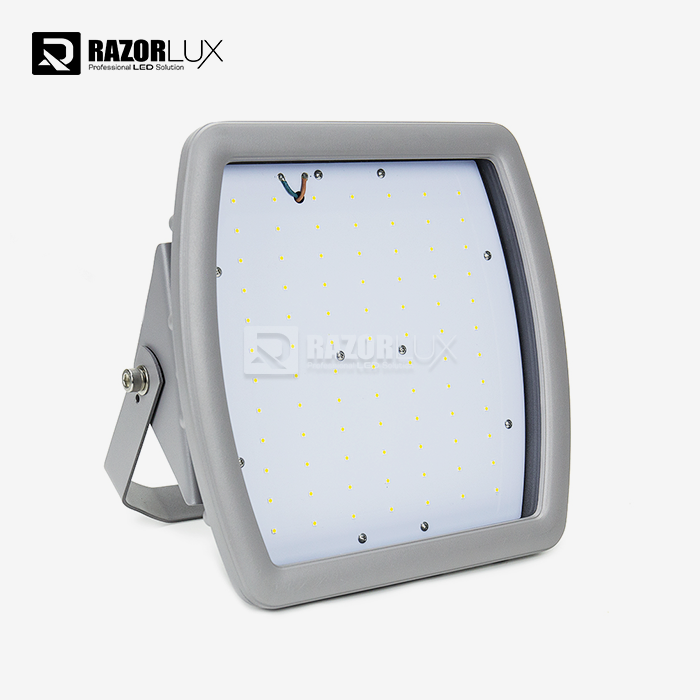
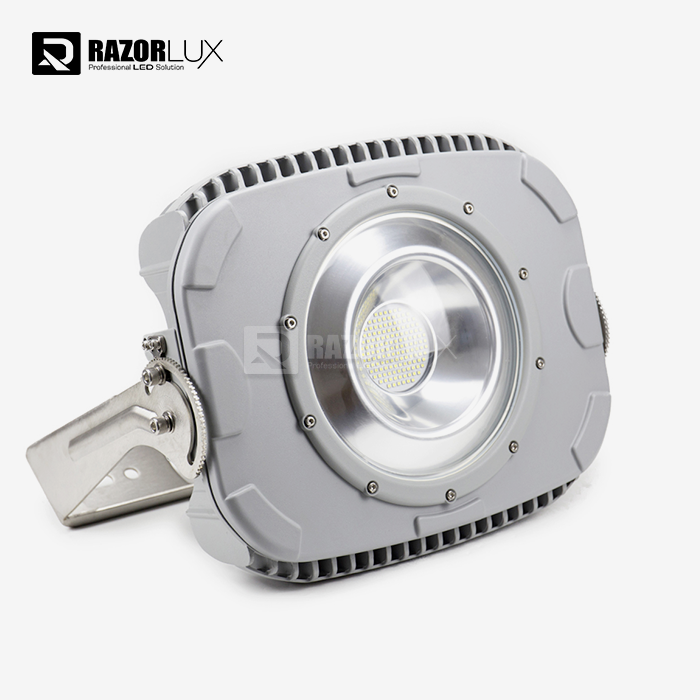
Led High Mast Flood Lights are the current answer to an old problem when it comes to lighting up large outdoor areas like stadiums, ports, industrial sites, and infrastructure projects. These high-intensity luminaires, which are usually placed at towering heights of 15 to 50 meters, provide excellent lighting over large areas while solving important practical issues like energy use, upkeep accessibility, and environmental impact. Modern LED technology is much better than older Metal Halide or High-Pressure Sodium systems, which required facility managers to replace lamps often and pay sky-high electricity bills. It has a higher lumen output, more precise beam control, and stronger construction to handle the tough conditions of marine environments, heavy industry, and large construction sites.
Understanding LED High Mast Flood Lights: Features and Benefits
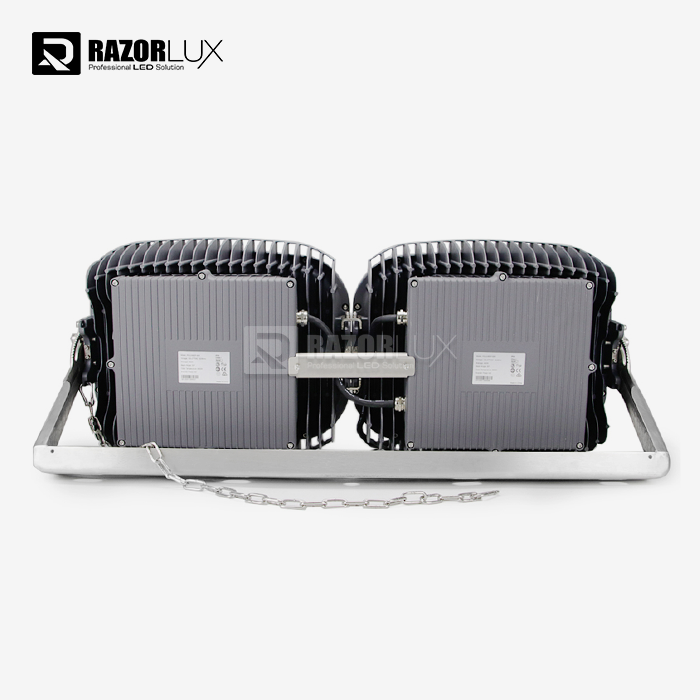
When it comes to lighting up huge areas, LED High Mast Flood Lights are a big change. High-power LED arrays, precision-engineered optics, advanced thermal management systems, and weather-resistant housings make up these high-tech fixtures that can work in the harshest conditions.
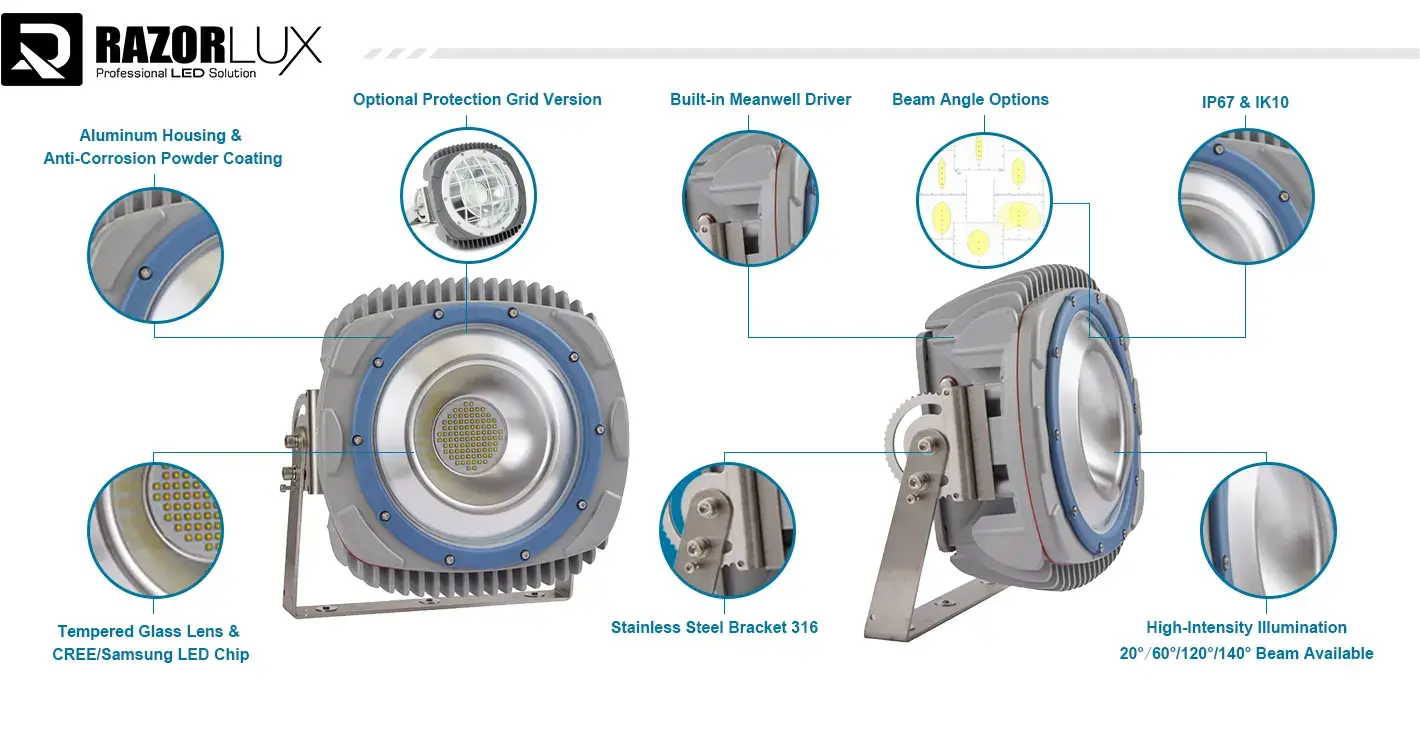
Core Components That Define Performance
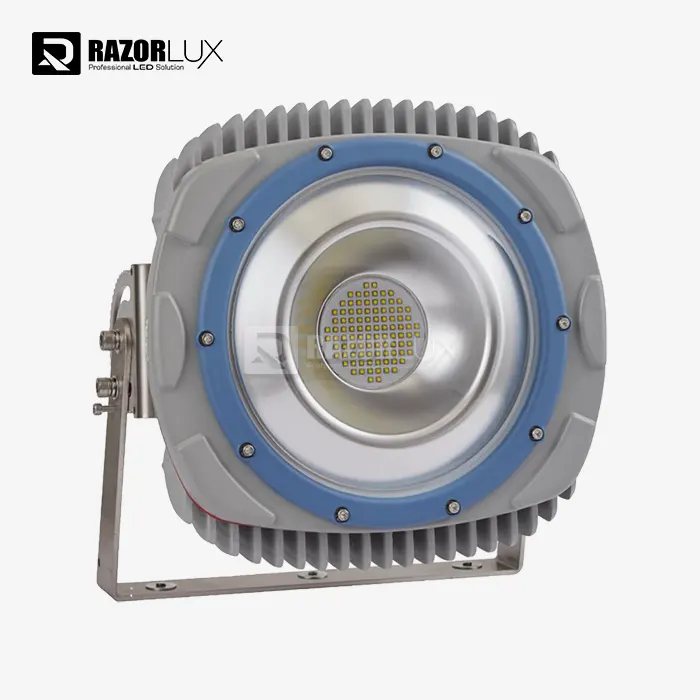
There is a carefully chosen set of parts at the heart of every reliable LED High Mast Flood Lights system. Premium LED chips provide steady light output that doesn't change much over time. Smart thermal management, which includes aluminium heat sinks and special coatings, keeps junction temperatures in the right ranges even during extended use. The driver technology, which usually includes Mean Well power sources, keeps the current fixed over a wide range of voltages. This keeps the system safe from the usual changes in voltage that happen in industrial settings. In salt-spray settings, housing materials must not rust. This is especially important for port and offshore uses, where C5-M anti-corrosion processes are required. This way of thinking about engineering is shown by our RGL-120A example. This fixture has a rated power of 120W and a stable flux of 14,400 lumens. It has an impressive 130 lumens per watt efficiency and can be used instead of 250–300W HID lamps. The flexible design lets you put it in several different ways, and it still has IP67 protection against water and IK10 impact resistance. This system can work with a wide voltage range (AC 80-315V or DC 80-400V) without the need for extra adapters. It can handle the electricity problems that are common in shipyards, rural industrial sites, and temporary building zones.
Energy Efficiency and Operational Savings
When you look at the total cost of ownership, the financial case for using LEDs becomes strong. Traditional lighting technologies waste a lot of energy as heat, need to be relamped often at dangerous heights, and lose lumens quickly, which makes it harder to see and less safe. Compared to their HID peers, LED High Mast Flood Lights systems use 60–75% less energy, which directly means lower operating costs every month. Modern LED modules have a working life of 50,000 hours, which means that maintenance intervals are years instead of months. This saves money on crane rentals, labour costs, and production delays that come with replacing lamps on 30-meter poles. In addition to saving money directly, LED technology has a higher power factor (≥0.98) and less total harmonic distortion (<10%), which means it puts less stress on the electrical system and could help sites get utility refunds. Instant-on functionality gets rid of warm-up delays, and flicker-free operation protects worker efficiency and allows high-definition security camera functionality—important factors for operations that happen around the clock in industrial complexes, ports, and rail yards.
Environmental and Safety Advantages
There is more and more pressure on modern site managers to reduce their impact on the environment while also making the workplace safer. Both requirements are met well by LED High Mast Flood Lights systems. The lack of mercury and other dangerous materials makes it easier to get rid of them and follow the rules. Also, precise beam control cuts down on light pollution and sky glow that hurt ecosystems and communities nearby. Asymmetric optics direct light downwards where it's needed instead of sideways into neighbourhoods or upwards into the night sky. This addresses the concerns that have made traditional high-mast installations unpopular in areas with lots of people. It's not just about even lighting that affects safety. High Colour Rendering Index (CRI ≥75, with ≥80 and ≥90 also available) makes sure that colours are correctly perceived, which helps workers spot dangers, read signs, and safely run machinery. Getting rid of flashing lights stops the stroboscopic effect that can make moving equipment look like it's not moving, which is dangerous in industrial settings. Our systems can work in a wide range of temperatures, from -40°C to 60°C, so they can keep working in harsh conditions, from Arctic ports to industrial zones in the Middle East.
Comparing LED High Mast Flood Lights with Traditional Flood Lights
Knowing the difference in performance between LED High Mast Flood Lights and older lighting technologies can help you justify the money you need to spend on system upgrades at first. The comparison shows that the new system is better in every way that procurement managers, building engineers, and financial planners care about.
Performance Metrics That Matter
Traditional Metal Halide lights may say they have a high lumen output at first, but their performance drops quickly. Within the first year of use, they often lose 30 to 40 percent of their brightness. Led High Mast Flood Lights systems keep giving off the same amount of light over their entire life. After 50,000 hours, good fixtures keep 90% of their original lumen output. Because it is stable, your lighting design formulas will still work for years to come, without having to be constantly updated or over-specified to account for expected wear and tear. Another important difference is colour temperature uniformity. When Metal Halide lamps get old, they turn green, which makes the room look bad and makes color-critical work harder. Our LED systems let you choose from colour temperatures between 2700K and 6500K, and these temperatures stay the same for the life of the light. With beam angles of 60°, 120°, and 140°x60°, you can precisely match the light distribution to the shape of the site, whether you're lighting up a round sports pitch or a rectangular container terminal.
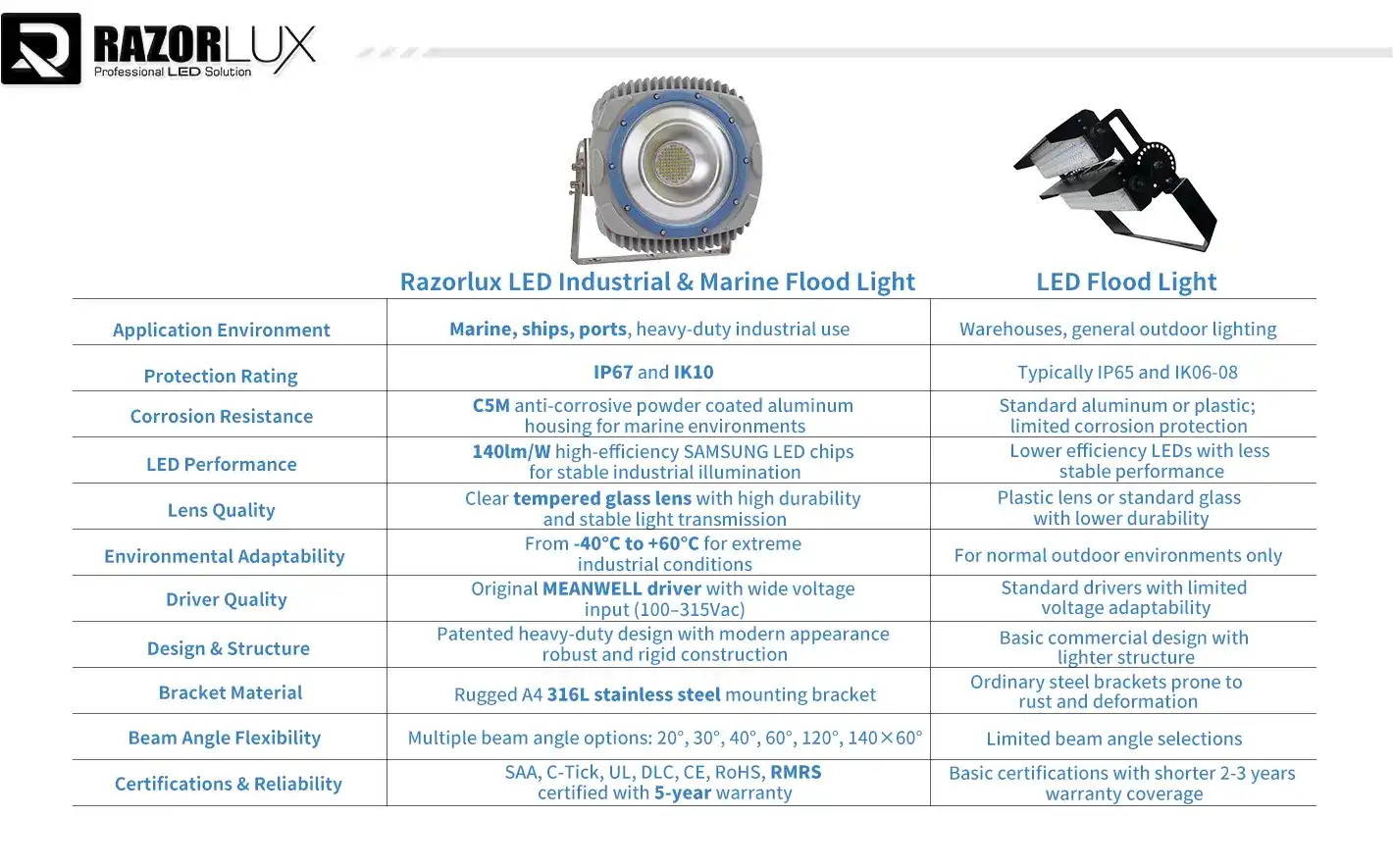
| Performance Factor | Traditional HID (250-300W) | LED System (120W) |
|---|---|---|
| Energy Consumption | 250-300W | 120W |
| Lumen Output | 18,000-22,000 (initial) | 14,400 (stable) |
| System Efficacy | 60-75 lm/W | 130 lm/W |
| Lifespan | 10,000-15,000 hours | 50,000+ hours |
| Lumen Maintenance | 60-70% at 10,000 hrs | 90%+ at 50,000 hrs |
| Warm-up Time | 5-15 minutes | Instant |
| Color Rendering | CRI 65-75 (unstable) | CRI ≥75 (stable) |
These speed changes directly lead to better operations. More than half of the power used by ports can be saved, and crane workers can see better while working at heights. The people who run stadiums get rid of the embarrassing delays that happen when events have to wait for the lights to warm up. By making colours look more true and uniform, factories can cut down on accidents at work and save money on their energy bills at the same time.
Durability in Demanding Environments
Ingress security scores show how well a fixture can handle situations that happen in the real world. Our IP67 grade means that it is completely safe from dust and water up to one metre deep, which is very important for sites near the coast that are likely to be hit by storm surges and heavy rain. The IK10 impact rating gives you peace of mind that it will not be damaged by vandalism, flying objects during storms, or accidental hits while using a crane or moving materials. Long-term life in toxic environments depends on the choice of materials. Our fixtures' aluminium powder-coated housings and stainless steel brackets are resistant to salt spray, chemicals, and changes in temperature that would destroy cheaper products in months. Purchasing managers at shipyards know this to be true: replacing fixtures that are on ships or remote platforms is much harder and costs a lot more than replacing fixtures that are on land. The 10-year housing warranty we offer on these parts is based on real engineering confidence, not marketing hype.
Configuration Flexibility and Installation Adaptability
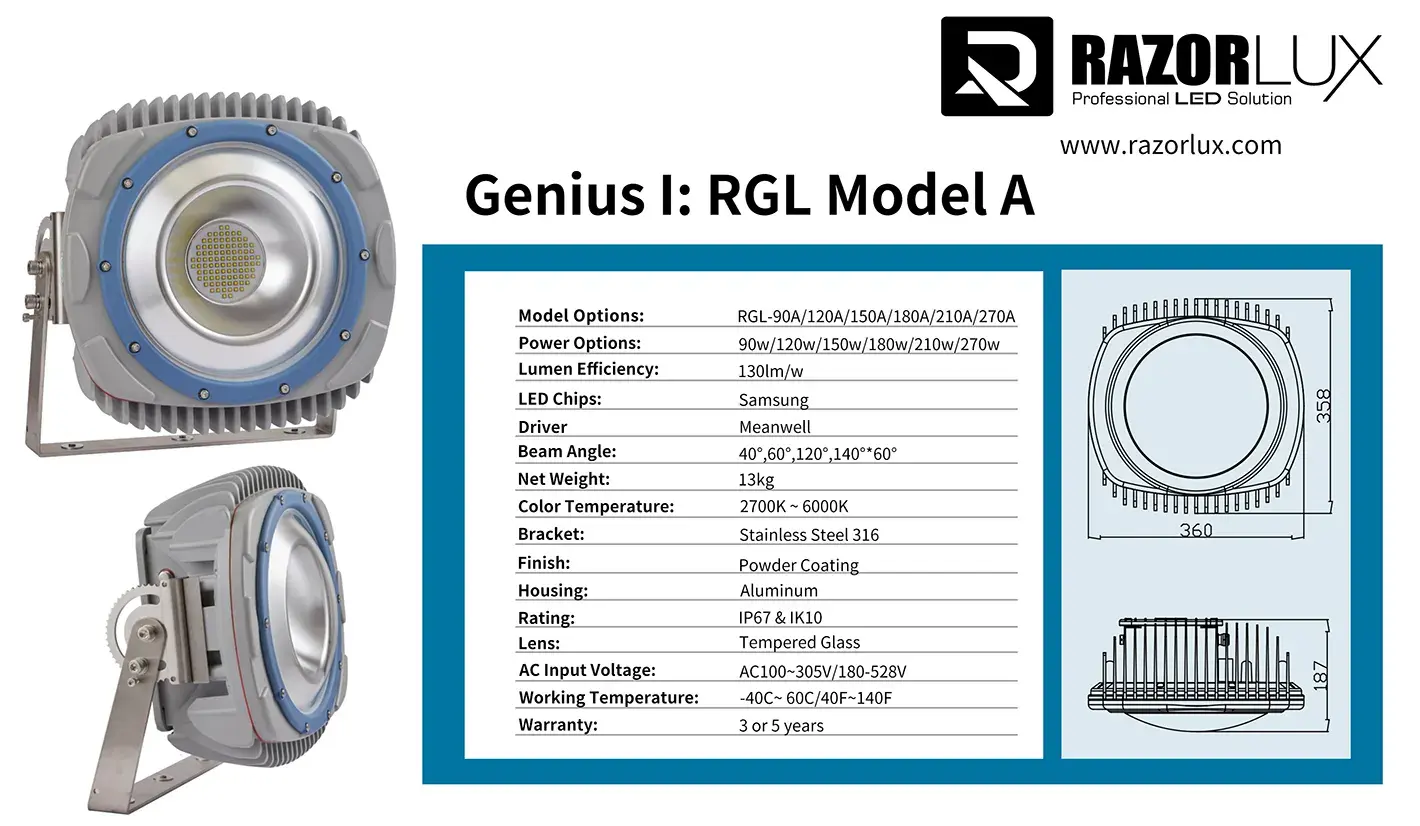
Modern LED high mast flood light systems can be mounted in several different ways that older lights can't. Our RGL-120A model's small size (360mm x 358mm x 187mm) and light weight (8 kg) make it easier to install and lower the wind load on pole structures, which is very important for 40-meter sites that are exposed to hurricane-force winds. The universal voltage input (80-315VAC or 80-400VDC) gets rid of the need to order specific parts for each project and makes it easier for contractors who work in more than one region to keep track of their inventory.With different beam angle choices, a single device family can be used for many different tasks. The narrow 60° beam focuses light to cover the largest area for the longest throw in train yards and ports, while the wider 120° beam covers more ground in parking lots and other industrial areas. The asymmetric 140°x60° configuration covers a rectangular area better, requires fewer fixtures, and lowers both the initial cost and the ongoing cost of running the system.
How to Choose the Best LED High Mast Flood Lights for Your Projects
To choose the right high mast lighting, you need to carefully compare the needs of the project with the methods that are available. When making this choice, procurement managers who take a methodical approach avoid mistakes that cost a lot of money and get better long-term results. Led High Mast Flood Lights selection requires systematic evaluation.
Evaluating Project-Specific Requirements
Understanding the task is the first step in designing the lighting. For TV broadcasting, sports stadiums need high uniformity ratios and high vertical illuminance. For ground-level safety, industrial yards, on the other hand, focus on horizontal illuminance. When port cranes are in use, they need different amounts of light than when highway stops are in use. Setting clear performance goals, like average light levels, regularity ratios, and glare control limits, makes it possible to compare products in a useful way. The amount of lumens needed depends on how high the stand is and how much space it covers. According to the inverse square rule, the amount of light drops as the square of the distance. This means that a fixture mounted 40 meters away needs four times the output of a similar unit placed 20 meters away to provide the same amount of light at ground level. When the poles are between 15 and 25 meters high, our 120W fixture with 14,400 lumens works well. Higher-wattage configurations are better for mounting at higher heights. The environment determines the level of security needed and the materials that should be used. Marine-grade corrosion protection and sealed optics are required for sites near the coast to keep salt from building up. Fixtures that can safely work at -40°C and keep their lighting performance as temperatures change are needed in places that get very cold. Our systems work in a wide range of temperatures, from -40°C to 60°C, so they can be used in a wide range of places around the world, from Norwegian ports to petroleum plants in the Middle East.
Critical Selection Criteria
Metrics for the energy economy should be carefully looked at beyond just comparing wattages. Lumens per watt is the most clear way to measure how efficient a lighting system is, but power factor, harmonic distortion, and voltage range are also important parts of a full review. A high power factor (≥0.98 in our fixtures) makes it look like less power is being used, and you may be able to get utility discounts for this. When total harmonic distortion is less than 10%, electrical system stress and interference with sensitive equipment are kept to a minimum. Our systems can handle a very wide range of voltages (80-315VAC), so they can keep running smoothly even when the power grid changes, which can happen in industrial areas and growing areas. This keeps your lighting investment from breaking down too soon. The length of the warranty shows how confident the maker is in the product and how much it will cost in the long run. Our 5-year warranty on LED modules and drivers and 10-year warranty on the case show how good the parts and tech are. This extra coverage is especially helpful for installations that are hard to get to, or that need expensive equipment or production to stop. Using Mean Well power supplies, which are known around the world for being reliable, gives more trust and makes it easier to find replacements if fixes need to be done in the field. Dependability of the supplier has a big effect on the success of the project, just like product specs do. Companies that have been around for a long time, have a lot of certifications (CE, RoHS, UL, DLC, SAA, C-Tick, CB, ISO 9001), and have case studies of similar products in use are safer to buy from than new companies.
Comparing Leading Solutions
The market has a lot of choices at a range of price points and levels of ability. Brands like Philips, Cree, OSRAM, and GE have been around for a long time and have large global support networks. For local jobs, regional makers may be able to offer better prices and faster delivery. To compare these options, you need to look at more than just the price of the original buy. You also need to look at the total cost of ownership over the expected lifetime.
| Selection Criteria | Razorlux RGL-120A | Standard Market Alternative | Premium Global Brand |
|---|---|---|---|
| System Efficacy | 130 lm/W | 110-120 lm/W | 125-140 lm/W |
| IP Rating | IP67 | IP65 | IP66-IP67 |
| Operating Voltage | 80-315VAC/80-400VDC | 100-277VAC | 120-277VAC |
| Driver Brand | Mean Well | Generic/OEM | Branded (varies) |
| Warranty | 5 years (LED/Driver), 10 years (Housing) | 3-5 years | 5-7 years |
| Customization | Extensive (OEM/ODM) | Limited | Moderate |
| Certifications | CE, RoHS, UL, DLC, SAA, C-Tick, CB, ISO 9001 | CE, RoHS | Full international suite |
| Lead Time | 2-4 weeks | Varies widely | 4-8 weeks |
Based on this comparison, it's clear that mid-level professional makers usually offer the best mix of speed, dependability, and value. The price of premium brands is higher, but the small improvement in performance might not be worth the extra money, especially for big projects where money is tight. On the other hand, cheap choices from unknown suppliers pose too much risk because the quality of the parts isn't guaranteed, there aren't any certifications, and there isn't any help after the sale.
Installation, Maintenance, and Energy Management Best Practices
How well Led High Mast Flood Lights work and how long they last depend on how well they are installed and maintained over time. Managers of procurement must make sure that installation contractors have the right skills and that building staff know what needs to be done for upkeep.
Site Assessment and Installation Planning
A careful site evaluation is the first step to a successful installation. Using special software for photometric modelling, you can get exact estimates of illuminance levels, uniformity ratios, and glare indices by giving information about the fixture, its mounting height, pole spacing, and pointing angles. This program finds possible problems before the equipment gets to the spot, so changes that cost a lot of money or result in poor performance are avoided. This important planning step can be done with IES photometric files from reputable manufacturers, which is another reason to choose known suppliers over unknown ones. The design of the foundation has to take wind loads, dirt conditions, and earthquake needs into account. High mast poles have a lot of surface area that can be affected by wind, which makes the base very likely to flip over. Instead of just steady wind pressure, engineers should use gusts to add dynamic loads to their calculations. At the soil-air interface, coastal and offshore installations are more likely to rust, so they need special foundation coatings or cathodic protection systems.
Mounting Strategies and Electrical Integration
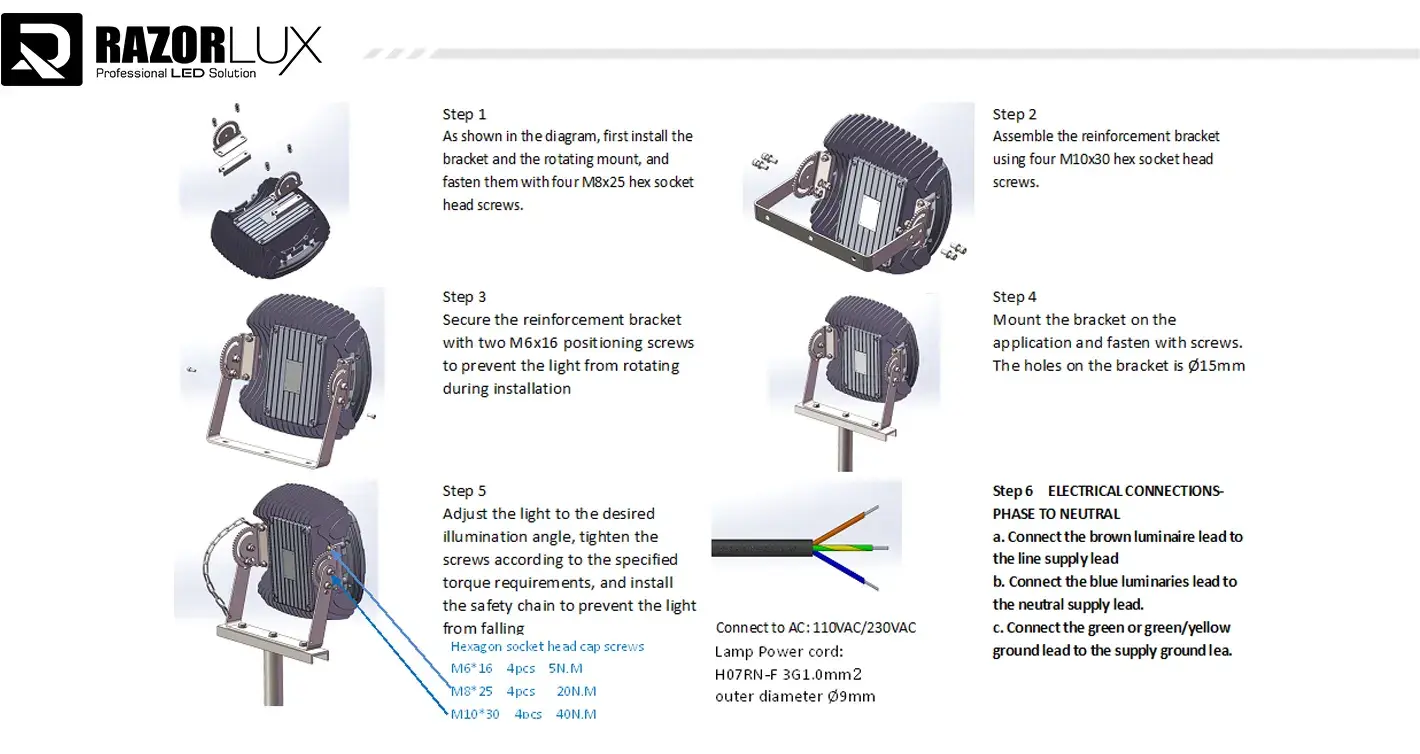
When you aim a bulb correctly, you can get the most area while minimising glare and light spill. In most cases, symmetric pole layouts with fixtures aimed inward at precise angles to achieve target uniformity work best. Adjustable mounting clips on good lights make it easier to line them up the first time and let you make changes in the future if your usage changes. When working at heights, where device removal could cause serious harm or damage, it's important to have secure mounting hardware. Stainless steel brackets and grade 8 screws are good investments for safety and dependability. When electrical systems are combined, they should follow the rules and use the best methods for working in factories. Lighting systems don't trip when motor starting currents flow through them because they have their own dedicated circuits. Surge protection devices keep expensive LED drivers safe from transients and grid switching events caused by lightning. Our fixtures can handle a wide range of input voltages (80-315VAC), which protects them against voltage drops and rises. However, extra protection makes the system last longer and lowers the number of failures that happen in places with bad electricity.
Maintenance Protocols and System Longevity
LED technology requires a lot less maintenance than traditional lighting, but if you don't take care of it, it will break down early. Setting up regular inspection procedures lets you catch problems as they arise before they cause power blackouts. Every six months, the mounting tools should be checked for rust and tightness. The optical surfaces should be cleaned to keep the light output, and the electrical connections should be checked to make sure they are still safe. Thermal imaging during night checks can find drivers who are running at high temperatures. This means that a failure is about to happen and can be fixed during routine maintenance instead of having to be fixed right away. The modular form of good LED lights makes it easier to fix them when they break. Replaceable driver modules that can be reached without taking the whole fixture apart make it possible to make quick repairs in the field with common tools. Because our LED modules and drivers come with a 5-year guarantee, most problems that happen in the first few years are covered by the maker and not the owner. Keeping extra drivers and modules in the building stores lets the lights be turned back on right away during important operations, and warranty claims can be handled later. Energy control tools let LED installations save even more money. By adding dimmer controls, lighting levels can be adjusted to match real-use—full power during operations, lower levels during overnight security patrols, etc. Motion sensors and photocells automate control, which cuts down on mistakes made by people and makes the best use of energy. When you combine LED technology, which is naturally energy-efficient, with smart controls, you can save more than 80% of the energy used by old systems that always put out the same amount of light, no matter what.
Procurement and Supply Chain Insights for Bulk Buyers and OEMs
When buying things on a large scale, you need to use strategies that balance the needs of the project right now with the needs of the business in the long term. Instead of buying LED high mast flood lights one deal at a time, facility managers who are in charge of multiple sites and contractors who are in charge of a variety of projects would be better off building relationships with reliable makers.
Identifying Reputable Suppliers
Along with product specifications, a supplier's evaluation should look at how well they can make the product, their quality systems, and their financial stability. Companies that have a lot of patents and well-established research and development teams show that they are truly innovative instead of just copying other people's designs. Our company has over 200 patents covering LED Packaging, power control, and structural design. This shows that we have been investing in engineering since our start in 1998. Systematic quality management is shown by ISO 9001 certification, and independent proof of performance and safety claims is shown by UL, DLC, CE, RoHS, RMRS, and TUV product certifications. When working on big projects with tight deadlines, production ability is important. Manufacturers who keep a large stockpile and are open with their production schedules can meet urgent needs without lowering the quality of their products. Being able to test samples before placing full-scale orders shows trust and lets technical teams confirm promises of performance. Through our sample program, buyers can test real products in their own environments, making sure they work with existing systems and confirming photometric predictions.
Pricing Structures and Customization Options
When projects need dozens or hundreds of fittings, volume price starts to matter. Setting up framework agreements with preferred suppliers gets you better prices and makes sure that the quality of the products stays the same across multiple phases of a project. Bulk discounts should be based on real manufacturing economies, not just high list prices that can be negotiated. Clear pricing structures help build trust and make the procurement process easier. Customisation features let you use regular products in more situations than just the ones that come with them. With OEM and ODM services, you can add certain control systems, custom mounting arrangements, or visual distributions that are perfect for your site. Our production freedom lets us make changes to wattage, housing colour, and even branded enclosures for builders who are making their own lighting systems. This feature is especially useful for naval uses where the needs of each vessel require custom solutions.
Logistics and International Supply Chain Management
International procurement is more complicated than local purchase. Freight forwarders with a lot of knowledge are needed to understand Incoterms and handle customs clearance, taxes, and import rules. When choosing between air, ocean, and rail transport, speed and cost must be weighed against each other, and project deadlines determine what delivery windows are acceptable. Reliable sellers keep in touch with well-known transportation providers, which makes it easier for buyers to coordinate. For just-in-time building projects, where warehouse space is restricted, and installation teams wait for materials to arrive, it's important to coordinate delivery schedules. Standard goods can be shipped in two to four weeks thanks to our streamlined production methods and global shipping experience. During production and transit, we keep you informed clearly. Giving project managers tracking information and early warning of any delays lets them change their plans instead of having to deal with disruptions that come up out of the blue. International shipments need business invoices, packing lists, certificates of origin, and product approvals as proof of what they are sending. Customs delays can throw off project schedules and raise costs through demurrage charges and faster freight, so make sure all of your information is complete and correct. Professional providers know what these rules are and offer complete paperwork packages that make processing go more smoothly.
Razorlux: Engineering Excellence Since 1998
Xi'an Razorlux Optoelectronic Technology Co., Ltd. is an example of how LED lighting manufacturing has changed over time, from putting together parts to designing whole systems. Our 26-year history shows that we have always been dedicated to new ideas, high quality, and customer satisfaction in naval, industrial, and heavy-duty settings. The company's many patents, which cover things like LED packaging, power control, and structural design, show that they are really good at research and development, not just making marketing claims. Our manufacturing quality includes full control from choosing the parts to checking the finished product. Premium parts like Mean Well power sources, high-efficiency LED chips, and marine-grade materials are used to make sure that the products will work reliably in the harsh conditions that our customers face every day. Before goods are sent to customers, they are put through a series of tests that make sure they are reliable over time, protect against water and other harm, and work well in hot or cold temperatures. The amazing 10-year housing warranty and 5-year warranty on LED modules and drivers show that the company is confident in its engineering and quality control. Certifications like UL, RMRS, TUV, CE, SAA, RoHS, DLC, C-Tick, CB, and ISO 9001 give products access to global markets and show that they are committed to meeting the needs of different regions. This wide range of certifications makes it easier to get things for foreign projects and makes sure that local rules are followed in places in North America, Europe, Asia-Pacific, and the Middle East. Our well-known presence means that we can serve customers in Arctic Norwegian ports as well as tropical Southeast Asian shipyards. Our goods have been tested and proven to work in all kinds of situations around the world. The focus on the customer goes beyond just selling products and includes full support throughout the whole project lifecycle. Our decades of experience in a wide range of industries and settings help us find the best solutions for each application during pre-sales consultation. Custom sampling and testing services let you test things out before committing to big quantities. Technical documentation, installation instructions, and quick support after the sale are all things that make sure the deployment goes smoothly, and the customer is happy in the long run.
Conclusion
In conclusion, when performance, dependability, and economy are important, LED High Mast Flood Lights are the best option for lighting stadiums and factories. When you switch from old HID technologies to new LED systems, you immediately save money on energy costs, have less upkeep to do, and get better lighting that makes things safer and more productive. Procurement managers who carefully look at what the project needs, choose high-quality goods from reliable companies, and make sure they are installed correctly, build lighting systems that will meet the needs of the building for decades. LED systems have many benefits, including a longer lifespan, better resistance to external factors, flexible controls, and steady output. These benefits make the initial investment worth it because they lower the total cost of ownership over time.
FAQ
What lifespan can I expect from LED high mast systems compared to traditional fixtures?
Metal halide lamps lose a lot of their brightness after 10,000 to 15,000 hours of use, but good LED High Mast Flood Lights systems keep 90% of their original lumen output for 50,000 hours or more. In normal situations, this means that the lamp will last 5–10 years instead of 1–2 years for HID lights, which means a lot less upkeep costs and downtime.
How do I ensure installation complies with safety protocols?
Hire licensed electricians who know how to install things on high masts and who follow local electrical codes and OSHA safety rules. Make sure that the building of the base takes wind loads and earthquakes into account. Assure proper grounding and surge protection, and check the mounting and pointing angles after installation to make sure they are safe.
What factors drive cost differences in bulk LED high mast procurement?
The quality of the parts has a big effect on the price. Fixtures with premium LED chips, Mean Well drivers, and marine-grade housings are more expensive than cheaper alternatives, but they last longer and work better. Price differences are also caused by things like full certifications, longer warranties, the ability to customise, and manufacturer support. Look at the total cost of ownership instead of just the buying price.
Partner With Razorlux for Your High Mast Lighting Projects
If you want to improve the lighting in your stadium or factory, you need an LED high mast flood lights provider with technical know-how, top-notch manufacturing, and full support. Razorlux offers tested solutions that are backed by 26 years of new ideas, more than 200 patents, and certifications that meet international standards. This is shown by our RGL-120A fixture, which has 130 lm/W efficacy, IP67/IK10 safety, global voltage compatibility, and high-quality Mean Well parts in a package that is reasonably priced and comes with the best warranties in the industry. Our team can help you with expert advice, custom samples, full paperwork, and quick after-sales support, whether you're lighting up a port facility in Norway, an offshore platform in the Middle East, or an industrial complex in Southeast Asia. This will make sure that your project is a success. Contact sam@razorlux.com right away to get competitive quotes, detailed specifications, and suggestions that show why smart buyers choose Razorlux as their reliable LED High Mast Flood Lights manufacturer.
References
1. Illuminating Engineering Society (IES). "Recommended Practice for High Mast Lighting." ANSI/IES RP-19-22, 2022.
2. Department of Energy, Office of Energy Efficiency and Renewable Energy. "LED Lighting for Outdoor Applications: Performance Considerations and Best Practices." DOE Solid-State Lighting Program, 2021.
3. International Commission on Illumination (CIE). "Guide on the Limitation of the Effects of Obtrusive Light from Outdoor Lighting Installations, 2nd Edition." CIE 150:2017.
4. American Society for Testing and Materials. "Standard Practice for Conducting Outdoor Lighting System Audits." ASTM E2937-17, 2017.
5. International Association of Ports and Harbors. "Port Lighting Design Guidelines: Safety, Security, and Environmental Considerations." IAPH Technical Report Series, 2020.
6. National Electrical Manufacturers Association. "High Intensity Discharge and LED Luminaires for Roadway and Area Lighting." ANSI C136.31-2019.